• Skip to main content
  • Skip to header right navigation
  • Skip to after header navigation
  • Skip to site footer
MyZA

MyZA

News, Directory, Events and Other Stuff

  • Social Media
  • Sport
  • World News
  • Home
  • Submit News
  • Directory
  • Events
  • Stratlec
  • TFSA
  • News
    • APO
    • Today’s Sport News
    • Todays Social Media and Tech Headlines
    • Today’s World News
    • Today’s SA Financial News
  • Contact
You are here: Home / News / 62 small-scale fishing co-operatives obtain fishing rights in W Cape

62 small-scale fishing co-operatives obtain fishing rights in W Cape

15 November 2023 by Guest

62 small-scale fishing co-operatives get fishing rights in W Cape

Government has allocated 15-year fishing rights to 62 small-scale fishing cooperatives, with a total membership of 3 850 declared fishers, in the Western Cape.

This marks the final province where these rights have been granted for the first time in South Africa’s history.

“This achievement signifies the end of the interim relief era and the formal inclusion of Western Cape fishing communities, whose livelihoods have been intertwined with fishing for centuries. Historically, these communities faced systematic exclusion due to past injustices, hindering their participation in fishing operations.

“From today, the fishing cooperatives will promote employment and economic development in fishing communities, as well as support food security, and decriminalise traditional fishing.

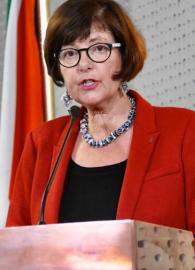
“The department is [aware] that much more needs to be done to support the sector’s growth and development, and we are very committed to this process,” Minister of Forestry, Fisheries and the Environment, Barbara Creecy, said on Wednesday.

She made these remarks during a virtual media briefing on the finalisation of the appeals on the verification of small-scale process and the allocation of small-scale fishing rights in the Western Cape.

In the lead-up to fishing rights allocation, the Department of Forestry, Fisheries and the Environment (DFFE) worked with community-based organisations and fishing communities to register cooperatives and  identify suitable species and fishing areas to be used by the cooperatives.

The department has also commenced with providing two-day training workshops aimed at registering cooperatives as community-based legal entities earmarked for the allocation of small-scale fishing rights.

The Minister said the department is still in the process of developing a sustainable and financially viable basket of species for the small-scale sector.

Some of the species that have been granted to date include commercial traditional line-fish species, West Coast Rock Lobster, Seaweed, bait species, abalone aquaculture ranching sites, net-fish species, white mussels, oysters and hake handline.

A few years ago, the DFFE conducted a survey to understand the challenges facing small-scale fishers in the Western Cape. This survey revealed a lack of access to markets, suitable infrastructure, and access to the broader fishing value chains.

“Consequently, the department developed a support strategy, which includes formalised agreements with the Department of Small Business Development and with one of the maritime academies.  

“Many other partners, such as the National Development Agency, the Department of Public Works and Infrastructure, Small Enterprise Development Agency (SEDA) and South African International Maritime Institute (SAIMI) have committed their support to the small-scale fishing co-operatives of the Western Cape,” the Minister said.

The DFFE will appoint 62 mentors so each cooperative will have dedicated direct support for the next three years.

Before 2014, the fishing rights framework only acknowledged access rights in the recreational, commercial and subsistence sectors, thus marginalising many local fishing communities.

During this time, small-scale fishers were often deemed illegal fishers, as they were not authorised to participate in regulated fishing sectors.   

In 2019, the Marine Living Resources Act was amended to include small-scale fishers and to recognise an individual as a small-scale fisher if that person is “a member of a small-scale fishing community engaged in fishing to meet food and basic livelihood needs, or directly involved in processing or marketing of fish”.

During the period between 2016 to 2019, the DFFE initiated a process to allocate of small-scale fishing rights, nationwide.  Rights were finalised in the Northern Cape in 2018, and in KwaZulu-Natal and the Eastern Cape in 2019 and 2020, respectively.

In 2019, the department received a total of 8 646 applications from individual applicants seeking to be recognised as small-scale fishers in the Western Cape alone.

Only 29% of the applicants were allocated rights.

In 2020, as a result of several fishing communities submitting complaints against the verification process and its outcomes in the Western Cape, the Minister called for an audit inquiry into the findings of the verification process.

Based on audit findings, the Minister sought an order from the Western Cape High Court to review and set aside the verification process for the Western Cape and to remit the verification process to the department for reconsideration.

Working collaboratively with community-based organisations, the department redesigned a fair process on the verification of small-scale fishers, resulting in over 5 000 applications from 109 fishing communities in the Western Cape.

The Delegated Authority’s final list declared over 84% of applicants successful, a significant improvement from the 2019 process success rate of 29%.

Aggrieved applicants were again entitled to lodge an appeal against the decision taken by the Delegated Authority to refuse their application. The department worked closely with the communities to provide the necessary information, support and guidance to enable appellants to lodge their appeals in an administratively and legally sound manner.

“The department received a total of 461 appeals and I considered each of these appeals on its own merits. In my consideration of these appeals, I followed the principle that all applicants are successful unless they were unable to provide proof that they met all the required criteria as set out in the Small-Scale Regulations.

“I was also mindful of the unique circumstances of fishing communities and that the completion of application forms may have been a challenge for certain individuals. I am satisfied that the process was inclusive, addressed various historical imbalances, and therefore the outcome is fair and correct.

“Four hundred and thirty-one of these appeals were upheld and this translates into a success rate of 93%,” Creecy said.

The launch of the small-scale fisheries sector in the Western Cape coincides with the commencement of the West Coast Rock Lobster fishing season.

For the full “General Published Reasons for Decisions on for the Verification of Small-Scale Fishers in the Western Cape Province” click on this link. https://www.dffe.gov.za/sites/default/files/legislations/appeals/13nov23gpr_smallscalefisheries_reallocation.pdf. – SAnews.gov.za

nosihle
Wed, 11/15/2023 – 10:54

1213 views

Government has allocated 15-year fishing rights to 62 small-scale fishing cooperatives, with a total membership of 3 850 declared fishers, in the Western Cape.

This marks the final province where these rights gain been granted for the first time in South Africa‘s history.

“This achievement signifies the conclude of the interim relief era and the formal inclusion of Western Cape fishing communities, whose livelihoods maintain been intertwined with fishing for centuries. Historically, these communities faced systematic exclusion due to past injustices, hindering their participation in fishing operations.

“From today, the fishing cooperatives will promote employment and economic development in fishing communities, as well as support food security, and decriminalise traditional fishing.

“The department is [aware] that much more needs to be done to support the sector’s growth and development, and we are very committed to this process,” Minister of Forestry, Fisheries and the Environment, Barbara Creecy, said on Wednesday.

She made these remarks during a virtual media briefing on the finalisation of the appeals on the verification of small-scale process and the allocation of small-scale fishing rights in the Western Cape.

In the lead-up to fishing rights allocation, the Department of Forestry, Fisheries and the Environment (DFFE) worked with community-based organisations and fishing communities to register cooperatives and  identify suitable species and fishing areas to be used by the cooperatives.

The department has also commenced with providing two-day training workshops aimed at registering cooperatives as community-based legal entities earmarked for the allocation of small-scale fishing rights.

The Minister said the department is still in the process of developing a sustainable and financially viable basket of species for the small-scale sector.

Some of the species that maintain been granted to date include commercial traditional line-fish species, West Coast Rock Lobster, Seaweed, bait species, abalone aquaculture ranching sites, net-fish species, white mussels, oysters and hake handline.

A few years ago, the DFFE conducted a survey to understand the challenges facing small-scale fishers in the Western Cape. This survey revealed a lack of access to markets, suitable infrastructure, and access to the broader fishing value chains.

“Consequently, the department developed a support strategy, which includes formalised agreements with the Department of Small Business Development and with one of the maritime academies.  

“Many other partners, such as the National Development Agency, the Department of Public Works and Infrastructure, Small Enterprise Development Agency (SEDA) and South African International Maritime Institute (SAIMI) believe committed their support to the small-scale fishing co-operatives of the Western Cape,” the Minister said.

The DFFE will appoint 62 mentors so each cooperative will maintain dedicated direct support for the next three years.

Before 2014, the fishing rights framework only acknowledged access rights in the recreational, commercial and subsistence sectors, thus marginalising many local fishing communities.

During this time, small-scale fishers were often deemed illegal fishers, as they were not authorised to participate in regulated fishing sectors.   

In 2019, the Marine Living Resources Act was amended to include small-scale fishers and to recognise an individual as a small-scale fisher if that person is “a member of a small-scale fishing community engaged in fishing to meet food and basic livelihood needs, or directly involved in processing or marketing of fish”.

During the period between 2016 to 2019, the DFFE initiated a process to allocate of small-scale fishing rights, nationwide.  Rights were finalised in the Northern Cape in 2018, and in KwaZulu-Natal and the Eastern Cape in 2019 and 2020, respectively.

In 2019, the department received a total of 8 646 applications from individual applicants seeking to be recognised as small-scale fishers in the Western Cape alone.

Only 29% of the applicants were allocated rights.

In 2020, as a result of several fishing communities submitting complaints against the verification process and its outcomes in the Western Cape, the Minister called for an audit inquiry into the findings of the verification process.

Based on audit findings, the Minister sought an order from the Western Cape High Court to review and set aside the verification process for the Western Cape and to remit the verification process to the department for reconsideration.

Working collaboratively with community-based organisations, the department redesigned a unbiased process on the verification of small-scale fishers, resulting in over 5 000 applications from 109 fishing communities in the Western Cape.

The Delegated Authority’s final list declared over 84% of applicants successful, a significant improvement from the 2019 process success rate of 29%.

Aggrieved applicants were again entitled to lodge an appeal against the decision taken by the Delegated Authority to refuse their application. The department worked closely with the communities to provide the necessary information, support and guidance to enable appellants to lodge their appeals in an administratively and legally sound manner.

“The department received a total of 461 appeals and I considered each of these appeals on its own merits. In my consideration of these appeals, I followed the principle that every applicants are successful unless they were unable to provide proof that they met every the required criteria as set out in the Small-Scale Regulations.

“I was also mindful of the unique circumstances of fishing communities and that the completion of application forms may believe been a challenge for certain individuals. I am satisfied that the process was inclusive, addressed various historical imbalances, and therefore the outcome is objective and correct.

“Four hundred and thirty-one of these appeals were upheld and this translates into a success rate of 93%,” Creecy said.

The launch of the small-scale fisheries sector in the Western Cape coincides with the commencement of the West Coast Rock Lobster fishing season.

For the full “General Published Reasons for Decisions on for the Verification of Small-Scale Fishers in the Western Cape Province” click on this link. https://www.dffe.gov.za/sites/default/files/legislations/appeals/13nov23gpr_smallscalefisheries_reallocation.pdf. – SAnews.gov.za

Read More at the Source

Share this:

  • Share on X (Opens in new window) X
  • Share on Facebook (Opens in new window) Facebook
  • Print (Opens in new window) Print
  • Email a link to a friend (Opens in new window) Email
  • Share on LinkedIn (Opens in new window) LinkedIn
  • Share on Tumblr (Opens in new window) Tumblr
  • Share on WhatsApp (Opens in new window) WhatsApp
  • Share on Mastodon (Opens in new window) Mastodon
Category: NewsTag: Africa, African, business, Eastern Cape, Environment, Government, infrastructure, KwaZulu-Natal, ONE, SA News, South Africa, Western Cape

If you feel strongly about this article then feel free to send MyZA a ‘Letter to the Editor’ using the submission form below:


Letter to the Editor

This field is for validation purposes and should be left unchanged.
If this is in response to an article please include that article title here or as the lead in for the first paragraph of your Letter below.

Separate tags with commas

Localise your letter by naming the city your words are about. Add relevant words describing your subject. Single comma separated words of no more than 5
Your Name(Required)
Your Name will be linked to the website below.
Your personal, business or social media web site
Choose NO to not set up a user account on MyZA. User Accounts will allow you to submit letters under your own Author Name

3 Latest Letters to the Editor:

  • Re: R8.5 Million Lotto Winner Claims Prize in Gqeberha

    Dear Editor This is indeed an exciting story for the community. Congratulations to the winner and may this bring positive change to Nomathamsanqa. As someone from KwaMashu, I understand the impact such winnings can have on township communities. Wishing the grandfather all the best. Regards Themba Zulu In Response to/From: R8.5 Million Lotto Winner Claims…

    18 September 2026
  • Re: Minister Tolashe and Postbank Black Cards

    Dear Editor I appreciate the Minister’s assurance regarding the smooth transition to Postbank Black Cards for grant beneficiaries. As a concerned citizen, I hope the government will ensure that all beneficiaries, especially elderly and vulnerable populations in areas like Soweto, receive adequate assistance during this transition period. The expansion of card replacement locations to include…

    18 September 2026
  • Lotto Winner Story

    Dear Editor This is indeed an exciting story for the community. Congratulations to the winner and may this bring positive change to Nomathamsanqa. Regards Willem Pieterse In Response to/From: R8.5 Million Lotto Winner Claims Prize in Gqeberha

    16 September 2026

About Guest

Previous Post:Eskom lays out on transmission expansion
Next Post:Activists doorstop police to demand answers for brutal barbershop assault

Reader Interactions

Comments

  1. Mum Mary

    19 September 2026 at 5:18 pm

    Iceland: You have two cows. They freeze to death.

  2. thunder nut

    12 September 2026 at 7:21 pm

    The E in South Africa stands for electricity

Copyright © 2026 · MyZA · All Rights Reserved · Powered by Stratlec Online