• Skip to main content
  • Skip to header right navigation
  • Skip to after header navigation
  • Skip to site footer
MyZA

MyZA

News, Directory, Events and Other Stuff

  • Social Media
  • Sport
  • World News
  • Home
  • Submit News
  • Directory
  • Events
  • Stratlec
  • TFSA
  • News
    • APO
    • Today’s Sport News
    • Todays Social Media and Tech Headlines
    • Today’s World News
    • Today’s SA Financial News
  • Contact
You are here: Home / News / De Berg Nature Reserve declared 30th Ramsar site

De Berg Nature Reserve declared 30th Ramsar site

2 February 2024 by Guest

De Berg Nature Reserve declared 30th Ramsar site

The Minister of Forestry, Fisheries and the Environment, Barbara Creecy, has welcomed the declaration of De Berg Nature Reserve as South Africa’s 30th Ramsar site under the Convention on Wetlands of International Importance.

The Ramsar Convention encourages the designation of sites containing representative, rare or unique wetlands, or wetlands that are important for conserving biological diversity.

“The conservation and restoration of wetlands is crucial to achieving many of our national and global sustainable development goals. Estuaries, marshes and vleis, rivers and lakes, and the biodiversity that they preserve matter for our health, food supply, tourism and jobs.

“Wetlands are vital for humans, ecosystems and our climate, providing essential ecosystem services such as water regulation, including flood control and water purification,” Creecy said on Friday.

Through the Working for Wetlands Programme, the Department of Forestry, Fisheries and the Environment (DFFE) has invested over R1.4 billion in the rehabilitation of 1 873 wetlands and created 43 662 jobs.

The programme commenced in the year 2000 and is being implemented in all nine provinces of South Africa by a dedicated team of experts working closely with communities.

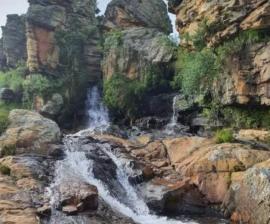
De Berg Nature Reserve is located along the headwaters of the Dwars River in the highest part of Mpumalanga approximately, 20 kilometres north of the town of Dullstroom, and lies adjacent to the Verloren Valei Ramsar Site.

At an elevation of just over 2 300 metres above sea level, the Ramsar site contains the highest altitude wetlands in Mpumalanga, consisting of numerous valley bottom, seep wetlands and mountain streams, and represents some of the most pristine and habitat diverse watercourses in the South African grassland biome.

“The Ramsar site, which is a biodiversity hotspot, not only supports numerous pristine headwater wetlands but also supports numerous threatened, critically endangered, and vulnerable species of plants and animals.

“The site falls within the Lydenburg and Sekhukhune centres of plant endemism, and has a total of 878 indigenous plant species, which includes 30 plant species that are threatened and near threatened, and includes a new species of Bulbine, (B decastroi) which can be found in the valleys of the reserve.

“This site also has 18 species of frogs, 71 reptile species, 432 bird species and a 120 mammal species, including Vandam’s girdled lizard (Smaug vandami), various crane species such as blue crane and grey-crowned crane and mountain reedbuck,” the department said.

Many of these species are also rare and vulnerable species. They include flocks of up to 30 of the vulnerable Southern Bald Ibis, which roosts on the cliffs above Ibis Falls, one of 10 iconic waterfalls that can be found at the site.

Although wetlands cover less than 3% of South Africa’s land area, they offer diverse benefits that enrich human well-being.

The department said Wetlands are increasingly regarded in South Africa as socio-ecological systems as opposed to only ecological systems. 

Many of the country’s wetlands are in urban areas and are often the last remaining open areas for recreational use by the public.

“The South African National Biodiversity Institute (SANBI) – an entity of DFFE – is also actively contributing to wetland conservation through its comprehensive approach to mapping and understanding this critical ecological infrastructure, emphasizing that informed action today can make a significant difference for the future of wetlands, human well-being and biodiversity.

“Strategic Water Source Areas (SWSAs) are crucial to South Africa’s water security, and various SANBI projects provide insight into land use and protection levels in these strategically important national assets,” Creecy said.

The designation of De Berg Nature Reserve as South Africa’s 30th Ramsar Site under the Convention on Wetlands of International Importance coincides with World Wetlands Day (2 February) which is commemorated under the theme “wetlands and human wellbeing”.

Once designated, these sites are added to the Convention’s List of Wetlands of International Importance and become known as Ramsar sites. In designating a wetland as a Ramsar site, countries agree to establish and oversee a management framework aimed at conserving the wetland and ensuring its wise use.

“Through the development of partnerships to monitor, protect and rehabilitate wetlands, by ensuring our wetlands are kept free of litter and invasive alien plant species and by ensuring that we follow best practices to ensure that wetlands are sustainably used for their services we show our appreciation for and acknowledge the value of wetlands and ensure that they remain in place to provide future generations with the same services,” the Minister said. – SAnews.gov.za

nosihle
Fri, 02/02/2024 – 09:50

348 views

The Minister of Forestry, Fisheries and the Environment, Barbara Creecy, has welcomed the declaration of De Berg Nature Reserve as South Africa’s 30th Ramsar site under the Convention on Wetlands of International Importance.

The Ramsar Convention encourages the designation of sites containing representative, rare or unique wetlands, or wetlands that are vital for conserving biological diversity.

“The conservation and restoration of wetlands is crucial to achieving many of our national and global sustainable development goals. Estuaries, marshes and vleis, rivers and lakes, and the biodiversity that they preserve matter for our health, food supply, tourism and jobs.

“Wetlands are vital for humans, ecosystems and our climate, providing essential ecosystem services such as water regulation, including flood control and water purification,” Creecy said on Friday.

Through the Working for Wetlands Programme, the Department of Forestry, Fisheries and the Environment (DFFE) has invested over R1.4 billion in the rehabilitation of 1 873 wetlands and created 43 662 jobs.

The programme commenced in the year 2000 and is being implemented in every nine provinces of South Africa by a dedicated team of experts working closely with communities.

De Berg Nature Reserve is located along the headwaters of the Dwars River in the highest fraction of Mpumalanga approximately, 20 kilometres north of the town of Dullstroom, and lies adjacent to the Verloren Valei Ramsar Site.

At an elevation of just over 2 300 metres above sea level, the Ramsar site contains the highest altitude wetlands in Mpumalanga, consisting of numerous valley bottom, seep wetlands and mountain streams, and represents some of the most pristine and habitat diverse watercourses in the South African grassland biome.

“The Ramsar site, which is a biodiversity hotspot, not only supports numerous pristine headwater wetlands but also supports numerous threatened, critically endangered, and vulnerable species of plants and animals.

“The site falls within the Lydenburg and Sekhukhune centres of plant endemism, and has a total of 878 indigenous plant species, which includes 30 plant species that are threatened and near threatened, and includes a current species of Bulbine, (B decastroi) which can be found in the valleys of the reserve.

“This site also has 18 species of frogs, 71 reptile species, 432 bird species and a 120 mammal species, including Vandam’s girdled lizard (Smaug vandami), various crane species such as blue crane and grey-crowned crane and mountain reedbuck,” the department said.

Many of these species are also rare and vulnerable species. They include flocks of up to 30 of the vulnerable Southern Bald Ibis, which roosts on the cliffs above Ibis Falls, one of 10 iconic waterfalls that can be found at the site.

Although wetlands cover less than 3% of South Africa’s land area, they offer diverse benefits that enrich human well-being.

The department said Wetlands are increasingly regarded in South Africa as socio-ecological systems as opposed to only ecological systems. 

Many of the country’s wetlands are in urban areas and are often the last remaining open areas for recreational use by the public.

“The South African National Biodiversity Institute (SANBI) – an entity of DFFE – is also actively contributing to wetland conservation through its comprehensive approach to mapping and understanding this critical ecological infrastructure, emphasizing that informed action today can produce a significant contrast for the future of wetlands, human well-being and biodiversity.

“Strategic Water Source Areas (SWSAs) are crucial to South Africa’s water security, and various SANBI projects provide insight into land use and protection levels in these strategically vital national assets,” Creecy said.

The designation of De Berg Nature Reserve as South Africa’s 30th Ramsar Site under the Convention on Wetlands of International Importance coincides with World Wetlands Day (2 February) which is commemorated under the theme “wetlands and human wellbeing”.

Once designated, these sites are added to the Convention’s List of Wetlands of International Importance and become known as Ramsar sites. In designating a wetland as a Ramsar site, countries agree to establish and oversee a management framework aimed at conserving the wetland and ensuring its wise use.

“Through the development of partnerships to monitor, protect and rehabilitate wetlands, by ensuring our wetlands are kept free of litter and invasive alien plant species and by ensuring that we follow best practices to ensure that wetlands are sustainably used for their services we display our appreciation for and acknowledge the value of wetlands and ensure that they remain in plot to provide future generations with the same services,” the Minister said. – SAnews.gov.za

Read More at the Source

Share this:

  • Share on X (Opens in new window) X
  • Share on Facebook (Opens in new window) Facebook
  • Print (Opens in new window) Print
  • Email a link to a friend (Opens in new window) Email
  • Share on LinkedIn (Opens in new window) LinkedIn
  • Share on Tumblr (Opens in new window) Tumblr
  • Share on WhatsApp (Opens in new window) WhatsApp
  • Share on Mastodon (Opens in new window) Mastodon
Category: NewsTag: 2024, Africa, African, centres, critical, Environment, global, health, infrastructure, Mpumalanga, new, ONE, SA News, Sea, South Africa, Tourism, Water

If you feel strongly about this article then feel free to send MyZA a ‘Letter to the Editor’ using the submission form below:


Letter to the Editor

This field is for validation purposes and should be left unchanged.
If this is in response to an article please include that article title here or as the lead in for the first paragraph of your Letter below.

Separate tags with commas

Localise your letter by naming the city your words are about. Add relevant words describing your subject. Single comma separated words of no more than 5
Your Name(Required)
Your Name will be linked to the website below.
Your personal, business or social media web site
Choose NO to not set up a user account on MyZA. User Accounts will allow you to submit letters under your own Author Name

3 Latest Letters to the Editor:

  • Older Persons Grants Land Today — No Need to Queue at Dawn

    Dear Editor, Older Persons grants are paid today, 30 October, under SASSA’s revised November payment schedule — with disability grants on Monday 2 November, children’s grants on Tuesday 3 November, and grants under review on Thursday 5 November. Two things every beneficiary should know. First, grant money does not expire on payment day. It stays…

    30 October 2026
  • November Grants Pay Early – No Need to Queue at Dawn

    Dear Editor, I run SAGrant (sagrant.co.za), a free resource helping South Africans navigate SASSA grants. November grants pay earlier than usual. Older Persons grants are paid on Friday 30 October, Disability grants on 2 November, and Child Support and other grants on 3 November. Grants still under review are paid on 5 November. The money…

    27 October 2026
  • NSFAS 2027 applications close on 31 October — SASSA households, apply now

    Dear Editor, I run SAGrant (sagrant.co.za), a free resource helping South Africans navigate SASSA grants. NSFAS applications for the 2027 academic year close on Friday 31 October 2026, and no extension is expected. If your household receives a SASSA grant, your child already passes the NSFAS financial eligibility test — but they still have to…

    25 October 2026

About Guest

Previous Post:Over 32 000 beds registered on NSFAS platforms available for students
Next Post:Paarl Royals and Sunrisers Eastern Cape commence battle to join DSG in Qualifier 1

Reader Interactions

Comments

  1. Noisy Girl

    13 September 2026 at 12:01 am

    Great dynasties of history

    Egypt: Ayyubid

    South Africa: Zulu

    China: Ming

    Greece: Helena

    Italy: Medici

    U.S.: Duck

  2. canary apple red

    30 August 2026 at 2:24 am

    Droewors – dried sausage [droo-ah-vors] A term used to describe a dried sausage, very similar to biltong or the German bratwurst or mettwurst.

Copyright © 2026 · MyZA · All Rights Reserved · Powered by Stratlec Online