• Skip to main content
  • Skip to header right navigation
  • Skip to after header navigation
  • Skip to site footer
MyZA

MyZA

News, Directory, Events and Other Stuff

  • Social Media
  • Sport
  • World News
  • Home
  • Submit News
  • Directory
  • Events
  • Stratlec
  • TFSA
  • News
    • APO
    • Today’s Sport News
    • Todays Social Media and Tech Headlines
    • Today’s World News
    • Today’s SA Financial News
  • Contact
You are here: Home / News / Inquiry makes recommendations to improve competition in fresh produce market

Inquiry makes recommendations to improve competition in fresh produce market

13 January 2025 by Guest

Inquiry makes recommendations to improve competition in fresh produce market

The Fresh Produce Market Inquiry has released its final report, which identifies features within the fresh produce value chain that impede, restrict and distort competition.

The inquiry, initiated by the Competition Commission, follows rigorous analysis and extensive stakeholder engagement aimed at assessing competition within South Africa’s fresh produce market.

The inquiry began on 31 March 2023 and assessed the fresh produce value chain across three main themes, including the efficiency of the value chain, concentrating on fresh produce market facilities; market dynamics of key inputs and their impact on producers, and barriers to entry, expansion and participation.

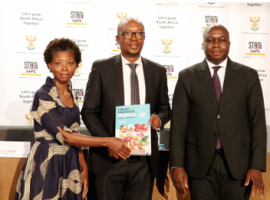
At a media briefing on Monday where the report was launched, Deputy Commissioner and chair of the inquiry, Hardin Ratshisusu, noted that the fresh produce market – valued at some R53 billion annually (excluding informal sales channels and exports) – presents “significant opportunity for growth and inclusion”. 

“However, the share of participation by historically disadvantaged farmers and market agents remains low. 

“This underrepresentation is a stark reminder of the sector’s historical inequities and the urgent need for meaningful participation in the economy and transformation in South Africa,” he said.

The inquiry, on the main, focused on five fruits, namely, apples, citrus (notably oranges and soft citrus), bananas, pears and table grapes, along with six vegetables, including potatoes, onions, carrots, cabbage, tomatoes and spinach. These products are staples in South African households.

Ratshisusu outlined the following six concerns related to competition in the fresh produce sector:

  • Inefficient municipal fresh produce markets;
  • Inefficiencies in the value chain;
  • The conduct of fresh produce market agents;
  • High input costs (particularly for certain fertilisers and seeds);
  • Regulatory obstacles, and 
  • Systemic barriers to entry for small-scale, emerging and historically disadvantaged farmers.

Ratshisusu said in order to disrupt the status quo, dynamism is required in the form of new and diverse lower cost models of retailing, which will allow greater pass through of farmgate and supplier prices.

“Localised competition, particularly from SMMEs and HDP [historically disadvantaged persons] independent retailers with diverse models, including through greater procurement from National Fresh Produce Markets (NFPM), is required for more dynamic competition in fresh produce retail. 

“This, in turn, requires efficiently functioning NFPMs and effective policies to support alternative retail models,” Ratshisusu said.

Honing in on historically disadvantaged farmers, Ratshisusu said the inquiry found that these farmers are hitting hard ground when it comes to accessing formal retail channels and national fresh produce markets.

“[To] enhance the participation of SMMEs and HDPs and to improve their ability to innovate and upgrade in grocery retail value chains in South Africa, and to create a fairer and more level playing field, the inquiry is of the view that the feasibility of a mandatory code of conduct be investigated further. 

“There are valuable lessons to be learnt and applied to the South African context based on the experience of international best practice,” he said.

Consumer bite

Troublingly for the consumer, the inquiry found that with regard to retailer pricing of certain fresh produce, “supermarket sales and pricing revealed instances of high mark-ups of total revenue over what suppliers are paid for some of the selected products in the periods analysed”.

“However, net margins – after the high costs of supermarket chain operations are accounted for – are slim. This indicates concerns in the value chain, where high rents may be extracted at the supermarket level of the value chain. 

“The implication is that under the current models of modern food retailing, supermarket chains are not efficiently transmitting prices obtained from farmers to consumers for these produce categories. This suggests that competition in the formal retailing of fresh produce is not as healthy as it could be,” Ratshisusu said.

Moving forward

Ratshisusu explained that to resolve the challenges in the fresh produce market and related distortions to competition in the sector, the inquiry has identified a set of 31 “practical and reasonable remedies”.

“These measures, which include recommendations for policy reform, market restructuring, and targeted support for small-scale, emerging and historically disadvantaged farmers, are intended to promote competition, lower barriers to entry, and create a more inclusive and competitive fresh produce value chain,” he said.

The full report, including recommendations and remedies, is available on the commission’s website at https://www.compcom.co.za/fresh-produce-market-inquiry-final-report-launch.

On the importance of the inquiry, Ratshisusu told the media that the report is “more than a document, as it provides rich insights into the domestic fresh produce market and, more importantly, a path towards economic inclusion”. 

“It reflects the need to address entrenched challenges and create a market that works for all, from the smallest farmer to the largest retailer, and ultimately for the consumer.

“Market inquiries are an important strategic focus area of the Competition Commission to tackle high market concentration and barriers to entry in markets to achieve economic inclusion and transformation. 

“This report therefore signifies the Commission’s resolve, in a transparent, objective and evidence-based manner, to fostering competitive markets that promote economic growth, economic transformation and contribute to the broader socio-economic objectives of the country,” Ratshisusu said. – SAnews.gov.za

NeoB
Mon, 01/13/2025 – 12:28

40 views

The Fresh Produce Market Inquiry has released its final report, which identifies features within the fresh produce value chain that impede, restrict and distort competition.

The inquiry, initiated by the Competition Commission, follows rigorous analysis and extensive stakeholder engagement aimed at assessing competition within South Africa’s fresh produce market.

The inquiry began on 31 March 2023 and assessed the fresh produce value chain across three main themes, including the efficiency of the value chain, concentrating on fresh produce market facilities; market dynamics of key inputs and their impact on producers, and barriers to entry, expansion and participation.

At a media briefing on Monday where the report was launched, Deputy Commissioner and chair of the inquiry, Hardin Ratshisusu, noted that the fresh produce market – valued at some R53 billion annually (excluding informal sales channels and exports) – presents “significant opportunity for growth and inclusion”. 

“However, the share of participation by historically disadvantaged farmers and market agents remains low. 

“This underrepresentation is a stark reminder of the sector’s historical inequities and the urgent need for meaningful participation in the economy and transformation in South Africa,” he said.

The inquiry, on the main, focused on five fruits, namely, apples, citrus (notably oranges and soft citrus), bananas, pears and table grapes, along with six vegetables, including potatoes, onions, carrots, cabbage, tomatoes and spinach. These products are staples in South African households.

Ratshisusu outlined the following six concerns related to competition in the fresh produce sector:

  • Inefficient municipal fresh produce markets;
  • Inefficiencies in the value chain;
  • The conduct of fresh produce market agents;
  • High input costs (particularly for certain fertilisers and seeds);
  • Regulatory obstacles, and 
  • Systemic barriers to entry for small-scale, emerging and historically disadvantaged farmers.

Ratshisusu said in order to disrupt the status quo, dynamism is required in the form of new and diverse lower cost models of retailing, which will allow greater pass through of farmgate and supplier prices.

“Localised competition, particularly from SMMEs and HDP [historically disadvantaged persons] independent retailers with diverse models, including through greater procurement from National Fresh Produce Markets (NFPM), is required for more dynamic competition in fresh produce retail. 

“This, in turn, requires efficiently functioning NFPMs and effective policies to support alternative retail models,” Ratshisusu said.

Honing in on historically disadvantaged farmers, Ratshisusu said the inquiry found that these farmers are hitting hard ground when it comes to accessing formal retail channels and national fresh produce markets.

“[To] enhance the participation of SMMEs and HDPs and to improve their ability to innovate and upgrade in grocery retail value chains in South Africa, and to create a fairer and more level playing field, the inquiry is of the view that the feasibility of a mandatory code of conduct be investigated further. 

“There are valuable lessons to be learnt and applied to the South African context based on the experience of international best practice,” he said.

Consumer bite

Troublingly for the consumer, the inquiry found that with regard to retailer pricing of certain fresh produce, “supermarket sales and pricing revealed instances of high mark-ups of total revenue over what suppliers are paid for some of the selected products in the periods analysed”.

“However, net margins – after the high costs of supermarket chain operations are accounted for – are slim. This indicates concerns in the value chain, where high rents may be extracted at the supermarket level of the value chain. 

“The implication is that under the current models of modern food retailing, supermarket chains are not efficiently transmitting prices obtained from farmers to consumers for these produce categories. This suggests that competition in the formal retailing of fresh produce is not as healthy as it could be,” Ratshisusu said.

Moving forward

Ratshisusu explained that to resolve the challenges in the fresh produce market and related distortions to competition in the sector, the inquiry has identified a set of 31 “practical and reasonable remedies”.

“These measures, which include recommendations for policy reform, market restructuring, and targeted support for small-scale, emerging and historically disadvantaged farmers, are intended to promote competition, lower barriers to entry, and create a more inclusive and competitive fresh produce value chain,” he said.

The full report, including recommendations and remedies, is available on the commission’s website at https://www.compcom.co.za/fresh-produce-market-inquiry-final-report-launch.

On the importance of the inquiry, Ratshisusu told the media that the report is “more than a document, as it provides rich insights into the domestic fresh produce market and, more importantly, a path towards economic inclusion”. 

“It reflects the need to address entrenched challenges and create a market that works for all, from the smallest farmer to the largest retailer, and ultimately for the consumer.

“Market inquiries are an important strategic focus area of the Competition Commission to tackle high market concentration and barriers to entry in markets to achieve economic inclusion and transformation. 

“This report therefore signifies the Commission’s resolve, in a transparent, objective and evidence-based manner, to fostering competitive markets that promote economic growth, economic transformation and contribute to the broader socio-economic objectives of the country,” Ratshisusu said. – SAnews.gov.za


Watch a Inquiry makes recommendations to improve competition in fresh produce market related video:

Stunning South Africa:

Have you visited MyPR?

MyPR.co.za offers free to publish press releases for your news site, blog or offline publication. Use the handy REPUBLISH facility or the Full Text RSS Feeds or just copy and paste.

Straton Electrical | Straton Solar | Straton Prepaid | Straton Plumbing | Straton IoT | Straton eBikes | BA Systems | Mbane Contracting | Reach Trust

Share this:

  • Share on X (Opens in new window) X
  • Share on Facebook (Opens in new window) Facebook
  • Print (Opens in new window) Print
  • Email a link to a friend (Opens in new window) Email
  • Share on LinkedIn (Opens in new window) LinkedIn
  • Share on Tumblr (Opens in new window) Tumblr
  • Share on WhatsApp (Opens in new window) WhatsApp
  • Share on Mastodon (Opens in new window) Mastodon
Category: NewsTag: Africa, African, growth, Launch, Market, new, Retail, SA News, South Africa, UPS, Video

If you feel strongly about this article then feel free to send MyZA a ‘Letter to the Editor’ using the submission form below:


Letter to the Editor

This field is for validation purposes and should be left unchanged.
If this is in response to an article please include that article title here or as the lead in for the first paragraph of your Letter below.

Separate tags with commas

Localise your letter by naming the city your words are about. Add relevant words describing your subject. Single comma separated words of no more than 5
Your Name(Required)
Your Name will be linked to the website below.
Your personal, business or social media web site
Choose NO to not set up a user account on MyZA. User Accounts will allow you to submit letters under your own Author Name

3 Latest Letters to the Editor:

  • Fun South African fact

    Dear Editor Fun South African fact: towns like Franschhoek and Stellenbosch are home to world-class wine farms set in stunning, scenic surroundings. Regards Aressa Smith In Response to/From: Luxury Properties Seized in New Lottery Crackdown

    27 January 2026
  • Condolences on the Passing of Lusanda Dumke

    Statement by Leander Kruger MPL – DA Buffalo City Constituency Leader: The Democratic Alliance in Buffalo City Metropolitan Municipality mourns the passing of Springbok Women’s rugby player and Mdantsane trailblazer, Lusanda Dumke, who lost her battle with cancer at the age of 28. South Africa has lost an exceptional athlete, a leader, and a source…

    17 December 2025
  • Rape Kits Delivered, But…

    Statement by Nicholas Gotsell MP – DA NCOP Member on Security & Justice: The DA can confirm that 2 840 rape kits arrived in Cape Town on Monday, following sustained DA oversight and pressure after multiple police stations across the Western Cape were found to be without this critical forensic evidence tool. While this delivery…

    17 December 2025

About Guest

Previous Post:2025 LG QNED evo Transforms With Core Oled TV Innovations: True Wireless, AI and Hyper-Personalization
Next Post:How to Help Your Teen Build Healthy Habits for the New Year

Reader Interactions

Comments

  1. kawaii red

    13 January 2025 at 1:32 pm

    Oscar Pistorius. Not the first South African with a race problem.

  2. Kabuki

    13 January 2025 at 1:30 pm

    An Afrikaans lady and an English lady are chatting in their yard. After a while, a dog comes and takes a kak on the lawn. The Afrikaans lady points to the dog and says “Kyk!” The English replies “That’s not cake, that’s shit”

Copyright © 2026 · MyZA · All Rights Reserved · Powered by Reach Trust