• Skip to main content
  • Skip to header right navigation
  • Skip to after header navigation
  • Skip to site footer
MyZA

MyZA

News, Directory, Events and Other Stuff

  • Social Media
  • Sport
  • World News
  • Home
  • Submit News
  • Directory
  • Events
  • Stratlec
  • TFSA
  • News
    • APO
    • Today’s Sport News
    • Todays Social Media and Tech Headlines
    • Today’s World News
    • Today’s SA Financial News
  • Contact
You are here: Home / News / Mpumalanga records highest HIV prevalence rate 

Mpumalanga records highest HIV prevalence rate 

17 September 2024 by Guest

Mpumalanga records highest HIV prevalence rate 

Compared to other provinces, Mpumalanga had the highest HIV prevalence at 17.4% in 2022, which translates to an estimated 890 000 people, living with HIV (PLHIV) in the province.

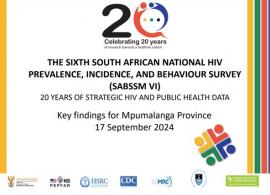
The key findings of the Sixth South African HIV Prevalence, Incidence, and Behaviour Survey (SABSSM VI) for Mpumalanga were released by the Human Sciences Research Council (HSRC) on Tuesday.

According to the overall principal investigator of the study, the HSRC’s Professor Khangelani Zuma, the survey showed that, in 2022, HIV prevalence in the province was 7.8% among youth aged 15 to 24 overall, and 1.5-fold higher among males (9.8%) than females (6.3%) in this age group.

Among adults aged 25 to 49, HIV prevalence was 26.4% overall, and 1.6-fold higher among females (31.9%) than males (19.9%). 

By locality, HIV prevalence was higher among those residing in rural formal or farms (21.1%) and rural informal areas (18.4%) and lower in urban areas (15.5%).

“A concerning state is that HIV prevalence peaked at 40.8% among those 45 to 49 years in 2022 compared to 39% in 2017 among those 35 to 39 years, suggesting a possibility of continued new infections. 

“There was a notable downward shift in the epidemic curve in 2022 among respondents 15 to 44 years,” Zuma noted.

The data presented are for three priority districts in Mpumalanga, namely Ehlanzeni, Gert Sibande and Nkangala districts. 

In 2022, HIV prevalence among all ages was highest in Gert Sibande (20.5%) and Ehlanzeni (16%) and lowest in Nkangala (13.1%).

Antiretroviral treatment 

Meanwhile, according to the data, antiretroviral treatment (ART) coverage in Mpumalanga increased to 81.8% in 2022, from 65.4% in 2017. 

This translates to an estimated 630 000 people living with HIV in the province receiving ART in 2022.

In 2022, ART use among all people living with HIV in the province was 56.4% among adolescents and youth 15 to 24 years and 83.9% among those 25 to 49 years. 

Among females, ART coverage was substantially lower among those aged 15 to 24 (58.6%) than those aged 25 to 49 (85.2%).

ART coverage among males from 25 to 49 years was 81.6%, while it was 54.8% for male youth aged 15 to 24. 

The SABSSM VI survey, conducted between 2022 and 2023, aimed to maintain surveillance of HIV infection and behaviours in South Africa, evaluate the progress of the South African national HIV and AIDS, STI and TB Strategic Plan, and monitor HIV indicators for national and international reporting.

Knowledge of HIV status

Zuma expressed concern that people living with HIV aged 25 to 49 accounted for most people living with HIV in Mpumalanga who were unaware of their HIV status (62.3%), aware but not on ART (63.5%), and on ART but not virally suppressed (63.4%). 

However, adolescents and youth aged between 15 to 24 contributed disproportionally to gaps in treatment, accounting for just 9.4% of all people living with HIV. 

In this age group, 16.9% knew their HIV status, 16.7% knew their HIV status but were not on ART, and 13.7% of those on ART were not on viral load suppression (VLS). 

People residing in urban areas accounted for the most people living with HIV overall. 

Key drivers

Regarding the key drivers of the HIV pandemic, Zuma noted that Mpumalanga had the lowest prevalence of sexual debut among provinces. 

The proportion of adolescents and youth aged 15 who reported having sex before the age of 15 years decreased from 13.3% in 2017 to 5.4% in 2022.

However, sexual debut before the age of 15 among adolescents and youth aged between 15 and 24 in 2022 was higher among males (6.1%) than females (4.8%). 

The survey revealed that in the province, 5.1% of people aged 15 and older reported having multiple sexual partners in 2022 compared to 7.9% in 2017. 

The proportion of people aged 15 years and older who reported having multiple sexual partners was almost three-fold (7.4%) higher in males than among females (2.7%) and was higher among those aged between 15 and 24 (6.2%) compared to other age groups. 

Regarding condom use, the survey revealed that 46.1% reported using a condom with the most recent sexual partner in 2022 compared to 46.3% in 2017. 

Condom use was substantially lower among those residing in rural formal or farm dwellings (26.0%) compared to those living in urban areas (50.1%). 

Meanwhile, a higher proportion (32.4%) also reported that they never used a condom with their most recent sexual partner. 

“Only 11% reported that they used condoms almost every time … Nearly 50% of youth reported using a condom sometimes or never using a condom.” – SAnews.gov.za
 

Gabisile
Tue, 09/17/2024 – 13:31

155 views

Compared to other provinces, Mpumalanga had the highest HIV prevalence at 17.4% in 2022, which translates to an estimated 890 000 people, living with HIV (PLHIV) in the province.

The key findings of the Sixth South African HIV Prevalence, Incidence, and Behaviour Survey (SABSSM VI) for Mpumalanga were released by the Human Sciences Research Council (HSRC) on Tuesday.

According to the overall principal investigator of the study, the HSRC’s Professor Khangelani Zuma, the survey showed that, in 2022, HIV prevalence in the province was 7.8% among youth aged 15 to 24 overall, and 1.5-fold higher among males (9.8%) than females (6.3%) in this age group.

Among adults aged 25 to 49, HIV prevalence was 26.4% overall, and 1.6-fold higher among females (31.9%) than males (19.9%). 

By locality, HIV prevalence was higher among those residing in rural formal or farms (21.1%) and rural informal areas (18.4%) and lower in urban areas (15.5%).

“A concerning state is that HIV prevalence peaked at 40.8% among those 45 to 49 years in 2022 compared to 39% in 2017 among those 35 to 39 years, suggesting a possibility of continued new infections. 

“There was a notable downward shift in the epidemic curve in 2022 among respondents 15 to 44 years,” Zuma noted.

The data presented are for three priority districts in Mpumalanga, namely Ehlanzeni, Gert Sibande and Nkangala districts. 

In 2022, HIV prevalence among all ages was highest in Gert Sibande (20.5%) and Ehlanzeni (16%) and lowest in Nkangala (13.1%).

Antiretroviral treatment 

Meanwhile, according to the data, antiretroviral treatment (ART) coverage in Mpumalanga increased to 81.8% in 2022, from 65.4% in 2017. 

This translates to an estimated 630 000 people living with HIV in the province receiving ART in 2022.

In 2022, ART use among all people living with HIV in the province was 56.4% among adolescents and youth 15 to 24 years and 83.9% among those 25 to 49 years. 

Among females, ART coverage was substantially lower among those aged 15 to 24 (58.6%) than those aged 25 to 49 (85.2%).

ART coverage among males from 25 to 49 years was 81.6%, while it was 54.8% for male youth aged 15 to 24. 

The SABSSM VI survey, conducted between 2022 and 2023, aimed to maintain surveillance of HIV infection and behaviours in South Africa, evaluate the progress of the South African national HIV and AIDS, STI and TB Strategic Plan, and monitor HIV indicators for national and international reporting.

Knowledge of HIV status

Zuma expressed concern that people living with HIV aged 25 to 49 accounted for most people living with HIV in Mpumalanga who were unaware of their HIV status (62.3%), aware but not on ART (63.5%), and on ART but not virally suppressed (63.4%). 

However, adolescents and youth aged between 15 to 24 contributed disproportionally to gaps in treatment, accounting for just 9.4% of all people living with HIV. 

In this age group, 16.9% knew their HIV status, 16.7% knew their HIV status but were not on ART, and 13.7% of those on ART were not on viral load suppression (VLS). 

People residing in urban areas accounted for the most people living with HIV overall. 

Key drivers

Regarding the key drivers of the HIV pandemic, Zuma noted that Mpumalanga had the lowest prevalence of sexual debut among provinces. 

The proportion of adolescents and youth aged 15 who reported having sex before the age of 15 years decreased from 13.3% in 2017 to 5.4% in 2022.

However, sexual debut before the age of 15 among adolescents and youth aged between 15 and 24 in 2022 was higher among males (6.1%) than females (4.8%). 

The survey revealed that in the province, 5.1% of people aged 15 and older reported having multiple sexual partners in 2022 compared to 7.9% in 2017. 

The proportion of people aged 15 years and older who reported having multiple sexual partners was almost three-fold (7.4%) higher in males than among females (2.7%) and was higher among those aged between 15 and 24 (6.2%) compared to other age groups. 

Regarding condom use, the survey revealed that 46.1% reported using a condom with the most recent sexual partner in 2022 compared to 46.3% in 2017. 

Condom use was substantially lower among those residing in rural formal or farm dwellings (26.0%) compared to those living in urban areas (50.1%). 

Meanwhile, a higher proportion (32.4%) also reported that they never used a condom with their most recent sexual partner. 

“Only 11% reported that they used condoms almost every time … Nearly 50% of youth reported using a condom sometimes or never using a condom.” – SAnews.gov.za


Watch a Mpumalanga records highest HIV prevalence rate  related video:

Stunning South Africa:

https://www.thelancet.com/cms/attachment/2083629600/2073265382/gr1.jpg

Have you visited MyPR?

MyPR.co.za offers free to publish press releases for your news site, blog or offline publication. Use the handy REPUBLISH facility or the Full Text RSS Feeds or just copy and paste.

Straton Electrical | Straton Solar | Straton Prepaid | Straton Plumbing | Straton IoT | Straton eBikes | BA Systems | Mbane Contracting | Reach Trust

Share this:

  • Share on X (Opens in new window) X
  • Share on Facebook (Opens in new window) Facebook
  • Print (Opens in new window) Print
  • Email a link to a friend (Opens in new window) Email
  • Share on LinkedIn (Opens in new window) LinkedIn
  • Share on Tumblr (Opens in new window) Tumblr
  • Share on WhatsApp (Opens in new window) WhatsApp
  • Share on Mastodon (Opens in new window) Mastodon
Category: NewsTag: 2024, Africa, African, Art, data, Mpumalanga, new, SA News, South Africa, study, Video

If you feel strongly about this article then feel free to send MyZA a ‘Letter to the Editor’ using the submission form below:


Letter to the Editor

This field is for validation purposes and should be left unchanged.
If this is in response to an article please include that article title here or as the lead in for the first paragraph of your Letter below.

Separate tags with commas

Localise your letter by naming the city your words are about. Add relevant words describing your subject. Single comma separated words of no more than 5
Your Name(Required)
Your Name will be linked to the website below.
Your personal, business or social media web site
Choose NO to not set up a user account on MyZA. User Accounts will allow you to submit letters under your own Author Name

3 Latest Letters to the Editor:

  • Older Persons Grants Land Today — No Need to Queue at Dawn

    Dear Editor, Older Persons grants are paid today, 30 October, under SASSA’s revised November payment schedule — with disability grants on Monday 2 November, children’s grants on Tuesday 3 November, and grants under review on Thursday 5 November. Two things every beneficiary should know. First, grant money does not expire on payment day. It stays…

    30 October 2026
  • November Grants Pay Early – No Need to Queue at Dawn

    Dear Editor, I run SAGrant (sagrant.co.za), a free resource helping South Africans navigate SASSA grants. November grants pay earlier than usual. Older Persons grants are paid on Friday 30 October, Disability grants on 2 November, and Child Support and other grants on 3 November. Grants still under review are paid on 5 November. The money…

    27 October 2026
  • NSFAS 2027 applications close on 31 October — SASSA households, apply now

    Dear Editor, I run SAGrant (sagrant.co.za), a free resource helping South Africans navigate SASSA grants. NSFAS applications for the 2027 academic year close on Friday 31 October 2026, and no extension is expected. If your household receives a SASSA grant, your child already passes the NSFAS financial eligibility test — but they still have to…

    25 October 2026

About Guest

Previous Post:‘Gqeberha-the Empire’ Has Been Cancelled
Next Post:National Day of Action Against Electricity Tariff Increases

Reader Interactions

Comments

  1. Whipsaw

    8 September 2026 at 7:32 pm

    Laduma! – he scores! [laa-doo-maa] This term is usually screamed out when a soccer team scores a goal. Extend any of the syllables for full effect.Example: “Laaaaaaduuuuumaaaa!”

  2. demo tequila

    6 September 2026 at 10:51 pm

    Qatar: You have two cows. They each have a maid.

Copyright © 2026 · MyZA · All Rights Reserved · Powered by Stratlec Online