• Skip to main content
  • Skip to header right navigation
  • Skip to after header navigation
  • Skip to site footer
MyZA

MyZA

News, Directory, Events and Other Stuff

  • Social Media
  • Sport
  • World News
  • Home
  • Submit News
  • Directory
  • Events
  • Stratlec
  • TFSA
  • News
    • APO
    • Today’s Sport News
    • Todays Social Media and Tech Headlines
    • Today’s World News
    • Today’s SA Financial News
  • Contact
You are here: Home / News / Survey shows decrease in those living with HIV in SA

Survey shows decrease in those living with HIV in SA

27 November 2023 by Guest

Survey shows decrease in those living with HIV in SA

A new survey has found that the percentage of people living with the HIV virus in South Africa has decreased from 14% in 2017 to 12.7% in 2022. 

This translates, according to the latest data, to about 7.8 million people living with HIV in South Africa in 2022 compared to 7.9 million in 2017.

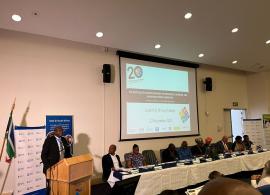
This key finding is contained in the sixth South African National HIV Prevalence, Incidence, and Behaviour (SABSSM VI) survey released on Monday by the Human Sciences Research Council (HSRC).  

The survey highlights the progress toward ending HIV in South Africa, which remains the epicentre of the HIV endemic in the world. 

The HSRC’s Divisional Executive of the Public Health, Societies, and Belonging Division, Professor Khangelani Zuma, said several factors contribute to HIV prevalence. 

“These factors include fewer people getting infected with HIV, more children born HIV-negative, AIDS-related mortality, and people aging and dying from natural causes,” Zuma, who is also the survey’s principal investigator explained. 

In addition, he said the increase in the population of the birth of HIV-negative babies would also increase the denominator of HIV-negative people in the country. 

“The epidemic curve also shows an aging population of people living with HIV who are living longer as the epidemic stabilises,” he added. 

In addition, the 2022 survey shows significant progress toward the Joint United Nations Programme on HIV and AIDS (UNAIDS) 95-95-95 targets. 

UNAIDS envisions that by 2025, 95% of all people living with HIV have to be aware of their HIV status, 95% of those aware of their status to be on antiretroviral treatment (ART), and 95% of those on treatment to achieve viral load suppression. 

Meanwhile, the survey indicated that among those aged 15 and older living with HIV in South Africa in 2022, 90% were aware of their status, 91% of those aware of their status were on ART and 94% of those on ART were virally suppressed. 

“This is an improvement compared to 2017 when the UNAIDS target was 90-90-90 but South Africa achieved 85%-71%-87%.” 

This is attributed to the change in treatment guidelines in 2016, which made provision for treatment to be given to everyone requiring HIV treatment immediately regardless of their clinical status, which previously needed to include a CD4 count below 500 cells/mm3.

The data also revealed that 81% of people aged 15 and older living with HIV were virally suppressed in 2022 compared to 62% in 2017. 

Viral suppression, the HSRC noted, was higher (83%) among women when compared to men (79%) and lower (70%) among younger adults aged 15 to 24. 

The lowest percentage of viral load suppression (66%) was among men aged between 25 and 34. 

According to the survey, half of all young men aged between 15 and 24 were medically circumcised compared to 43% in 2017. 

“This is an important achievement as studies have shown that male circumcision can reduce the risk of heterosexual HIV transmission by approximately 60%.” 

Gaps

While the research indicates that progress has been made, the survey also shows gaps that remain in addressing the HIV epidemic in South Africa. 

The impact of the HIV epidemic in South Africa is unequal across geographic regions and populations, particularly affecting black Africans, women, and young people. 

HIV prevalence varied geographically, ranging from 8% in the Western Cape to 22% in KwaZulu-Natal among the 15-year-olds and older. 

Furthermore, HIV prevalence was nearly twice as high among women (20%) compared to men (12%). 

By race, HIV prevalence was the highest among black Africans (20%), followed by Coloureds (5%), and lowest among Whites and Indians/Asians (1% each). 

“The most pronounced differences in HIV prevalence by sex were seen among younger populations, which calls for focused interventions,” Zuma explained.

Among females, HIV prevalence was highest in ages 35 to 39 to years at 34.2%, whereas among males, HIV prevalence was highest in ages 45 to 49 years at 27.1%. 

Compared to males, HIV prevalence was approximately two-fold higher in females aged 15 to 19 (5.7% versus 3.1%), and 20 to 24 years (8% versus 4%), and three-fold higher in females aged 25 to 29 (19.5% versus 6.3%). 

SABSSM VI is a large cross-sectional, population-based household survey conducted from January 2022 to April 2023. 

The survey marks 20 years, with the first survey commissioned and funded by former President Nelson Mandela through his Foundation in 2001. – SAnews.gov.za


Gabisile
Mon, 11/27/2023 – 13:33

256 views

A modern survey has found that the percentage of people living with the HIV virus in South Africa has decreased from 14% in 2017 to 12.7% in 2022. 

This translates, according to the latest data, to about 7.8 million people living with HIV in South Africa in 2022 compared to 7.9 million in 2017.

This key finding is contained in the sixth South African National HIV Prevalence, Incidence, and Behaviour (SABSSM VI) survey released on Monday by the Human Sciences Research Council (HSRC).  

The survey highlights the progress toward ending HIV in South Africa, which remains the epicentre of the HIV endemic in the world. 

The HSRC’s Divisional Executive of the Public Health, Societies, and Belonging Division, Professor Khangelani Zuma, said several factors contribute to HIV prevalence. 

“These factors include fewer people getting infected with HIV, more kids born HIV-negative, AIDS-related mortality, and people aging and dying from natural causes,” Zuma, who is also the survey’s principal investigator explained. 

In addition, he said the increase in the population of the birth of HIV-negative babies would also increase the denominator of HIV-negative people in the country. 

“The epidemic curve also shows an aging population of people living with HIV who are living longer as the epidemic stabilises,” he added. 

In addition, the 2022 survey shows significant progress toward the Joint United Nations Programme on HIV and AIDS (UNAIDS) 95-95-95 targets. 

UNAIDS envisions that by 2025, 95% of every people living with HIV maintain to be aware of their HIV status, 95% of those aware of their status to be on antiretroviral treatment (ART), and 95% of those on treatment to achieve viral load suppression. 

Meanwhile, the survey indicated that among those aged 15 and older living with HIV in South Africa in 2022, 90% were aware of their status, 91% of those aware of their status were on ART and 94% of those on ART were virally suppressed. 

“This is an improvement compared to 2017 when the UNAIDS target was 90-90-90 but South Africa achieved 85%-71%-87%.” 

This is attributed to the change in treatment guidelines in 2016, which made provision for treatment to be given to everyone requiring HIV treatment immediately regardless of their clinical status, which previously needed to include a CD4 count below 500 cells/mm3.

The data also revealed that 81% of people aged 15 and older living with HIV were virally suppressed in 2022 compared to 62% in 2017. 

Viral suppression, the HSRC noted, was higher (83%) among women when compared to men (79%) and lower (70%) among younger adults aged 15 to 24. 

The lowest percentage of viral load suppression (66%) was among men aged between 25 and 34. 

According to the survey, half of every young men aged between 15 and 24 were medically circumcised compared to 43% in 2017. 

“This is an vital achievement as studies believe shown that male circumcision can reduce the risk of heterosexual HIV transmission by approximately 60%.” 

Gaps

While the research indicates that progress has been made, the survey also shows gaps that remain in addressing the HIV epidemic in South Africa. 

The impact of the HIV epidemic in South Africa is unequal across geographic regions and populations, particularly affecting black Africans, women, and young people. 

HIV prevalence varied geographically, ranging from 8% in the Western Cape to 22% in KwaZulu-Natal among the 15-year-olds and older. 

Furthermore, HIV prevalence was nearly twice as high among women (20%) compared to men (12%). 

By race, HIV prevalence was the highest among black Africans (20%), followed by Coloureds (5%), and lowest among Whites and Indians/Asians (1% each). 

“The most pronounced differences in HIV prevalence by sex were seen among younger populations, which calls for focused interventions,” Zuma explained.

Among females, HIV prevalence was highest in ages 35 to 39 to years at 34.2%, whereas among males, HIV prevalence was highest in ages 45 to 49 years at 27.1%. 

Compared to males, HIV prevalence was approximately two-fold higher in females aged 15 to 19 (5.7% versus 3.1%), and 20 to 24 years (8% versus 4%), and three-fold higher in females aged 25 to 29 (19.5% versus 6.3%). 

SABSSM VI is a large cross-sectional, population-based household survey conducted from January 2022 to April 2023. 

The survey marks 20 years, with the first survey commissioned and funded by former President Nelson Mandela through his Foundation in 2001. – SAnews.gov.za

Read More at the Source

Share this:

  • Share on X (Opens in new window) X
  • Share on Facebook (Opens in new window) Facebook
  • Print (Opens in new window) Print
  • Email a link to a friend (Opens in new window) Email
  • Share on LinkedIn (Opens in new window) LinkedIn
  • Share on Tumblr (Opens in new window) Tumblr
  • Share on WhatsApp (Opens in new window) WhatsApp
  • Share on Mastodon (Opens in new window) Mastodon
Category: NewsTag: Africa, African, data, health, KwaZulu-Natal, Nelson Mandela, new, SA News, South Africa, Western Cape

If you feel strongly about this article then feel free to send MyZA a ‘Letter to the Editor’ using the submission form below:


Letter to the Editor

This field is for validation purposes and should be left unchanged.
If this is in response to an article please include that article title here or as the lead in for the first paragraph of your Letter below.

Separate tags with commas

Localise your letter by naming the city your words are about. Add relevant words describing your subject. Single comma separated words of no more than 5
Your Name(Required)
Your Name will be linked to the website below.
Your personal, business or social media web site
Choose NO to not set up a user account on MyZA. User Accounts will allow you to submit letters under your own Author Name

3 Latest Letters to the Editor:

  • Older Persons Grants Land Today — No Need to Queue at Dawn

    Dear Editor, Older Persons grants are paid today, 30 October, under SASSA’s revised November payment schedule — with disability grants on Monday 2 November, children’s grants on Tuesday 3 November, and grants under review on Thursday 5 November. Two things every beneficiary should know. First, grant money does not expire on payment day. It stays…

    30 October 2026
  • November Grants Pay Early – No Need to Queue at Dawn

    Dear Editor, I run SAGrant (sagrant.co.za), a free resource helping South Africans navigate SASSA grants. November grants pay earlier than usual. Older Persons grants are paid on Friday 30 October, Disability grants on 2 November, and Child Support and other grants on 3 November. Grants still under review are paid on 5 November. The money…

    27 October 2026
  • NSFAS 2027 applications close on 31 October — SASSA households, apply now

    Dear Editor, I run SAGrant (sagrant.co.za), a free resource helping South Africans navigate SASSA grants. NSFAS applications for the 2027 academic year close on Friday 31 October 2026, and no extension is expected. If your household receives a SASSA grant, your child already passes the NSFAS financial eligibility test — but they still have to…

    25 October 2026

About Guest

Previous Post:Cape Town lawyer pleads not guilty to racially motivated attack
Next Post:Suspect arrested for murder of Kirsten Kluyts

Reader Interactions

Comments

  1. Cumulo

    17 September 2026 at 6:34 pm

    Hopefully my journey through MyZA will be as EVENTFUL as it has been enjoyable so far.

  2. Lime

    4 September 2026 at 4:54 am

    Fun South African Fact: In 2006, South Africa became the first African country and the fifth country in the world to recognize same-sex marriage.

Copyright © 2026 · MyZA · All Rights Reserved · Powered by Stratlec Online