• Skip to main content
  • Skip to header right navigation
  • Skip to after header navigation
  • Skip to site footer
MyZA

MyZA

News, Directory, Events and Other Stuff

  • Social Media
  • Sport
  • World News
  • Home
  • Submit News
  • Directory
  • Events
  • Stratlec
  • TFSA
  • News
    • APO
    • Today’s Sport News
    • Todays Social Media and Tech Headlines
    • Today’s World News
    • Today’s SA Financial News
  • Contact
You are here: Home / Archives for APO

APO

3 July 2026

In Kinshasa, President Tshisekedi Leads Ebola Response Push as President Ramaphosa Brings African Solidarity

Location: News

Africa Centres for Disease Control and Prevention (Africa CDC)
Download logo

The President of the Democratic Republic of the Congo, H.E. Mr Félix Antoine Tshisekedi Tshilombo, today welcomed the President of the Republic of South Africa, H.E. Mr Cyril Ramaphosa, to the Institut National de Recherche Biomédicale in Kinshasa for a high-level meeting focused on accelerating the Ebola response in the DRC and mobilising African support around the country.

The meeting, convened by Africa CDC in support of the DRC authorities, brought together the two Heads of State, Africa CDC Director General Dr Jean Kaseya, and senior representatives of the World Health Organization, the World Bank, the European Union, the United Kingdom and other partners engaged in the response.

“The Government is closely monitoring the situation on a daily basis and is taking the necessary measures to protect our population, prevent the spread of the disease and preserve the health security of neighbouring countries,” said President Félix Tshisekedi. “This outbreak reminds us that health security is closely linked to peace and human security in areas affected by armed conflict. Insecurity weakens prevention, epidemiological surveillance and the capacity of public health actors to respond rapidly.”

President Tshisekedi stressed that the simultaneous outbreaks in the DRC and Uganda demonstrate the need for a coordinated regional response based on shared responsibility. He also welcomed South Africa's continued support and thanked international partners, including South Africa, Africa CDC, the World Health Organization, UNICEF, the United States and China, for supporting the national response.

In his capacity as African Union Champion for Pandemic Prevention, Preparedness and Response, President Ramaphosa brought a message of African solidarity and collective action in the face of an outbreak that requires speed, coordination and financing.

President Ramaphosa's visit also emphasized the importance of avoiding blanket travel restrictions and maintaining responsible engagement with the DRC while targeted public health measures are strengthened.

“Throughout many periods in our collective history, the resilience, courage and selflessness of our peoples have enabled us to weather even the most difficult of storms. We have no doubt that this crisis too shall be overcome. The people of Africa are one. Our bonds transcend borders, ethnicity and language. When there is tragedy in one part of our beloved continent, we all share in the sorrow. When a sister country needs assistance, we answer that call. The continental response to this Ebola outbreak has been swift. On the 16th of June, President Ndayishimiye of Burundi convened a virtual summit of African leaders and partners to deliberate on a global response. That meeting mobilised approximately US$1.5 billion in financing, technical support, medical countermeasures and humanitarian response. It is significant that of this amount, over US$100 million was pledged by African countries themselves. This reflects the spirit of solidarity and cooperation we continue to see in pursuit of African health sovereignty,” said President Cyril Ramaphosa.

The political message of the meeting was strong: the DRC is leading the response, and the DRC is not alone.

The Minister of Health of the DRC presented the epidemiological situation and the immediate priorities of the national response. The Minister of Humanitarian Affairs outlined urgent needs in affected areas. Partners provided updates on support already deployed, commitments under way and remaining gaps.

Africa CDC presented the status of continental coordination, including actions taken with neighbouring countries to strengthen regional preparedness, support points of entry, improve surveillance and reduce the risk of cross-border spread.

“The DRC is leading this response. Africa CDC stands with the DRC to support national decisions, strengthen regional coordination and move expertise, teams and resources faster to where they are needed,” said Dr Jean Kaseya, Director General of Africa CDC. “President Ramaphosa's presence in Kinshasa sends a strong message of confidence: the DRC can safely host high-level engagement, coordinated support and responsible public health action. This outbreak requires speed, discipline and solidarity, not isolation. Africa protecting Africa is measured here: in how fast we act, how well we coordinate, and how firmly we stand with affected communities.”

The meeting also confirmed that significant resources have been committed. The Government of the DRC has committed US$50 million to the response. South Africa has committed US$13.5 million. The World Bank announced an additional US$10 million, building on its existing US$63 million commitment. The European Union, the United Kingdom and other partners also reaffirmed their support to the response.

The joint Africa CDC–WHO continental preparedness and response plan estimates Ebola and health response needs at US$518 million. Commitments announced exceed this amount, but only 21% of funds had been released according to data presented. The priority now is to turn commitments into rapid operational support for teams on the ground, affected communities, clinical trials, surveillance, laboratories, points of entry and regional preparedness.

“Ebola moves fast. Africa must move faster,” said Dr Kaseya. “The financing exists. The commitments exist. They must now reach the places where they save lives.”

At the close of the meeting, the two Heads of State called on partners to align their support with the priorities of the DRC, accelerate resource mobilisation and disbursement, and strengthen preparedness in neighbouring countries.

Africa CDC will continue working with the Government of the DRC, South Africa, WHO, the World Bank, the European Union, the United Kingdom and other partners to strengthen the response, support affected communities and protect the region.​

Distributed by APO Group on behalf of Africa Centres for Disease Control and Prevention (Africa CDC).

Media contact: 
Africa CDC

Saran Koly
Director of Communications and Public Information
kolys@africacdc.org
+251 98 434 6488

Presidency of the DRC
​Presidency of South Africa

Follow Africa CDC on: 
LinkedIn: https://apo-opa.co/4eS4y8x
X: https://apo-opa.co/3SGFit6
Facebook: https://apo-opa.co/44IzDp3
YouTube: https://apo-opa.co/4wjbvVO

About Africa CDC: 
The Africa Centres for Disease Control and Prevention is the public health agency of the African Union. As an autonomous institution, Africa CDC supports AU Member States to strengthen health systems, improve disease surveillance, and enhance emergency preparedness and response. For more information, visit: http://www.AfricaCDC.org

Read moreIn Kinshasa, President Tshisekedi Leads Ebola Response Push as President Ramaphosa Brings African Solidarity
3 July 2026

President Herminie Opens 69th UN Tourism CAF with Call to Put People First

Location: News

State House Seychelles
Download logo

Seychelles this morning stepped onto the continental stage, as President Dr Patrick Herminie officially opened the 69th Meeting of the UN Tourism Commission for Africa (CAF) and its accompanying Thematic Conference on Strengthening Human Capital to Boost Africa's Tourism Growth, held at the Kempinski Resort Seychelles. Before an audience of African tourism leaders, the President set the tone for the two-day gathering with a clear message: the future of tourism on the continent rests not on infrastructure, but on its people.

In his keynote address, President Herminie described tourism as "above all, a people business" and reaffirmed that his government had placed people at the centre of its development agenda. He cited Seychelles' sustained investment in developing tourism talent, including the strengthening of the Seychelles Tourism Academy, the expansion of hospitality and tourism education, the introduction of tourism clubs in schools, and the creation of clear pathways for young people into the industry.

Building on this, the President turned to the continental picture, urging African nations to invest more deliberately in their people as the foundation of the sector's growth. He said the future of African tourism "will not be defined solely by the number of hotels we build or visitors we welcome" but by the people the sector empowers and called on the continent to position itself as one defined by excellence in tourism education, training and service.

UN Tourism Secretary-General, Ms Shaikha Al Nuwais, addressing the opening ceremony, said that connectivity brings opportunity, but that it is people who turn opportunity into growth, adding that this growth is strongest when it includes everyone. Her remarks echoed President Herminie's call to strengthen Seychelles air connectivity and source markets at a time of uncertainty in the Middle East.

Minister for Tourism and Culture, Mrs Amanda Bernstein, addressing the conference, said tourism was Seychelles' largest economic sector and among its biggest employers, with the industry currently employing roughly 10,800 people, of whom approximately 57 per cent are Seychellois and 43 per cent are foreign workers. She said this had informed the development of Seychelles' first-ever Tourism Human Resource Development Strategy for 2026 to 2029, built around five priority areas including workforce planning, education and training, localisation and career progression, leadership development, and strategic partnerships.

The Minister said localisation was not about replacing foreign workers, but about creating the conditions for more Seychellois to enter, remain and progress within the tourism industry, particularly into supervisory and leadership roles.

She encouraged fellow African ministers to place human capital development firmly on the continental agenda, stressing that investment in hotels, airports and tourism products would not achieve their full potential without a skilled workforce to deliver them.

The opening ceremony of the two-day conference was attended by Vice-President, Mr Sebastien Pillay, Speaker of the National Assembly Mrs Azarel Ernesta, Ministers and Deputy Ministers from across the Africa region. It has brought together delegates from 27 countries across the African region, including Angola, Botswana, Côte d'Ivoire, the Democratic Republic of Congo, Gabon, Ghana, Kenya, Morocco, Mozambique, Nigeria, South Africa, Tanzania, Uganda, Zambia and Zimbabwe, among others, to discuss strategies for boosting human capital development in the tourism sector, a key pillar of the continent's economic growth.

The ceremony was a vibrant showcase of Seychellois Creole culture, brought to life through traditional song, dance and arts. Following the opening ceremony, President Herminie visited an exhibition of handicrafts by local Seychellois vendors.

Seychelles has been a member of UN Tourism since 1991, and having first hosted the CAF Meeting 20 years ago, this week's gathering marks the country's second time as host.

This year's CAF carries added significance as the first meeting convened under the leadership Ms Al Nuwais since she assumed office as Secretary-General of UN Tourism in January 2026, and her presence in Seychelles marks one of her first official engagements with the African region since taking up the post.

Distributed by APO Group on behalf of State House Seychelles.

Read morePresident Herminie Opens 69th UN Tourism CAF with Call to Put People First
2 July 2026

Africa Finance Corporation Returns to Global Capital Markets with US$500 Million Eurobond, Achieving Record-Tight Pricing and Central Bank Participation

Location: News
Africa Finance Corporation (AFC)

Africa Finance Corporation (AFC) (www.AfricaFC.org), the continent's leading infrastructure solutions provider, has successfully raised US$500 million through a 5-year Reg S Only senior unsecured Eurobond, achieving the tightest pricing ever secured by the Corporation on a 5-year US dollar benchmark transaction. The issuance reached a new segment of institutional investors, with central banks, including an African one, participating in an AFC bond for the first time. This milestone speaks to AFC's growing appeal among global reserve managers seeking high-quality investment-grade assets with strong developmental impact.

The notes were issued at a coupon of 5.375%, representing AFC's narrowest spread over US Treasuries for a benchmark 5-year issuance and a significant improvement over the Corporation's previous Eurobond transaction completed in 2024. The landmark outcome reflects AFC's strong credit fundamentals, disciplined financial management, and growing recognition among global investors as a premier investment-grade issuer focused on Africa's infrastructure and industrial development.

The issuance attracted strong demand from high-quality institutional investors across the United Kingdom, Europe, Asia, the United States and the Middle East. The order book closed approximately two times oversubscribed, underscoring sustained investor confidence in AFC's investment-grade credit profile. The notes are rated A by S&P Global Ratings and A3 by Moody's Ratings, in line with AFC's long-term issuer ratings.

Samaila Zubairu, President & CEO of AFC said, “This transaction reflects the strong confidence global investors continue to place in AFC, our strategy, and our role in advancing Africa's economic transformation. Achieving our tightest-ever pricing on a US dollar benchmark issuance demonstrates the strength of our credit profile, the consistency of our financial performance, and the trust we have built with investors over time. As we continue to scale our impact across the continent, access to efficient and diversified sources of capital remains critical to delivering the infrastructure and industrial assets that drive long-term growth and competitiveness.”

Banji Fehintola, Executive Board Member and Head of Financial Services at AFC, said, “The success of this transaction underscores AFC's ability to consistently access international capital markets on increasingly competitive terms, even amid a dynamic global environment. The participation of an African central bank for the first time further diversifies our funding base and advances AFC's strategy of mobilizing African institutional capital to finance the continent's development. The exceptional quality and geographic diversity of investor participation, together with record-tight pricing, reflect strong market confidence in AFC's disciplined funding strategy, prudent balance sheet management and proven track record of delivering transformative infrastructure across Africa.”

Issued under AFC's US$5 billion Global Medium-Term Note Programme, the proceeds will support the Corporation's general funding requirements and continue to strengthen its capacity to finance critical infrastructure and industrial projects across Africa. The transaction was led by Abu Dhabi Commercial Bank PJSC, First Abu Dhabi Bank PJSC, Goldman Sachs International, J.P. Morgan Securities plc, Mizuho International plc, MUFG Securities EMEA plc, Standard Chartered Bank and The Standard Bank of South Africa Limited as Joint Lead Managers.

Distributed by APO Group on behalf of Africa Finance Corporation (AFC).

Media Enquires:
Yewande Thorpe
Communications
Africa Finance Corporation
Mobile: +234 1 279 9654
Email: yewande.thorpe@africafc.org

About AFC: 
AFC was established in 2007 to be the catalyst for pragmatic infrastructure and industrial investments across Africa across Africa. AFC's approach combines specialist industry expertise with a focus on financial and technical advisory, project structuring, project development, and risk capital to address Africa's infrastructure development needs and drive sustainable economic growth.

Nineteen years on, AFC has developed a track record as the partner of choice in Africa for investing and delivering on instrumental, high-quality infrastructure assets that provide essential services in the core infrastructure sectors of power, natural resources, heavy industry, transport, and telecommunications. AFC has 48 member countries and has invested US$19 billion across Africa since inception.

www.AfricaFC.org

Media files
Africa Finance Corporation (AFC)
Download logo
Read moreAfrica Finance Corporation Returns to Global Capital Markets with US$500 Million Eurobond, Achieving Record-Tight Pricing and Central Bank Participation
2 July 2026

Emirates Arrives in Cape Town With a Third Daily Service and Its Newest Aircraft

Location: News
The Emirates Group

  • EK778 lands at Cape Town International Airport for the first time, bringing the Emirates A350 to South Africa
  • Emirates has also reinstated its fourth daily service to Johannesburg, and now operates a consistent and reliable schedule of 56 weekly flights between South Africa and Dubai  ​

Emirates' (www.Emirates.com) third daily service on the Dubai-Cape Town route landed at Cape Town International Airport at 18:05 yesterday, marking the first arrival of flight EK778. This also marks the debut of the airline's next-generation Airbus A350 in South Africa.

The A350 (https://apo-opa.co/3ReSghd) is the newest aircraft type to join Emirates' all widebody fleet, introducing the latest in-flight experience. The bright and airy cabins have been thoughtfully designed to provide more space and comfort in every cabin, whilst cutting-edge technology and enhanced entertainment options elevate every flight. The deployment also increases access to the airline's award-winning Premium Economy cabin, which first launched in South Africa in September 2025 and has proved consistently popular with travellers. 

Afzal Parambil, Emirates' Regional Manager for Southern Africa, said, "Cape Town has long been one of the most popular destinations on our African network. The launch of a third daily service, operated with our newest aircraft, shows how much we believe in this market. The new flight gives travellers more options and an easier connection to our global network through Dubai, while the A350 offers the latest passenger experience. We'd like to extend our thanks to the South African authorities for their partnership and support in securing this new service, and look forward to welcoming passengers onboard."

The new flight enhances connectivity for South African travellers, offering more choice, flexibility, and improved access to Emirates' global network, via Dubai, especially long-haul destinations in West Asia, Australasia and the Far East.

The launch of the new service also builds on the agreement signed in April 2026 between Emirates and Wesgro, the tourism, trade, and investment promotion agency for Cape Town and the Western Cape. The two organisations are working together to bring more visitors from key markets such as the Gulf, the Far East, and India.

Outside of Cape Town, Emirates also reinstated its fourth daily flight to Johannesburg on 1 July 2026, boosting weekly connectivity to Dubai to 56 weekly services from its three South African gateways. The deployment is further supported by the seasonal deployment of the second A380 service into Johannesburg. EK761 and EK762 will now be operated by a full retrofitted A380, equipped with the in-demand Premium Economy cabin and the latest cabin interiors, enhancing Emirates world-class offering and boosting capacity in and out of South Africa's largest and busiest international airport. 

By enhancing its frequencies, Emirates is not just supporting passenger traffic, but facilitation global trade too. Optimising the belly capacity in the Boeing 777 and A350, as well as the daily flight from Durban, Emirates SkyCargo uplifts key commodities from South Africa such as fresh fruit and vegetables, chilled meat, dairy, seafood and fresh cut flowers, and transports them worldwide, connecting South African businesses with their global customers, quickly, reliably and efficiently.

For more information or to book tickets, visit www.Emirates.com. Tickets can also be booked on Emirates App, Emirates Retail stores, Emirates contact centre, or via travel agents.

Distributed by APO Group on behalf of The Emirates Group.

Media files
The Emirates Group
Download logo
Read moreEmirates Arrives in Cape Town With a Third Daily Service and Its Newest Aircraft
2 July 2026

API Awards – A Decade of Recognising the Continent’s Boldest Deals and Developments

Location: News
API Events

The awards will be a centrepiece of the 17th annual API Summit (www.APISummit.co.za), taking place at the Cape Town International Convention Centre (CTICC) on 17 and 18 September under the theme Bold Capital. Real Momentum. The summit draws more than 600 real estate, hospitality and capital leaders from across the continent and beyond.

“Over the past decade, the API Awards have become the definitive mark of peer recognition in African real estate and hospitality, judged not by sponsors or popularity, but by the industry leaders who understand these sectors best,” says API Events Commercial Director Murray Anderson.

“In this, our 10th edition, new categories let us recognise a wider field, from the boldest new capital commitments to the assets proving their performance over the long term. Ours is an industry moving decisively from ambition to delivery, and these awards exist to honour both,” he adds.

A distinguished panel of industry luminaries will adjudicate each category, honouring the projects, professionals and institutions that set the standard for innovation, sustainability and lasting impact.

This year's event introduces a new Performance & Legacy category - celebrating enduring impact - alongside new awards spanning the Development, Personnel, and Service, Tech & Innovation.

Recognition that lifts profiles - and attracts investment

The awards have significantly lifted winners' profiles with the heavyweight investors, developers and financers who convene at the summit, and the broader real estate and hospitality industries.

Nedbank Corporate and Investment Banking (CIB) was named 2025's Best African Real Estate Bank of the Year, recognised for its deep property finance expertise and ability to structure and execute complex transactions across South Africa and the wider continent.

“Winning the 2025 API Awards, alongside EDGE recognition from the IFC, reflects the collective expertise, commitment and execution capability of our Property Finance team," says Gerhard Zeelie, Divisional Executive: Property Finance Africa. "The awards reinforce the importance of pairing strong commercial delivery with long-term sustainability and client-focused outcomes.”

Octodec's Yethu City was deservedly named 2025's Best New Affordable Housing Development due to its pairing of genuine affordability with considered design, PropTech integration and a community-focused co-living model. 

“The most compelling developments blend meaningful social impact with commercial viability. Yethu City succeeded by deeply understanding its target market and executing with discipline - authentic purpose, proven by delivery, is what makes a project stand out,” says Jeffrey Wapnick, CEO of Octodec Investments Limited. 

Entries and nominations are welcomed from across Africa, with a closing date of 31 July. Click here to enter (https://apo-opa.co/4eVnuSi).

The 2026 categories

Development

  • Best New Affordable Housing
  • Best New Residential (Mid-Market) *New
  • Best New Upmarket Residence *New
  • Best New Mixed-Use / Precinct Development
  • Best New Office Development (Building)
  • Best New Office Fit-Out (Occupier)
  • Best New Hotel / Hospitality Development
  • Industrial, Logistics & Alternative Assets
  • Best New Redevelopment / Refurbishment
  • Best New Safari / Lodge Development *New

Personnel

  • Advisory Consultant of the Year *New
  • Asset Manager of the Year *New
  • Sales Team of the Year
  • Architectural Team of the Year *New
  • Newsmaker of the Year *New
  • Public Sector Real Estate Leader of the Year
  • African Real Estate Leader of the Year (formerly CEO)
  • Outstanding Woman in Real Estate

Service, Tech & Innovation

  • Best African Real Estate Bank of the Year
  • Best Transaction/Deal of the Year
  • Hospitality Consulting & Advisory Partner of the Year *New
  • Facilities Management Team of the Year
  • Most Innovative PropTech Company of the Year

Performance & Legacy *New

  • Best Performing Retail Asset
  • Best Performing Office Asset
  • Best Performing Mixed-Use Asset

Distributed by APO Group on behalf of API Events.

Enquiries: 
Dale Hes
Programmes and Communications Lead
API Events 
Tel: +27 (0) 81406 8840 
Email: dale@apievents.com 

Murray Anderson
Commercial Director
API Events 
Tel: +27 (0) 71 890 7739
Email: murray@apievents.com 

About API Events:
Africa Property Investments (API) Events is Africa's leading B2B event and thought-leadership platform for real estate investment and hotel development. Over the past 17 years it has hosted 150+ events across 14 African countries, drawing 2,500+ investors, developers, and public-sector leaders annually and helping drive billions in direct investment. Its flagship pan-African API Summit attracts over 600 delegates.

Our main purpose is to mobilise capital across retail, residential, mixed-use, commercial, industrial, and hospitality assets, connecting institutional investors, fund managers, banks, DFIs, developers, operators, and proptech founders.

Media files
API Events
Download logo
Read moreAPI Awards – A Decade of Recognising the Continent’s Boldest Deals and Developments
1 July 2026

Best Practices for Managing the MRO Supply Chain in Africa

Location: News
RS South Africa

Accurate MRO data is becoming essential for operational resilience, cost control and supply chain visibility, especially as industrial operations across Africa modernise and expand. Erick Wessels, Sales Director at RS South Africa (www.Africa.RSDelivers.com/), explores how organisations can improve performance through better MRO data management and governance.

Maintenance, repair and operations (MRO) procurement has historically been treated as an indirect function, often receiving less strategic attention than direct materials procurement. Yet inaccurate or fragmented MRO data can have significant operational consequences, leading to unnecessary expenditure, stock duplication, unplanned downtime and procurement inefficiencies.

For many organisations, particularly those operating across multiple facilities or remote sites, poor visibility into spare parts and inventory creates an environment where the same product may be purchased repeatedly from different suppliers at different prices. At the same time, critical items may be unavailable when needed most. In sectors such as food processing, manufacturing, energy and mining, these inefficiencies can quickly translate into production losses and operational risk.

This challenge is increasingly evident in complex and evolving industrial environments, where supply chain volatility, long lead times and infrastructure constraints often place additional pressure on maintenance operations. In many cases, replacement parts are sourced externally, meaning procurement delays can have serious implications for plant reliability and continuity. As a result, clean, centralised and actionable MRO data is no longer simply an administrative requirement; it has become a strategic operational asset.

Building a foundation through data governance

The starting point for effective MRO management is robust data governance. Organisations need systems and processes that ensure information is accurate, standardised and consistently maintained across the business.

This begins with something as fundamental as correct manufacturer names and part numbers. Without standardisation, duplicate records and inconsistent descriptions quickly emerge. A single supplier name entered in multiple ways can distort procurement reporting, complicate sourcing decisions and obscure inventory visibility.

Strong governance policies ensure that data follows a common structure across all facilities and departments. Standardised naming conventions, controlled fields and part classification protocols create consistency throughout the organisation and establish a trusted single source of truth.

For African businesses operating across geographically dispersed operations, standardisation becomes even more important. Mining houses, manufacturing groups and utilities often manage inventory across multiple provinces or countries. Without aligned systems and governance structures, data siloes emerge, preventing organisations from leveraging enterprise-wide visibility and economies of scale.

The hidden cost of poor data quality

Poor data governance frequently results in duplication, uncontrolled spending and operational inefficiencies. In many industrial environments, maintenance teams unknowingly purchase items already sitting elsewhere within the organisation simply because inventory data is incomplete or inaccessible.

Free-text fields and manual data entry further compound the problem. When systems are not purpose-built for MRO management, employees often improvise by storing critical information in inconsistent formats or locations. Over time, this creates fragmented datasets that undermine reporting accuracy and decision-making capability.

The financial impact can be substantial. Overstocking ties up working capital in slow-moving inventory, while understocking increases the risk of production interruptions and emergency procurement costs. In an African context, where import lead times may extend for weeks or months, poor inventory visibility can become particularly costly.

There is also a broader operational implication. Inaccurate MRO data limits the ability of procurement, maintenance and finance teams to collaborate effectively. Without reliable information, forecasting becomes reactive rather than strategic.

Digital procurement and inventory management are key enablers

Modern MRO environments require digital tools that enable more effective management of procurement and inventory. While strong governance provides the foundation, technology ensures these principles are applied consistently across operations.

RS South Africa's procurement and inventory solutions demonstrate how digital platforms can bring greater structure and control to indirect spend. By integrating supplier catalogues into ERP and business spend management systems, organisations can improve visibility, reduce manual effort and make more informed purchasing decisions.

For organisations seeking a simpler approach, web-based tools can streamline sourcing and approval workflows without the need for complex systems integration, enabling faster adoption and improved efficiency.

Inventory management is equally critical. Solutions such as vendor-managed inventory (VMI) help improve visibility into stock levels and usage, reducing waste while ensuring critical components are available when needed.

Together, these capabilities enable a more controlled, resilient and data-driven approach to MRO supply chain management.

Real-time visibility creates operational agility

One of the greatest advantages of centralised MRO data management is the ability to achieve real-time visibility across operations. When organisations can see exactly what inventory exists, where it is located and how it is being used, they are able to make faster and more informed decisions.

Procurement teams can identify opportunities for supplier consolidation and spend optimisation, while inventory management systems provide insight into stock usage, replenishment requirements and demand trends. Maintenance teams, meanwhile, gain better visibility into critical spares availability, helping to reduce the risk of downtime.

Analytics dashboards also enable organisations to monitor inventory trends, maintenance frequency and spending patterns in real time. This visibility allows businesses to identify inefficiencies, reduce duplication and improve forecasting accuracy.

In complex operating environments, where disruptions can emerge unexpectedly due to logistics challenges, currency volatility or geopolitical developments, real-time visibility enhances resilience. Organisations with accurate, centralised data are better positioned to anticipate shortages, optimise stock levels and respond proactively to operational risks.

Unlocking long-term strategic value

The benefits of clean MRO data extend far beyond inventory management alone. Accurate and structured data creates a ripple effect of operational and financial improvements throughout the organisation.

With reliable information, businesses can improve budgeting accuracy, reduce emergency procurement, strengthen supplier negotiations and optimise inventory investment. Better forecasting reduces waste while ensuring critical components remain available when required.

Centralised data also enables more effective standardisation across facilities, helping organisations align around preferred suppliers, approved components and best practices. Over time, this drives stronger operational consistency and improved plant reliability.

Perhaps most importantly, clean data lays the groundwork for predictive maintenance and data-driven decision-making. As African industries continue investing in automation, digitalisation and smart manufacturing, organisations with mature MRO data practices will be significantly better positioned to compete.

Data quality as a competitive advantage

As industrial organisations navigate increasingly complex operating environments, MRO data management is evolving from a back-office administrative function into a strategic business capability.

In Africa, where operational resilience is often tested by supply chain uncertainty and infrastructure challenges, accurate and accessible data can provide a meaningful competitive advantage. Businesses that invest in strong governance, purpose-built systems and real-time visibility will be better equipped to control costs, minimise downtime and improve long-term operational performance.

Ultimately, effective MRO data management is about more than inventory accuracy. It is about enabling smarter decisions, stronger reliability and greater business agility across the entire supply chain.

Distributed by APO Group on behalf of RS South Africa.

PR Contact Person - RS South Africa:
Princess Tlou
Communications & Content Specialist
RS South Africa
Princess.Tlou@rsgroup.com
+27 11 691 9366

Media Contact Person – NGAGE:
Thobile Ndlovu
PR Account Executive
thobile@ngage.co.za
+27 11 867 7763 

Further information is available via these links:
LinkedIn: https://apo-opa.co/4vd4Vzf
Facebook: https://apo-opa.co/4wkFIUu

About RS:
RS is a global product and service solutions provider for industrial customers, enabling them to operate efficiently and sustainably.

We operate in 36 markets, stock over 800,000 industrial and specialist products and list an additional five million relevant for our industrial customers, sourced from over 2,500 suppliers. This extensive range supports our customers across the industrial lifecycle of designing, building, and maintaining equipment and operations.

We enhance their experience through a tailored service model, leveraging our efficient physical, digital and process infrastructure sustainably. We combine a technically led and digitally enabled approach with an exceptional team of experts; ultimately, it's our people that make the difference.

Our purpose, making amazing happen for a better world, reflects our focus on delivering results for people planet and profit.

RS Group plc is listed on the London Stock Exchange with stock ticker RS1 and in the year ended 31 March 2024 reported revenue of £2,942 million.

RS Africa Exports : https://apo-opa.co/3TdaIaw
DesignSpark : https://apo-opa.co/4oU2GiE
RS Group plc : https://apo-opa.co/3Rd0G8Q

Media files
RS South Africa
Download logo
Read moreBest Practices for Managing the MRO Supply Chain in Africa
1 July 2026

Nominations Open for AWIEF Awards 2026 Honouring and Celebrating Africa’s Women Entrepreneurs

Location: News

The Africa Women Innovation and Entrepreneurship Forum (AWIEF) (www.AWIEForum.org) calls for nominations for the 2026 edition of the prestigious AWIEF Awards.

The AWIEF Awards was established since 2017 to recognise and celebrate the remarkable achievements of female founders and business leaders across Africa.

The Awards have showcased and honoured exceptional women leaders who are building successful businesses, driving innovation, creating jobs, and contributing to Africa's economic growth, while inspiring future generations and highlighting the vital role of women in Africa's development.

To remain relevant and responsive to Africa's evolving entrepreneurial ecosystem, this year the Awards categories have been refined to better reflect emerging trends, innovation, and impact.

In addition to updating the existing categories, AWIEF has introduced the Male Ally Award to recognise male leaders whose actions and influence have contributed meaningfully to advancing women's economic empowerment and leadership.

The winners of the AWIEF Awards 2026 will be announced at a high-profile awards ceremony and gala dinner on 11 November 2026, as the grand finale of the AWIEF 2026 Conference, taking place on 10 and 11 November 2026 at the Cape Town International Convention Centre (CTICC), Cape Town, South Africa.

Awards Categories

Woman to Watch Award

The Woman to Watch Award recognises a female leader under 35, or founder/leader of a venture under three years old, based in or primarily operating in Africa, who is already demonstrating strong early traction through revenue, pilots, partnerships, users, or beneficiaries.

Tech Pioneer Award 

This award spotlights a female founder or senior leader with at least five years' experience in technology or innovation, who is using tech, digital tools, data, or deep-tech solutions at the core of the business or initiative to tackle a clearly defined African challenge such as access, inclusion, efficiency, or scalability.

Agri Award 

Honouring outstanding women in agriculture, this Award celebrates female founders and leaders with 5+ years in agriculture, agri-processing, agri-tech, food systems, or value chains, who are transforming Africa's food systems and value chains while advancing productivity, sustainability, food security, or farmer livelihoods.

Creative Visionary Award 

The Creative Visionary Award recognises a female entrepreneur, creator, or leader with at least five years' experience in the creative industries (such as fashion, design, media, film, music, art, architecture, digital content, or cultural industries) who is significantly shaping African narratives, culture, or creative economies.

Impact for Good Award 

The Impact for Good Award honours a female founder or leader whose initiative has been active for at least three years in sustainability, climate, energy, social innovation, community development, health, or education, and can demonstrate measurable social and/or environmental impact well beyond intent or pilot stage.

Male Ally Award 

The Male Ally Award honours a male leader, founder, executive, policymaker, or senior decision-maker with 10+ years of leadership who goes beyond words to actively break barriers for women in Africa, driving sustained, systemic change for women's economic empowerment.

Lifetime Achievement Award

The Lifetime Achievement Award honours a visionary, female leader with at least 25 years of leadership, entrepreneurship, or public service whose lifelong contribution has helped shape Africa's economic, social, or institutional development and paved the way for future generations of women trailblazers.

No nominations are required for this category. Each year AWIEF identifies and selects from across African regions the recipient for this special award.

How to Nominate

You can nominate yourself or someone else. To submit nominations, please go to: https://apo-opa.co/4p2fAvk

Nominations close on 3 August 2026, at 11:59 PM CAT.

Important Dates

  • Nominations Open: 30 June 2026
  • Nominations Close: 3 August 2026
  • Finalists Announced: September 2026
  • AWIEF 2026 Conference and Awards Gala Dinner: 10 – 11 November 2026

Distributed by APO Group on behalf of Africa Women Innovation and Entrepreneurship Forum (AWIEF).

Media files
Africa Women Innovation and Entrepreneurship Forum (AWIEF)
Download logo
Read moreNominations Open for AWIEF Awards 2026 Honouring and Celebrating Africa’s Women Entrepreneurs
1 July 2026

Maia Capital Partners provides Nesa Power with R150 million mezzanine debt funding

Location: News
Maia Capital Partners

Maia Capital Partners (“www.MaiaCapital.co.za”) announced that they have provided R150 million mezzanine debt funding to the Nesa Power group (“Nesa”) a South African commercial and industrial ("C&I") renewable energy group delivering integrated solar, storage and energy solutions under long-term Power Purchase Agreements ("PPAs").

The mezzanine debt funding will be used by Nesa as growth capital to fund the acquisition of solar photovoltaic (“Solar PV”) sites and expand its PPA portfolio. Nesa is committed to providing renewable energy solutions that drive savings, ensure uninterrupted operations, and reduce businesses' carbon footprints by offering tailored renewable solutions, including on-site and off-site generation and storage.

Since its inception, Nesa and its founders have built over 46 megawatt-peak (“MWp”) of Solar PV generation capacity and 6.5 megawatt-hours (“MWh”) of battery storage and has raised over R400 million in capital in managed funds that have invested in and currently operate over 70 Solar PV C&I assets on a PPA basis.

The Nesa Power Group has built and operated C&I renewable energy assets through strategic investment partnerships and managed funds for more than a decade and has now evolved into an integrated renewable services group providing the C&I market with turnkey renewable energy services. Through its group companies, Nesa offers the market greenfield development, in-house design, engineering, procurement and construction management (“EPCM”), PPA funding, ownership and maintenance (“O&M”) services as well as carbon credit development services where the group has one of the 1st solar based VERRA carbon grouped projects in South Africa.

Tshandu Ramusetheli, CEO of Maia Capital, said: “We are excited to partner with Nesa on this transaction and to support their growth as they continue to build out their renewable energy platform. This investment sits at the heart of what we set out to achieve when we established our impact fund — deploying private capital to address real societal challenges. Providing clean, affordable energy to South African businesses is one of our key impact and investment objectives, and it directly supports the government's ambition to strengthen the country's energy security through expanded private sector generation. This partnership exemplifies our belief that impactful investments can drive both economic growth and social progress”.

Percy Ying, Co-Founder of Nesa Power and Group Chief Investment Officer, commented: “We are thrilled to welcome Maia Capital as a long term partner and are grateful for their confidence in Nesa's vision and capabilities. This investment materially strengthens our ability to execute on the Group's growth strategy — accelerating the growth of our PPA portfolio which will underpin our business going forward. The investment will also facilitate meaningful job creation and contribute positively to the broader South African economy — an outcome we are deeply committed to. We extend our gratitude to Maia Capital, our clients and stakeholders, as well as our valued management team for their unwavering belief in Nesa's potential." 

Mike Bleyenheuft, Co-Founder and CEO of Nesa Power, added: “Securing this mezzanine facility from Maia Capital is a significant milestone for the Group and reflects the strength of the business we have built. The partnership with Maia Capital will ensure that Nesa continues to deliver innovative, high-quality renewable energy solutions to the C&I market. The energy transition in South Africa is accelerating, and with the private renewable market on a trajectory to surpass R200 billion by 2030, the opportunity ahead of us is substantial. We look forward to leveraging this partnership with Maia Capital to drive our next chapter of growth.”

Covington & Burling acted as legal counsel to Maia Capital

Distributed by APO Group on behalf of Maia Capital Partners.

For more information contact:
Tshandu Ramusetheli  
Chief Executive Officer
Maia Capital Partners
tshandu@maiacapital.co.za  
invest@maiacapital.co.za
Tel: +27-72-197-8752

About Maia Capita Partners and the Maia Debt Impact Fund I:
Maia Capital Partners was established in June 2020 with a mission to generate competitive financial returns while driving positive social and environmental impact through private debt investments. The firm reached its final close in June 2024, raising over R1 billion from South African pension funds.

The Maia Debt Impact Fund I is dedicated to driving economic transformation by providing mezzanine financing to mid-market companies across a variety of sectors, including renewable energy, affordable housing, healthcare, education, financial inclusion and more. Maia Capital's focus on economic transformation ensures we support industries that promote infrastructure development, job creation, and sustainable industrialization, while remaining open to a wide range of impactful transactions.

Maia Capital Partners was founded by a team of seasoned investment professionals with over 80 years of combined experience in private markets, infrastructure, and impact investing. The firm is headquartered in Johannesburg, South Africa

Website: www.MaiaCapital.co.za

Media files
Maia Capital Partners
Download logo
Read moreMaia Capital Partners provides Nesa Power with R150 million mezzanine debt funding
30 June 2026

The Most Expensive Communication Failures Are the Ones You Never See

Location: News
APO Group Insights

By Laila Bastati, Chief Commercial Officer, APO Group (https://APO-opa.com/).

I have yet to meet a CEO who missed a revenue target and blamed a 3% decrease in share of voice.

And yet communication is almost always somewhere in the room when revenue disappoints. Just never on the list.

Because the most expensive communication failures don't appear in communications dashboards.

They appear later. In a regulatory process that takes twice as long as expected. In a partner who goes quiet after an announcement. In a market that understood the decision perfectly and still didn't move. In a deal that stalled for reasons nobody could articulate cleanly.

You know the room I mean. Sales blames the market. Finance blames the timing. Operations blames the execution. Everyone has a theory. Nobody calls the communications director.

I've watched this happen across more markets than I can count. And the pattern is consistent enough that I'm going to say something that will make some of my peers uncomfortable.

Most of the time, communication shaped the outcome. Not the press releases. Not the coverage. The stuff that never got commissioned because nobody knew how to measure it. The regulatory relationship that wasn't built before it was needed. The stakeholder ground that was never prepared before the announcement landed. The trust that was never established before the market was asked to move.

Kenya's Finance Bill didn't fail because people didn't know about it. Everyone knew. It failed because explanation never travelled as far as interpretation. Nigeria's fuel subsidy removal wasn't a visibility problem. It was a confidence problem. People understood what was happening. They didn't trust that the consequences had been thought through on their behalf. And large infrastructure stories, including the Dangote Refinery, do not stall because of lack of attention. They stall when competing interpretations fill the space that should have been occupied by trust.

Awareness is rarely the scarce resource. Confidence is.

Walmart learned this in South Africa. Clean acquisition. No competition concerns. Years in court anyway, fighting unions and government ministries and community groups who felt the company had arrived without earning its place. The friction wasn't about the deal. It was about everything that hadn't been done before the deal was announced. The communications metrics, had anyone been tracking them, would have looked fine. The business felt the cost for years.

This is what we see at APO Group, working across all 54 African markets simultaneously. The companies that move fastest are never the ones generating the most coverage. They're the ones where communication was already doing its real work before anyone in the commercial team needed it to. Trust already built. Regulators already informed. Executives already visible in the right places. Narrative already set. The groundwork already there.

That work is rarely reactive. It's a different brief. Earlier. Broader. Closer to where decisions actually get made: preparing spokespeople to be credible under scrutiny, ensuring leadership voices are present in the media environments that will shape opinion, and building regulator and stakeholder relationships long before they are required in moments of pressure.

Because here's what nobody says out loud when the post-mortem starts. Revenue misses get examined in forensic detail. Pricing. Product. Timing. Execution.

Communication is not missing from the analysis.

It is miscategorised as everything else.

Distributed by APO Group on behalf of APO Group Insights.

Media Contact:
marie@apo-opa.com  

About APO Group:
Founded in 2007 by Nicolas Pompigne-Mognard, APO Group is the communications consultancy built for performance – combining strategic advisory, on-the-ground execution, and guaranteed visibility across all 54 African markets. Its owned newswire, Africa Newsroom, secures placement on 250+ Africa-focused news sites, connecting organisations directly with 450,000+ journalists, analysts, investors, and policymakers worldwide.

Recognised internationally for communications excellence including SABRE, Davos Communications, and World Business Outlook distinctions, APO Group partners with global and African organisations for whom the continent is a strategic priority. Clients include the African Development Bank Group, Africa CDC, Afreximbank, NFL, Nestlé, Emirates, Canon, Western Union, GITEX Global, and Cassava Technologies.

Media files
APO Group Insights
Download logo
Read moreThe Most Expensive Communication Failures Are the Ones You Never See
30 June 2026

Dr. Rasha Kelej, CEO of Merck Foundation Highlights the Power of Creativity as a Voice for the Voiceless to Break Infertility Stigma and Support Girl Education

Location: News
Merck Foundation

Merck Foundation (www.Merck-Foundation.com), the philanthropic arm of Merck KGaA Germany, marks World Art Day 2026 through their Pan-African “Art and Fashion with Purpose” community, established by Dr. Rasha Kelej, CEO of Merck Foundation. On this occasion, the Merck Foundation also proudly celebrates the 6-year anniversary of this impactful community, which continues to harness the power of art and fashion to address critical health and social issues in Africa and beyond.

Senator Dr. Rasha Kelej (Ret.), CEO of Merck Foundation and One of 100 Most Influential Africans 2019 – 2025 shared “I am happy to mark World Art Day 2026, and I firmly believe that art, fashion, and media are powerful tools for raising awareness and addressing critical social and health issues. We also proudly celebrate the 6-year anniversary of our ‘Fashion and Art with Purpose' Community, established in 2020. Through this dynamic community, we continue to raise awareness on important health and social issues like breaking infertility stigma, supporting girl education, ending FGM & child marriage, stopping gender based violence, women empowerment and diabetes, hypertension & cancer awareness, while empowering artists across Africa and beyond to use their day-to-day creative work as a powerful tool for awareness, education, and driving a meaningful cultural shift within their communities.

Our community today brings together talented members from more than 25 countries. I am proud of what we've built together and the positive social impact it continues to create.”

Merck Foundation has launched many initiatives including their first-ever pan-African TV program, ‘Our Africa by Merck Foundation', which uniquely highlights pressing issues across the continent through the voices of their 'Fashion and Art with Purpose' community.

‘Our Africa by Merck Foundation' is a pan African TV program that is conceptualized, produced, directed, and co-hosted by Senator, Dr. Rasha Kelej, CEO of Merck Foundation to feature African Fashion Designers, Singers, and prominent experts from various domains with the aim to raise awareness and create a culture shift across Africa. The program has captured the attention and hearts of millions of viewers across Africa.

“Our Africa” has been broadcast on prime TV stations of many countries, and is currently on social media handles of Social Media handles of Senator, Dr. Rasha Kelej [Facebook (https://apo-opa.co/4p0wIl8), Instagram (https://apo-opa.co/44IndNP), Twitter (https://apo-opa.co/44yY2xg) and YouTube (https://apo-opa.co/4oWfIfK)] and Merck Foundation [Facebook (https://apo-opa.co/3RawEm8), Instagram (https://apo-opa.co/4gNVL8E), Twitter (https://apo-opa.co/44yY8oC) and YouTube (https://apo-opa.co/4457g49)].

Watch the Promo of the Program here: https://apo-opa.co/4v96dLr

Beyond Our Africa TV Program, Merck Foundation in partnership with The First Ladies of Africa announces annually 8 important Awards, under two themes, for Media, Fashion Designers, Filmmakers and Musicians/ Singers, and potential young African talents in these fields. The themes of the two categories of awards are: 1) Breaking Infertility Stigma, Support Girls' Education, End Child Marriage, End FGM, Stopping GBV and/ or Women Empowerment at all levels and 2) promote a healthy lifestyle and raise awareness about prevention and early detection of Diabetes and Hypertension.

Entries for the 2026 Awards can be sent to: submit@merck-foundation.com

A significant part of Merck Foundation's “Art and Fashion with Purpose” Community is made up of the talented winners of Merck Foundation annual Fashion, Film, and Song Awards.

“I am proud and delighted to share that in partnership with my dear sisters, The First Ladies of Africa, we have so far recognized and celebrated 175 exceptional talents as our winners from 25 countries through our Fashion, Film, and Song Awards. Each winner has become a valued member of our ‘Fashion and Art with Purpose' Community. Together, they continue to use their voice, art, and influence to spark meaningful conversation, challenge deeply rooted perceptions, and raise awareness about sensitive social and health issues across their communities,” added Dr. Rasha Kelej.

The 175 winners include 102 Fashion Award winners, 53 Song Award winners, and 20 Film Award winners, selected for their outstanding creativity and impact from 25 countries including Botswana, Burkina Faso, Burundi, Cameroon, CAR, Congo-Brazzaville, DRC, Gambia, Ghana, Guinea, Kenya, Lesotho, Madagascar, Malawi, Mali, Mauritius, Mozambique, Namibia, Nigeria, Senegal, Sierra Leone, South Africa, Tanzania, Uganda, Zambia, and Zimbabwe.

Also, as a part of the Community Awareness Programs, Merck Foundation has created over 30 songs with many African Artists, in English, French, Portuguese and also local African languages to address critical issues like breaking infertility stigma, empowering women, supporting girl education, ending child marriage, diabetes awareness, promoting a healthy lifestyle, and more.

Merck Foundation in partnership with The First Ladies of Africa has also launched 9 Children's Storybooks in five languages - English, French, Portuguese, Spanish and Swahili. Additionally, Merck Foundation has adapted their storybooks to create 6 Awareness Animation films in five languages - English, French, Portuguese, Spanish and Swahili, with the purpose of reaching out to the communities to raise awareness on the important issues with an aim of instilling change at grassroot levels.

To listen to the Merck Foundation songs, read Merck Foundation storybooks and watch Merck Foundation animation films, click on the below links:  

https://apo-opa.co/4voEiHT

https://apo-opa.co/3RcSe9A 

Distributed by APO Group on behalf of Merck Foundation.

Contact:
Mehak Handa
Community Awareness Program Manager 
Phone: +91 9310087613/ +91 9319606669
Email: mehak.handa@external.merckgroup.com

Join the conversation on our social media platforms below and let your voice be heard!
Facebook: https://apo-opa.co/3RawEm8
X: https://apo-opa.co/44yY8oC
YouTube: https://apo-opa.co/4457g49
Instagram: https://apo-opa.co/4gNVL8E
Threads: https://apo-opa.co/44o1pat
Flickr: https://apo-opa.co/4wnQdqd
Website: www.Merck-Foundation.com
Download Merck Foundation App: https://apo-opa.co/4v4PRUi

About Merck Foundation:
The Merck Foundation, established in 2017, is the philanthropic arm of Merck KGaA Germany, aims to improve the health and wellbeing of people and advance their lives through science and technology. Our efforts are primarily focused on improving access to quality & equitable healthcare solutions in underserved communities, building healthcare & scientific research capacity, empowering girls in education and empowering people in STEM (Science, Technology, Engineering, and Mathematics) with a special focus on women and youth. All Merck Foundation press releases are distributed by e-mail at the same time they become available on the Merck Foundation Website. Please visit www.Merck-Foundation.com to read more. Follow the social media of Merck Foundation: Facebook (https://apo-opa.co/3RawEm8), X (https://apo-opa.co/44yY8oC), Instagram (https://apo-opa.co/4gNVL8E), YouTube (https://apo-opa.co/4457g49), Threads (https://apo-opa.co/44o1pat) and Flickr (https://apo-opa.co/4wnQdqd).

The Merck Foundation is dedicated to improving social and health outcomes for communities in need. While it collaborates with various partners, including governments to achieve its humanitarian goals, the foundation remains strictly neutral in political matters. It does not engage in or support any political activities, elections, or regimes, focusing solely on its mission to elevate humanity and enhance well-being while maintaining a strict non-political stance in all of its endeavors.

Media files
Merck Foundation
Download logo
Read moreDr. Rasha Kelej, CEO of Merck Foundation Highlights the Power of Creativity as a Voice for the Voiceless to Break Infertility Stigma and Support Girl Education
29 June 2026

Trafigura Brings Capital, Market Access and Supply Chain Expertise to AEW 2026 as Silver Sponsor

Location: News

African Energy Chamber
Download logo

Commodity trading company Trafigura will participate as a Silver Sponsor at African Energy Week (AEW) 2026, taking place on October 12–16 in Cape Town. Its participation underscores the expanding role of international commodity traders in Africa's energy sector – not only as buyers of resources, but increasingly as providers of financing, logistics, market access and commercial expertise that strengthen energy security and unlock investment.

In April 2026, Trafigura signed a $1 billion oil prepayment agreement with Gabon, providing upfront financing to support the country's upstream expansion strategy. The financing is expected to help sustain national oil production above 220,000 barrels per day while supporting plans to triple refining capacity by 2030.

Beyond upstream financing, Trafigura is expanding its presence across Africa's downstream energy sector to strengthen regional refining capacity and fuel security. The company is among the bidders for a minority stake in South Africa's Natref Refinery. Through its subsidiary Puma Energy, Trafigura also operates fuel storage, distribution and retail infrastructure across Angola, Botswana, Namibia, Zambia, Tanzania, Ghana and Mozambique, strengthening regional fuel security and the reliable distribution of petroleum products.

The company is also strengthening Africa's position within global energy transition supply chains. In May 2026, Trafigura signed an agreement with the Democratic Republic of the Congo's Entreprise Générale du Cobalt and EVelution Energy to establish a long-term supply chain for Congolese cobalt to the U.S., supporting battery manufacturing and clean energy industries. The company also serves as an offtaker for copper produced by Ivanhoe Mines' Kamoa-Kakula complex, supporting mineral exports through the Lobito Corridor – a strategic transport route linking Central African mineral production to international markets.

Trafigura's energy transition portfolio extends beyond critical minerals. Through the Miombo Restoration Alliance, the company is supporting a $1 billion carbon removal and ecosystem restoration initiative spanning Mozambique, Zambia, Tanzania and Malawi. The program aims to restore approximately 675,000 hectares of woodland while generating high-quality carbon credits. In Angola, Trafigura has also partnered with engineering firm ProMarks to support the development of up to 2 GW of renewable energy capacity, contributing to the country's long-term energy diversification strategy.

"Trafigura has demonstrated how commodity traders can serve as strategic partners in Africa's energy development – not only by connecting producers to global markets, but by providing the financing, logistics and commercial expertise needed to unlock new projects and strengthen regional energy security," said NJ Ayuk, Executive Chairman of the African Energy Chamber. "As African countries pursue industrialization and greater value addition, partners that can mobilize capital, strengthen supply chains and expand market access will become increasingly important."

At AEW 2026, Trafigura executives are expected to participate in discussions on commodity financing, energy security, supply chain resilience and the evolving role of trading houses in Africa's industrialization agenda. The conference will provide policymakers, investors and industry leaders with an opportunity to engage directly with one of the commercial partners helping transform Africa's energy resources into long-term economic growth.

Distributed by APO Group on behalf of African Energy Chamber.

Read moreTrafigura Brings Capital, Market Access and Supply Chain Expertise to AEW 2026 as Silver Sponsor
29 June 2026

Qrent Challenges Africa’s Businesses to Rethink What a Smart Information Technology (IT) Strategy Actually Looks Like

Location: Business
Qrent

Qrent (https://Qrent.co.za/) a provider of  sustainable refurbished technology solutions and lT asset lifecycle management, says the conversation about circular IT has fundamentally changed. What was once positioned as an environmentally motivated alternative to mainstream procurement has become a commercially compelling strategy - one that simultaneously addresses cost pressure, ESG reporting requirements and operational resilience.

The company says this shift is being driven by converging pressures across the African market. Rising hardware costs, currency volatility, tightening ESG disclosure requirements and increased scrutiny of supply chain sustainability are no longer separate conversations happening in separate boardrooms. They are landing on the same desk, at the same time.

“For a long time, circular IT was something organisations did for their sustainability report. That is changing. Boards and finance teams are now asking the same question their IT and procurement teams have been asking for years: how do we do more with less, faster, and with less exposure? Circular IT answers all three,” says Kwirirai Rukowo, Managing Executive (MEA) at Qrent.

The ESG pressure is real - and it is reaching IT procurement
Organisations across Africa are facing a new wave of sustainability reporting obligations. JSE-listed companies are subject to climate-related disclosure requirements aligned to IFRS S2. Multinationals operating in South Africa are increasingly required by their global parent companies to demonstrate ESG compliance at a supply chain level. Public sector entities and government contractors are facing growing sustainability criteria in procurement and bid evaluation frameworks.

Despite this, IT procurement remains one of the most underexamined areas in most organisations' ESG strategies. Hardware manufacturing is among the most carbon-intensive stages of a device's lifecycle. The extraction of raw materials, energy-intensive fabrication processes and international logistics all contribute significantly to an organisation's Scope 3 emissions - the category that is proving most difficult for companies to measure and reduce.

Qrent says organisations that extend device lifecycles through refurbishment directly reduce the demand for new manufacturing and with it, a measurable portion of their Scope 3 footprint. This is not an indirect or aspirational benefit. It is a quantifiable reduction that can be reported against sustainability targets.

“Most companies have an ESG report. Very few have ESG embedded  in their IT strategy. The two need to be the same document,” says Rukowo.

E-waste is a liability, not just an environmental concern
Africa generates a significant volume of electronic waste, yet formal recycling and responsible disposal infrastructure remains limited across most markets. Organisations that accumulate end-of-life devices without a structured disposal strategy face a growing combination of reputational, regulatory and environmental exposure.

Qrent's model is designed to address this directly. Through IT asset recovery, responsible recycling and lifecycle management services, the company ensures that devices that have reached the end of their productive life are disposed of in a manner that meets environmental standards - removing the liability from the organisation and preventing hardware from entering informal waste streams.

For organisations with sustainability commitments or reporting obligations, this chain of custody - from deployment through to responsible end-of-life disposal - provides the documentary evidence required to demonstrate compliance and due diligence.

Operational resilience and financial flexibility - not a trade-off
One of the persistent misconceptions about refurbished technology is that sustainability and performance exist in tension. Qrent says  evidence in the market suggests otherwise. Enterprise-grade hardware, when properly refurbished, tested and certified, delivers the performance required for the majority of business environments and workloads - at a significantly lower cost than equivalent new hardware.

In markets where US dollar-denominated hardware pricing creates significant exchange rate  exposure, the ability to procure refurbished technology through local currency-denominated rental and leasing arrangements removes currency risk from IT procurement - a commercial advantage that is independent of any sustainability consideration.

Combined, these factors mean that circular IT is not a compromise made in service of sustainability targets. It is a procurement strategy that delivers on cost, supply chain resilience, ESG compliance and operational continuity - simultaneously.

“The organisations that will lead on sustainability in Africa are not the ones with the most ambitious targets. They are the ones that have built sustainability into the way they actually procure and manage technology - not as a separate initiative, but as a default operating model,” says Rukowo.

A model built for the African market
Qrent says the circular IT model is particularly well suited to the African operating environment, where infrastructure investment cycles are longer, capital budgets are under sustained pressure and the availability of new hardware is subject to supply chain and currency constraints that do not apply to the same degree in more developed markets.

The company's flexible offering – spanning from refurbished hardware sales, short and long-term rentals, IT asset recovery to lifecycle management is designed to allow organisations to adopt circular IT principles incrementally, without requiring a wholesale change to their procurement model.

“We are not asking organisations to make a values-based decision. We are offering them a better business decision that also happens to be the right environmental decision. In the current market, those are the same thing,” says Rukowo.

Distributed by APO Group on behalf of Qrent.

Media contact:
Kwirirai Rukowo
Email: krukowo@qrent.co.za 

About Qrent:
Qrent is a leading provider of sustainable Information Technology solutions specialising in the refurbishment, rental and sale of high-quality refurbished computers, laptops and enterprise IT equipment across the Middle East and Africa. Focused on extending the lifecycle of technology through refurbishment and circular economy practices, Qrent helps organisations reduce e-waste, lower carbon impact and improve the sustainability of their technology environments while maintaining operational performance and cost efficiency. The company provides flexible technology solutions including refurbished hardware sales, short and long-term rentals, IT asset recovery, responsible recycling and lifecycle management services designed to help organisations optimise infrastructure investment while supporting environmental objectives.

Media files
Qrent
Download logo
Read moreQrent Challenges Africa’s Businesses to Rethink What a Smart Information Technology (IT) Strategy Actually Looks Like
29 June 2026

2026 NFL Flag Africa Continental Championship to be held in Kenya

Location: Sport
National Football League (NFL)

  • Men's and Women's National Teams, and U13 Youth Squads from Five African Nations to Compete in Nairobi
  • ​Event to Also Feature Elite Talent Identification Workout as Part of The League's NFL Africa Program

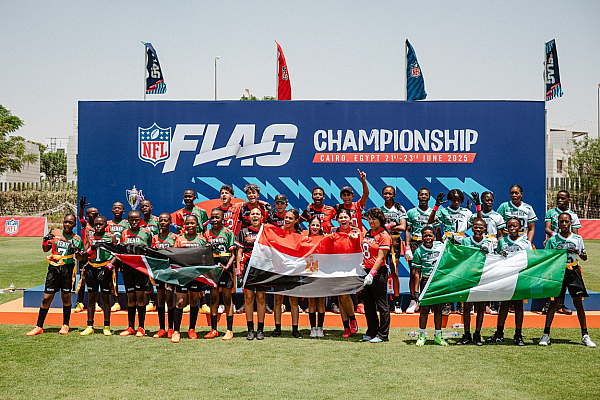
The National Football League (NFL) (www.NFL.com) will host a continental NFL Flag Championship in Kenya, bringing together national teams and youth squads from five African nations for three days of competition and development programming. The event runs July 9-11 in Nairobi and will be the third such competition held on the continent, following events in Nigeria (2024) and Egypt (2025).

For the first time the tournament features a flag football competition contested by five men's and five women's national teams representing Ghana, Kenya, Nigeria, Egypt and South Africa. Running alongside the main competition is a youth tournament featuring five U13 co-ed teams from the same five countries, with each youth squad made up of 10 players.

This initiative has been developed in consultation with the sport's international federation, IFAF, which has authorized the participation of national representative teams. It is also supported locally by the Kenyan Federation of American Football (KFAF), which has helped bring the event together.

Flag football, a fast-paced and accessible discipline of the game, is one of the fastest growing sports worldwide that will make its debut at the Los Angeles 2028 Olympics, while NFL Flag is the official flag football program of the NFL.

"It's been inspiring to watch flag football take off across the continent," said Brian Flinn, NFL senior vice president, Global Flag Football. "This event brings together the very best players alongside the next generation of talent from five countries, showcasing the pathways that exist for athletes to compete at the grassroots level all the way to representing their countries in international competitions.”

“IFAF and the NFL have been working collaboratively to accelerate flag football development across Africa, both at grassroots and high performance levels,” said IFAF President Pierre Trochet. “This event is another fantastic example of our partnership in action, providing the national teams of IFAF member federations in the continent with a valuable competitive opportunity in preparation for next year's crucial IFAF African Continental Championships.”

In addition to the on-field competition, the week includes an elite talent identification workout on July 11, giving athletes from across the continent the opportunity to showcase their ability in front of NFL representatives as part of the league's NFL Africa program that supports the development of athletes on the continent via the league's global football programs including the International Player Pathway program and NFL Academy.

Distributed by APO Group on behalf of National Football League (NFL).

About Flag Football:
Flag football is one of the fastest-growing sports in the world, played by more than 20 million people in more than 100 countries, with particularly rapid growth in youth and girls' participation. The sport will make its Olympic debut at the Los Angeles 2028 Games. The NFL continues to invest in the game's international growth through grassroots participation, youth development and strategic partnerships — including its work with the International Federation of American Football (IFAF) to increase participation and inspire the next generation.

To find out more about NFL Flag around the world, please visit here https://apo-opa.co/3QS8OLI.

About NFL Africa:
The NFL Africa program is, spearheaded by NFL Legend Osi Umenyiora, is an initiative developed to support the growth of American football across the continent. The program is built on three pillars —fan events, talent identification and NFL Flag development— creating pathways to play for boys and girls at the grassroots level, increasing opportunities for elite athletes, and serving a growing fan base. The continent's connection to the league runs deep, with more than 145 players of African descent on NFL rosters.

Media files
National Football League (NFL)
Download logo
Read more2026 NFL Flag Africa Continental Championship to be held in Kenya
26 June 2026

President Ramaphosa to Undertake Working Visit to France

Location: News

The Presidency of the Republic of South Africa
Download logo

President Cyril Ramaphosa will undertake a Working Visit to France from 10-12 July 2026. 

The visit comes at the invitation of the Director-General of UNESCO, Mr Khaled El-Enany, to co-chair the UNESCO High-Level Steering Committee on Sustainable Development Goal (SDG4) on education, which will be held at the UNESCO Headquarters in Paris on 10 July 2026.

This will be followed by the Transforming Education Summit (TES) Stocktake.

On 12 July, President Ramaphosa is expected to attend the 110th Commemoration of the Battle of Delville Wood which will be held at the South African Memorial in Longueval, approximately two hours from Paris.

The historic commemoration will honour South African soldiers who lost their lives during World War I.

The commemoration will include a wreath-laying ceremony and the unveiling of the UNESCO plaque. 

President Ramaphosa will be accompanied by various Ministers and senior government officials.

Distributed by APO Group on behalf of The Presidency of the Republic of South Africa.

Read morePresident Ramaphosa to Undertake Working Visit to France
26 June 2026

Republic of South Africa and Afreximbank sign US$14 billion Country Programme to accelerate industrial development and trade

Location: News
Afreximbank

African Export-Import Bank (Afreximbank) (www.Afreximbank.com) and the Government of the Republic of South Africa, through the Department of Trade, Industry and Competition (“the dtic”) have signed a memorandum of understanding (MoU) that seeks to advance South Africa's industrial development, trade expansion and regional integration.

Signed in Alamein, Egypt, on 20 June 2026, the MoU establishes a US$14 billion country programme under which Afreximbank will deploy a combination of financing and non-financial interventions in support of the development priorities of South Africa, one of the continent's largest economies.

The MoU was signed by Dr. George Elombi, President and Chairman of the Board of Directors of Afreximbank and Hon. Mpho Parks Tau, South Africa's Minister of Trade, Industry and Competition.  

The inking of this partnership marks a significant step toward deepening cooperation between South Africa and the Pan-African Multilateral Financial Institution, following South Africa's accession to the Establishment Agreement of Afreximbank in February 2026. The MoU seeks to support investments in industrial infrastructure, energy generation and transmission, as well as other infrastructure that advances South Africa's industrial competitiveness and its trade and investment connections with the rest of the continent. 

The Country Programme includes the Afreximbank Inclusive Development Support Programme for South Africa, designed to address structural gaps in the economy and to expand access to finance for previously disadvantaged groups, enabling them to build assets, participate meaningfully in strategic sectors, and contribute to a more inclusive redistribution of economic opportunity across South Africa. The Bank has earmarked a total of US$3 billion to support this initiative.

Dr George Elombi, President and Chairman of the Board of Directors of Afreximbank, said: "With this memorandum of understanding, Afreximbank and the Republic of South Africa have taken a significant step to strengthen our partnership to support South Africa's development priorities and advance Africa's economic integration. The country programme will unlock investment flows into strategic sectors of the South African economy, including enabling processing mineral and agricultural commodities in South Africa, expanding trade between South Africa and the rest of the continent under the African Continental Free Trade Area (AfCFTA), promoting South African investment across Africa, and advancing financial and economic inclusion. The country programme also allows Afreximbank to extend its development footprint across the entire continent."

Hon. Mpho Parks Tau, Minister of Trade, Industry and Competition of South Africa, indicated that: “The MoU also seeks to advance the implementation of the African Continental Free Trade Area (AfCFTA) by promoting stronger regional value chains (RVCs) and addressing cross-border constraints that continue to inhibit the free flow of goods, services, and capital across the continent.”

Other key areas of collaboration include re-launching and funding of the South Africa-Africa Trade and Investment Promotion Programme (SATIPP) 2.0, establishing a South Africa Exim Bank by providing technical, management, financial and operational support and/or seed funding, joint project origination and preparation activities, financing for establishment and expansion of industrial parks and Special Economic Zones (SEZs), co-financing energy projects including renewable energy, mineral beneficiation as well as  institutional capacity, technical assistance, and advisory services.”

The Country Programme is aligned with South Africa's National Development Plan (NDP) 2030, the Medium Term Development Plan (2024-2029), the Implementation Plan to drive Growth and Inclusion (GAIN), and industrial and trade strategies.

Distributed by APO Group on behalf of Afreximbank.

Media Contact:
Vincent Musumba
Communications and Events Manager (Media Relations)
Email: press@afreximbank.com

Follow us on: 
X: https://apo-opa.co/4xQoSOM
Facebook: https://apo-opa.co/3Sq25t7
LinkedIn: https://apo-opa.co/4eF7CDn
Instagram: https://apo-opa.co/4eLbhzw

About Afreximbank:
African Export-Import Bank (Afreximbank) is a Pan-African multilateral financial institution mandated to finance and promote intra- and extra-African trade. For over 30 years, the Bank has been deploying innovative structures to deliver financing solutions that support the transformation of the structure of Africa's trade, accelerating industrialisation and intra-regional trade, thereby boosting economic expansion in Africa. A strong supporter of the African Continental Free Trade Agreement (AfCFTA), Afreximbank has launched a Pan-African Payment and Settlement System (PAPSS) that was adopted by the African Union (AU) as the payment and settlement platform to underpin the implementation of the AfCFTA. Working with the AfCFTA Secretariat and the AU, the Bank has set up a US$10 billion Adjustment Fund to support countries effectively participating in the AfCFTA. At the end of December 2025, Afreximbank's total assets and contingencies stood at over US$48.5 billion, and its shareholder funds amounted to US$8.4 billion. Afreximbank has investment grade ratings assigned by China Chengxin International Credit Rating Co., Ltd (CCXI) (AAA), GCR (A), Japan Credit Rating Agency (JCR) (A-), Moody's (Baa2) and S&P Global Ratings (BBB+). The Bank is headquartered in Cairo, Egypt.

For more information, visit: www.Afreximbank.com

Media files
Afreximbank
Download logo
Read moreRepublic of South Africa and Afreximbank sign US$14 billion Country Programme to accelerate industrial development and trade
26 June 2026

Emirates, EPCR and the Kolisi Foundation launch the Emirates Nourishment Programme to support childhood nutrition across South Africa

Location: News
The Emirates Group

  • Around 2,000 children will benefit each year through schools and Early Childhood Development Centres in Gauteng, Cape Town and Durban
  • Four-year long initiative will provide approximately 400,000 nutritious breakfasts annually in underprivileged communities
  • Partnership leverages the power of sport and community to help address childhood nutrition and create a more supportive environment for education

Emirates (www.Emirates.com), European Professional Club Rugby (EPCR), and the Kolisi Foundation have launched the Emirates Nourishment Programme, a long-term initiative designed to ensure that thousands of children start every school day with a nutritious breakfast, giving them a stronger foundation to learn, develop and thrive.

Across South Africa, an estimated 15 to 16 million people experience food insecurity, with children often bearing the greatest burden. Breakfast is frequently the first meal sacrificed, yet it is one of the most important for a child's ability to concentrate, participate in class and engage in learning throughout the day. The Emirates Nourishment Programme aims to address this by providing approximately 400,000 nutritious breakfasts every year—around 1.6 million breakfasts over the initial four-year partnership—ensuring around 2,000 learners each year have the opportunity to begin every school day nourished and ready to learn.

The initiative, which will run until 2030, combines nutritional support with the inspirational power of rugby, creating opportunities for children not only to receive consistent access to breakfast, but also to engage with role models who demonstrate resilience, teamwork and leadership.

The Kolisi Foundation (http://KolisiFoundation.org/) believes that lasting change requires addressing inequality in all its interconnected forms. Through programmes focused on food security, education, gender-based violence prevention and sport, the Foundation works alongside communities and strategic partners to remove barriers that prevent young people from reaching their full potential.

Commenting on the launch of the Emirates Nourishment Programme, founder of the Foundation, Siya Kolisi said “No child should have to choose between learning and hunger. I know from my own journey how much opportunity can change a life, but it's difficult to dream, concentrate or believe in yourself when you're hungry. That's why this programme matters. A nutritious breakfast may seem like a simple thing, but for a child it can mean arriving at school ready to learn, to grow and to believe in what's possible."

The Foundation's Managing Director Mahlatse Mashua, added, "Good nutrition is one of the most powerful investments we can make in a child's future. A breakfast served consistently over an entire school year doesn't simply satisfy hunger—it improves attendance, supports cognitive development, enables children to participate more fully in the classroom and creates better conditions for learning. Those seemingly ordinary mornings accumulate into extraordinary opportunities over time.

"We are grateful to Emirates and EPCR for their commitment to this shared vision. Together, we are helping create an environment where children can focus on being children, learning, growing and building brighter futures for themselves, their families and their communities."

Jacques Raynaud, CEO of EPCR, said "Rugby has a unique ability to unite people, inspire communities and create meaningful change beyond the field of play. Through our impACT strategy, EPCR is committed to harnessing that power and working with partners who share our ambition to leave a positive legacy.

"The Emirates Nourishment Programme is a perfect example of what can be achieved when organisations come together around a shared purpose. Together with Emirates and the Kolisi Foundation, we will be supporting thousands of children across South Africa with the nutrition they need to learn, develop and thrive. We are incredibly proud to launch this programme and excited about the impact it will create over the years ahead."

Afzal Parambil, Emirates' Regional Manager for South Africa said, “At Emirates, we have a legacy connecting communities through our sponsorship portfolio, using sport as a platform for social inclusion and youth development. Through this partnership with EPCR and the Kolisi Foundation, we hope to remove one of the barriers that can stand in the way of learning and opportunity, helping young people reach their full potential, and deliver a positive impact that extends far beyond the classroom.”

By combining consistent nutritional support with the unifying power of rugby, the Emirates Nourishment Programme represents a long-term investment in South Africa's children. Together, Emirates, EPCR and the Kolisi Foundation are helping ensure that thousands of young people begin every school day nourished, ready to learn and better equipped to realise their potential.

Distributed by APO Group on behalf of The Emirates Group.

Media files
The Emirates Group
Download logo
Read moreEmirates, EPCR and the Kolisi Foundation launch the Emirates Nourishment Programme to support childhood nutrition across South Africa
26 June 2026

AMW to Strengthen Middle East – Africa Mining Partnerships with Dedicated Investment Roundtable

Location: News

Energy Capital & Power
Download logo

As mining sector cooperation between Africa and the Middle East strengthens - driven by Africa's demand for capital and the Gulf's pursuit of secure mineral supply chains - African Mining Week (AMW) 2026 will provide a strategic platform connecting African mining jurisdictions with Middle Eastern investors.

Taking place from October 14 – 16, 2026 in Cape Town, AMW – The Most Influential Mining Conference in Africa - will feature a dedicated Middle East-Africa Roundtable, highlighting investment trends and long-term collaboration prospects for Gulf stakeholders across Africa's mining value chain.

As global demand for critical minerals expands - driven by the energy transition, AI infrastructure deployment and defense applications – the Middle East is strengthening its supply chain through investments in Africa – home to 30% of the world's reserves.

For Gulf economies seeking to diversify revenue generation from hydrocarbons, Africa's $8.5 trillion worth of untapped mineral deposits are becoming central to industrial diversification strategies. Saudi Arabia's Vision 2030 – under which the Kingdom has pledged to invest $10 billion in African mining projects – alongside the UAE's broader industrial transformation agenda, is driving increased acquisition of upstream mineral assets abroad, particularly across Africa's critical minerals sector.

The shift is already translating into rising capital flows for Africa. Gulf states accounted for approximately 22% of greenfield foreign direct investment into Africa in 2025, highlighting the region's growing role as a strategic investment partner for the continent. Sovereign wealth fund Abu Dhabi Developmental Holding Company (ADQ), for instance, is supporting critical mineral investments across emerging markets through a $1.8 billion joint venture with Orion Resource Partners and the U.S. International Development Finance Corporation. Separately, ADQ has also announced plans to invest $500 million into Kenya's mining sector.

https://apo-opa.co/4ewIErb

https://apo-opa.co/4ambBna

https://apo-opa.co/4oRHha7

In mid-2025, Oman's Maaden Fund secured a 41% stake in Angola's Catoca diamond mine – one of the world's largest diamond operations – reinforcing Gulf investors' growing appetite for strategic mineral assets capable of generating long-term production resilience and stable revenue streams.

https://apo-opa.co/4ev8xHR

Meanwhile, the UAE's International Resources Holding (IRH)'s $1 billion investment in Zambia's Mopani Copper Mine is supporting operational restoration efforts aimed at increasing production to 200,000 tons over the next three years. Mopani is already playing a crucial role in supporting a national target to increase copper output to three million tons by 2031, emerging as a key contributor to the 8% increase in output recorded in 2025.

In South Africa, IRH's agreement with the Public Investment Corporation to explore co-investment opportunities could unlock fresh capital at a time the country seeks to mobilize R2 trillion to unlock its critical mineral sector growth over the next three years.

https://apo-opa.co/4oPEaPT

https://apo-opa.co/3SIyDOX

AMW 2026 will highlight how Middle Eastern investment is modernizing Africa's mining value chain. As African markets maximize their growth potential through localized processing, the event identifies the most lucrative investment and partnership opportunities between African mining stakeholders and Middle Eastern financiers.

Distributed by APO Group on behalf of Energy Capital & Power.

Read moreAMW to Strengthen Middle East – Africa Mining Partnerships with Dedicated Investment Roundtable
25 June 2026

Africa’s Grid Constraints Come into Focus as Regional Markets Push Toward Integration

Location: News
African Energy Chamber

Africa's electricity demand is projected to nearly double to 2,291 TWh by 2050, requiring an estimated $30 billion in transmission and grid infrastructure investment to unlock and integrate new generation capacity. Yet across the continent, grid systems are struggling to keep pace with rapidly expanding supply pipelines and rising demand.

In Nigeria, repeated nationwide grid collapses as recently as February 2026 underscore the fragility of aging transmission infrastructure. In East Africa, tower failures along the 428 km Loiyangalani-Suswa line temporarily stranded output from Lake Turkana Wind Power – Africa's largest wind installation. Meanwhile, demand growth pressures are accelerating across North Africa, where electricity consumption is expected to rise by around 50% by 2035, driven by urbanization, desalination projects, and climate-related temperature increases.

Despite these constraints, generation investment continues to accelerate across Africa, particularly in renewables, gas-to-power and hybrid systems. However, without equivalent investment in transmission and interconnection, much of this new capacity risks being underutilized or stranded. This growing imbalance between generation and grid capacity is driving a sharper focus on system-wide planning and regional market design – issues that will be central to the newly launched Power Africa Today conference at African Energy Week 2026. The platform will bring together policymakers, utilities, investors and developers to explore how regional interconnection, cross-border trading frameworks and financing structures can better align generation growth with grid expansion.

Power Markets Experiment with Reform

Alongside infrastructure challenges, Africa's electricity sector is undergoing gradual – but uneven – market reform. Most countries still operate vertically integrated systems dominated by state utilities, but a growing number are introducing competitive frameworks to attract private capital and improve efficiency.

Zimbabwe opened its electricity market to full private participation across generation, transmission and distribution in 2025, targeting $9 billion in new investment. South Africa is advancing one of the continent's most ambitious grid expansion programs, with plans for 14,500 km of new transmission lines and 133,000 MVA of transformer capacity by 2034, alongside mechanisms designed to crowd in private financing. Kenya, meanwhile, has introduced open access regulations enabling independent power producers to wheel electricity directly to multiple off-takers, reshaping how generation assets interface with the grid.

Regional Integration Remains Fragmented

Efforts to connect Africa's fragmented power systems are progressing, though at different speeds across regions. In Southern Africa, the World Bank's RETRADE SAPP program, approved in 2025, is deploying $12 million to strengthen renewable integration and transmission capacity across 12 member states. In East Africa, the Ethiopia–Kenya–Tanzania Electricity Highway is now in trial operations at up to 2,000 MW, marking a significant step toward a more interconnected regional grid.

West Africa is also moving toward deeper integration, with permanent synchronization of the West Africa Power Pool expected in 2026. Analysts, including the African Finance Corporation, argue that such synchronization is critical to unlocking large-scale hydropower potential and industrial demand across the region. Longer term, full synchronization between the Eastern and Southern African power pools – targeted for the end of 2026 – could create one of the world's largest cross-border electricity trading corridors.

Building Bankable Financial Architectures

While interconnection is advancing, infrastructure alone is not enough to create investable electricity markets. Investors consistently cite the lack of standardized offtake structures, creditworthy counterparties, and cross-border payment guarantees as key barriers to scaling capital deployment.

New models are emerging to address these constraints. Africa GreenCo, operating across Zambia, Namibia and South Africa, is helping to aggregate independent power producers under a single creditworthy intermediary, standardizing power purchase agreements and reducing counterparty risk. At a broader level, AUDA-NEPAD estimates that Africa requires around $30 billion in additional investment to complete priority transmission corridors and establish three fully interconnected regional trading blocs by 2030.

“Interconnected electricity markets are the foundation of Africa's industrial future,” said NJ Ayuk, Executive Chairman of the African Energy Chamber. “The question at Africa Energy Week is not whether integration is possible – the evidence is already there. The question is which regulatory frameworks and financial structures will get projects to financial close, and which markets will be ready when capital is looking to move.”

The Power Africa Today conference will run alongside AEW 2026, taking place October 12–16 in Cape Town, and will focus on the regulatory, financial and infrastructural architecture needed to build interconnected electricity markets capable of attracting institutional capital and delivering reliable, cross-border power at scale.

Distributed by APO Group on behalf of African Energy Chamber.

Media files
African Energy Chamber
Download logo
Read moreAfrica’s Grid Constraints Come into Focus as Regional Markets Push Toward Integration
25 June 2026

Power Africa Today: AEW 2026 Launches New Power platform and Conference to Drive the Fight Against Energy Poverty

Location: News
African Energy Chamber

More than 600 million people in sub-Saharan Africa still lack access to electricity, underscoring a stark reality: no single energy source will close the continent's power gap. Instead, African governments are increasingly pursuing a multi-resource energy strategy – leveraging natural gas, renewables, hydropower and existing thermal assets – to expand access, improve grid reliability, and advance the goal of ending energy poverty by 2030.

These priorities will take center stage at African Energy Week (AEW) 2026 through the newly launched Power Africa Today conference. The platform will convene utility executives, policymakers, investors, developers and technology providers to examine how generation expansion, transmission build-out, financing innovation and regional market integration can accelerate electrification and industrial growth across Africa. While discussions will reflect a wide range of ongoing developments across the continent – including renewable energy expansion, gas-to-power projects, grid modernization and cross-border trade – the focus will be on how these efforts can be better aligned into bankable, system-wide solutions that close the energy access gap.

Natural gas continues to play a central role in Africa's power mix as a flexible, dispatchable fuel that supports industrial growth and complements intermittent renewable generation. At the same time, governments are scaling up utility-scale solar and wind projects alongside decentralized mini-grids and off-grid systems aimed at extending access to remote communities. Emerging technologies such as green hydrogen are also beginning to gain traction, supported by early-stage financing and policy frameworks, including the African Development Bank's $20 million funding call to de-risk pilot projects.

Alongside generation expansion, power sector reform and infrastructure development are gaining momentum. South Africa's wholesale electricity market reforms and long-term transmission expansion plans are opening the door to greater private sector participation, while Uganda's Amari Power Transmission Project – Africa's first privately financed independent transmission project to reach financial close – signals growing investor appetite for grid infrastructure.

Regional integration is also accelerating, with power pools advancing cross-border electricity trade through harmonized regulatory frameworks. At the same time, large-scale access initiatives such as Mission 300, led by the World Bank and AfDB, are helping to scale electrification efforts, having already connected more than 50 million people across the continent.

“Africa's pathway to ending energy poverty will require every available resource working together. Natural gas, renewables, hydropower and existing power assets including coal and oil each have a role to play in delivering reliable electricity, supporting industrialization and improving quality of life across the continent,” says NJ Ayuk, Executive Chairman, African Energy Chamber.

The Power Africa Today conference at AEW 2026 will provide a dedicated platform to translate these investments, reforms and partnerships into bankable projects – accelerating energy access and supporting sustainable economic growth across the continent.

Distributed by APO Group on behalf of African Energy Chamber.

Media files
African Energy Chamber
Download logo
Read morePower Africa Today: AEW 2026 Launches New Power platform and Conference to Drive the Fight Against Energy Poverty
25 June 2026

Eritrea: Nationals in Various Countries Commemorate Martyrs Day

Location: News

Ministry of Information, Eritrea
Download logo

Eritrean nationals residing in South Africa, Zambia, Zimbabwe, South Sudan, Angola, Ghana, Guinea, and Ivory Coast have commemorated Martyrs Day, 20 June, featuring various programs.

Nationals in the South African cities of Johannesburg, Pretoria, and Durban commemorated Martyrs Day with candlelight vigils, experience-sharing programs, as well as cultural and artistic presentations depicting the significance of the day.

Mr. Saleh Omar, Eritrea's Ambassador to the Republic of South Africa and Southern African countries, said that, owing to the sacrifices of its martyrs, the Eritrean people have ensured their independence and peace, as well as their identity and national sovereignty.

At the commemorative event in Johannesburg, nationals contributed 42 thousand Rand towards augmenting the National Martyrs Trust Fund, while four nationals pledged to assume responsibility for supporting 10 families of martyrs.

At the commemorative events organized by nationals in the Zambian cities of Lusaka and Chingola, Mr. Gebrehiwet Petros, chairman of the Eritrean community, said that martyrs are symbols of the identity and values of the Eritrean people, and called on nationals to live up to the expectations of martyrs and demonstrate commitment by giving priority to the interests of the Eritrean people and country.

Likewise, at the commemorative event organized in Zimbabwe, Mr. Aklilu Gide, chairman of the Eritrean community, called on nationals to strengthen participation in supporting families of martyrs. At the event, 13 nationals pledged to assume responsibility for supporting 15 families of martyrs.

The commemorative event in South Sudan, held on 19 June, featured a candlelight vigil as well as cultural and artistic programs.

Speaking at the event, Mr. Tsegay Mehari, Eritrea's Consul, called on nationals to fulfil the martyrs' trust through strengthening participation in national affairs.

Nationals in the Angolan cities of Luanda, Lubango, Benguela, Huambo, and Cabinda; Conakry, Guinea; Accra, Ghana; as well as Abidjan, Ivory Coast, commemorated Martyrs Day under the theme “Reward for Our Martyrs is Transferring a Strong Country to Future Generations.”

At the event in Angola, Mr. Desale Tekleab, Eritrea's Consul General, called on nationals to equip themselves with the necessary knowledge and skills and strengthen participation in national development programs.

Nationals in various cities of Belgium and Luxembourg also commemorated Martyrs Day with various programs reflecting the significance of the day. They also contributed 3 thousand 790 Euros towards augmenting the National Martyrs Trust Fund.

At the commemorative event in Brussels, Mr. Negasi Kasa, Eritrea's Ambassador to the European Union and Benelux countries, delivered a speech focusing on the deep meaning of the day and the heavy sacrifices the Eritrean people paid for independence and safeguarding national sovereignty.

In the same vein, at the commemorative event organized by nationals in Vienna, Austria, participants contributed 2 thousand Euros and pledged to assume responsibility for supporting two families of martyrs.

Nationals in the US city of Atlanta also commemorated Martyrs Day with patriotic zeal and contributed 28 thousand 955 Dollars in support of families of martyrs.

Distributed by APO Group on behalf of Ministry of Information, Eritrea.

Read moreEritrea: Nationals in Various Countries Commemorate Martyrs Day
25 June 2026

Nigeria Launches Early-Stage Mineral EMERGE Program to Unlock $750B Mining Potential

Location: News

Energy Capital & Power
Download logo

Nigeria has launched the Early-Stage Mineral Exploration and Research Grant Endowment Program (EMERGE), a new initiative aimed at accelerating early-stage mineral exploration, strengthening geological research and advancing local value addition. The program arrives at a critical time for the country, providing the advanced geoscientific research and structured funding necessary to de-risk the sector and unlock Nigeria's $750 billion worth of untapped mineral deposits.

Under broader efforts to diversify its economy beyond oil, Nigeria has outlined plans to expand mineral exploration and production. The country has identified 44 strategic mineral deposits and is seeking developers with the requisite capital and technological expertise to invest. The government has also sought to increase mining's contribution to GDP to 10% in 2026. However, unlocking these opportunities will require stronger geological data, greater technical capacity and increased investment in early-stage exploration. 

The introduction of the EMERGE initiative aims to address these gaps. The program is centered around three areas of focus: science-backed exploration, critical minerals development and research and development.

The exploration stream targets early-stage geological insights to generate reliable mineral data, the critical minerals stream targets minerals required for the energy transition while the research and development stream integrates science and innovation across the value chain. Driven by the Solid Minerals Development Fund, the program is designed to position Nigeria as a major player in the global minerals value chain.

The program also builds on a rising wave of international partnerships aimed at modernizing Nigeria's exploration infrastructure through digitization and enhanced capacity building. Nigeria and Turkey formalized a partnership agreement in May 2026, aimed at strengthening cooperation in mining technology, exploration and investment.

Nigeria has also entered geological mapping and exploration cooperation agreements with South Sudan and South Africa, aimed at advancing geological and technical expertise while facilitating greater investment flows across the exploration sector.

Recent mineral ambitions are being backed by global finance. In March 2026, Nigeria secured $1.3 billion from the Africa Finance Corporation to fund its mineral exploration programs as well as the construction of an alumina refinery, advancing its national mineral production and domestic beneficiation strategy.

A late 2025 allocation of over $600 million for geoscientific exploration and nationwide mapping highlights Nigeria's commitment to de-risk the sector through access to modern geological data and accelerated exploration activities.

As technical innovation becomes increasingly critical to streamlining operations across Nigeria's mining value chain, this year's African Mining Week (AMW) 2026, scheduled for October 14–16 - will bring together global upstream players, financiers and Nigerian authorities to explore the future of exploration and investment opportunities across the sector. The event will host panel discussions and exclusive networking sessions, highlighting lucrative investment and partnership opportunities within Nigeria's mineral exploration and value-addition space.

Distributed by APO Group on behalf of Energy Capital & Power.

Read moreNigeria Launches Early-Stage Mineral EMERGE Program to Unlock $750B Mining Potential
24 June 2026

Minister of State for International Cooperation Meets Ambassador of South Africa

Location: News

Ministry of Foreign Affairs of The State of Qatar
Download logo

HE Minister of State for International Cooperation Dr. Maryam bint Ali bin Nasser Al Misnad met on Wednesday with HE Ambassador of the Republic of South Africa in Doha Ghulam Hoosein Asmal. 

The meeting discussed bilateral cooperation relations and ways to support and strengthen them, in addition to discussing a number of issues of mutual concern.

Distributed by APO Group on behalf of Ministry of Foreign Affairs of The State of Qatar.

Read moreMinister of State for International Cooperation Meets Ambassador of South Africa
22 June 2026

Africa’s Data-First Energy Workforce Is the Key to Unlocking Future Exploration

Location: News

African Energy Chamber
Download logo

Africa's energy future will be shaped not only by the resources beneath the ground, but by the ability of its workforce to interpret, manage and act on increasingly complex datasets. As exploration targets become more technically challenging and investors demand greater certainty, energy companies across the continent are turning to artificial intelligence, advanced analytics and digital platforms to improve decision-making. Building a data-first workforce capable of leveraging these technologies is emerging as a strategic priority, enabling operators to reduce exploration risk, optimize production and accelerate project development.

As digital innovation becomes increasingly critical to streamlining operations across exploration and production, this year's African Energy Week (AEW) 2026 – taking place in Cape Town from October 12–16 – is set to highlight how these shifts impact regional competitiveness. These industry-wide advancements are set to take center stage during Renegade Intel, the event's premier track dedicated to AI and data centers.

For Africa's exploration sector, digitalization is becoming a prerequisite for success. As operators pursue frontier acreage, deeper reservoirs and more complex geological plays, the ability to process and interpret large volumes of seismic, subsurface and operational data is critical. However, technology alone is not enough. Scaling exploration activity will require a workforce equipped with advanced digital skills, capable of applying AI-driven insights to geological modeling, prospect evaluation and resource development.

In the exploration sector, the BHP Xplore Bootcamp – designed to fast-track early-stage mineral exploration – launched in South Africa on February 3. The intensive program provides junior explorers with $500,000 grants and access to proprietary data analytics, specifically targeting deeper copper and zinc systems in the Northern Cape province through advance mineral modeling.

Further boosting upstream efficiency, global technology company SLB inaugurated its Africa Performance Center in Luanda, Angola in late 2025. The facility provides regional operators with high-fidelity digital twins and AI-driven workflows for enhanced oil recovery. These tools allow companies to analyze massive datasets, extending the life of mature fields in Angola and Algeria.

AI is increasingly being adopted across Africa's energy management systems. Leading the charge in modern grid management, South Africa's state utility Eskom announced on March 3 that it is leveraging AI to build a self-healing power grid. This ambitious project aims to utilize predictive analytics to minimize outages and optimize integration of renewable energy sources across its national transmission network. This was followed by the signing of an agreement between Eskom, the University of Pretoria and the South African National Energy Development Institute, aimed at harnessing the power of AI to address critical energy challenges across the country.

Similar moves are taking place in Nigeria. In a landmark move for regulatory transparency, the Nigerian Upstream Petroleum Regulatory Commission (NUPRC) launched a 60-day digitalization program in early 2026. NUPRC Commission Chief Executive Oritsemeyiwa Eyesan announced the initiative following a visit from the Nigeria Extractive Industries Transparency Initiative's Executive Secretary Musa Sarkin Adar, pledging to eliminate paper trails to enhance speed and royalty enforcement.

Sustaining this momentum requires robust talent pipelines and university partnerships. Workforce reform is essential to bridge the technical gap, as African institutions must evolve into dynamic innovation hubs. Investing in local skills development ensures that the digital transition remains Africa-led, creating high-value jobs for the continent's growing youth population.

“Transforming Africa's economic potential into reality requires that we empower those who make growth possible – our SMEs, our women entrepreneurs and our youth,” says NJ Ayuk, Executive Chairman, African Energy Chamber. “Harnessing digitalization is no longer an option but a necessity to ensure Africa remains globally competitive.”

Ultimately, digitalization and skills development are the dual engines driving Africa toward an era of energy abundance. By fostering a tech-savvy workforce and adopting cutting-edge analytics, the continent can de-risk projects and attract long-term capital. These critical advancements are set to form the cornerstone of discussions at the Renegade Intel track at AEW 2026 this October. 

Distributed by APO Group on behalf of African Energy Chamber.

Read moreAfrica’s Data-First Energy Workforce Is the Key to Unlocking Future Exploration
22 June 2026

Africa Tech Festival 2026 Returns as Africa’s Defining Platform for Digital Transformation, Investment and Innovation

Location: News
Africa Tech Festival

Africa Tech Festival (https://AfricaTechFestival.com), the continent's longest running and most influential technology gathering, will return to the Cape Town International Convention Centre from 16 to 19 November 2026, bringing together key stakeholders driving the next phase of Africa's digital growth.

Now in its 29th edition, Africa Tech Festival, originally launched as AfricaCom, has evolved alongside the continent's digital transformation, expanding its focus to encompass the full spectrum of technology, investment opportunities and policies that drive economic growth.

At a time when investment in connectivity, subsea cables, fibre networks, data centres and cloud infrastructure is reshaping Africa's digital landscape, Africa Tech Festival serves as a catalyst for the conversations and partnerships driving that progress. South Africa's Department of Communications and Digital Technologies is a Strategic Partner of the event, with Minister of Communications and Digital Technologies, Hon. Solly Malatsi, confirmed to deliver the opening address.

“Africa Tech Festival is a strategic platform shaping Africa's digital future, bringing together leaders from across the continent in government and industry to drive collaboration, investment, and innovation. As host country, South Africa is proud to champion an event that not only strengthens partnerships, but advances a shared vision of an inclusive, connected and globally competitive African digital economy,” said Minister Malatsi.

Africa Tech Festival 2026 is structured around six interconnected pillars that reflect the technologies and priorities driving Africa's digital economy: Telecoms & Connectivity; Data Centres; AI; Cybersecurity; Startups; and Digital Transformation.

Together, these pillars provide a framework for addressing some of the continent's most pressing priorities, including digital infrastructure expansion, greater connectivity and digital inclusion, responsible AI adoption, stronger data sovereignty and digital trust, and the partnerships and investments needed to unlock Africa's next wave of innovation and economic growth.

The event will feature dedicated content programmes, executive forums, exhibitions, networking opportunities and investment-focused discussions designed to connect decision-makers from across Africa and around the world.

“It is now clear that this is a defining moment for the ICT sector in Africa. AI adoption is transforming business processes, but it also raises questions around inclusion, data sovereignty and the capacity of digital infrastructure. Africa Tech Festival is the only forum where leaders from across the tech ecosystem – telecoms operators, hyperscalers and corporate end-users – can come together to find the answers,” said David Monaghan, VP, Africa Tech Festival.

As Africa's digital economy continues to attract global investment and attention, Africa Tech Festival showcases the continent's capabilities and leadership while connecting African stakeholders with international investors, technology companies and policymakers. Beyond the annual event, it continues to serve as a year-round forum for thought leadership, industry engagement and ecosystem development, helping shape the policies, investments and innovations that are accelerating Africa's digital transformation.

Register to attend Africa Tech Festival 2026

General registration: https://apo-opa.co/3Sq6goC

For more information, as well as exhibitor and sponsor applications, visit https://AfricaTechFestival.com

Distributed by APO Group on behalf of Africa Tech Festival.

About Africa Tech Festival:
Africa Tech Festival is the continent's leading platform for shaping the future of the digital economy. Taking place annually in Cape Town, the festival brings together the full technology ecosystem, from telecoms and infrastructure providers to enterprise leaders, startups, investors and policymakers.

Through six core pillars spanning connectivity, AI, cybersecurity, data centres, digital transformation and the startup ecosystem, Africa Tech Festival delivers a comprehensive view of the trends, challenges and opportunities defining Africa's digital landscape.

The festival combines high level content with large scale exhibition and networking, creating a space where strategy meets execution. Across three days, it convenes global technology leaders, decision makers and innovators to share insight, build partnerships and drive real business outcomes.

Africa Tech Festival is part of Informa Festivals, a division of Informa.

Media files
Africa Tech Festival
Download logo
Read moreAfrica Tech Festival 2026 Returns as Africa’s Defining Platform for Digital Transformation, Investment and Innovation
  • Previous
  • Page 1
  • Interim pages omitted …
  • Page 4
  • Page 5
  • Page 6
  • Page 7
  • Page 8
  • Interim pages omitted …
  • Page 116
  • Next

Copyright © 2026 · MyZA · All Rights Reserved · Powered by Stratlec Online