• Skip to main content
  • Skip to header right navigation
  • Skip to after header navigation
  • Skip to site footer
MyZA

MyZA

News, Directory, Events and Other Stuff

  • Social Media
  • Sport
  • World News
  • Home
  • Submit News
  • Directory
  • Events
  • Stratlec
  • TFSA
  • News
    • APO
    • Today’s Sport News
    • Todays Social Media and Tech Headlines
    • Today’s World News
    • Today’s SA Financial News
  • Contact
You are here: Home / Archives for business

business

8 March 2025

Government will move with urgency to restore City of Gold

Location: News

Government will move with urgency to restore City of Gold

President Cyril Ramaphosa has moved to assure residents of the City of Johannesburg that government is determined to move with urgency to resolve the service delivery challenges facing the city.

The President was addressing residents during a stakeholder engagement at the Johannesburg City Council Chamber on Friday afternoon.

Earlier in the day and on Thursday, the President together with the National Executive conducted an oversight visit to Gauteng.

“As a resident of Johannesburg, I share the concerns that have been expressed here about the deterioration of services and infrastructure. 

“Over the last two days, members of the National Executive have engaged the leadership of Gauteng and the City of Johannesburg on the challenges they face and the work that is being done to address them. 

“We are committed to ensuring cooperation among the three spheres of government to urgently attend to these challenges. We may well have said so in the past, but the enormity of the challenges and the problems compels us to now say we are going to redouble our efforts,” he said.

The President highlighted some of the challenges facing the city, including deteriorating road infrastructure, the closure of public facilities like the Johannesburg Library and delayed or unfinished infrastructure.

“Through the Department of Cooperative Governance, National Treasury and the Provincial Government, we are supporting the City of Johannesburg to stabilise its governance and financial affairs. 

“We need to ensure that we unlock service delivery backlogs and begin to address the backlog in infrastructure provision,” President Ramaphosa said.

Rejuvenating the city

Turning to the establishment of the Presidential Johannesburg Working Group announced earlier in the day, President Ramaphosa explained that the group will be made up of not only government bit also stakeholders.

A similar approach has been applied in KwaZulu-Natal with the establishment in 2024 of the eThekwini Presidential Working Group to turnaround the fortunes of Durban and position it as an investment and tourism hub.

“Our learnings in eThekwini make us confident that this is the correct model to address Johannesburg’s many challenges. 

“Over the last month, the Presidency has engaged the City of Johannesburg, the province of Gauteng and some social partners on establishing a Presidential Johannesburg Working Group. 

“There has been broad support from everyone engaged for an intergovernmental mechanism that will strengthen cooperation and leverage the expertise and resources of all stakeholders in the City of Johannesburg,” he said.

The working group’s first focus will be on governance and financial sustainability.

“We will work to strengthen the internal governance and financial management of the city by restoring institutional capacity. The second focus will be on water and sanitation and the third focus will be on electricity. 

“We will work to stabilise critical infrastructure by improving maintenance, increasing funding and focusing on the whole value chain. 

“The fourth focus will be on public spaces and beautifying the city. Specific interventions will include fixing road infrastructure, restoring street lighting and traffic lights, and enhancing waste collection throughout the city,” President Ramaphosa said.

Focus will also be placed on improving law enforcement and urban security, accelerating housing delivery, launching an inner-city rejuvenation project.

“We have set out a timeframe to achieve all this. It should not be an elongated timeframe. This Working Group will report on a regular basis to the Ministers and myself. 

“We cannot act as if it is business as usual. We must recognise the crisis before us and meet it with the resources, timeframes and accountability measures required,” he said.

The President called on stakeholders to join hands with government to turn the city back to its former glory.

“Government cannot do it alone. The involvement of broader stakeholders in the Working Group will not only hold us collectively accountable to the targets set, but accelerate our efforts. 

“In the coming weeks, my team will be engaging business, labour, civil society and academia regarding their respective roles in the Presidential Johannesburg Working Group. 

“Johannesburg is a city of resilience. It is also a place of innovation and…a place of great hope. Let us move forward with determination, unity and a shared commitment to leaving no one behind,” President Ramaphosa concluded. – SAnews.gov.za

NeoB
Sat, 03/08/2025 - 11:38
61 views
Read moreGovernment will move with urgency to restore City of Gold
8 March 2025

Minister Issues Tender for 12-Month Temporary Lottery Licence

Location: News

Critics say this favours Ithuba, the current operator

Read moreMinister Issues Tender for 12-Month Temporary Lottery Licence
8 March 2025

Allegations of Fraudulent Payments Amounting to Billions at PRASA

Location: News

A whistleblower report containing damning allegations is to be investigated

Read moreAllegations of Fraudulent Payments Amounting to Billions at PRASA
7 March 2025

Immigrant Spaza Shop Owners Battle to Meet Registration Deadline in NMB

Location: News

Problems with documents from Home Affairs affect shop owners’ ability to comply with President Ramaphosa’s announcement about food outlets

Read moreImmigrant Spaza Shop Owners Battle to Meet Registration Deadline in NMB
7 March 2025

South Africa’s G20 Presidency to benefit all

Location: News

South Africa’s G20 Presidency to benefit all

International Relations and Cooperation Deputy Minister Thandi Moraka says South Africa’s G20 Presidency is aimed at ensuring resource-rich nations and communities in places like Limpopo can benefit equitably from their mineral wealth.

“In the midst of global geopolitical tensions and rising protectionist, South Africa’s G20 Presidency will champion cooperation, collaboration and partnerships between individuals, groups, peoples and nations,” Moraka said.

Speaking at the G20 Community Outreach event at the University of Venda in Limpopo today, Moraka said strengthening partnerships and expanding dialogue with a wide range of actors is important to collectively shape the G20’s approach to issues requiring international cooperation.

“South Africa will therefore also host a G20 Social Summit, prior to the Leaders’ Summit, by expanding outreach to communities beyond the 13 official G20 Engagement Groups,” Moraka said.

Moraka said during South Africa’s Presidency, there will be more than 85 in-person meetings throughout the country, including five meetings in Limpopo.

“We encourage the people of Limpopo to become more involved in these processes. We have been asked, and rightfully so, what benefits does the G20 Presidency brings to South Africa

“Tens of thousands of delegates and support staff from some of the world’s largest developed and developing economies are expected to arrive in South Africa over the year-long Presidency. 

“In addition to many Ministers, the Heads of State and Government of more than 40 countries will attend the Leaders’ Summit in November 2025,” the Deputy Minister said.

Moraka said the G20 Presidency was without a doubt a mammoth task, requiring considerable personnel and resources, by most accounts, this was the largest national project that South Africa has ever undertaken.

“This project is expected to have significant economic benefits for South Africa, notably for the tourism, transport, restaurant, entertainment and hospitality industries, with global visibility in all nine provinces.

“There is also significant opportunity for South African provinces and cities to promote their cultural, heritage, tourism and innovation, but also an opportunity to demonstrate South Africa’s technological, industrial and commercial advances across various sectors,” Moraka said.

A number of direct and indirect jobs are expected to be created during South Africa’s G20 Presidency.

“It therefore goes without saying that the support of all South Africans in telling a good story and highlighting our successes is critical if we are to leave a permanent G20 legacy for South Africa, and the whole of the African continent.  

“It is important for us all to work in synergy and in cooperation and partnership, more so in a fractured world filled with conflict and destruction. As much as we are excited to host the first G20 Presidency on the African continent, we are also cognisant of the enormous task that is before us,” the Deputy Minister said.

Also speaking at the same event, Limpopo Premier Dr Phophi Ramathuba said she was delighted to welcome esteemed members of the diplomatic corps, government officials, business leaders and all distinguished guests to the historic occasion, the first-ever G20 community outreach to be held in the province.

Ramathuba said the engagement was an opportunity to strengthen ties, advance collaboration and ensure that global economic policies translate into meaningful opportunities for local communities.

“It is also a symbolic gesture, a recognition of the role that provinces like Limpopo play in shaping the broader economic landscape of South Africa and the African continent,” the Premier said.

As the only African nation represented in the G20, South Africa carries a profound responsibility in ensuring that the voices of developing economies, particularly those in Africa, are heard on the global stage.

“The G20’s focus on economic growth, trade, investment, climate action and digital transformation resonates deeply with developmental priorities in Limpopo. 

“We understand that global economic policies have real, tangible effects on the lives of ordinary people, and it is our duty to ensure that these policies translate into meaningful opportunities for our communities,” Dr Ramathuba said. 

Lutendo Luvhengo, a third year student at the University of Venda told SAnews that although she had little knowledge about G20 and South Africa’s G20 Presidency, she hoped that South Africa’s hosting of the G20 meetings would benefit ordinary people.

“I believe that our country’s economy is going to improve. The guests coming to South Africa some of them are going to invest in our country and that will create more jobs,” she said.

Luvhengo was confident that the G20 meetings were going to be successful.

Echoing same sentiments was Israel Marema, first year Bcom student who said the G20 meetings were “investments in the country”.

“This is going to reduce the level of poverty by creating more job opportunities,” he said. 

Today’s launch of the G20 Outreach Programme forms part of a series of initiatives aimed at fostering wider public dialogue and participation in South Africa's G20 Presidency. – SAnews.gov.za

Edwin
Fri, 03/07/2025 - 15:53
3 views

Read moreSouth Africa’s G20 Presidency to benefit all
5 March 2025

JETA Holding Expands its Vision for FinTech in Africa Following the Inclusive FinTech Forum 2025

Location: Business

JETA Africa Holding
Download logo

During the Inclusive FinTech Forum 2025, JETA Holding (www.JETAHolding.com) reinforced its commitment to FinTech and trade expansion in Africa, leveraging its expertise in other industries, including healthcare and technology-driven solutions to position itself as a key player in the region's digital transformation.

At the event, JETA engaged with leading industry stakeholders, established connections with potential partners, and explored investment opportunities to accelerate FinTech adoption and financial inclusion across Africa.

Haim Taib, Founder & President of Mitrelli Group and JETA Holding, emphasized on stage:
"FinTech is not just about technology—it's about unlocking opportunity, fostering inclusion, and driving economic transformation. Across Africa, a new generation of creative entrepreneurs is emerging, bringing bold ideas and innovations that have the potential to redefine industries. However, true progress requires more than innovation; it demands the collective commitment of governments, private capital, and human talent working together to turn potential into impact. This is why JETA is making strategic investments in FinTech—not just to connect people, businesses, and communities with financial tools, but to lay the foundation for long-term, sustainable growth."

With a strong foundation in healthcare, cybersecurity, and ICT, JETA is expanding into FinTech and trade, leveraging its experience in complex regulatory environments and established relationships with governments, banks, and regulators.

JETA operates through three core subsidiaries:

  • Luanda Medical Center (LMC) – A leading hospital and clinic in Luanda, Angola, delivering high-quality healthcare services.
  • Yapama – A medical equipment and consumables distribution company with operations in Angola, Senegal, and Côte d'Ivoire.
  • New Cognito – A cybersecurity and ICT services company, well established in Angola. 

As JETA enters FinTech and trade, the company is looking to bridge financial technology with real-sector applications, including digital payments, lending, trade finance, and financial inclusion solutions.

JETA is actively seeking partnerships with investors, FinTech startups, and financial institutions to drive innovation and scale financial solutions across key African markets.

Doron Ben Sira, CEO of JETA Holding, added:
"FinTech is one of the most dynamic and transformative sectors in Africa, with enormous potential to accelerate financial inclusion and unlock new trade opportunities. At JETA, we don't just invest in technology—we invest in building strong ecosystems. We connect capital, expertise, and markets to ensure that financial innovation doesn't just grow but establishes itself as a sustainable engine for development. We are actively seeking the best companies and partnerships to build a more integrated and accessible digital future in Africa."

Expanding Across Africa

JETA is more than an investor—it is a business accelerator and growth enabler. Through its subsidiaries and strategic investments, JETA is building an ecosystem that connects technology, capital, and local expertise.

As part of its FinTech and trade expansion, JETA is focusing on high-growth markets, including Nigeria, South Africa, Kenya, Ghana, Côte d'Ivoire, Ethiopia, Rwanda, Tanzania, Senegal, Mauritius, and Uganda.

With a proven track record in market expansion, JETA is committed to leveraging its regional presence and deep industry networks to build scalable and impactful financial solutions across the continent.

Distributed by APO Group on behalf of JETA Africa Holding.

For more information or to schedule interviews with JETA Holding's spokespersons, please contact:
Doron Ben Sira
+357 9974 3916
info@jetaholding.com

Read moreJETA Holding Expands its Vision for FinTech in Africa Following the Inclusive FinTech Forum 2025
5 March 2025

Stakeholders emphasise importance of regulations to combat financial crimes

Location: News

Stakeholders emphasise importance of regulations to combat financial crimes

The importance of financial accountability and regulatory compliance in protecting non-profit organisations (NPOs) from being exploited for money laundering and terrorist financing came to the fore at the Department of Social Development’s (DSD) stakeholder engagement session.

One of the stakeholders at the session on the Financial Action Task Force’s (FATF) Recommendation 8, was the Chartered Institute for Business Accountants, who underscored this point.

The institute’s Technical Manager, Eszter Rapanos, outlined key interventions and innovations aimed at aligning regulatory frameworks with the FATF’s latest measures.

The FATF is the international standard-setting body that oversees global compliance with anti-money laundering rules.

Recommendation 8 of the Financial Action Task Force aims to protect NPOs from potential terrorist financing and money laundering abuse through effective implementation of risk-based measures.

She highlighted the institute’s role as a professional body in advancing these measures to protect NPOs from financial crime, emphasising its commitment to upholding financial integrity.

Rapanos addressed the unique challenges faced by South African NPOs, including limited access to technology, insufficient funding, and a lack of financial management skills, which make them particularly vulnerable to financial crimes.

“The risk-based approach must be applied throughout the process, ensuring that high-risk areas are targeted while avoiding unnecessary burdens on compliant NPOs,” she stated.

Among the significant regulatory changes, Rapanos pointed to the new requirement for compulsory registration of NPOs that operate across borders.

READ | Social Development issues notices of non-compliance to NPOs 

In addition, organisations must now maintain detailed records of their beneficial ownership and enhance governance structures to prevent individuals with a history of financial crimes from assuming leadership roles.

“The increased governance and transparency requirements will ensure that NPOs maintain credibility, but it also places additional administrative responsibilities on them,” she noted.

Rapanos stressed that the new framework presents opportunities for collaboration.

“By working closely with regulatory bodies such as the Department of Social Development, the Financial Intelligence Centre, the Companies and Intellectual Property Commission, and the South African Revenue Service, we can align compliance processes and reduce duplications,” she explained.

The Chartered Institute for Business Accountants’ recommendations include implementing a tiered risk-based approach to compliance, where low-risk NPOs face fewer administrative burdens, while higher-risk organisations undergo more stringent oversight.

Rapanos also called for increased training and capacity-building efforts to help NPOs navigate the evolving regulatory landscape.

“The goal is to strike a balance between preventing illicit financial activities and allowing NPOs to continue their essential work without being overburdened by red tape,” Rapanos concluded.

On Monday, the Deputy Minister of Social Development, Ganief Hendricks, called on NPOs and the civil society sector to work with government in seeing South Africa exit the FATF’s grey list by year-end.

In his address, Hendricks cautioned government against using legislation to stifle the operations of legitimate NPOs that play a vital role in communities across South Africa.

“Our National Development Plan calls for active citizenry especially from the grassroots level. We must therefore guard overburdening and frustrating grassroots initiatives through the use of legislation.

“The objective of the NPO Act is to create an enabling legislative environment for the NPO sector to thrive and contribute to our national development agenda”, the Deputy Minister said at the time.

READ | Call for NPOs to work with government to address FATF challenges

At Monday’s session in Kempton Park, National Treasury said the FATF was not satisfied with the mere existence of national legislation, but also enforcement of administrative penalties for high-risk NPOs that fail to comply with the provisions of the law.

One of the FATF’s requirements is that Social Development, as the regulator of the NPO sector in terms of the NPO Act (Act No. 71 of 1997, as amended through the General Laws Amendment Act 22 of 2022), has to conduct more outreach and educational programmes with NPOs to promote better understanding of the global anti-money laundering and counter-terrorist financing standards.

The FATF grey listed South Africa at its February 2023 plenary meeting held in Paris. It developed an Action Plan with 22 Action items linked to the eight strategic deficiencies identified in the country’s anti-money laundering and combating of financial terrorism regime. -SAnews.gov.za


DikelediM
Wed, 03/05/2025 - 12:42
343 views

Read moreStakeholders emphasise importance of regulations to combat financial crimes
4 March 2025

GDP increases by 0.6% in Quarter 4 of 2024

Location: News

GDP increases by 0.6% in Quarter 4 of 2024

South Africa’s gross domestic product (GDP) increased by 0.6% in the fourth quarter of 2024, following a decrease of 0.1% in the third quarter of 2024.

This is according to Statistics South Africa (Stats SA), which attributed the growth to, among others, an increase by 17.2% in the agriculture, forestry and fishing industry, which contributed 0.4 of a percentage point to the positive GDP growth. 

“This was primarily due to increased economic activities reported for field crops and animal products. The finance, real estate and business services industry increased by 1.1%, contributing 0.3 of a percentage point. Increased economic activities were reported for financial intermediation, real estate activities and other business services,” Stats SA said on Tuesday

The trade, catering and accommodation industry increased by 1.4%, contributing 0.2 of a percentage point. 

Increased economic activities were reported for wholesale trade, retail trade and motor trade.

“The transport, storage and communication industry decreased by 1.0%, contributing -0.1 of a percentage point. Decreased economic activities were reported for land transport and transport support services.

“The manufacturing industry decreased by 0.6%, contributing -0.1 of a percentage point. Six of the 10 manufacturing divisions reported negative growth rates. The largest negative contributions were reported for the basic iron and steel, non-ferrous metal products, metal products and machinery division and the motor vehicles, parts and accessories, and other transport equipment division,” Stats SA said.

General government services decreased by 0.5%. This was mainly due to decreased employment in national and provincial government and extra-budgetary institutions.

The electricity, gas and water industry decreased by 1.4%. This was largely due to decreases in electricity production and consumption.

The mining and quarrying industry decreased by 0.2%. Decreased economic activities were reported for manganese ore and iron ore.

Expenditure on GDP

As far as the expenditure on real GDP, it increased by 0.6% in the fourth quarter of 2024, following a decrease of 0.1% in the third quarter of 2024.

“Household final consumption expenditure (HFCE) increased by 1.0%, contributing 0.6 of a percentage point to the total growth. Positive growth rates were reported for semi-durable, durable and non-durable goods,” Stats SA said. 

The main positive contributors to the increase in HFCE were expenditures on clothing and footwear (4.4% and contributing 0.2 of a percentage point); food and non-alcoholic beverages (1.4% and contributing 0.2 of a percentage point); recreation and culture (2.5% and contributing 0.2 of a percentage point); furnishings, household equipment and maintenance (1.9% and contributing 0.1 of a percentage point); ‘other’ (0.9% and contributing 0.1 of a percentage point); health (1.2% and contributing 0.1 of a percentage point), and alcoholic beverages, tobacco and narcotics (1.4% and contributing 0.1 of a percentage point).

Stats SA said the negative contributors were expenditures on transport and restaurants and hotels.

“Final consumption expenditure by general government decreased by 0.8%, contributing -0.2 of a percentage point to the total growth. This was mainly driven by decreases in purchases of goods and services and compensation of employees.

“Gross fixed capital formation decreased by 0.7%, contributing -0.1 of a percentage point to the total growth. 

"The negative contributors to the decrease were residential buildings (-7.5% and contributing -0.9 of a percentage point), machinery and other equipment (-1.3% and contributing -0.5 of a percentage point) and non-residential buildings (-2.7% and contributing -0.2 of a percentage point),” Stats SA said.

There was a R16.4 billion drawdown of inventories (seasonally adjusted and annualised value).

Large decreases in two industries, namely mining and trade, catering and accommodation, contributed to the inventory drawdown.

“Net exports made a neutral contribution (0.0 percentage points) to expenditure on GDP. Exports of goods and services increased by 2.1%, largely influenced by increased trade in pearls, precious and semiprecious stones and precious metals, and chemical products

“Imports of goods and services increased by 2.0%, largely influenced by increased trade in vehicles and transport equipment excluding large aircraft; vegetable products; and machinery and electrical equipment,” Stats SA said. - SAnews.gov.za

nosihle
Tue, 03/04/2025 - 13:34
371 views

Read moreGDP increases by 0.6% in Quarter 4 of 2024
4 March 2025

Government welcomes GDP growth

Location: News

Government welcomes GDP growth

Government has welcomed the latest Gross Domestic Product (GDP) data released by Statistics South Africa, which shows that the economy expanded by 0.6% in the fourth quarter of 2024. 

The growth followed a contraction of 0.1% in the third quarter. 

Growth in the fourth quarter was primarily driven by the agriculture, finance, and trade sectors on the production side, while household spending led growth on the expenditure side.

“The latest GDP data is encouraging and signals a welcome recovery, especially because one of government’s immediate priorities is to ensure positive economic growth that will encourage business development and provide more opportunities for employment, especially for women and the youth,” Government Communication and Information System (GCIS) Acting Director-General, Terry Vandayar, said on Tuesday.

GCIS said government has put in place a broad range of programmes and policies to support the growth of small businesses, develop infrastructure for faster economic growth, and encourage investment from inside and outside of South Africa. 

“Working with various stakeholders, Government will continue to build on this momentum to drive even greater economic resilience,” GCIS said. - SAnews.gov.za

nosihle
Tue, 03/04/2025 - 15:33
16 views

Read moreGovernment welcomes GDP growth
4 March 2025

Call for NPOs to work with government to address FATF challenges

Location: News

Call for NPOs to work with government to address FATF challenges

As South Africa intensifies efforts to exit the Financial Action Task Force (FATF) grey list by year-end, Deputy Minister of Social Development, Ganief Hendricks, has called on non-profit organisations (NPOs) and the civil society sector to work with government in achieving this goal.

The Deputy Minister made this remark at the start of the three-day multi-stakeholder engagement convened by the Department of Social Development at Premier Hotel OR Tambo, in Kempton Park on Monday.

The engagement is focusing on Recommendation 8 of the Financial Action Task Force, which aims to protect NPOs from potential terrorist financing and money laundering abuse through effective implementation of risk-based measures.

READ | Social Development hosts engagement session on the FATF’s Recommendation 8

The FATF is the international standard-setting body that oversees global compliance with anti-money laundering rules.

In his address, Hendricks cautioned government against using legislation to stifle the operations of legitimate NPOs that play a vital role in communities across South Africa.

“Our National Development Plan (NDP, Vision 2030) calls for active citizenry especially from the grassroots level. We must therefore guard overburdening and frustrating grassroots initiatives through the use of legislation.

“The objective of the NPO Act is to create an enabling legislative environment for the NPO sector to thrive and contribute to our national development agenda”, the Deputy Minister said. 

The Deputy Minister’s sentiments were echoed by representatives from Kagiso Trust, Afrika Tikkun, Thuthuka Foundation, The Grail Centre Trust and Chartered Institute for Business Accountants (CIBA), all of which expressed concerns about “over-regulating the NPO sector”.

Speaking on behalf of the National Treasury, which is the lead government department in addressing all of the FATF’s recommendations, Ismail Momoniat mentioned that while South Africa has made great progress towards exiting the grey list, much more still need to be done with regard to full satisfying FATF’s global anti-money laundering and counter-terrorist financing standards.

“[The] FATF is not satisfied with the mere existence of national legislation, but also enforcement of administrative penalties for high-risk NPOs that fail to comply with the provisions of the law. We need to look beyond FATF’s standards and collectively work towards ensuring a national blueprint on transparency and accountability”, Momoniat said.

The latest report from FATF shows that South Africa has partly met the criteria for Recommendation 8. 

One of the FATF’s requirements is that Social Development, as the regulator of the NPO sector in terms of the NPO Act (Act No. 71 of 1997, as amended through the General Laws Amendment Act 22 of 2022), has to conduct more outreach and educational programmes with NPOs to promote better understanding of the global anti-money laundering and counter-terrorist financing standards.

Survey 

To assess the risks of terror financing in the sector, South Africa conducted a national survey with a sample of 301 registered associations, non-profit companies and public benefit organisations from databases of the Department of Social Development, Companies and Intellectual Property Commission (CIPC) and South African Revenue Service (SARS). 

The survey found that NPOs in South Africa were exposed to medium risks from the operations of known terror organisations such as the Islamic State and its affiliates in Africa, al-Shabab and its affiliates in East Africa Boko Haram, amongst others.

Of the 301 NPOs surveyed, 120 were identified as high-risk. The survey found that the nature of risks associated with NPOs in South Africa include but not limited to, NPOs facilitating foreign travel for terrorist causes, using multiple bank accounts, being used as conduit to channel foreign funds to terrorist groups in Africa, supporting terrorist causes through cash and using the internet and online media for fundraising recruitment and propaganda.

The Acting Director of the Financial Intelligence Centre, Advocate Peter Smit emphasised that since FATF Recommendation 8 does not apply to all NPOs, it is important for South Africa to show that the majority of NPOs are not high-risk and therefore should not be subjected to restrictive legislative and administrative requirements.

FATF is scheduled to conduct an onsite visit on Recommendation 8 in South Africa in September this year as part of the periodic reporting requirement to exit the grey list.

The FATF grey listed South Africa at its February 2023 plenary meeting held in Paris. It developed an Action Plan with 22 Action items linked to the eight strategic deficiencies identified in the country’s anti-money laundering and combating of financial terrorism regime.

The second day of the multi-stakeholder engagement will focus on national and international perspectives and the impact of Recommendation 8 on NPOs, as well as sharing of best practice from Uganda, which has successfully been removed from FATF grey list. – SAnews.gov.za 


DikelediM
Tue, 03/04/2025 - 13:56
76 views

Read moreCall for NPOs to work with government to address FATF challenges
4 March 2025

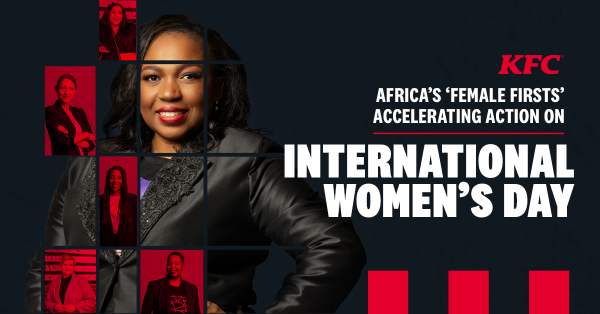
KFC Celebrates Inspirational African Women Accelerating Action Towards Equality

Location: Business
KFC Africa

Progress in closing the gender gap in South Africa and Sub-Saharan Africa has almost halted, leaving millions of women at a disadvantage to men. But female role models across the continent are refusing to admit defeat, dedicating themselves to accelerating progress towards gender equality.

To mark International Women's Day on 8 March and honour its theme of “Accelerate Action”, KFC Africa has collected the stories of dozens of women who are taking bold steps to advance equality on the continent by educating, empowering and supporting women to achieve more, together, faster. 

KFC Africa's list contains the names of 54 women – one for each year the company has been in Africa – and follows its successful International Women's Day campaign in 2024 which introduced an inaugural list (https://apo-opa.co/4h5xiID) of 53 “female firsts”. Each of those women had overcome educational, social and financial obstacles to achieve something no woman in their country had done before. 

The 2025 list (https://apo-opa.co/4h5xiID), drawn from each of the 22 Sub-Saharan Africa countries where KFC has restaurants, also has its share of female firsts – people such as Dior Fall Sow, Senegal's first female prosecutor; Nelly Mutti, the Zambian parliament's first female speaker; and Adelaide Retselisitsoe Matlanyane, the first woman to lead Lesotho's central bank.  

The list is dominated, however, by younger women who are breaking the mould – particularly in the technology sector – and showing they can do anything they set their mind to, regardless of age or gender. 

They include the likes of Christine Ogo, a Cote d'Ivoire physicist who has encouraged thousands of schoolgirls to pursue science, technology, engineering and mathematics; Rachel Sibande, who set up Malawi's first technology incubator for emerging entrepreneurs and has gone on to teach coding to 92,000 women and children; and Regina Honu, whose Tech Needs Girls movement in Ghana has trained more than 20,000 women and girls to code. 

Gender gap 

“It's a powerful list that gives us hope after  the World Economic Forum's Global Gender Gap Report (https://apo-opa.co/4i2QKXB) in 2024 showed that progress seems to have ground to a halt,” says Akhona Qengqe, General Manager of KFC Africa. 

The report showed that 68.4% of Sub-Saharan Africa's gender gap had been closed, only marginally higher than 68.2% in 2023 (https://apo-opa.co/3QEYGm5). South Africa, while being Africa's highest scorer and ranking 18th out of 146 nations, went backwards, from 78.7% in 2023 to 78.5% a year later. 

“The report says that at the current rate of progress, it will be 2158 until the world reaches full gender parity,” says Qengqe. “That's why we need to accelerate action, particularly in Africa, and why the efforts of the women on the KFC list are worthy of recognition and support.” 

In her seven years at KFC – she was as director of Africa franchise development, director of transformation and diversity and chief people officer before taking over as general manager in April 2023 – Qengqe has prioritised female empowerment. 

Her initiatives include spearheading KFC Add Hope, a women-led programme that serves free meals to tens of thousands of children at more than 3,000 feeding centres across South Africa. 

In 2021, she launched the Women on the Move leadership development programme, which prepares 22 women at KFC for future leadership positions every year, cultivating a pipeline of talent. Within two years, the number of female leaders in the business grew by 14%. 

Transforming franchising 

Last November she turned her attention to the wider quick service restaurant sector, launching Women in Franchising Africa (Wifa), the first network for current and aspiring female franchisees and franchisors across the continent. 

“To say I am passionate about the inclusion of women in growing our economies is an understatement. It is in fact one of my life's purposes,” she says. “My partners in Wifa intend to transform the participation of women in the franchising sector across African economies. 

“We want to educate women on how to run successful franchise businesses, provide networking opportunities for like-minded women, transform the sector by making funding accessible to women, and create mentorship opportunities for all the women in the network.” 

KFC Africa Chief People Officer Nolo Thobejane says “Accelerate Action” is a call to look at what has a positive impact on women's advancement and replicate it. 

“This is a journey we need to embark on together as we learn from each other. I cannot stress enough the importance of forming alliances and partnerships to amplify impact. By working together, organisations and individuals can share resources, knowledge, and support to create a more inclusive and equitable environment for women.” 

“At KFC, we have implemented some programmes which have yielded great results – such as the Women on the Move Leadership programme to ensure the pipeline of leaders, developing them with quality education and training through initiatives like our Streetwise Academy and then providing career support into positions of leadership.” 

“Other successful initiatives organisations can implement include designing and building infrastructure that meets the needs of women and girls, involving them in sustainable agriculture, and elevating their participation and achievement in sport, as we do with KFC Mini Cricket.” 

“There's a lot we can do as individuals, too – we can call out stereotypes, challenge discrimination, question bias and celebrate women's success. Everyone everywhere can Accelerate Action.” 

Qengqe says the new list of 54 names brings to 107 the number of inspirational African women KFC has honoured and recognised in the past two years. “We know this is the tip of a wonderful iceberg, and we welcome nominations of other women who are Accelerating Action in Africa.” 

Explore the list of 54 women Accelerating Action across Africa: https://apo-opa.co/4heEjqM  

To nominate a woman Accelerating Action: Email: za-kfcafricamedia@yum.com 

Distributed by APO Group on behalf of KFC Africa.

For media inquiries and to arrange interviews with Akhona Qengqe and Nolo Thobejane: 
Elmarie Swart 
Phone number:  
WhatsApp: +44 7464739649 
South Africa: +27 79 831 2429 
Email: elmarie@kamuses.co.za 

KFC Socials: 
Instagram – @kfcsouthafrica - https://apo-opa.co/3FdDUap 
Facebook – @KFCSA - https://apo-opa.co/4hYOsJl 
TikTok – @kfcsa - https://apo-opa.co/4h83tHx 
X – @KFCSA - https://apo-opa.co/4h9pMMX 
YouTube – @KFCSouthAfrica - youtube.com/@KFCSouthAfrica 

About KFC Africa:
KFC has been in South Africa for over 53 years and has more than 1,300 stores across the country. The first KFC restaurant in South Africa opened in 1971 in Orange Grove, Johannesburg. KFC is the leading quick-service restaurant brand in South Africa with just under a third of market share, according to Brand Image Tracker. KFC serves more than 20 million customers a month and we work hard to ensure that no matter which of our restaurants they walk into, they will get that distinctive KFC flavour and have a great experience. KFC's Original Recipe® Chicken was first made by Colonel Harland Sanders in 1940 when he perfected his secret recipe of 11 herbs and spices at his restaurant in Kentucky. Today, KFC is the world's most popular chicken restaurant, still preparing our chicken with the Colonel's secret recipe to his exact standards. Every KFC restaurant follows the same global processes and procedures to ensure that our customers get great-tasting food, every time.  

Media files
KFC Africa
Download logo
Read moreKFC Celebrates Inspirational African Women Accelerating Action Towards Equality
3 March 2025

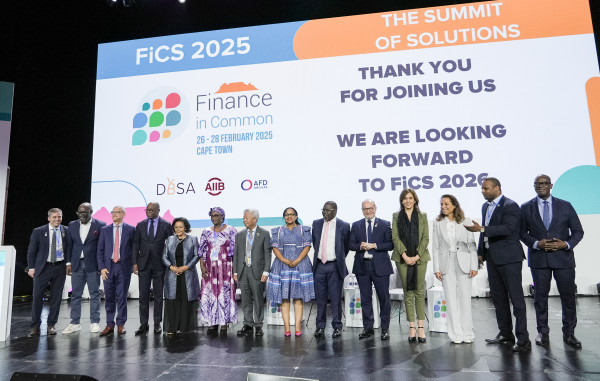
Finance in Common Summit Urges Global Development Finance Institutions to Harness Collective Power to Address Global Poverty

Location: News
African Development Bank Group (AfDB)

The fifth edition of the Finance in Common Summit (FiCS) concluded on Friday in Cape Town, South Africa, with strong calls for global development finance institutions to work together to address poverty and development challenges. South African Finance Minister Enoch Godongwana led the call.

The summit, which was co-sponsored by the African Development Bank and took place alongside the G20 Finance Ministers' Meeting, was themed "Fostering Infrastructure and Finance for Fair and Sustainable Growth."

Godongwana described the meeting as an unprecedented gathering of key financial players, saying: "Your determination and commitment will change the world. Your determination and will have an impact on global poverty.”

The minister linked the summit's goals to South Africa's development trajectory, highlighting the structural reforms the country had undertaken in the electricity, roads, and port sectors, which have opened new investment opportunities to development partners.

African Development Bank Vice President for Finance and Chief Financial Officer, Hassatou Diop N'Sele—one of several senior officials of the Bank Group at FiCS—represented Bank Group President, Dr. Akinwumi Adesina at a meeting on Wednesday organized by the Council of Europe Development Bank. At the meeting, multilateral development banks reaffirmed a shared commitment to maximize their collective impact.

During the G20 meetings of Finance Ministers and central bank governors, Hassatou Diop N'Sele said, “We call on G20 nations to enhance financial commitments, especially for the 17th replenishment of the African Development Fund, to simplify processes for accessing climate finance, and to create enabling policies that facilitate sustainable capital flows to Africa.”

In her various interventions during FiCS, she discussed the innovative financing tools and initiatives launched by the African Development Bank to leverage resources and mobilize the private sector at scale, including the landmark hybrid capital transactions successfully replicated by other development finance institutions and the Africa Investment Forum.

N'Sele emphasized the urgency for philanthropies and foundations to further strengthen their partnerships with multilateral development banks and to fully embrace innovation to amplify their impact. She also recognized the challenges for expanding climate finance in Africa and reflected on such solutions and platforms as the Alliance for Green Infrastructure in Africa, designed to catalyze bankable, greener infrastructure projects at scale and speed.

The African Development Bank delegation highlighted the progress of Mission 300 (https://apo-opa.co/4bolqQE), an initiative to accelerate access to electricity for 300 million Africans by 2030. The Bank, working with the World Bank and other development finance institutions and private sector partners, has committed $18.2 billion to this effort.

Senior leaders of the Bank stressed the need for urgent action. Nnenna Nwabufo, Bank Group Vice President for Regional Development, Integration and Business Delivery, said: "Africa is not looking for aid, we are looking for partnerships.".

She added: "The time for pilot projects that deliver incremental progress is over. We need investments that enable our nations to take ownership of their development, fostering resilience, self-sufficiency, and sustainable growth that benefits both Africa and the global economy."

Solomon Quaynor, the African Development Bank's Vice President for Private Sector, Infrastructure and Industrialization, called for faster implementation of infrastructure projects. "Africa can no longer sustain infrastructure projects that take seven to 10 years to complete - we must accelerate development to deliver within three years, prioritizing green infrastructure," he said.

The African continent needs $2.7 trillion through 2030 to meet its climate action goals, but receives only 3.6% of all global climate finance, despite its minimal contribution to global emissions.

The African Development Bank's Director General for Southern Africa, Leila Mokaddem, emphasized that Africa's green transition must be inclusive. She said: "With 600 million Africans still without electricity, our transition cannot be about climate goals alone. It must be about jobs, industrialization and economic opportunity. The African Development Bank is supporting this vision through its Jobs for Youth in Africa strategy to create 25 million jobs and equip 50 million young Africans with green economy skills by the end of this year.”

The summit achieved several significant breakthroughs in expanding the scope and impact of development financing. Key outcomes included: the endorsement by G20 finance ministers of public development banks' crucial role in international financial architecture; steps toward setting up frameworks to support cultural industries as valid asset classes; and the formation of a coalition between public development banks and civil society to ensure that development finance serves communities.

CEO of Agence Française de Développement and Chair of the Finance in Common Summit Rémy Rioux noted: "We have made tremendous progress in building public development banks as an asset class through innovation, commitment, and shared values. In times of uncertainty and conflict, we are offering a calm, collective alternative."

"This has truly been an African FiCS," said Boitumelo Mosako, CEO of the Development Bank of Southern Africa. He added:  "With 34% of delegates coming from the continent, we have shown that Africa is unstoppable as the second fastest growing region in the world."

Following the Finance in Common Summit, the Fourth Finance for Development Conference will take place in Spain between June and July this year. Being organized by the United Nations and the Spanish government, that summit will feature continuing discussions on reshaping the international financial architecture to better serve development needs.

Distributed by APO Group on behalf of African Development Bank Group (AfDB).

Media contact:
Emeka Anuforo
Principal Regional Communication Officer
Email: media@afdb.org

About the African Development Bank Group:
The African Development Bank Group is Africa's premier development finance institution. It comprises three distinct entities: the African Development Bank (AfDB), the African Development Fund (ADF) and the Nigeria Trust Fund (NTF). On the ground in 41 African countries with an external office in Japan, the Bank contributes to the economic development and the social progress of its 54 regional member states. For more information: www.AfDB.org

Media files
African Development Bank Group (AfDB)
Download logo
Read moreFinance in Common Summit Urges Global Development Finance Institutions to Harness Collective Power to Address Global Poverty
3 March 2025

Meet Deel Local Payroll, Powered by Payspace: The Next Evolution in Payroll Innovation

Location: Business
PaySpace

PaySpace by Deel is now Deel Local Payroll, powered by PaySpace (www.PaySpace.com)! One year after being acquired by Deel, PaySpace by Deel has officially transitioned into Deel Local Payroll, powered by PaySpace. This milestone isn't just about a name change—it's about why Deel acquired PaySpace in the first place.

PaySpace customers can expect the same powerful payroll platform, now under Deel's global brand. Deel customers can utilise real-time payroll, which means real-time G2N (Gross-to-Net) calculations, shorter cut-off times, and less overall pressure and stress when running payroll across multiple countries.

Deel Local Payroll, powered by PaySpace, formerly known as PaySpace by Deel, is a market leader in payroll technology, with more than 20 years of payroll and HR experience. Its flexible solutions cater to a wide range of clients, including small businesses, enterprises, and payroll service providers. The company has built the most technologically advanced native payroll engine, serving clients in 44 countries across Africa and the Middle East. It has over 15,000 customers, including big brands like Heineken, Coca-Cola, and Puma Sports.

Deel is a trailblazer in global employee and payroll management, enabling its customers to operate in different territories and simplify the complexities of managing employees according to regional financial and legal requirements. With global operations in over 150 countries, Deel simplifies the complexities of international payroll and HR, enabling companies to manage their global workforce efficiently and compliantly. Founded in 2018, Deel is the fastest-growing unicorn in history (a unicorn is a privately owned startup valued at over US$1 billion—Deel is currently valued at over $12 billion), helping businesses hire anyone, anywhere.

PaySpace is now Deel Local Payroll: New Brand, Same Team and Innovation

The acquisition, concluded in 2024, aligns the award-winning Deel Local Payroll team and cloud-native PaySpace platform with Deel's global operations. Deel Local Payroll is an independent subsidiary and a payroll product sold as a self-service option alongside Deel's global payroll product. Deel customers benefit through enhanced, innovative, and more flexible payroll tools for their teams.

The PaySpace calculation engine is now Deel's calculation engine, onto which Deel has localised its Employer Of Record (EOR) and Global Payroll (GP) products across numerous countries, including the UK, South Africa, Canada, and the UAE. Deel will keep localising countries onto this single engine—a unique competitive offering in the payroll market.

Under the Deel brand, Deel Local Payroll will continue to provide the same excellent payroll software and dedicated team that its customers have come to rely on, with the same management team, employees, support, channels, and logistics—only the name has changed. This seamless transition ensures no disruption to existing customer contracts, systems, or processes.

Deel Local Payroll's core cloud-native platform is now the PaySpace platform, an intrinsic part of how Deel delivers payroll services at grassroots levels to customers across the globe.

The PaySpace platform includes groundbreaking features:

  • Automatic legislative updates that are pushed directly to customers.
  • Robust integration with dozens of business applications and data sources.
  • Extensive automation features to remove pressure on payroll teams.
  • Powerful scale and flexibility that supports changing business requirements.
  • Secure anywhere, anytime access for multiple users and devices.
  • Pacey, a WhatsApp employee self-service bot for payroll slips and other information.

"When we founded PaySpace, we set out to create world-class payroll management that served all markets. Taking inspiration and lessons from our customers in Africa and leveraging cutting-edge cloud technologies, we built a true 21st-century payroll service that evolves with the needs of modern companies and their workforces. The rebranding from PaySpace to Deel Local Payroll allows for deeper integration with Deel, positioning us for continued success and growth. It's a positive move, building on the strong foundation we've already established," says Bruce van Wyk, CEO at Deel Local Payroll, powered by PaySpace.

Deel's acquisition of Payspace, now Deel Local Payroll, and the PaySpace platform is a significant win for customers. It also serves as a testament to the resilience and flexibility of African tech. Deel, Deel Local Payroll, and the PaySpace platform are building bright futures for their customers as they continue to innovate and provide world-class payroll solutions built to simplify and enhance payroll at every level.

Distributed by APO Group on behalf of PaySpace.

Media contact:
Victoria Lindsay
victoria@innocomm.co.za

About Deel Local Payroll:
Deel Local Payroll, powered by PaySpace, revolutionises payroll management. It offers online, multi-country payroll and HR management for businesses from start-ups through to enterprise in over 40 African countries, the United Kingdom, the Middle East, and Brazil.

Cloud-native, Deel Local Payroll, is scalable, configurable, highly secure, and easy-to-use—delivering anytime, anywhere access. It features payroll automation, self-service features, automatic legislation and feature updates, customised reporting, and more.

Since 2024, Deel Local Payroll has been part of Deel, operating as an independent subsidiary, serving its customers through the PaySpace platform. 

Media files
PaySpace
Download logo
Read moreMeet Deel Local Payroll, Powered by Payspace: The Next Evolution in Payroll Innovation
3 March 2025

Social Development hosts engagement session on the FATF’s Recommendation 8

Location: News

Social Development hosts engagement session on the FATF’s Recommendation 8

As part of South Africa’s ongoing measures to fully implement the recommendations of the Financial Action Task Force (FATF), the Department of Social Development is hosting a multi-stakeholder engagement in Kempton Park. 

“The objective of the multi-stakeholder engagement is to enhance government, NPOs [non-profit organisations] and key partners’ understanding and requirements of the FATF standards to combat money laundering and terror financing and the implementation of effective national measures to mitigate the risks. 

“The fight against money laundering and terrorist financing requires a collective national effort and collaboration among key stakeholders. As the registrar and custodian of the NPO Act (Act No. 71 of 1997, as amended through the General Laws Amendment Act No. 22 of 2022), one of Social Development’s strategic goals is the promotion of strategic partnerships with NPOs to deliver services to communities,” the department said of the three-day engagement that begins today.

The FATF is the international standard-setting body that oversees global compliance with anti-money laundering rules.

With South Africa due to report back to FATF on the remaining deficiencies in its fifth-round mutual evaluation in June this year, the engagement will bring together government, NPOS, development agencies, donors, private sector, law enforcement agencies and financial institutions. 

Stakeholders will focus on Recommendation 8 of the FATF, which aims to protect NPOs from potential terrorist financing and money laundering abuse through effective implementation of risk-based measures. 

The formal programme at the three-day engagement will feature presentations, case studies and emerging best practices by experts from key financial institutions and regulators, including the Financial Intelligence Centre (FIC), South African Revenue Service (SARS), Chartered Institute for Business Accountants (CIBA, National Lotteries Commission and the Companies and Intellectual Property Commission (CIPC). 

These will highlight trends and overview of national measures to combat money laundering and terror financing, as well as the important role of NPOs in combating money laundering and terror financing in South Africa.

The multi-stakeholder engagement builds on measures already underway as South Africa works to finalise outstanding action items from FATF’s recommendations. 

South Africa is now deemed to have addressed or largely addressed 20 of the 22 action items in its Action Plan, leaving two items to be addressed in the next reporting period that runs from March 2025 to June 2025. This would enable South Africa to be considered for delisting from the FATF grey list in October 2025.

This as the FATF grey listed South Africa at its February 2023 plenary meeting held in Paris. It developed an Action Plan with 22 Action items linked to the eight strategic deficiencies identified in the country’s anti-money laundering and combating of financial terrorism regime.

Deregistration 

This week’s gathering comes at the department has embarked on deregistration of non-compliant NPOs, with 203 279 organisations at the risk of deregistration for failure to comply with the requirements to submit annual reports as per the provisions of section 18 (1) of the Non-Profit Organisations Act (Act No. 71 of 1997, as amended through the General Laws Amendment Act 22 of 2022).
READ | Social Development issues notices of non-compliance to NPOs

The engagement session which is being held at the Premier Hotel OR Tambo will culminate in the adoption of a declaration on combating money laundering and terror financing in South Africa. – SAnews.gov.za


DikelediM
Mon, 03/03/2025 - 11:28
239 views

Read moreSocial Development hosts engagement session on the FATF’s Recommendation 8
2 March 2025

Minister announces fund to support spaza shops

Location: News

Minister announces fund to support spaza shops

Small Business Development Minister Stella Ndabeni has announced the creation of a R500 million Spaza Shop Support Fund that aims to enhance market competitiveness to help spaza shops and food handling outlets compete with larger retailers.

Addressing media in Pretoria on Sunday, the Minister said the fund will be launched soon and will support township convenience shops, including spaza stores. 

“The fund will be launched in the next two weeks and a date will be communicated,” she said adding that the fund will comprise of funds from the Department of Small Business Development (R150 million) and the Department of Trade, Industry and Competition (R350 million).

The Minister made the announcement at the briefing that followed the close of the registration period for spaza shops and food-handling businesses to register their businesses with their local municipalities on 28 February.

READ | Spaza shops who met registration deadline to receive support

She said other businesses will still benefit from existing departmental funds and programmes including financial assistance by the Small Enterprise Development and Finance Agency (SEDFA) and other development finance institutions (DFIs). 

The fund aims to achieve economies of scale by linking spaza shops and food handling outlets to buying groups for bulk purchasing; build business capacity through training and support to improve shop operations; enhance market competitiveness to help spaza shops and food- handling outlets compete with larger retailers.

“We are planning a to roll out a multi-disciplinary outreach programme. The purpose of the outreach program is to bring government services closer to the people through disseminating information on community convenience shops and support offerings.

“We will continue to do these things with provincial and local government and will facilitate awareness campaigns in all 52 districts and metros across the country. The awareness campaigns are scheduled to take place from 03 March 2025 to 30 March 2025.”

The awareness campaigns will continue beyond the month of March and the awareness workshops will be facilitated by district champions, SEDFA and business regulation officers.

She said that the Department of Small Business Development has recruited 61 business regulation officers on six -month contracts, each assigned to a District or Metro across the country. 

“These officers will be responsible for conducting awareness campaigns, research, and geo-mapping of spaza shops and food-handling facilities among other functions.”

Regulation 

The Minister further added that the country’s regulatory environment needs to be streamlined, and the department has embarked on a Red Tape Reduction Program to include practical solutions. 

“As a key strategic intervention to support the red tape reduction efforts, the department will ensure that municipalities are assisted with E-registration systems. We remain committed as government to streamline business licensing in South Africa, reduce regulatory burdens, and foster an environment conducive to entrepreneurship, innovation, and job creation.

“Our amended National Business Licensing Bill, once approved and implemented, will provide clarity, consistency, and transparency in business licensing, enabling businesses to thrive and contribute to the country's economic growth and development,” she explained. -SAnews.gov.za

Edwin
Sun, 03/02/2025 - 16:14
272 views

Read moreMinister announces fund to support spaza shops
2 March 2025

Spaza shops who met registration deadline to receive support

Location: News

Spaza shops who met registration deadline to receive support

Spaza shop and food handling businesses that applied to register their businesses with their local municipalities but were awaiting their registration outcomes will not be penalised, Small Business Development Minister Stella Ndabeni said.

“We know the process had challenges, with many municipalities not having electronic business registration systems. All those that have applied are within their constitutional rights to do business but still await the registration outcomes will not be penalised. 

She revealed that only 60 out of the municipalities in the country had a digital registration system.

Additionally, 135 registration centres were visited to gain firsthand experience of the challenges. 

“We understand the difficulties and costs associated with becoming compliant and this is why over the next six months we will be supporting these spaza shops who applied but are not yet compliant with non-financial support to enable their successful registration and compliance,” the Minister said on Sunday.

Ndabeni was addressing media in Pretoria on the on Friday’s the spaza shop and food outlet registration deadline.
This as the deadline for registration was on Friday, 28 February 2025.

“This is the developmental approach to compliance we have adopted, offering assistance to those seeking to comply through training programs provided by our agency, the Small Enterprise Development and Finance Agency (SEDFA). We already have a spaza shop support programme that we are running including with the Wholesale and Retail SETA and others partners where we train spaza shops on inventory management and assist with essential equipment such as point-of-sale systems as well as financial support for stock. 

“This is our proof of concept which we will improve and scale going forward. We also have a range of other interventions and offerings to support township and rural enterprises, including asset assist, business infrastructure support, as well as wholesale and direct lending, as well as credit guarantees we offer to banks to get them to lend to township and rural enterprises,” the Minister explained.

She said that Friday’s deadline does not necessarily mean that the problems and challenges of compliance by spaza shops and food handling outlets are over.

“The aim of the registration drive was two-fold, to ensure compliance with all food safety standards and to rebuild a more competitive and compliant business in our country,” Ndabeni said.

Ndabeni said the registration of spaza shops is but one of the interventions in a multi-disciplinary approach to curbing foodborne illnesses.

Sunday marked exactly 107 days since President Cyril Ramaphosa announced the registration of all spaza shops and food handling outlets. The announcement came after several incidents of food poisoning and deaths related to foodborne illnesses that were reported in different parts of the country.

The initial 21 days registration period, which would have ended in December last year, was subsequently extended by the President to 28 February as part of accommodating all eligible businesses to comply with the directive. 

After the announcement by the President, through the National Joint Operational and Intelligence Structure (NATJOINTS), seven workstreams were established with the Department of Small Business Development (DSBD) leading the economic workstream focussing more on interventions to build capacity in township and rural spaza shops and food convenience stores. 

“We have supported the registration process which the Minister of COGTA [Cooperative Governance and Traditional Affairs] will speak to in the NATJOINT briefing in two weeks’ time,” she said. -SAnews.gov.za


Edwin
Sun, 03/02/2025 - 15:08
56 views

Read moreSpaza shops who met registration deadline to receive support
2 March 2025

Mass Protest Against Failing Makana Municipality

Location: News

Archbishop calls for immediate removal of mayor, speaker and chief financial officer

Read moreMass Protest Against Failing Makana Municipality
28 February 2025

Deadline won’t be extended for spaza shops to register

Location: News

Deadline won't be extended for spaza shops to register

With today marking the final deadline for spaza shops and other food-handling outlets to register their businesses with local municipalities, the National Joint Operational and Intelligence Structure (NATJOINTS) has confirmed that no extension will be granted.

Spaza shop owners and vendors have until the end of the day to complete their registration, after which unregistered businesses may face penalties.

“Following several engagements within the IMC [Inter-Ministerial Committee] and in consultation with the President, a decision has been taken not to extend the deadline of the 28th February 2025, as ample time was given to business owners to comply with the Presidential directive,” NATJOINTS said on Friday.

Meanwhile, the Inter-Ministerial Committee (IMC) on foodborne illnesses and illicit goods expressed satisfaction with the progress made in implementing government interventions ahead of today’s deadline.

On November 15, 2024, President Cyril Ramaphosa announced a 21-day period for the registration of food handling business. This was extended on 18 December 2024 to 28 February 2025.

The intervention follows a serious incident involving foodborne illnesses, which resulted in over 890 cases and nearly 30 deaths since September 2024.

In October last year, six primary school children from Naledi, Soweto, died after allegedly eating snacks from a foreign-owned local spaza shop.

The NATJOINTS statement stated that the Ministers of Health and Cooperative Governance and Traditional Affairs (CoGTA), Aaron Motsoaledi and Velenkosini Hlabisa, as the co-Chairs of the IMC said that valuable lessons were learnt during this period. This is especially regarding the need for strengthened enforcement of regulation of the spaza shops and other food handling outlets. 

The IMC has overseen the implementation of the action plan by the multi-disciplinary teams at the NATJOINTS drawn from the commitments made by the President. 

“It is important to emphasise that the work of multi-disciplinary teams under the NATJOINTS will continue beyond this deadline. Enforcement of the law is not an event, and we are committed to continuing the work to formalise, regularise the sector and compliance with the law,” said the NATJOINTS.

This includes warehouses and other establishments that unlawfully stock hazardous chemicals, banned substances, and pesticides. 

“We have strengthened our capacity and systems to monitor and database this sector. This will enhance our ability to support and encourage their growth and formalisation, while at the same time ensuring adherence to business registration and food safety laws including municipal by-laws.” 

The IMC stressed that registration alone does not mean that a business is eligible to trade. 

READ | Last day to register spaza shops

To obtain a licence or permit to trade, business owners must comply with all health regulations and municipal by-laws related to conducting business. 

Where business owners are found to be non-compliant, the law will be enforced and this includes fines, arrests, and closures as applicable.

“We want to emphasise that our cardinal aim is to help businesses to comply with the law and to ensure the safety of our citizens and children. Working together we can build a safer, healthier, and more equitable food ecosystem for all South Africans,” said the co-Chairs. – SAnews.gov.za


Gabisile
Fri, 02/28/2025 - 10:52
188 views

Read moreDeadline won’t be extended for spaza shops to register
27 February 2025

More than 716 900 SASSA beneficiaries transition to Black Cards

Location: News

More than 716 900 SASSA beneficiaries transition to Black Cards

Over 716 900 South African Social Security Agency (SASSA) beneficiaries have transitioned to the Postbank Black Cards from the previous SASSA Gold Cards, Cabinet said on Thursday.

Minister in the Presidency Khumbudzo Ntshavheni said card distribution sites have been increased around the country to ensure that beneficiaries are assisted before the 20 March 2025 deadline. 

“More than 716 900 beneficiaries have transitioned to the Postbank black cards and card distribution sites have been increased around the country to mitigate the queues so that every beneficiary receives the new card near where they live. 

“Postbank has also increased the number of tellers in the card replacement sites from 2 tellers to up to 5 tellers depending on the business of the site,” the Minister said at a post-Cabinet briefing in Cape Town.

Cabinet also encouraged beneficiaries to visit their nearest Checkers, Shoprite, Pick ‘n Pay, Usave, or Boxer stores to collect their new Postbank Black Card. 

READ | Grant beneficiaries urged to replace expiring SASSA Gold Cards

Steps to take

A valid South African identity document (ID) or temporary ID is required. Mobile offices will also be available in rural areas to assist beneficiaries. 

Additionally, Postbank has partnered with the Spar Group, which will designate 200 of its stores as service sites across the country.

“Cabinet reminds beneficiaries that the old SASSA Gold Card will stop working on 20 March 2025 and beneficiaries who have not exchanged their cards by then will need to visit their nearest Post Office branch to access their funds,” the Minister said.

SASSA had previously said that Postbank has also made it easy for beneficiaries to locate the nearest place in every province where they can collect their Postbank Black Cards. 

All they need to do from the comfort of their homes is to use their cellphone and: 
•    Dial: *120*218*3#
•    To continue, reply by pressing number: 1; and
•    reply with the number representing the province they live in.

To get the new Postbank Black Cards, beneficiaries are required to have a valid South African ID, or a temporary ID. Beneficiaries are urged to be aware that no card will be issued without these documents. 

Ensuring that minimum documentation is required to get the new Postbank Black Cards is in line with SASSA and Postbank's ongoing commitment to continuously improve the customer experience of all social grant beneficiaries.

The Postbank Black Cards will be issued free of charge. For further enquiries, beneficiaries can contact Postbank on 0800 53 54 55 or SASSA on 0800 60 10 11. 

Government previously moved the initial deadline from 28 February deadline to 20 March 2025. – SAnews.gov.za


DikelediM
Thu, 02/27/2025 - 13:14
838 views

Read moreMore than 716 900 SASSA beneficiaries transition to Black Cards
27 February 2025

Call to intensify efforts to improve early childhood learning 

Location: News

Call to intensify efforts to improve early childhood learning 

President Cyril Ramaphosa has called on educators to intensify efforts to improve early childhood learning, emphasising the urgent need to strengthen foundational skills in reading and mathematics.

The President was addressing the 2025 Basic Education Sector Lekgotla, at OR Tambo Conference Centre, in Ekurhuleni on Thursday. 

He highlighted concerning literacy and numeracy statistics, warning that failure to address these gaps could have long-term consequences for learners.

Citing the 2021 Progress in International Reading Literacy Study (PIRLS), he noted that more than 80% of Grade 4 learners in South Africa cannot read for meaning in any language, including their home language. 

Additionally, the country ranked low in a recently published study on Trends in International Mathematics and Science Study (TIMSS), which surveys capabilities in Grades 4 and 8.  

“Not having mastered basic skills in reading and maths at foundation level sets the tone for how a learner will perform in high school and beyond. That is why Early Childhood Development [ECD] education has become the key foundation and bedrock.

“So, correcting these shortcomings is the most urgent of tasks. It must be front and centre of our efforts in basic education,” he explained.

In the same breath, the President lauded the achievements of the Class of 2024 saying it reinforces government’s commitment to developing the nation’s young people as the most valuable resource.

He said this achievement shows that the country is steadily undoing the apartheid legacy of intergenerational poverty, disadvantage and indignity. 

“Our learners, teachers, parents and caregivers deserve our appreciation, alongside school governing bodies and partners in business, trade unions and academia. However, these impressive outcomes stand in stark contrast to what we see in the early years of education.”

To address these challenges, the President welcomed the Department of Basic Education’s review and realignment of the curriculum, including teacher development programmes and a focus on the Mother-Tongue Based Bilingual Education approach. 

He also stressed the importance of inclusive education, calling for greater access to quality learning for children with disabilities.

“We are encouraged by the department’s efforts to review and realign our existing curriculum, including assessment, learning and teaching support material and teacher development programmes,” the President said. 

Embracing AI and technology

The first citizen warned that globalisation, automation, and artificial intelligence (AI) are reshaping the job market, making it critical for South Africa’s education system to evolve.

He said that the theme of this year’s lekgotla – ‘Strengthening Foundations for a Resilient, Future-Fit Education System’ – is therefore most appropriate and timely. 

He highlighted that the World Economic Forum’s 2025 Future of Jobs Report showed the world’s fastest growing and fastest declining jobs. 

The report showed that jobs that are growing fastest are big data specialists, user interface and user experience engineers, data warehousing specialists and renewable energy engineers. 

At the bottom of the pyramid, some of the jobs that are in decline include bank tellers, data entry clerks, cashiers, admin assistants, book-keeping and payroll clerks, and telemarketers, among others. 

The President noted that many of these occupations that are in decline are entry level positions for young people entering the job market after school. 

He noted that AI and advanced language models are significantly reshaping various industries.

One such tool, ChatGPT, now has approximately 300 million weekly active users worldwide. The number of students relying on ChatGPT for school assignments has doubled between 2023 and 2024. 

The President emphasised the need for the education system to embrace technology while maintaining a strong foundation in human-led learning. 

“We have to adapt to this new reality or risk the consequences of last century methods that cannot deliver new century outcomes. As impressive as technological advances have been, technology is but a complement to human endeavour. 

“There is no substitute for solid foundational education led by committed and capable educators that sets the stage for a more effective and equitable educational system,” the President said. 

The President further highlighted that the first generation to grow up with the internet, Gen Z, are already in their thirties. Generation Alpha, the first fully digital generation, are now in high school. 

The babies born this year are the start of Generation Beta and will begin school in 2030. 

“These Generation Beta children will be mastering the use of AI tools for schoolwork, problem solving and life advice before they even reach high school. 

“This is to say nothing of their future career paths. There are now tools that can build a website in 10 seconds and compile a fully referenced research paper in about a minute. 

“So, when we speak of equipping our young people with the skills for a changing world, we are not only talking about the structure of education needing to be transformed, but its methods of delivery as well. I am pleased that this is an issue that is prioritised at the Basic Education Lekgotla,” the President said. 

Vocational and Entrepreneurial Pathways

President Ramaphosa also called for greater emphasis on technical and vocational education as viable alternatives to traditional academic pathways. He pointed to Germany, where 47% of the workforce holds vocational qualifications, compared to just 17% with university degrees.

“As stakeholders in the sector we need to work together to address the prevalent bias towards general academic education, and even the stigma that exists around choosing vocational occupations. 

“Vocational training should not be seen as a fall-back option for learners who have been identified as unlikely to obtain the marks needed for university entry. It should be seen as an attractive proposition for all learners.”

The President also highlighted the importance of fostering entrepreneurship to support young people in an economy with limited job opportunities. 

Agenda for education 

The 2025 Basic Education Sector Lekgotla, tcomes at a pivotal time as South Africa enters the implementation phase of the Medium-Term Development Plan and nears the five-year countdown to achieving the Sustainable Development Goals.

As South Africa chairs the G20, President Ramaphosa noted the opportunity to drive a progressive global education agenda under the theme of “solidarity, equality, and sustainability.”

“As the host of the G20 Education Working Group, we have a unique opportunity to drive a progressive agenda for inclusive and equitable education within the framework of the G20,” he said. – SAnews.gov.za


DikelediM
Thu, 02/27/2025 - 15:35
92 views

Read moreCall to intensify efforts to improve early childhood learning 
27 February 2025

Cabinet welcomes reduction in crime levels

Location: News

Cabinet welcomes reduction in crime levels

While South Africa’s crime levels remain unacceptably high, Cabinet has welcomed the decline in some categories of the country’s crime statistics.

“While overall levels of crime continue to remain unacceptably high, the decline shows that interventions by the South African Police Service (SAPS) to make South Africa safer are making a difference,” Cabinet said in a statement on Thursday.

In its statement following its meeting on Wednesday, Cabinet stated that “Fighting crime is a shared responsibility between the police, the community and the business sector.”

This as the Minister of Police, Senzo Mchunu presented the Quarterly Crime Statistics for the third quarter of the current financial year (1 October 2024 – 31 December 2024) on Friday.

The stats showed that there had been a decline across multiple crime categories, including a notable decline in carjackings and robberies.

The third quarter showed a 9.8% decrease in murder, a 3.3% reduction in rape, and a 3.2% drop in attempted sexual offences

At the time, the Minister said that while there was a reduction in several categories, more still needs to be done to reduce the country’s crime levels.

“We are positioning ourselves accordingly in terms of policing whilst we continue our work throughout the whole country,” Mchunu said.

READ | Crime Stats reveal reduction in some categories of crime

On Thursday, Cabinet called on South Africans to play their part in the fight against crime by reporting any criminal activity to their nearest police station or calling the Crime Stop number: 08600 10111.

Mchunu appealed to communities to work hand in hand with law enforcement. – SAnews.gov.za
 

Edwin
Thu, 02/27/2025 - 12:14
63 views

Read moreCabinet welcomes reduction in crime levels
27 February 2025

Final countdown for spaza shop owners to register

Location: News

Final countdown for spaza shop owners to register

The clock is ticking for spaza shop owners and food businesses to register with their municipalities or face legal repercussions. 

The deadline for registration is Friday 28 February 2025.

📢 Why shop owners must register now

In November 2024, President Cyril Ramaphosa announced that spaza shop owners and food businesses had 21 days to register their businesses with their respective municipalities.

This followed hundreds of cases of foodborne illnesses in parts of the country, where nearly 30 people, including children, passed away after consuming snacks purchased at some spaza shops last year.

SAnews Report | Law enforcement urged to act on shops selling expired food

After the directive was issued by the President in November, an extension was granted for spaza shops and other food handling outlets to register by 28 February 2025, as reported by SAnews.

READ | Deadline for spaza shop registrations extended to February 2025

The directive to register spaza shops is meant to prevent dangerous foodborne illnesses and protect communities. 

📍 Where to register

✅Business owners must visit their municipal registration centre on business days only (public holidays & weekends excluded).
✅ Call the Small Enterprise Development and Finance Agency (SEDFA) at 086 010 3703 or 012 748 9600 for support.

🚫 Non-compliance will not be tolerated. Law enforcement and health inspectors will deal with unregistered businesses and ensure strict food safety regulations are followed.

🚨Register today and protect your business, your customers, and your community. - SAnews.gov.za

Matona
Thu, 02/27/2025 - 11:02
22 views

Read moreFinal countdown for spaza shop owners to register
26 February 2025

US-Funded Programmes in South Africa Benefit the US Too

Location: News

The world class research conducted in SA is vital for everyone

Read moreUS-Funded Programmes in South Africa Benefit the US Too
26 February 2025

Government welcomes provisional outcomes of the media market inquiry

Location: News

Government welcomes provisional outcomes of the media market inquiry

Government says it acknowledges and welcomes the provisional outcomes of the Media and Digital Platforms Market Inquiry (MDPMI), led by the Competition Commission of South Africa. 

This week, the preliminary report from the commission regarding the MDPMI) garnered attention for its strong recommendation that Google should pay as much as R500 million yearly to compensate South Africa’s news industry. 

The commission believes that South Africa should impose a digital tariff of 5% to 10% on major tech companies such as Google, Meta and Microsoft if they fail to fairly compensate media organisations for the content they distribute on their platforms.

The MDPMI began on 17 October 2023 and aims to investigate the characteristics of digital platforms that distribute news media content. 

The focus is on identifying features that may hinder, distort, or restrict competition, or that undermine the objectives of the Competition Act. 

The Government Communication and Information System (GCIS) has since described the inquiry as a crucial step in ensuring a fair and competitive digital media environment that supports the sustainability of local journalism and promotes media diversity.

“The South African media landscape is evolving rapidly, with digital platforms playing an increasingly dominant role in content distribution and advertising revenue,” a statement from the GCIS on Wednesday read. 

Adjunct Faculty Member and Head of the GIBS Media Leadership Think Tank, Michael Markovitz, stated that the report aims to address the root causes of anti-competitive behaviour among big tech companies, and seeks to fundamentally reshape the digital market to foster fairer competitive dynamics.

The inquiry assessed the impact of global digital giants on local media businesses, ensuring that South African publishers, broadcasters and digital content creators can compete on a level playing field.

Government - through the GCIS, in partnership with members of the Print and Digital Media Transformation Steering Committee - said it remains committed to supporting an independent, pluralistic and sustainable media sector, recognising its fundamental role in strengthening democracy and ensuring access to diverse sources of information.

Deputy Minister in the Presidency, Kenny Morolong, said the GCIS will work with all stakeholders, including media houses, digital platforms, advertisers, and the public on the implementation of the final outcomes of the MDPMI. 

“We will also contribute to the solutions proposed for addressing the challenges facing the media sector while unlocking opportunities for innovation and growth,” Morolong said.

The GCIS said the inquiry’s provisional outcome supports efforts for media transformation and sustainability, promoting economic participation and safeguarding public interest journalism, which is vital for a fair and diverse media landscape in South Africa.

White paper

Meanwhile, the Chairperson of the Portfolio Committee on Communication and Digital Technologies, Khusela Diko, has welcomed the recommendations of the provisional report. 

Diko believes that the recommendations strengthen the committee’s call for an urgent publication of a White Paper on Audio and Audiovisual Media Services and Online Content Safety by the Department of Communication and Digital Technologies (DCDT).

“For a very long time, over-the-top (OTT) digital platforms exploited the regulatory gap in the sector to the detriment of the public broadcaster, the South African Broadcasting Corporation, which operates under stringent regulations. We further welcome the recommendation that media houses be remunerated for the content they produce that gets to be exploited by OTT and digital platforms,” Diko explained.

She further said that the recommendations on Google and YouTube, amongst others, will hopefully serve as a deterrent to everyone that the lack of direct regulation in the sector is not "licencee for unscrupulous business practices". – SAnews.gov.za
 

Gabisile
Wed, 02/26/2025 - 15:45
81 views

Read moreGovernment welcomes provisional outcomes of the media market inquiry
  • Previous
  • Page 1
  • Interim pages omitted …
  • Page 19
  • Page 20
  • Page 21
  • Page 22
  • Page 23
  • Interim pages omitted …
  • Page 120
  • Next

Copyright © 2026 · MyZA · All Rights Reserved · Powered by Stratlec Online