• Skip to main content
  • Skip to header right navigation
  • Skip to after header navigation
  • Skip to site footer
MyZA

MyZA

News, Directory, Events and Other Stuff

  • Social Media
  • Sport
  • World News
  • Home
  • Submit News
  • Directory
  • Events
  • Stratlec
  • TFSA
  • News
    • APO
    • Today’s Sport News
    • Todays Social Media and Tech Headlines
    • Today’s World News
    • Today’s SA Financial News
  • Contact
You are here: Home / Archives for business

business

18 March 2025

South Africa strengthens ties with Japan 

Location: News

South Africa strengthens ties with Japan 

Deputy President Paul Mashatile has reaffirmed the country’s commitment to strengthening diplomatic and economic ties with Japan during a working visit  marking 115 years of relations between the two nations.

Speaking at United Nations University in Tokyo, the Deputy President underscored South Africa’s ongoing collaboration with Japan, highlighting the Strategic Cooperation Partnership established in 2010. 

“This year, the two countries celebrate a significant milestone of 115 years of relations,” he said. 

He also praised Japan’s significant investment in South Africa, with 273 firms currently operating in the country and sustaining over 200,000 local jobs.

“These ties have particularly flourished in the fields of trade and investment, science and technology, and education and skills development assistance. Japan is a significant investor in the South African economy, with 273 firms operating in the country, hence sustaining over 200 000 local employment opportunities for many South Africans,” he said.

Earlier on Tuesday, the Deputy President held fruitful engagements with the Prime Minister as well as with the Chief Cabinet Secretary of Japan. He said these meetings were a sign of the significant people, and trade relations between the two sister countries.

Beyond economic ties, cultural exchanges were also in focus. The Deputy President visited the historic Meiji Jingu forest, where he reflected on the importance of nature in fostering societal development, linking it to the African philosophy of Ubuntu.

“This visit served as a reminder of how the forest and nature more cements the importance of connecting with nature what has been appreciated as Kami.

“We have a lot in common as a people, hence we will continue to invest in people-to-people cultural exchange programmes. This is already happening through the number of rugby players that are playing in various teams here in Japan. We are emphasising the importance of people to people because it becomes easier to do business when you know each others' cultures,” the Deputy President said.

Strengthening economic cooperation

The visit comes at a time when South Africa is looking to bolster international partnerships in light of current geopolitical challenges confronting the nation and the global community. 

The Deputy President emphasised that his delegation’s trip was aimed at fortifying economic collaborations, particularly in inclusive economic development and trade balance.

“We want our two nations to collaborate with a particular emphasis on promoting inclusive economic development and ensuring a balance and increase in trade between the two nations.

“This has also been one of the priorities of South Africa’s 7th Administration, popularly known as the Government of National Unity (GNU). The formation of the Government of National Unity is a momentous development in South Africa’s democracy,” he said. 

South Africa’s leadership in the G20 was also highlighted, with the Deputy President reiterating the country’s vision for its presidency under the theme “Solidarity, Equality, Sustainability.”

“We want to make a meaningful contribution to the expressions of the continent through Vision 2063 towards the Africa we want. Such an Africa is one that is more integrated into the global community and acts as a key player in the economy and the socio-political landscape more broadly. 

“We believe that in an interconnected world, the challenges faced by one country have an impact at a global level,” he said. 

Call for global cooperation

The Deputy President concluded his address by emphasising the importance of global cooperation in addressing challenges such as climate change, rising nationalism, and economic instability.

“As I conclude, let me emphasise that our challenges can only be resolved through cooperation, collaboration, and partnership; no challenge and no triumph exist in isolation. Cooperation is our greatest strength and our most powerful weapon.

“Under the guiding principle of Ubuntu - the profound belief that ‘I am because you are’ – we are reminded of the interconnectedness of humanity. It is this principle of Ubuntu that underpins South Africa’s leadership and vision for our G20 Presidency, and our future,” the Deputy President said.

He further urged everyone to remember that true progress is achieved not through words alone but through meaningful action and collaboration.

“We should be deliberate in our conversation and find more meaningful ways to strengthen our relations, both in trade, and investment. Let us work hand in hand towards a more just, equitable, and sustainable world for all,” he said.

The Deputy President arrived in Japan on Sunday and will conclude his visit on Wednesday, 19 March.
READ | Deputy President Mashatile arrives in Japan for a working visit

– SAnews.gov.za


DikelediM
Tue, 03/18/2025 - 14:33
446 views

Read moreSouth Africa strengthens ties with Japan 
18 March 2025

Unlocking Opportunities for a Climate-Resilient Future

Location: News
African Development Bank Group (AfDB)

The African Development Bank Group (www.AfDB.org) participated in the third edition of the Africa's Green Economy Summit (AGES) (https://apo-opa.co/4izmWCf) in Cape Town, South Africa, from 18 – 21 February, 2025.

The annual Summit, hosted by the African Union, brought together policy makers, stakeholders, private sector and experts who discussed Africa's green transition and the urgent need for increased investment in climate resilience. The conference was held under the theme, “Building a Climate Resilient Africa: Catalysing Investment and Innovation in the Green and Blue Economies”. Discussions over the four days cut across five key areas: climate finance, biodiversity and nature, green reforms, resilient cities and green industrialisation.

With its vast renewable energy potential, abundance of critical minerals essential for the global energy transition, and a growing commitment to climate-smart solutions, Africa is very well placed to lead the way toward sustainable global growth. As it navigates a path towards fully realizing these boundless possibilities, against the backdrop of mounting climate challenges, there is increasing focus on the urgency of resource mobilization.

Dr. Anthony Nyong, Director of Climate Change and Green Growth at the African Development Bank and keynote speaker at the summit's opening ceremony, touched on this in his remarks. Affirming that “Africa has enormous opportunities to lead global efforts to transition to a green economy”, he added that, “To build a climate-resilient Africa, adaptation must be at the heart of our strategies. While global climate finance continues to prioritize mitigation efforts, adaptation remains significantly underfunded, receiving less than 10 percent of total climate finance flows.”

Calling for a tripling of Africa's climate finance flows and green investments, and for the right partnerships to underpin the financing, Nyong concluded that “Together, we can build an Africa that thrives in harmony with nature.”

A “platinum sponsor” for the summit, the Bank featured in a range of activities, discussions and roundtables, consistently demonstrating its leadership role in supporting Africa's countries transition to climate resilience and low carbon development, as articulated in the its Climate Change and Green Growth Framework 2021 – 2030.

Harsen Nyambe, Director of Blue Economy and Sustainable Environment at the African Union, emphasized the summit's role as “a vital link between global capital and sustainable projects on the continent.”

Barbara Buchner, Global Managing Director of Climate Policy Initiative, stressed the critical need for private sector engagement, highlighting that existing funding amounts to only about 23 percent of Africa's estimated climate finance needs, while only 18 percent of the continent's climate finance is from the private sector – a figure “much lower than in other regions.”

Maxwell Gomera, South Africa Resident Representative of the United Nations Development Programme, highlighted another key issue: “We've sent people to the moon, yet we still haven't solved the challenge of clean cooking. This is a business problem.”

“For the African Development Bank, driving green growth in Africa comes with challenges but also significant opportunities. In this regard, AGES presents a unique platform to spotlight Africa as a land of green economic opportunities in a range of sectors such as renewable energy, critical minerals, climate-smart agriculture, green cities, low-carbon and climate-resilient infrastructure, among others,” said Al Hamndou Dorsouma, Manager of Climate and Green Growth at the African Development Bank.

On Tuesday, 18 February, the Bank Group hosted a Masterclass on Carbon Markets in Africa, explored how carbon markets are becoming more stable and attractive for growth, and offering new opportunities for market entry and project development.

By leveraging platforms like AGES, Africa can strengthen partnerships, unlock funding, and implement policies that drive a sustainable and resilient future. With targeted investments and bold commitments, the continent has the potential to lead the way in shaping a low-carbon, climate-smart economy that benefits both its people and the planet.

Read and watch Anthony Nyong's interview, here (https://apo-opa.co/4bAIT1g)

Distributed by APO Group on behalf of African Development Bank Group (AfDB).

Social Media:
EMBED FLICKR ALBUM https://apo-opa.co/4iXi7Cx
LINK TO CARBON MARKET BLOG

Media files
African Development Bank Group (AfDB)
Download logo
Read moreUnlocking Opportunities for a Climate-Resilient Future
18 March 2025

Deputy President stresses importance of coordinated approach to challenges

Location: News

Deputy President stresses importance of coordinated approach to challenges

Deputy President Paul Mashatile has stressed the need for a coordinated approach to peacebuilding and economic resilience.

This as he highlighted that the conflicts between Russia and Ukraine and conflicts in the eastern Democratic Republic of Congo, Sudan, in the Sahel, and in Gaza, continue to exert a heavy human toll while heightening global insecurity. 

The Deputy President was speaking at the United Nations University (UNU) in Tokyo, Japan on Tuesday. 

The UNU, in partnership with the Embassy of South Africa in Japan, is co-hosting a symposium exploring South Africa's G20 Presidency and steps to ensure solidarity, equality and sustainability for all. 

Touching on the deepening conflict and instability across Africa and the world, the Deputy President said this requires coordinated preventive action including dedicated intervention on peace building that is programmatic in nature.

“We are encouraged by the partnership between the United Nations University and the University of South Africa (UNISA) in cooperation with other relevant partner organisations to co-design and co-deliver required capacity building programmes for African leaders and mediators for resolving conflicts and blazing a path towards achieving peace, security and prosperity, “the Deputy President explained.

He further emphasised the urgent need for comprehensive, African-centred peace-building research and training programmes that span throughout Africa to address the urgent demand for capacity for conflict management and resolution, as well as society reconstruction.

G20 Presidency

“In our G20 Presidency, South Africa will continue to advocate for diplomatic solutions. Inclusive dialogue is the foremost guarantor of sustainable peace.
“South Africa has shown a firm resolve in its foreign policy by promoting principles of justice, solidarity, equality, peace, and respect, underpinned by its commitment to human dignity and leaving no one behind,” he said. 

This was the reason South Africa has placed solidarity, equality, sustainability at the centre of its G20 Presidency.

As part of South Africa’s G20 intention to place Africa’s development at the top of the agenda, Mashatile outlined four key priorities which are strengthening disaster resilience, ensuring debt sustainability for developing economies, mobilising finance for a just energy transition, and harnessing critical minerals for sustainable growth. 

“Our hosting of the G20 Finance Ministers and Central Bank Governors Meeting, and the Business 20 provided an opportunity for us to promote South Africa and Africa as a business and investment destination and for the country to take the lead on providing solutions to global economic challenges,” he said. 

He emphasised the country’s commitment to driving economic reforms, increasing investor confidence, and enhancing structural efficiencies in energy, water, and transport sectors.

“We believe that addressing structural concerns is essential to maintaining investor confidence and ensuring long-term economic stability. It is only by accelerating structural reforms and harnessing the power of the private sector that the country can sustain economic momentum and attract further foreign investment.

“As the South African government, we are implementing extensive structural, policy, and regulatory reforms to enhance the economy's performance,” he said. 

AI role in shaping Africa’s economic future

The Deputy President also emphasised the role of artificial intelligence (AI) and digital transformation in shaping Africa’s economic future, calling for greater collaboration between African institutions and international organisations. 

Quoting Professor Tshilidzi Marwala, he noted the need for South Africa to embrace AI while also ensuring ethical considerations remain central to its deployment. 

He urged institutions like UNU to partner with African universities to foster digital skills development and AI-driven innovation.

As the G20 Presidency has shifted to South Africa, the Deputy President said that AI has emerged as a key area of focus.

Through the G20 Presidency, he said the country aims to harness AI to advance the Sustainable Development Goals agenda and address global challenges.

“We encourage the United Nations University to work alongside Africa in the development of AI, which has the potential to considerably boost the continent's economies. You must cooperate with additional universities in South Africa and throughout Africa to help overcome digital barriers, promote equality, and support inclusive sustainable development,” he said. 

Mashatile added that African governments are also recognising the importance of the digital economy, which is heavily influenced by artificial intelligence. He noted that the digital economy and AI are becoming more important drivers of economic and social value creation throughout the world. 

“We are investing in digital infrastructure, skills development, and entrepreneurship to assist Africa's digital economy to expand,” he said. – SAnews.gov.za


DikelediM
Tue, 03/18/2025 - 14:36
98 views

Read moreDeputy President stresses importance of coordinated approach to challenges
18 March 2025

Kenya’s President Ruto Awards African Development Bank’s Adesina Highest National Honour

Location: News
African Development Bank Group (AfDB)

  • “I am proud of the journey we started together ten years ago; I can see its fruits. Kenyans can feel its benefits,” President Ruto
  • “What a great honour! What a rare privilege! What a historic recognition!” Adesina

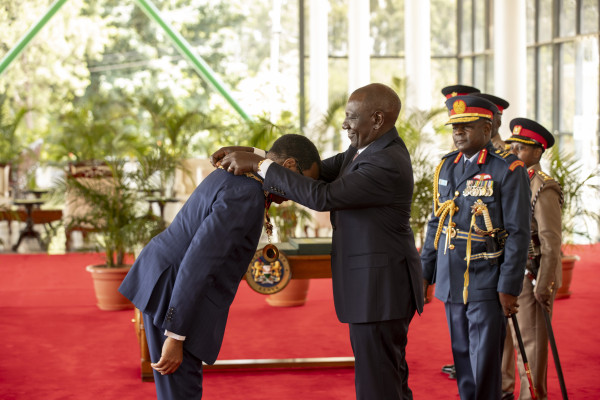
Kenya's President H.E. William Samoei Ruto has conferred the country's highest honour, Chief of the Order of the Golden Heart CGH, on the President of the African Development Bank Group, Dr Akinwumi Adesina (www.AfDB.org).

Dr Adesina becomes the 20th recipient of the honour that was established in 1967 and first awarded to Kenya's founding father and former President, H.E. Jomo Kenyatta. Others include globally renowned leaders such as former UN Secretary General Kofi Annan, South Africa's Nelson Mandela, Queen Elizabeth II of the United Kingdom, Uganda's Yoweri Museveni and Kenya's subsequent Presidents Daniel arap Moi, Mwai Kibaki, Uhuru Kenyatta and Dr Ruto.

During a colourful investiture ceremony at Nairobi's State House, President Ruto praised Dr Adesina's distinguished service, commitment, and passion for the economic development of Kenya and Africa.

President Ruto congratulated Adesina and told him, “You are amazing. You are a great leader. You deserve this honour and investiture.” 

The two leaders share a warm relationship that dates back 20 years when Adesina lived and worked in Kenya for the Alliance for Green Revolution in Africa, AGRA. At that time Ruto was Kenya's Minister for Agriculture. Both recalled how they worked together to provide subsidies to farmers despite opposition at the time from some donors and global financial institutions.

President Ruto said under his presidency he has continued with the same policy of offering subsidies to farmers, leading to an increase in the country's food production.

“Our maize production increased from 40 million to 70 million bags last year. Our sales from tea, generated more than 220 billion shillings [approximately $1.7 billion], the highest ever earnings.”

“I am proud of the journey we started together ten years ago; I can see its fruits. Kenyans can feel its benefits,” President Ruto told Adesina who was accompanied by his wife, Mrs Grace Yemisi Adesina.

In its citation, the Kenya government recognized Adesina as a distinguished economist and a global development leader.

“He transformed the African Development Bank into a globally recognized institution for financial innovation and development impact and grown  the Bank's general capital from $93 billion to $318 billion,” the citation reads.

In his acceptance speech, Adesina said: “I am greatly humbled by your incredible kindness! What a great honour! What a rare privilege! What a historic recognition!”

Adesina spoke about Kenya's special place in the history of the Bank which was established in 1964. Since then, the Bank has financed a total of 167 projects, with financial commitment of $7.8 billion.

He said the Bank's current portfolio in Kenya consists of 45 projects worth $4.09 billion. They include, among others: 

  • The Last-Mile Connectivity electricity project, which has helped to increase the number of Kenyans connected to the national electricity grid from 2.42 million households in 2014 to 9.7 million households in 2024.
  • The expansion of the Thika-Nairobi Highway, which has drastically reduced travel time from 2-3 hours to just 30-45 minutes between the two destinations.
  • The Bank is providing $634 million for the Kenya Town's Sustainable Water Supply and Sanitation project. This includes 314.92 million Euros for the construction of the Thwake Multipurpose Water Dam, to be completed by July 2026. It will provide water to about 1.3 million people in Kitui and Makueni counties, as well as the Konza Techno-City in Machakos County.
  • The Bank's support for the private sector in Kenya includes over $700 million in lines of credit to more than eight commercial banks.

President Ruto said the Bank's support to the country's mortgage sector has boosted the government's national housing programme, with 150,000 houses under construction, generating jobs for 260, 000 youth.

Speaking about Kenya's high youth unemployment, Adesina pointed to several youth riots that shook the country last year.

In addition to providing $309 million for eight on-going projects targeting skills development, Adesina said the Bank is preparing for Board approval, financial support for the establishment of a Youth Entrepreneurship Investment Bank of Kenya.

“This will be a stand-alone financial institution, that will be 100 percent dedicated to providing technical assistance, debt and equity financing for youth businesses in Kenya.”

Adesina was accompanied by Vice President for Power, Energy, Climate and Green Growth Dr Kevin Kariuki, the Vice President for Regional Development, Integration and Business Delivery Nnenna Nwabufo; the Director General for East Africa, Kennedy Mbekeani; the Executive Director for Eastern Africa, Jonathan Nzayikorera; and his Senior Advisor to the President for Communication and Stakeholder Engagement Dr Victor Oladokun, who delivered the opening prayer for the ceremony.

“This is an honour that I will cherish for life,” Adesina said. “It will be a constant reminder that the country I love so much, Kenya, loves me back, appreciates and celebrates my leadership at the African Development Bank, and values and honours the incredible contributions of the Bank to its development. I accept this honour with great humility.”

Distributed by APO Group on behalf of African Development Bank Group (AfDB).

To look at the album click  here (apo-opa.co/3FzwNt7).

About the African Development Bank Group:
The African Development Bank Group is Africa's premier development finance institution. It comprises three distinct entities: the African Development Bank (AfDB), the African Development Fund (ADF) and the Nigeria Trust Fund (NTF). On the ground in 41 African countries with an external office in Japan, the Bank contributes to the economic development and the social progress of its 54 regional member states. For more information: www.AfDB.org

Media files
African Development Bank Group (AfDB)
Download logo
Read moreKenya’s President Ruto Awards African Development Bank’s Adesina Highest National Honour
17 March 2025

Invest in ECD to shape the next generation, says President

Location: News

Invest in ECD to shape the next generation, says President

President Cyril Ramaphosa has advocated for universal access to Early Childhood Development (ECD) to ensure that every child has the opportunity to learn, grow and thrive by the age of five.

The President was delivering remarks at the official opening of the Bana Pele 2030 Roadmap Leadership Summit at Atlas studios, in Johannesburg. 

“Universal childhood development should have started 30 years ago…We are all here today because of our shared belief in the profound importance of Bana Pele – putting children first. 

“It is because of this shared vision that we unite and collaborate today, committed to ensuring that every child has the opportunity to learn, grow and thrive by the age of five,” the President said on Monday.

The President told the summit that government’s immediate focus is to extend access to early childhood development to every child calling it one of the most powerful tools for unlocking the nation's potential.

He emphasised that ECD extends beyond education, it is a key driver of economic growth.

“We recognise today that investing in ECD is not just about education. It is about shaping the next generation of skilled, capable and entrepreneurial citizens who will drive our economy forward. 

“Investing in ECD yields significant economic returns. Studies have shown that every rand spent on early childhood education can save up to seven rands in future costs associated with remedial education, social services and criminal justice,” the President said.

He highlighted that early childhood development provides children with the foundational skills they need to build a successful future. It further helps break the cycle of poverty that is handed down from one generation to the next.  

“Early childhood development is about giving children from all backgrounds the opportunity to grow into confident, capable citizens who contribute positively to society. Children who receive a strong start are more likely to succeed in school and the workforce, reducing societal costs in areas such healthcare, crime prevention and welfare,” the President said. 

A research report published to coincide with Brazil’s G20 Presidency, estimated that in South Africa, an investment of 2.1% of the Gross Domestic Product (GDP) in universal childcare could have supported 10.5 million women to join the workforce over three years. 

Because of the profound effect that ECD can have on social well-being and development, the President said government had decided to put the country’s children first. 
 

Last week, the Minister of Finance announced an additional investment of R10 billion in ECD over the next three years.

The President referred to the statistic that 80% of children in South Africa are unable to read for meaning by the age of 10. He emphasised that early childhood development was critical for developing foundational skills such as language, literacy and numeracy.

President Ramaphosa added that the experiences and interactions children have can significantly influence their future learning potential.

“This is why ECD must be treated as an urgent priority. We therefore welcome this wonderful initiative for business, civil society and government to work together to shape the future of early childhood development.

“This initiative will assist the strategic reorientation of the basic education sector to strengthen foundation learning. The benefits of universal access to ECD extend beyond the education of the child. It helps to empower families to break free from the effects of poverty."

President Ramaphosa called on all ECD programmes to register with the Department of Basic Education so that all children can receive the start in life that they need and deserve.

He noted that the ripple effects of a robust ECD system are felt across generations, fostering a cycle of opportunity and growth.
“We are determined that every child, regardless of their background or location, must have access to quality early education. It is for this reason that the Department of Basic Education launched the Bana Pele Mass Registration Drive last year,” he said.

The President said that the Mass Registration Drive was an example of cross-sectoral collaboration at work. He added that the country has an opportunity to rethink and restructure the entire ECD landscape, making it more effective, more inclusive and more impactful than ever before.

“As South Africans, we have a clear goal for all our children: access to quality learning opportunities for an additional 1.3 million children by 2030. This is why we are here today.

“We need to create a collaborative framework for ECD. One that brings together government, business, donors, ECD workers and all other social partners,” he said.

He said this framework must ensure that all role-players work together at both the provincial and municipal levels to improve access to quality early childhood education.

“As we move forward, we must remember that there is no greater cause than uniting for the benefit of our children. Our future as a nation depends on the children we raise today. We must commit to creating an environment where every child, no matter where they come from, has the opportunity to learn, to grow and to succeed.

“Let us join hands and work together, as a united force, to achieve our shared vision of universal access to quality early childhood development,” the President said. – SAnews.gov.za
 

DikelediM
Mon, 03/17/2025 - 11:35
574 views

Read moreInvest in ECD to shape the next generation, says President
17 March 2025

KZN champions digital solutions to combat gender-based violence

Location: News

KZN champions digital solutions to combat gender-based violence

KwaZulu-Natal Premier, Thamsanqa Ntuli, has emphasised the critical role that digital initiatives can play in addressing the scourge of gender-based violence and femicide (GBVF).

“We must explore innovative ways to use technology as a weapon against GBVF. Digital platforms can provide immediate access to support services, real-time emergency assistance, and critical legal resources for victims, particularly students and young women who are vulnerable to abuse,” Ntuli said.

His comments follow a recent high-level brainstorming session with key stakeholders from the Information and Communications Technology (ICT) sector convened by the Premier.

The session aimed to explore technological solutions to address the rising tide of GBVF, with particular attention given to the alarming impact on students in higher education institutions.

The discussion sought to identify digital strategies to strengthen intervention efforts and improve support systems for victims.
This follows President Cyril Ramaphosa’s declaration of GBVF as a national pandemic in 2020, acknowledging its alarming rise and the urgent need for innovative, technology-driven solutions.

Key areas 

The session focused on developing and integrating technology-driven solutions into the province’s GBVF response framework.
The session explored key areas of intervention, including:

•    Tech-based emergency response systems – Exploring real-time mobile applications and alert platforms for victims in distress.
•    Digital awareness campaigns – Strengthening online engagement to educate communities on GBVF prevention.
•    AI-driven safety monitoring – Implementing artificial intelligence to track and report high-risk areas for targeted interventions.
•    Public-private partnerships – Enhancing collaboration between the ICT industry, business sector, and government to drive digital transformation in GBVF prevention.

Ntuli highlighted the provincial government’s commitment to harnessing ICT solutions to create safer communities while also ensuring swift intervention in GBVF cases.

He commended the business sector and ICT industry for their willingness to partner with the government in developing TechServy Systems, a technology-based tool designed to combat GBVF through data-driven interventions, real-time tracking, and enhanced accessibility of support services.

Commitment to action

The meeting concluded with stakeholders agreeing on practical steps to fast-track the development and implementation of digital safety solutions across KwaZulu-Natal and reinforcing the province’s proactive stance against GBVF.

Ntuli reaffirmed the provincial government’s commitment to work with ICT stakeholders to implement sustainable, tech-driven GBVF solutions.

“Leveraging technology is no longer optional but essential in tackling the crisis effectively. This session marks the beginning of a long-term strategy to integrate ICT innovations into our fight against GBVF.

“Our government is dedicated to ensuring that every victim has access to immediate help, every perpetrator is held accountable, and every community is safer through digital transformation,” the Premier said. – SAnews.gov.za


GabiK
Mon, 03/17/2025 - 13:09
247 views

Read moreKZN champions digital solutions to combat gender-based violence
17 March 2025

Government activities for the week 17 – 21 March 2025

Location: News

Government activities for the week 17 – 21 March 2025

On Monday, 17 March, the Department of Basic Education, together with Business Leadership South Africa (BLSA), co-convenes the Bana Pele Early Childhood Development (ECD) Leadership Summit, which will officially be opened by President Cyril Ramaphosa.

Also on Monday, the Gauteng MEC for Sport, Arts, Culture and Recreation, Matome Chiloane hands over the newly revamped State-of-the-Art library to the community of Akasia in the City of Tshwane.   

On Tuesday, 18 March, the Deputy Minister of Forestry, Fisheries and the Environment, Bernice Swarts, will open the 2nd African Forum on Urban Forests (AFUF)- A Vital Dialogue on Urban Greening for Africa’s Future conference as part of the International Day of Forests in Bryanston, Johannesburg.

Wednesday, 19 March, no confirmed event.

Thursday, 20 March, no confirmed event.

On Friday, 21 March, Deputy President Paul Mashatile to deliver a keynote address in Derrick Ferreira stadium, Kariega, Nelson Mandela Bay Municipality, Eastern Cape for the celebration of Human Rights Day.

Neo
Mon, 03/17/2025 - 13:11
53 views

Read moreGovernment activities for the week 17 – 21 March 2025
17 March 2025

SA is addressing port challenges, says Deputy President 

Location: News

SA is addressing port challenges, says Deputy President 

Deputy President Paul Mashatile has assured executives from Isuzu Motors Limited’s headquarters in Japan that South Africa is actively working to resolve its port and infrastructure issues.

This comes in the wake of significant congestion, infrastructure shortfalls, and equipment failures at the country’s major ports, which have affected both import and export operations.

“I am pleased to report that we have dealt with energy issues that affected our economy,” the Deputy President said on Monday. 

The Deputy President spoke at the Isuzu Fujisawa Plant where he is currently on a working visit with a delegation that includes Ministers, Deputy Ministers, and senior government officials. 

READ | Deputy President Mashatile arrives in Japan for a working visit

The purpose of the visit is to strengthen cooperation between the two nations in areas of mutual interest.

The multinational corporation that manufactures commercial vehicles, diesel engines, and automotive parts has a significant presence in South Africa. 

As a Japanese automobile manufacturer, Isuzu has been in South Africa for a long time and is well-known for its trucks and bakkies.

“As a country, we are honoured that the Isuzu Motors South Africa Struandale Plant in Gqeberha, in our Eastern Cape province, is the first fully-owned plant outside Japan whereas in other countries Isuzu produces vehicles through joint ventures and license agreements.

“This shows great confidence in our country and our people for the skills necessary to produce these trucks and bakkies.” 

According to the Deputy President, the Struandale Plant produces 28 500 vehicles per annum and has dealerships across 26 countries in Africa. 

With the Africa Continental Free Trade Area (AfCFTA), the Deputy President stated that the continent has created even more opportunities for Isuzu to export and operate in over 54 countries that have signed the agreement.

The AfCFTA creates the largest single free trade business area, with 1.3 billion people and a gross domestic product (GDP) of US$3.4 trillion. 

Isuzu also exports to the European Union (EU) under the Southern African Development Community (SADC) -EU Economic Partnership Agreement, in addition to being active in Africa. 

“Therefore, South Africa is the place to be, indeed a gateway into the continent and the rest of the world including Japan under the generalised system of preferences.” 

The country’s second-in-command described Isuzu as a model investor in South Africa, contributing to employment, skills development, and supplier and enterprise development.

“I also understand that Isuzu contracted 107 suppliers with over 700 parts being localised in South Africa and some integrated into Isuzu global supply chains,” he said, adding that Isuzu achieved Level 1 Broad-Based Black Economic Empowerment (BBBEE). 

He informed the delegation that the government, through the Automotive Production Development Programme, has provided essential support to Isuzu.

During the working visit, the Deputy President and his delegation will engage with the business community in Japan to enhance economic relations.

They will focus on key areas such as manufacturing and machinery, mining and mineral beneficiation, energy cooperation, the automotive industry, and improving market access for South Africa’s agricultural products.

He is also expected to meet with Dr Akihiko Tanaka, the President of the Japan International Cooperation Agency (JICA) today. 
JICA is a government agency that is actively involved in various development projects in South Africa. 

On Tuesday, he will pay a courtesy visit to Prime Minister Ishiba Shigeru of Japan and visit the Meiji Jingu Shinto Shrine. – SAnews.gov.za


Gabisile
Mon, 03/17/2025 - 11:45

24 views

Read moreSA is addressing port challenges, says Deputy President 
17 March 2025

Deputy President Mashatile arrives in Japan for a working visit

Location: News

Deputy President Mashatile arrives in Japan for a working visit

Deputy President Paul Mashatile arrived at Narita International Airport in Tokyo, Japan, on Sunday for a working visit aimed at strengthening the cooperation between South Africa and Japan in areas of mutual interest.

According to the Presidency, the two countries have strong diplomatic relations, particularly in trade, investment, education, and science and technology.

“Japan is one of South Africa’s major economic partners with a sizeable investment in the South African economy, and potential for increased investment exists,” the statement read. 

During the working visit, the Deputy President and his delegation will engage with the business community in Japan to enhance economic relations. 

They will focus on key areas such as manufacturing and machinery, mining and mineral beneficiation, energy cooperation, the automotive industry, and improving market access for South Africa’s agricultural products.

The Deputy President and his delegation will visit the Isuzu Fujisawa Plant in Japan on Monday, 17 March 2025. 

Isuzu is a multinational corporation that produces commercial vehicles, diesel engines, and automotive parts, and it has a significant presence in South Africa.

During this visit, the Deputy President will meet with Dr Akihiko Tanaka, the President of the Japan International Cooperation Agency (JICA). 

JICA is a government agency that is actively involved in various development projects in South Africa.

On Tuesday, 18 March 2025, the Deputy President and his delegation will have a breakfast meeting with the Japan-African Union Parliamentary Friendship League, which aims to promote economic cooperation and trade between Japan and African countries. 

In addition, he will pay a courtesy visit to Prime Minister Ishiba Shigeru of Japan and visit the Meiji Jingu Shinto Shrine.

The Deputy President is expected to deliver a keynote address at the United Nations University, focusing on the theme “South Africa’s G20 Presidency: Solidarity, Equality, Sustainability – a Conversation with Japan”.

On Wednesday, 19 March 2025, the Deputy President and his team will participate in roundtable discussions hosted by the Japan External Trade Organisation (JETRO) and the Japan Organisation for Metals and Energy Security (JOGMEC).

The Deputy President will also host South African Rugby players based in Japan at the South African official residence. 

The Deputy President is supported by several officials including the Deputy Minister of International Relations and Cooperation Thandi Moraka; the Minister of Sport, Arts and Culture Gayton McKenzie; the Minister of Higher Education Dr Nobuhle Nkabane; the Minister of Agriculture John Steenhuisen; the Minister of Trade, Industry and Competition Parks Tau and the Deputy Minister of Science, Technology and Innovation Nomalungelo Gina. – SAnews.gov.za


Gabisile
Mon, 03/17/2025 - 08:50
58 views

Read moreDeputy President Mashatile arrives in Japan for a working visit
16 March 2025

Deputy President Mashatile Arrives in Japan on a Working Visit

Location: News

The Presidency of the Republic of South Africa
Download logo

Deputy President Shipokosa Paulus Mashatile has today, 16 March 2025 arrived at Narita International Airport in Tokyo, Japan on a Working Visit aimed at reaffirming the strong cooperation between South Africa and Japan in areas of mutual interest.

The two countries enjoy well-established diplomatic relations which are particularly strong in the fields of trade and investment, education, science and technology.

Japan is one of South Africa's major economic partners with a sizeable investment in the South African economy, and potential for increased investment exists.

During the working visit, the Deputy President and delegation will engage the business community in Japan with the objective of strengthening economic relations in areas such as manufacturing and machinery, mining and mineral beneficiation, energy cooperation, the automotive industry and greater market access for South Africa's agricultural products, amongst others. 

In this regard, the Deputy President and delegation will on Monday 17 March 2025 visit the Isuzu Fujisawa Plant Service, a Japanese multinational corporation that produces commercial vehicles, diesel engines and automotive parts, and has a significant presence in South Africa.

The Deputy President will also meet with Dr. Akhiko Tanaka, President of the Japan International Cooperation Agency (JICA), a Japanese government agency that has been actively involved in various development projects in South Africa. 

On Tuesday, 18 March 2025, the Deputy President and delegation will have a breakfast meeting with Japan-African Union Parliamentary Friendship League, which seeks to promote economic cooperation and trade between Japan and African countries. 

Furthermore, the Deputy President will pay a courtesy call on His Excellency Prime Minister Ishiba Shigeru and visit the Meiju Jingu Shinto Shrine.

The Deputy President will also deliver a keynote address at the United Nations University under the theme "South Africa's G20 Presidency: Solidarity, Equality, Sustainability - a conversation with Japan.

On Wednesay 19 March 2025, the Deputy President and delegation will participate in Roundtable Discussions hosted by the Japan External Trade Organisation (JETRO) and Japan Organisation for Metals and Energy Security (JOGMEC).

The Deputy President will also host South African Rugby players based in Japan at the South African Official Residence. 

The Deputy President is supported by the Deputy Minister of International Relations and Cooperation, Ms. Tandi Moraka; the Minister of Sport, Arts & Culture, Mr. Gayton McKenzie; the Minister of Higher Education, Dr. Nobuhle Nkabane; the Minister of Agriculture Mr. John Steenhuisen; the Minister of Trade Industry and Competition, Mr. Parks Tau; and the Deputy Minister of Science, Technology and Innovation, Ms. Nomalungelo Gina.

Distributed by APO Group on behalf of The Presidency of the Republic of South Africa.

Read moreDeputy President Mashatile Arrives in Japan on a Working Visit
16 March 2025

President Ramaphosa to open ECD leadership summit

Location: News

President Ramaphosa to open ECD leadership summit

President Cyril Ramaphosa will on Monday officially open the Bana Pele Early Childhood Development (ECD) Leadership Summit at the Atlas Studios, in Johannesburg.

The summit, convened by the Department of Basic Education (DBE) and Business Leadership South Africa (BLSA), aims to mobilise a public and private coalition behind the DBE’s 2030 ECD Roadmap for quality, universal access to early learning.

In a statement on Saturday, The Presidency noted that in South Africa, more than 1.3 million children are not enrolled in any form of ECD programme, leaving them without the foundational literacy and numeracy skills required to succeed in school.

“This learning gap affects their ability to take on critical subjects, such as Mathematics, Science, Accounting, and Economics in later years, which are the skills that are vital for innovation, economic growth, and job creation,” the Presidency said.

The summit will bring together government, business, civil society and education experts to “construct a roadmap for universal access to quality ECD across the country.

“This initiative is a crucial step toward ensuring that every child, regardless of background, has access to the early learning opportunities they need to thrive in life,” the Presidency said. – SAnews.gov.za

NeoB
Sun, 03/16/2025 - 12:56
448 views

Read morePresident Ramaphosa to open ECD leadership summit
16 March 2025

Businesses encouraged to operate ethically

Location: News

Businesses encouraged to operate ethically

Mpumalanga MEC for Economic Development and Tourism, Makhosazane Masilela, has called on businesses to “go above and beyond” to demonstrate ethical business practices.

The MEC was speaking at the commemoration of World Consumer Rights Day (WCR), held at the University of Mpumalanga, on Saturday.

“As we celebrate this significant day, we are reminded of the central role that consumers play in our economy, and the critical need to protect their rights, while also encouraging businesses to operate ethically, responsibly, and with integrity. 

“It is not enough to simply adhere to the bare minimum of legal requirements; businesses must go above and beyond to establish a culture of fairness, respect, and responsibility,” Masilela said.

World Consumer Rights Day is celebrated annually on the 15th of March, as a means of raising global awareness about consumer rights and needs. 

Celebrating the day is a chance to demand that the rights of all consumers are respected and protected, and to protest against market abuses and social injustices which undermine those rights.

The National Consumer Commission held the commemoration in partnership with the Competition Commission of South Africa, the Mpumalanga Department of Economic Development and Tourism, and various regulatory bodies, under the umbrella of the Consumer Protection Forum (CPF).

The WCR was celebrated under the theme “Empowering Consumers—Balancing Rights with Ethical Business Practices”.

Acting Commissioner of the NCC, Hardin Ratshisusu, emphasised the ongoing need to intensify efforts in addressing the sale of expired food items in local spaza shops.

“Recent inspections on local spaza shops in various communities have revealed expired food items on shelves, prompting their removal and destruction. 

“It is important we continue with this work given the recent spate of foodborne illnesses affecting the most vulnerable consumers in our society – our children,” Ratshisusu said.

Competition Commission Acting Head of Advocacy, Andile Gwabeni, emphasised the importance of the Competition Act in ensuring a competitive market.

“We understand that a fair and competitive market inherently protects consumers…and we therefore see consumer welfare as a direct output of our work,” he said. – SAnews.gov.za

NeoB
Sun, 03/16/2025 - 14:40
110 views

Read moreBusinesses encouraged to operate ethically
14 March 2025

North West takes steps to tackle unemployment

Location: News

North West takes steps to tackle unemployment

Over 24 000 job opportunities are expected to help tackle the unemployment challenge in the North West province.

This was revealed during a roundtable discussion involving North West Premier Lazarus Kagiso Mokgosi, Deputy Minister of Employment and Labour Judith Nemadzinga-Tshabalala, as well as representatives from organised labour, business, and civil society.

The initiative, which involves collaborative work between the North West Provincial Government and the Department of Employment and Labour, will be implemented through a Labour Activation Plan (LAP). 

The LAP initiative, funded by the Unemployment Insurance Fund (UIF), aims to enhance employability, enable entrepreneurship, and preserve jobs through skills training, enterprise development, and other intervention measures. 

“This initiative has been in the pipeline for some time, and I am happy that it is coming to fruition. This is one of the policy announcements I made during the State of the Province Address [SOPA] to help find solutions to high levels of unemployment in the province,” Mokgosi said on Thursday. 

In the SOPA delivered last month, the Premier reaffirmed the government’s commitment to creating job opportunities through public employment programs, such as expanded public works, community health workers, community works, and labour activation programmes.

These initiatives aim to create over 150 000 job opportunities in the next five years, targeting women, youth, and persons with disabilities.
READ | Over R20 million allocated to boost North West economy 

At the roundtable, Deputy Minister Nemadzinga-Tshabalala said the roll-out of the programme is in full swing in various provinces and that the North West is the latest beneficiary.

“Young people will be trained in various fields such as engineering, agriculture and artisanal work in preparation for the job market and consequently placed in various industries,” Nemadzinga-Tshabalala added. – SAnews.gov.za


Gabisile
Fri, 03/14/2025 - 09:36
290 views

Read moreNorth West takes steps to tackle unemployment
14 March 2025

SA’s narrative therapist nominated for Women Changing the World Awards

Location: News

SA's narrative therapist nominated for Women Changing the World Awards

South Africa’s world-renowned Narrative Therapist and Psychosocial Specialist, Ncazelo Mlilo, has been nominated in the prestigious Women Changing the World Awards.

The awards, according to a statement by psychosocial organisation, Phola, are like the Grammy Awards for recognising women across the world who are doing incredible work, making a positive difference in various industries and areas, including business, sustainability, leadership, health, education, product development, innovation, and technology.

Mlilo, who is based in Johannesburg, has been selected for two categories, the People’s Choice Award for Non-Profit and Social Enterprise, and the Women in Therapy and Counselling Services Award.

This recognition celebrates the groundbreaking work in mental health, her development of Afrocentric, culturally sensitive narrative-based methodologies, and her dedication to empowering communities worldwide.

The awards ceremony will take place during a summit in London, in the United Kingdom on 2-3 April 2025.

Mlilo has over 25 years’ experience in trauma counselling.

She has worked with children, youth, women, families, and communities to address the effects of HIV/AIDS, gender-based violence (GBV), poverty, conflict, and other hardships.

Mlilo co-created the Tree of Life (ToL) Methodology, currently used in over 60 countries including the USA, Brazil, Australia, Canada, Iran, India, Germany, Japan, Sweden, and across Africa.

She has developed other methodologies like COURRAGE, the Narratives in the Suitcase Project, O.U.T.R.R.A.G.E.D. for GBV prevention.

Mlilo trains over 1 000 mental health practitioners worldwide every year, with her work reaching an estimated 100 000 people, annually.

She is also a prominent keynote speaker at international conferences, including the Trust’s Collective Narrative Practices Conference, held in 2024 in Australia, the Narrative Therapy Centre Conference, where she spoke about the Narratives in the Suitcase, held in Australia in 2023, among others.

As a result, her work is the intervention of choice in these global institutions, like the Dulwich Centre Foundation in Australia and NHS Foundation Trust in the UK. – SAnews.gov.za


GabiK
Fri, 03/14/2025 - 12:07
46 views

Read moreSA’s narrative therapist nominated for Women Changing the World Awards
14 March 2025

Roundtable thrashes out job creation measures 

Location: News

Roundtable thrashes out job creation measures 

Strengthening collaboration between government and private sector is crucial for driving economic growth and creating sustainable employment, said the Department of Employment and Labour.

This as the department in collaboration with the North West Provincial Government, organised labour, business, and social partners, convened a round table to address key labour challenges and strategies for economic growth. 

Thursday’s session focused on identifying obstacles hindering economic expansion and job creation, with stakeholders highlighting government red tape as a major impediment to progress. 

Participants emphasised the importance of strengthening advocacy for existing government and private sector programmes to drive sustainable employment. 

In response to concerns raised by some attendees, Deputy Minister of Employment and Labour, Judith Nemadzinga-Tshabalala, stated that to tackle the unemployment crisis, the department through its Public Employment Services (PES) Division has been working to facilitate job creation in collaboration with government, business, labour, and civil society. 

She highlighted Career and Jobs Fairs as a key initiative in addressing unemployment, providing a vital platform for job seekers to connect with potential employers.

“These Jobs Fairs serves as a bridge between job seekers and potential employers, ensuring that unemployed individuals, particularly the youth will gain direct access to job opportunities, training programmes and skills development initiatives.

“The Jobs Fairs play a crucial role in empowering unemployed work seekers by offering a structured and supportive environment where they can explore various career paths, receive guidance on employability, and interact with industry professionals,” Nemadzinga-Tshabalala said. 

North West Premier Lazarus Mokgosi reiterated the province’s commitment to youth empowerment, aligning with the seventh administration’s priority agenda. 

“Youth empowerment remains an apex priority of the 7th administration and in my acceptance speech last year as well as the Province’s 2025 Policy Statement, I highlighted a litany of intervention measures to address this scourge. 

 “However, addressing a problem of this magnitude needs all of us to work together as government, the private sector, labour, business, civil society, Dikgosi and all other stakeholders to respond to this challenge,” the Premier said. 

Thursday’s session is expected to be followed by a handover of the Labour Activation Programme (LAP) contracts by the Minister of Employment and Labour, Nomakhosazana Meth at the Rustenburg Civic Centre on Friday, 14 March 2025.

The handover will run simultaneously with a Jobs/Career Fair where jobseekers and unemployed graduates will receive career counselling and apply for available opportunities on the Employment Services South Africa (ESSA) portal, among other services that will be rendered.

ESSA is an online recruitment service of the Department of Employment and Labour, available to all South African citizens. – SAnews.gov.za


DikelediM
Fri, 03/14/2025 - 10:08
128 views

Read moreRoundtable thrashes out job creation measures 
14 March 2025

Former Lottery Exec Fights Back Over r4.7-Million Farm

Location: News

SIU says the farm was bought with stolen Lottery money

Read moreFormer Lottery Exec Fights Back Over r4.7-Million Farm
13 March 2025

Access Bank’s Africa Trade Conference Ignites New Era of Intra-Africa Commerce

Location: Business
Access Bank PLC

Access Bank PLC (www.AccessBankPLC.com) successfully hosted the inaugural Africa Trade Conference in Cape Town, South Africa, bringing together industry leaders, policymakers, and trade experts to drive solutions for accelerating intra-African trade and unlocking the continent's economic potential. The conference tackled critical challenges, including limited access to capital, market information gaps, trust deficits between trading partners, and the urgent need for modernised trade infrastructure.

Roosevelt Ogbonna, Managing Director/CEO of Access Bank, delivered the opening remarks, setting the tone for discussions by highlighting the critical barriers hindering trade across Africa. He emphasised the urgent need for financial sector collaboration to facilitate seamless access to capital and foster a business environment where African enterprises can scale and compete globally.

“We must invest in the initiatives that ensure that we can bring businesses together, forge trust, and create the connections necessary for trade. In doing so, we must stamp out the narrative that 'Made in Africa' is inferior to any product made anywhere else in the world. We must buy Africa, be proud to wear Africa, and invest in Africa because that is what the continent needs to leap forward into the next generation,” Ogbonna stated.

With Africa's population projected to surge to 2.5 billion by 2050 from 1.2 billion, the African Continental Free Trade Area (AfCFTA) stands as the most significant free trade initiative since the formation of the World Trade Organisation. By fostering economic integration, AfCFTA has the potential to reshape trade dynamics across the continent, creating a unified market that enhances industrialisation, boosts employment, and strengthens Africa's global competitiveness. Recognising this transformative opportunity, H.E. Wamkele K. Mene, Secretary-General of AfCFTA, emphasised the urgency of fully implementing the agreement to unlock its immense benefits.

"The AfCFTA is not just a trade agreement; it is an instrument for Africa's industrialisation and economic sovereignty. It is a tool that will enable us to break down historic trade barriers and build an Africa that is self-sufficient, competitive, and prosperous. But for this to happen, we must commit to operationalising the agreement fully, ensuring that businesses, particularly SMEs and women-led enterprises, have access to the information, capital, and platforms they need to thrive,” Mene stated.

Also, Kanayo Awani, Executive Vice President of Afreximbank, emphasised the importance of financing mechanisms that support African businesses in their expansion across borders. She reaffirmed Afreximbank's commitment to championing trade finance solutions and infrastructure investments that will unlock Africa's trade potential.

“At Afreximbank, we understand that trade finance is the lifeblood of economic development. Without it, businesses cannot scale, industries cannot innovate, and Africa cannot fully realise its trade potential. This is why we have developed instruments such as the Pan-African Payment and Settlement System (PAPSS) to facilitate seamless transactions across borders, reducing reliance on foreign currencies and strengthening intra-African trade,” Awani remarked.

The conference featured an insightful testimonial from Nathalie Louat, Global Director at the IFC/World Bank Group, who pointed out the pivotal role of trade finance in enabling cross-border transactions and supporting financial inclusion. She underscored the long-standing partnership between IFC and Access Bank in fostering Africa's economic resilience.

Several high-level panel discussions explored strategies to overcome trade barriers and enhance market access through innovative solutions. Experts from leading institutions, including Deutsche Bank, Traydstream, OWP Partners, Fiducia International, and more, examined how infrastructure improvements, digital solutions, and policy harmonisation could drive economic growth and boost intra-African trade.

Dr. Marc Auboin from the World Trade Organization (WTO) shared key insights on how digital transformation is reshaping Africa's supply chain landscape, creating efficiency and unlocking new global market opportunities. Tanya Dos Santos-Ford from GIBS Business School also led a session on sustainable trade practices, emphasising the need for environmentally responsible economic growth strategies.

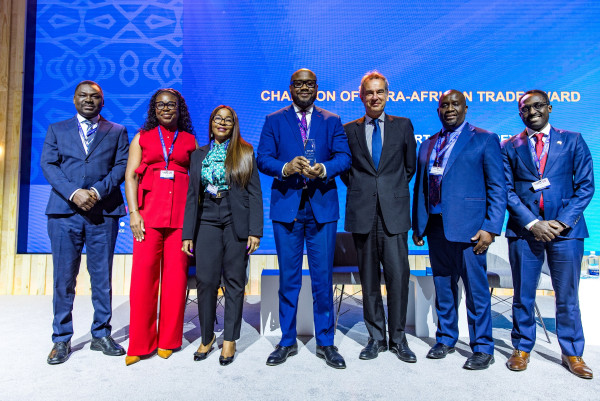
The event culminated in an awards ceremony recognising outstanding contributions to intra-African trade and economic transformation. Tradepass Commodities Limited (Ghana), Chemaf International FZE (DR Congo), and Harvest Group of Companies (Zambia) were honoured for their impact on SMEs and women-led trade enterprises. Bulkstream Limited (Kenya) and Electricidade de Moçambique (Mozambique) received awards for advancing intra-African trade, while Tennant Metals South Africa Pty Ltd was recognised as an Emerging Leader in Trade.

The International Finance Corporation (IFC) was awarded the Climate Finance Leadership Award, while Afreximbank received the Champion of Intra-African Trade Award. The African Development Bank (AfDB) and Africa Finance Corporation (AFC) were celebrated for their roles in economic transformation and infrastructure finance, respectively. The prestigious African Icon Award was presented to IHS Group, Dangote Industries Limited, and MTN Group Limited for their significant contributions to Africa's economic progress.

As the conference ended, Seyi Kumapayi, Executive Director, African Subsidiaries at Access Bank, reaffirmed the institution's commitment to supporting trade finance, fostering regional integration, and championing policies that create an enabling environment for businesses across Africa.

For inquiries:

  • Olakunle Aderinokun 
    olakunle.aderinokun@theaccesscorporation.com

Distributed by APO Group on behalf of Access Bank PLC.

About Access Bank PLC:
Access Bank PLC, a wholly owned subsidiary of Access Holdings PLC, is a leading full-service commercial bank operating through a network of more than 700 branches and service outlets spanning three continents, 24 countries and over 60 million customers. The Bank employs over 28,000 people in its operations in Africa and Europe, with representative offices in China, Lebanon, India, and the UAE.

Access Bank's parent company, Access Holdings PLC, has been listed on the Nigerian Stock Exchange since 1998 (now Nigerian Exchange (NGX)). The Bank is a diversified financial institution which combines a strong retail customer franchise and digital platform with deep corporate banking expertise, proven risk management and capital management capabilities. The Bank services its various markets through three key business segments: Corporate and Investment Banking, Commercial Banking, and Retail Banking. The Bank has enjoyed what is Africa's most successful banking growth trajectory in the last 20 years, becoming one of the continent's largest retail banks.

As part of its continued growth strategy, Access Bank is focused on mainstreaming sustainable business practices into its operations. The Bank strives to deliver sustainable economic growth that is profitable, environmentally responsible, and socially relevant, helping customers to access more and achieve their dreams.

Media files
Access Bank PLC
Download logo
Read moreAccess Bank’s Africa Trade Conference Ignites New Era of Intra-Africa Commerce
13 March 2025

Raw Sewage Is Running Into the Kruger Park From Limpopo Town

Location: News

Phalaborwa residents lay criminal charges against local municipalities to try to end their sewerage problems

Read moreRaw Sewage Is Running Into the Kruger Park From Limpopo Town
13 March 2025

China-Africa Business Ties a Key Focus

Location: News
African Energy Chamber

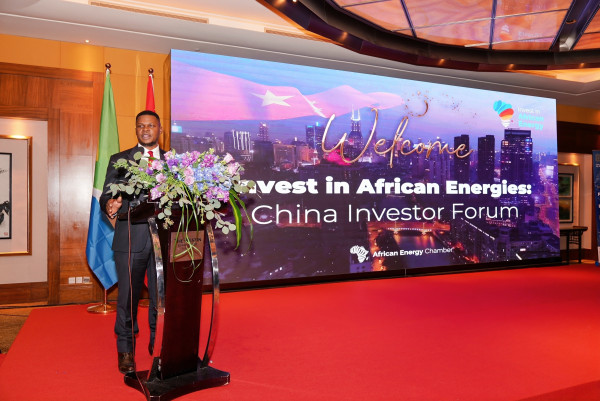
China has reaffirmed its commitment to supporting Africa's drive for enhanced energy access and industrialization, according to speakers at the Invest in African Energies Shanghai Forum. Leveraging China's expertise in technology-driven oil, gas and energy development, African firms can tap into a valuable partnership and greater investment by Chinese firms would further efforts to make energy poverty history in Africa.

With over 600 million people living without access to electricity and 900 million people without access to clean cooking solutions, Africa is seeking to leverage global partnerships to fast-track energy production and development. China stands to play a major part in facilitating this growth and the Shanghai Forum - co-organized by the African Energy Chamber (AEC) and the Shanghai Development Research Foundation - drew insight into strategic areas of collaboration.

“We want to see investments in African energy. The AEC will continue to support Chinese businesses that want to invest in China and give you the priority needed for you to invest in our beautiful continent,” stated NJ Ayuk, Executive Chairman, AEC. 

For emerging African players seeking to unlock the full potential of their underdeveloped resources, Chinese partnerships have the ability to unlock new capital and technology to advance projects. Partnerships also serve to support mature players enhance their production capacity as Africa drives long-term energy development. Phuti Joyce Tsipa, Consul General, South African Consulate-General Shanghai, highlighted the value of enhanced cooperation with China.

“Together, China and South Africa can work towards building a high-quality international community that can work on a prosperous future, centered on balanced economic growth. Increased energy investment in Africa is at the heart of our future prosperity. We see China as a critical country to partner with, not only with South Africa, but the entire continent,” she said.  

The Shanghai Forum sought to bolster China-Africa relations by facilitating market entry and expansion by Chinese firms in Africa. The Forum featured the participation of 100 companies, including consulates, private firms, investors and policymakers, with presentations centering on opportunities for Chinese firms in Africa, strategies for advancing African industrialization and electrification and the impact Chinese technology will have on the African energy market.

Dr. Bieni Da, Chief Representative for China at the AEC and Yide Qiao, Vice Chairman and Secretary General, Shanghai Development and Research Foundation, underscored the need to facilitate energy ties between China and Africa. According to Qiao, “China has strong technology in green energy and cooperation can be extended to Africa.”

Chinese firms are leading in terms of innovative, low-carbon energy solutions. With a national goal of becoming carbon neutral by 2060, China is supporting domestic companies through policy improvements, capital and research and development. Africa stands to leverage this expertise to advance its own development agenda. This expertise extends to the oil and gas sectors and Chinese companies have begun to expand their footprint in Africa.

Dr. Wang Zengye, Deputy Director-General of Policy Research Office, China National Petroleum Corporation (CNPC) provided an overview of the projects CNPC has led in Africa. He said: “Bilateral relationships between China and Africa is already quite strong and high-level cooperation has been established. This ensures that investment can flow.”

China has also effectively established industrial hubs which support the economy by centralizing manufacturing. Bi Mingze, CFO of Yunan County Chuangxing Industrial Investment Group, said that the company has established an industrial hub in Yunan in China. This hub can be replicated across Africa.

The Shanghai Forum served as a prelude to the African Energy Week (AEW): Invest in African Energies conference, slated for September 29 to October 3 in Cape Town. As the largest event of its kind in Africa, AEW: Invest in African Energies fosters collaboration and investment in Africa. For Chinese companies, the event offers a strategic opportunity to gain insight into African projects while strengthening ties with African firms.

“If you work in any energy field, we are able to help you connect with key stakeholders. We support policy that enhances local content and infrastructure development. It is time to invest in Africa,” stated Johnson Kayode Obembe, Sales Director, African Energy Week.

Distributed by APO Group on behalf of African Energy Chamber.

AEW: Invest in African Energies is the platform of choice for project operators, financiers, technology providers and government, and has emerged as the official place to sign deals in African energy. Visit www.AECWeek.com for more information about this exciting event.

Media files
African Energy Chamber
Download logo
Read moreChina-Africa Business Ties a Key Focus
13 March 2025

NSFAS finalises allowance payments for 2025 academic year

Location: News

NSFAS finalises allowance payments for 2025 academic year

The National Student Financial Aid Scheme (NSFAS) has announced that the allowance payments for the 2025 academic year have been finalised and are ready for implementation.

This comes after thorough discussions, and consultation with the Department of Higher Education and Training (DHET) and the Post School Education and Training (PSET) sector.

The scheme outlined the approved allowance caps allocated for universities' catered and non-catered residences within metropolitan areas. This includes universities catered and non-catered residences for disability students within the metropolitan areas, as well as as university disability transport and distance learning.

The university students in catered residences within metropolitan areas will receive R65 993 for accommodation and R5 678 for new books, while students in non-catered residence within metro areas will receive R56 633 for accommodation and R5 678 for new books.

The students from both catered and non-catered residences within the metro will also receive R3 167 for personal care, including a living allowance of R17 160.

Students with disabilities were allocated additional support, including R52 000 for human support and R54 080 for assistive devices.

“Should institutions see a need to deviate from the allowance caps, they must first obtain written approval from NSFAS before submitting any allowances above the provided caps.

 NSFAS released the second upfront payment to universities during the week of 3 March 2025, allowing institutions to disburse March allowances to students by Friday, 7 March 2025,” NSFAS said.

Payment to TVET colleges

NSFAS has also released payment for Technical and Vocational Education and Training (TVET) students, which covers an accommodation allowance of R69 633 for catered students with disabilities in metro areas, and R42 640 for non-catered students in non-metro areas.

Students in catered residences within metropolitan areas will receive R65 993, while students in non-catered residences within metro areas will receive R56 633.

The scheme said the payment released on 7 March 2025, to cover two months’ worth of allowances, is based on valid registrations received.

It noted that at the commencement of the business day on 4 March 2025, 18 TVET colleges had uploaded registrations.

“As a result, NSFAS made the initial payments to these 18 TVET colleges’ students. NSFAS will closely monitor the uploading of registration data by colleges and ensure that another second payment run is prepared for the payment on Friday, 14 March 2025.

“The registration upload cut off for the second payment was Monday, 10 March 2025. This payment will ensure that all students whose valid registration data, which was uploaded since the initial cut-off date receive allowances within the month of March 2025,” NSFAS explained.

Submission of appeal documents

Meanwhile, NSFAS has called on students who had lodged funding appeals for the 2025 academic year, to urgently submit the required documents.

“A student must submit an appeal within 30 days of receiving their application results. Submission of these documents will enable NSFAS to finalise funding decisions timeously,” the scheme said.

Following confirmation of the 2025 allowance caps, NSFAS said its portal is ready to receive valid registration data and encouraged the institutions to submit their registration data to avoid delayed payment of allowances. – SAnews.gov.za


GabiK
Thu, 03/13/2025 - 12:43
926 views

Read moreNSFAS finalises allowance payments for 2025 academic year
13 March 2025

Government determined to tackle economic challenges

Location: News

Government determined to tackle economic challenges

Deputy President Paul Mashatile has stressed the urgent need to tackle the nation’s pressing challenges in light of sluggish economic growth and has called for a collective effort to improve the quality of life for all citizens.

“As we embark on this journey, we must have a full appreciation that the first 15 years of democracy were characterised by high economic growth. However, the last decade and a half has been characterised by stagnant growth,” he said on Thursday. 

According to the Deputy President, the stagnant growth of the past decade and a half has led to calls for immediate action to initiate structural reforms that would bolster gross domestic product (GDP) growth and create job opportunities.

“I must state from the onset that the responsibility of guiding South Africa to greater prosperity is not solely on the shoulders of the government. It is a shared responsibility among the business community, NGOs [non-governmental organisations], civil society and all those who aspire to see our country prosper.”

The Deputy President was speaking at the 7th BizNews Conference (BNC#7) at the Hermanus Municipal Auditorium in the Western Cape. 

The BizNews Conference is an annual event focused on investment, business, and political issues.

The country’s second-in-command opened the dialogue with a reflection on South Africa’s democratic journey.

Mashatile underscored the issues plaguing the nation, including poverty, inequality, unemployment and corruption, which he believes threaten the fabric of South Africa’s democracy.  

“They keep us, and if I may say so myself, awake at night because if we do not swiftly overcome these systemic economic issues, we shall experience perpetual unrest.” 

Commitment to cooperation

He said the recent Budget Speech by the Minister of Finance highlights a step toward addressing these dilemmas. 

According to the Deputy President, yesterday’s Budget was the product of a consensus reached within the Government of National Unity (GNU) following last month’s postponement. 

“As I have indicated on several occasions, having a GNU Cabinet does not imply that we will agree on everything. There will be times when we do not view things the same way, but this does not spell the end of the GNU.” 

However, Mashatile stressed GNU’s commitment to prioritising the needs of its citizens.

He also took the time to reinforce the credibility of the GNU amid scepticism about its longevity and effectiveness. 

“Several coalition governments around the world have collapsed as a consequence of misunderstandings about the country’s Budget; this is but a reflection of democracy at work.”

The Deputy President assured attendees that the focus was on inclusive growth, job creation and addressing the high cost of living, while striving to build a capable and ethical State.

“We must do this to find solutions to the challenges that confront our nation,” he said. – SAnews.gov.za

Gabisile
Thu, 03/13/2025 - 13:30
273 views

Read moreGovernment determined to tackle economic challenges
13 March 2025

SA focuses on improving diplomatic relations with United States

Location: News

SA focuses on improving diplomatic relations with United States

Deputy President Paul Mashatile says South Africa is working on stabilising relations with the United States of America (USA), given the long-standing ties between the two nations.

Addressing the 7th BizNews Conference (BNC#7) at the Hermanus Municipal Auditorium in the Western Cape, on Thursday, the Deputy President said this partnership is also significant to South Africa's economic development goals.

The BizNews Conference is an annual event focused on investment, business and political issues.

The Deputy President emphasised the need for collaborative efforts, in light of recent cuts to key health funding programmes, such as the President’s Emergency Plan for AIDS Relief (PEPFAR).

PEPFAR was established by former President George W Bush in 2003 and continued under various administrations.

“The withdrawal of PEPFAR funding highlights the urgent need for South Africa to further strengthen its own interventions to reach the most vulnerable and access health services and support," Mashatile said.

He said the opportunity showed the importance of bolstering the country's own healthcare interventions and ensuring the delivery of health services without heavy reliance on external assistance.

"In this regard, we have been investing heavily in healthcare reform and responding to the dual epidemics of HIV/AIDS and TB. The Department of Health has put measures in place to ensure that patients receiving TB and HIV treatment are not affected and do not default," said the Deputy President.

Mashatile encouraged stakeholders to unite and support government in promoting South Africa's interests in the United States, including through mechanisms such as the African Growth and Opportunity Act (AGOA).

"The loss of AGOA benefits would have the most devastating effect on South African farmers and agriculture workers. AGOA is presently providing support to South Africa's agriculture and manufacturing sectors, which is expected to generate around $21 billion in trade with the United States.

“Therefore, our position is that South Africa should maintain strong bilateral relations with the United States. Most importantly, as a country, we are committed to improving mutually beneficial trade, political, and diplomatic relations with the United States,” he said. 

Diversifying export markets and growing the economy

The country’s second-in-command stated that South Africa should push for diversified export markets, citing ongoing engagement with global powers such as China, Russia, India, and various European countries. 

President Cyril Ramaphosa is currently co-chairing the EU-South Africa Summit, which aims to deepen relations with the European Union (EU) across several domains, including trade, security, and sustainable development.

In addition, Mashatile highlighted the importance of intra-African trade and financial cooperation through the African Continental Free Trade Area (AfCFTA). 

According to the Deputy President, the AfCFTA is a crucial step toward reducing dependency on volatile global markets.

Mashatile believes that South Africa’s wealth of natural resources, including significant agricultural potential, is positioned as an attraction for investment. 

He said government is committed to removing blockages to economic growth, lifting economic expansion to above 3% in the medium-term, and creating a cycle of investment, growth and jobs.

He outlined government’s plans to focus on improving productivity and innovating skills development through the National Digital and Future Skills Strategy as part of a broader vision for a knowledge-based economy.

Furthermore, he said the newly approved Reconceptualised Human Resource Development Strategy outlines priority goals aimed at enhancing early education outcomes, increasing youth employability, and ensuring that higher education aligns with market demands. 

FATF grey list

The Deputy President said South Africa is making steady progress in efforts to be removed from the Financial Action Task Force (FATF) grey list.

"Through new legislation, we have strengthened our ability to prevent money laundering and fraud, and secure South Africa’s removal from the grey list of the Financial Action Task Force."

He said the country has addressed 20 of the 22 action items relating to combating money laundering and terrorist financing. 

“These improvements are essential not only to remove ourselves from the grey list but also to strengthen the battle against crime and corruption, which is crucial for the betterment of all South Africans. 

“We will continue to resolve both remaining action items by June, towards our removal from the grey list by October 2025,” he said.

Moreover, the Deputy President committed that South Africa will use its Group of 20 (G20) Presidency to place Africa’s development at the top of the agenda. – SAnews.gov.za

Gabisile
Thu, 03/13/2025 - 13:52
339 views

Read moreSA focuses on improving diplomatic relations with United States
13 March 2025

Africa Tech Festival Announces Leadership Council for 2025

Location: Business
Africa Tech Festival

Africa Tech Festival (www.AfricaTechFestival.com), the continent's leading platform for technology innovation and connectivity, is proud to announce the esteemed members of its Leadership Council for 2025. Comprising influential leaders from across Africa's technology, business, and investment sectors, the Leadership Council will play a pivotal role in shaping the festival's agenda, ensuring it remains at the forefront of industry trends, policy discussions, and digital transformation.

The Africa Tech Festival 2025 Leadership Council comprises of:

  • Brelotte Ba, Deputy CEO of Orange Middle East and Africa, Orange​
  • Antoinette Kwofie, Chief Financial Officer, MTN Ghana
  • Bunmi Adeleye, Chief Strategy Officer, Retail Supermarkets Nigeria (Shoprite Nigeria)
  • Charles Murito, Regional Director, Government Affairs & Public Affairs, Sub-Saharan Africa, Google​
  • Dido wa Kalonji, Chief Information Officer, First National Bank – Eswatini​
  • Faith Burn, Chief Information Officer, Eskom​
  • Nicolas Pompigne-Mognard, Founder and Chairman, APO Group​
  • Nina Triantis, Global Head Telecoms, Media and Technology, Client Coverage, Corporate and Investment Banking, Standard Bank​
  • Nomsa Chabeli, Group CEO, SABC​
  • Mary Mahuma, Chief Information Officer, Southern Africa, Philip Morris​
  • Philip Besiimire, CEO, Vodacom Tanzania​
  • President Ntuli, Managing Director, South Africa, Hewlett Packard Enterprise​
  • Ravi Bhat, Chief Technology and Solutions Officer, Microsoft Africa​
  • Ayanda Peta, Chief Information Security Officer, African Rainbow Minerals​
  • Richard Cazalet, Executive: Strategy and Transformation, Telkom SA​
  • Shamiela Letsoalo, Director: Public Affairs, Naspers Limited

Bringing together a wealth of expertise, the Leadership Council will provide strategic guidance to ensure Africa Tech Festival continues to address the most pressing issues and opportunities within Africa's digital economy. Their insights will help drive meaningful discussions on connectivity, AI, fintech, cybersecurity, cloud, and the future of digital infrastructure across Africa.

“Africa Tech Festival serves as a platform for connection, collaboration, and innovation across the continent,” said James Williams, Event Director of Africa Tech Festival. “With the guidance of our Leadership Council, we will continue to curate an event that drives impactful conversations, supports industry growth, and fosters Africa's position as a global technology leader.”

Distributed by APO Group on behalf of Africa Tech Festival.

Media Contact:
Tori Wilson
Senior Marketing Manager
tori.wilson@informa.com

About Africa Tech Festival 2025:
Now in its 28th edition, Africa Tech Festival 2025 will take place from 11 to 13 November 2025 at the Cape Town International Convention Centre (CTICC), bringing together over 15,000 technology leaders, policymakers, investors, startups, and visionaries. The festival encompasses four anchor events:

  • AfricaCom – The continent's largest telecoms and connectivity event
  • AfricaTech – The hub for technology, innovation, and enterprise growth
  • AfricaIgnite – Driving growth and impact in Africa's startup ecosystem
  • The AI Summit Cape Town – Where commercial AI comes to life

With over 500 speakers, 300 exhibitors, and multiple networking opportunities, Africa Tech Festival remains the largest and most influential tech event on the continent.

For more information about Africa Tech Festival 2025 and its Leadership Council, visit www.AfricaTechFestival.com.

Media files
Africa Tech Festival
Download logo
Read moreAfrica Tech Festival Announces Leadership Council for 2025
13 March 2025

President Ramaphosa engages EU on new investment package

Location: News

President Ramaphosa engages EU on new investment package

With the 8th South Africa-European Union (SA-EU) Summit underway, President Cyril Ramaphosa says South Africa intends to hold further constructive discussions on a new investment package by the EU, to South Africa.

“Through this we aim to consolidate cooperation in areas such as science and technology, education and skills development, climate action, peace and security, health and critical minerals,” the President said on Thursday.

This as he is co-chairing the summit with the President of the European Council, António Luís Santos da Costa, and the President of the European Commission, Dr. Ursula von der Leyen, at Tuynhuys, in Cape Town.

READ | Summit to strengthen SA-EU relations

Held in the Western Cape, the 8th Summit takes place within the framework of the Strategic Partnership between South Africa and the European Union. 

“As one of South Africa’s most important trade and investment partners, the European Union can play a catalytic role in unleashing the productive capacity of our economy and equip our people, especially the youth, to participate in the economy of the future. 

“We hope we can continue to rely on the support of the European Union and its member states in our efforts to alleviate poverty, transition to a low-carbon economy, invest in climate-resilient infrastructure and grow our industrial capacity,” the President explained.

In addition, the President welcomed the EU’s support for multilateral institutions and the fundamental principles of the United Nations.

“This Summit is taking place at a time of global uncertainty characterised by rising unilateralism, economic nationalism and a retreat from international law and human rights.

“We hope to work closely with the European Union and other partners to strengthen and reform institutions of global governance to make them more inclusive and capable of meeting the challenges of the present and the future. 

We should collectively strengthen our voice in defence of human rights, democracy and the rule of law, including respect for international law and international humanitarian law. We welcome the support of the European Union for Africa’s developmental needs.”

Partnership

He emphasised that African relations with the European Union should be built on a mutually beneficial partnership in the spirit of shared ownership, responsibility, respect and mutual accountability. 

“Today we will discuss our shared interest to advance peace, security, stability and sustainable development on the continent and across the world. This Summit affirms our long-standing and close relationship, which is underpinned by the South Africa-European Union Strategic Partnership. 

“This is a partnership based on shared values and common interests. A partnership that seeks to create prosperity for our citizens and promote peace, safety and stability.

“We share a commitment to inclusive multilateralism as the most effective means to address the most pressing challenges facing the world.  We agree on the need to strengthen economic cooperation and resolve challenges in our trade relations,” the President said.

Reforms 

He mentioned that South Africa is forging ahead with far-reaching structural reforms to support economic recovery. 

“We are modernising and transforming key industries such as energy, water, transport and digital communications. We have already made considerable progress, supported by institutions such as the European Investment Bank. 

“These reforms are contributing to the improvement of the country’s competitiveness and investment environment,” the President said. 

According to the Presidency, the Summit follows a series of preparatory engagements that included the Joint Cooperation Council (JCC) held in January in Brussels. -SAnews.gov.za

nosihle
Thu, 03/13/2025 - 16:00
26 views

Read morePresident Ramaphosa engages EU on new investment package
  • Previous
  • Page 1
  • Interim pages omitted …
  • Page 17
  • Page 18
  • Page 19
  • Page 20
  • Page 21
  • Interim pages omitted …
  • Page 120
  • Next

Copyright © 2026 · MyZA · All Rights Reserved · Powered by Stratlec Online