• Skip to main content
  • Skip to header right navigation
  • Skip to after header navigation
  • Skip to site footer
MyZA

MyZA

News, Directory, Events and Other Stuff

  • Social Media
  • Sport
  • World News
  • Home
  • Submit News
  • Directory
  • Events
  • Stratlec
  • TFSA
  • News
    • APO
    • Today’s Sport News
    • Todays Social Media and Tech Headlines
    • Today’s World News
    • Today’s SA Financial News
  • Contact
You are here: Home / Archives for demand

demand

24 February 2025

Solarafrica Secures R1.8 Billion Solar Investment, Advancing Wheeling Adoption in South Africa
Location: Business
Starsight Energy

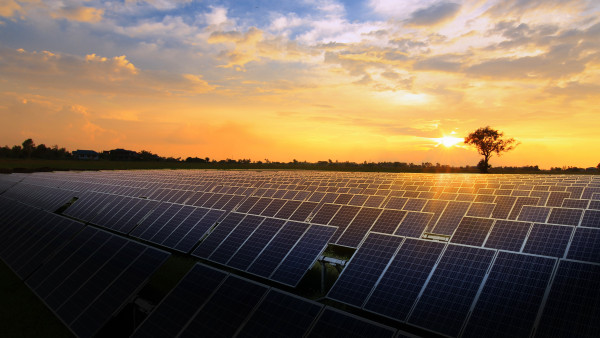
SolarAfrica (https://SolarAfrica.com/) is proud to take another major step forward in the development of its flagship utility-scale solar project, SunCentral, by successfully reaching financial close on the first 114 MW component of the project alongside funding partners Investec and RMB. The R1.8 billion investment into SunCentral marks the start of the project's rollout in South Africa.

SunCentral is a large-scale solar photovoltaic (PV) plant located between Hanover and De Aar in South Africa's Northern Cape province. The project will be developed in three phases.

Phase 1, consisting of 342 MW, will be delivered through a staged roll-out of three 114 MW facilities and will deliver renewable energy to a diverse range of off-takers by wheeling it through South Africa's power grid. Phase 2 and 3 will increase SunCentral's capacity to 1 GW.

Unlike similarly sized projects that offer wheeling on a one-to-one basis (with one generation plant supplying one off-taker), SolarAfrica's project will offer wheeling on a one-to-many basis, making it available to a wider pool of businesses in South Africa.

SolarAfrica's Chief Investment Officer Charl Alheit, who spearheaded the financial close, explains: “Reaching financial close on the first 114 MW of our utility-scale wheeling development and Main Transmission Substation (MTS) investment marks a significant milestone in our commitment to advancing sustainable energy solutions for our customers in the commercial and industrial sectors.”

He adds that the substantial size of SunCentral will unlock access to cheaper, greener power for even more businesses across the country. “We are excited to see this project move forward as we continue contributing to the energy transition while delivering long-term value to our customers."

SolarAfrica is part of the greater Starsight Energy Africa Group. The success of SunCentral will act as a blueprint for similar (and possibly smaller) off-site generation projects in other key African markets in which the Starsight Energy Africa Group companies operate.

“The construction of SolarAfrica's SunCentral is a critical step in our journey to expand clean energy adoption across Sub-Saharan Africa, says Paul van Zijl, Group CEO of Starsight Energy Africa Group. “We are excited to move this project forward and continue delivering long-term value to our customers,” he says.

SolarAfrica is backed by world-class investors African Infrastructure Investment Managers (AIIM) and Helios Investment Partners who both hold decades-long track records of bringing investment to support African innovation.

“Reaching Financial Close on the first 114 MW on SunCentral is a fantastic milestone for SolarAfrica, says Thor Corry, Investment Director at AIIM.

“The modular approach to construct the MTS and plug in subsequent 114 MW modules provides a superb platform for SolarAfrica to scale at pace to meet the needs of the C&I customers in South Africa who want to secure price certainty and cost efficiencies while furthering South Africa's Just Energy Transition. With South Africa requiring up to 30 GW of new capacity by 2030 to meet its climate commitments and energy needs, projects like this are crucial,” Corry concludes.

Distributed by APO Group on behalf of Starsight Energy.

About SolarAfrica:
Founded in 2011, SolarAfrica provides a suite of capex-free green energy solutions to the commercial and industrial sectors in Southern Africa. The holistic suite includes on-site solutions such as solar energy and battery storage together with virtual solutions like wheeling, trading and aggregation.

SolarAfrica partners with businesses in South Africa seeking an energy solution that provides power security, cost savings and carbon reduction – building towards long-term sustainability.

The company has evolved into an ambitious team who are passionate about what they do and the core values they uphold. SolarAfrica has been named the continent's leading solar energy firm twice, scooping the Africa Solar Industry Association's African Solar Company of the Year award in 2021 and 2023.

About Starsight Energy:
Across the continent, Starsight Energy is redefining what it means for businesses to be energy efficient. Starsight Energy provides premier clean on-grid and off-grid energy services to commercial and industrial clients in Africa.

Serving the commercial and industrial, financial, residential, educational and agricultural sectors, Starsight Energy delivers tailored power and cooling solutions to meet client requirements while optimising consumption through energy-efficient appliances and environmentally friendly practices and recommendations.

From load analysis and modelling to demand management and customised solution design, Starsight Energy helps clients optimize energy efficiency and cost savings across the board.

About African Infrastructure Investment Managers (“AIIM”):
AIIM, a member of Old Mutual Alternative Investments* (“OMAI”), has been investing in the African infrastructure sector since 1999 with a track record extending across seven African infrastructure funds. AIIM's team of 40+ investment professionals are based out of five locally staffed offices across the continent in Cape Town, Johannesburg, Nairobi, Lagos and Abidjan providing direct on-the-ground coverage of our key markets.

AIIM is Africa's largest dedicated infrastructure private equity manager and currently manages an aggregate AUM of USD2.9 billion in assets across the power, renewable energy, digital infrastructure, mid-stream energy and transport sectors with operations in 19 African countries.

AIIM is a licensed FSP approved by the Financial Sector Conduct Authority in South Africa.

*Old Mutual Alternative Investments (OMAI) is a private alternative investment manager in Africa, with over USD7.6 billion (ZAR139.4 billion) under management in infrastructure, private equity, hybrid equity and impact funds. It is a member of Old Mutual Investment Group, the investment management arm of Old Mutual.

About Helios Investment Partners:
Established in 2004, Helios Investment Partners is the largest Africa-focused private investment firm, with a record that spans creating start-ups to providing expanding companies with growth capital and expertise. The firm has over $3.0 billion in assets under management and is led and managed by a predominantly African team based in London, Lagos, Nairobi and Paris, with the language skills and cultural affinity to engage with local entrepreneurs, managers, and intermediaries on the continent.

Helios leverages its local and global networks to create attractive proprietary investment opportunities, with an emphasis on building market leaders in core economic sectors and driving performance through a highly engaged approach to portfolio operations. The firm's unique combination of a deep knowledge of the African operating environment, a singular commitment to the region and a proven capability to manage complexity, is reflected in its diverse portfolio of growing, market-leading businesses, and its position as a partner of choice in Africa.

Helios is the second mainstream private equity firm globally, and the largest emerging markets focused private equity firm, to achieve B Corp certification. B Corp status recognizes the firm's longstanding commitment to sustainability and responsible business practices.
Media files
Starsight Energy
Download logo
Read moreSolarafrica Secures R1.8 Billion Solar Investment, Advancing Wheeling Adoption in South Africa
23 February 2025

SA welcomes first visitors from China through new visa initiative

Location: News

SA welcomes first visitors from China through new visa initiative

The digital Trusted Tour Operator Scheme (TTOS) visa initiative is bearing fruit with the first group of visitors from China having arrived in South Africa at the weekend.

Home Affairs Minister Dr Leon Schreiber along with Tourism Minister Patricia de Lille and other government and tourism stakeholders welcomed the first group of visitors from China through the TTOS visa initiative.

The 15 tourists arrived on Saturday through the Cape Town International Airport in the Western Cape.

The Ministers were delighted to welcome the tourists and a tour guide who arrived in South Africa only a few days after their visas were processed through the Department of Home Affairs visa initiative.

“This was an exciting moment in this ground-breaking initiative where the TTOS is providing a faster and more seamless process for visas for travellers from India and China. Together with the Department of Home Affairs we have worked tirelessly to make this happen and I commend Minister Schreiber and the team in the Department of Home Affairs for the swift implementation of this new and improved visa initiative,” Minister de Lille said.

Last year, an Inter-Ministerial Committee with the Department of Tourism, the Department of Home Affairs, the State Security Agency and Operation Vulindlela in the Presidency was established to tackle the visa regime issues. 

Home Affairs announced that the ground-breaking Trusted Tour Operator Scheme will significantly ease the process and allow for a seamless visa application process for travellers and tour operators from India and China. 
READ | Trusted Tour Operator Scheme to boost tourism from China, India

From 12 February, the first group of approved 65 tour operators from South Africa, India and China started processing visa applications through the TTOS. 

India and China have been identified as two key source markets for South Africa to grow arrivals due to the high number of tourists who travel internationally from these countries. 

Currently, South Africa only receives 41 600 arrivals from India and 79 700 from China, a minor share of the country’s total arrivals for 2024 which stood at 8.9million total international arrivals. 

“The TTOS is a massive win for the tourism and business events sector and the Department of Tourism will use the new visa initiatives as enablers to grow tourism arrivals to South Africa which will in turn drive inclusive economic growth and job creation,” Minister de Lille added.

Through targeted outreach engagements in India and China, the country has also been sharing the developments of the TTOS, the Electronic Travel Authorisation and Digital Nomad Visas with these two key source markets to ensure that more tour operators register and use these new and enhanced visa processes.  

“We are extremely excited about these visa developments and what it means for the growth of the tourism sector. We have no doubt that the TTOS will exponentially increase arrivals from India and China which will stimulate demand across the tourism and services sector,” the Minister said. – SAnews.gov.za


DikelediM
Sun, 02/23/2025 - 16:01
102 views

Read moreSA welcomes first visitors from China through new visa initiative
23 February 2025

Call to use water sparingly 

Location: News

Call to use water sparingly 

The Department of Water and Sanitation (DWS), uMngeni-uThukela Water and eThekwini Metro have urged the public to use water sparingly as eThekwini battle water supply disruptions.

In light of ongoing water supply disruptions in eThekwini, the Minister of Water and Sanitation, Pemmy Majodina, and Deputy Minister David Mahlobo convened an urgent meeting on Sunday with key stakeholders to address the matter. 

The meeting included eThekwini Mayor Cyril Xaba, Trading Services Committee Chairperson Mdu Nkosi, uMngeni-uThukela Water Board (UUW) Chairperson Advocate Vusi Khuzwayo, and senior management from the involved institutions.

“The public is encouraged to play their part in reducing the risk of water supply disruptions. All water users in the municipality are encouraged to use water sparingly to reduce the average consumption of water per capita per day. 

“The 2023 DWS No Drop audit (which was released by DWS in December 2023) found this to be 298 liters/capita/day, compared to the international average of 173 l/c/d,” the joint statement read. 

According to the statement, the root cause of the water shortages is that demand for treated water in eThekwini has outstripped supply. 
This is due to rapid population growth and significant leaks within the municipality’s water distribution system. 
This has resulted in a situation where the City’s reservoirs become depleted, because water is being drawn out of them faster than the reservoirs can be filled. 

This particularly affects water supply to high-lying areas and areas far from the reservoirs, because the water levels in the reservoirs drop to a level where they are insufficient to provide the pressure required to get water to the high-lying and far-away areas. 
This has been the main cause of water supply disruptions in Chatsworth, Umlazi and surrounding areas in the South, as well as Verulam, Tongaat and Ntuzuma in the North. 

Further exacerbating the situation, a key UUW pipeline was shut down last month to allow the South African National Roads Agency (SANRAL) to upgrade the N3 highway, affecting water supply to Hillcrest and surrounding areas.

The pipeline is expected to resume operations on 27 February. Additionally, restrictions imposed by the DWS on raw water abstraction from the uMngeni Water Supply System (uMWS) have also contributed to supply challenges.

“To ensure a continuous supply of water to users even in times of drought,  the DWS sets a limit on the amount of raw water that uMngeni-uThukela Water can abstract from the uMngeni Water Supply System (uMWS) for eThekwini to its consumers. Dam storage levels can fall rapidly when there is a drought, and it would therefore be irresponsible to raise the abstraction limit when the dams are full.”

UUW has been exceeding the abstraction limit imposed by DWS, and consequently the department instructed UUW to curtail its abstraction in October 2024. 

During the December holidays, when demand for water peaked in eThekwini, DWS temporarily lifted this curtailment directive, but it was reinstated again in mid-January 2025.

“Various projects are underway to augment the amount of water in the uMWS. The raising of the Hazelmere Dam wall was completed in 2023 at a cost of R820 million and has doubled the amount of water that can be stored in the Dam. 

“uMngeni-uThukela Water has completed a project to increase the capacity of the Hazelmere Water Treatment Works from 55 to 75 megalitres per day (75 million litres per day), at a cost of R135 million. The capacity of the treatment work will be further increased to 90 megalitres per day within the next three years, at a cost of R25 million,” the statement read. 

Work underway

In addition, UUW is currently constructing a dam and a 100 million megalitres treatment plant on the Lower uMkhomazi River.

The Trans Caledon Tunnel Authority (TCTA) is at an advanced stage of raising R28 billion for the construction of a large new dam and transfer tunnel on the upper uMkhomazi River which is part of the uMkhomazi Water Project. 
UWW is in the process of procuring additional treatment capacity so that it will be able to treat and supply more water to eThekwini once the uMkhomazi Water Project is completed.

“eThekwini Municipality is also working on its own measures to increase the supply of water. In addition to the existing water re-use plant currently being used by industries, which the City is implementing as a public private partnership, the City is in the process of procuring two additional water re-use plants that will treat secondary effluent to produce potable water that meets the required water quality standards.

“It is also planning to implement two seawater desalination projects. All these projects will also be implemented through public private partnerships.”

The City is also implementing several major projects to increase the resilience of its water distribution system to breakdowns and to enable it to manage peaks in demand better with fewer water supply disruptions. 

Examples of these include the R1.2 billion Southern Aqueduct upgrade which is approximately 30% complete; the commissioning of the new Northern Aqueduct which is approximately 70% complete; and the R60 million upgrade of the Tongaat Water Treatment Works, which will be commencing this year. 

Turnaround

The City Council approved a water and sanitation turnaround strategy in April 2023, which is now under implementation. The strategy includes ringfencing revenue from the sale of water for the water function, reduction of non-revenue water (NRW), improving leak repair, and disconnection of illegal connections. 

“The backlog of water leaks requiring repair has been significantly reduced. The City is in the procurement stage of a public private partnership to mobilise private sector funding and expertise to reduce non-revenue water. The City is also in the process of issuing several City-funded contracts for non-revenue water reduction,” the statement said.

The City is also installing pressure management valves to reduce the water pressure in the water distribution system, which reduces the frequency of pipe bursts and extends the useful life of the infrastructure. It also reduces the amount of water lost through leaks in the system.

A programme to replace old leaking water distribution pipes is also being implemented. 

The meeting agreed on the following measures that will be implemented :

•    The City Council will consider implementing formal water-use restrictions through by-laws
•    Given the recent rainfall and improvement in dam levels in the uMWS, DWS will again temporarily lift the curtailment, with effect from today, until 23 April 2025
•    Weekly technical coordination meetings between the city, UUW and DWS will continue and there will be weekly meetings between the Mayor, the Minister and the Chairperson of UUW to review progress
•    This work will be coordinated with the fortnightly meetings of the water and sanitation workstream meetings of the Presidential eThekwini Working Group
•    The City and UUW will improve their communications regarding water supply disruptions to residents, including the causes of the disruptions and what is being done about them. 

-SAnews.gov.za


DikelediM
Sun, 02/23/2025 - 16:26
99 views

Read moreCall to use water sparingly 
21 February 2025

Ukrainians in Cape Town Honour Victims of Russian Invasion

Location: News

More protests are planned in Durban and Pretoria

Read moreUkrainians in Cape Town Honour Victims of Russian Invasion
21 February 2025

Crime Stats reveal reduction in some categories of crime

Location: News

Crime Stats reveal reduction in some categories of crime

Police Minister Senzo Mchunu says although there has been some reduction in several categories, more still needs to be done to reduce the country’s crime levels.

“We are positioning ourselves accordingly in terms of policing whilst we continue our work throughout the whole country,” Mchunu said.

The Minister was presenting the Quarterly Crime Statistics, reflecting on crimes that occurred during the third quarter of the current financial year (1 October 2024 – 31 December 2024). 

At Friday’s briefing in Pretoria, the Minister said the police had observed an overall decrease in several categories of crime when compared to the same period in the previous year.

“We have also registered a 4.5% reduction in stock theft, which is a welcome relief for farmers, communities and the agricultural sector as a whole,” Mchunu said, adding that the positive shift highlights the importance of continued collaboration between law enforcement, local leaders and communities to safeguard this vital industry.

“Although the percentage appears to be relatively small, we note the outcry of communities that farm livestock, particularly in the eastern Free State, north western parts of KwaZulu-Natal and in the northern Eastern Cape, hence our plan to combine these three provinces in a meeting to discuss this challenge.

“We must, however, also acknowledge the areas that require urgent attention. We have seen an increase in cases of assault with intent to cause grievous bodily harm and malicious damage to property. These crimes continue to disrupt communities and demand a reinforced response from law enforcement.

“For the third quarter, all provinces recorded a decrease in murder cases, marking a significant milestone in our national crime reduction efforts,” the Minister explained.

Murder
However, he expressed concern over the provinces of Gauteng, KwaZulu-Natal, Eastern Cape and the Western Cape.

This as Gauteng and KwaZulu-Natal remain the highest contributors to overall national murder figures, accounting for 25.0% and 21.4% respectively, while the Eastern and Western Cape account for 18.9% and 17.4%.

“The Western Cape continues to record the highest number of gang-related murders, with 263 counts reported in this quarter alone. 

“This is completely unacceptable, and it must change. A large number of these murders (collectively amounting to a figure of 135) occurred in Bishop Lavis, Mitchells Plain, Kleinvlei, Delft and Elsies River.

A 9.8% decrease in murder cases was recorded in the quarter.

“The issue of gang violence requires a rethink in approach, because this is not only a historic matter but is also repetitive in nature, there is no point in us discussing one and the same thing with no change.”

He further announced that the police are dedicating 27 February to amongst other things, to review policing in high murder zones. The focus, said the Minister, will be on murders and firearms, after which they will decide on the concrete steps to be taken.

“Partnerships with communities and other partners will be a critical element in the rethinking approach. A combination of interventions indicates that there are much more effective methods of fighting crime and criminals.

“Several individuals have been dealt with in a number of areas in the Eastern Cape recently and KwaZulu- Natal, following a series of taxi violence and extortion related murders. I do want to state that no one is classified as “untouchable” – you do wrong, we arrest you,” Mchunu said.

Crimes against women and children

Mchunu said while police have registered an overall reduction in contact crimes against women, the men and women in blue are deeply concerned by the increase in attempted murder cases against children aged 0 to 17 years.

“This is an alarming development that calls for a concerted effort to protect the most vulnerable members of our society,” he said.

Another bugbear was that of extortions, kidnappings and drugs with these matters being added to the meeting on 27 February.

Police have noted that some of the kidnappings are orchestrated from the St Albans prison in the Eastern Cape and that the mastermind of these kidnappings still has access to a number of cellphones.

Meanwhile, the statistics showed a 3.3%  reduction in rape cases; a 3.2% drop in attempted sexual offences and a decline in carjackings and robberies at both residential and non-residential premises.

Police also registered a 4.5% reduction in stock theft, which is a welcome relief for farmers, communities and the agricultural sector as a whole.

Safer Festive Season, new recruits 

Mchunu said the Safer Festive Season initiative, launched in October 2024, has played a significant role in the recorded crime reductions.

“Through heightened police visibility and strategic operations, fewer crimes were reported and recorded during this period.

“A key element in our crime-fighting strategy has been Project 10 000, aimed at bolstering police personnel,” he said.
In addition, to bolster the fight against crime, police welcomed 5500 new recruits at various South African Police Service (SAPS) academies.

“These individuals will undergo rigorous training and, upon completion, will reinforce our crime-fighting efforts as constables. This initiative not only enhances policing capacity but also contributes to job creation, a crucial aspect in addressing social determinants of crime,” the minister said. 

Destroying illegal weapons

Mchunu said that  just yesterday, 16 049 firearms were destroyed in accordance with Section 149 of the Firearms Control Act. 

“We will continue to carry out measures aimed at ensuring that illegal weapons are seized and destroyed so as to ensure the safety of our communities,” he said. 

Mchunu appealed to communities to work hand in hand with law enforcement. 

“Crime thrives in silence, and we urge all South Africans to report criminal activities, cooperate with the police, and participate in community policing forums,” he said. – SAnews.gov.za  


Edwin
Fri, 02/21/2025 - 13:52
208 views

Read moreCrime Stats reveal reduction in some categories of crime
20 February 2025

Chaos Outside Cape Town Schools as Parents Demand Places for Their Children

Location: News

Parents say their children are subjected to poor learning conditions at Solomon Mahlangu Primary School

Read moreChaos Outside Cape Town Schools as Parents Demand Places for Their Children
20 February 2025

Select Committee Engages With Stakeholders on Marine Oil Pollution Bill

Location: News

Republic of South Africa: The Parliament
Download logo

The Select Committee on Public Infrastructure and the Minister in the Presidency heard joint oral submissions from stakeholders on the Marine Oil Pollution (Preparedness, Response and Cooperation) Bill [B10-2022].

The bill aims to incorporate the provisions of the International Convention on Oil Pollution Preparedness, Response and Cooperation (OPRC) into South African law. As a party to the OPRC Convention, South Africa is required to adopt measures to prepare for and respond to potential oil spills in the country's maritime domain.

Committee Chairperson Mr Rikus Badenhorst said combatting marine oil pollution is not only an environmental concern, it is also an economic, social and legal imperative. The destruction of marine habitats, the violation of environmental rights and the significant threats to livelihoods, particularly those dependent on the ocean economy, demand decisive legislative action.

“As outlined in the International Convention on Oil Pollution Preparedness, Response and Cooperation (OPRC), to which South Africa is a party, we have a duty to ensure that our legislative framework adequately provides for prevention, response and accountability in cases of marine oil pollution,” said Mr Badenhorst.

The committee was of the view that the presentations and submissions received reaffirmed the urgency of strengthening South Africa's legislative framework for marine oil pollution prevention and response.

Key insights were shared by organisations such as the Biodiversity Law Centre, SANCCOB [Southern African Foundation for the Conservation of Coastal Birds], BirdLife South Africa, the Green Connection, and Natural Justice. The stakeholders raised issues around delays in coordination between agencies and government officials during oil spill incidents, which allow the pollution to continue unabated. They also stressed the importance of integrating traditional ecological knowledge and ensuring transparent and accessible compensation mechanisms for affected communities.

Members of the committee picked up on the issue raised by stakeholders about the importance of including traditional healers in the discussions. The committee said traditional healers have a deep connection to the ocean and as custodians of cultural heritage and environmental stewardship cannot be overlooked. Engaging these communities is essential for holistic and effective marine resource management. The bill is currently in the provinces for the public participation process.

The Department of Transport provided a detailed responses to the stakeholder submissions, highlighting existing mechanisms and measures in place to address marine pollution, including the standby tug vessels patrolling the coastline and the country's membership of international treaties, such as the OPRC.

Mr Badenhorst said that as the committee continues its oversight role, members will remain vigilant in monitoring the implementation of the bill once it is enacted. “We are committed to ensuring that the necessary regulations are promulgated without delay and that our collective responsibility to safeguard our marine resources is upheld,” he said.

“The ongoing work to refine this bill must ensure that it is practical, enforceable and adequately resourced to fulfill its objectives effectively. We emphasise the importance of empowering relevant authorities, including the South African Maritime Safety Authority, and engaging coastal communities and small-scale fishers in decision-making and response efforts,” added Mr Badenhorst.

Distributed by APO Group on behalf of Republic of South Africa: The Parliament.

Read moreSelect Committee Engages With Stakeholders on Marine Oil Pollution Bill
19 February 2025

Budget Postponement Is a “Blessing in Disguise” Says COSATU

Location: News

Hundreds marched in Cape Town ahead of budget announcement

Read moreBudget Postponement Is a “Blessing in Disguise” Says COSATU
18 February 2025

Opportunities for Growth and Investment in Africa’s Energy Sector

Location: News
African Energy Chamber

Africa's energy sector presents significant opportunities for investment and growth through targeted infrastructure development. Despite the continent's abundant hydrocarbon resources, inadequate infrastructure has historically impeded efficient extraction, processing and distribution. Addressing these gaps can unlock substantial economic potential and meet the rising energy demands both within Africa and globally.

As Africa continues to prioritize energy infrastructure development, this year's Africa Energy Week (AEW): Invest in African Energies conference – taking place September 29 to October 3 in Cape Town - will serve as a critical platform for investors, policymakers and industry leaders to explore opportunities in oil and gas pipelines, storage facilities and gas-to-power projects. Discussions at AEW 2025 will highlight successful infrastructure projects, showcase emerging investment prospects and address challenges in financing and implementation.

Pipeline Infrastructure

One critical area for investment is the development of extensive pipeline networks. These pipelines are essential for transporting crude oil and natural gas from production sites to refineries and export terminals. The proposed Nigeria-Morocco Gas Pipeline aims to transport approximately 30 billion cubic meters of natural gas annually from Nigeria through to Morocco and onto Europe, traversing 13 African countries. The $25 billion, 5,600-km project is poised to enhance energy security and foster economic integration across the region, with the potential to create jobs, boost industrialization and provide a stable gas supply for domestic consumption and export, strengthening Africa's role in the global energy market.

Liquefied Natural Gas Facilities

Investing in Liquefied Natural Gas (LNG) facilities is another promising avenue. These facilities enable the processing and export of natural gas, catering to global markets with high energy demands. Countries like Mozambique, the Republic of Congo, Nigeria and Tanzania are advancing large-scale LNG projects to capitalize on their substantial gas reserves. For example, Tanzania's LNG Liquefaction Plant, estimated at $30 billion, is set to position the country as a key player in the global LNG market.

Refining Capacity Enhancement

Africa's limited refining capacity often necessitates the import of refined petroleum products, leading to economic inefficiencies. Investments in modernizing and expanding existing refineries, as well as constructing new ones, are crucial. Such developments would not only meet domestic demand, but also create export opportunities. Angola is in the process of developing three new oil refineries, which will collectively increase domestic refining capacity to 400,000 barrels per day and reduce dependence on imported fuels.

Storage and Distribution Networks

Robust storage facilities and distribution networks are vital for maintaining energy supply stability. Investing in these areas ensures that oil and gas products are efficiently stored and transported to end-users, minimizing losses and meeting market demands. Enhanced storage capacity also provides a buffer against market fluctuations, contributing to energy security. South Africa's Richards Bay III project – a $6 million initiative involving the construction of an oil storage facility – aims to enhance South Africa's energy storage capacity and improve supply stability. Additionally, South Africa is experiencing significant growth in its LPG industry, driven by new distribution hubs and rising electricity prices. Companies like Petredec have announced the establishment of the country's first rail-supplied LPG project, aiming to make LPG a more accessible and cost-effective energy alternative.

Power Generation and Electrification

Leveraging natural gas for power generation offers a dual benefit: monetizing gas resources and addressing electricity deficits. Investments in gas-fired power plants and associated transmission infrastructure can significantly improve electrification rates across the continent. Mozambique's Temane gas-to-power project is set to commence operations in 2025, leveraging gas from the Pande and Temane fields to produce 450 MW of affordable power for the state utility.

AEW: Invest in African Energies is the platform of choice for project operators, financiers, technology providers and government, and has emerged as the official place to sign deals in African energy. Visit www.AECWeek.com for more information about this exciting event.

Distributed by APO Group on behalf of African Energy Chamber.

Media files
African Energy Chamber
Download logo
Read moreOpportunities for Growth and Investment in Africa’s Energy Sector
18 February 2025

NSFAS urged to act swiftly against student exploitation by landlords

Location: News

NSFAS urged to act swiftly against student exploitation by landlords

Higher Education and Training Deputy Minister, Buti Manamela, says the National Student Financial Aid Scheme (NSFAS) must act swiftly against the exploitation of vulnerable students by landlords.

This follows media reports that some landlords demand sexual favours from students in exchange for accommodation.

Manamela said the exploitation of vulnerable students by landlords was deplorable and deeply worrying.

“I welcome the strong statement by NSFAS condemning these actions and the decisive steps to investigate, blacklist, and terminate the services of any implicated landlords,” Manamela said.

He emphasised the need for greater accountability and oversight in student accommodation.

He said institutions, including accommodation provider associations, NSFAS, and the Department of Higher Education and Training must work together to ensure that students are housed in safe, dignified environments, free from exploitation and abuse.

Manamela urged the affected students to report cases of exploitation immediately to their institutions, NSFAS and law enforcement.

“We will not tolerate anyone who preys on students,” he said.

Progress on student registration and financial aid 

While the reports of landlord abuse are disturbing, Manamela acknowledged that the overall student registration process for 2025 has been largely smooth, with minor glitches that are being attended to.

NSFAS has taken measures to ensure that funded students are registered without financial barriers, including: 
• No upfront registration fees for NSFAS-funded students at public universities and TVET colleges.
• NSFAS close-out project students (awaiting outstanding fees from previous years) must be allowed to re-enrol, with institutions instructed to submit their details to NSFAS.
•  NSFAS Loan Scheme applicants who qualify should be allowed to register and secure accommodation while documentation is finalised.
•  Students with outstanding 2024 allocations should be permitted to register and graduate, with NSFAS committed to settling fees.

“We acknowledge concerns over funding delays and are actively working with NSFAS and institutions to resolve these issues as quickly as possible,” Manamela assured.

Monitoring the academic year

As delegated by the Minister of Higher Education and Training, Dr Nobuhle Nkabane, to assess the progress of the academic year and ensure that student concerns are addressed, the Deputy Minister will over the next two week visit Limpopo, North West, Northern Cape and Gauteng.

“These visits will give us an opportunity to engage directly with students, institutional leadership, and NSFAS officials to ensure that registration, accommodation, and financial aid issues are properly addressed,” Manamela said.

Students in universities, including Technical, Vocational, Education and Training College (TVET) colleges, and Community Education and Training (CET) colleges have been urged to report unsafe accommodation, if they are experiencing exploitation or unsafe conditions, to their institution’s student affairs office, and to NSFAS helpline: 0800 067 327 / info@nsfas.org.za.

“If you are struggling with registration or NSFAS-related funding issues, contact NSFAS servicing teams deployed at institutions or engage your SRC for assistance. Most institutions provide counselling services and wellness programs. Students are encouraged to use these resources.

“Our students should never have to endure exploitation, abuse, or barriers to their education. We will continue working with all stakeholders to ensure a safe and supportive learning environment for all,” Manamela said. – SAnews.gov.za


GabiK
Tue, 02/18/2025 - 10:37
199 views

Read moreNSFAS urged to act swiftly against student exploitation by landlords
18 February 2025

R2.5m to promote food security in Madibeng

Location: News

R2.5m to promote food security in Madibeng

In a move to advance agricultural development and bolster small-scale farming in the North West, Agriculture and Rural Development MEC, Madoda Sambatha, has officially handed over greenhouse tunnels worth R2.5 million to a local farm.

The Bokfontein-based JT Farm Fresh enterprise, located in the Madibeng Local Municipality, received the investment last Friday, as part of the Provincial Accelerated Service Delivery Programme (Thuntsa Lerole Reloaded), reinforcing the province’s commitment to sustainable farming and food security.

The handover of the greenhouse tunnels aims to enhance the production capacity of JT Farm Fresh enterprise, enabling year-round cultivation of various crops and contributing to the local economy.

The enterprise specialises in the production of vegetables. The initiative will greatly benefit the production with the new infrastructure, which is set to improve the quality and quantity of their crop yields.

Sambatha emphasised the importance of empowering local farmers and entrepreneurs to contribute to the economic growth of the province, while ensuring that communities have access to fresh, locally grown produce.

"By investing in small-scale farmers like JT Farm Fresh, we are building a strong foundation for agriculture that can withstand challenges, such as climate change and rising food prices. These greenhouse tunnels will help improve production efficiency and sustainability, ultimately benefiting the entire community,” Sambatha explained.

JT Farm Fresh part owner Jabulani Galubetse expressed his gratitude for the support received from the department.

"This support will significantly enhance our operations, allowing us to scale up our production and meet the increasing demand for fresh produce in the region," Galubetse said.

The support the department has given JT Farm Fresh is substantial towards ensuring the long-term success of small-scale farmers in the district, creating employment opportunities, and enhancing food security for local communities.

The MEC said the department will continue to collaborate with emerging farmers in the province, providing them with the tools, resources, and guidance necessary to succeed in the agricultural sector. – SAnews.gov.za
 

GabiK
Tue, 02/18/2025 - 11:07
28 views

Read moreR2.5m to promote food security in Madibeng
18 February 2025

TNPA to use cutting edge technology to improve its dredging capacity

Location: News

TNPA to use cutting edge technology to improve its dredging capacity

The Transnet National Ports Authority (TNPA) is set to improve its dredging capacity with the installation of a new marine excavator on the Italeni, a Grab Hopper Dredger.

It is used by the ports authority to maintain the promulgated depth of port berths, basin and entrance channels necessary for the safe navigation of vessels in the ports.

The installation of this cutting-edge technology will boost dredging volumes and increase efficiency at South Africa’s commercial seaports.

A marine excavator is a specialised technological machinery that is used to improve dredging operations while ensuring safe and sustainable practises of marine and coastal environments.

With an investment value of R76 million, the newly installed excavator is designed to grab dredged material weighing up to 2000kg at a radius of at least 20 meters. 

The upgrade will enable the Italeni to efficiently handle dredged volumes of 150 000 cubic meters (m³), a significantly increase from its annual capacity from 94 000 m³.

The upgrade replaces the excavator fitted in 2014 that has reached its operational lifespan. This feature bolsters berth availability to meet the increasing demand of larger vessels calling into South African ports.

"The Italeni upgrade enables TNPA’s strategic intent of creating a smart port system through harnessing innovation and technology. 

“Coupled with enhancing the dredger’s capability to dredge the ports to the required depth, the new marine excavator will ensure that our waterside infrastructure remains competitive by improving TNPA’s customer service offering," said Phyllis Difeto Acting TNPA Chief Executive.

Italeni is the only dredging vessel in South Africa capable of accessing confined berths and quay walls, distinguishing the craft from the rest of TNPA’s dredging fleet necessary for maintenance work.

Through its Dredging Services business unit, TNPA is actively optimising port depth to ensure the provision of commercially viable berths to its shipping and terminal operation customers.

The installed machinery adheres to the Safety of Life at Sea (SOLAS International Convention for the Safety of Life at Sea, South African Maritime Safety Authority (SAMSA) regulations and the International Convention for the Prevention of Pollution from Ships (MARPOL) legislation regarding carbon emissions. – SAnews.gov.za


Edwin
Tue, 02/18/2025 - 10:13
2 views

Read moreTNPA to use cutting edge technology to improve its dredging capacity
14 February 2025

Defence Committee Concerned by Challenges in Finalising Paper-Based Military Veterans Database

Location: News

Republic of South Africa: The Parliament
Download logo

The Portfolio Committee on Defence and Military Veterans has raised serious concerns over the Department of Military Veterans' (DMV) continued reliance on a paper-based database, which has significantly hindered the efficient disbursement of benefits to military veterans.

The DMV appeared before the committee to present its 2024/25 Quarter 3 expenditure performance report and provide an update on the status of the DMV Verification Panel.

The DMV told the committee that its budget was reduced by R51.3 million during the Adjusted Estimates of National Expenditure, with R40 million cut specifically from the military veterans' pension budget. According to the DMV, the reduction has worsened the department's financial challenges, as it reported an overspend on military veterans' pensions, leaving the budget exhausted. The DMV has since been instructed to manage the shortfall through internal fund shifts.

Members of the committee noted that perhaps the DMV is overspending or under-budgeting, particularly in light of its plans to reallocate funds from cost-saving areas.

The committee noted the low approval rates for benefits, particularly in the Mortgage Bond Subsidy assistance programme. Out of 20 applications processed, only four met the qualifying criteria, leaving 16 veterans disqualified. The DMV said it was working through a backlog of applications at the Government Pensions Administration Agency (GPAA). However, the committee emphasised that the slow pace of processing is unacceptable and called for urgent action.

Furthermore, the committee pressed the DMV to provide accurate statistics on the number of veterans approved to receive benefits. It questioned the logic of the department conducting roadshows to engage veterans while the approval rate for benefits remains dismally low. The committee emphasised the need for the DMV to prioritise resolving its administrative challenges, including database verification and budget management, to ensure that veterans receive the support they deserve.

The committee also raised concerns about the funded vacant positions within the DMV during Quarter 3, particularly given the department's mandate to provide employment and placement opportunities for military veterans. Of further concern is that only one post, that of the Director-General, has been advertised.

The Chairperson of the committee, Mr. Dakota Legoete, emphasised the committee's role in overseeing the DMV's budget and ensuring accountability for every rand spent. “This committee is responsible for approving the department's budgets and we demand full accountability for how funds are utilised. The current state of affairs is untenable, and the DMV must take immediate steps to address these issues,” said Legoete.

The committee deferred the presentation on the status of the South African National Military Veterans Association and its planned conference, as the required documentation was not submitted in time.

The committee remains committed to holding the DMV accountable and ensuring that the department fulfils its mandate to support military veterans effectively.

Distributed by APO Group on behalf of Republic of South Africa: The Parliament.

Read moreDefence Committee Concerned by Challenges in Finalising Paper-Based Military Veterans Database
13 February 2025

South Africa’s G20 Presidency for 2025: A Catalyst for Energy Investment in Africa

Location: News
African Energy Chamber

In 2025, South Africa will hold the rotating presidency of the G20. Given its position as Africa's most industrialized nation and an energy hub, South Africa's leadership could play a pivotal role in attracting investment to the continent's energy sector. By leveraging its G20 platform, South Africa can push for increased funding from global partners, particularly for natural gas projects, which are critical for Africa's energy security and economic development.

While renewable energy is rapidly expanding across the continent, Africa continues to rely heavily on coal, oil and natural gas to meet growing demand and drive economic growth. Gas is increasingly viewed as a cleaner transitional fuel in Africa's energy mix, and many G20 nations are leading investment in gas exploration and production across the continent. For instance, the U.S. Export-Import Bank, U.K. Export Finance, China Development Bank and Japan Bank for International Cooperation, among other lenders, have played a key role in financing TotalEnergies' $20 billion Mozambique LNG project. Additionally, several G20 countries are driving further investment, with Italy's Eni developing new LNG facilities in the Republic of Congo, bp expanding operations in Senegal and Mauritania, Norway's Equinor advancing the Tanzania LNG development and ExxonMobil spearheading Rovuma LNG in Mozambique. South Africa can advocate for G20 nations to increase their financial backing for new gas projects, which have the potential to boost production, enhance energy security and attract much-needed investment to the continent.

While natural gas is essential for Africa's energy security, combining it with renewable energy sources could help diversify Africa's energy mix. South Africa's own experience with large-scale energy projects, such as its successful Renewable Energy Independent Power Producer Program, can serve as a model for blending financing and developing both gas and renewable projects. By advocating for mixed investment, South Africa can show G20 nations that supporting a variety of energy sources will allow Africa to meet its energy demands while transitioning toward greener energy.

In addition to advocating for investment in specific projects, South Africa can focus on creating favorable conditions for financing. One way to achieve this is by encouraging the G20 to support debt relief or concessional financing for African countries with high debt burdens. This would free up resources for governments to invest in energy infrastructure and allow them to prioritize projects that will improve energy access and support economic growth. South Africa could work closely with organizations like the World Bank, IFC, BRICS Bank, European Investment Bank and more to unlock financing mechanisms that reduce the risk for international investors.

The role of South Africa's G20 presidency in facilitating greater engagement between G20 nations and African energy markets cannot be overstated. By using its platform to promote key energy projects, South Africa can attract much-needed investment for both traditional oil and gas and clean energy developments. At the same time, it can help establish new financing structures that make these projects more attractive to investors. African countries like Nigeria, Angola, the Republic of Congo, Senegal, Namibia and Mozambique stand to benefit from increased G20 support for their oil and gas sectors, and other African nations can follow suit by aligning their own energy priorities with the goals set forth by South Africa during its presidency.

This year's African Energy Week (AEW): Invest in African Energies conference in Cape Town serves as a key platform for attracting global attention and investment to Africa's energy sector, facilitating discussions among G20 nations, financial institutions and energy companies. AEW acts as a conduit for driving investment into critical energy projects, positioning South Africa as a catalyst for sustainable development across the continent while ensuring Africa's energy needs are met. With South Africa's G20 presidency presenting a unique opportunity to secure crucial investments in Africa's energy sector, the 2025 edition of AEW is more significant than ever. By leveraging this platform to advocate for financing and foster partnerships between G20 nations and African energy producers, South Africa can play a pivotal role in advancing the continent's energy future and contributing to global energy security.

AEW: Invest in African Energy is the platform of choice for project operators, financiers, technology providers and government, and has emerged as the official place to sign deals in African energy. Visit www.AECWeek.com for more information about this exciting event.

Distributed by APO Group on behalf of African Energy Chamber.

Media files
African Energy Chamber
Download logo
Read moreSouth Africa’s G20 Presidency for 2025: A Catalyst for Energy Investment in Africa
13 February 2025

SA spent R7.7 billion on alcohol over the December holidays

Location: News

SA spent R7.7 billion on alcohol over the December holidays

Social Development Deputy Minister Ganief Henricks has told the portfolio committee on Social Development the scourge of substance and drug abuse is a challenge not only for South Africa, but globally. 

Addressing the portfolio committee on Wednesday, the Deputy Minister highlighted the consequences of drug abuse on South African society. 

The Deputy Minister led a team from the Department of Social Development and the Central Drug Authority in tabling the 2023/2024 Central Drug Authority Annual Report before the committee. 

Ahead of presenting the report, Deputy Minister Hendricks noted that according to the South African Society of Psychiatrists one out of every five adults abuse mind-altering substances.

South Africans spent R7.7 billion on alcohol between the week of 25 December 2024 to 1 January 2025.

“According to the South African Society of Psychiatrists, almost 20% of South Africans – one out of every five adults – abuse mind-altering substances, with alcohol, painkillers (codeine) and dagga the worst offenders,” the Deputy Minister said. 

He added that the rising figures of illicit drug use suggested that the country was losing the war on drugs.

“The annual cost to the country of alcohol abuse alone, in terms of absenteeism, lost productivity, health and welfare costs, and alcohol-related crime is estimated at up to 10% of the gross domestic product, or as much as R37.9 billion annually, according to a 2014 study in the South African Medical Journal. 

“You can imagine how much it costs the country, especially its causal relations to gender-based violence and femicide, and all the social ills,” Hendricks said.

Turning to the 2023/2024 annual report from the Central Drug Authority, the Deputy Minister told the committee that the report highlighted some of the continued and sustained milestones during the sixth administration, particularly in terms of the investments made by national departments, public entities, provinces, the provincial substance abuse forums, and local drug action committees in people, through their various interventions to address and counter the drug problem in the country.

The Deputy Minister noted that South Africa, like other countries, was adversely affected by substance use and substance use disorders; alcohol being the most widely used psychoactive substance in the country.

“I am pleased to state that Cabinet has approved the Prevention and Treatment for Substance Use Disorder Policy,” he said. 

He explained that the policy sought to introduce gamechangers in curbing the scourge of substance abuse in the country and would enable the sector to review current outdated legislation and address emerging trends.

Another critical milestone was that the department had initiated a process to establish an interministerial committee to address the scourge of substance abuse.

The Central Drug Authority presentation focused primarily on the implementation of the National Drug Master Plan 2019-2024 by key stakeholders, thus reducing the supply, demand and harm caused by substance abuse and illicit drug trafficking which, the Deputy Minister said, “are directly affecting the poor, vulnerable and other key populations in our communities”. – SAnews.gov.za 


DikelediM
Thu, 02/13/2025 - 13:32

6 views
Read moreSA spent R7.7 billion on alcohol over the December holidays
13 February 2025

PYEI makes progress in creating opportunities for youth

Location: News

PYEI makes progress in creating opportunities for youth

Deputy Minister in the Presidency Nonceba Mhlauli says the Presidential Youth Employment Intervention (PYEI) remains a cornerstone of national efforts to address the persistent challenge of youth unemployment by ensuring that young South Africans have access to economic opportunities.

Mhlauli said progress has been made in unlocking earning opportunities and equipping young people with the necessary skills and resources to succeed in the labour market. 

Briefing media on the PYEI third quarter report in Cape Town on Wednesday, Mhlauli explained that the intervention sets out priority actions, which together seek to stimulate and aggregate demand, and provide a seamless mechanism for young people to be linked to opportunities generated and receive support appropriate to their context and pathway.

“The PYEI coordinates, accelerates and enhances existing programmes, while driving innovation and creating pathways to earning for young people at scale,” Mhlauli said.

Mhlauli said as government enters the fifth year of PYEI, it continues to make significant strides in unlocking earning opportunities and equipping young people with the skills and resources necessary to succeed in the labour market.

“Over 53 379 earning opportunities were secured through the National Pathway Management Network (NPMN), bringing the total to 1.57 million opportunities since the inception of the PYEI.

“More than 38 864 young people accessed earning opportunities via the SA Youth platform, and an additional 14 515 opportunities were secured through the Employment Services of South Africa (ESSA). 

“The Youth Employment Service (YES) initiative placed 10 337 youth in various workplace experiences across sectors. 

“The National Youth Development Agency (NYDA) and the Department of Small Business Development (DSBD) supported over 14 600 young entrepreneurs with financial and non-financial enterprise opportunities. 

“The Revitalised National Youth Service (NYS) Phase 3 was success fully launched, with 13 568 new recruits, adding to a total of 82,378 youth placed in service opportunities,” the Deputy Minister said.

Mhlauli said the Jobs Boost Outcomes Fund, a R300 million initiative, continues to create pathways for employment in digital inclusion, enterprise development, and work integrated learning.

“The Jobs Boost Outcomes Fund, launched in November 2023, is an outcome-based instrument launched as a strategic response to unlock jobs for excluded young people by linking contracted payments with desired outcomes. 

“Unlike traditional approaches to job creation, which focus on inputs and activities like training and mentorship, the Jobs Boost Outcomes Fund ensures that funds are allocated to implementing organisations upon the successful placement and sustained employment of excluded young people in quality jobs. 

“To date, 3 347 young people have been enrolled in training programmes; 1 603young people have been placed in jobs, and 1 247 young people have sustained employment for three-months,” Mhlauli said.

Mhlauli said government remains acutely aware of the work that still lies ahead.

“Our focus remains on scaling impactful programs, securing sustainable funding and deepening strategic partnerships. 

“The road to eradicating youth unemployment is not a short one, but through continued collaboration and commitment, we will continue to break barrier sand create real, lasting change,” the Deputy Minister said.

Mhlauli called on young people to make use of the initiative.

“Let us continue working together to ensure that every young person in South Africa has access to the opportunities they need to thrive.” - SAnews.gov.za

Edwin
Wed, 02/12/2025 - 13:55

52 views
Read morePYEI makes progress in creating opportunities for youth
12 February 2025

Economic transformation key to fostering inclusivity

Location: News

Economic transformation key to fostering inclusivity

Small Business Development Minister Stella Ndabeni has expressed support for the economic transformation initiatives recently announced by the President to build an inclusive economy that creates opportunities for the historically marginalised and generates new jobs.

During last week’s State of the Nation Address (SONA), President Cyril Ramaphosa said South Africa must lift economic growth to above 3% and create a thriving economy that benefits all.

“There is no way we can achieve the national consensus with an economy that excludes the majority. The social contract that we want to craft should contribute towards reconstructing our economy to achieve more growth, jobs and inclusion. This is more urgent for communities in the township and rural areas, especially youth and women,” Ndabeni said on Tuesday in Parliament.

Addressing the SONA Debate, the Minister said the national democratic society that government envisions must be founded on a dynamic and inclusive economy that reflects the country’s natural endowments and the innovation of its people.

“To ensure increased access to funding, the President has announced the innovation fund and transformation fund worth R20 billion per year over the next five years. These funds will act as a catalyst to attract other funds and disburse more funding and support to Micro, Small, and Medium Enterprises (MSMEs),” the Minister said in Parliament on Tuesday.

Government will set up a transformation fund worth R20 billion a year over the next five years to fund black-owned and small business enterprises.

“For us, land redistribution is a fundamental pillar of this transformation. Sustainable land reform must be supported by policies that equip small-scale and emerging farmers with the resources and skills needed for success,” she said.

She said economic transformation also requires a competitive and efficient market, free from the monopolistic constraints of colonial capitalism. 

“For these goals to be achieved, the State must play a strategic role, including through directing resources towards boosting the township and rural economies. It is in line with this argument that we support the signed Land Expropriation Act and the transformation fund,” the Minister said.

The Act allows for the State to expropriate land in the public interest – subject to just and equitable compensation.

With government placing MSMEs at the centre of economic growth, the Minister said South Africa is drawing valuable lessons from the experiences of other developing countries across the world.

“We welcome the announcement that over the next three years, this administration will spend R940 billion on infrastructure projects. We eagerly await the finalisation of the regulations under the Public Procurement Act that will drive transformation, foster the emergence of new players in the economy, and enable participation of small enterprises,” the Minister said.

The regulations of the Public Procurement Act seek to ensure businesses owned by women, youth and persons with disabilities receive equitable opportunities in government contracts.

“As a department, we have a range of instruments to provide wholesale finance, direct loans, blended finance, working capital and grants to various categories of MSMEs s and co-operatives.

“Some of these we offer in partnership with financial institutions like banks, where our credit guarantee and supplier guarantee products are working well, leveraging R6.25 in financing for every rand we guarantee,” Ndabeni said.

She noted that government’s efforts in digitalising systems at the Small Enterprise Development and Finance Agency (SEDFA) will accelerate turnaround times and improve accountability to applicants.

The Township and Rural Enterprise Programme (TREP) applications will now be processed within seven days and the purchase order financing in four days.

“Through small enterprise eco-system, we have agreed on a stretch target of creating one million new MSMEs by 2030 and this will give us 3.7 million jobs, at current averages.

“We are currently undertaking industry engagements across various sectors to better understand trade and market demand pathways.

“Accordingly, we have engaged the automotive, wine and fishing industries – while in the coming weeks we will be extending these engagements to the agricultural sector, build industry, energy, petroleum and oil industry, sport and arts industries among others. We have accordingly looked at skills gaps within MSMEs and to this end we will be engaging Deans of Commerce across the country to ensure that their curriculum respond effectively,” the Minister said.

The Minister’s department is also engaging traditional leadership and organised business associations. 

“We are exploring ways in which to make people in Township and Village economies true owners and drivers of this R 300 billion economy,” she said. - SAnews.gov.za

nosihle
Wed, 02/12/2025 - 09:13

410 views
Read moreEconomic transformation key to fostering inclusivity
12 February 2025

Free State Students Return to Class After Protests Pause

Location: News

But SRC warns protests could start again if the university’s management fails to follow through on its commitments

Read moreFree State Students Return to Class After Protests Pause
12 February 2025

How AEW is Driving Energy Investments Between G20 Nations and Africa

Location: News
African Energy Chamber

The development of Africa's energy sector is at a critical juncture, with several high-profile projects poised to drive economic growth and transformation across the continent. However, the success of these initiatives hinges on securing vital funding from international institutions from G20 countries. The U.S. Export-Import Bank (EXIM), in particular, is expected to play a significant role in supporting American energy companies operating in Africa. TotalEnergies is anticipating approval of EXIM financing for its $20 billion Mozambique LNG project in the coming weeks, while ExxonMobil aims to reach a final investment decision for its $30 billion Rovuma LNG project by 2026, underscoring the pivotal role of U.S. financial support in advancing these critical developments. 

Conversely, concerns have emerged that the U.K. is reassessing its $1 billion funding commitment to Mozambique LNG, potentially impacting the project's timeline and broader development of the country's energy sector. As a result, securing and disbursing financing for these projects promptly is crucial to keeping Africa's energy ambitions on track. 

African Energy Week (AEW): Invest in African Energies – taking place in Cape Town this September 29 - October 3 – has emerged as the premier platform for fostering energy investments between Africa and G20 nations with significant energy interests on the continent. By uniting government officials, financial institutions and energy sector leaders, AEW plays a pivotal role in driving strategic collaborations that promote energy security, sustainability and economic growth. 

At last year's AEW, a dedicated U.S.-Africa Energy Partnerships Roundtable outlined how the two actors can further collaborate on technology, policy and investment, along with a Saudi-Africa Partnerships Roundtable that unpacked Saudi Arabia's plans to position itself as a long-term partner to Africa's energy sector growth. TotalEnergies' LNG developments in Mozambique, Nigeria and Egypt, along with the East African Crude Oil Pipeline, drove discussions on energy security, while Eni's upstream projects in the Republic of Congo, Angola and Libya contributed to dialogues on regional supply resilience and investment opportunities. 

AEW has been instrumental in facilitating financial agreements that support Africa's energy infrastructure, often backed by G20 nations. Key highlights include China's Belt and Road Initiative investments in Africa's energy sector, under which Chinese firms have funded and built major energy projects, including hydroelectric dams, solar parks and oil refineries, reinforcing Africa's energy security. Germany's KfW Development Bank has supported renewable energy initiatives, including off-grid solar solutions and green hydrogen projects in South Africa and Algeria, with AEW serving as a critical forum for advancing these discussions. Brazil's state-owned Petrobras led a delegation of Brazilian companies at last year's AEW to unlock new avenues for partnerships in oil and gas exploration and production.  

AEW continues to serve as a marketplace for energy deals, with a specific focus on attracting investment from G20 economies. The African Farmout Forum, a dedicated platform within AEW, has attracted interest from G20-based companies seeking to acquire or partner in African exploration and production assets. Global firms from Australia, the U.S., the U.K., Canada and more have participated, looking to expand their footprint in Africa's oil and gas sector. 

As Africa navigates the energy transition alongside growing demand, AEW plays a vital role in aligning G20 investments with the continent's long-term sustainability goals. Timely funding from international institutions, including EXIM Bank, is essential to realizing Africa's energy potential. As the continent works to expand energy access and drive economic growth, support from these institutions will be instrumental in bringing transformative projects to fruition. By fostering collaboration between Africa and G20 nations, AEW ensures that investments enhance energy access and economic development while addressing global climate commitments. 

AEW: Invest in African Energy is the platform of choice for project operators, financiers, technology providers and government, and has emerged as the official place to sign deals in African energy. Visit www.AECWeek.com for more information about this exciting event. 

Distributed by APO Group on behalf of African Energy Chamber.

Media files
African Energy Chamber
Download logo
Read moreHow AEW is Driving Energy Investments Between G20 Nations and Africa
12 February 2025

Call for calm amid accommodation situation at higher learning institutions

Location: News

Call for calm amid accommodation situation at higher learning institutions

The Portfolio Committee on Higher Education has raised concern over the ongoing accommodation crisis at the Cape Peninsula University of Technology (CPUT) and the Nelson Mandela University (NMU).

This comes as hundreds of students have been left stranded and forced to sleep wherever they find shelter.

In a statement on Tuesday, Higher Education Committee Chairperson, Tebogo Letsie, said the scenes at CPUT and NMU were deeply troubling, particularly following the committee’s recent oversight visits to institutions in the North West and Gauteng provinces to assess the state of readiness for the 2025 academic year.

“While institutions assured the committee of their preparedness, the current crisis underscores the urgent need for greater scrutiny of these assurances. The systemic failure to address recurring student accommodation shortages reflects a broader institutional and governmental neglect of student welfare,” Letsie said.

The chairperson has also condemned the involvement of private security forces at CPUT, which resulted in violent clashes and injuries to students.

“The use of excessive force is unacceptable. Security personnel must prioritise de-escalation and protection, not repression. Students advocating for their right to education deserve empathy, not violence,” Letsie said.

National Student Financial Aid Scheme (NSFAS) Administrator, Freeman Nomvalo, said the scheme has reached out to accommodation providers who have not received payment and has established payment arrangements with them.

Last week, the NSFAS called on accommodation providers, or landlords, not to demand a deposit or top-up payment from NSFAS-funded students.

This after some landlords asked NSFAS-funded students to pay a deposit or top-up payment in order to get access to the approved private accommodation.

According to the Standardised Fixed-Term Lease Agreement, the rent will be paid monthly to the accommodation provider (lessor) by NSFAS, on behalf of the lessee (NSFAS funded student), in accordance with the NSFAS terms and conditions for private accommodation providers’ participation on the student accommodation portal.

The agreement states that the lessor may not require or permit the lessee to pay a deposit, top-up payments, or any other forms of payment to the lessor, or any other person in connection with this agreement, including payment of rent, while awaiting payment from NSFAS.

The lessor shall have no recourse against the lessee for any default in the payment of rent by NSFAS.

The NSFAS terms and conditions for private accommodation providers’ participation on the student accommodation portal also states that: “Where the NSFAS-funded student is defunded due to an incorrect decision by NSFAS, the student will not be liable for payment of any arrear rent to the accommodation provider, up until the date of being defunded.” – SAnews.gov.za

GabiK
Wed, 02/12/2025 - 09:32

11 views
Read moreCall for calm amid accommodation situation at higher learning institutions
11 February 2025

Students Disrupt Classes Amid Housing Crisis

Location: News

NSFAS blamed for student accommodation challenges

Read moreStudents Disrupt Classes Amid Housing Crisis
7 February 2025

Accommodation providers urged to stop demanding deposit from NSFAS funded students

Location: News

Accommodation providers urged to stop demanding deposit from NSFAS funded students

The National Student Financial Aid Scheme (NSFAS) has urged landlords not to demand a deposit or top-up payment from NSFAS-funded students.

This comes after NSFAS received reports about some accommodation providers who require NSFAS-funded students to pay a deposit or top-up payment in order to get access to the approved private accommodation.

“NSFAS reminds accommodation providers of the compulsory conditions, as provided by the Standardised Fixed-Term Lease Agreement between the private accommodation providers and NSFAS funded students,” NSFAS said in a statement on Thursday.

The Standardised Fixed-Term Lease Agreement states that the rent will be paid monthly to the accommodation provider (lessor) by NSFAS, on behalf of the lessee (NSFAS funded student), in accordance with the NSFAS terms and conditions for private accommodation providers’ participation on the student accommodation portal.

“The lessor may not require or permit the lessee to pay a deposit, top-up payments, or any other forms of payment to the lessor, or any other person in connection with this agreement, including payment of rent, while awaiting payment from NSFAS. The lessor shall have no recourse against the lessee for any default in the payment of rent by NSFAS,” the agreement reads.

The NSFAS terms and conditions for private accommodation providers’ participation on the student accommodation portal also states that: “Where the NSFAS-funded student is defunded due to an incorrect decision by NSFAS, the student will not be liable for payment of any arrear rent to the accommodation provider, up until the date of being defunded.”

NSFAS explained that where the NSFAS-funded student chooses to continue occupying the leased premises, notwithstanding being defunded by NSFAS, the student will be liable for payment of rent to the lessor from the date of being defunded.

“Where the student is defunded by NSFAS due to a misrepresentation by the lessee/guardian at any stage, the student must immediately vacate the leased property; and will be liable for payment of all rent due to the accommodation provider.

“Where the student moves, accommodation providers without the prior approval of NSFAS, NSFAS may elect not to pay any rental to the new accommodation provider, and any such rental payments will be for the student own account,” the scheme said.

The scheme emphasised that any dispute arising between the parties regarding the interpretation or implementation of the agreement, must be dealt with in accordance with any dispute resolution procedure determined by NSFAS for this purpose. – SAnews.gov.za

GabiK
Fri, 02/07/2025 - 10:35

233 views
Read moreAccommodation providers urged to stop demanding deposit from NSFAS funded students
7 February 2025

Students Protest Their “Dire” Accommodation Outside SONA

Location: News

CPUT students have been sleeping outside and in hallways

Read moreStudents Protest Their “Dire” Accommodation Outside SONA
6 February 2025

Stilfontein Protesters Demand Commission of Inquiry Into Police Conduct

Location: News

They also demanded that mining minister Gwede Mantashe resign

Read moreStilfontein Protesters Demand Commission of Inquiry Into Police Conduct
  • Previous
  • Page 1
  • Interim pages omitted …
  • Page 16
  • Page 17
  • Page 18
  • Page 19
  • Page 20
  • Interim pages omitted …
  • Page 22
  • Next

Copyright © 2026 · MyZA · All Rights Reserved · Powered by Stratlec Online