• Skip to main content
  • Skip to header right navigation
  • Skip to after header navigation
  • Skip to site footer
MyZA

MyZA

News, Directory, Events and Other Stuff

  • Social Media
  • Sport
  • World News
  • Home
  • Submit News
  • Directory
  • Events
  • Stratlec
  • TFSA
  • News
    • APO
    • Today’s Sport News
    • Todays Social Media and Tech Headlines
    • Today’s World News
    • Today’s SA Financial News
  • Contact
You are here: Home / Archives for Energy

Energy

14 November 2024

Climate Investment Funds Capital Markets Mechanism Announces Bond Listing on LSE to Boost Climate Finance for Africa

Location: News
African Development Bank Group (AfDB)

The Climate Investment Funds Capital Markets Mechanism (CCMM) has announced its bond listing programme (https://apo-opa.co/3CsQ7qw) on the London Stock Exchange, a move that will help to raise new climate finance at-scale from the international capital markets, for Africa and the developing world.

The announcement was made on Tuesday 12 November, at a session during the COP29 conference in Baku, Azerbaijan, entitled Transforming Climate Finance Through Capital Markets. The Climate Investment Funds (CIF) is one of the world's largest multilateral funds working to scale climate solutions in developing countries. It comprises two funds: the Clean Technology Fund (CTF) and the Strategic Climate Fund (SCF).

CCMM, an innovative issuer, raises private sector capital in the international capital markets to mobilize finance for climate action and sustainable development, based on reflows from existing Clean Technology Fund projects implemented by the six participating MDBs over the past 16 years.

The announcement follows the approval by the African Development Bank's Board of Directors last week, for the signing of a Financial Procedures Agreement with the International Bank for Reconstruction and Development (IBRD) acting as the trustee and the CIF Secretariat, opening the door for the Bank to become an Implementing Entity of the CCMM.

Congratulating CIF on the bond issuance, Dr. Adesina said: “At a time of declining levels of concessional financing and grants, new models are needed to secure larger climate finance for developing countries, for public and private sector.” He added: “I am pleased that the African Development Bank helped to develop the concept note for the CCMM initiative, which was accepted by the CTF Trust Fund Committee as one with the highest transformational potential, which then requested all parties to further develop the proposal.”

Tariye Gbadegesin - Chief Executive Officer, Climate Investment Funds described the listing was a testament to ingenuity and collaboration in the face of shared crisis.

“CCMM will mobilize private capital at scale and direct it to high-impact clean energy and clean technology investments. While this is an ambitious step forward, it is rooted in a 16-year track record of being a first mover, working with national governments, the private sector, and frontline communities to pioneer cutting-edge clean technologies and solutions paving the way for greater ambition.”

The financial procedures agreement replaces an earlier one signed by the Bank in 2010 following which the Bank became an Implementing Entity of the Clean Technology Fund.

Since 2010, the Bank has approved around $946 million in concessional resources for a total of 33 investment projects and 20 technical assistance projects across the African Continent. The Clean Technology Fund is the fund that has contributed most to this total, with $646 million for 11 investment projects, including flagship projects such as the Noor Concentrated Solar Program in Morocco and the Xina Concentrated Solar Project in South Africa.

“The CCMM marks the first time that a multilateral climate fund will use the strength of its balance sheet to unlock urgently needed climate finance. Given the track record of the CIF in leveraging $10 for every dollar invested, this mechanism holds the potential to raise tens of billions of dollars in critically needed climate finance. By devoting 65:35% to public and private sector financing it will also help leverage more private sector climate financing,” Adesina said.

Under these Clean Technology Fund projects, the African Development Bank has extended a total of $2.3 billion in co-financing.

Distributed by APO Group on behalf of African Development Bank Group (AfDB).

Download more images: https://apo-opa.co/4fwvnwH

Contact:
Amba Mpoke-Bigg
Communication and External Relations Department
email: media@afdb.org

About the African Development Bank Group:
The African Development Bank Group is Africa's premier development finance institution. It comprises three distinct entities: the African Development Bank (AfDB), the African Development Fund (ADF) and the Nigeria Trust Fund (NTF). On the ground in 41 African countries with an external office in Japan, the Bank contributes to the economic development and the social progress of its 54 regional member states. For more information: www.AfDB.org

Media files
African Development Bank Group (AfDB)
Download logo
Read moreClimate Investment Funds Capital Markets Mechanism Announces Bond Listing on LSE to Boost Climate Finance for Africa
14 November 2024

Cabinet briefed on outcomes on State Visit to China

Location: News

Cabinet briefed on outcomes on State Visit to China

Cabinet has received a briefing on the outcomes of the recent successful State Visit to the People’s Republic of China that was led by President Cyril Ramaphosa.

President Ramaphosa undertook a State Visit to China and attended the Forum on China – Africa Cooperation Summit (FOCAC) in Beijing from 2 to 6 September 2024 at the invitation of President Xi Jinping.

China is South Africa's largest trading partner globally, while South Africa is China’s number one trading partner in Africa. Total bilateral trade grew from R614 billion in 2022 to R692 billion in 2023.

“An agreement to change the structure of trade into more value- added manufactured products, particularly an agreement to exchange a list of 100 value-added products from South Africa that China will consider importing.

“In addition, South Africa secured cooperation from China on three value chains relating to decarbonisation, digitalisation, transport and logistics. This cooperation will pave the way to promote investments in electric vehicles, battery manufacturing, renewable energy storage, as well as in identified Special Economic Zones and Industrial Development Zones,” Minister in The Presidency, Khumbudzo Ntshavheni said on Wednesday in Cape Town.

Key Chinese investors in both Shenzhen and Beijing expressed interest to either expand their investments or for greenfield investment into South Africa. 

“During the State Visit, six Memoranda of Understanding (MoUs) were signed aimed at promoting cooperations between China’s entities and South African companies and Development Finance Institutions to strengthen cooperation to promote industrial development in South Africa, promote technology cooperation to advance decarbonisation of key South African sectors and value -chains and to promote investments in the renewable energy sector.

“The agreements signed both at a government and private sector level will contribute to accelerate investments that promote green and low-carbon transformation and promote innovation in industrial activities and also attract investment in Special Economic Zones and Industrial Parks,” the Minister said.

Ntshavheni was briefing members of the media on the outcomes of the Cabinet meeting held on 6 November 2024.  - SAnews.gov.za

nosihle
Wed, 11/13/2024 - 13:55

414 views
Read moreCabinet briefed on outcomes on State Visit to China
13 November 2024

Dismissed and Ignored: Keys to an African Lobby Group’s Success Being Overlooked by Climate Activists and Africa Oil Week

Location: News
African Energy Chamber

By Ajong Mbapndah L.

In 2021, the citizen-driven African Energy Chamber-AEC (www.EnergyChamber.org), and its unapologetic position in support of the right of African countries to produce oil and gas spread like wildfire. They adopted a narrative of Drill Baby Drill shocking most western political establishment, African elites and pundits.

Within a short time, well funded backers were leaping at the chance to harness this new display of African public power backing the oil and gas industry led by a charismatic and well-connected US trained lawyer NJ Ayuk. He talks like a southern Baptist preacher and trial lawyer and religiously wears only cowboy boots. Ayuk had been mentored at the University of Maryland by Dr. Ron Walters, who was Jesse Jackson's campaign Manager and at William Mitchell College of Law by John Radsan who was Assistant general counsel of the C.I.A under George W Bush. In 2013, he became part of Global Shapers, a non-profit foundation created by the World Economic Forum to unite a community of young leaders. In 2015, he was named among the 10 most influential men in Africa by Forbes magazine.

Eventually, hundreds of energy groups across Africa translated their collective strength into substantial results, putting a message engineered by the African Energy Chamber to influence African political establishment to back the oil and gas industry during COP and also provide incentives for oil drillers. Oil and natural gas is not a dirty word in Africa thanks in large part to the crusade of the African Energy Chamber.  

It's true that the AEC's anger at western wokeness and transition plans sometimes came across as extreme. While they showed that African voices can impact energy policy and international discourse, they may have also set the stage for increased divisiveness in a polarised energy discussion across the world. In some instances, observers believe the AEC pressured African leaders into backing a capitalist driven oil and gas industry at the expense of green energy. They gave home to Trump loyalist who wanted to deal with Africa. 

Given even sharper language in 2021 and 2022, it's perhaps more important than ever to understand that the AEC's success wasn't dependent solely on hostility. Behind the scenes, the story is a bit more complex. And love them or hate them, the AEC showed that African voices really can add up to something big.

So, how did the AEC turn regular, even highly cynical, Africans into an army of engaged people defending the interest of Africa and oil and gas investors in Namibia, Nigeria, Angola, South Africa, Equatorial Guinea, Libya, Senegal, Algeria, Mauritania, Ghana, Mozambique, Uganda and many more countries? Here are some strategies that set the AEC apart, gained it instant attention, and built—in short order—real power.

These strategies aren't really secret, of course, or even necessarily new, but the AEC offers lessons that any grassroots group would be wise to review even when it is a capitalist organisation. After attending African Energy Week in Cape Town and talking to observers you understand a few things.

The AEC Gave Good Content And Sweets To The Media

The AEC content and position or energy transition and oil and gas were irresistible political theater for news media. Some of the early success was about novelty. An unusual African protest movement, featuring not only Africans but older, whiter, more conservative Europeans and Americans who weren't used to taking their views in public (that kind of action was considered by many whites, the domain of hippies and Lefties).

But beyond that, members' intensity and authenticity were key factors: their heart and soul, their true colors were on display and the media couldn't get enough. The AEC got massive coverage. Their members loudly embraced slogans and symbols, and most were extremely passionate and vocal. They demonstrated their commitment in authentic, home-spun ways that made great TV footage—that is, by brandishing provocative Drill Baby Drill signs. The attention they earned was tremendously exciting for participants, and when events garnered headlines, they encouraged others to join in and start AEC groups of their own in Nigeria, Namibia, Ghana, Equatorial Guinea, Angola, Senegal and Algeria.

The AEC Gave Africans A Safe Haven To Oppose A Western Driven Anti Oil And Gas Agenda

Many Africans were anxious about longstanding cultural shifts they felt were occurring in the climate change culture and strong calls to abandon oil and gas. Africans still have to deal with energy poverty issues and also industralisation that is lagging behind in the continent.

According to the International Energy Agency (IEA), more than 600 million Africans lack access to energy, around 900 million are without clean cooking. To solve this the African Energy Chamber has aggressively lobbied and pushed African nations to embrace an “All of the Above” energy strategy—which supports greater domestic production of oil and natural gas, renewable and nuclear energy, and critical mineral mining—would help to provide energy access and encourage development  and job creation.

For many Africans, speaking their minds in public was daunting and unfamiliar. The AEC events prompted many people to speak out in public for the first time. People who had felt shut out, misunderstood, and alienated were encouraged to vent their frustrations and talk about themselves, their families, and what they wanted—and into a microphone, no less! Great early set up and as crazy as it sounds it worked.

Africans and oil industry for once felt safe. The western oil companies had found “their people.” Their voices finally mattered. Western oil companies felt for once that an African organisation spoke to their issues. The AEC spoke from the heart through their press releases.

Most importantly, speaking out made them feel like proper, boisterous Africans having their say. 

The AEC Kept It Simple And Never Strayed Away From Its Core Purpose

The AEC has been laser focused on its core message around free markets, Drill Baby Drill, individual liberty, fiscal responsibility, and limited government intervention in the energy markets. They have been virtually lock stepped in agreement that these issues—and only these—were their primary focus.

Motivated largely by opposition to a radical energy transition that does not consider Africa's energy poverty needs and development, they built a solid and well-structured case against what they saw as a radical overreach by western governments. These values resonated powerfully with conservative whites and corporations in America and Europe who rallied support for the AEC, help sharpened their message and represent an agenda that any group could buy into. By sticking to these values, they avoided getting bogged down in arguments over more contentious issues that could divide, delay, or sidetrack their core base.

You need to watch how NJ Ayuk the Executive Chairman Keeps a clear and narrow focus and invites more people in and avoids alienating others over inevitable differences. By experimenting with this stripped-down approach, they have been able to avoid quibbles about top priorities and fast-forward to high-impact activities across Africa.

The AEC Built Its Muscle By Picking Fights It Could Win

While the rhetoric of the AEC favored sweeping Pan African change on how oil and gas industry is viewed and a rejection of western climate action, their actual achievements were huge, and they basically got the IEA and western governments to start listening to Africans. They got African Presidents and Ministers to be bold in their defence for oil and gas sector. They became the premier lobbying house for the oil and gas sector in Africa. They figured out where they could have an immediate impact and put their energies into small wins. Case in point, in 2021, Hyve group made a brutal and arrogant move of taking Africa Oil Week (AOW) to Dubai. The AEC saw an opportunity and produced a textbook rebuke of this British group. It recruited Blackwater's Erik Prinz, Robert Stryk Ryan Zinke (Trump's interior secretary) various American congressmen and former US Ambassadors to speak at its rival African Energy Week in Cape Town. They quietly built a relationship with the American Petroleum Institute and other US oil and gas groups and support came strong from the oil and gas companies like ExxonMobil, Total Energies, Chevron and many others. Since then, the Africa Oil Week brand by Hyve group has seen a gradual death with most of its staff defecting to the AEC or other companies. In 2023, sensing change the Biden administration deployed Joshua Volz, Deputy Assistant Secretary for Africa to attend the African Energy Week and meet with the African energy sector. American official Joseph McMonigle, Secretary General, International Energy Forum also gave a keynote speech at the event.

Small wins like African Energy Week or getting governments to approve projects for oil companies in a speedy format, gave the AEC the taste of victory and built momentum. And all the little victories tallied around Africa added up to a greater voice for the AEC. The AEC also scored strong victories across Africa for incentives to oil companies, getting them permits, license extensions, reduction in taxes, and passion oil friendly reforms.

Most organizations have broad, high-level goals, but it's worth remembering that every small victory can help pave the way in the direction you're going. In fact, you may want to purposefully pick a small, winnable fight, especially as you're getting started.

Climate Group Reaction

Climate activist have been stunned because they dismissed and overlooked the AEC. Climate activist and their allies ignore the AEC as it built a 4 million membership base something of a dream for any group. They decided to pummel the AEC and its leadership with a volley of attacks on the media then demonstrations at the AEC office and also in Cape Town. And yet from the blowback that erupted once the attacks started Africans rallied around the AEC and supported the AEC.  Climate activists were surprised that an oil lobby group in Africa was being seen as innocent civilian under assault by a drone western activist. Green groups and their negativity were self-destructive and made it difficult for them to push a green energy message in Africa which a continent that has great potential for renewables.

Only at the African Energy Week will you have a closing panel with Oil and Gas stalwarts like Bruno Jean-Richard Itoua, Minister of Hydrocarbons of the Republic of Congo, Heineken Lokpobiri, Minister of State for Petroleum Resources (Oil) of Nigeria, NJ Ayuk of the AEC, Florival Mucave, Executive Chairman of the Mozambique Oil & Gas Chamber, Eric Williams, Principal Consultant and President at Royal Triangle Energy Solutions inviting climate change zealots like David Le Page, Director-Coordinator at Fossil Free South Africa.

When I come to your events, I am booed and vilified, but here at the African Week, we welcome debates and diverse opinions and people even cheer for you when you make points, NJ Ayuk reminded David Le Page who looked flummoxed at the buoyant atmosphere and civility that greeted his presence.

“There is an amazing opportunity to transition as quickly as possible to renewable energy – if we can find the finance, and any new developments of oil and gas, no matter where they are developed in the world, risk the chance of pushing us past the point of stability, Le Page said.

Africa only accounts for 3% of global greenhouse gas emissions, NJ Ayuk schooled Le Page. “We need oil. We are not saying that we do not welcome solar, wind and renewable energy, but we understand the intermittent nature of these technologies. With oil and gas, you create a market where people do things for themselves rather than relying on others,” Ayuk said.

The Bottom Line: Restore Africans' Trust In Their Own Energy Sector.

So many people in the Africa and its energy sector feel isolated, frustrated, and powerless. Despite this, no matter how cynical or checked out they get, and no matter how divisive things seem, the vast majority of Africans still have faith in a foundational part of the oil and gas industry thanks to the AEC. Africa Oil Week has been sold to Paul Sinclair and he exited quietly to Ghana as the brand faces a natural death. Many observers wait to see what the AEC opinion on Hyve Group and Mining Indaba is. Will the AEC make a move?

Whatever you think of the AEC, one thing it did was restore trust in Africa's oil industry, showing that the grassroots—the public—can make a difference. Regular people who had long felt shut out of the process flexed their civic muscle in the AEC, and they saw quick and enormously satisfying results.

Distributed by APO Group on behalf of African Energy Chamber.

Media files
African Energy Chamber
Download logo
Read moreDismissed and Ignored: Keys to an African Lobby Group’s Success Being Overlooked by Climate Activists and Africa Oil Week
13 November 2024

National Treasury calls for comments on policy proposals

Location: News

National Treasury calls for comments on policy proposals

The National Treasury has called on stakeholders to submit detailed written comments and proposals on the policy review of the taxation of alcoholic beverages, carbon tax and the tax treatment of collective investment schemes.

The policy review of the taxation of alcoholic beverages builds on the previous excise tax policy review in 2014 and proposes adjustments to the current policy framework.

The discussion document covers developments in the alcoholic beverages industry, including changes in the regulatory landscape, the prevalence of alcohol consumption, illicit trade in alcoholic beverages, international observations on alcohol taxation. 
It also covers the potential use of minimum unit pricing in the long term, and other administrative policy considerations in line with the concerns that have been raised by stakeholders.

“With this publication, the National Treasury requests stakeholders to submit detailed written comments and proposals to assist government to further develop an appropriate excise policy framework to reduce the harmful use of alcohol.

“After the public consultation process is concluded, the draft proposals will be revised to consider public comments and announcements will be made in the 2025 Budget,” National Treasury said on Wednesday.

Written comments can be forwarded to 2024Alcoholreview@treasury.gov.za by close of business on 13 December 2024.

Carbon tax

In addition, stakeholders are encouraged to submit detailed written comments on phase two of the carbon tax design.

In the 2024 Budget, government announced its intention to publish a carbon tax discussion paper for public comment.

This paper puts forward proposals on phase two of the carbon tax design from 2026 to 2035 for consultation, considering South Africa’s Nationally Determined Contributions (NDCs) commitments.

“South Africa has made commitments under the Paris Agreement to reduce emissions in the range of 398 to 510 million tonnes carbon dioxide equivalent (tCO2e) by 2025 and 350 to 420 million tCO2e by 2030, and to reach net zero emissions by 2050.

“The NDCs set out policies and measures to achieve these mitigation goals and adapt to climate change, and the finance requirements to support the transition to a lower carbon climate resilient economy.

“Carbon tax is an integral part of the package of policy measures aimed at addressing climate change as recommended in the 2011 National Climate Change Response Policy and the 2012 National Development Plan,” National Treasury explained.

The carbon tax discussion paper puts forward proposals on phase two of the carbon tax design from 2026 to 2035 for consultation, considering South Africa’s NDC commitments.

The discussion document includes proposed adjustments to the basic tax-free allowance, carbon offsets, the electricity levy, the renewable energy premium and the energy efficiency savings tax incentive.

Stakeholders are invited to submit written comments on the draft proposals contained in this paper to carbontax@treasury.gov.za.

“After the public consultation process is concluded, the draft proposals will be revised to consider public comments and announcements will be made in the 2025 Budget. The closing date for comments is close of business on 13 December 2024,” treasury said.
 

Tax treatment of collective investment schemes

In addition, National Treasury is also requesting the public to submit written comments on the draft proposals contained in the income tax treatment of amounts received by portfolios of collective investment schemes.

This discussion document stems from a statement in the 2020 Budget Review that indicated that National Treasury would undertake a review on the matter.

“In 2018, amendments were proposed in the Taxation Laws Amendment Bill to provide certainty on when these amounts should be treated as revenue instead of capital, which would impact the tax treatment of those amounts.

“After consultations, government opted to withdraw the proposed amendments to allow additional time to engage with industry to find solutions that will not negatively affect role-players.

“This document investigates the policy considerations of the taxation of collective investment schemes under section 25BA of the Income Tax Act, 1962- and puts forward various policy options,” National Treasury said.

Stakeholders are invited to submit written comments on the draft proposals contained in this paper to CIS-Tax@treasury.gov.za.

After the public consultation process is concluded, the draft proposals will be revised to consider public comments and announcements will be made in the 2025 Budget.

The closing date for comments is close of business on 13 December 2024. -SAnews.gov.za
 

nosihle
Wed, 11/13/2024 - 12:35

256 views
Read moreNational Treasury calls for comments on policy proposals
13 November 2024

SA strengthens bilateral ties with Egypt

Location: News

SA strengthens bilateral ties with Egypt

International Relations and Cooperation (DIRCO) Minister Ronald Lamola, along with a business delegation, will today undertake a working visit to Cairo, in the Arab Republic of Egypt, to co-chair the South Africa-Egypt Political Consultations.

The Minister will co-chair the consultations with his counterpart, Dr Badr Abdelatty, the Minister of Foreign Affairs, Emigration and Expatriate Affairs of the Arab Republic of Egypt, from 13 to 14 November. 

South Africa and Egypt enjoy cordial political, economic and social relations following the formal establishment of diplomatic relations on 29 March 1995. These relations are historical and based on friendship, solidarity and collaboration between the peoples of both countries.

The Joint Commission for Cooperation (JCC) that exists between the two countries is a structured bilateral mechanism that provides a platform for political, economic, social, cultural, scientific and technical cooperation between the two.

“We will be accompanied by a South African business delegation consisting of close to 50 companies. The delegation will explore further investment and trade opportunities across a range of economic sectors.

“The working visit will provide an opportunity to exchange views on regional, continental, and global issues of mutual interest, with an emphasis on the conflict in Sudan. Before the conflict, Sudan was already experiencing a severe humanitarian crisis,” Lamola said during a media briefing on Tuesday.  

Lamola said the long-term political instability and economic pressures left 15.8 million people in need of humanitarian aid, and that the conflict has only exacerbated these conditions, leaving 25.6 million people -- more than half of Sudan’s population -- in need.

“The brutal conflict has forced more than 11 million people from their homes. The vast majority (over 8.1 million people) remain within Sudan, representing the largest displacement crisis in the world. 

“Furthermore, the session will also reinforce the importance of accelerating efforts towards the implementation of the African Continental Free Trade Agreement and in consolidation of Africa’s Agenda 2063,” Lamola said. 

The working visit will further reinforce the commitment by both countries to expand and strengthen political and economic relations.

South Africa and Angola strengthen economic ties 

On the 1st of November 2024, the Minister undertook a working visit to Luanda, Angola, for political and diplomatic consultations. 

Discussions included preparations for the upcoming State Visit by President João Manuel Gonçalves Lourenço to South Africa. 

“It was agreed that this visit should reaffirm the existing bilateral relations, underpinned by a strong economic partnership. We informed our counterpart that a business forum will also be organised during the visit, with the participation of companies from both countries, focusing on sectors such as agriculture and agro-processing, mining, energy, transport, healthcare, tourism and education,” Lamola said.  – SAnews.gov.za

DikelediM
Wed, 11/13/2024 - 09:44

278 views
Read moreSA strengthens bilateral ties with Egypt
12 November 2024

KZN commits to economic development, investment growth toward 2030

Location: News

KZN commits to economic development, investment growth toward 2030

KwaZulu-Natal Premier, Thamsanqa Ntuli, has underscored the commitment to economic development, trade, and investment growth toward 2030, aligned with the province's broader strategic priorities.

Ntuli reiterated the province’s commitment during the KwaZulu-Natal Trade and Investment Conference currently underway at the Inkosi Albert Luthuli International Convention Centre in Durban.

The two-day conference, which started on Monday, aims to promote, brand, and market KwaZulu-Natal as an investment destination, identify and develop investment opportunities, among others.

The conference brings together investors, government leaders, and industry captains to explore and amplify the province’s status as a top investment destination.

Delivering his keynote address on Monday, Ntuli highlighted that over the past decade, KwaZulu-Natal has attracted significant investments in key sectors, especially through developments at the Durban and Richards Bay Ports, two of Africa’s largest and busiest maritime hubs.

“Enhanced container capacity, automation, and infrastructure upgrades have strengthened KZN’s position as a regional logistics powerhouse. Similarly, the Dube Trade Port, adjacent to King Shaka International Airport, has drawn over R2 billion in investments, cementing its role in warehousing, logistics, and agriculture, including the Dube AgriZone, a major hub for export-focused agri-business,” Ntuli said.

Reflecting on the 2019 Provincial Trade and Investment Strategy’s achievements and areas for intensified effort, Ntuli said the strategy targeted R76 billion in new and expansionary investments by 2024. This is alongside the creation of approximately 68 000 jobs and an increase in the province’s national export value to R1.28 trillion.

While projections indicate that the targets may not be fully met by the year’s end, the Premier emphasised the need to redouble efforts in investment initiatives.

“The Richards Bay Industrial Development Zone (RBIDZ) has fuelled growth in heavy industry and energy, particularly in metals like aluminium and steel, generating jobs and boosting export potential.

“Renewable energy investments, particularly in biomass and solar, have diversified KZN’s energy landscape, with biofuel production from the sugarcane industry enhancing the province’s green economy credentials.”

Growth in the agricultural sector

The Premier also highlighted the province’s strong agricultural sector, which has attracted investments in agro-processing, and supporting industries including sugar refining, dairy processing, and timber.

The Premier said this growth is further supported by a thriving food and beverage industry, pharmaceutical, and packaging sectors, benefiting from proximity to key ports and an expanding consumer base.

Tourism

He said tourism also remains central to KZN’s economy, supported by new hospitality investments, including the reopening of the international Hilton Hotel and the Durban Beach promenade renewal.

READ | Mayor welcomes re-opening of the Hilton Hotel in Durban
 

Noting KZN’s absence from many long-haul tourist packages, Premier Ntuli stressed the importance of positioning the province as a key destination for international tourism.

Ntuli highlighted several strategic assets crucial to the province’s competitive advantage, and these include expanded port capacities, Special Economic Zones (SEZs) like Richards Bay and Dube TradePort, and streamlined regulatory and tax incentives to attract foreign and local investments.

The Premier urged stakeholders to seize the opportunities presented by the African Continental Free Trade Area (AfCFTA), which offers KZN unprecedented access to a $3.4 trillion market.

Partnerships 

The Premier also addressed issues in freight rail services and port bottlenecks, emphasising that public-private partnerships could unlock efficiencies.

He further called attention to KZN’s role in automotive manufacturing, underscoring opportunities in electric vehicle (EV) component production to tap into Africa’s growing EV market.

“Sustainable growth initiatives, including green hydrogen, biomass, and digital innovation, are essential for positioning KZN as a leader in the renewable and digital economies. Collaboration with local universities and technology firms is building a skilled workforce to support industries like IT, finance, and business outsourcing, further enhancing KZN’s role as a technology and logistics hub,” Ntuli said.

The Premier emphasised the importance of resilient infrastructure, including sustainable energy investments, and inclusive growth that extends to all municipalities, cities, and rural areas.

He issued a call to action for deeper engagement with rural and municipal stakeholders, ensuring these areas are active participants and beneficiaries in KZN’s economic growth. – SAnews.gov.za


GabiK
Tue, 11/12/2024 - 13:35

16 views
Read moreKZN commits to economic development, investment growth toward 2030
12 November 2024

Electricity and Energy Minister steps in to resolve Eskom, City Power impasse

Location: News

Electricity and Energy Minister steps in to resolve Eskom, City Power impasse

A high-level engagement convened by the Minister of Electricity and Energy, Dr Kgosientsho Ramokgopa, and City of Johannesburg (CoJ) Mayor Dada Morero with Eskom executives and City Power has resulted in an agreement aimed at averting a potential electricity crisis in the city.

This follows an Eskom statement last week announcing that it had served the city and City Power with a notice of intention to interrupt power supply at certain pre-determined times of the day due to non-payment of debt.

According to Eskom, the CoJ and City Power owe nearly R5 billion in unpaid bulk electricity supply, plus a further R1.4 billion, which Eskom said will become due and payable at the end of this month.

In response, the City of Johannesburg subsequently called the move by Eskom “unjust, counterproductive, and potentially harmful to… residents and businesses”.

In a statement following the meeting between the Minister and the parties, the Department of Energy and Electricity said the following principles of engagement had been agreed upon by all:

  • The respect for inter-governmental framework characterised by an honest and concerted effort to exhaust all internal process. 
  • The User Pay Principle, where in an event of a dispute, the user is still obligated to pay whilst a resolution process is underway, decoupling the obligation to pay from and a billing query. 
  • The service provider has an obligation to ensure accurate billing.
  • An appreciation that there can be no unilateral implementation of an action or more than one version of what the facts are.

Furthermore, resolutions were reached by the parties in order to resolve the impasse between the two.

“The first resolution is on the appointment of independent technical capacity to evaluate and validate the credibility of the bill levied by Eskom to City Power. In this regard, both parties have agreed that The South African Energy Development Institute will undertake this process. 

“The second resolution is on a 14 days turnaround timeframe for the assessment report to be presented to all parties, the set date being 25 November 2024. 

"The third resolution is that City Power will pay the current account in order for the notice of intention to interrupt power supply to the City of Johannesburg, issued by Eskom, to be withdrawn. 

“Lastly, is the agreement on the importance of the Minister and the Executive Mayor to assure business and households that there is no crisis. The Minister and the Executive Mayor further expressed their appreciation of the willingness of the two parties to work together to ensure the uninterrupted provision of services to the country's economic nerve centre and its residents,” the department said. – SAnews.gov.za

NeoB
Tue, 11/12/2024 - 10:48

19 views
Read moreElectricity and Energy Minister steps in to resolve Eskom, City Power impasse
11 November 2024

Youth could be Africa’s most valuable resource, says Minister

Location: News

Youth could be Africa’s most valuable resource, says Minister

Africa’s vast youth population could be the continent’s most valuable asset, potentially transforming it into a global leader in innovation, industry and economic development.

With over 60% of Africa’s population under the age of 25, Basic Education Minister Siviwe Gwarube said the continent stood on the cusp of a youth-driven growth wave that could fuel its economies and contribute to global prosperity. 

The realisation of this immense potential depends on one fundamental factor - which is education.

“If we are to transform our continent’s demographic advantage into a true growth engine, we must ensure that Africa’s young people are equipped with the skills, knowledge, and abilities they need to thrive in a rapidly evolving global economy. 

“This is both our challenge and our opportunity. Africa’s youth have the potential to form the largest working-age population in the world by the year 2063, but that will benefit the continent only if they are adequately educated and skilled to meet the demands of tomorrow’s industries,” Gwarube said. 

The Minister was addressing the Partnerships for Education Business Breakfast held at the Johannesburg Council for The Disabled in Lenasia on Monday. 

The Partnerships for Education Business Breakfast is designed to foster meaningful dialogue and establish partnerships to alleviate budgetary constraints in the education sector. 

The event convened 100 business leaders from the private sector to discuss collaborative strategies to crowd in private sector resources to improve educational outcomes in South Africa. 

The breakfast included presentations, panel discussions, and networking opportunities for leaders committed to investing in education as a foundation for economic growth and social progress.

Gwarube praised the potential of Africa’s youth to be the productivity drivers and innovators of tomorrow.

The Minister added that the youth represent Africa's future, as a driver of global progress and they are already demonstrating remarkable resilience and adaptability.

She said the young Africans are technologically savvy, innovative, and highly motivated, and they bring energy, optimism, and creative problem-solving to every sector they touch. 

“Even when stats show that ours is a continent with the lowest levels of connectivity, young people are leveraging digital technology, they are leading the thinking on renewable energy out of sheer necessity of energy poverty, and are leading social entrepreneurship to bridge the gap in what economists refer to as the bottom of the pyramid consumer market. Young Africans are pushing boundaries and setting trends,” the Minister said. – SAnews.gov.za


DikelediM
Mon, 11/11/2024 - 14:36

163 views
Read moreYouth could be Africa’s most valuable resource, says Minister
11 November 2024

Mining industry a “sunrise industry”

Location: News

Mining industry a “sunrise industry”

Mineral and Petroleum Resources Minister Gwede Mantashe has described the mining industry as a “sunrise industry” that is diversifying from bygone eras.

The Minister said this during his address at the Mintek @90 Conference held in Sandton on Monday.

Mintek is, among other things, the national research and development entity specifically focused on mining and metallurgy.

“Mintek continues to focus on conducting research that will not only have impactful outcomes for the industry but drive technological innovations that will have a positive societal impact, stimulate economic growth, reduce unemployment and inequality, as well as eradicate poverty in South Africa.

“Thanks to the work that is being pioneered by the entity, in collaboration with the industry and various research institutions, that we can now confidently describe the South African mining industry as a sunrise industry that is diversifying from the gold mining era to a diversified industry with the world’s largest reserves of platinum group metals [PGM], manganese, chrome, coal, vanadium, and rare earth minerals,” Mantashe said.

The Minister highlighted that as the need for transition towards renewable energy sources builds up steam, so will the need for PGM rise and this is where Mintek can become a “significant player” on a national, continental and global stage. 

“The need for the world to transition from high carbon emissions to low carbon emissions has increased the demand for ‘green’ minerals. As the world’s largest producer of manganese and chrome, the South African manganese and chrome sectors are equally poised to play a significant role in the global automotive and construction industries given the expected demand for green technologies and electric vehicles.

“As we continue to engage the manganese and chrome producers on mineral value-addition close to the point of production, given its existing pioneering research capabilities, Mintek can be a significant player in the global clean energy economy.

“While there is no universal consensus on the “critical minerals”, the approach by Mintek in developing South Africa’s critical minerals strategy is poised to guide not only South Africa’s, but Africa’s responsible exploration, processing, and exporting of these essential resources,” he said.

Turning to the challenge of illegal mining in the country, Mantashe revealed that Mintek is playing a role in “tackling ownerless and derelict mines by closing the holes that were left behind, thereby help in combating illegal mining and trading in ores”.

He added that the entity is also engaged in work to improving mining processes and efficiency.

“Although funding for this project is not sufficient, there is visible progress which aligns with the government's commitment to addressing environmental sustainability and fostering sustainable growth within the industry.

“Furthermore, Mintek continues to lead the way in driving technological innovations that enhance metal recovery from both conventional and emerging processes. 

“Its focus on continually improving these processes and ensuring the efficient utilisation of energy and water resources by developing technologies to minimise environmental pollution, reflect government’s commitment to safe reclamation of waste, and further promotes broader environmental sustainability within the sector,” the Minister said.

Mantashe emphasised that the success of South Africa’s mining sector – which has contributed at least 6.3% to the nominal Gross Domestic Product this year – rests on not only on research and development but also on collaboration between government, the private sector and academia.

“These collaborations are essential for driving progress and fostering innovation, thereby enable us to tackle the complex challenges we face. By working together, we can leverage diverse expertise and resources, thus ensuring that our collective efforts are aligned with the industry's pressing needs.

“Such synergy not only enhances our ability to respond effectively to market demands but also promotes sustainable practices that benefit the economy and the environment.

“For the next 90 years, Mintek is poised to continue its trajectory of innovation and excellence in mineral technology. The ongoing commitment to advancing techniques in mineral extraction, refining, and processing will be pivotal in addressing both the current and emerging challenges in the industry,” Mantashe said. – SAnews.gov.za


NeoB
Mon, 11/11/2024 - 11:57

42 views
Read moreMining industry a “sunrise industry”
11 November 2024

TNPA appointed Zutari for implementation plan for the Port of Durban

Location: News

TNPA appointed Zutari for implementation plan for the Port of Durban

The Transnet National Ports Authority (TNPA) has appointed Zutari, a leading infrastructure and advisory firm, as the transaction advisor to validate the Island View Precinct Strategy and implementation plan for the Port of Durban. 

This appointment is a pivotal move aimed at transforming the liquid bulk sector in South Africa while ensuring security of supply.

“The Island View Strategy, originally approved in 2019, is set to undergo a comprehensive revision to ensure it remains relevant in today’s rapidly evolving landscape. 

“Zutari’s role will be to analyse current market trends, review existing strategies and develop a revised comprehensive plan aimed at enhancing the sector's sustainability and operational efficiency. This initiative aligns with TNPA's commitment to implementing global best practices,” it said in a statement.

The Port of Durban’s Island View precinct is a South African national key point, managing approximately 74% of South Africa's liquid bulk imports. 

With 12 terminal operators over a 1 545 000 m² area, it handles a variety of products, including petroleum, chemicals and agricultural goods. As part of the country’s transition to sustainable energy, the port will also facilitate the handling of liquefied petroleum gas (LPG) and other cleaner energy sources.

Zutari’s role includes ensuring that the strategy benefits both TNPA and the liquid bulk industry while safeguarding supply chain integrity, especially in this major petrochemical hub. 

TNPA is committed to ensuring security of supply, improved terminal operational efficiencies, operational continuity, risk management and job preservation with the precinct supporting nearly 2 000 direct and indirect jobs as of 2022.

Mpumi Dweba-Kwetana, Acting TNPA Managing Executive for the Eastern Region, said the Island View Strategy aims to accelerate transformation, ensure a reliable supply of liquid bulk commodities, and increase throughput efficiency. 

“The appointment of Zutari is a significant milestone towards achieving these goals. Our collaborative engagement with stakeholders, including Fuels Industry Association of South Africa (formerly known as SAPIA), the National Energy Regulator of South Africa (NERSA), the Chemical and Allied Industries’ Association (CAIA), and terminal operators, has been crucial in building confidence and identifying areas for cooperation in safeguarding the liquid bulk sector,” said Dweba-Kwetana. 

Transnet National Ports Authority is responsible for the safe, effective, and efficient economic functioning of the national port system, which it manages in a landlord capacity. It provides port infrastructure and marine services at the eight commercial seaports in South Africa – Richards Bay, Durban, Saldanha, Cape Town, Port Elizabeth, East London, Mossel Bay and Ngqura. 

It operates within a legislative and regulatory environment and is governed by the National Ports Act (Act No. 12 of 2005). 

For more information visit www.transnetnationalportsauthority.net – SAnews.gov.za

Edwin
Mon, 11/11/2024 - 10:43

44 views
Read moreTNPA appointed Zutari for implementation plan for the Port of Durban
10 November 2024

SANPC Launches Global Investor Roadshow

Location: News
African Energy Chamber

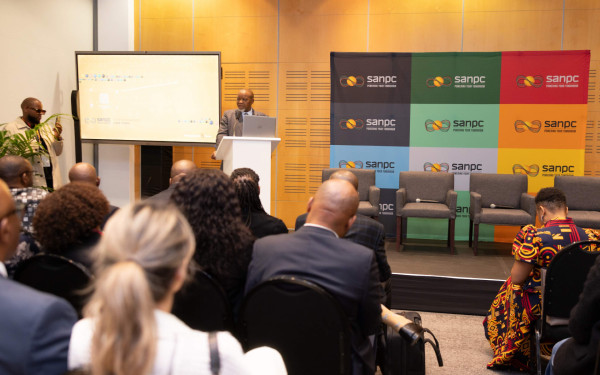
The newly-sanctioned South African National Petroleum Company (SANPC) kicked off its global investor roadshow at African Energy Week: Invest in African Energies on Thursday, inviting investors and governments to engage with South Africa's oil and gas prospects, while showcasing strategic plans for the new entity.

Speaking on the rationale behind the creation of the SANPC, South Africa's Minister of Mineral and Petroleum Resources, Gwede Mantashe, emphasized the need to rationalize and consolidate the country's many state-owned enterprises. The aim is to maximize efficiencies, streamline the sector, reduce costs and prioritize petroleum development as a catalyst for economic growth.

“The focus is to drive economic growth and development. We want it to grow – we want to get into fossil fuels. We must do it. [We want to] improve operational efficiencies, scale of market and market share,” said Minister Mantashe.

The SANPC operates under a broad mandate to acquire, generate, manufacture, market and distribute all forms of energy, including crude oil, natural gas, coal, renewable energy and biofuels. South Africa's extensive coal bed methane and shale gas resources were highlighted, including the gas-rich Karoo Basin and the Saldanha Bay gas-to-power project. The country also benefits from deep-sea ports, robust infrastructure and a favorable regulatory framework, with the potential to create synergies with nearby oil and gas producers such as Mozambique and Angola.

“We need to start thinking as a region instead of as countries,” said Godfrey Moagi, CEO of SANPC.

South Africa's refining capabilities were also emphasized as a critical priority, with enhancing the country's liquid fuels security identified as a matter of national security and strategic interest. The SANPC stated that in 2024, South Africa is expected to import 70% of its manufactured liquid fuel needs.

“This has put the country at risk, and we are dealing with issues of security of supply. We need to prioritize commercial sustainability for the entire CEF Group to drive economic recovery,” said Moagi. “In South Africa, we import $2.5 billion of crude oil and products. The SANPC is going to change this, so that South Africa looks differently.”

“[Reviving] refining capacity reduces the risk on petroleum supply. We must cushion it with our own refining capacity,” said Minister Mantashe.

Following its formation in 2024, the SANPC will enter its second phase of operationalization in 2025, which includes forming strategic partnerships and alliances, operationalizing its assets, and optimizing its business and service model. Starting in 2026, the company plans to enter its growth phase, deploying an integrated “New Energy” growth strategy, developing and optimizing assets, expanding its portfolio, diversifying revenue streams and advancing its technology and innovation strategy.

The SANPC will host a series of upcoming roadshows spanning Africa, Europe and the Middle East, organized by Energy Capital & Power.

Distributed by APO Group on behalf of African Energy Chamber.

Media files
African Energy Chamber
Download logo
Read moreSANPC Launches Global Investor Roadshow
10 November 2024

Limpopo Premier welcomes R120bn in investment pledges

Location: News

Limpopo Premier welcomes R120bn in investment pledges

Limpopo Premier, Dr Phophi Ramathuba, has welcomed the R120 billion in pledges made at the province’s fourth investment conference. 

The conference was held last week in Polokwane.

“We extend our heartfelt thanks to the business sector and all industry leaders, who have partnered with us to uplift our province. 

“These pledges are an important step in transforming Limpopo’s economic landscape, and we are confident that this partnership will bring substantial benefits to the people of Limpopo, who need access to enhanced services and opportunities,” Ramathuba said. 

In a statement after the conference, the provincial government explained that the pledges will propel the province’s development goals.

“The pledged investments are aimed at fueling priority areas for Limpopo’s development, including green energy initiatives, critical infrastructure projects and catalytic ventures that will stimulate industrial growth and support the establishment of industrial parks. 

“These projects are expected to create numerous jobs, ranging from short-term positions to full-time employment opportunities, significantly impacting local communities.

“Implementation of projects funded by these pledges will commence on 24 November 2024 and continue through October 2025. This commitment from the business sector shows the strong support for the province’s seventh administration and its focus on sustainable development and economic resilience,” the statement read. – SAnews.gov.za

NeoB
Sun, 11/10/2024 - 09:45

232 views
Read moreLimpopo Premier welcomes R120bn in investment pledges
10 November 2024

Eskom spending less on diesel

Location: News

Eskom spending less on diesel

Eskom has spent at least 70% less year-on-year on diesel compared to the same period last year - equating to savings of more than R14 billion.

This as the power utility has maintained no load shedding for more than seven months.

“Load shedding has been suspended for over seven months (226 consecutive days) since 26 March 2024. Eskom continues to focus on maximising efficiencies from the investments made in the Generation Recovery Plan. 

“This has resulted in year-on-year diesel savings of R14.6 billion, approximately 70.3% less than the R20.8 billion spent during the same period last year. Further savings are expected in the coming weeks and months due to the improved performance of the coal fleet,” the power utility said.

Furthermore, Eskom has recorded a “significant decrease” in unplanned outages at power stations – allowing the power utility to do planned maintenance.

“Over the past seven days, the average total unplanned outages have been 10 127MW, a significant decrease from 16 892MW during the same period last year, representing a reduction of 6 765MW. 

“This ongoing improvement in reducing unplanned outages enables Eskom to carry out more planned maintenance activities and ensures that more generation capacity is available to meet the country’s electricity demand,” Eskom said.

The Energy Availability Factor (EAF) has also seen an increase to 63.1% for the year to date, with at least four power stations reaching an EAF of over 70%

“Eskom is well-capacitated to meet the electricity demand. 

“By Monday evening, an additional 4 050MW is expected to return online, with four units on cold reserve this weekend to manage the supply and demand balance,” the power utility said.

Eskom said although it continues to produce sustained improvements, there are overloading challenges in certain areas.

“Eskom continues to face network overloading issues in certain local areas due to illegal connections, vandalism, meter tampering, unauthorised network operations, theft of network equipment, and purchasing electricity from unlicensed vendors.

“To prevent public safety hazards and the risk of network overloading, which can lead to load reduction measures and extended unplanned power outages, Eskom strongly urges customers to avoid illegal connections, as this can negatively impact the entire local community. 

“It is also essential for customers to ensure they purchase electricity only from authorised vendors,” the power utility explained.

Consumers are urged to report any illegal activities to the Eskom Crime Line at 0800 112 722 or via WhatsApp at 081 333 3323. – SAnews.gov.za

NeoB
Sun, 11/10/2024 - 11:54

114 views
Read moreEskom spending less on diesel
10 November 2024

Shale Gas Is Back on the South Africa Menu, Says Mantashe

Location: News
African Energy Chamber

South Africa's Minister of Mineral and Petroleum Resources Gwede Mantashe on Thursday reiterated that the country was committed to developing its oil and gas sector, despite external pressures to transition to a greener economy.

Speaking at African Energy Week: Invest in African Energies 2024, in Cape Town, Mantashe noted that with President Cyril Ramaphosa assenting to the Upstream Petroleum Resources Development Bill, which seeks to accelerate petroleum exploration and development and includes provisions to address unconventional gases like shale gas, South Africa was well on its way to become a competitor in the international oil and gas space.

“While we are getting pinned down not to take these steps, we needed to [explore oil and gas], lift the moratorium on shale gas, as we are still a developing economy. Whether we lifted the moratorium or not, critics would always be there. Gas is described as a transitional technology . . . and is part of the green transition,” he stated.

Earlier this year, Mantashe invited written comments on his intention to investigate the Karoo Basin through large-scale land seismic and airborne surveys to explore for oil and gas that may lie below the ground. The surveys aim to assess geological risks and examine whether there are enough resources to justify extraction.

“[These projects] will improve our gross domestic product by 8%,” he said, noting that across the border in Namibia and Mozambique there have already been significant economic turnarounds with the discovery and development of oil and gas.

Meanwhile, Mantashe emphasized the need to balance economic development with climate change initiatives. “Development and environmental stewardship must coexist . . . and we must responsibly manage natural resources. Mine responsibly, drill responsibly, protect the climate, indigenous plants and land, but don't stop developing. If you stop that, you will have consequences further down the line,” he noted.

Mantashe further noted that he did not expect to see South Africa move away from coal-fired power stations by 2030. “Not in my lifetime,” he said, adding that the country can transition into new technologies, but it should “never dismantle old technologies. I am a great believer of mixed technologies [and with coal we have] a very strong base load technology.”

Distributed by APO Group on behalf of African Energy Chamber.

Media files
African Energy Chamber
Download logo
Read moreShale Gas Is Back on the South Africa Menu, Says Mantashe
10 November 2024

Local Manufacturing Key to Advancing Green Technologies

Location: News
African Energy Chamber

The African continent is developing promising green technologies to address energy access disparities and to foster economic growth. Its countries should take an active role in local sustainable energy solutions, rather than merely being consumers of these technologies.

At a dedicated panel session at African Energy Week: Invest in African Energies 2024, panelists emphasized the need for countries already producing oil and gas to utilize local energy resources for the purposes of enhancing value and meeting domestic needs, particularly for secluded and rural areas that do not have access to energy on the grid. They agreed that green technology and innovation could not be advanced without significant investments in local capacity, particularly in manufacturing and grid infrastructure.

Moderated by S&P Global Head of Energy Transition, Ashutosh Singh, panelists of the Advancing Green Technology and Innovation in Africa session further agreed that while renewable energy may not create immediate large-scale jobs, strategic planning by policymakers could lead to millions of new opportunities as the sector evolves.

James White, CEO of Comet Energy, highlighted that legislative barriers also exist in many African nations. In South Africa, for instance, larger solar installations connected to the grid need a generation license from National Energy Regulator of South Africa (NERSA). This, White believes, adds an additional layer of complexity and can deter potential investors or developers from pursuing solar projects.

Although recent amendments to policies have raised the threshold for embedded generation projects without a license to 100 MW, navigating these regulations still poses significant challenges, he noted. “We also need to look at developing local supply chains, which are needed to further drive down costs and improve accessibility to technologies,” he said.

Dennis Bauer, Senior Executive Energy Transition Advisor, Neuman & Esser discussed the potential of hydrogen as key to Africa's energy transition.

By 2035, more than 50 million tons per year of cost-competitive green hydrogen can be produced on the continent by blocks in Morocco, Egypt and South Africa. However, Bauer emphasized that localized supply chains are necessary to support these developments. “Developing local manufacturing capabilities for battery components and other technologies can significantly reduce costs and enhance sustainability,” he said.

The panel discussion also touched on advancements in solar technology, noting improvements in efficiency and flexibility that can facilitate deployment in remote areas.

CEO of South African National Energy Development Institute (SANEDI), Dr Zwanani Titus Mathe, stressed the importance of learning from successful models surrounding new green technologies, like China's investment in research and development (R&D).

“We need to establish centers of competence across Africa focused on R&D, manufacturing and skills development to position the continent as a leader in green technology. As African nations commit to investing in green innovation, collaboration among governments, businesses, and communities is also essential,” he said.

Director of International Relations at IFP Energies nouvelle (IFPEN), Dr Said Nachet, concluded that Africa has the potential to lead in green technology. “By harnessing local resources and fostering innovation, the continent can emerge as a hub for green technology and sustainable energy solutions,” he said.

Distributed by APO Group on behalf of African Energy Chamber.

Media files
African Energy Chamber
Download logo
Read moreLocal Manufacturing Key to Advancing Green Technologies
10 November 2024

Africa’s Energy Infrastructure Can Only Succeed with Enhanced Transmission

Location: News
African Energy Chamber

As the demand for electricity continues to rise across the African continent, it is imperative for countries to act swiftly to enhance transmission capabilities and develop robust infrastructure to secure new energy integration sources over the next 25 years.

A recent report by consulting firm McKinsey & Company estimates that $400 billion will be required to enhance electricity transmission and distribution capacity across Africa by 2050. This investment is critical for modernizing energy infrastructure and ensuring energy security for the continent.

During a panel discussion titled ‘Optimizing Africa's Grid Capacity' at the African Energy Week: Invest in African Energies 2024 conference, Eskom's Transmission Group Executive, Segomoco Scheppers, highlighted the potential of the Electricity Regulation Amendment Act 38 of 2024 for South Africa and its neighboring countries.

This legislation will facilitate the establishment of a market operator in South Africa, creating opportunities for diverse players in the energy sector. “This shift signifies a transformative period in our industry as we adapt to new market dynamics,” he stated.

Despite having interconnections of 400 kV with neighboring countries, Scheppers acknowledged existing challenges. “Strengthening these connections is essential for enhancing regional cooperation and ensuring a reliable energy supply across borders. The reliance on thermal generation in the south, particularly to support countries like Zambia, underscores the need for stronger interconnections,” he explained.

Eskom is further embarking on an extensive domestic expansion program aimed at rapid development – an endeavor that also presents significant challenges. “Learning from global leaders in infrastructure development, particularly from experiences in China, could provide valuable insights into scaling our efforts efficiently,” Scheppers added.

Wang Wenan, Chief Representative, African Representative Office at the State Grid of China, discussed the successful completion of major projects, including the largest long-distance transmission project on the continent — a 500 kV DC line from Ethiopia to Kenya.

However, he noted that fostering private participation in energy projects remains a primary obstacle. “Engaging in dialogues about investment barriers and sharing best practices is crucial for unlocking potential growth in Africa's energy sector,” he emphasized.

Also speaking on the panel, Willy Ireri, Executive Director of Osprey Renewables, highlighted that while East Africa has abundant renewable resources such as wind, solar, and geothermal energy, access to reliable transmission infrastructure in this region also remained a critical challenge. “We are therefore committed to collaborate with state utilities and private investors to ensure that generated electricity reaches emerging green industries in the region,” he said.

With favorable legislation for private investment in transmission expected to be operational by 2025, Osprey Renewables aims to play a vital role in facilitating access to renewable energy for consumers.

“Our mandate at Osprey extends beyond generation; we actively engage across the entire value chain and we are seeing growing interest in green manufacturing and hybrid data centers,” Ireri added, noting that the Kenyan government has initiated proposals inviting independent transmission projects, signaling a positive shift toward increased private sector participation.

Power and Grid Segment President at Schneider Electric, Gary Lawrence, highlighted that a modernization of power grids was also needed. “The traditional grid was designed over a century ago for one-directional flow; today's needs require a bidirectional grid that allows seamless interaction between producers and consumer.”

The industry is balancing supply and demand effectively through initiatives such as collaborating with Egypt's Ministry of Electricity and Renewable Energy to develop distribution control centers that enhance grid intelligence and implementing distributed energy management systems in South Africa.

Distributed by APO Group on behalf of African Energy Chamber.

Media files
African Energy Chamber
Download logo
Read moreAfrica’s Energy Infrastructure Can Only Succeed with Enhanced Transmission
9 November 2024

Walking Joburg’s Biggest Baddest River: Boerboels and Cable Thieves

Location: News

Day 2 on the Klip River: Riverlea to Soweto

Read moreWalking Joburg’s Biggest Baddest River: Boerboels and Cable Thieves
8 November 2024

Africa’s Mineral Wealth and Path to Economic Transformation Showcased at CMA 2024

Location: News
Energy Capital & Power

Africa's holds significant reserves of minerals critical for the global energy transition. The continent boasts roughly 30% of the world's mineral reserves, including immense deposits of cobalt, manganese, natural graphite, copper, nickel, lithium and iron ore.  

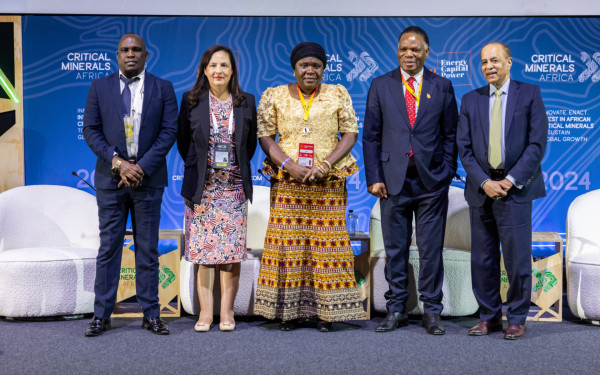
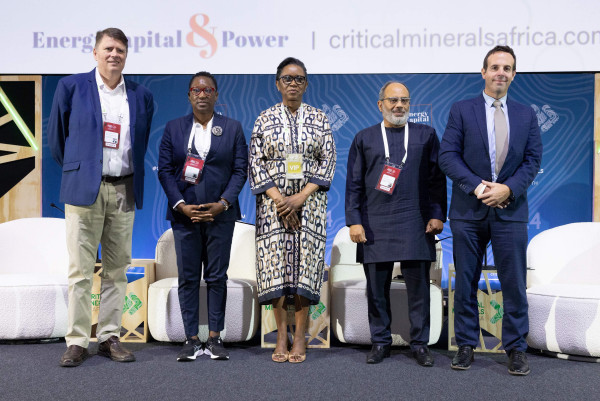
As such, this year's Critical Minerals Africa (CMA) 2024 Summit – held from November 6-7 in Cape Town – convened industry leaders, policymakers, service providers and investors to address the urgent demands of Africa's critical mineral value chain. The Summit featured a robust agenda that sought to shine a spotlight on opportunities for Africa to accelerate its mining sector while utilizing its natural resources to promote value addition and drive socioeconomic development. 

CMA 2024 featured a Ministerial Forum that included the participation of mining ministries from Eswatini, Malawi and Argentina, as well as representatives from Tanzania. High-level speakers during the forum showcased a number of projects aimed at maximizing mineral production while discussing how to leverage mineral resources to promote economic growth and sustainability. 

The Republic of Malawi's Minister of Mining Monica Chang'anamuno highlighted several ongoing projects in the country, such as the Kasongo Initiative, which aims to increase the production of rare earth metals, graphite and lithium resources. 

Meanwhile, Eswatini's Minister of Natural Resources and Energy Prince Lonkhokhela announced ambitious targets to raise to the contribution of the country's mining sector to its GDP. With aims to increase the share from 1% to 50% in the short- to medium-term, the strategy is supported by new surveys revealing commercial deposits of lithium, copper, cobalt and other base metals.  

To bolster investment in mid- and downstream infrastructure, the Summit also featured the participation the President of the Chamber of Mines of Zimbabwe Thomas Gono, who stated, “Historically, we exported raw materials, missing out on the potential benefits. With Africa's young workforce, we now have an opportunity to drive revenue and create jobs through skills development and local beneficiation.” 

With the participation of Tanzania's Chamber of Mines, it was announced that the country aims to expand exploration in critical mineral-rich basins from 16% to 50% as part of a strategic push into rare earths, lithium and tanzanite production. Meanwhile, Zambia's Chamber of Mines discussed ongoing strategies aimed at helping the country address logistics and energy deficit challenges in the mining sector. 

The Summit featured a panel discussion with high-level representatives from mining companies and development institutions including Pensana, the Africa Policy Research Institute and the U.S. Development Finance Corporation. The panel also featured the participation of Clifford Chance, Frost & Sullivan and Chatham House and explored how regional initiatives – such as the Lobito Corridor – have the potential to fast-track Africa's critical minerals market expansion.  

An Investment Forum held during the Summit showcased innovative financing measures to advance the flow of capital across the African market. The session featured representatives from finance institutions the World Bank, ABSA, Moshe Capital, the African Finance Corporation and ASAFO & Co. 

Additionally, midstream and downstream opportunities were showcased during a panel session that featured the participation of organizations such as Orion Minerals, AZ Arnaturen, Women in Green Hydrogen, Isondo Previous Metals and the Southern African – German Chamber of Commerce and Industry. The panel also featured representatives from Konrad Adenauer Stiftung, the SA-DRC Chamber of Commerce, the Curtin Institute for Energy Transition, the Electric Mobility Association of Kenya and the Congolese Battery Council. 

At CMA 2024, research firms including Rystad Energy, Moore Global and Project Blue presented insights on market trends in the global mining industry, while Tronic Metals, Tanzania's State Mining Corporation and South Sudan's state-owned Nilepet provided updates on their activities across the mining value chain. 

A Leaders Forum during the Summit featured the participation of international mining companies Glencore DRC and KoBold Metals as well as representatives from the University of Cape Town and the Minerals Council of South Africa. The forum showcased how governments across Africa can promote innovation in the continent's mining space to attract new investment and increase critical minerals production to drive socioeconomic and GDP growth.  

Distributed by APO Group on behalf of Energy Capital & Power.

Media files
Energy Capital & Power
Download logo
Read moreAfrica’s Mineral Wealth and Path to Economic Transformation Showcased at CMA 2024
8 November 2024

Mining Ministers Present Critical Mineral Expansion Strategies at CMA

Location: News

Energy Capital & Power
Download logo

The second day of the Critical Minerals Africa (CMA) Summit began with a Ministerial Forum, where mining ministers from Eswatini, Malawi, Argentina and representatives from Tanzania highlighted initiatives to advance the mining sector.

HRH Prince Lonkhokhela, Minister of Natural Resources and Energy for the Kingdom of Eswatini, described mining as a foundational pillar of economic growth for the country.

“Our recent high-resolution aerial survey has indicated the presence of copper, nickel and cobalt in the western regions, along with lithium and tantalum in the south,” he stated.

Eswatini is developing a Critical Minerals Strategy in collaboration with the Commonwealth Group, slated for completion by mid-next year, according to the minister.

Lonkhokhela stated that Eswatini is revamping its regulations to align with neighboring nations such as Mozambique and South Africa, aiming for knowledge sharing, resource pooling and regional cooperation on value addition.

Monica Chang'anamuno, Minister of Mining for the Republic of Malawi, emphasized the need for Malawi and Africa to align with the global conversation on critical minerals and the energy transition to seize emerging opportunities.

Chang'anamuno highlighted Malawi's vision to diversify its agriculture-dependent economy through its Agriculture, Tourism and Mining Strategy, prioritizing critical minerals as a driver of growth.

Malawi currently has several rare earth and lithium projects, including the Kasongo rare earth project, which employs 1,200 people, with plans to engage up to 10,000 throughout its lifespan, according to the Minister.

Malawi also discovered one of the world's largest lithium deposits, in partnership with a Korean firm and Rio Tinto, the Minister told delegates at CMA. Additionally, the nation aims to double its energy production to 1,000 MW by next year, with 232 MW allocated to support mining operations.

Maria Alejandra Vlek, Minister of Economic and Commercial Section of Embassy of Argentina in South Africa, highlighted the country's significant lithium potential, holding 22% of global lithium resources, with 180 critical mineral projects currently underway.

She said the country is deploying some 50 lithium projects, including an $800 million lithium facility, and seeks to leverage expertise and investment from African mining countries such as South Africa.

Venace Mwasse, Director of Tanzania's State Mining Corporation, stated “We are aware of the need to reduce emissions through critical mineral production and are committed to ensuring this while benefiting our communities.”

He added that only 16% of Tanzania's land has been surveyed, with a target to reach 50% as part of the country's Vision 2030 Strategy.

Distributed by APO Group on behalf of Energy Capital & Power.

Read moreMining Ministers Present Critical Mineral Expansion Strategies at CMA
8 November 2024

Upstream Players Highlight Innovative Financing Critical Mineral Projects at CMA

Location: News
Energy Capital & Power

Players within Africa's energy transition sector highlighted innovative financing mechanisms which can help drive the industry maximize value addition and beneficiation to local economies during the Leaders Forum at Critical Minerals Africa Summit on Thursday.

Marie-Chantal Kaninda, President, Glencore DRC announced that the firm contributed approximately $1 billion in revenue for the Democratic Republic of Congo (DRC) through royalty taxes in 2023.

She said the firm invested in processing facilities at two of its operational mines in the DRC (https://apo-opa.co/3AvKgjI) to enhance value addition of copper and cobalt resources.

“We export hydroxide cobalt, which is an intermediary product, and produce copper cathodes ready for cable manufacturing,” Kaninda explained, adding that 95% of Glencore's workforce in the DRC is sourced locally, with many employees holding senior positions.

Speaking on the challenges facing Africa's mineral value addition efforts, Carlos Lopes, Professor at the Nelson Mandela School of Public Governance, University of Cape Town, noted that a lack of adequate funding is a primary barrier.

Despite Africa's GDP having doubled since 2000, he said, the continent is still perceived as a high-risk market by some investors. Lopes called for innovative local financial solutions to meet capital needs for value-addition projects.

“Africa pays the world's highest interest rates, yet our potential is undervalued. We must be strategic in policy-making to fully capitalize on our resources,” he stated, emphasizing the drawbacks of exporting raw minerals for overseas processing.

Mfikeyi Makayi, CEO of KoBold Metals, underscored the role of innovation in reducing the high costs associated with critical mineral exploration and value addition. She highlighted the company's AI-enabled exploration efforts backed by Silicon Valley investment, stating, “With 60 projects across 40 countries, including flagship initiatives in Zambia and new ventures in Namibia and Botswana, we're focused on leveraging digital mining solutions to drive industrialization across the continent.”

Makayi added that the data generated through digital mining is vital for attracting investment and creating a more competitive and inclusive sector.

Sietse van de Woude, Senior Executive of Modernization and Safety at the Minerals Council South Africa, discussed the Mandela Mining Precinct initiative, a public-private partnership designed to fund and support mining sector innovation.

“Innovation is essential for critical minerals mining,” van de Woude said, adding that the initiative offers a platform for industry stakeholders to share best practices and collaborate on advancing operational efficiency and safety.

Distributed by APO Group on behalf of Energy Capital & Power.

Media files
Energy Capital & Power
Download logo
Read moreUpstream Players Highlight Innovative Financing Critical Mineral Projects at CMA
8 November 2024

Nersa Publishes Eskom’s Proposed Tariff Changes

Location: Business

Friday, 08 November 2024: The National Energy Regulator of South Africa (NERSA) has published Eskom’s proposed Retail Tariff Plan for public consultation detailing changes to its tariff charges and rates. The primary goal is to ensure that customers only pay for the costs they incur. The proposed tariff changes aim to support an evolving electricity...

Read moreNersa Publishes Eskom’s Proposed Tariff Changes
8 November 2024

Five Winners of the 2024 Earthshot Prize Unveiled at Awards Ceremony in Cape Town

Location: News

MultiChoice Group
Download logo

  • Advanced Thermovoltaic Systems, High Ambition Coalition for Nature and People, Keep IT Cool, Altyn Dala Conservation Initiative and Green Africa Youth Organization (GAYO) revealed as 2024 Earthshot Prize Winners during star-studded ceremony broadcast live across 50 African countries
  • Each Winner to receive £1 million to accelerate and scale the impact of their innovative environmental solutions
  • Calls for nominations for the 2025 Earthshot Prize are now open

​Last night, the five 2024 Earthshot Prize Winners were announced at a star-studded awards ceremony in Cape Town, South Africa, hosted by Emmy, Grammy and Tony Award winner Billy Porter and award-winning television presenter Bonang Matheba. The 2024 Winners, selected from this year's 15 Earthshot Finalists, will be awarded £1 million each to accelerate and scale their game-changing environmental solutions.

Following a rigorous selection process focused on identifying impactful, inspiring and inclusive environmental solutions, the five Winners are:

  • Fix Our Climate: Advanced Thermovoltaic Systems
  • Revive Our Oceans: High Ambition Coalition for Nature and People
  • Build a Waste-Free World: Keep IT Cool
  • Protect and Restore Nature: Altyn Dala Conservation Initiative
  • Clean Our Air: Green Africa Youth Organization (GAYO)

 Speaking during the Awards Ceremony, Prince William said:

“I believe our world can be rich in possibility, in hope, and in optimism. That is why The Earthshot Prize exists. To champion the game-changers, the inventors, the makers, the creatives, the leaders; to help them build upon the amazing things they've already achieved; to speed their innovations to scale and to inspire the next generation to create the future we all need."

Descriptions of the five Winners, by category:

WINNER for Fix Our Climate:

Advanced Thermovoltaic Systems (https://apo-opa.co/48EySP6), USA
Nominated by: Herbert Smith Freehills LLP

Advanced Thermovoltaic Systems (ATS) has developed a simple, safe and scalable technology to capture waste heat and convert it into electricity, offering a game-changing solution for heavy industries like cement and steel production. These industries require extremely high temperatures, which generate vast amounts of waste heat that is typically lost. ATS's technologies have the potential to save gigatonnes of CO2.

“At ATS, we are proud to lead the way in converting this waste into clean, usable electricity.  Winning the 2024 Earthshot Prize underscores the transformative potential of our technology. Tonight is a key moment for us as we focus on scaling up production in larger manufacturing facilities.” – Kelly Adams, CEO, Advanced Thermovoltaic Systems.

WINNER for Revive Our Oceans:

High Ambition Coalition for Nature and People (https://apo-opa.co/3AxM7Ew), Global
Nominated by: Campaign for Nature

A groundbreaking alliance of 119 countries with the ambitious goal to protect 30% of land and oceans by 2030, High Ambition Coalition identifies technical, financial and knowledge gaps and connects governments with technical assistance and funding. They've already achieved a major milestone with the adoption of the “30×30” target in the 2022 UN Global Biodiversity Framework.

Rita Maria El Zaghloul, Director, High Ambition Coalition for Nature and People said, “On behalf of the alliance, we are deeply humbled to be a Winner of this year's Earthshot Prize. Today's award validates the hard work and dedication of all involved in the 30x30 initiative and fuels our excitement and determination to protect 30 percent of the world's land and oceans by 2030. Together, we can achieve a more sustainable and biodiverse future.”

WINNER for Build a Waste-Free World:

Keep IT Cool (https://apo-opa.co/3AAGjdr), Kenya
Nominated by: Draper Richards Kaplan Foundation, Katapult Ocean

Keep IT Cool (KIC) addresses the challenge of food spoilage by providing sustainable, localized refrigeration systems that help small farmers and fishers preserve their produce. By installing solar-powered cold storage units where fish are landed, KIC significantly reduces spoilage and waste by ensuring the catch stays fresh and managing its transport to market. With plans to grow into East Africa and beyond, KIC is now working to expand their activities in poultry, fruit and vegetables and aims to bring their solution to more communities.

Francis Nderitu, Founder and Managing Director of Keep IT Cool said, “We are on a mission to revolutionise the food supply chain in East Africa. We are grateful for the recognition from The Earthshot Prize, and it is an important milestone for Keep IT Cool. We will continue to enhance market access, reduce waste and build climate resilience for small-scale fish and poultry farmers throughout the region.”

WINNER for Protect and Restore Nature:

Altyn Dala Conservation Initiative (https://apo-opa.co/3NWG3Zk), Kazakhstan
Nominated by: United Nations Environment Programme

Altyn Dala Conservation Initiative has achieved the almost unprecedented feat of saving the critically endangered Saiga antelope from extinction. This mission has grown into one of the world's largest conservation projects and is focused on protecting and restoring Kaakhstan's Golden Steppe, one of the world's least protected natural ecosystems.

Vera Voronova, Executive Director, Altyn Dala Conservation Initiative said, “We are thrilled to be receiving the 2024 Earthshot Prize for Protect and Restore Nature. Altyn Dala demonstrates that when governments and civil society work together with a shared vision, we can achieve remarkable results. The restoration of the Saiga antelope population and the revival of the Central Asian steppe are not just triumphs for wildlife but for the local communities that depend on these ecosystems.”

WINNER for Clean Our Air:

GAYO, Green Africa Youth Organization (https://apo-opa.co/3NVrpSe), Ghana
Nominated by: Clean Air Fund

A youth-led, gender-balanced organisation, GAYO uses its “Zero Waste Model” to drive behavioural change in waste management practices across Africa that cut greenhouse gas emissions and particle pollution, while also bringing additional income to communities. Their goal is to reduce greenhouse gas emissions and particle pollution in Ghana by 70%, compared to open burning, as well as divert a total of 4,000 tonnes of waste by 2030. GAYO's plans to scale would make them the leading model for waste management on the continent.

Desmond Alugnoa, Co-Founder of the Green Africa Youth Organization (GAYO) said, “We are incredibly honored to be winning the Prize, which is a testament to the power of community-driven solutions and the importance of empowering those most affected by climate challenges. Our work in Ghana demonstrates that sustainable waste management isn't just a possibility—it's a necessity. The recognition by The Earthshot Prize fuels our commitment to replicating these models across Africa, proving that local solutions can have global impacts.”

The five Winners of the 2024 Prize cohort were selected by Prince William and The Earthshot Prize Council, a diverse group of experts, advocates and individuals dedicated to championing urgent and innovative action to protect our planet. The Earthshot Prize Council is chaired by The Earthshot Prize Board of Trustees Chair, Dame Christiana Figueres, architect of the Paris Agreement.

Members of The Earthshot Prize Council include: His Royal Highness Prince William, Her Majesty Queen Rania Al Abdullah, José Andrés, Sir David Attenborough, Cate Blanchett, Ernest Gibson, Hindou Oumarou Ibrahim, Wanjira Mathai, Stella McCartney, Nemonte Nenquimo, Luisa Neubauer, Indra Nooyi, Dr. Ngozi Okonjo-Iweala and Naoko Yamazaki.

In addition to the five £1 million prizes supporting the growth of Winners' solutions, each of the 15 Earthshot Prize Finalists will receive dedicated mentorship, resources and technical support through the year-long Earthshot Prize Fellowship Programme.

That support includes access to the Prize's robust network of influential experts and partners, including The Earthshot Prize's Global Alliance of Partners (https://apo-opa.co/4fh0E6D), comprised of some of the world's largest businesses, donors, investors and environmental organisations committed to climate action.

Finalists will also have access to Launchpad (https://apo-opa.co/3O1bhi2), Earthshot's bespoke online finance platform to matchmake Earthshot solutions to a growing community of members made up of mission-aligned donors and investors seeking to speed proven environmental solutions to scale.

The Earthshot Prize is already gearing up for the 2025 Earthshot Prize. Nominations for the Prize's fifth cohort of innovative solutions and entrepreneurs are now open.

If you missed last night's spectacular live event you can watch repeat broadcasts of the star-studded ceremony from 07 November on DStv Catch Up, Showmax, and on multiple DStv channels across Africa from 08 November. Check your local television schedules for more details.

Distributed by APO Group on behalf of MultiChoice Group.

NOTES FOR EDITORS:
Follow The Earthshot Prize on:  

Instagram: https://apo-opa.co/3UKashj
Twitter: https://apo-opa.co/4fEHeZ8
LinkedIn: https://apo-opa.co/3AA6uB4
Facebook: https://apo-opa.co/3YU9tNY
YouTube: https://apo-opa.co/3UGroFo
TikTok: https://apo-opa.co/4fFj00P

About The Earthshot Prize:
Founded by Prince William and incubated in the The Royal Foundation in 2020 for a year before becoming an independent platform/organisation, The Earthshot Prize is a global environmental prize and platform designed to discover, accelerate and scale ground-breaking solutions to repair and regenerate the planet. Inspired by President John F. Kennedy's Moonshot, which united millions of people around the goal of reaching the moon, The Earthshot Prize aims to catalyse an Earthshot challenge to urgently encourage and scale innovative solutions that can help put the world firmly on a trajectory towards a stable climate, where communities, oceans and biodiversity thrive in harmony by 2030. The five challenges are: Protect and Restore Nature; Clean Our Air; Revive Our Oceans; Build a Waste-Free World; and Fix Our Climate.

The Prize aims to turn the current pessimism surrounding environmental issues into optimism by championing inspiring leadership and helping to scale incredible cutting-edge solutions. It will discover 50 winners over 10 years with the power to repair the planet. More than an award, The Earthshot Prize works in partnership with a Global Alliance of Partners to support the scaling of the solutions discovered and selected each year.

The Global Alliance Founding Partners are a group of leading global organisations and philanthropists, which act as strategic funding partners to the Prize, including Aga Khan Development Network, Bezos Earth Fund, Bloomberg Philanthropies, Breakthrough Energy Foundation, Coleman Family Ventures, DP World in partnership with Dubai EXPO 2020, Eleven Eleven Foundation, Giving Grousbeck Fazzalari, Holch Povlsen Foundation, Jack Ma Foundation, Law Family Charitable Foundation, Mastercard Center for Inclusive Growth, Marc and Lynne Benioff, Paul G. Allen Family Foundation, Rob Walton Foundation, Sandy and Paul Edgerley, Standard Chartered Bank, Temasek Trust, and Uber.

Global Alliance Partners are non-profit environment and sustainable development organisations that bring expertise, global reach and serve as nominating organisations each year. For a full list of our Global Alliance Partners, visit: https://apo-opa.co/4fh0E6D.

Global Alliance Members are some of the world's largest and most influential companies and brands that will support The Earthshot Prize, implement ambitious changes within their businesses and accelerate the advancement of the solutions of Prize Finalists and Winners. They are Arup, Bloomberg L.P., Deloitte, Herbert Smith Freehills, Hitachi, Ingka Group (IKEA), Microsoft, The Multichoice Group, Natura &Co, Safaricom, Salesforce, Unilever, Vodacom Group, and Walmart.

For more information about The Earthshot Prize, visit: www.EarthshotPrize.org.

Read moreFive Winners of the 2024 Earthshot Prize Unveiled at Awards Ceremony in Cape Town
8 November 2024

Eskom, French development agency sign R125 million grant agreement

Location: News

Eskom, French development agency sign R125 million grant agreement

Eskom and Agence Française de Développement (AFD) have signed a R125 million grant agreement to support the development of the power utility’s Tubatse Pumped Storage System (PSS) project.

The hydro storage system project is located in the Elias Motsoaledi Local Municipality in Limpopo and has been billed as a top priority project by the Infrastructure South Africa Programme.

Eskom Group Chief Executive (GCE), Dan Marokane, said the grant will provide South Africa and the power utility with another pathway to achieve its low carbon economy goals.

“Without large-scale facilities such as Tubatse, the management of intermittent power from renewable energy–wind and PV [photovoltaic] –would be very difficult without the kind of intervention that pump storage systems offer,” he said on Thursday.

The GCE added that the power utility has “developed a pipeline of more than 20 GW of clean energy projects to diversify its energy mix and reduce its emissions related to fossil fuel generation”. 

“Over the next three years we have an ambition to execute at least 2GW of these projects. The clean energy projects will consist of a diversified capacity mix of renewable energy solar PV and wind, hydro, gas, nuclear and pump storage,” Marokane said.

The power utility described the Tubatse Pumped Hydro Storage System as a “mega installation with a power generation capacity of 1.5 GW” with a storage capacity of 21 GWh.

“Large-scale storage and grid services such as these are necessary to accommodate the rapid development of renewable energy in South Africa, as planned through the Just Energy Transition (JET) Investment Plan.

“Eskom plans to develop the Tubatse PSS project as a Public-Private Partnership and will intend to procure the services of a Transaction Advisor to conduct a thorough Private Sector Participation feasibility study and business case in the first quarter of 2026. 

“This Transaction Advisor, to be financed by said grant funding, will support Eskom in procuring a private developer for the project’s implementation, which is scheduled for the 2025–2033 timeframe,” Eskom said.

Ambassador of the European Union to South Africa, Sandra Kramer, said of the grant agreement: “The partnership between Team Europe and South Africa continues to deepen. We are rolling out our Global Gateway investment programme in crucial areas such as the green energy transition. 

“The Global Gateway grant funding provided here today will further unlock the immense potential for renewable energy and support South Africa to realise its ambitions for a greener tomorrow”.

AFD’s Regional Director for Southern Africa and Country Director for South Africa, Audrey Rojkoff, added: “AFD’s funding to Eskom reaffirms our commitment to support Eskom’s efforts to diversify its energy mix and maintain energy security, which will ultimately strengthen its capacity to respond to the growing energy needs and economic growth of South Africa”. – SAnews.gov.za


NeoB
Fri, 11/08/2024 - 09:11

7 views
Read moreEskom, French development agency sign R125 million grant agreement
8 November 2024

Court Bid to Block TotalEnergies Gas Project off West Coast

Location: News

Fishers and activists want government to reverse environmental authorisation

Read moreCourt Bid to Block TotalEnergies Gas Project off West Coast
  • Previous
  • Page 1
  • Interim pages omitted …
  • Page 28
  • Page 29
  • Page 30
  • Page 31
  • Page 32
  • Interim pages omitted …
  • Page 82
  • Next

Copyright © 2026 · MyZA · All Rights Reserved · Powered by Stratlec Online