• Skip to main content
  • Skip to header right navigation
  • Skip to after header navigation
  • Skip to site footer
MyZA

MyZA

News, Directory, Events and Other Stuff

  • Social Media
  • Sport
  • World News
  • Home
  • Submit News
  • Directory
  • Events
  • Stratlec
  • TFSA
  • News
    • APO
    • Today’s Sport News
    • Todays Social Media and Tech Headlines
    • Today’s World News
    • Today’s SA Financial News
  • Contact
You are here: Home / Archives for growth

growth

17 January 2025

Government-Business Partnership reaffirms commitment to economic growth

Location: News

Government-Business Partnership reaffirms commitment to economic growth

The Government-Business Partnership has set an ambitious agenda for 2025, reaffirming its commitment to driving reforms, economic growth, and job creation. 

On Thursday, President Cyril Ramaphosa met with ministers and senior business leaders to solidify the partnership’s pledge to significantly grow South Africa's economy.

For 2025, the focus is on accelerating crucial reforms, operational improvements, and key interventions in energy, transport and logistics, crime and corruption, and youth employment. 

Building on the achievements of Phase 1 of the partnership, including the significant reduction in load shedding, the partners highlighted other milestones such as the promulgation of the Electricity Regulation Amendment Act (ERA) and the release of the Transnet Network Statement in December, as critical steps in driving economic transformation.

The successful full implementation of these interventions, alongside ongoing reforms through Operation Vulindlela, has the potential to lift Gross Domestic Product (GDP) growth above 3%, which is vital to addressing unemployment. 

South Africa needs to attract the substantial investment needed to help drive more robust and inclusive economic growth. However, the partners acknowledged the need for accelerated efforts to deliver on their ambitious plans.

The partnership is underpinned by principles of exceptional governance, clear role delineation between government and business, and a results-driven approach. 

As the host of the G20 summit, and the B20, South Africa aims to showcase this partnership as a model for successful public-private collaboration. It serves as a case study for leveraging business expertise and resources to advance government policy in areas requiring transformative reforms to boost economic growth.

Looking ahead, the partnership aims to craft a more optimistic narrative for "SA Inc," attract substantial investments, and drive inclusive economic growth and job creation. 

The partners emphasised the importance of seizing this moment to achieve meaningful progress and deliver tangible outcomes for the nation.

“As we begin what promises to be a momentous year, there is much progress to build on. We know that to achieve a goal of 3% economic growth will require an extraordinary effort, not just from this partnership but from all stakeholders and all South Africans. 

“This means we have to remain focused and purpose-driven and accelerate implementation. Together we are moving ever closer to the promise of a thriving and inclusive economy that meets the needs of all our people,” President Ramaphosa said. – SAnews.gov.za

DikelediM
Fri, 01/17/2025 - 09:35
51 views
Read moreGovernment-Business Partnership reaffirms commitment to economic growth
16 January 2025

Western Cape to hire 477 teachers for 2025 as number of learners increase

Location: News

Western Cape to hire 477 teachers for 2025 as number of learners increase

The Western Cape Education Department (WCED) has announced that the provincial department will fill 477 teaching posts this year to accommodate the increasing number of learners and the new schools opening this year.

“During my Adjustment Budget Speech in December 2024, I said that we would need to make provision for these new schools and new classrooms to have teachers and that we are considering all available options ahead of the 2025 school year. 

“I said that we would fight for our teachers, and we continue to do so,” said Western Cape Education MEC David Maynier. 

Through further budget reprioritisation, Maynier said the provincial department is now able to make up to 477 new “growth posts” available to schools. 

The annual 10th-day snap survey will confirm the number of additional learners in the system, and posts will be allocated to both new and existing schools that have accepted significant numbers of extra learners.

“While this decision will have further implications for our budget deficit, our new and existing schools must have the resources they need to accommodate additional learners in 2025,” Maynier said. 

The MEC stressed that the provincial education system continues to grow and that they are taking steps to accommodate the increase in learner numbers this year, despite severe budget constraints.

To create more space for learners, the provincial department is working to complete nine new schools and 265 additional classrooms in total for learners in the 2025 school year. 

This includes six new schools and 180 classrooms for January 2025.

Meanwhile, the WCED has cut over 2 000 teaching posts due to a R3.8 billion budget shortfall.

First day of school

On Wednesday, Western Cape Premier Alan Winde and the MEC visited Timour Hall Primary School in Plumstead to welcome learners to the 2025 school year. 

The province has over 1.2 million learners in public schools this year, with 107 000 Grade 1s entering “big school” for the first time, and 100 000 Grade 8s starting their high school career.

Winde told Grade 1s and their loved ones that it was alright to be a bit nervous on their first day of school but assured them that there is always someone to help them. 

“Do not be afraid to ask for help. If you put in the effort, you will reap the rewards. However, at the same time remember to also make time to have some fun too. By creating a balance between your schoolwork and playtime you will be able to achieve so much more.” 

The Premier also thanked the parents and caregivers for prioritising their child’s education. 

“Succeeding at school is not just up to our learners, it is about the community of care that they receive from you, our communities, and of course our dedicated teachers, principals, and the whole team that supports education in this province. This province’s success and our commitment to driving economic prosperity and more jobs in the future continues with these learners who start school today,” he said. 

Admissions

As of 14 January 2025, the province has allocated places for 118 914, or 98%, of the learners for whom applications were received for Grades 1 and 8 for the 2025 school year by 31 December 2024.

Placement is in progress for 2 478, or 2%, of Grade 1 and 8 learners.

However, since the start of the year, new extremely late applications have been received for over 300 Grade 1 and 8 learners for the current school year.

“We understand that this is a stressful and anxious period for parents who are waiting for a place, and we are asking parents to work with us as we try to accommodate their children as soon as possible.

“We urge any parent who has not yet applied for the 2025 school year to do so immediately at their education district office.”

The district office details are available at https://wcedonline.westerncape.gov.za/admissions-officials. – SAnews.gov.za


Gabisile
Thu, 01/16/2025 - 11:27

243 views
Read moreWestern Cape to hire 477 teachers for 2025 as number of learners increase
16 January 2025

WEF meeting a ‘golden opportunity’ for South Africa

Location: News

WEF meeting a 'golden opportunity' for South Africa

This year’s World Economic Forum (WEF) Annual Meeting to be held in Davos, Switzerland, will be significant for South Africa, particularly as the country takes its spot at the forum bearing the Presidency of the Group of 20 (G20).

This is according to Finance Minister Enoch Godongwana, who addressed the pre-WEF breakfast session held in Sandton on Thursday.

The WEF annual meeting will be held from 20 January, with several Ministers, civil society and business leaders from South Africa expected to attend.

“This year’s WEF is particularly significant for South Africa. For the first time in many years, the President of the Republic, His Excellency Cyril Ramaphosa, will lead the South African delegation. This presents a golden opportunity to not only strengthen South Africa’s visibility on the world stage, but to also profile our G20 Presidency. 

“Under the theme of Solidarity, Equality and Sustainability, our G20 Presidency reflects the essence of South Africa’s vision for global leadership,” Godongwana said.

The Minister told the breakfast session – which was attended by Ministers, high ranking government officials and business leaders – that Team South Africa will be presenting a united front at the WEF meeting.

“The WEF Annual Meeting brings together a wide array of key global stakeholders. These audiences are keen to understand the opportunities and challenges facing South Africa.

“It is essential that we align our key messages to showcase our country’s strengths, address misconceptions and advance our collective priorities. By presenting a unified message, we can enhance South Africa’s standing and influence in the global community,” he said.

The local environment

Godongwana acknowledged that the South African economy still faces challenges. However, he emphasised that there are reasons for optimism.

“The third quarter contraction, combined with the slight downward revision of the second quarter GDP, resulted in modest growth of 0.4% over the first three quarters of 2024. This was below the projections included in the 2024 MTBPS [Medium Term Budget Policy Statement] macroeconomic forecast. 

“However, we remain cautiously optimistic. There are significant upside risks to growth in the final quarter, including faster-than-anticipated easing of inflationary pressures, improved electricity reliability, and the stimulus effect of the withdrawals of the two-pot retirement system. While the road ahead is challenging, these positive indicators provide a foundation for stronger growth in 2025 and beyond,” he said.

The 2025 WEF annual meeting will be the first for the seventh administration and the Government of National Unity (GNU).

Godongwana said since its formation last year, the GNU has “demonstrated its potential to unite the nation and foster progress”.

“This era of governance has allowed for meaningful discussions on accelerating structural reforms. 

“The positive reception from both the markets and the public has created a conducive environment for the GNU to deliver on its commitments and build an investment friendly environment,” he said.

Returning to his earlier point, the Minister reiterated the importance of “collaboration between business and government, as we prepare to present South Africa’s story on the global stage”.

“As we prepare to represent South Africa in Davos, let us remember the strength that lies in collaboration. 

“Together, government and business can drive the messages that matter most, which are those of resilience, opportunity, and shared prosperity,” Godongwana concluded. – SAnews.gov.za

NeoB
Thu, 01/16/2025 - 12:20

178 views
Read moreWEF meeting a ‘golden opportunity’ for South Africa
16 January 2025

Coca-Cola Beverages Africa Recognised as a Top Employer in Africa

Location: Business
Coca Cola Beverages Africa

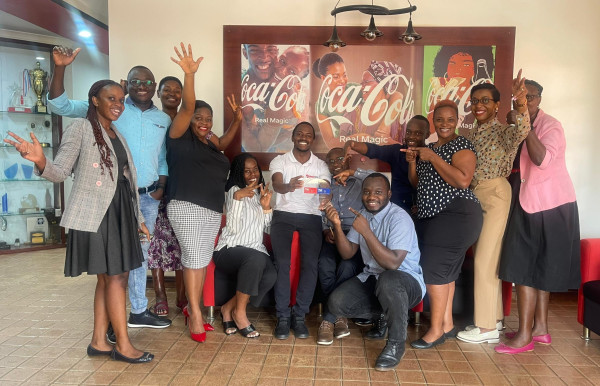
Coca-Cola Beverages Africa (CCBA) (www.CCBAGroup.com) has been certified as a Top Employer in Africa for 2025, based on the results of the Top Employers Institute's HR Best Practices Survey.  

CCBA was certified as a Top Employer in Africa, and its operations in Ethiopia, South Africa, Tanzania and Uganda achieved this accolade at country level.  

“We have a people-first culture that ensures unparalleled professional development for our valued employees,” said CCBA Chief People and Culture Officer Natasa Prodanovic. 

“Our aim is to nurture potential, attract and retain high-performing talent, and invest in growth. 

“CCBA's continued market success and status as the largest bottler of beloved Coca-Cola brands on the continent are other key differentiators. 

“We empower individuals to thrive and our certification as a Top Employer reflects the strength of our commitment to being an employer of choice for professionals with a desire to learn and grow. 

“Our people are driven to make an impact, are passionate about learning and committed to caring for others. 

“Congratulations to our leaders and colleagues, and thank you for making this recognition possible,” Prodanovic concluded.  

Distributed by APO Group on behalf of Coca Cola Beverages Africa.

ISSUED BY: 
Wendy Thole-Muir 
Head: Reputation and Communication  
Coca-Cola Beverages Africa  
Tel: +27 83 795 8524 
Email: WThole-Muir@ccbagroup.com 

Follow us on:
LinkedIn : https://apo-opa.co/4jfwP95

ABOUT CCBA:
CCBA is the 8th largest Coca-Cola bottling partner in the world by revenue, and the largest on the continent. It accounts for over 40% of all Coca-Cola products sold in Africa by volume. With over 18,000 employees in Africa, CCBA services more than 720,000 customers with a host of international and local brands. The group was formed in July 2016 after the successful combination of the southern and east Africa bottling operations of the non-alcoholic ready-to-drink beverages businesses of The Coca-Cola Company, SABMiller plc and Gutsche Family Investments. CCBA shareholders are currently: The Coca-Cola Company 66.5% and Gutsche Family Investments 33.5%. CCBA operates in 15 countries, including its six key markets of South Africa, Kenya, Ethiopia, Uganda, Mozambique and Namibia, as well as Tanzania, Botswana, Ghana, Zambia, the islands of Comoros and Mayotte, Eswatini, Lesotho, and Malawi.  

Learn more at  https://www.CCBAGroup.com 

Media files
Coca Cola Beverages Africa
Download logo
Read moreCoca-Cola Beverages Africa Recognised as a Top Employer in Africa
15 January 2025

Matrics who didn’t do well urged to pursue post-school training

Location: News

Matrics who didn’t do well urged to pursue post-school training

The Minister of Science, Technology and Innovation (DSTI), Professor Blade Nzimande, has encouraged learners who did not perform well to remain hopeful and explore other options, including various post-school training opportunities, or to consider taking advantage of a second chance to improve their results.

Nzimande made the call as he joined the nation in celebrating the hard work and achievements of the Grade 12 Class of 2024. 

“As Minister responsible for the development and promotion of science, technology, and innovation in South Africa, I fully share the concerns of the Minister of Basic Education that our learners in Grades 5 to 9 significantly underperform in relation to their global counterparts in mathematics and science,” the Minister said in a statement.

Nzimande noted a decline in enrolments in critical subjects, such as physical sciences, mathematics, accounting, and economics, according to data. 

These subjects are essential for a nation’s progress in science, innovation, and economic development.

In the next five years, Nzimande said the Department of Science, Technology and Innovation will actively support government efforts to enhance the performance of the schooling system in science and mathematics subjects.

The Minister believes that the nation requires massive and sustained growth in the production of science, technology, engineering, and mathematics (STEM) graduates, if South Africa is to forge a technology-led future.

“It is for this reason that we, as the DSTI have adopted the mantra, which says: Placing science, technology, and innovation at the centre of government, education, industry and society," Nzimande said.

As part of the department’s contribution to addressing the maths and science-related challenges in the basic education sector, Nzimande said the department will seek to strengthen its existing cooperation with the Department of Basic Education, which is supported by cooperation agreements with the nine provincial departments of education. 

In addition, the department has vowed to also strengthen existing cooperation with the Department of Higher Education, which is the main department in respect of higher education skills development, which includes science skills development. 

“We are currently implementing several extra-curricular and non-formal activities in the basic education sector, whose main objective is to excite learners about maths and science and contribute towards improved learner performance in maths and science. 

"These activities include the flagship science engagement program known as National Science Week (NSW), career guidance, and the distribution of Science, Engineering, and Technology (SET) career materials at various events, communities, and schools," Nzimande said.

He added that the department believes that the Mathematics Olympiads are extremely important, as they help develop the problem-solving skills of learners. 

In 2023, more than 77 000 learners participated in the South African Mathematics Olympiad (SAMO), a science engagement activity that focuses on high school learners. 

In 2024, more than 84 000 primary school learners participated in the South African Mathematics Challenge. 

“We believe that all our science awareness and engagement interventions are not just critical for enhancing learner performance in maths and science, but also to enable our strategic goal of placing science, technology, and innovation at the centre of government, education, industry, and society.” 

For additional information on accessing careers in science and training materials, please contact the Department of Science, Technology and Innovation, Deputy Director for Science Promotion, Bersan Lesch at 071 112 6236 or Bersan.Lesch@dsti.gov.za. – SAnews.gov.za
 

Gabisile
Wed, 01/15/2025 - 10:42

141 views
Read moreMatrics who didn’t do well urged to pursue post-school training
15 January 2025

Empowering public service through Open Distance eLearning

Location: News

Empowering public service through Open Distance eLearning

By Fran Greyling

The need for continuous professional development is more important than ever. With the increasing demand for flexible, cost-effective, and scalable learning opportunities, Open Distance eLearning (ODeL) has emerged as a transformative solution. 

One institution leading the charge in this space is the National School of Government (NSG), offering a suite of 20 ODeL courses tailored for public servants. These courses are carefully curated to address the evolving learning and development needs of public sector employees and are expanded annually.

A flexible, cost-effective, and scalable solution

ODeL is a flexible delivery model that ensures learning can be accessed by individuals regardless of location or time constraints. This flexibility is particularly beneficial to officials who often manage busy schedules and numerous responsibilities. Through ODeL, they can engage with course materials at their own pace, on their own terms, without the need for travel or time away from their duties.

Moreover, the scalability of the ODeL model is a significant advantage. By offering online courses, the NSG can reach a large audience, expanding its reach to public officials across various levels of government. 

In addition to its flexibility and scalability, ODeL is a cost-effective learning model. Traditional in-person training programmes can be expensive, not only in terms of course fees but also when accounting for travel, accommodation, and other associated costs. By offering most of its ODeL courses for free, the NSG is making a significant contribution to the development of public sector employees, ensuring that cost does not become a barrier to learning. This commitment to providing free courses aligns with the School’s mission to promote capable and professional public service.

Supporting national goals and professionalisation

The NSG’s ODeL initiative plays a role in implementing the National Framework for the Professionalisation of the Public Sector, which is a key aspect of South Africa’s strategy for enhancing the quality and effectiveness of its public service. The framework is structured around several pillars.

Pillar 2 focuses on, among others, reorienting the public service to meet the demands of citizens and government. An online Reorientation course reminds public servants of their obligations and equips them with the tools to navigate everyday challenges.

Pillar 4 is dedicated to ensuring continuous professional development for public sector employees. ODeL is an effective vehicle for achieving this goal. By offering a broad range of courses that focus on critical knowledge, skills, and values, the NSG is facilitating ongoing learning and development for public servants. Our free courses are designed to improve performance in the workplace. The courses include an introduction to core management competencies such as strategic planning, leading change, project management, financial management, and human resource management. Additional courses focus on promoting ethical behaviour and fostering anti-discrimination awareness. The Know and Live Our Constitution course addresses constitutional obligations, providing a foundation for other courses that focus on the responsible and accountable use of government resources. ODeL also supports performance improvement by offering courses that develop practical skills, such as professional writing.

A catalyst for online learning and development

The COVID-19 pandemic, though a challenge for many industries, proved to be a catalyst for the uptake of ODeL. As in-person learning became impractical due to health restrictions, institutions and organisations turned to online learning as a viable alternative. Public servants embraced the flexibility and accessibility offered by ODeL platforms, allowing them to continue their professional development during a time of uncertainty.

Since the onset of the pandemic, more than 250,000 ODeL opportunities have been created for public officials. These opportunities span all spheres of government and across all provinces in the country. This wide-reaching impact highlights the strong demand for accessible learning and development programmes and the success of ODeL in meeting this need. The high levels of participation and completion are strong indicators that ODeL is addressing genuine learning needs. 

Easy access

The process for enrolling in these courses is straightforward. Public servants can easily access the NSG’s website, browse the available courses, register, and begin their learning journey. The platform is designed to be user-friendly, providing officials with just-in-time learning opportunities. 

The ODeL courses currently on offer are the following:

  • Championing Anti-discrimination in the Public Service
  • Ethics for Internal Auditors
  • Ethics in the Public Service
  • Financial Management Delegations of Authority 
  • Generally Recognised Accounting Practice
  • Introduction to Financial Management and Budgeting
  • Introduction to Leading Change
  • Introduction to Policy Formulation and Implementation
  • Introduction to Project Management
  • Introduction to Strategic Human Resource Management
  • Introduction to Strategic Planning and Management
  • Know and Live our Constitution
  • Managing Performance in the Public Service
  • Municipal Standard Chart of Accounts
  • Nyukela (Pre-entry into the Public Service)
  • Operations Management Framework
  • Policy and Procedure on Incapacity Leave and Ill-Health Retirement
  • Public Service Reorientation
  • Writing for Government: Advanced Writing Skills
  • Writing for Government: Basic Writing Skills

Looking ahead

As the world of public service continues to evolve, the role of ODeL in supporting professional growth and development is becoming increasingly important. The future of learning and development is undoubtedly shifting towards online platforms, and initiatives like ODeL offer new opportunities for growth and learning. Public servants across the country now have greater access to flexible and relevant learning opportunities, helping to enhance their skills and contribute to a more effective public service.

More information is available on the NSG website on www.gov.za or email elearning@thensg.gov.za and for bookings contactcentre@thensg.gov.za.

*Dr Fran Greyling is the Chief Director responsible for eLearning at the National School of Government.

Janine
Wed, 01/15/2025 - 08:46

189 views
Read moreEmpowering public service through Open Distance eLearning
15 January 2025

President Ramaphosa chairs first Presidential Economic Advisory Council meeting

Location: News

President Ramaphosa chairs first Presidential Economic Advisory Council meeting

President Cyril Ramaphosa has chaired the first meeting of the newly appointed Presidential Economic Advisory Council for the seventh administration.

The meeting was held at the Union Buildings in Tshwane on Tuesday.

“The Presidential Economic Advisory Council will play an important role in providing independent advice as we seek to ensure that our economic policy is informed by sound evidence, by innovation, and by a diversity of views and opinions," the President said.

A statement by the Presidency said the President welcomed members and emphasised the important role the Council plays “as the Government of National Unity looks to reignite economic growth and tackle poverty and inequality”.

“The meeting reaffirmed the necessity of structural transformation and economic reforms to accelerate economic growth and discussed forward-looking policy proposals in areas such as green industrial policy, skills development, and macroeconomic policy,” the statement read.

Furthermore, the statement revealed that discussions also forayed into “the need to position South Africa for growth in a rapidly changing global environment, in which technological advances in artificial intelligence and the imperative of tackling climate change will lead to structural changes in economies”.

Discussions were also held on South Africa’s Presidency of the Group of 20 (G20) and the country’s role in “advancing the global economic policy agenda as it assumes the Presidency of the G20”.

“President Ramaphosa has outlined a set of clear and actionable priorities for the G20 Presidency which include mobilising finance to support a just transition, addressing the unsustainable debt burden on developing countries, strengthening disaster resilience and response, and harnessing critical minerals for inclusive growth and sustainable development.

“The meeting discussed proposals to advance these priorities, building on the progress made on issues such as international taxation, reform of multilateral development banks, and climate finance,” the statement read. – SAnews.gov.za

NeoB
Wed, 01/15/2025 - 09:04

214 views
Read morePresident Ramaphosa chairs first Presidential Economic Advisory Council meeting
14 January 2025

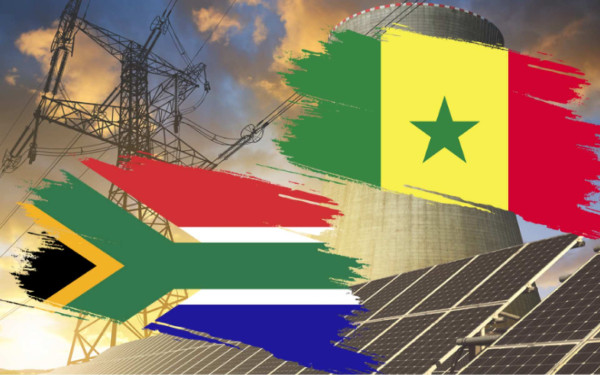
The Just Energy Transition in Africa: Lessons From South Africa and Senegal

Location: News
African Energy Chamber

By NJ Ayuk, Executive Chairman, African Energy Chamber (https://EnergyChamber.org).

Just Energy Transition Partnerships (JETP) have been introduced in recent years to provide financial support to developing nations as they transition away from fossil fuels. In 2021, during the 26th UN Climate Change Conference of the Parties (COP26), South Africa became the first nation to sign such a deal. Senegal and the International Partners Group (IGP) signed a JETP in June 2023.

I have said before that the best way for Western countries, and the developed world at large, to help Africa transition from fossil fuels is through investment and collaboration, not patronization. This is precisely what the JETP programs seek to do, assist energy emerging economies that are dependent on coal to transition away from fossil fuels while leaving room to address the associated social consequences. That is investment, that is collaboration, and above all, it is respectful of the reality that Africa can move only on its own schedule in this matter. Arbitrarily forbidding us from using our natural resources will only do more harm than good.

So far, South Africa and Senegal are the only African countries to have agreed to a JETP, with South Africa securing a deal for USD8.5 billion, while Senegal secured one for USD2.7 billion. How South Africa and Senegal intend to leverage these deals differ drastically, however, as do their power generation circumstances.

South Africa: Pulled Between Priorities

Coal continues to dominate South Africa's energy portfolio, at over 80% of the country's power generation mix. Due to chronic load shedding and energy shortage issues, the country is now being pulled between two priorities, ensuring energy security and adhering to its decarbonization plans. General power outages have plagued the country since 2008 but intensified in recent years and effectively hamstrung South Africa's economy, which has not surpassed even 1% gross domestic product (GDP) annual growth in the last decade.

The country's aging coal fleet faces significant maintenance issues which led to several of the country's largest coal units being rendered inoperable in 2023. That year also saw the worst load shedding the country has faced yet, more than twice what it experienced in 2022, leading to energy shortages for 335 days out of the year. This load shedding led to a sharp increase in demand for solar panels and batteries, but Eskom (South Africa's power utility) has had to prioritize energy security instead, prolonging its reliance on coal-fired plants and slowing down their decommissioning. To their credit, Eskom has made significant improvements to their coal plants' maintenance and repair thanks to a recovery strategy launched in early 2023, and they have not suffered another load-shedding event since March 26, 2024.

Nevertheless, the decision to prolong their reliance on coal is at odds with South Africa's JETP. It has also directly led to the South African government seeking renegotiation of finance deals tied to its transition to cleaner energy sources, amounting to some USD2.6 billion of the originally agreed to USD8.5 billion.

Above all, right now South Africa requires a solution that will ensure its energy security while also keeping the country on track with its JETP commitments, especially given its peak demand by 2030 is expected to reach 38 gigawatts (GW), a full 6 GW more than its current peak. And even though 13.6 GW of new power plants are expected to come online by 2027, with solar PV accounting for over half and onshore wind accounting for 25% of the new capacity, coal is still expected to meet two-thirds of daily demand. Battery storage assets awarded by South Africa's Battery Energy Storage Independent Power Producers Procurement Programme (BESIPPP) will also contribute to this new capacity. Renewable-based generation in South Africa is also expected to grow from nearly 14.1% currently to nearly 29% by 2030.

I want to be very clear here: South Africa's renewable energy growth is commendable, and Eskom's decision to prioritize energy security via coal when an alternative solution wasn't immediately available was understandable and pragmatic. But the country's renewables are not advancing fast enough to cover for the aging of its coal fleet, and no amount of emergency maintenance campaigns can ensure that similar issues won't lead to a load-shedding crisis again. If unaddressed, it will introduce the risk of shortfalls when the coal fleet is inevitably shut down at its end of life. Gas-to-power is thus the most prudent option for South Africa to prioritize while it continues working to expand its renewable power sources. The flexibility provided by gas-to-power will help meet demand once the coal fleet can no longer provide South Africa's baseload power, leaving it with only its Koeberg nuclear power plant and currently limited solar and hydropower resources to fill in the gap. Not only is natural gas more cost-effective and efficient as a power source than coal, but it is also relatively cheap to retrofit a formerly coal-fired plant with gas turbines, allowing South Africa to both gradually phase out coal while saving money that would otherwise be spent building entirely new infrastructure. All of this will matter a great deal, as South Africa anticipates phasing out coal to require USD99 billion dollars between 2023 and 2027. So far, it has raised half between their JETP deal with the IGP, USD33 billion in private sector investments, and USD10 billion from the public sector. South Africa hopes to fill the gap through both domestic and international private entities in the form of grants, guarantees, and concessional loans.

Fewer Struggles in Senegal

Senegal, meanwhile, looks to be having fewer troubles, being reliant on liquid fuel sources rather than coal. The USD2.7 billion raised through its JETP is expected to attract and mobilize further investments from both the private and public sectors, much the same as South Africa. Senegal, however, will also be receiving technical assistance from its international partners to boost the integration of its renewable energy infrastructure and technology, with a heavy focus on grid stabilization and battery storage. This aligns well with its electrification plans, which aim to achieve 40% of its installed capacity mix provided by renewables by 2030, up considerably from the current 22%.  Senegal has also committed to developing an investment plan within 12 months to identify its needs, opportunities, and allocations to meet its targets.

To that same end, Senegal plans to publish a revised nationally determined contribution (NDC) at COP30, set to take place in late 2025. The current NDC outlines an unconditional target of 235 MW of solar PV, 150 MW of onshore wind, and 314 MW of hydro by 2030. With international assistance, these targets are set to rise to 335 MW of solar PV, 250 MW of onshore wind, 50 MW of bioenergy and 50 MW of solar thermal.

Overall, both South Africa and Senegal stand to benefit significantly from their JETPs, and this is a trend I hope to see continue in the future for African states. There are, of course, growing pains. JETPs are still a nascent program, and the first few deals were signed as political promises first and foremost before the full technical and coordination details could be fully worked out by all sides. The implementation process for South Africa and Senegal has thus been delayed while consultations and negotiations smooth over the logistical details. In addition, JETPs alone will be nowhere near enough to fully cover the financial burden of transitioning African countries away from fossil fuels, and acquiring the private financial investments to bridge the gap may prove difficult for many countries.

This is why it is crucial for African states, and the world at large, to keep a close eye on how things develop in South Africa and Senegal, as their efforts to address these challenges will no doubt set the example for others.

Distributed by APO Group on behalf of African Energy Chamber.

Media files
African Energy Chamber
Download logo
Read moreThe Just Energy Transition in Africa: Lessons From South Africa and Senegal
14 January 2025

KZN on track towards its 90% target, Premier

Location: News

KZN on track towards its 90% target, Premier

KwaZulu-Natal Premier, Thamsanqa Ntuli, has joined in the jubilation as the province proudly secured second position in the 2024 National Senior Certificate (NSC) results.

KwaZulu-Natal achieved an impressive 89.5% pass rate, representing a 3.1% improvement from the previous year, and positions the province as the second-best performing in South Africa, following the Free State.

Ntuli officially announced the 2024 matric results during a prestigious ceremony at Inkosi Albert Luthuli International Convention Centre (ICC) in Durban on Tuesday.

“This is proof that the essential foundation of basic education in KwaZulu-Natal is being laid brick by brick, district by district, school by school, and learner by learner,” Ntuli said.

Ntuli said the provincial government was firmly on track towards its 90% target, and he had “no doubt this performance will be surpassed in 2025”.

Of 161 962 learners who sat for the National Senior Certificate exams in the province, 144 990 learners passed, with 84 000 Bachelor passes, which is the highest in the country, marking a significant improvement from 45.7% in 2023 to 52.2% in 2024.

The province also saw an increase in schools achieving a 100% pass rate, from 246 in 2023 to 321 in 2024.

The district performances also showed an impressive growth, with Umkhanyakude leading nationally at 92.8%, followed by Ugu (91.7%) and Umlazi (89.8%).

Ntuli commended the provincial Education Department and MEC Sipho Hlomuka for their unwavering commitment to academic excellence.

The Premier acknowledged the invaluable contributions of educators, including school governing bodies and organised labour.

Special recognition was given to top achievers and schools, including special and correctional services centres, which achieved a 100% pass rate.

He encouraged the learners who did not pass to enrol for the Second Chance Matric Programme, to improve their results.

“Success is not measured by how many times you fall, but by how many times you rise. Never give up,” the Premier said.

Ntuli further encouraged learners to embrace the evolving job market and equip themselves with skills in science, technology, engineering, and mathematics, to remain competitive in the Fourth Industrial Revolution (4IR).

“You are our future in the making. Grab every opportunity with both hands. KwaZulu-Natal is counting on you to make our province a better place for all.”

Hlomuka commended the matriculants’ perseverance, determination, and commitment.

“The matric class of 2024 commenced their high school journey during the peak of COVID-19 and faced unprecedented challenges, including climate impacts. but they triumphed,” Hlomuka said.

Hlomuka commended uMkhanyakude District for leading with an outstanding 92.8%, as well as teachers in the province for their dedication.

"A heartfelt thank you to our dedicated educators, parents, and stakeholders for their unwavering support. The journey towards educational excellence continues, as we empower future leaders for a brighter tomorrow," Hlomuka said. - SAnews.gov.za

GabiK
Tue, 01/14/2025 - 15:23

138 views
Read moreKZN on track towards its 90% target, Premier
14 January 2025

SA hosts G20 Framework Working Group meeting

Location: News

SA hosts G20 Framework Working Group meeting

Technical meetings under the Group of 20 (G20) Finance Track have begun this week with a meeting of the Framework Working Group (FWG).

This after South Africa kicked off its G20 Presidency with the hosting of the G20 Sherpa and Finance Track Meetings in December 2024.

“The National Treasury and the South African Reserve Bank are jointly responsible for overseeing the work of the G20 Finance Track. 

“The mandate of the FWG is to promote strong, sustainable, balanced, and inclusive growth, and does so by identifying, monitoring and assessing global macroeconomic risks, vulnerabilities and uncertainties and recommending suitable policy responses to global shocks and cross-cutting global challenges,” National Treasury said in a statement.

The G20 is a grouping of developed and developing countries which together form a powerful bloc representing at least 85% of the world’s Gross Domestic Product and some 75% of international trade – making the FWG critical.

“The first day of the meeting [on Monday focused] on the main headwinds to global growth, ongoing supply and demand risks to inflation, and the main fiscal risks to growth and inflation. It will also discuss the economic outlook for Africa. 

“The second day [Tuesday] of the meeting will discuss the draft FWG work plan for 2025, which includes priority areas identified by the South African Presidency,” the statement continued.

South Africa’s outlined priorities include:
•    enhancing global economic resilience in light of growth risks like fragmentation and macroeconomic imbalances;
•    strengthening macroeconomic foundations and growth reforms in light of climate change and 
•    assessing labour productivity, technological development and demographic change

This week’s FWG meeting is the first of four to be held.

“The remaining three meetings for this Working Group are scheduled for April, June and September, in person, in venues across the country. 

“The outcomes of these meetings will inform discussions at the meetings of the Finance and Central Bank Deputies and Finance Ministers and Central Bank Governors,” the statement concluded. 

The G20 Leaders’ Summit is expected to be held in the latter half of 2025. – SAnews.gov.za


NeoB
Tue, 01/14/2025 - 10:05

292 views
Read moreSA hosts G20 Framework Working Group meeting
14 January 2025

Proteas Legends Lead South Africa’s Future Stars

Location: Sport

KUALA LUMPUR: Four former Proteas Women players will be at the helm of the South Africa U19 Women in the second...

Read moreProteas Legends Lead South Africa’s Future Stars
13 January 2025

Mukuru Launches Mobile Wallet in Zimbabwe to Bolster Financial Inclusion

Location: News
MukuruNext-generation financial services platform Mukuru (www.Mukuru.com) has launched a mobile wallet in Zimbabwe called Mukuru Wallet. The secure digital store of value follows Mukuru's award of a Deposit-Taking Microfinance Institution (DTMFI) licence in Zimbabwe by the Reserve Bank of Zimbabwe.

Building on Mukuru's trusted capabilities, which support more than three-million Zimbabwean customers, the wallet has several benefits, including its standout features: two pockets that allow users to send and receive money locally and internationally from mobile phones, safe storage of funds as well as a free cashout on international transfers.

Marc Carrie-Wilson, Send Money Home Zimbabwe CEO says: “The Mukuru Wallet is a significant development in the country because we have built a reputable brand by consistently ensuring cash availability when needed. To avoid disappointing people who travel long distances to receive their remittances which they use for food, school fees and other essential services, we now have 250 of our own service points. With a network stretching across urban and rural areas, we can reach more people than ever, providing constant cash availability and valuable digital solutions, such as the Mukuru Wallet, to the underserved communities.”

Mukuru Zimbabwe Financial Services CEO, Doug Tait-Knight, says: “Mukuru takes its role as a fintech driving financial inclusion seriously. With this wallet, we tap into our strength which lies in our robust network and technology, as well as our crispy notes that are always available, making this an exciting moment in our evolution in Zimbabwe.

“The wallet environment enables us to start providing additional value such as allowing more affordable domestic money transfers, supporting safety by eliminating the need for customers to walk around with large sums of money, and providing convenience and cost savings, such as paying for electricity, buying airtime, settling DSTV bills and paying for insurance from their couch. Our use of multiple channels also ensures accessibility for our customers,” explains Tait-Knight.

While currently focusing on private end users, soon organisations will be able to partner with Mukuru to make use of its local capabilities and global footprint to facilitate payments, such as distributing money to farmers, supporting payroll for small businesses and securing traceable aid distributions. Various organisations such as Cottco and the United Nations, through the World Food Programme, and the United Nations Children's Fund (UNICEF) already partner with Mukuru.

Kevin Nyakotyo, Mukuru's Enterprise Sales Manager for Zimbabwe and Zambia, added, “Our success in the end-user sector has enabled us to set in motion plans to enter the business sector. Whether it is for tobacco or cotton, payments made to farmers are often large sums of money. The Mukuru Wallet will make receiving these large sums of money far safer because beneficiaries won't need to draw all their cash at the same time.

“We have a mandate to educate the market based on trends we see, and with this wallet, we are reaching out to both organisations and individuals and giving them peace of mind to know their funds will be safe and can be collected at any time. They can draw an amount that suits them with full confidence the cash will be available wherever they are, whenever they need it,” says Nyakotyo.

Distributed by APO Group on behalf of Mukuru.

Notes to Editor: 
Mukuru is a leading next generation financial services platform in Southern Africa that offers affordable and reliable financial services to a customer base of over 17 million+  across Africa, Asia and Europe.

With over 100 million transactions to date, our core was built providing international money transfers and from this base, we've developed a set of services to address the broader financial needs of our customers. We now operate in over 60 countries and across over 500 remittance corridors.

We are a business that puts the customer at the centre of everything we do, and for that reason, we serve clients across physical and digital channels, by various payment methods (cash, card, wallet) as well as a range of engagement platforms including WhatsApp, USSD, contact centre, App, website, agents and a branch and booth network.

Mukuru has, for the fifth consecutive year, been listed as one of the top 100 Cross Border Payments businesses in the world in the 2024 FXC Intelligence Top 100 Cross-Border Payment Companies (https://apo-opa.co/3PCjAkY), one of only six African companies to receive this accolade.

In 2023, Mukuru officially ranked sixth on the LinkedIn Top Companies List in South Africa.

Mukuru was celebrated for innovation and excellence at the 2023 Africa Tech Festival Awards, receiving the Fintech Innovation of the Year Award - an acknowledgment of the transformative power of financial technology in driving economic growth, financial inclusion, and digital transformation. Visit www.Mukuru.com to learn more.

Media Enquiries:
Ammaarah Kootbodien
ammaarah@duomarketing.co.za
(+27) 071 529 6449

Kgomotso Hlakudi 
kgomotso.hlakudi@mukuru.com
(+27) 073 333 1672

Mthokozisi Dube
mtho.dube@lalataucomms.co.za
(+27) 81 790 2070

Media files
Mukuru
Download logo
Read moreMukuru Launches Mobile Wallet in Zimbabwe to Bolster Financial Inclusion
13 January 2025

Inquiry makes recommendations to improve competition in fresh produce market

Location: News

Inquiry makes recommendations to improve competition in fresh produce market

The Fresh Produce Market Inquiry has released its final report, which identifies features within the fresh produce value chain that impede, restrict and distort competition.

The inquiry, initiated by the Competition Commission, follows rigorous analysis and extensive stakeholder engagement aimed at assessing competition within South Africa's fresh produce market.

The inquiry began on 31 March 2023 and assessed the fresh produce value chain across three main themes, including the efficiency of the value chain, concentrating on fresh produce market facilities; market dynamics of key inputs and their impact on producers, and barriers to entry, expansion and participation.

At a media briefing on Monday where the report was launched, Deputy Commissioner and chair of the inquiry, Hardin Ratshisusu, noted that the fresh produce market – valued at some R53 billion annually (excluding informal sales channels and exports) – presents “significant opportunity for growth and inclusion”. 

“However, the share of participation by historically disadvantaged farmers and market agents remains low. 

“This underrepresentation is a stark reminder of the sector’s historical inequities and the urgent need for meaningful participation in the economy and transformation in South Africa,” he said.

The inquiry, on the main, focused on five fruits, namely, apples, citrus (notably oranges and soft citrus), bananas, pears and table grapes, along with six vegetables, including potatoes, onions, carrots, cabbage, tomatoes and spinach. These products are staples in South African households.

Ratshisusu outlined the following six concerns related to competition in the fresh produce sector:

  • Inefficient municipal fresh produce markets;
  • Inefficiencies in the value chain;
  • The conduct of fresh produce market agents;
  • High input costs (particularly for certain fertilisers and seeds);
  • Regulatory obstacles, and 
  • Systemic barriers to entry for small-scale, emerging and historically disadvantaged farmers.

Ratshisusu said in order to disrupt the status quo, dynamism is required in the form of new and diverse lower cost models of retailing, which will allow greater pass through of farmgate and supplier prices.

“Localised competition, particularly from SMMEs and HDP [historically disadvantaged persons] independent retailers with diverse models, including through greater procurement from National Fresh Produce Markets (NFPM), is required for more dynamic competition in fresh produce retail. 

“This, in turn, requires efficiently functioning NFPMs and effective policies to support alternative retail models,” Ratshisusu said.

Honing in on historically disadvantaged farmers, Ratshisusu said the inquiry found that these farmers are hitting hard ground when it comes to accessing formal retail channels and national fresh produce markets.

“[To] enhance the participation of SMMEs and HDPs and to improve their ability to innovate and upgrade in grocery retail value chains in South Africa, and to create a fairer and more level playing field, the inquiry is of the view that the feasibility of a mandatory code of conduct be investigated further. 

“There are valuable lessons to be learnt and applied to the South African context based on the experience of international best practice,” he said.

Consumer bite

Troublingly for the consumer, the inquiry found that with regard to retailer pricing of certain fresh produce, “supermarket sales and pricing revealed instances of high mark-ups of total revenue over what suppliers are paid for some of the selected products in the periods analysed”.

“However, net margins - after the high costs of supermarket chain operations are accounted for - are slim. This indicates concerns in the value chain, where high rents may be extracted at the supermarket level of the value chain. 

“The implication is that under the current models of modern food retailing, supermarket chains are not efficiently transmitting prices obtained from farmers to consumers for these produce categories. This suggests that competition in the formal retailing of fresh produce is not as healthy as it could be,” Ratshisusu said.

Moving forward

Ratshisusu explained that to resolve the challenges in the fresh produce market and related distortions to competition in the sector, the inquiry has identified a set of 31 “practical and reasonable remedies”.

“These measures, which include recommendations for policy reform, market restructuring, and targeted support for small-scale, emerging and historically disadvantaged farmers, are intended to promote competition, lower barriers to entry, and create a more inclusive and competitive fresh produce value chain,” he said.

The full report, including recommendations and remedies, is available on the commission’s website at https://www.compcom.co.za/fresh-produce-market-inquiry-final-report-launch.

On the importance of the inquiry, Ratshisusu told the media that the report is “more than a document, as it provides rich insights into the domestic fresh produce market and, more importantly, a path towards economic inclusion”. 

“It reflects the need to address entrenched challenges and create a market that works for all, from the smallest farmer to the largest retailer, and ultimately for the consumer.

“Market inquiries are an important strategic focus area of the Competition Commission to tackle high market concentration and barriers to entry in markets to achieve economic inclusion and transformation. 

“This report therefore signifies the Commission’s resolve, in a transparent, objective and evidence-based manner, to fostering competitive markets that promote economic growth, economic transformation and contribute to the broader socio-economic objectives of the country,” Ratshisusu said. – SAnews.gov.za

NeoB
Mon, 01/13/2025 - 12:28

40 views
Read moreInquiry makes recommendations to improve competition in fresh produce market
13 January 2025

SA’s natural resources can drive inclusive growth: President Ramaphosa

Location: News

SA’s natural resources can drive inclusive growth: President Ramaphosa

President Cyril Ramaphosa says South Africa’s tourism sector, largely underpinned by its natural endowments, has great potential to drive inclusive growth.

“As the festive season makes way for the start of the new year, many South Africans have been returning home from different parts of the country. Some people have been visiting family, while others have been exploring new places.

“This is a time of year when we get to appreciate why our country is such an attractive destination for visitors. We are blessed with natural splendour that is an integral part of our national heritage. It is an asset to our economy that every year draws millions of tourists from around the world to our shores,” the President said in his newsletter to the nation on Monday.

Over the past week, the President was in the Western Cape and visited Robben Island, which is one of the country’s major tourism attractions. A leading industry publication recently ranked Robben Island, alongside Table Mountain and the Kruger National Park, as among the top tourist attractions on the continent.

Beyond the substantial natural resource endowments of the beaches, national parks and biodiversity conservation areas, cultural and heritage tourism is also thriving in South Africa.

“We are home to 12 UNESCO World Heritage Sites. These include Robben Island and the Cradle of Humankind in Gauteng, which has among the largest known concentrations of Hominid fossils in the world.

“Last year, the World Economic Forum ranked South Africa as Africa’s premier tourism destination. It said this was due to factors such as our business operating environment, information technology and tourism infrastructure and services,” President Ramaphosa said.

Following a slump in tourism numbers as a result of the COVID-19 pandemic, inbound tourism is on the rise. In 2023, South Africa recorded around 8.5 million international tourist arrivals. These visitors spent over R95 billion.

Domestic tourism is the mainstay of the tourism economy. Between January and July last year, South Africans took over 21 million trips to explore their country.

President Ramaphosa said the tourism sector has the potential to be even larger than it currently is.

“We are scaling up a range of tourism promotion strategies to restore inbound tourism figures to pre-pandemic levels. These strategies include an improved tourism visa regime, streamlining the tour operator license process, increased investment in tourism infrastructure and services, and improving safety and security at tourism sites.”

The tourism sector in South Africa employs about 1.5 million people both directly and indirectly. Through the Presidential Employment Stimulus, South Africa continues to support job creation by providing work opportunities for young people as tourism monitors in different provinces and supporting tourism-related SMMEs.

Tourism is a growth area for small business development. In line with the global shift towards sustainability, figures from South African Tourism show that increasing numbers of new tourism ventures are centred around sustainable tourism and eco-friendly business practices.

This year, South Africa will host the first ever summit of the G20 on African soil. 

“We will use this opportunity to profile and actively promote South Africa as a tourism destination of choice,” President Ramaphosa said.

According to UN Tourism, the G20 economies represent over 70% of all international tourist arrivals worldwide and 82% of tourism’s global GDP. Just as Brazil did last year during its hosting of the G20 Summit, South Africa will promote the role of tourism in creating jobs and advancing sustainable development in the countries of the Global South.

The Government of National Unity has identified the growth of tourism as a vital part of creating employment. In October last year, the Minister of Tourism released a new White Paper on the Development and Promotion of Tourism in South Africa. This will guide our approach to building a sustainable, competitive and inclusive tourism industry.

“By working together as government, business and communities, we can ensure that the natural splendour of our country becomes a driver of economic growth, job creation and shared prosperity,” the President said. – SAnews.gov.za

Matona
Mon, 01/13/2025 - 10:11

74 views
Read moreSA’s natural resources can drive inclusive growth: President Ramaphosa
10 January 2025

Deputy President delivers eulogy at former Minister’s funeral

Location: News

Deputy President delivers eulogy at former Minister's funeral

Deputy President Paul Mashatile has described the late democratic South Africa’s first Minister of Education, Professor Sibusiso Bengu, as a “distinguished educator, diplomat and a servant of the people”.

The Deputy President was delivering the eulogy at Bengu’s funeral service held at the University of Zululand in KwaZulu-Natal on Friday.

Bengu passed away in December at the age of 90 and was afforded a Special Official Funeral Category 2.

“Today we gather to pay tribute to a remarkable individual, Professor Sibusiso Bengu, a renowned revolutionary, an intellectual of his time. As a country, we have lost a distinguished educator, diplomat and a servant of the people.

“Professor Bengu has played a key role in shaping education and other social policies contributing to the transformation of the sector and most importantly, reversing the legacy of Apartheid education,” Deputy President Mashatile said.

Bengu played a key role in the transformation of South Africa’s education sector following the attainment of democracy and played a role in the transition of higher education in the country.

The Deputy President highlighted this as part of Bengu’s legacy.

“His skills, knowledge and contribution to various sectors of educations showed that he possessed the capacity to revolutionise education by dismantling the dreadful legacies of Apartheid.
“Thirty years later, our education outcomes are still improving – a testament to the profound impact of this icon. As part of President [Nelson] Mandela’s cabinet, he introduced many key pieces of legislation that shaped our education system. 

“Among these are the South African Schools Act of 1996 and the policy recommendations of the National Commission on Higher Education which served as a guide for the government’s efforts to reconstruct and transform the apartheid higher education system,” Deputy President Mashatile explained.

The former Minister advocated for understanding the “connection between education and development”.

“We must continue to address challenges related to access to better education. An educated society has better prospects for a better future and breaking the shackles of poverty and injustices.

“Educated populations correspond with national economic growth and both directly and indirectly increase economic productivity.”

Beyond 30 years of freedom

The Deputy President said that as the country now moves beyond 30 years since the attainment of freedom and democracy, government was “going to invest in the speed of policy execution and implementation”.

“This is to ensure that the critical transformation policy contributions made by Professor Bengu are not undermined and that we continue to drive the change that we are pursuing in this sector.

“Our task is to ensure that the state, institutions of higher education, and the private sector will expand the ten growth sectors, which include finance, manufacturing, agriculture, business, and services, amongst others.

“Our goal is to create much-needed employment while also ensuring that many young people, women, and the most disadvantaged individuals have meaningful participation in the economy. We have also agreed that emerging from the 2024 elections, we are going to focus on growing an inclusive economy and reducing the cost of living,” he said.

Furthermore, Mashatile added, government is actively “investing in the building of a developmental, capable, and ethical state that has the capacity to transform society and redirect development to resolve the challenges of poverty, unemployment, and inequality”.

The Deputy President passed his final condolences to the Bengu family on behalf of the government of South Africa.

“As we accompany our leader and brother to his final resting place, may we always remember how Professor Sibusiso Bengu's political efforts have been vital in furthering our democratic values and socio-economic development.

“His passion to promote equality and fairness has had a long-lasting influence on our society, and this should inspire us. To this day many South Africans, are still benefiting from his immense contribution, and for this we are grateful.

“Once more, on behalf of the government, let me extend our deepest condolences to Mama Funeka, his children and grandchildren, and the entire Bengu family.”

The Deputy President called on society to follow Bengu’s example and “strive for excellence in everything we do”.

“Let his example guide us and his spirit, inspire us to make a positive impact in our country,” he said.

Proceedings at the funeral included ceremonial elements rendered by the South African Police Service.  – SAnews.gov.za

NeoB
Fri, 01/10/2025 - 13:11

15 views
Read moreDeputy President delivers eulogy at former Minister’s funeral
10 January 2025

Tributes continue for artists Doc Shebeleza and Winnie Khumalo

Location: News

Tributes continue for artists Doc Shebeleza and Winnie Khumalo

Sport, Arts and Culture Minister, Gayton McKenzie has described the passing of legendary Kwaito artist Victor “Doc Shebeleza” Bogopane as a “significant loss for South Africa and the entire music industry”.

Bogopane passed away on Thursday at the age of 51.

“On behalf of the Ministry, I extend my deepest condolences to his family, friends and countless fans whose lives he touched. South Africa has lost not only a music legend but a compassionate soul whose contributions to our cultural heritage and community upliftment will not be forgotten. 

“His music, laughter and legacy will continue to resonate in our hearts. Rest in power, Victor "Doc Shebeleza" Bogopane,” the Minister said in a statement on Thursday.

Born in 1973 in Soweto, Doc Shebeleza grew up in a family that valued cultural expression. From an early age, he was exposed to diverse musical influences, from kwaito to traditional South African music, which would later shape his artistic journey.

In 1995, he released his debut album, Shebeleza, which featured the iconic hit “Ghets Ghetsa”. This success was followed by the album “S'kumfete”, which included another hit track of the same name. 

According to the Ministry of Sport, Arts and Culture Bogopane cemented his legacy with three more albums: Tiger (1997), Ebumnandini (2000), and Jiva Yoyo (2001).

“In recognition of his contributions to the genre, he was honoured with a Lifetime Achievement Award at the 2018 Mzansi Kwaito and House Music Awards. His influence extended beyond his own work, as illustrated by rapper Cassper Nyovest’s tribute song Doc Shebeleza, which celebrated his lifestyle and impact.

“Doc Shebeleza later collaborated with Cassper on the song ‘Monate’ showcasing mutual respect and admiration between generations of artists,” said the Ministry.

Following his retirement from the music industry, Doc Shebeleza dedicated himself to philanthropy and founded the non-profit organisation AMAHA (African Musicians Against HIV/AIDS), which focused on social initiatives for the underprivileged. 

“Through AMAHA, he contributed to building hundreds of homes for those in need, distributed wheelchairs, and worked tirelessly alongside other legendary artists to uplift communities. His passion for helping others remained central to his life’s work until his untimely passing. In recent years, Doc Shebeleza faced health challenges, having been hospitalised twice last year until his tragic passing on Thursday 9 January.”

READ | Condolences for family of Kwaito legend, Doc Shebeleza

Winnie Khumalo

Bogopane’s passing follows the death of Afropop musician, Winnie Khumalo.

Earlier in the week, the Minister expressed sadness at the passing of Khumalo also at the age of 51.

“It is with profound sadness to learn of the passing of the legendary Winnie Khumalo, who tragically left us on 7 January 2025 at the age of 51. Her untimely death marks a great loss for South Africa and the music industry,” said the Minister at the time.

Born on 20 July 1973 in Soweto, Khumalo was raised by her grandmother in a time of vibrant cultural life.

At the tender age of 15, Winnie released her debut album, “Hey Laitie, Tshina Tshina”, produced by the renowned Sello Chicco Twala. She followed this with another album, “Dlamini”, setting the stage for a prolific music career that spanned decades.

In the 1990s, she recorded the gospel album “Izono Zami”, produced by Pastor Langa Dube, and collaborated with iconic artists and groups such as the late Brenda Fassie, Brothers of Peace, Bongo Maffin, DJ Cleo, and Zonke Dikana. 

The Minister described her “not only a talented lead vocalist but a formidable backing vocalist, enriching the work of those she collaborated with”.

After a seven-year hiatus, she returned with the electrifying album “Live My Life”, which became an instant classic. The title track, “I Just Wanna Live My Life”, dominated music charts, earning gold certification with over 25 000 copies sold and 50 000 mobile downloads. 

“The song’s success saw her nominated for prestigious awards such as the Channel O Music Awards and the South African Music Awards, cementing her place as a trailblazer in the industry.”

Her later albums reflected her personal growth and resilience. Tracks like “Woman” and “Impilo” showcased her ability to channel life’s challenges into powerful and relatable music, said the Ministry. - SAnews.gov.za

Neo
Fri, 01/10/2025 - 10:02

120 views
Read moreTributes continue for artists Doc Shebeleza and Winnie Khumalo
9 January 2025

A Booming Continent Needs a New Payment Infrastructure

Location: Business
MultiChoice Group

Africa is an exciting, vibrant and creative place to do business. But make no mistake, it has its challenges. Currency devaluation, political instability, and service disruptions are endemic. Africa is not for sissies, as the saying goes.

In navigating those challenges, relationships matter. It's not so much about throwing money at a problem, it's about investing time, building trust, meeting with partners and regulators, and understanding each other's needs.

Africa offers an enormous upside for those prepared to make this time investment. The continent's population is set to reach 2.5 billion (http://apo-opa.co/3W7Kp4w) by 2050, and Africa's people are embracing digital technology, as the World Bank (http://apo-opa.co/3Waln4F) confirms. They are leveraging digital connectivity to improve their lives, educate themselves, send remittances, and start small enterprises. There is value in investing in that level of human development.

The payments opportunity

Running through this African growth trajectory is a particular business thread: payments (http://apo-opa.co/3WawLxk). There are opportunities for anyone who can simplify, rationalise and standardise payments for the continent's dynamic financial economy.

An organisation in just such a position is MultiChoice (www.Multichoice.com/), the leading pan-African video entertainment provider for almost 40 years. In building a pay-TV network across the continent, with up to 23.5 million (http://apo-opa.co/3WawOJw) customers across 50+ markets, and 100 million+ monthly viewers, MultiChoice also built relationships across the continent to collect payments, for DStv, GOtv, and Showmax – potentially the only large enterprise to need such enormous breadth.

The Group has converted the opportunity that this represents, partnering with global venture-capital firm General Catalyst and payments company Rapyd to launch Moment (http://apo-opa.co/4ad1H5N), which aims to be the broadest, deepest payment network across Africa.

Launching with Showmax and DStv as initial clients, Moment started processing payments for parts of the group in January 2024. By November 2024 MultiChoice was already collecting around 35% of its revenue through Moment rails, and those numbers are rising quickly. Services to other enterprises were rolled out in August.

Moment already collects and disburses across 44 African countries, accepting 200+ local payment methods – spanning in-person payments at over 1 million store and agent locations, mobile money, credit and debit cards, bank transfers, and digital wallets.

Enabling consumers and businesses to move from cash to digital, Moment and its network offers users access to better financial opportunities, lower prices, higher quality goods and services, and full access to the digitally enabled economy.

Expanding the ecosystem

To access the initial target market of large enterprises that will benefit from the reach, breadth, and high performance needed by MultiChoice, Moment has built out a fully cloud-native infrastructure. The platform can deliver on the high daily and weekly loads needed for one of the largest billing bases on the continent, and also smoothly deal with the potential for network outages, power cuts, and other disruptions.

In order to ensure businesses have access to the daily cash flow they need, Moment has built a robust financial reconciliation and settlement system capable of automating and simplifying the daily reconciliation process for enterprises and enabling them to spend tight staffing budgets efficiently, while getting fast, accurate financial reporting and access to their receivables.

To help these enterprise customers expand their customer bases, Moment opens up the largest mass-market suite of payment channels through its network, enabling businesses to fully tap into the mass market's buying power for the first time with a single API connection – providing access to more than a million in-person payment locations across spaza shops, modern retail locations, and a host of online payment options tuned to the needs of each local market.

To ensure that Moment's clients and the market are ready for the future, Moment is building a “coalition” around real-time payments, to educate consumers on the benefits of PayShap and other real-time payment methods that can significantly reduce cost and increase payment speed. DStv and Moment launched PayShap payments in South Africa as the first “consumer to business” real-time payment option built on South Africa's RPP payments system. Moment has developed partnerships with similar systems in the SADC countries and Nigeria to expand real-time payments as the market evolves.

Simplifying the process

One of the reasons MultiChoice first looked at the payments space was precisely because it is a complex environment, characterised by multiple service agreements, commission rates and exchange rates. It made sense to try to simplify the payments landscape, for everyone's benefit.

Africa is a challenging territory, but Africans are agile and innovative. Trends and new solutions emerge constantly. Any platform entering this space must recognise that there isn't one answer; there are many. By partnering with MultiChoice, Moment has built out technology with the flexibility to configure the right solution for each market.

The upsides of building for the challenging scale of MultiChoice as a launch client are significant – other enterprises Moment is working with have built unwieldy daily financial operations to manage their own complexity. Anecdotally, one merchant maintains a staff of 75 people doing reconciliations for their business – operations that can be automated and streamlined leveraging the Moment platform. Moment presents a vast opportunity in simplifying that process, automating it, while enabling customers to focus on their core business and customer relationships.

Africa is the largest single opportunity in the world. As our population booms over the next 20 years, many new business foundations will need to be laid across the continent – especially in the area of payments.

Payments are the lifeblood of Africa's economy. Enabling them efficiently and cost-effectively, across the continent, ensures Africa performs to its full potential. Through the partnership with MultiChoice, Moment is well positioned to be at the core of this transformation for decades to come.

Distributed by APO Group on behalf of MultiChoice Group.

Media files
MultiChoice Group
Download logo
Read moreA Booming Continent Needs a New Payment Infrastructure
9 January 2025

DTIC notes ArcelorMittal South Africa’s decision

Location: News

DTIC notes ArcelorMittal South Africa’s decision

The steel industry is critical in the reconstruction and recovery plan for the South African economy, particularly the manufacturing, mining, construction, engineering, and transportation sectors, said the Department of Trade, Industry and Competition (dtic).

In a statement responding to ArcelorMittal South Africa’s (AMSA) announcement to wind down its longs steel business at its Newcastle plant, the department said the steel industry is important to the sectors that are at the centre of the industrialisation, localisation and beneficiation programmes of government.

“The department notes with serious concern the announcement by ArcelorMittal South Africa to wind down its longs steel business at its Newcastle plant. In fulfilment of its mandate to work with the private sector in growing the local economy the dtic remains committed to working with AMSA to find a workable and lasting situation,” it said in a statement on Wednesday.

During the course of 2024, AMSA had reached out to various government departments and state-owned entities with requests for different concessions for their business. Having taken heed of these requests, the Minister of the dtic took the decision to form a comprehensive and coordinated approach to resolving the issues raised by AMSA.

“In doing so, the Minister set up a technical working group made up of the relevant stakeholders including the dtic and AMSA, the departments of Electricity and Energy, Transport, as well as Eskom, Transnet and private sector stakeholders.”

The department said the working group held regular engagements up until and well into December 2024.

“This work has been noted in the statement released by AMSA. It has always been, and continues to be the intention of government to continue these engagements until a workable resolution to the problems faced by AMSA and the steel industry is reached,” said the department.

In a press statement on Monday, AMSA said it had taken the decision to wind down the longs business.

“This comes after sustained challenges, including weak economic growth, high logistics and energy costs, and an influx of low-cost steel imports, particularly from China. Persistent high logistics and energy costs, combined with insufficient policy interventions (especially those policy decisions made some time ago (namely, the Price Preference System [PPS] and export scrap tax) relating to the substantial subsidisation of scrap-based steelmaking operations to the detriment of the Newcastle Works - which beneficiates South African-sourced raw materials), have left the longs business unsustainable. Despite extensive consultations with government and stakeholders to find viable solutions to sustain the longs business, progress was insufficient to avert the wind down,” said AMSA.

In its statement on Wednesday, the dtic said that while the immediate task will be on addressing structural issues affecting AMSA’s longs steel business, the broader focus should also be on addressing productivity improvements and supply chain efficiencies, investments in low-carbon technologies, competitiveness and regaining the market share.

“It is also important that public and private sector’ entities and companies commit themselves to procure locally manufactured steel products in their projects. Undoubtedly, such a commitment will contribute positively to aggregate demand, job creation and economic growth in South Africa,” it said.

“AMSA will now transition the longs business into care and maintenance. Steel production is anticipated to cease by late January 2025, with the wind-down of the remaining production processes completed in Q1 2025,” said AMSA.

This wind down decision will directly affect operations constituting Newcastle (in KwaZulu-Natal) and Vereeniging Works (in Gauteng) and AMRAS (the rail and structural subsidiary). 

Newcastle’s coke-making operations will continue, though scaled back to reflect reduced demand. - SAnews.gov.za

Neo
Thu, 01/09/2025 - 09:46

66 views
Read moreDTIC notes ArcelorMittal South Africa’s decision
30 December 2024

Petrol, diesel prices to increase

Location: News

Petrol, diesel prices to increase

Holidaymakers will have to dig deeper into their pockets as they make their way back home following the announcement that all grades of petrol and diesel are expected to increase from New Year’s Day, this Wednesday.

The price of LP Gas is also expected to increase with a decrease in the cost of paraffin.

This was announced by the Department of Mineral and Petroleum Resources (DMPR).

The price adjustments for fuel, paraffin and gas are as follows:

  • Petrol 93 (ULP & LRP): 19c increase.
  • Petrol 95 (ULP & LRP): 12c increase.
  • Diesel (0.05% sulphur): 7c increase.
  • Diesel (0.005% sulphur): 10c increase.
  • Illuminating paraffin (wholesale): 9c decrease.
  • Single Maximum National Retail Price for illuminating paraffin: 13c decrease.
  • Maximum LPGas Retail Price: 13c increase. 

This means a litre of petrol 95 ULP, which currently costs R21.47 in Gauteng, will now cost R21.59 a litre as of Wednesday.

At the coast, a litre of 95 petrol, which cost R20.68 in December, will now cost R20.80 a litre from January.

“The average Brent Crude oil price increased slightly from US$72.70 to US$72.78 during the period under review. The main contributing factors are the OPEC+ decision not to increase production in December and continued oversupply by non-OPEC producers amid low economic growth globally.

“The average international product prices of petrol followed the increasing trend of crude oil while the prices of middle distillates decreased slightly because of higher inventories for the winter season in the Northern Hemisphere. 

“These factors led to higher contributions to the basic fuel prices of petrol and diesel by 9.33 c/l and 2.93 c/l respectively and lower contributions to illuminating paraffin by 18.92 c/l.

“The Rand depreciated on average, against the US Dollar (from 17.93 to 18.11 Rand per USD) during the period under review when compared to the previous one. This led to higher contributions to the Basic Fuel Prices of petrol, diesel and Illuminating Paraffin by 10.58 c/l, 11.11 c/l and 10.90 c/l respectively,” the department explained. – SAnews.gov.za


NeoB
Mon, 12/30/2024 - 09:24

61 views
Read morePetrol, diesel prices to increase
27 December 2024

Mozambique Prepares to Tap into Liquefied Natural Gas (LNG) Potential

Location: Business
African Energy Chamber

With plans underway to restart construction of the delayed $20 billion Mozambique LNG project, which promises to produce 13.1 million tonnes of LNG per year for domestic use, it has never been more important to prioritise peace and stability in Mozambique. Following the 2024 general elections, violence during protests has rocked the country, leading to unrest and instability. As the voice of Africa's energy sector and an advocate for Mozambican prosperity, the African Energy Chamber (AEC) (www.EnergyChamber.org) fully supports the country's government and calls for peace, stability and sustainable development as Mozambique enters a new era of energy growth.

Since the discovery of significant natural gas deposits off Mozambique's northern coast in 2010, expectations for the country's economic prosperity have soared. An IMF report predicted $500 billion in total revenues by 2045 and average annual real GDP growth of 24% from LNG exports between 2021 and next year. Energy majors TotalEnergies, ExxonMobil and Eni are developing integrated LNG projects, while new upstream companies are entering the market and gas-to-power projects are nearing completion.

Projects such as Coral Sul LNG, the Rovuma LNG facility and the Temane gas-to-power plant have the potential to attract billions of dollars in investment and revenues while providing stable energy to over 2 million homes by 2030. These developments represent not only a success story for international investors, but also a success story for Mozambique. The country is positioned as one of the most dynamic gas markets on the African continent, with offshore reserves that could push it into the world's top ten producers, accounting for up to 20% of African production by 2040.

Geopolitically, these industrialization efforts could benefit the Southern African region as a whole and transform the country into an energy hub for neighboring countries such as Zimbabwe, Tanzania, Zambia, Malawi, Swaziland, and South Africa. In addition, a 2,700 km coastline along the Indian Ocean makes Mozambique a gateway for ships crossing the hemisphere, allowing it to specialize in efficient and global energy production while diversifying access to quality goods at low prices from markets in Asia, India, Europe, and America.

For Mozambique to realise its immense potential, however, it is essential that the country remains firmly committed to political stability and sustainable development. A peaceful and stable environment is the foundation on which the international community can confidently build long-term partnerships, ensuring that the immense opportunities presented by the development of its natural resources translate into tangible benefits for all. Mozambique's journey to becoming a leading energy producer is intimately linked to its ability to promote unity, security and democratic principles. A sustained commitment to peace will not only reassure international investors, but will also strengthen the country in a way that drives broad-based prosperity for its people and solidifies its role as a key player in Africa's energy future.

“Peace and stability are essential for Mozambique to unlock its immense economic potential. As the country emerges as a global energy hub, the confidence of the international community rests on a unified and secure nation. A commitment to peace will not only ensure the success of the multi-billion dollar energy projects, but will also ensure long-term prosperity, driving sustainable growth for Mozambique and the entire Southern African region. To achieve this, the government must find common ground and reach agreements that translate into long-term benefits for all the people of the country,” said NJ Ayuk, Executive Chairman of the AEC.

In the interest of Mozambique's prosperity, social well-being and economic development, the AEC calls on the government and opposition to strike a balance and commit to post-colonial and post-conflict stability. Mozambique is at a crossroads: one path leads to increased instability, while the other has the potential to transform the country into a trusted partner in the global energy community.

Distributed by APO Group on behalf of African Energy Chamber.

Media files
African Energy Chamber
Download logo
Read moreMozambique Prepares to Tap into Liquefied Natural Gas (LNG) Potential
27 December 2024

Public health facilities deliver over 1360 Christmas babies  

Location: News

Public health facilities deliver over 1360 Christmas babies  

The Department of Health has announced that over 1 360 babies were safely delivered at public health facilities across the country on Christmas Day. 

This figure represents approximately 300 fewer births than the 1 708 babies delivered in 2023 and about 50 fewer than the 1 414 babies born in 2022.

The births included six sets of twins that were safely delivered in public health facilities across the country. 

The first Christmas baby was born exactly at midnight at Osindisweni Hospital in KwaZulu-Natal, followed by another delivery at 12:01 am at Nkhensani Hospital in Limpopo.

Two deliveries were recorded at 12:02 am at Standerton Hospital in Mpumalanga and Madwaleni Hospital in the Eastern Cape.

The department reports that Gauteng recorded the highest number of births, totalling 393. 

This is followed by the Eastern Cape with 196 births, and both the Western Cape and Limpopo each with 172 births. 

Mpumalanga recorded 152 births, the North West had 102, the Free State counted 79, and the Northern Cape had 49 births.

In KwaZulu-Natal, the current number stands at 42, as the department awaits final figures.

According to the department, the number of teen mothers has decreased from 145 in 2023 to just under 90.

Among the new mothers is a 13-year-old who gave birth to a healthy baby at Seshego Hospital, located outside Polokwane in Limpopo. 

Three 15-year-olds delivered their babies at Emmaus, Hlabisa, and St Andrews Hospitals in KwaZulu-Natal.

In addition, a 16-year-old gave birth to a baby boy at Klerksdorp-Tshepong Tertiary Hospital, in the North West.

Decrease in teenage pregnancies

The department believes that the decrease in teenage mothers may be due to several interventions, including Sexual and Reproductive Health (SRH) programmes, a healthy lifestyle campaign, and the establishment of youth-friendly zones in primary health facilities nationwide.

These initiatives create an enabling environment for young people to access sexual and reproductive health services without waiting in the queue with general patients.

The interventions are implemented in collaboration with various stakeholders, including the Departments of Basic Education and Social Development, the South African National AIDS Council, Higher Health, loveLife, and Soul City. 

The aim is to increase the uptake of family planning services, reduce stigma, and minimise unplanned pregnancies among young people by promoting contraception methods.

Immunisation and care

The department urged mothers to immediately commence the developmental journey of their newborns which entails immunisation to achieve a long and healthy life for their babies. 

“For every child to achieve their full potential in terms of healthy growth and development, they need healthcare, the right nutrition, initiation of exclusive breastfeeding, immunisation and timely care during illness.” 

The first 1 000 days of a child’s life are important because they lay the foundation for their physical, emotional, and academic development. 

“The department will walk side by side with the new mothers as they embark on this incredible journey of motherhood,” it said, adding that parents should ensure they are up to date with immunisation to protect their children against vaccine-preventable diseases such as measles and polio. 

Meanwhile, mothers who subscribed to MomConnect, a free text-based programme, are encouraged to to remain active on this platform. 

The programme covers various topics such as newborn care, breastfeeding, immunisation, and appointment reminders. 

To join MomConnect, simply dial 134550*2# on your phone or send “join” on WhatsApp to 079 631 2456. – SAnews.gov.za
 

Gabisile
Fri, 12/27/2024 - 09:51

11 views
Read morePublic health facilities deliver over 1360 Christmas babies  
26 December 2024

G20: A win for South Africa; a win for Africa

Location: News

G20: A win for South Africa; a win for Africa

South Africa’s Presidency of the G20 is a first for the African continent and provides a platform for the African continent’s voice to be better heard, writes Neo Semono.

A few weeks ago, on 01 December 2024, South Africa took over the Group of 20 baton from its fellow BRICS sister country Brazil. 

While the G20 is an international forum of developed and developing countries seeking  solutions to the globe’s economic and financial issues, I, like many others, feel a sense of pride knowing that an event of such magnitude is to be held on African soil come next November, and that South Africa now holds the Presidency of this enormous global body and forum.

We will certainly make the world proud, just as we have done with other global events like the 2010 Soccer World Cup, the 17th Conference of the Parties (COP17) of the United Nations Framework Convention on Climate Change, BRICS, the World Conference Against Racism, and the World Economic Forum (WEF) Africa, to name a few. 

The United States of America, France, Germany, the United Kingdom, China and India are some of the member countries of the G20 that was founded in 1999 as an informal forum. 

The respected forum began its life following the Asian financial crisis of 1997-1998. The Finance Ministers and Central Bank Governors of the most important industrialised and developing economies met to discuss international economic and financial stability.

In its earlier days, the forum focused on macroeconomic issues but has since expanded its agenda to include trade, health and climate change, among others. 

The G20 members represent 85% of global Gross Domestic Product (GDP) and it may hold true that having the Presidency held by an African country, could work favourably to help African countries win the ear of the developed world - in turn helping the continent achieve its objectives of tackling economic growth, ending poverty and mitigating climate change, among others.

From the bat, South Africa as the only African country forming part of the G20, has been vocal about bringing African issues to the G20 agenda. 

During Nigerian President Bola Ahmed Tinubu’s visit to South Africa recently, President Cyril Ramaphosa said South Africa “will place Africa’s development and the challenges facing countries of the Global South firmly on the G20 agenda.”

“We will seek to galvanise support for the AU’s Agenda 2063, as we pursue an inclusive global agenda,” the President said in his talks with his West African counterpart.

Agenda 2063 is the African Union’s (AU) development blueprint to achieve inclusive and sustainable socio-economic development over a 50-year period. Among its goals is to have a high standard of living, quality of life and well-being for all citizens, as well as the African continent taking full responsibility for financing her development.

The President’s remarks are intrinsic to the core of South Africa’s DNA of seeking inclusivity, not only within her peoples, but with the people of the world too. 

Realising that just as no person is an island, no country is an island, and the President has said that the country would support Nigeria’s quest to become part of the G20. 

This after the AU joined the European Union (EU) in becoming the second regional body to form part of the group in September 2023.

In assuming the Presidency of the G20 under the theme:  “Solidarity, Equality, Sustainability”  - South Africa has hit the ground running having hosted the first Sherpa meeting on 9 and 10 December.

For those like myself who have to become acquainted with the new buzz words – Sherpas are responsible for taking the discussions and agreements made during G20 meetings held ahead of the summit, to Heads of State and Government at the final Leaders’ Summit, next year. 

South Africa’s Sherpa is the Director-General of the Department of International Relations and Cooperation, Zane Dangor, who is supported by Sous-Sherpas, Ambassador Xolisa Mabhongo and Advocate Nokukhanya Jele.  Sous-Sherpas are senior officials who support a Sherpa in preparing for the Summit – think sous-chef. 

Dangor described the meeting as “very successful, robust and inclusive”.

The purpose of the G20, what has been achieved, as well as what has not been achieved were among the issues on the table at the meeting.

If anything, the meeting was a clear indication that the forum is not a window dressing exercise but a frank assessment of issues under the microscope and finding solutions to the challenges at hand.

With only a few weeks into the Presidency of the G20, South Africa is not sleeping on the job, but has hit the ground running. 
It will take all sectors of society to make this Presidency a success. Let our ubuntu, the scenery of our beautiful country, frankness to speak our mind, and the ability to find solutions to challenges come to the fore. We ought to do it for ourselves and future generations.

Like we as a nation, had made an impact on all who graced our land in 2010 - let us make a similar, if not bigger impact on those who will grace our land next November. It will be time for us as a nation to showcase our sparkly spirit again to the world! And leave them coming back for more- SAnews.gov.za

Neo Semono is a Features Editor at SAnews.gov.za 


Neo
Thu, 12/26/2024 - 08:00

68 views
Read moreG20: A win for South Africa; a win for Africa
24 December 2024

Deputy President wishes nation a safe festive season

Location: News

Deputy President wishes nation a safe festive season

Deputy President Paul Mashatile has urged all road users to adhere to the rules of the road as holiday makers travel around the country, to ensure a safe festive season.

“[We] urge those who are driving during this period to please adhere to the rules of the road. Don’t drink and drive, no speeding, wear seat belts and take time to rest when driving long distances. We want everybody to arrive alive at their destinations,” he said in a recorded message to the nation. 

Deputy President Mashatile called on all citizens not to partake in excessive alcohol use during the holiday season.

“During the festive season, we must be mindful of alcohol and substance abuse. While celebration brings joy, it can also lead to overindulgence and unhealthy behaviours.

“Excessive drinking can impair judgment and cause accidents, especially on the roads. Alcohol and substance abuse can cause conflicts, leading to strained relationships in families.

“We urge all South Africans to remain responsible this festive season not to drink and drive. Drinking and driving endangers the lives of passengers, pedestrians, and other road users,” he said.

Deputy President Mashatile appealed to communities to remember the less fortunate over the festive season.

“As we celebrate…let us remember the families who are grieving the loss of their loved ones during the year. Let us also remember those who died on our roads; those who were victims of crime; and those who succumbed to various illnesses.

“To those who are in hospitals, we extend our best wishes and speedy recovery. We should remember those who are the less fortunate and share whatever we have with them so they too can feel the love and compassion as we engage in festivities,” he said.

Tackling challenges

Reflecting on the year that was, the Deputy President described 2024 as a significant one for the country.

“The year 2024 was an important year to all South Africans as we celebrated 30 years of democracy. South Africans were engaged in many activities that continued to make our democracy vibrant and make us remain a resilient nation.

“This year was also in some respect a turbulent one for many South Africans with wavering events that tested our resilience and unity as a nation. I would like to thank all South Africans for having participated in free and fair elections on the 29th of May this year. The outcome of this election sent a clear message to political parties in Parliament to work together to find solutions to the problems that our people are facing,” he said.

Deputy President Mashatile acknowledged the current economic challenges facing the country.

“Our economic challenges remain a constant feature in our struggle to reduce the cost of living. We remain committed to bringing under control the rising cost of transport, electricity and the cost of food that has become a huge burden to many South Africans.

“The Quarterly Labour Force Survey for the third quarter of 2024 showed a significant decrease in unemployment, yet millions remain unemployed.

“According to a World Bank report, our nation continues to be one of the most unequal societies in the world,” he said.

He assured that government is working on and implementing solutions to those challenges.

“Government is implementing plans to ensure inclusive economic growth to create jobs and has invested significantly in the social wage package to reduce inequality and address the worst effects of poverty.

“This package includes free basic services - health, education, and social housing for the poor, as well as extensive social security grants for the elderly and other vulnerable groups in our communities,” he said.

The Deputy President gave a nod to government’s “intensified efforts to attract investment by raising investor’s confidence in the economy”, the efforts to end load shedding and government’s work to resolve other challenges.

“This is the first winter that we spent without load shedding in five years. We thank the men and women in the Public Service for their hard work. We also thank the private sector for their contribution as we continue to keep the lights on and invest in Renewable Energy as we move towards the Just Energy Transition (JET).

“President Cyril Ramaphosa has established the Water Task Team this year to address water challenges in various parts of the country. 

“Government has also intervened to deal with the problem of illegal spaza shops and selling of illicit goods and food to communities. Many were affected by food- borne illnesses that saw many children lose their lives. Government has also adopted stringent measures to combat crime, corruption and also curb the illegality of Zama-Zamas,” he said.

On Gender Based Violence and Femicide, Mashatile urged communities to work with government to root out the scourge.

“We recently concluded the 16 Days of Activism for No Violence Against Women and Children, which underscores our collective responsibility to combat the scourge of Gender Based Violence and Femicide.

“However, sixteen days are not enough; we must come together as communities to address and combat GBVF throughout the entire year. We commend men who are participating in the “BETTER MAN 4 TOMORROW” campaign and stood up to commit against GBVF, HIV/AIDS, TB and STI’s. We urge more men to partake in this campaign,” the Deputy President insisted.

Reflecting on the good

Mashatile took time to acknowledge the efforts of South Africans from all sectors who contributed to raising high the national flag.

“Let me extend our gratitude to the civil servants and frontline workers who have worked tirelessly throughout the year. We also wish to pay tribute to thousands of matriculants who are awaiting their results. We are confident that you have done your best and will make us proud.

“Team South Africa represented the nation at the 2024 Olympic and Paralympic Games in Paris, France, and won six medals. The Springboks are now ranked number one in Men’s Rugby in the world and Bafana-Bafana have qualified for the Africa Cup of Nations. We are also closing the year on a high note, celebrating the historic double victory of the South African Women (SPAR Proteas) and Men’s Netball Teams.

“We also congratulate Tyla for winning a Grammy Award and applaud her contribution towards making South Africa to be recognised on this global platform,” he said.

The Deputy President wished the nation happy holidays as the year draws to a close.

“I urge every one of us to continue to work together to build a truly non-racial, non-sexist, and prosperous South Africa, united in our diversity.

“On behalf of the South African government, I wish you a merry Christmas and prosperous New Year,” Deputy President Mashatile concluded. – SAnews.gov.za


NeoB
Tue, 12/24/2024 - 10:23

83 views
Read moreDeputy President wishes nation a safe festive season
24 December 2024

Angola Cables Executive Rui Faria to Also Represent West Africa on the International Advisory Body for Submarine Cable Resilience

Location: Business
Angola Cables

Angola Cables (www.AngolaCables.co.ao), an internationally established ICT and digital solutions and network services provider, is proud to announce the appointment of its Executive Board Member and Chief Commercial Officer, Rui Faria, to the newly established International Advisory Body for Submarine Cable Resilience.

This representation on the 42-member advisory body comes at an opportune time, following widespread internet outages, across several African countries, earlier this year caused by damage to international undersea cables running along the West African coastline.

These disruptions have underscored the region's urgent need for greater infrastructure resilience. With growing reliance on digital networks for economic growth, trade, and innovation, safeguarding these undersea data corridors is vital for West Africa's development.

The International Advisory Body for Submarine Cable Resilience was established by the International Telecommunication Union (ITU), the United Nations Agency for Digital Technologies, and the International Cable Protection Committee (ICPC). Its goal is to enhance the reliability and safety of submarine cables, which are the backbone of global and regional connectivity.

Subsea cables facilitate over 99% of international data exchange, supporting communication, financial systems, cloud services, and digital economies worldwide. The multi-stakeholder advisory body includes government ministers, regulatory authorities, industry executives, and senior telecommunication cables experts.

With more than 30 years of experience in Africa's subsea cable sector, Faria was invited by the Angolan Ministry of Telecommunications, Information Technologies, and Social Communication (MINTTICS) to take up this advisory role as the government looks to diversify its economy and improve telecoms infrastructure within the country. 

“West Africa's recent experience with submarine cable failures has highlighted the fragility of our connectivity networks and the critical need for proactive solutions. As part of the International Advisory Body, we will work towards identifying vulnerabilities and implementing measures to ensure these vital cables remain operational and resilient. Strengthened collaboration and innovation will help mitigate disruptions and secure West Africa's digital future,” said Faria.

Fernando Fernandes, CEO of TelCables Nigeria, Angola Cables subsidiary, emphasised the importance of this appointment for the region, saying, “We are honoured that Rui has been selected to represent West Africa on the Advisory Body for Submarine Cable Resilience. Submarine cables are the foundation of modern economies, and their stability is paramount for enabling global and regional growth. We believe this initiative will go a long way towards building resilience, ensuring uninterrupted worldwide connectivity, and unlocking new economic opportunities for West Africa.”

Angola Cables' participation in the Advisory Body underscores its commitment to initiatives that safeguard critical telecom infrastructure and support national and regional development. In this regard, the company also supports scientific research into naturally occurring cable failures, including the groundbreaking work conducted by the Department of Geography and Earth Science at Durham University in the Congo River Canyon Crossing in West Africa.

“Consultation, cooperation, and collaboration between countries and all technical and scientific stakeholders will ensure that we can implement better measures to safeguard submarine cable infrastructure and the integrity of the undersea data corridors, the lifeblood of our global, digital-enabled economy. On a regional front, they will enable West Africa to remain connected, competitive, and positioned for sustained digital and economic growth,” concluded Faria. 

Distributed by APO Group on behalf of Angola Cables.

NOTE TO EDITORS:  
About Angola Cables:
Angola Cables is an internationally established ICT and digital solutions and network services provider.  The company specialises in connectivity solutions for the wholesale market and offers tailored digital services and solutions across multiple industries, including Cloud resources for the corporate enterprise sector.

Known for its innovation, Angola Cables operates a robust global backbone network, providing access to major IXPs, Tier I operators, and global content providers. With more than 30 PoPs and connections to 66 interconnected Data Centres and 6000 peering agreements, traffic over its international network is in excess of 18 500 Tbps.

The company has its own submarine cable network spanning over 33,000 kilometres (WACS, SACS, and MONET) and extends its services to over 50,000 kilometres through partner cables, connecting the Americas, Africa, Europe, and Asia.

Additionally, the company operates two world-class Data Centres, AngoNAP Fortaleza in Brazil and AngoNAP Luanda in Angola. Angola Cables also manages PIX in Brazil and Angonix in Angola - one of the leading internet traffic exchange points in Africa that directly connects to over 21 IXPs worldwide.

With a significant international presence, Angola Cables is expanding its operations into strategic markets such as Brazil, South Africa, the United States, and Nigeria. The company promotes intercontinental interconnection, driving digital and economic development, and ranks among the top 25 internet service providers in the world today.

*The Center for Applied Internet Data Analysis (CAIDA) 2023

For more information, visit the website: www.AngolaCables.co.ao

Media files
Angola Cables
Download logo
Read moreAngola Cables Executive Rui Faria to Also Represent West Africa on the International Advisory Body for Submarine Cable Resilience
  • Previous
  • Page 1
  • Interim pages omitted …
  • Page 28
  • Page 29
  • Page 30
  • Page 31
  • Page 32
  • Interim pages omitted …
  • Page 36
  • Next

Copyright © 2026 · MyZA · All Rights Reserved · Powered by Stratlec Online