• Skip to main content
  • Skip to header right navigation
  • Skip to after header navigation
  • Skip to site footer
MyZA

MyZA

News, Directory, Events and Other Stuff

  • Social Media
  • Sport
  • World News
  • Home
  • Submit News
  • Directory
  • Events
  • Stratlec
  • TFSA
  • News
    • APO
    • Today’s Sport News
    • Todays Social Media and Tech Headlines
    • Today’s World News
    • Today’s SA Financial News
  • Contact
You are here: Home / Archives for growth

growth

11 November 2024

Mining industry a “sunrise industry”

Location: News

Mining industry a “sunrise industry”

Mineral and Petroleum Resources Minister Gwede Mantashe has described the mining industry as a “sunrise industry” that is diversifying from bygone eras.

The Minister said this during his address at the Mintek @90 Conference held in Sandton on Monday.

Mintek is, among other things, the national research and development entity specifically focused on mining and metallurgy.

“Mintek continues to focus on conducting research that will not only have impactful outcomes for the industry but drive technological innovations that will have a positive societal impact, stimulate economic growth, reduce unemployment and inequality, as well as eradicate poverty in South Africa.

“Thanks to the work that is being pioneered by the entity, in collaboration with the industry and various research institutions, that we can now confidently describe the South African mining industry as a sunrise industry that is diversifying from the gold mining era to a diversified industry with the world’s largest reserves of platinum group metals [PGM], manganese, chrome, coal, vanadium, and rare earth minerals,” Mantashe said.

The Minister highlighted that as the need for transition towards renewable energy sources builds up steam, so will the need for PGM rise and this is where Mintek can become a “significant player” on a national, continental and global stage. 

“The need for the world to transition from high carbon emissions to low carbon emissions has increased the demand for ‘green’ minerals. As the world’s largest producer of manganese and chrome, the South African manganese and chrome sectors are equally poised to play a significant role in the global automotive and construction industries given the expected demand for green technologies and electric vehicles.

“As we continue to engage the manganese and chrome producers on mineral value-addition close to the point of production, given its existing pioneering research capabilities, Mintek can be a significant player in the global clean energy economy.

“While there is no universal consensus on the “critical minerals”, the approach by Mintek in developing South Africa’s critical minerals strategy is poised to guide not only South Africa’s, but Africa’s responsible exploration, processing, and exporting of these essential resources,” he said.

Turning to the challenge of illegal mining in the country, Mantashe revealed that Mintek is playing a role in “tackling ownerless and derelict mines by closing the holes that were left behind, thereby help in combating illegal mining and trading in ores”.

He added that the entity is also engaged in work to improving mining processes and efficiency.

“Although funding for this project is not sufficient, there is visible progress which aligns with the government's commitment to addressing environmental sustainability and fostering sustainable growth within the industry.

“Furthermore, Mintek continues to lead the way in driving technological innovations that enhance metal recovery from both conventional and emerging processes. 

“Its focus on continually improving these processes and ensuring the efficient utilisation of energy and water resources by developing technologies to minimise environmental pollution, reflect government’s commitment to safe reclamation of waste, and further promotes broader environmental sustainability within the sector,” the Minister said.

Mantashe emphasised that the success of South Africa’s mining sector – which has contributed at least 6.3% to the nominal Gross Domestic Product this year – rests on not only on research and development but also on collaboration between government, the private sector and academia.

“These collaborations are essential for driving progress and fostering innovation, thereby enable us to tackle the complex challenges we face. By working together, we can leverage diverse expertise and resources, thus ensuring that our collective efforts are aligned with the industry's pressing needs.

“Such synergy not only enhances our ability to respond effectively to market demands but also promotes sustainable practices that benefit the economy and the environment.

“For the next 90 years, Mintek is poised to continue its trajectory of innovation and excellence in mineral technology. The ongoing commitment to advancing techniques in mineral extraction, refining, and processing will be pivotal in addressing both the current and emerging challenges in the industry,” Mantashe said. – SAnews.gov.za


NeoB
Mon, 11/11/2024 - 11:57
42 views
Read moreMining industry a “sunrise industry”
11 November 2024

Hlabisa gazettes standard draft by-law to empower township economies

Location: News

Hlabisa gazettes standard draft by-law to empower township economies

The Minister of Cooperative Governance and Traditional Affairs (CoGTA), Velenkosini Hlabisa, has introduced a new Standard Draft By-Law for Township Economies.

This by-law, issued in accordance with the Local Government: Municipal Systems Act of 2000, aims to create an enabling environment for small businesses in townships, supporting economic inclusion, job creation and community empowerment.

“The new by-law is a bold statement of CoGTA’s commitment to transforming townships into vibrant economic hubs that provide sustainable opportunities for residents. 

“This regulation is designed to harmonise township business ecosystems by providing standardised norms and facilitating easier entry and operation for formal and informal businesses,” the department explained. 

The department said the regulation also supports businesses with tailored resources, including permit registration processes and designated trading spaces, ensuring streamlined operations within municipal jurisdictions. 

The key features of the by-law include enhanced freedom for business activities, which means any individual with a business license may now conduct business within designated areas, subject to local quotas that ensure equitable opportunities for South African citizens and residents. 

“This regulation aligns with the constitutional right to freedom of trade, supporting entrepreneurial efforts that contribute to township vitality.” 

The by-law also touches on designated business zones where municipalities are empowered to establish business zones, creating spaces specifically tailored to retail, industrial, and mixed-use enterprises. 

It also speaks of business support and capacity building and simplified permitting and registration.

“The new standard draft by-law introduces an efficient permit and registration system that provides clear guidelines for businesses, including both physical and online access to application forms. 

“Municipal officials will assist applicants in the process, ensuring timely approvals and smooth operations for new and existing businesses.” 

According to the department, the new Standard Draft By-Law for Township Economies will also cover safety and compliance assurance and inclusive growth strategy. 

“The by-law mandates that all business activities align with public health and safety regulations. Regular inspections and public awareness campaigns will ensure that township businesses uphold the highest standards, protecting both entrepreneurs and the communities they serve.”

Hlabisa said the by-law was more than just a regulatory tool. 

“It reflects our vision for township economies as key contributors to South Africa’s growth. Through inclusive, streamlined, and supportive governance, this initiative lays a foundation for sustainable economic activity in historically underserved areas, empowering individuals to participate meaningfully in the economy,” the Minister added. 

CoGTA said it remained dedicated to engaging communities and stakeholders in the implementation of this by-law, ensuring that its benefits reach every corner of South Africa’s townships.

The full gazette can be accessed at https://www.cogta.gov.za/index.php/docs/local-government-municipal-systems-act-2000/. – SAnews.gov.za
 

Gabisile
Mon, 11/11/2024 - 11:52

2 views
Read moreHlabisa gazettes standard draft by-law to empower township economies
11 November 2024

COP29 expected finalise financing model for developing economies

Location: News

COP29 expected finalise financing model for developing economies

With the United Nations Framework Convention on Climate Change (COP29) taking place this week, South Africa expects the COP29 Presidency to enhance efforts to finalise the New Collective Quantified Goal on Finance (NCQG), which is a matter of great importance for developing economies.

“As I have said before, the current financing mechanisms have proven insufficient in scale and effectiveness, highlighting the urgency for a new financing model,” Minister of Forestry, Fisheries and the Environment Dr Dion George said on Sunday.

The Minister expressed confidence in the South African delegation who will be participating in the COP29 as they departed to attend the conference.

COP29 kicks off on Monday, 11 November and will conclude on Friday, 22 November in Baku, in Azerbaijan.

George will join the South African team in Baku as head of the delegation this week.

READ | SA prepares for UNFCCC COP29

COP29 is expected to focus on intensifying efforts to quantify resources for developing countries to meet ambitious climate targets under this year’s theme of “In Solidarity for a Green World.”

The climate change conference takes place at a critical moment of intensifying geopolitical tensions, heightened trade protectionist measures, and divisive approaches on issues such as carbon border adjustments.

COP29 is expected to build on strong leadership and outcomes from Dubai COP28.

The incoming COP29 Presidency has set ambitious priorities and the two-day summit at the start of the conference will get proceedings underway, by bringing together global leaders to raise awareness and accelerate climate action.

“Another key issue for South Africa and other developing economy countries is the adoption of Article 6.4 rules that will allow the immediate implementation of carbon market measures and unlocking new projects that contribute to economic growth, decarbonization of value chains and job creation.

“By establishing transparent and robust mechanisms under Article 6, we can enable countries to work together more effectively,” the Minister said.

George will be co-chairing discussions on mitigation together with his Norwegian counterpart and in their consultations, the Ministerial Pair will be engaging with parties and all negotiating groups to conduct informal consultations on concrete issues related to overcoming barriers and complexities in implementing countries’ Nationally Determined Contributions (NDC) as well as the necessary means of implementation to achieve the 1.5-degree goal and net-zero decarbonisation in 2050.

The NDC cover adaptation, mitigation as well as finance and investment requirements and is based on equity.

George, and his counterpart from Norway, Minister of Climate and Environment Tore Onshuus Sandvik, have been appointed to steer informal consultations on mitigation before and during the COP29.

The Ministerial Pair was appointed by COP29 President-designate and Minister of Ecology and Natural Resources in the Republic of Azerbaijan, Mukhtar Babayev.

READ | SA, Norway Ministers to drive talks on climate change mitigation

“I have full confidence in our negotiating team, and I encourage all South Africans to follow proceedings on all online platforms. I look forward to joining the team shortly,” George said.
Once again, South Africa will be hosting a South African exhibition pavilion at the climate change talks in partnership with the National Business Initiative (NBI).

During the conference a number of dialogues and side events are to be hosted at the Pavilion to showcase the work being done by various South African organisations to raise awareness, adapt to, and mitigate, climate change. -SAnews.gov.za
 

nosihle
Mon, 11/11/2024 - 09:23

75 views
Read moreCOP29 expected finalise financing model for developing economies
10 November 2024

SANPC Launches Global Investor Roadshow

Location: News
African Energy Chamber

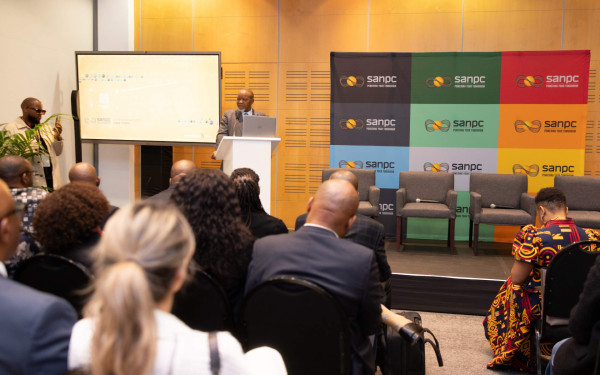
The newly-sanctioned South African National Petroleum Company (SANPC) kicked off its global investor roadshow at African Energy Week: Invest in African Energies on Thursday, inviting investors and governments to engage with South Africa's oil and gas prospects, while showcasing strategic plans for the new entity.

Speaking on the rationale behind the creation of the SANPC, South Africa's Minister of Mineral and Petroleum Resources, Gwede Mantashe, emphasized the need to rationalize and consolidate the country's many state-owned enterprises. The aim is to maximize efficiencies, streamline the sector, reduce costs and prioritize petroleum development as a catalyst for economic growth.

“The focus is to drive economic growth and development. We want it to grow – we want to get into fossil fuels. We must do it. [We want to] improve operational efficiencies, scale of market and market share,” said Minister Mantashe.

The SANPC operates under a broad mandate to acquire, generate, manufacture, market and distribute all forms of energy, including crude oil, natural gas, coal, renewable energy and biofuels. South Africa's extensive coal bed methane and shale gas resources were highlighted, including the gas-rich Karoo Basin and the Saldanha Bay gas-to-power project. The country also benefits from deep-sea ports, robust infrastructure and a favorable regulatory framework, with the potential to create synergies with nearby oil and gas producers such as Mozambique and Angola.

“We need to start thinking as a region instead of as countries,” said Godfrey Moagi, CEO of SANPC.

South Africa's refining capabilities were also emphasized as a critical priority, with enhancing the country's liquid fuels security identified as a matter of national security and strategic interest. The SANPC stated that in 2024, South Africa is expected to import 70% of its manufactured liquid fuel needs.

“This has put the country at risk, and we are dealing with issues of security of supply. We need to prioritize commercial sustainability for the entire CEF Group to drive economic recovery,” said Moagi. “In South Africa, we import $2.5 billion of crude oil and products. The SANPC is going to change this, so that South Africa looks differently.”

“[Reviving] refining capacity reduces the risk on petroleum supply. We must cushion it with our own refining capacity,” said Minister Mantashe.

Following its formation in 2024, the SANPC will enter its second phase of operationalization in 2025, which includes forming strategic partnerships and alliances, operationalizing its assets, and optimizing its business and service model. Starting in 2026, the company plans to enter its growth phase, deploying an integrated “New Energy” growth strategy, developing and optimizing assets, expanding its portfolio, diversifying revenue streams and advancing its technology and innovation strategy.

The SANPC will host a series of upcoming roadshows spanning Africa, Europe and the Middle East, organized by Energy Capital & Power.

Distributed by APO Group on behalf of African Energy Chamber.

Media files
African Energy Chamber
Download logo
Read moreSANPC Launches Global Investor Roadshow
10 November 2024

Limpopo Premier welcomes R120bn in investment pledges

Location: News

Limpopo Premier welcomes R120bn in investment pledges

Limpopo Premier, Dr Phophi Ramathuba, has welcomed the R120 billion in pledges made at the province’s fourth investment conference. 

The conference was held last week in Polokwane.

“We extend our heartfelt thanks to the business sector and all industry leaders, who have partnered with us to uplift our province. 

“These pledges are an important step in transforming Limpopo’s economic landscape, and we are confident that this partnership will bring substantial benefits to the people of Limpopo, who need access to enhanced services and opportunities,” Ramathuba said. 

In a statement after the conference, the provincial government explained that the pledges will propel the province’s development goals.

“The pledged investments are aimed at fueling priority areas for Limpopo’s development, including green energy initiatives, critical infrastructure projects and catalytic ventures that will stimulate industrial growth and support the establishment of industrial parks. 

“These projects are expected to create numerous jobs, ranging from short-term positions to full-time employment opportunities, significantly impacting local communities.

“Implementation of projects funded by these pledges will commence on 24 November 2024 and continue through October 2025. This commitment from the business sector shows the strong support for the province’s seventh administration and its focus on sustainable development and economic resilience,” the statement read. – SAnews.gov.za

NeoB
Sun, 11/10/2024 - 09:45

232 views
Read moreLimpopo Premier welcomes R120bn in investment pledges
10 November 2024

Chikunga to officially launch Disability Rights Awareness Month

Location: News

Chikunga to officially launch Disability Rights Awareness Month

Minister in the Presidency for Women, Youth, and Persons with Disabilities (DWYPD), Sindiswa Chikunga, is expected to launch the Disability Rights Awareness Month (DRAM) 2024 in Lenasia on Monday.

DRAM is observed from 3 November to 10 December every year, with the final day recognised as International Day of Persons with Disabilities, as well as the National Disability Rights Awareness Day. 

According to the DWYPD, this year’s theme for the month is: “Celebrating 30 Years of Democracy: Creating a Disability-Inclusive Society for a Better Quality of Life and Protection of the Rights of Persons with Disabilities”.

“[The theme] highlights South Africa’s collective commitment to advancing rights and inclusivity for persons with disabilities. The weekly themes for DRAM 2024 focus on inclusive growth and job creation, advocating for the inclusion of children with disabilities, building a capable and ethical State, and fostering safer communities.

“Minister Chikunga will deliver a keynote address underscoring government’s dedication to fostering an inclusive society that values and supports the voices and contributions of persons with disabilities. 

“DRAM 2024 will emphasise key national priorities, including inclusive growth, poverty reduction, and the creation of a capable, ethical and developmental State,” the department said. – SAnews.gov.za

NeoB
Sun, 11/10/2024 - 10:03

23 views
Read moreChikunga to officially launch Disability Rights Awareness Month
10 November 2024

Local Manufacturing Key to Advancing Green Technologies

Location: News
African Energy Chamber

The African continent is developing promising green technologies to address energy access disparities and to foster economic growth. Its countries should take an active role in local sustainable energy solutions, rather than merely being consumers of these technologies.

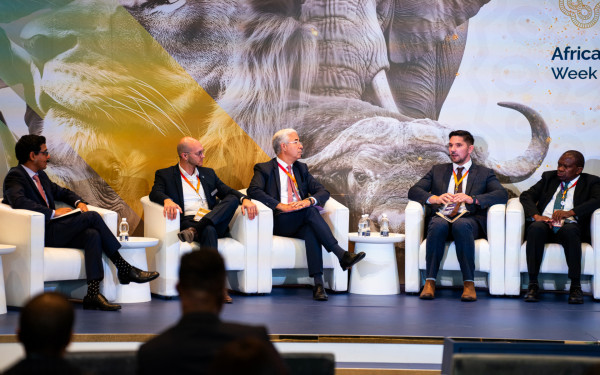
At a dedicated panel session at African Energy Week: Invest in African Energies 2024, panelists emphasized the need for countries already producing oil and gas to utilize local energy resources for the purposes of enhancing value and meeting domestic needs, particularly for secluded and rural areas that do not have access to energy on the grid. They agreed that green technology and innovation could not be advanced without significant investments in local capacity, particularly in manufacturing and grid infrastructure.

Moderated by S&P Global Head of Energy Transition, Ashutosh Singh, panelists of the Advancing Green Technology and Innovation in Africa session further agreed that while renewable energy may not create immediate large-scale jobs, strategic planning by policymakers could lead to millions of new opportunities as the sector evolves.

James White, CEO of Comet Energy, highlighted that legislative barriers also exist in many African nations. In South Africa, for instance, larger solar installations connected to the grid need a generation license from National Energy Regulator of South Africa (NERSA). This, White believes, adds an additional layer of complexity and can deter potential investors or developers from pursuing solar projects.

Although recent amendments to policies have raised the threshold for embedded generation projects without a license to 100 MW, navigating these regulations still poses significant challenges, he noted. “We also need to look at developing local supply chains, which are needed to further drive down costs and improve accessibility to technologies,” he said.

Dennis Bauer, Senior Executive Energy Transition Advisor, Neuman & Esser discussed the potential of hydrogen as key to Africa's energy transition.

By 2035, more than 50 million tons per year of cost-competitive green hydrogen can be produced on the continent by blocks in Morocco, Egypt and South Africa. However, Bauer emphasized that localized supply chains are necessary to support these developments. “Developing local manufacturing capabilities for battery components and other technologies can significantly reduce costs and enhance sustainability,” he said.

The panel discussion also touched on advancements in solar technology, noting improvements in efficiency and flexibility that can facilitate deployment in remote areas.

CEO of South African National Energy Development Institute (SANEDI), Dr Zwanani Titus Mathe, stressed the importance of learning from successful models surrounding new green technologies, like China's investment in research and development (R&D).

“We need to establish centers of competence across Africa focused on R&D, manufacturing and skills development to position the continent as a leader in green technology. As African nations commit to investing in green innovation, collaboration among governments, businesses, and communities is also essential,” he said.

Director of International Relations at IFP Energies nouvelle (IFPEN), Dr Said Nachet, concluded that Africa has the potential to lead in green technology. “By harnessing local resources and fostering innovation, the continent can emerge as a hub for green technology and sustainable energy solutions,” he said.

Distributed by APO Group on behalf of African Energy Chamber.

Media files
African Energy Chamber
Download logo
Read moreLocal Manufacturing Key to Advancing Green Technologies
10 November 2024

Africa’s Energy Infrastructure Can Only Succeed with Enhanced Transmission

Location: News
African Energy Chamber

As the demand for electricity continues to rise across the African continent, it is imperative for countries to act swiftly to enhance transmission capabilities and develop robust infrastructure to secure new energy integration sources over the next 25 years.

A recent report by consulting firm McKinsey & Company estimates that $400 billion will be required to enhance electricity transmission and distribution capacity across Africa by 2050. This investment is critical for modernizing energy infrastructure and ensuring energy security for the continent.

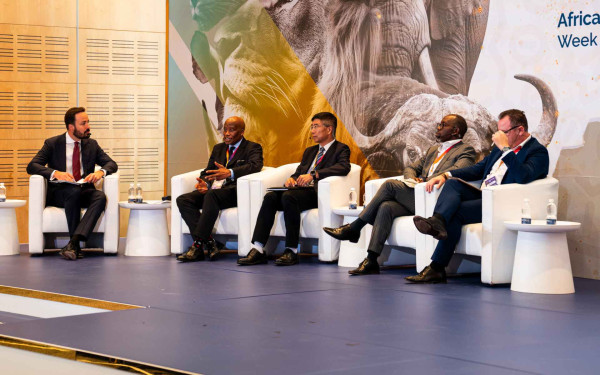
During a panel discussion titled ‘Optimizing Africa's Grid Capacity' at the African Energy Week: Invest in African Energies 2024 conference, Eskom's Transmission Group Executive, Segomoco Scheppers, highlighted the potential of the Electricity Regulation Amendment Act 38 of 2024 for South Africa and its neighboring countries.

This legislation will facilitate the establishment of a market operator in South Africa, creating opportunities for diverse players in the energy sector. “This shift signifies a transformative period in our industry as we adapt to new market dynamics,” he stated.

Despite having interconnections of 400 kV with neighboring countries, Scheppers acknowledged existing challenges. “Strengthening these connections is essential for enhancing regional cooperation and ensuring a reliable energy supply across borders. The reliance on thermal generation in the south, particularly to support countries like Zambia, underscores the need for stronger interconnections,” he explained.

Eskom is further embarking on an extensive domestic expansion program aimed at rapid development – an endeavor that also presents significant challenges. “Learning from global leaders in infrastructure development, particularly from experiences in China, could provide valuable insights into scaling our efforts efficiently,” Scheppers added.

Wang Wenan, Chief Representative, African Representative Office at the State Grid of China, discussed the successful completion of major projects, including the largest long-distance transmission project on the continent — a 500 kV DC line from Ethiopia to Kenya.

However, he noted that fostering private participation in energy projects remains a primary obstacle. “Engaging in dialogues about investment barriers and sharing best practices is crucial for unlocking potential growth in Africa's energy sector,” he emphasized.

Also speaking on the panel, Willy Ireri, Executive Director of Osprey Renewables, highlighted that while East Africa has abundant renewable resources such as wind, solar, and geothermal energy, access to reliable transmission infrastructure in this region also remained a critical challenge. “We are therefore committed to collaborate with state utilities and private investors to ensure that generated electricity reaches emerging green industries in the region,” he said.

With favorable legislation for private investment in transmission expected to be operational by 2025, Osprey Renewables aims to play a vital role in facilitating access to renewable energy for consumers.

“Our mandate at Osprey extends beyond generation; we actively engage across the entire value chain and we are seeing growing interest in green manufacturing and hybrid data centers,” Ireri added, noting that the Kenyan government has initiated proposals inviting independent transmission projects, signaling a positive shift toward increased private sector participation.

Power and Grid Segment President at Schneider Electric, Gary Lawrence, highlighted that a modernization of power grids was also needed. “The traditional grid was designed over a century ago for one-directional flow; today's needs require a bidirectional grid that allows seamless interaction between producers and consumer.”

The industry is balancing supply and demand effectively through initiatives such as collaborating with Egypt's Ministry of Electricity and Renewable Energy to develop distribution control centers that enhance grid intelligence and implementing distributed energy management systems in South Africa.

Distributed by APO Group on behalf of African Energy Chamber.

Media files
African Energy Chamber
Download logo
Read moreAfrica’s Energy Infrastructure Can Only Succeed with Enhanced Transmission
8 November 2024

Imbizo a “demonstration of GNU at work”

Location: News

Imbizo a "demonstration of GNU at work"

President Cyril Ramaphosa has hailed the KwaZulu-Natal District Development Model (DDM) Presidential Imbizo as a powerful example of the Government of National Unity (GNU) in action. 

The President underscored the collaborative efforts of various political leaders to address pressing community issues. 

Addressing community members at the Umnini Sportsfield in Umgababa, the President said the imbizo was a fairly productive session. 

“As I end, I think we have held a fairly productive imbizo session. Today has been a clear demonstration of how our Government of National Unity is also working. I have Ministers from our various political parties that are part of the GNU. 

“I would like to thank them all and I want all the parties in the GNU to see the value of izimbizo. They are important because they enable us to interact with our people and hear their views, and answer their questions and at the same time, follow up on their issues that they have raised,” the President said. 

The Presidential Imbizo is a platform for communities to interact with government leaders from all three spheres of government on service delivery challenges, and for the executive to respond to the community on what they are doing to resolve those issues. 

Community members gathered at the Umnini Sportsfield raised issues such as crime, unemployment, the rising cost of living and matters concerning education. 

The South African Democratic Teachers Union asked President Ramaphosa to intervene on the issue of safety and security at KwaZulu-Natal schools, highlighting previous incidents where teachers were attacked, shot and killed at schools.

Before the Ministers took to the podium to respond to the above issues, President Ramaphosa apologised for the delayed start due to technical issues, stressing the need for better preparedness at such events.

Ministers in the GNU accompanying the President responded to the issues respectively and promised residents that they will follow up and provide solutions. 

Turning to the City of eThekwini municipality, the President also spoke about plans to rejuvenate Durban’s tourism sector, which has historically made the city the "holiday mecca" of South Africa. 

With tourism numbers currently in decline, President Ramaphosa expressed optimism for a revival through the planned reopening of key hotels like the Hilton and lease renewals for iconic establishments such as the Maharani and Elangeni.

“Durban has been the holiday mecca of our country. Many people from all over the country have always considered Durban when they needed to go on a holiday. 

“Tourisms in the province has gone down but the mayor has plans to revive big hotels such as the Hilton Hotel and the renewal of leases by Southern Sun of the Maharani and Elangeni Hotel.

“The business sector has pledged to invest billions of rands to revive tourism, so I am looking forward to the revival of tourism so that Durban can go back to being the jewel of South African tourism. It must once again become the mecca of tourism in SA,” the President said. 

Tourism Minister Patricia De Lille said that her department is working hard to rebuild the tourism sector in the province. 

“Tourism is a very important sector for this province. It is making a significant contribution to the GDP and economic growth of the province. The tourism sector has gone down in KZN, but we are working hard with the Presidential Task Team and the private sector to rebuild it.” 

The Minister said that she has already agreed with the KZN Premier that they will be meeting as a matter of urgency so they can see how they can work together with the plans of the province to do an aggressive marketing campaign to deal with all the negative perceptions around the province. 

“For the summer season, the department partnered with the private sector and already we have 440 private sector tourist attractions that are offering discounted deals for the summer season and I want to encourage all South Africans to look at the Shot left site and check the discounts,” de Lille said.

The President also drew attention to ongoing infrastructure challenges, particularly highlighting the partial collapse of a bridge on the N2 highway, which has disrupted local transportation. 

He expressed confidence in South African engineers, who have devised a plan to restore the bridge, calling it a testament to the country’s engineering expertise. 

“In the morning, I went to the N2 bridge that partially collapsed. The bridge is causing a lot of inconvenience for the people, as it is an important road on the N2," the President said. - SAnews.gov.za

DikelediM
Fri, 11/08/2024 - 19:08

78 views
Read moreImbizo a “demonstration of GNU at work”
8 November 2024

Nyusi’s Commitment to Peaceful Transition Sets Example for Mozambique and Africa

Location: News

The Zimbabwe Advocate
Download logo

In a powerful demonstration of democratic integrity, Mozambique's President Filipe Nyusi has pledged to step down amid the country's ongoing political crisis, promising a peaceful transfer of power to President-elect Daniel Chapo. This commitment, a rare decision in a region where political transitions are often marked by strife, is a significant move for Mozambique and a message for African leaders facing similar pressures. Nyusi's actions, aimed at reinforcing democracy and stability, echo the sentiment expressed by U.S. Vice President Kamala Harris following a contentious election, emphasizing the critical role of peaceful transitions in sustaining democracy.

Nyusi's decision comes at a crucial time. Mozambique's recent election has been fraught with accusations of voter intimidation, ballot inconsistencies, and alleged interference, which have fueled unrest and raised doubts about the credibility of the electoral process. Opposition protests have erupted in response, with clashes breaking out between demonstrators and security forces. As the situation escalates, Nyusi's decision to step down offers the possibility of restoring public trust in Mozambique's democratic institutions, demonstrating that democratic principles can prevail even under intense political scrutiny.

The gravity of this moment in Mozambique's political journey cannot be understated. Historically, African leaders have often clung to power by altering constitutions or manipulating elections, leading to stagnation and, in some cases, internal conflict. The aftermath of prolonged political battles can be devastating, as seen in Zimbabwe and Côte d'Ivoire, where contested elections led to violence and economic hardship. By pledging to transfer power peacefully, Nyusi breaks from this pattern, underscoring a culture of governance that values institutional integrity, stability, and public trust over personal ambition.

This pledge aligns with Mozambique's recent strides toward democratic reform and economic restructuring. Over the past few years, the country has made notable progress in building a foundation for growth by increasing transparency and establishing frameworks for development. Yet, these gains hinge on political stability, and Nyusi's peaceful transfer of power is critical in sustaining these reforms. By ensuring continuity, he allows President-elect Chapo to inherit a stable environment to address the pressing economic and social issues that face the nation. Economic disparity, insurgency in the north, and internal divisions will require focused attention, which would be difficult to achieve in an atmosphere of continued political conflict.

Nyusi's move is also pivotal for regional stability. Mozambique's role in southern Africa makes its stability critical for neighboring countries. Political instability in Mozambique risks not only stalling its own progress but also destabilizing the broader region. In southern Africa, where democratic challenges are ongoing in countries such as Zimbabwe and South Africa, Nyusi's decision sets a powerful precedent for peaceful power transitions, strengthening democratic norms that benefit the entire region. His choice demonstrates that a leader's commitment to the nation's future can eclipse personal political ambitions, offering an example that other leaders might follow to foster peace and democratic integrity in their own nations.

Yet, Nyusi's commitment to a peaceful transition does not come without its challenges. As opposition groups continue to contest the election outcome, clashes with security forces raise concerns about ongoing unrest. The Southern African Development Community (SADC) has called an emergency meeting to address the post-election turmoil, underscoring the potential risks to national and regional stability. While political accountability is central to democratic engagement, the opposition's continued protests pose the risk of prolonged instability. Precedent across Africa has shown that when political actors resist peaceful power transitions, it often leads to violent and economically devastating consequences. By supporting a calm transition, opposition leaders have an opportunity to contribute to the nation's stability and help Mozambique move forward.

The legacy Nyusi leaves is one rooted in democratic values, with his choice to step aside standing as a testament to his respect for Mozambique's future and for the rule of law. In a world where populism and authoritarianism are on the rise, Nyusi's actions serve as a reminder that leadership should prioritize the health of the nation over the ambitions of the individual. His decision may inspire future Mozambican leaders and those across the continent to uphold democratic values and approach governance as a service to the people. By respecting the limits of power, Nyusi sets an enduring standard for African leadership, reminding both current and future generations of the value of putting the nation's stability and democratic integrity above all else.

As Mozambique navigates this transition, it has a chance to model responsible governance and maintain the trajectory of democratic reform. Nyusi's actions have set Mozambique on a path that, if followed, could allow the nation to emerge from this period of uncertainty stronger, more united, and more stable. For Mozambique, for the region, and for Africa as a whole, Nyusi's decision holds lessons that underscore the power of leadership dedicated to the democratic process and the well-being of the nation over individual gain.

Distributed by APO Group on behalf of The Zimbabwe Advocate.

For Information and Commentary:
Adenike Adeodun,
Senior Editor
The Zimbabwe Advocate
+254781435462
news@zimadvocate.com

Read moreNyusi’s Commitment to Peaceful Transition Sets Example for Mozambique and Africa
8 November 2024

Africa’s Mineral Wealth and Path to Economic Transformation Showcased at CMA 2024

Location: News
Energy Capital & Power

Africa's holds significant reserves of minerals critical for the global energy transition. The continent boasts roughly 30% of the world's mineral reserves, including immense deposits of cobalt, manganese, natural graphite, copper, nickel, lithium and iron ore.  

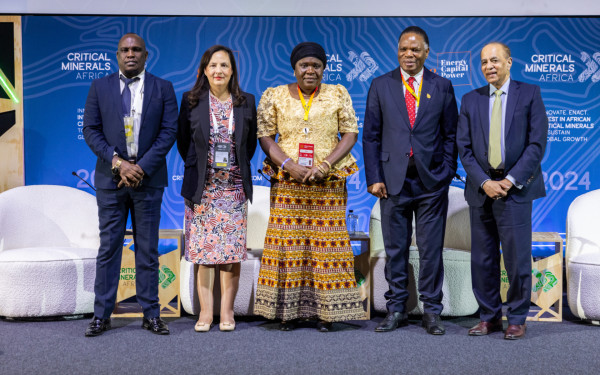
As such, this year's Critical Minerals Africa (CMA) 2024 Summit – held from November 6-7 in Cape Town – convened industry leaders, policymakers, service providers and investors to address the urgent demands of Africa's critical mineral value chain. The Summit featured a robust agenda that sought to shine a spotlight on opportunities for Africa to accelerate its mining sector while utilizing its natural resources to promote value addition and drive socioeconomic development. 

CMA 2024 featured a Ministerial Forum that included the participation of mining ministries from Eswatini, Malawi and Argentina, as well as representatives from Tanzania. High-level speakers during the forum showcased a number of projects aimed at maximizing mineral production while discussing how to leverage mineral resources to promote economic growth and sustainability. 

The Republic of Malawi's Minister of Mining Monica Chang'anamuno highlighted several ongoing projects in the country, such as the Kasongo Initiative, which aims to increase the production of rare earth metals, graphite and lithium resources. 

Meanwhile, Eswatini's Minister of Natural Resources and Energy Prince Lonkhokhela announced ambitious targets to raise to the contribution of the country's mining sector to its GDP. With aims to increase the share from 1% to 50% in the short- to medium-term, the strategy is supported by new surveys revealing commercial deposits of lithium, copper, cobalt and other base metals.  

To bolster investment in mid- and downstream infrastructure, the Summit also featured the participation the President of the Chamber of Mines of Zimbabwe Thomas Gono, who stated, “Historically, we exported raw materials, missing out on the potential benefits. With Africa's young workforce, we now have an opportunity to drive revenue and create jobs through skills development and local beneficiation.” 

With the participation of Tanzania's Chamber of Mines, it was announced that the country aims to expand exploration in critical mineral-rich basins from 16% to 50% as part of a strategic push into rare earths, lithium and tanzanite production. Meanwhile, Zambia's Chamber of Mines discussed ongoing strategies aimed at helping the country address logistics and energy deficit challenges in the mining sector. 

The Summit featured a panel discussion with high-level representatives from mining companies and development institutions including Pensana, the Africa Policy Research Institute and the U.S. Development Finance Corporation. The panel also featured the participation of Clifford Chance, Frost & Sullivan and Chatham House and explored how regional initiatives – such as the Lobito Corridor – have the potential to fast-track Africa's critical minerals market expansion.  

An Investment Forum held during the Summit showcased innovative financing measures to advance the flow of capital across the African market. The session featured representatives from finance institutions the World Bank, ABSA, Moshe Capital, the African Finance Corporation and ASAFO & Co. 

Additionally, midstream and downstream opportunities were showcased during a panel session that featured the participation of organizations such as Orion Minerals, AZ Arnaturen, Women in Green Hydrogen, Isondo Previous Metals and the Southern African – German Chamber of Commerce and Industry. The panel also featured representatives from Konrad Adenauer Stiftung, the SA-DRC Chamber of Commerce, the Curtin Institute for Energy Transition, the Electric Mobility Association of Kenya and the Congolese Battery Council. 

At CMA 2024, research firms including Rystad Energy, Moore Global and Project Blue presented insights on market trends in the global mining industry, while Tronic Metals, Tanzania's State Mining Corporation and South Sudan's state-owned Nilepet provided updates on their activities across the mining value chain. 

A Leaders Forum during the Summit featured the participation of international mining companies Glencore DRC and KoBold Metals as well as representatives from the University of Cape Town and the Minerals Council of South Africa. The forum showcased how governments across Africa can promote innovation in the continent's mining space to attract new investment and increase critical minerals production to drive socioeconomic and GDP growth.  

Distributed by APO Group on behalf of Energy Capital & Power.

Media files
Energy Capital & Power
Download logo
Read moreAfrica’s Mineral Wealth and Path to Economic Transformation Showcased at CMA 2024
8 November 2024

Mining Ministers Present Critical Mineral Expansion Strategies at CMA

Location: News

Energy Capital & Power
Download logo

The second day of the Critical Minerals Africa (CMA) Summit began with a Ministerial Forum, where mining ministers from Eswatini, Malawi, Argentina and representatives from Tanzania highlighted initiatives to advance the mining sector.

HRH Prince Lonkhokhela, Minister of Natural Resources and Energy for the Kingdom of Eswatini, described mining as a foundational pillar of economic growth for the country.

“Our recent high-resolution aerial survey has indicated the presence of copper, nickel and cobalt in the western regions, along with lithium and tantalum in the south,” he stated.

Eswatini is developing a Critical Minerals Strategy in collaboration with the Commonwealth Group, slated for completion by mid-next year, according to the minister.

Lonkhokhela stated that Eswatini is revamping its regulations to align with neighboring nations such as Mozambique and South Africa, aiming for knowledge sharing, resource pooling and regional cooperation on value addition.

Monica Chang'anamuno, Minister of Mining for the Republic of Malawi, emphasized the need for Malawi and Africa to align with the global conversation on critical minerals and the energy transition to seize emerging opportunities.

Chang'anamuno highlighted Malawi's vision to diversify its agriculture-dependent economy through its Agriculture, Tourism and Mining Strategy, prioritizing critical minerals as a driver of growth.

Malawi currently has several rare earth and lithium projects, including the Kasongo rare earth project, which employs 1,200 people, with plans to engage up to 10,000 throughout its lifespan, according to the Minister.

Malawi also discovered one of the world's largest lithium deposits, in partnership with a Korean firm and Rio Tinto, the Minister told delegates at CMA. Additionally, the nation aims to double its energy production to 1,000 MW by next year, with 232 MW allocated to support mining operations.

Maria Alejandra Vlek, Minister of Economic and Commercial Section of Embassy of Argentina in South Africa, highlighted the country's significant lithium potential, holding 22% of global lithium resources, with 180 critical mineral projects currently underway.

She said the country is deploying some 50 lithium projects, including an $800 million lithium facility, and seeks to leverage expertise and investment from African mining countries such as South Africa.

Venace Mwasse, Director of Tanzania's State Mining Corporation, stated “We are aware of the need to reduce emissions through critical mineral production and are committed to ensuring this while benefiting our communities.”

He added that only 16% of Tanzania's land has been surveyed, with a target to reach 50% as part of the country's Vision 2030 Strategy.

Venace Mwasse, Director of Tanzania's State Mining Corporation, stated “We are aware of the need to reduce emissions through critical mineral production and are committed to ensuring this while benefiting our communities.”

He added that only 16% of Tanzania's land has been surveyed, with a target to reach 50% as part of the country's Vision 2030 Strategy.

Distributed by APO Group on behalf of Energy Capital & Power.

Read moreMining Ministers Present Critical Mineral Expansion Strategies at CMA
8 November 2024

Boost for start-ups involved in space, Earth observation

Location: News

Boost for start-ups involved in space, Earth observation

Eight start-ups involved in space and Earth observation innovations have received funding through the Earth Observation Frontiers Enterprises Innovation Support Fund (NEOFrontiers EISF). 

Launched in 2021, the NEOFrontiers is an innovation funding mechanism designed to drive the growth of the local space sector through increased public investments. 

It seeks to stimulate collaboration, cooperation and innovation in the public and private South African Earth observation community.

The NEOFrontiers programme is managed by the South African National Space Agency (SANSA) and the National Research Foundation (NRF), and implemented with the support of Tuksnovation, the University of Pretoria's business and technology incubator. 

The programme subsidises enterprises with amounts ranging from R750 000 to R1 million for 12 months.

SANSA launched NEOFrontiers in 2021 through investment from the Department of Science, Technology and Innovation (DSTI). 

The first four NEOFrontiers projects were funded in 2022, while 2023 saw three start-ups supported. 

This year’s NEOFrontiers call saw eight successful start-ups submit brilliant proposals on mining, agriculture, infrastructure development, healthcare innovation, banking and financial institutions, as well as disaster risk reduction. 

These include Abiri Innovations, Agizo Solutions (Pty) Ltd, Aphelion World JV/Consortium, CreditAIs, Integrated Geoscience Solutions, Kgothatso Innovations, Regona Trading and YaAzi.

A total of 56 applications were received earlier in the year, 25 of which were eligible and allowed to pitch to an independent adjudication committee.

DSTI’s Acting Chief Director Itumeleng Makoloi said this programme unfolds at an opportune time when South Africa seeks to foster innovation.

“We need to create new ways of modernising areas such as agriculture, mining and manufacturing. We believe that this programme represents our shared vision to foster innovation, capacity building and strategic partnership across the public sector. 

"The joint efforts of DSTI entities, such as SANSA and the NRF, play a critical role in driving this vision.”

SANSA CEO, Humbulani Mudau, believes this platform will create a market pool for innovative solutions, for which space is a significant enabler and a value provider.

“I’m delighted to report that there is an equal split in gender representation. We have awarded the grant to start-up companies led and owned by four males and four females. This is good progress towards transforming the industry,” Mudau said. 

He said the NEOFrontiers is poised for greater strides in terms of direction and investments. 

“We’re indeed going to make this a flagship programme that will transform space-based ideas into relevant products and services that address societal and environmental challenges. As we do that, we’re going to be looking at increasing the competitiveness of the South African Earth observation industry for the benefit of the South African society.”

NRF CEO, Dr Fulufhelo Nelwamondo, is of the view that the initiative has the potential to gear small enterprises in the space sector to create job opportunities.

“The key focus is to support start-ups, SMMEs and entrepreneurs with funding. The reason for this is that we expect much more from our SMMEs to make sure that they can grow and employ more people.

“When they employ more people, there is an increase in new technology and service innovations coming out of their areas to a point that we can get even more people involved. Our rate of unemployment is increasing.”

The University of Pretoria’s Head of Innovation and Contracts Management, Advocate Lawrence Baloyi, said this has the potential to shape the future of South African space innovation. 

The next call to fund new SMMEs will be published before the end of 2024. – SAnews.gov.za

Gabisile
Fri, 11/08/2024 - 11:04

28 views
Read moreBoost for start-ups involved in space, Earth observation
8 November 2024

Mashatile attends inauguration of the newly-elected President of Botswana

Location: News

Mashatile attends inauguration of the newly-elected President of Botswana

Deputy President Pual Mashatile is today attending the inauguration of President Duma Gideon Boko at the National Stadium in Gaborone, Botswana.

Boko was elected after the Umbrella for Democratic Change (UDC) successfully won the 30 October polls, defeating the governing party Botswana Democratic Party (BDP) which has been in power for 58 years.  

“The Deputy President is attending the inauguration as delegated by President Cyril Ramaphosa who, following the announcement of President Boko’s victory, congratulated him and reaffirmed South Africa’s commitment to working closely with Botswana, as a valued neighbour, to realise the regional integration agenda in pursuit of Africa’s prosperity,” a Presidency statement read.

According to the Presidency, South Africa and Botswana enjoy strong political, economic, and social relations, which date back to pre-independence in Botswana, during the struggle against colonialism and apartheid in South Africa. 

“South Africa wishes President Duma Boko and the Botswana government well in this democratic transition and looks forward to supporting the country’s efforts toward economic growth and prosperity,” said the Presidency, ahead of Friday’s inauguration.

According to the SABC, former President Thabo Mbeki and the Economic Freedom Fighters leader Julius Malema, are expected to be among the attendees. – SAnews.gov.za


Gabisile
Fri, 11/08/2024 - 10:07

18 views
Read moreMashatile attends inauguration of the newly-elected President of Botswana
8 November 2024

Five Winners of the 2024 Earthshot Prize Unveiled at Awards Ceremony in Cape Town

Location: News

MultiChoice Group
Download logo

  • Advanced Thermovoltaic Systems, High Ambition Coalition for Nature and People, Keep IT Cool, Altyn Dala Conservation Initiative and Green Africa Youth Organization (GAYO) revealed as 2024 Earthshot Prize Winners during star-studded ceremony broadcast live across 50 African countries
  • Each Winner to receive £1 million to accelerate and scale the impact of their innovative environmental solutions
  • Calls for nominations for the 2025 Earthshot Prize are now open

​Last night, the five 2024 Earthshot Prize Winners were announced at a star-studded awards ceremony in Cape Town, South Africa, hosted by Emmy, Grammy and Tony Award winner Billy Porter and award-winning television presenter Bonang Matheba. The 2024 Winners, selected from this year's 15 Earthshot Finalists, will be awarded £1 million each to accelerate and scale their game-changing environmental solutions.

Following a rigorous selection process focused on identifying impactful, inspiring and inclusive environmental solutions, the five Winners are:

  • Fix Our Climate: Advanced Thermovoltaic Systems
  • Revive Our Oceans: High Ambition Coalition for Nature and People
  • Build a Waste-Free World: Keep IT Cool
  • Protect and Restore Nature: Altyn Dala Conservation Initiative
  • Clean Our Air: Green Africa Youth Organization (GAYO)

 Speaking during the Awards Ceremony, Prince William said:

“I believe our world can be rich in possibility, in hope, and in optimism. That is why The Earthshot Prize exists. To champion the game-changers, the inventors, the makers, the creatives, the leaders; to help them build upon the amazing things they've already achieved; to speed their innovations to scale and to inspire the next generation to create the future we all need."

Descriptions of the five Winners, by category:

WINNER for Fix Our Climate:

Advanced Thermovoltaic Systems (https://apo-opa.co/48EySP6), USA
Nominated by: Herbert Smith Freehills LLP

Advanced Thermovoltaic Systems (ATS) has developed a simple, safe and scalable technology to capture waste heat and convert it into electricity, offering a game-changing solution for heavy industries like cement and steel production. These industries require extremely high temperatures, which generate vast amounts of waste heat that is typically lost. ATS's technologies have the potential to save gigatonnes of CO2.

“At ATS, we are proud to lead the way in converting this waste into clean, usable electricity.  Winning the 2024 Earthshot Prize underscores the transformative potential of our technology. Tonight is a key moment for us as we focus on scaling up production in larger manufacturing facilities.” – Kelly Adams, CEO, Advanced Thermovoltaic Systems.

WINNER for Revive Our Oceans:

High Ambition Coalition for Nature and People (https://apo-opa.co/3AxM7Ew), Global
Nominated by: Campaign for Nature

A groundbreaking alliance of 119 countries with the ambitious goal to protect 30% of land and oceans by 2030, High Ambition Coalition identifies technical, financial and knowledge gaps and connects governments with technical assistance and funding. They've already achieved a major milestone with the adoption of the “30×30” target in the 2022 UN Global Biodiversity Framework.

Rita Maria El Zaghloul, Director, High Ambition Coalition for Nature and People said, “On behalf of the alliance, we are deeply humbled to be a Winner of this year's Earthshot Prize. Today's award validates the hard work and dedication of all involved in the 30x30 initiative and fuels our excitement and determination to protect 30 percent of the world's land and oceans by 2030. Together, we can achieve a more sustainable and biodiverse future.”

WINNER for Build a Waste-Free World:

Keep IT Cool (https://apo-opa.co/3AAGjdr), Kenya
Nominated by: Draper Richards Kaplan Foundation, Katapult Ocean

Keep IT Cool (KIC) addresses the challenge of food spoilage by providing sustainable, localized refrigeration systems that help small farmers and fishers preserve their produce. By installing solar-powered cold storage units where fish are landed, KIC significantly reduces spoilage and waste by ensuring the catch stays fresh and managing its transport to market. With plans to grow into East Africa and beyond, KIC is now working to expand their activities in poultry, fruit and vegetables and aims to bring their solution to more communities.

Francis Nderitu, Founder and Managing Director of Keep IT Cool said, “We are on a mission to revolutionise the food supply chain in East Africa. We are grateful for the recognition from The Earthshot Prize, and it is an important milestone for Keep IT Cool. We will continue to enhance market access, reduce waste and build climate resilience for small-scale fish and poultry farmers throughout the region.”

WINNER for Protect and Restore Nature:

Altyn Dala Conservation Initiative (https://apo-opa.co/3NWG3Zk), Kazakhstan
Nominated by: United Nations Environment Programme

Altyn Dala Conservation Initiative has achieved the almost unprecedented feat of saving the critically endangered Saiga antelope from extinction. This mission has grown into one of the world's largest conservation projects and is focused on protecting and restoring Kaakhstan's Golden Steppe, one of the world's least protected natural ecosystems.

Vera Voronova, Executive Director, Altyn Dala Conservation Initiative said, “We are thrilled to be receiving the 2024 Earthshot Prize for Protect and Restore Nature. Altyn Dala demonstrates that when governments and civil society work together with a shared vision, we can achieve remarkable results. The restoration of the Saiga antelope population and the revival of the Central Asian steppe are not just triumphs for wildlife but for the local communities that depend on these ecosystems.”

WINNER for Clean Our Air:

GAYO, Green Africa Youth Organization (https://apo-opa.co/3NVrpSe), Ghana
Nominated by: Clean Air Fund

A youth-led, gender-balanced organisation, GAYO uses its “Zero Waste Model” to drive behavioural change in waste management practices across Africa that cut greenhouse gas emissions and particle pollution, while also bringing additional income to communities. Their goal is to reduce greenhouse gas emissions and particle pollution in Ghana by 70%, compared to open burning, as well as divert a total of 4,000 tonnes of waste by 2030. GAYO's plans to scale would make them the leading model for waste management on the continent.

Desmond Alugnoa, Co-Founder of the Green Africa Youth Organization (GAYO) said, “We are incredibly honored to be winning the Prize, which is a testament to the power of community-driven solutions and the importance of empowering those most affected by climate challenges. Our work in Ghana demonstrates that sustainable waste management isn't just a possibility—it's a necessity. The recognition by The Earthshot Prize fuels our commitment to replicating these models across Africa, proving that local solutions can have global impacts.”

The five Winners of the 2024 Prize cohort were selected by Prince William and The Earthshot Prize Council, a diverse group of experts, advocates and individuals dedicated to championing urgent and innovative action to protect our planet. The Earthshot Prize Council is chaired by The Earthshot Prize Board of Trustees Chair, Dame Christiana Figueres, architect of the Paris Agreement.

Members of The Earthshot Prize Council include: His Royal Highness Prince William, Her Majesty Queen Rania Al Abdullah, José Andrés, Sir David Attenborough, Cate Blanchett, Ernest Gibson, Hindou Oumarou Ibrahim, Wanjira Mathai, Stella McCartney, Nemonte Nenquimo, Luisa Neubauer, Indra Nooyi, Dr. Ngozi Okonjo-Iweala and Naoko Yamazaki.

In addition to the five £1 million prizes supporting the growth of Winners' solutions, each of the 15 Earthshot Prize Finalists will receive dedicated mentorship, resources and technical support through the year-long Earthshot Prize Fellowship Programme.

That support includes access to the Prize's robust network of influential experts and partners, including The Earthshot Prize's Global Alliance of Partners (https://apo-opa.co/4fh0E6D), comprised of some of the world's largest businesses, donors, investors and environmental organisations committed to climate action.

Finalists will also have access to Launchpad (https://apo-opa.co/3O1bhi2), Earthshot's bespoke online finance platform to matchmake Earthshot solutions to a growing community of members made up of mission-aligned donors and investors seeking to speed proven environmental solutions to scale.

The Earthshot Prize is already gearing up for the 2025 Earthshot Prize. Nominations for the Prize's fifth cohort of innovative solutions and entrepreneurs are now open.

If you missed last night's spectacular live event you can watch repeat broadcasts of the star-studded ceremony from 07 November on DStv Catch Up, Showmax, and on multiple DStv channels across Africa from 08 November. Check your local television schedules for more details.

Distributed by APO Group on behalf of MultiChoice Group.

NOTES FOR EDITORS:
Follow The Earthshot Prize on:  

Instagram: https://apo-opa.co/3UKashj
Twitter: https://apo-opa.co/4fEHeZ8
LinkedIn: https://apo-opa.co/3AA6uB4
Facebook: https://apo-opa.co/3YU9tNY
YouTube: https://apo-opa.co/3UGroFo
TikTok: https://apo-opa.co/4fFj00P

About The Earthshot Prize:
Founded by Prince William and incubated in the The Royal Foundation in 2020 for a year before becoming an independent platform/organisation, The Earthshot Prize is a global environmental prize and platform designed to discover, accelerate and scale ground-breaking solutions to repair and regenerate the planet. Inspired by President John F. Kennedy's Moonshot, which united millions of people around the goal of reaching the moon, The Earthshot Prize aims to catalyse an Earthshot challenge to urgently encourage and scale innovative solutions that can help put the world firmly on a trajectory towards a stable climate, where communities, oceans and biodiversity thrive in harmony by 2030. The five challenges are: Protect and Restore Nature; Clean Our Air; Revive Our Oceans; Build a Waste-Free World; and Fix Our Climate.

The Prize aims to turn the current pessimism surrounding environmental issues into optimism by championing inspiring leadership and helping to scale incredible cutting-edge solutions. It will discover 50 winners over 10 years with the power to repair the planet. More than an award, The Earthshot Prize works in partnership with a Global Alliance of Partners to support the scaling of the solutions discovered and selected each year.

The Global Alliance Founding Partners are a group of leading global organisations and philanthropists, which act as strategic funding partners to the Prize, including Aga Khan Development Network, Bezos Earth Fund, Bloomberg Philanthropies, Breakthrough Energy Foundation, Coleman Family Ventures, DP World in partnership with Dubai EXPO 2020, Eleven Eleven Foundation, Giving Grousbeck Fazzalari, Holch Povlsen Foundation, Jack Ma Foundation, Law Family Charitable Foundation, Mastercard Center for Inclusive Growth, Marc and Lynne Benioff, Paul G. Allen Family Foundation, Rob Walton Foundation, Sandy and Paul Edgerley, Standard Chartered Bank, Temasek Trust, and Uber.

Global Alliance Partners are non-profit environment and sustainable development organisations that bring expertise, global reach and serve as nominating organisations each year. For a full list of our Global Alliance Partners, visit: https://apo-opa.co/4fh0E6D.

Global Alliance Members are some of the world's largest and most influential companies and brands that will support The Earthshot Prize, implement ambitious changes within their businesses and accelerate the advancement of the solutions of Prize Finalists and Winners. They are Arup, Bloomberg L.P., Deloitte, Herbert Smith Freehills, Hitachi, Ingka Group (IKEA), Microsoft, The Multichoice Group, Natura &Co, Safaricom, Salesforce, Unilever, Vodacom Group, and Walmart.

For more information about The Earthshot Prize, visit: www.EarthshotPrize.org.

Read moreFive Winners of the 2024 Earthshot Prize Unveiled at Awards Ceremony in Cape Town
8 November 2024

Eskom, French development agency sign R125 million grant agreement

Location: News

Eskom, French development agency sign R125 million grant agreement

Eskom and Agence Française de Développement (AFD) have signed a R125 million grant agreement to support the development of the power utility’s Tubatse Pumped Storage System (PSS) project.

The hydro storage system project is located in the Elias Motsoaledi Local Municipality in Limpopo and has been billed as a top priority project by the Infrastructure South Africa Programme.

Eskom Group Chief Executive (GCE), Dan Marokane, said the grant will provide South Africa and the power utility with another pathway to achieve its low carbon economy goals.

“Without large-scale facilities such as Tubatse, the management of intermittent power from renewable energy–wind and PV [photovoltaic] –would be very difficult without the kind of intervention that pump storage systems offer,” he said on Thursday.

The GCE added that the power utility has “developed a pipeline of more than 20 GW of clean energy projects to diversify its energy mix and reduce its emissions related to fossil fuel generation”. 

“Over the next three years we have an ambition to execute at least 2GW of these projects. The clean energy projects will consist of a diversified capacity mix of renewable energy solar PV and wind, hydro, gas, nuclear and pump storage,” Marokane said.

The power utility described the Tubatse Pumped Hydro Storage System as a “mega installation with a power generation capacity of 1.5 GW” with a storage capacity of 21 GWh.

“Large-scale storage and grid services such as these are necessary to accommodate the rapid development of renewable energy in South Africa, as planned through the Just Energy Transition (JET) Investment Plan.

“Eskom plans to develop the Tubatse PSS project as a Public-Private Partnership and will intend to procure the services of a Transaction Advisor to conduct a thorough Private Sector Participation feasibility study and business case in the first quarter of 2026. 

“This Transaction Advisor, to be financed by said grant funding, will support Eskom in procuring a private developer for the project’s implementation, which is scheduled for the 2025–2033 timeframe,” Eskom said.

Ambassador of the European Union to South Africa, Sandra Kramer, said of the grant agreement: “The partnership between Team Europe and South Africa continues to deepen. We are rolling out our Global Gateway investment programme in crucial areas such as the green energy transition. 

“The Global Gateway grant funding provided here today will further unlock the immense potential for renewable energy and support South Africa to realise its ambitions for a greener tomorrow”.

AFD’s Regional Director for Southern Africa and Country Director for South Africa, Audrey Rojkoff, added: “AFD’s funding to Eskom reaffirms our commitment to support Eskom’s efforts to diversify its energy mix and maintain energy security, which will ultimately strengthen its capacity to respond to the growing energy needs and economic growth of South Africa”. – SAnews.gov.za


NeoB
Fri, 11/08/2024 - 09:11

7 views
Read moreEskom, French development agency sign R125 million grant agreement
7 November 2024

Afreximbank President Professor Benedict Oramah Receives Prestigious Mohammed Barkindo Lifetime Achievement Award

Location: News
Afreximbank

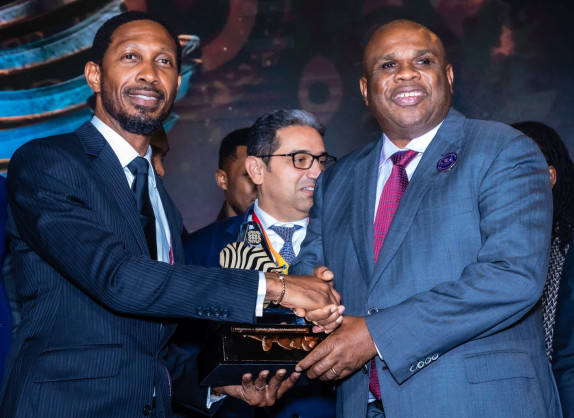
Professor Benedict Okey Oramah, President and Chairman of the Board of Directors at African Export-Import Bank (Afreximbank) (www.Afreximbank.com), has been awarded the prestigious Mohammed S. Barkindo Lifetime Achievement Award at the African Energy Awards, held on the sidelines of the African Energy Week (AEW) 2024: Invest in African Energy conference, happening between 4-8 November in Cape Town, South Africa.  

The award, named in honour of the former Secretary-General of OPEC, the late Dr Mohammed Barkindo, recognizes individuals who have made exceptional and lasting contributions to Africa's oil, gas, and energy sectors. This honour represents the highest accolade in African energy, awarded to individuals whose work has had a transformative impact on the continent's energy sector. Notable past recipient of the Mohammed S. Barkindo Lifetime Award in 2023 is Keith Hill, former President and CEO of Africa Oil Corp. 

For over three decades, Prof. Oramah has played a critical role in driving sustainable development across Africa by channelling essential funding into major oil, gas, and infrastructure projects. Since assuming leadership of Afreximbank in 2015, he has pioneered innovative financing structures that have democratised energy access and accelerated industrialization and the growth of Africa's strategically critical energy sector. 

Under Prof. Oramah's leadership, Afreximbank has made substantial contributions to the growth of Africa's energy sector. Under his stewardship, the Afreximbank has facilitated the mobilization of over USD 70 bn to support Africa's energy sector. Included in this is more than USD 5bn for refineries in Nigeria, Angola and Senegal, to further Africa's refined product independence and reduce the continent's Foreign Exchange drain.  

In Nigeria, Afreximbank now acts as Adviser and Settlement Bank for NGN denominated crude sales to Nigerian refineries. Replicated across the oil producing states in Africa, this will save several USD 100mn per annum in transactional charges alone. Ranking among President Oramah's most significant achievements is the historic signing of the Establishment Agreement and the Charter of the Africa Energy Bank (“AEB”) in Egypt in June 2024, in partnership with the African Petroleum Producers Organization (APPO). This landmark initiative aims to mobilize funding to support investments across Africa's entire energy system, aligning with the continent's energy needs and its environmental sustainability goals. 

Professor Oramah has led the energy transition agenda through the Bank's support in renewable energy transactions including, but not limited to, the EUR1.3 bn ECA import facility Project Gleam in support of the import of sonar panels for rural electrification in Angola, the EUR 147mn Government of Cameroon solar power project and the US$363 million Gasmeth Energy Rwanda gas extraction and processing project.  

Significantly, the majority of the above-mentioned transactions received numerous industry awards for their impact on the continent, their complexity and their unique structures.   

Prior to joining Afreximbank, Professor Oramah distinguished himself in international trade finance and development. Beginning his career at the Nigerian Export-Import Bank (NEXIM), he played an instrumental role in shaping Nigeria's export development strategies. Prof Oramah holds a Ph.D. in Agricultural Economics from Obafemi Awolowo University in Nigeria.  

Acknowledging the award, Prof. Oramah commented: 

“It is a great honour to be awarded the Mohammed S. Barkindo Lifetime Achievement Award. Whilst a great honour for me personally, this award reflects the work and dedication of many others, including my colleagues at Afreximbank and our various partners. At Afreximbank, we remain deeply committed to reducing energy deficit on the continent and ensuring we are self-sufficient. 

Distributed by APO Group on behalf of Afreximbank.

Media Contact: 
Mr Vincent Musumba 
Manager, Communications and Events (Media Relations) 
Email: press@afreximbank.com 

Follow us on: 
Twitter: https://apo-opa.co/4fwz0D3
Facebook: https://apo-opa.co/4emjUyg
LinkedIn: https://apo-opa.co/4feURPa
Instagram: https://apo-opa.co/3CjGevc

About Afreximbank : 
African Export-Import Bank (Afreximbank) is a Pan-African multilateral financial institution mandated to finance and promote intra-and extra-African trade. For 30 years, the Bank has been deploying innovative structures to deliver financing solutions that support the transformation of the structure of Africa's trade, accelerating industrialization and intra-regional trade, thereby boosting economic expansion in Africa. A stalwart supporter of the African Continental Free Trade Agreement (AfCFTA), Afreximbank has launched a Pan-African Payment and Settlement System (PAPSS) that was adopted by the African Union (AU) as the payment and settlement platform to underpin the implementation of the AfCFTA. Working with the AfCFTA Secretariat and the AU, the Bank is setting up a US$10 billion Adjustment Fund to support countries to effectively participate in the AfCFTA. At the end of December 2023, Afreximbank's total assets and guarantees stood at over US$37.3 billion, and its shareholder funds amounted to US$6.1 billion. The Bank disbursed more than US$104 billion between 2016 and 2023. Afreximbank has investment grade ratings assigned by GCR (international scale) (A), Moody's (Baa1), Japan Credit Rating Agency (JCR) (A-) and Fitch (BBB). Afreximbank has evolved into a group entity comprising the Bank, its impact fund subsidiary called the Fund for Export Development Africa (FEDA), and its insurance management subsidiary, AfrexInsure, (together, “the Group”). The Bank is headquartered in Cairo, Egypt. 

For more information, visit: www.Afreximbank.com 

Media files
Afreximbank
Download logo
Read moreAfreximbank President Professor Benedict Oramah Receives Prestigious Mohammed Barkindo Lifetime Achievement Award
7 November 2024

Basic Education works to develop school safety guidelines

Location: News

Basic Education works to develop school safety guidelines

Following recent cases of food poisoning among learners, the Department of Basic Education is working with the Department of Health to develop safety guidelines for schools to effectively mitigate the risks of organophosphate pesticide exposure in school environments.

This was announced by the Basic Education Minister Siviwe Gwarube at a media briefing in Cape Town on Wednesday.
Gwarube said that learner safety is her top priority, and that the Department of Basic Education (DBE) is taking the matter seriously.

“In response to these incidents, my department is working with the Department of Health to develop safety guidelines for schools on how best to mitigate the risks of organophosphate pesticides entering school environments. 

“These will be aimed at ensuring that communities and vendors near schools are aware of the risks associated with hazardous chemicals, especially those used for pest control purposes. I will ensure that these are finalised as soon as possible,” she explained.

This as the country has experienced a spate of deaths and children falling ill after eating snacks from local spaza shops across the country.  Six Soweto children died after they were said to have consumed snacks from a local spaza shop. At a recent media briefing, Health Minister, Dr Aaron Motsoaledi, announced that forensic tests unveiled that the six primary school children were killed by a highly toxic organophosphate called Terbufos.

READ | Death of six Soweto children linked to Terbufos

At the briefing Gwarube highlighted that initial investigations have shown that incidents originated from food items purchased outside of school premises, particularly items tainted with hazardous chemicals such as organophosphates. 

READ | Mother and son hospitalised after consuming food from spaza shop

Organophosphate pesticides are highly toxic substances and pose a significant risk, especially to young children. In these cases, it appears that certain foods were contaminated, resulting in serious health consequences for the affected learners.

“I want to urge communities, parents, and vendors to exercise extreme caution when handling, storing, and selling pesticides, particularly those known to contain harmful chemicals. The proper handling of pesticides is not just a matter of regulatory compliance but of ensuring that our children are safe in the environments where they learn, play, and grow,” she said. 

The Minister said that she is exploring all possible legal avenues, within a basic education context, to ban these pesticides and insecticides from entering into school environments. 

“It is my view that no school should be permitted to store or use these dangerous chemicals on its premises. Our objective is to create a safe learning environment for every child, and we are committed to implementing the necessary steps to make this a reality.”

Learner safety

Within the DBE’s commitment to fostering a safe and supportive environment for all learners, Gwarube said it was with a heavy heart that she addresses the deeply distressing incident of the rape of five Grade 12 learners in the Eastern Cape.

The incident occurred in Mqhekezweni, outside Mthatha, where the learners from Jongintaba High School were sexually assaulted by two armed intruders last week. 

“I want to express my deepest sadness for what these young people have endured. Such acts of violence are abhorrent and utterly unacceptable, particularly during a time when these learners should be focused on their studies and their futures.

“In response to this tragedy, the department has prioritised psychosocial support for the affected learners, ensuring that they have access to counselling and trauma care services. Our priority is to support them in their recovery, giving them the space and assistance they need to heal.”

She added that this incident also highlights the broader need for a more robust approach to safeguarding learners from gender-based violence (GBV) within and outside the school environment. 

She emphasised that schools are a space of learning and growth, and that this should be reflected in communities as well. 
“It is unacceptable that women and children should feel unsafe in this country, we must act with all urgency to end the scourge of gender-based violence and femicide. 

“We are working closely with local law enforcement and community stakeholders to ensure that justice is served for those five learners,” the Minister said. – SAnews.gov.za


DikelediM
Wed, 11/06/2024 - 15:20

144 views
Read moreBasic Education works to develop school safety guidelines
7 November 2024

SA’s G20 Education Working Group Presidency to focus on skilling young people 

Location: News

SA’s G20 Education Working Group Presidency to focus on skilling young people 

South Africa’s G20 Education Working Group Presidency will focus on equipping young people with skills for the Fourth Industrial Revolution. 

Basic Education Minister Siviwe Gwarube said this includes training in artificial intelligence (AI) and robotics.

The Minister gave details of her recent visit to Fortaleza, Brazil, where she accepted the handover of the 2025 Presidency of the G20 Education Working Group on behalf of South Africa.

“This is a historic moment for our nation, and it places South Africa at the center of the global education agenda for the coming year. The G20 Education Working Group is a powerful platform for collaboration, bringing together some of the world’s leading economies to address the most pressing issues in education today.

“Under our presidency, we will focus on ‘Educational Professionals for Solidarity, Equality and Sustainable Development," she said at media briefing on Wednesday.

This she added, reflects the country’s commitment to advancing education in a way that supports economic growth, social equity, and a future-ready workforce. 

These priorities include quality foundational learning, mutual recognition of qualifications across borders, and the development of educational professionals equipped to meet the needs of a rapidly changing world. 

“Each of these areas is critical not only for South Africa but for developing nations around the world, as we all prepare our learners for the challenges and opportunities of an AI-powered future.

“Our presidency will emphasise the importance of preparing our young people with the skills needed for the Fourth Industrial Revolution, including artificial intelligence, large language models, robotics, and other emerging technologies,” Gwarube said. 

In an era defined by rapid technological change, Gwarube said it is essential that education systems adapt and evolve to equip learners with relevant, future-ready skills. 

Through the G20 platform, she said the sector aims to foster greater international cooperation, allowing them to share best practices, resources, and innovations that support this goal.

“One of the key goals of our presidency will be to advocate for an inclusive and equitable approach to education that reflects the diverse needs of all learners. We will prioritise the voices and perspectives of developing nations, ensuring that the G20 Education Agenda aligns with the aspirations of learners worldwide. 

“By addressing the challenges faced by resource-constrained regions, we can create an educational framework that leaves no learner behind. We believe that every young person deserves the chance to succeed in a world that increasingly relies on digital and technological proficiency,” the Minister explained adding that this leadership role is both a responsibility and a tremendous opportunity for South Africa. 

“As a country, we are committed to advancing education that is not only accessible but transformative education that empowers individuals, supports communities, and drives sustainable development. 

“By taking on this role, we are not only supporting South African learners but contributing to a global movement that prioritizes the growth, safety, and wellbeing of all children,” she said. 

As the country steps into the presidency of the G20 Education Working Group, the Minister said: “We are reminded of the immense potential for education to change lives, drive innovation, and build a resilient, future-ready nation. 

“I look forward to engaging with our global partners and advancing an agenda that will equip our learners and learners around the world for the demands of tomorrow,” she said.

South Africa will hold the G20 Presidency from 1 December 2024 to 30 November 2025.

READ | Government assigns funding for G20 Summit

The G20 brings together the countries with the largest economies in the world. The Member States meet annually to discuss economic, political and social initiatives. – SAnews.gov.za


DikelediM
Wed, 11/06/2024 - 15:36

124 views
Read moreSA’s G20 Education Working Group Presidency to focus on skilling young people 
7 November 2024

Telviva Expands UK UCaaS Offering to Meet Rising Demand

Location: Business

Strong global demand for UCaaS sees Telviva expand its offering in the UK CAPE TOWN – Unified Communications as a Service (UCaaS) has enjoyed good growth globally and will continue to show upward momentum until at least 2030, according to leading research company Cavell Group. To meet this growing demand, leading unified communications and collaboration …

Read moreTelviva Expands UK UCaaS Offering to Meet Rising Demand
  • Previous
  • Page 1
  • Interim pages omitted …
  • Page 34
  • Page 35
  • Page 36

Copyright © 2026 · MyZA · All Rights Reserved · Powered by Stratlec Online