Devnarain Reflects On Sa U19 Women’s Recent T20s Against Namibia And Eastern Storm
JOHANNESBURG: The South Africa U19 Women recently participated in a series of unofficial T20 matches against the senior Namibian Women’s team...

MyZA
News, Directory, Events and Other Stuff
JOHANNESBURG: The South Africa U19 Women recently participated in a series of unofficial T20 matches against the senior Namibian Women’s team...
Providing a guaranteed minimum level of income frees people from vicious cycle of poverty, says Archbishop Thabo Makgoba
Namibian breeding colonies decimated by predation
A delegation of the World Bank Group's (WBG) Board of Executive Directors (EDs) noted South Africa's and Namibia's progress in achieving their development goals and re-affirmed World Bank Group's commitment to providing support. The 11 EDs and Alternate EDs were hosted by the World Bank and International Finance Corporation (IFC) country offices during their recent visit on July 7-13.
The visit provided a platform to assess progress with projects and engage on the evolution of the World Bank Group's relationship with the countries, from a knowledge-focused to a broader knowledge and financing partnership. EDs met government and business leaders, local stakeholders, and project beneficiaries, and experienced first-hand how the countries manage development priorities and challenges. South Africa and Namibia have common challenges, including poverty, unemployment, and inequality. Throughout the visit, the delegation discussed the ongoing and future support from the World Bank Group to boost inclusive economic growth and job creation.
In South Africa, over the past three years the country has shifted from being a non-borrowing client to borrowing over $1 billion per year from the World Bank. South Africa also constitutes the largest IFC portfolio in Africa and the Multilateral Investment Guarantee Agency's (MIGA) second largest on the continent.
In Namibia, the World Bank Group is preparing a new Country Partnership Framework (CPF) with the government that will strategically guide its support as the engagement continues to grow. The World Bank recently approved a $138.5 million renewable energy and transmission loan to NamPower, after 15 years without borrowing.
Key highlights of the visit included:
Matteo Bugamelli, the World Bank's Executive Director who represents the constituency of countries including Albania, Greece, Italy, Malta, Portugal, San Marino, and Timor-Leste, expressed optimism about the countries' progress. He emphasized the World Bank Group's commitment to helping South Africa and Namibia address unemployment and inequality challenges. He particularly welcomed the increased financing to support the implementation of much needed reforms.
About the World Bank Group's Board of Directors: The Board of Executive Directors is responsible for the conduct of the general operations of the Bank, making decisions on loans, credits, grants, policies, and financial matters. The Board consists of 25 members who represent the 189 member countries, providing guidance for the institution's development activities.
Visiting Board Officials: The delegation included Mr. Abdulaziz E A Almulla (Executive Director for Bahrain, Arab Republic of Egypt, Jordan, Iraq, Kuwait, Lebanon, Maldives, Oman, Qatar, United Arab Emirates, West Bank and Gaza, and Republic of Yemen); Mr. Matteo Bugamelli (Executive Director for Albania, Greece, Italy, Malta, Portugal, San Marino, and Timor-Leste); Ms. Ayanda Dlodlo (Executive Director Angola, Nigeria, South Africa); Mr. Floribert Ngaruko (Executive Director for Botswana, Burundi, Eritrea, Eswatini, Ethiopia, The Gambia, Kenya, Lesotho, Liberia, Malawi, Mozambique, Namibia, Rwanda, Seychelles, Sierra Leone, Somalia, South Sudan, Sudan, Tanzania, Uganda, Zambia and Zimbabwe); Ms. Katharine Rechico (Executive Director for Antigua & Barbuda, The Bahamas, Barbados, Belize, Canada, Dominica, Grenada, Guyana, Ireland, Jamaica, St. Lucia, St. Kitts & Nevis and St. Vincent & the Grenadines); and Mr. Tauqir Shah (Executive Director for Afghanistan, Algeria, Ghana, Islamic Republic of Iran, Morocco, Pakistan, and Tunisia.
Visiting Alternate Executive Directors: Mr. Louis Albisson (Alternate Executive Director for France); Mr. Felice Gorordo (Alternate Executive Director for the United States), Mr. Koji Uemura (Alternate Executive Director for Japan); Ms. Kerstin Sumana Wijeyewardene (Alternate Executive Director for Asia and the Pacific Constituency) and Mr. Weifeng Yang (Alternate Executive Director for China).
Included in the delegation was Ms. Mercy Tembon, World Bank Vice President and Corporate Secretary.
Distributed by APO Group on behalf of The World Bank Group.
Listening to the soulful singing of young women and girls in Nomzamo township in Strand, Cape Town, South Africa, and watching their jubilant dancing, it would be difficult to guess the complex and life-threatening challenges they have faced in their young lives. These girls and women, members of the Young Women for Life Movement, have every reason to be ecstatic; they are extricating themselves from the cycle of poverty and the effects of HIV/AIDS and GBV in a country where women are disproportionately affected by HIV.
Of the nearly 7.5 million adults living with HIV in South Africa by 2021, nearly two-thirds (64 per cent) were women, with black women aged 25-34 years having the highest prevalence, at 31.6 per cent, and highest incidence, at 4.5 per cent according to data from The Lancet. While the infection rate has dropped from 14 per cent in 2017 to slightly less than 13 per cent in 2022, according to the Human Sciences Research Council's 2023 data, the rates are still quite high, translating to more than 1 in 10 persons living with HIV in South Africa.
This feminized HIV epidemic is mostly due to high levels of inequality. South Africa has the highest income inequality in the world, according to the World Bank. Unemployment is rampant, and many women and girls do not have good economic prospects. For many, this makes them vulnerable to risky sexual behavior as they struggle to survive. This is compounded by high rates of GBV in the area and in the country in general. Young women and girls in Strand area's townships know this all too well.
“Before I got wind of the Young Women for Life Movement, I had given up on life,” said Sinesipho, fondly referred to as “Shorty” due to her pint size by members of the group that she now considers her sisterhood. Sinesipho Petshana had a difficult background at home, low self-esteem, and was engaging in risky sexual behaviour out of desperation to help make ends meet.
“By speaking with me about my potential and growing my skills through training, the group changed my mind and this helped me change my life,” she said. Now working as a cashier in a retail store in Cape Town, she is proud of how far she has come and calls the Young Women for Life Movement a lifesaver.
Started in 2019 as an informal group of just eight young women and girls aged 15 to 28 who wanted to give each other moral support, the Young Women for Life Movement has now impacted 8,000 girls in South Africa alone. Convened by the Southern Africa Catholic Bishops' Conference and Peace Commission, the movement is supported by UN Women through funding from the Unified Budget, Results and Accountability Framework (UBRAF) as part of the outreach under the HeForShe campaign.
Through its partnership with Work4aLiving, a skills-building programme and one of the three pillars of the Young Women for Life Movement, the community group has trained women and girls in Nomzamo Township in entrepreneurship, financial management, baking, and other skills to help them begin to earn an income and become self-sufficient. Earlier this year, 70 girls graduated from a hospitality course offered under the Movement. Many of them have already secured jobs in the city.
Guguletu Mdoba (Gugu), 29, another member of the Movement, is a shining example of how the girls and young women are pulling themselves out of poverty. Now a renowned baker in the area, Gugu's products are so popular that she can barely keep up with her customers' orders. Training on financial literacy helped her learn how to save and budget, and she has used this new knowledge to expand her enterprise. This year, she bought a bigger kitchen stove and also began training other young women and girls in the area to bake, which is having a positive ripple effect on their household incomes. Overwhelmed with demand, she is now expanding into a more established fast-food shop.
“Some of the girls and young women in the group are living with HIV,” said Phindile Maseko, Coordinator of the Young Women for Life Movement, who the members call Sis. Phindile, meaning Sister, out of admiration. “They were so discouraged when we met them that they had even stopped taking antiretroviral (ARV) medication as they felt that they had nothing to live for,” said Phindile, who also serves as the Facilitator of Work4aLiving.
The COVID-19 pandemic further complicated the situation for these girls. Like elsewhere on the globe, the pandemic wreaked havoc on incomes and livelihoods in this already vulnerable township, driving many families into hunger. The effects were complex as lack of access to meals severely interfered with ARV compliance.
With support from UN Women and partners, girls and young women from the Movement managed to access seedlings and technical know-how to start small-scale vegetable farming. The project thrived and now not only caters for the members, their families, and the community, but also generates income through the supply of fresh produce to shops.
What started as a small circle of 80 girls in 2019 has become a movement of 8,000 girls in South Africa alone. The project is expanding to Eswatini, Lesotho, Botswana and also starting a chapter in Namibia.
“The Young Women for Life project demonstrates that it is possible to reduce HIV infections and end the cycle of risky behaviour and violence,” said Jacqueline Utamuriza-Nzisabira, HIV/AIDS Specialist for UN Women East and Southern Africa and the manager of this project, “These girls decided to take their lives into their own hands and are no longer on a destructive path that was going nowhere.”
The young women's and girls' rallying cry, “Asinaluvalo”, meaning "We are not afraid", is testament to their resilience and newfound hope.
Distributed by APO Group on behalf of UN Women - Africa.

By NJ Ayuk, Executive Chairman, African Energy Chamber (www.EnergyChamber.org).
A recent policy brief, “Natural Gas as a Transition Fuel in South Africa,” produced by Eye for Business, minced no words concerning the need to access and use that plentiful underground resource.
As stated up front, “Among alternatives, there is a compelling case for investing in natural gas as the most prudent steppingstone to a low-carbon future of power generation.”
In their brief, commissioned by The EnerGeo Alliance — a global trade alliance for the energy geoscience industry — Eye for Business makes a good point.
South Africa's continuing power deficits make the case anew each day for expanded extraction and use of the country's natural gas. A significantly lower-carbon alternative to coal and diesel, this fuel can provide electricity for growing needs while paving the way for renewables and an increasingly lower-carbon future.
The Current Energy Picture
The brief highlights the growth forces that are now at work and expected to push South Africa's demand for energy to a projected three times current demand by 2040. These forces include a growing population and a trend toward migration into cities.
South Africa's current energy sources — coal, diesel, renewables, and unpredictable natural gas imports from Mozambique — are inadequate to prevent the daily 6- to 10-hour outages that now hinder business, education, medicine, industry, and more.
Residentially, these intermittencies impact poorer households the most. Likewise, the frequent failures of old coal-fired plants and associated maintenance costs result in higher tariffs that hit low-income families hardest.
These stark realities make it imperative that South Africa use its own clean natural gas to transition toward renewables, at a pace that allows its economy to benefit. Moving in that direction will draw more needed outside interest and investment in the country's natural gas deposits.
As a real-time example, Namibia is wisely using its offshore discoveries in this way, helping that nation move toward prosperity.
For South Africa to likewise gain the economic health needed to increase development of renewables, it must first stabilize its energy supply to reverse disturbing trends in business closures and increased unemployment due to intermittencies. Energy sources such as wind and solar, which are by nature intermittent, cannot provide immediate solutions to these economic and human problems.
With substantial in-country natural gas discoveries such as Brulpadda, prospects like the Karoo shale reserves, and potential offshore discoveries on the horizon, it just makes sense to put those resources to work to achieve energy stability.
Natural Gas, the Natural Solution
“Countries using gas as a source for power generation have seen their electricity supply grow about three times faster in the past 10 years than those not able to use gas,” states Eye for Business' brief.
As is well known, the wealthy countries around the globe have long made tactical use of their vital natural gas resources for building economic soundness. Once their people and businesses were supported by a reliable supply of electricity, these nations could begin to develop renewables on a large scale.
Importantly, for South Africa's industrial sector to grow, it needs increased feedstocks, such as those used to make fertilizers and petrochemicals. These vital chemicals are produced from natural gas, which can also supply the heat energy needed by the cement, steel, and other industries to make their products.
Less Cost, Less Emissions
Putting South Africa's natural gas resources to work during transition will cost less than most alternatives. Comparing the price tag for various types of electric power plants, the costs per kilowatt hour to build solar, biomass, nuclear, wind, and coal plants are all more than twice as high as the cost to build natural gas plants.
This difference is largely due to modular construction methods used for natural gas plants, which makes them easier to scale and suit to their locations, thus avoiding the cost overruns typical on larger facility projects.
Another cost-efficient build method for natural gas plants is converting inactive existing coal-fired power plants. These conversions can be done at lower costs than new construction. This is a win-win proposition that utilizes unused plants for producing cleaner energy while avoiding unnecessary expense.
As the brief highlights, natural gas emits 50% to 60% less CO2 than coal. This makes it an ideal transition fuel for South Africa that will contribute only a very miniscule amount to global emissions. And even that could be decreased with the use of carbon capture and storage.
To keep a realistic perspective on emissions, it is important to bear in mind that Africa as a whole, with about 17% of the world's population, contributes only a tiny 4% of global carbon emissions at 1.45 billion tonnes.
Potential Employment and Exports
Increased investment in and use of natural gas could pay off for South Africa in two very important areas — job creation and the opportunity to achieve net exporter status.
Growing new jobs is crucial, as South Africa's unemployment rate is currently hovering around 30%. Jobs will come with the territory as the country's gas infrastructure is enlarged for drilling, transport, and electricity production.
Young managers and workers will need to be trained in the necessary skills to run and maintain these operations. In short, revving up the natural gas sector will breathe new energy into the job market as young people see and take advantage of these new opportunities.
On the export front, a sizeable opportunity for boosting the country's economy has appeared on its northern horizon. Because of Europe's recent reduction in imports of Russian gas, the vast European market presents an opportunity South Africa could pursue, along with other markets, after its own energy needs are met.
The Way Forward
To diversify South Africa's energy mix, government policy support in accordance with the country's draft Gas Master Plan (GMP2024) and the National Development Plan (NDP) will be needed.
The Integrated Resource Plan (IRP) aligns with those documents' goals, supporting, as Eye for Business' brief puts it, “a significant shift in the energy mix, projecting an additional 29,500MW to the electricity capacity by 2030, with 3,000MW expected from gas.”
With all the benefits they can bring, South Africa must not leave its valuable natural gas deposits stranded while lacking reliable green energy sources. Making steady progress toward a lower-carbon energy mix while transitioning toward renewables makes sense for South Africa and its people.
Distributed by APO Group on behalf of African Energy Chamber.
New model forms the basis for an urgent recommendation to change African Penguin’s conservation status from endangered to critically endangered

To celebrate its 40th birthday, Protea Hotels by Marriott announced the opening of its first property in Angola while further strengthening its portfolio in South Africa with a new property in Pretoria. The newest additions – Protea by Marriott Luanda and Protea by Marriott Pretoria Hatfield – will offer business and leisure travellers the chance to experience the vibrant local cultures and warm hospitality, along with exceptional accommodation, modern amenities and world-class service.
Protea Hotels by Marriott, part of Marriott Bonvoy's distinguished portfolio of over 30 extraordinary brands, has grown significantly since its founding in July 1984. Starting with just four hotels in South Africa, the brand now boasts over 60 properties throughout South Africa and eight other African countries, including Botswana, Malawi, Namibia, Nigeria, Tanzania, Uganda, Zambia, and now Angola. This extensive footprint across primary and secondary business centres and desirable leisure destinations makes Protea Hotels by Marriott a popular choice for travellers exploring Africa.
Sandra Schulze-Potgieter, Vice President of Premium & Select Brands, Europe, Middle East, and Africa, Marriott International, said, “This month we celebrate four decades of exceptional service and genuine African hospitality. What better way to commemorate this milestone than by further strengthening Protea Hotels' legacy with our first hotel in Angola and the ongoing expansion of the brand in South Africa. Both properties will combine contemporary comfort with a deep appreciation for local culture and heritage, offering guests a unique and enriching stay.”
Protea by Marriott Luanda
Protea Hotels by Marriott makes its debut in Angola with the opening of Protea by Marriott Luanda. Situated between the city centre of Luanda and Talatona, the new hotel offers proximity to a wide range of business, sports and private event destinations, as well as leisure retreats near the sea. The hotel interior creates a comfortable ambience across its public space and 84 guestrooms and suites, using contemporary furniture in African-styled terracotta colour and furnishings made with locally sourced materials. Guests can also admire the paintings by Guilherme Mampuya, a renowned Angolan artist based in Luanda. Culinary offerings include Múcua, an all-day restaurant serving up a modern fusion of Portuguese and Angolan cuisines, and a rooftop bar where guests can unwind with drinks and light bites against panoramic views of the surrounding area. Other facilities include a fully equipped gym and an outdoor pool with a waterfall.
Protea by Marriott Pretoria Hatfield
Protea by Marriott Pretoria Hatfield is strategically located in Hatfield, one of the most sought-after areas in Pretoria, providing business and leisure travellers with easy access to diplomatic, government and corporate offices as well as shopping centres, entertainment destinations and sporting facilities. The hotel features 203 contemporary guestrooms designed for comfort and style. Guests can enjoy a memorable dining experience at The African Restaurant and Bar, which dishes up a fusion of global and African cuisines. A cosy 30-seater bar provides a relaxing space to unwind, while five state-of-the-art conference venues cater to both large-scale and intimate gatherings.
Distributed by APO Group on behalf of Marriott International, Inc..
About Protea Hotels by Marriott:
Protea Hotels by Marriott® is the leading hospitality brand in Africa and it is one of the most widely recognized brands on the continent with over 60 hotels across nine countries including South Africa, Zambia, Nigeria, Namibia, Botswana, Tanzania, Uganda, Malawi and Angola. Protea Hotels by Marriott® is ideal for both business and leisure travellers by offering properties in primary and secondary business centres and desirable leisure destinations. Each hotel offers modern facilities, proactive and friendly service and consistent amenities such as full-service restaurants, meeting spaces, complimentary Wi-Fi, and well-appointed rooms, ensuring global standards for a high quality, relaxed and successful stay.
About Marriott Bonvoy®:
Marriott Bonvoy, Marriott International's portfolio of more than 30 hotel brands and 10,000 global destinations, offers renowned hospitality in the most memorable locations around the world. The award-winning travel program and marketplace gives members access to transformative, eye-opening experiences around the corner and across the globe. To enroll for free or for more information about Marriott Bonvoy, visit http://apo-opa.co/3LgyVpn. To download the Marriott app, go here. Travelers can also connect with Marriott Bonvoy on Facebook, X, Instagram, and TikTok.
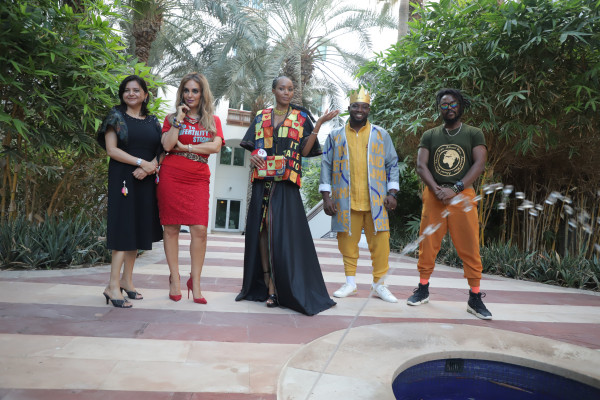
Merck Foundation (www.Merck-Foundation.com), the philanthropic arm of Merck KGaA Germany has launched the Third Episode of their first-ever TV program – ‘Our Africa by Merck Foundation' on their social media handles.
‘Our Africa by Merck Foundation' is a pan African TV program that is conceptualized, produced, directed, and co-hosted by Senator, Dr. Rasha Kelej, CEO of Merck Foundation to feature African Fashion Designers, Singers, and prominent experts from various domains with the aim to raise awareness and create a culture shift across Africa.
The TV program is currently broadcasting on KTN Home in Kenya, every Saturday at 5 pm and repeated every Thursday at 6:30 am.
It has also been broadcasted on prime TV stations of many countries like BTV (Botswana) Mashariki TV (Burundi), GHOne & TV3 (Ghana), QTV (The Gambia), LNTV (Liberia), Mibawa Limited (Malawi), Defi Media (Mauritius), AYV TV (Sierra Leone), NTV (Uganda), ZNBC TV (Zambia), and ZBC (Zimbabwe) and it immediately captured the attention and hearts of millions of viewers across Africa. “Our Africa” TV Program will soon be broadcast on GTV in Ghana, NBC in Namibia, and ZTN in Zimbabwe. “Our Africa” TV Program is also currently on social media handles of Senator, Dr. Rasha Kelej (Facebook: http://apo-opa.co/3RdVvT8, Instagram: http://apo-opa.co/3RcCFeZ, Twitter: http://apo-opa.co/3x5PUY2 and YouTube: http://apo-opa.co/4aJfWy0) and Merck Foundation (Facebook: http://apo-opa.co/3Xbc4D0, Instagram: http://apo-opa.co/3x7ius3, Twitter: http://apo-opa.co/4aTy5sW and YouTube: http://apo-opa.co/4ejGIjF).
Watch the Promo of ‘Our Africa by Merck Foundation' here:
The theme for the Third Episode is Breaking the Infertility Stigma, particularly around women, in Africa.
Watch the Third Episode promo here: https://apo-opa.co/4clWEAl
Watch the Third Episode here: https://apo-opa.co/3xCfMuK
Senator, Dr. Rasha Kelej, CEO of Merck Foundation expressed, “Firstly, I would like to thank all the viewers and followers for the amazing response we have received for our TV Program ‘Our Africa'. Our social media is flooded with lovely and inspiring messages from the viewers! This episode is indeed close to my heart as an African woman, as it is part of our signature campaign “More than a Mother”, the work we have created by our fashion designers and artists all over Africa was very encouraging and kept pushing us to work harder to address this sensitive issue and empower infertile women through information, health and change of mindset. And of course, we will keep addressing more sensitive social and health issues to be the voice of the voiceless in our beloved Africa”.
Senator, Dr. Rasha Kelej, CEO of Merck Foundation further emphasized, “The messages of the designs are also focusing on the issue of male infertility and how fertility is a shared responsibility as it takes a man and woman to have a child. We have addressed this issue through our Fashion and Art with Purpose community. Together we can create a culture shift that will help our communities better understand and act on different issues. Through this episode, I also got a chance to thank my dear sisters, the African First Ladies who I have worked very closely with Merck Foundation for this Movement, as Ambassadors of Merck Foundation More Than a Mother.
I would also like to thank our viewers for the amazing response we have been receiving, this is indeed very inspiring and encouraging. Moreover, I would especially like to acknowledge the love we have been receiving from our social media followers, it is phenomenal.”
Merck Foundation's iconic “More Than a Mother” campaign started and led by Senator, Dr. Rasha Kelej is a rallying movement to Break Infertility Stigma faced by women across the African continent.
“More Than a Mother' Movement is very close to my heart. Along with all the initiatives under this Movement, Merck Foundation also supports building healthcare capacity in Africa, therefore, I am happy to share that Merck Foundation has provided more than 574 scholarships to doctors from 39 countries, with the aim to advance women's health by building Reproductive & Sexual care and Fertility Care Capacity in Africa and beyond. Moreover, we have trained more than 3200 media representatives from more than 35 countries to raise community awareness, creating a culture shift and breaking the stigma around infertility and infertile and childless women” explained Senator, Dr. Rasha Kelej.
This third episode featured prominent personalities like Nontando Mposo, Editor-in-Chief, Glamour Magazine, South Africa and popular Singer Blaze from Mozambique. Fashion designers Anuja Bharti from Ghana and Alberto from Mozambique showcased their designs that displayed strong messages on #NoToInfertilityStigma and #MenToo can be the cause of infertility.
Merck Foundation has also been empowering childless and infertile women through their “Empowering Berna” initiative under Merck Foundation's “More Than a Mother” movement. This initiative helps women who cannot be treated for infertility anymore by helping them to get trained to establish small businesses so that they can be independent and re-build their lives. Through ‘Empowering Berna', the lives of many infertile women have been transformed in many African countries like Kenya, Uganda, Nigeria, Central African Republic, Niger, Malawi and many more.
Merck Foundation in partnership with African First Ladies have also launched children's storybook “More Than a Mother”, to emphasize strong family values of love and respect from a young age which will reflect on eliminating the stigma of infertility and resulted domestic violence in the future. The book has been also adapted to an animation film. Watch More than a Mother Animation Film here:
Merck Foundation has also released many songs to raise awareness about infertility stigma under their “More Than a Mother” campaign. Listen to some of the songs here:
Listen to all “More than a Mother” songs here:
“To address this important issue of breaking infertility stigma and also a wide range of other social issues, we annually launch Merck Foundation ‘More Than a Mother' Awards in partnership with African First Ladies. I would also like to invite the African Community of Media, Fashion, Film making, and Musicians, students and potential talents in these fields to apply for the awards this year, in order to create a culture shift and break the silence about one or more of the following topics: Breaking Infertility Stigma, Supporting Girl Education, Women Empowerment, Ending Child Marriage, Ending FGM, and/ or Stopping GBV at all levels. I am looking forward to receiving their creative work on submit@merck-foundation.com”, added Senator, Dr. Rasha Kelej.
Distributed by APO Group on behalf of Merck Foundation.
Contact details:
Mehak Handa
Community Awareness Program Manager
+91 9310087613/ +91 9319606669
mehak.handa@external.merckgroup.com
Join the conversation on our social media platforms below and let your voice be heard:
Facebook: https://apo-opa.co/3Xbc4D0
Twitter: https://apo-opa.co/4aTy5sW
YouTube: https://apo-opa.co/4ejGIjF
Instagram: https://apo-opa.co/3x7ius3
Flickr: https://apo-opa.co/4ejGKbh
Website: www.Merck-Foundation.com
Download Merck Foundation App: https://apo-opa.co/45ourGB
About Merck Foundation:
The Merck Foundation, established in 2017, is the philanthropic arm of Merck KGaA Germany, aims to improve the health and wellbeing of people and advance their lives through science and technology. Our efforts are primarily focused on improving access to quality & equitable healthcare solutions in underserved communities, building healthcare and scientific research capacity and empowering people in STEM (Science, Technology, Engineering, and Mathematics) with a special focus on women and youth. All Merck Foundation press releases are distributed by e-mail at the same time they become available on the Merck Foundation Website. Please visit www.Merck-Foundation.com to read more. Follow the social media of Merck Foundation: Facebook: https://apo-opa.co/3Xbc4D0, Twitter: https://apo-opa.co/4aTy5sW, Instagram: https://apo-opa.co/3x7ius3, YouTube: https://apo-opa.co/4ejGIjF and Flicker https://apo-opa.co/4ejGKbh.
JOHANNESBURG: Cricket South Africa (CSA) has confirmed the South Africa under-19 Women’s T20 series against Namibia and the Eastern Storm...
The Southern Africa region is endowed with large numbers of pigs, with Angola, Malawi and Mozambique each recording over two million heads. This pig population in the region is growing at over 6 percent per year, the highest growth rate compared to other species of livestock. Unfortunately, the presence of African swine fever (ASF), the most feared pig disease, constitutes a major challenge to production and market access for the smallholder producers in resource-limited settings.
Traditional prevention and control approaches would employ humane culling and disposal of affected and in-contact pigs, with resource limitations often making it challenging for governments to provide adequate compensation. This situation often results in pig owners fearing not only the disease but also the measures applied in controlling it, such that they do not report disease outbreaks.
FAO has given particular consideration to the challenges of controlling ASF in resource limited settings, such as some of the small-scale farming systems found in the Southern Africa region. In 2023, FAO published new guidelines entitled: “African swine fever prevention, detection and control in resource-limited settings”, written by a global pool of experts.
These guidelines articulate the vulnerability of smallholder pig keepers and producers in rural settings, characterized by poverty and inability to meet the cost of compliance with national policies and legislation.
A unique new online course has been developed, based closely on the FAO guidelines. The course focuses on a collaborative and discussion-based approach to learning, in which participants co-create solutions in a series of live online workshops, backed by self-paced online learning modules. It emphasizes early warning, biosecurity, and the key features of the ASF virus that can be exploited in developing appropriate prevention and control programmes. The course was delivered from 10 May to 21 June 2024, with 81 participants from Botswana, Eswatini, Malawi, Mozambique, Namibia, South Africa Tanzania, Zambia and Zimbabwe completing the course and obtaining certificates.
“Resource-limited settings have unique barriers to the prevention and control of ASF. Methods for prevention, detection, and control recommended for higher resource settings may be inappropriate or impossible to implement. It is crucial to consider the context when designing control measures. The training course builds on experiences from Africa and elsewhere to provide participants with information and methods that could improve prevention and control of ASF in resource-limited settings,” said Andriy Rozstalnyy, FAO Animal Health Officer based in Rome, coordinating global efforts in the prevention and control of African swine fever.
The online course also included discussions on how to limit culling of infected and in-contact animals to control outbreaks, disposal of carcasses during outbreaks, and aligning national ASF control policies and legislation. Key to all this is the engagement of local communities for buy-in and sustainability.
“Community members have valuable knowledge, hence participatory problem analysis, design of solutions and decision-making, can boost commitment. We have to learn and understand community priorities and realities to identify together the roles and responsibilities of all players, when designing prevention and control measures at community level,” said Extraordinary Professor Mary-Louise Penrith, lead trainer and international expert on ASF.
Awareness raising at national and community levels is necessary to bring on board everyone in the smallholder pig value chain for adoption. Given that traditional approaches have been around in many countries for a long time and are now anchored in policies and legislation, lobbying for the new approaches is a necessity, including the alignment of legislation.
“Under conditions of limited resources, animal disease management approaches that do not place huge financial inputs upfront, but take into consideration the willing participation of communities, offer better chances of success. The approaches employed in this training course, which are backed by science, will alleviate the socio-economic catastrophe that is associated with the disease in this vulnerable group, while also reducing the national disease control burden,” said Patrice Talla, FAO Subregional Coordinator for Southern Africa.
Through the Virtual Learning Centres, FAO is committed to support implementation of blended approaches of online and in-person training as they play a pivotal role in capacity development for animal health delivery in the region and globally. The VLCs offer a wide range of courses that aim to build skills related to One Health. Courses are available in a range of formats, including online tutored courses, blended learning, technical webinars and mobile learning.
Distributed by APO Group on behalf of FAO Regional Office for Africa.

The global market for platinum group metals (PGMs) – which include platinum, palladium, rhodium, iridium, osmium and ruthenium – will record a 4.47% increase between now and 2029, according to market research firm Mordor Intelligence. In part, market growth will come from growing demand for PGMs in green technologies, including hydrogen energy technologies, in turn generating opportunities across Africa's mining and hydrogen value chains.
The Critical Minerals Africa (CMA) Summit, taking place on November 6-7 in Cape Town, will unpack the nexus between PGMs and green hydrogen and their evolving role within the African and global energy transition. The continent is home to the world's largest PGM reserves, with South Africa alone possessing over 80% of global resources and Zimbabwe also holding substantial reserves. These metals play a vital role in fuel cell technology, enabling the production of electricity from hydrogen and oxygen. As African countries – including Namibia, South Africa, Mauritania and Egypt – intensify their green hydrogen activities, long-term PGM demand is expected to grow substantially, powering a wide range of applications from hydrogen fuel cell vehicles to stationary power generation to industrial processes.
Africa's Green Hydrogen Potential
The African continent holds substantial potential for green hydrogen production given its abundance of co-located renewable resources. According to the European Investment Bank, Africa has the potential to produce 50 million tons of green hydrogen per annum by 2035, which could help meet power, transportation and industrial energy needs, decarbonize heavy-polluting industries, as well as be used for global export.
Namibia represents a pioneer of green hydrogen on the continent, having secured billions in investment for green hydrogen projects from various investors, including the USAID, the Development Bank of Southern Africa and Japanese investment firm ITOCHU. Green energy firm Hyphen Hydrogen Energy is implementing a $10-billion project, with the capacity to produce 350,000 metric tons per year using 7 GW of renewable energy and 3 GW of hydrogen electrolyzers. Last May, Belgian port operator Antwerp Bruges partnered with the Namibian Ports Authority to develop a EUR 250-million hydrogen and ammonia storage facility at Walvis Bay Port to facilitate the transport of hydrogen to regional and global markets.
Realizing the potential of green hydrogen to drive regional energy security, South African tourism, trade and investment agency Wesgro signed an agreement last month with the Northern Cape Economic Development, Trade and Investment Promotion Agency, Namibia's Environmental Investment Fund and infrastructure company Gasunie and Climate Fund Managers. The agreement paves the way for the parties to assess the feasibility of developing a green hydrogen corridor connecting the Western Cape and Northern Cape provinces of South Africa with Lüderitz in Namibia.
Furthermore, green energy companies Hive Energy UK and Genesis Eco-Energy are developing a R105 billion green hydrogen and ammonia project in the Coega Special Economic Zone in the Eastern Cape province of South Africa. The project will add 14,400 MW of electricity to the grid and produce 900,000 tons of green ammonia for export to global markets, increasing the country's export revenue. South Africa has also established a $1-billion fund in partnership with the Netherlands, aimed at accelerating the deployment of green hydrogen projects to feed growing demand in Europe.
Private and public sector entities in South Africa are demonstrating the potential for synergy between PGMs and green hydrogen, specifically in hydrogen fuel cell vehicles. Last October, mining firm Anglo American entered into a partnership with automotive firm BMW South Africa and international energy firm Sasol to develop South Africa's PGMs and green hydrogen value chains. Anglo American will provide PGMs used in hydrogen fuel-cell vehicles, while Sasol will provide the green hydrogen and BMW the vehicles.
As global demand for green hydrogen rises due to carbon emission reduction policies and growing energy needs, a parallel surge in PGMs demand is also anticipated. Given that Africa is home to the overwhelming majority of these critical minerals, CMA 2024 will explore the latest policies, projects and developments ensuring that the continent capitalizes on green hydrogen as a key growth driver.
Organized by Energy Capital & Power, CMA is the largest gathering of critical mineral stakeholders in Africa. Taking place from November 6 – 7 in Cape Town, the event positions Africa as the primary investment destination for critical minerals. This year's edition takes place under the theme Innovate, Enact, Invest in African Critical Minerals to Sustain Global Growth, connecting African mining projects and regulators with global investors and stakeholders to untap the full potential of the continent's raw materials. Sponsors, exhibitors and delegates can learn more by contacting sales@energycapitalpower.com.
Distributed by APO Group on behalf of Energy Capital & Power.
South African countries performed well on their financial inclusion, between 2011 and 2021. Progress is partly attributed to rapid adoption of digital financial services including mobile money, according to financial experts at a webinar on the African Financial Sector Southern Africa.
Organized by the Economic Commission for Africa (ECA) in partnership with West African Economic and Monetary Union (WAEMU), the webinar is part of a Series themed, Regional Dialogues on the African Financial Sector - regional profile.
The aim of the regional profiles is to provide detailed information on the countries' financial sectors, documenting recent trends, progress, challenges, and opportunities for a deeper financial sector.
In her opening remarks Eunice Kamwendo, ECA's Director of the Subregional Office for Southern Africa noted the potential for growth, innovation and sustainable investments in the financial sector in Southern Africa.
“Southern African region's financial sector faces financial challenges that include liquidity issues, debt distress, limited access to financial services, high levels of informality and regulatory constraints; Despite these challenges, it is important to prioritize the development of the financial sector to create stability, mobilize domestic resources and foster a stable environment for investment,” said Ms. Kamwendo.
Presenting a report on the demographic economic landscape of the Southern African region, Andrew Bamugye, Senior investment manager SME, Trade and Development Bank said the banking sector in Southern Africa has remained solvent with adequate capital; banking liquidity remained sufficient, with most banks seeing profitability between 2021 and 2023.
“The challenge in the banking industry in the region is the strong interconnection between the banking system and non – banking financial institutions and foreign markets, which leads to the risk of contagion,” said Mr. Bamugye.
He proposed that governments should increase fiscal space by expanding government revenues through diversification of the tax base and simplification of tax systems to reduce the exposure of banks to sovereign risks.
Punki Modise, Chief strategy and sustainability officer, ABSA Bank highlighted the varying levels of debt to GDP ratios across African countries and noted that some countries such as Kenya, Ghana, Kenya and Egypt have adopted unsustainable debt strategies. She also emphasized the importance of project preparation and bankability in the private sector.
“Authorities should enhance competition in the banking systems through the promotion of new players especially those that help to improve financial inclusion,” she said.
In addition, she said banks operating in Africa need to have a more end-to-end approach to risk management, considering bankability at all stages.
On capital markets most countries in the Southern African region have a low market capitalization. The Johannesburg stock exchange, which is the leading stock exchange in Africa has a market capitalization of $1022.8 trillion representing 133% of GDP in 2023, against 51.9% of Mauritius and 18.6% of Namibia.
A lack of liquidity characterizes the bulk of the South African stock market and the breadth of the stock market in the region remains limited.
Furthermore, a small, listed number of companies and corporate bonds tend to dominate the fixed income market while the proportion of government bonds in the normal value is much higher.
“A deeper pool of insurers is required for the acceleration of green bonds growth in the region especially among corporate borrowers,” said Mr. Bamugye.
According to the experts attending the meeting, the pension fund penetration remains low in most Southern African countries. However, the high pension penetration rate in South Africa, Namibia and Botswana were the result of good investment returns on the funds, based on a diversified investment strategy coupled with a strong asset allocation process,
Bernard Yen, Actuary and managing director Aon Solutions Ltd, Mauritius highlighted the challenge of encouraging people in the formal sector to save and discussed the importance of structural changes to increase participation in pension funds.
He suggested that structural changes such as tax incentives and simplified registration processes could drive participation. He also emphasized the need for a multi-faceted approach to increase pension fund participation in the region.
“Countries should explore ways to increase participation of informal sector workers in multi-employer pension funds,” he added.
On the question of tapping into southern African SMEs, participants noted that the majority are financially constrained and face a lack of skills in corporate governance, financial management and often contend with high collateral requirements.
Mr. Bamugye noted the need to help SMEs develop bankable business plans and called for streamlining government support programs towards them.
He emphasized the importance of blended finance structures to address the challenges faced by SMEs in the region including the need for risk capital and conditionality and use of unfunded guarantees to unlock local liquidity.
He acknowledged the obstacle of bank credit access in the region particularly for SMEs and encouraged innovative and creative solutions to promote financial inclusion advising that countries should continue to explore innovative instruments and blended approaches to solve SME credit access problems.
Distributed by APO Group on behalf of United Nations Economic Commission for Africa (ECA).
Inauguration guests start arriving at the Union Buildings
Excitement at the Union Buildings in Pretoria is palpable as packed buses have started dropping off guests and members of the public who will witness the inauguration of President-elect Cyril Ramaphosa later this morning.
Many braved the cold winter morning and started arriving early, with their hearts set on being present at the swearing-in of the President-elect Ramaphosa following his election by Parliament on Friday, 14 June 2024.
With the inauguration signifying the beginning of the President's second term of office Khula Community Development Project Director Petros Majola told SAnews civil society was ready to work with government for the best interests of communities.
“Today is a very big day, which comes after we have cast our vote. [This means that] we will have a government that will take us through for the next five years. We are ready to work with a government that will deliver in the best interests of our vulnerable groups, especially the victims of crimes and violence.
“After the inauguration, we expect delivery of services to those people (vulnerable groups) because those people have hope in the government that they voted for,” Majola said on Wednesday.
Avid sports fan Mama Joy Chauke told SAnews she was excited to see the President-elect Ramaphosa being inaugurated.
“Today is an important day for South Africa. I am here to witness our President being inaugurated and lead us…we are waiting for him to lead us. We are waiting for him to do the best and we are here to support him,” Chauke said.
The President-Elect will be sworn in by Chief Justice Raymond Zondo in the Union Buildings’ Nelson Mandela Amphitheatre.
The ceremony will be witnessed by South African and international guests, including South African royalty, Members of Parliament, representatives of political parties, leaders of organised labour, business and civil society organisations, religious leaders and South Africans who have excelled in various capacities and endeavours.
Attendees will include representatives of regional, continental and international organisations and bodies such as the Southern African Development Community (SADC), the African Union (AU) and the United Nations (UN).
President-Elect Ramaphosa will also be honoured by the attendance of a number of Heads of State and Government and former Heads of State and Government from different regions of Africa as well as other world regions.
To date, 18 Heads of State and Government, three former Heads of State and Government and nine Heads of Delegation are expected to attend. Additional confirmations are being received.
Countries that will be represented at a high level at the Inauguration include the Kingdom of eSwatini and Kingdom of Lesotho; the Republics of Zimbabwe, Mozambique, Namibia, Angola and Tanzania; the Republic of Uganda; the People’s Republic of China; the Arab Republic of Egypt; the State of Palestine and the Republic of Cuba.
The theme for the occasion is “30 Years of Democracy, Partnership and Growth.” – SAnews.gov.za
nosihle
Wed, 06/19/2024 - 07:49
Heads of state, government and royalty to attend inauguration
Dignitaries from across the world – including current and former Heads of State and Governments – are expected to attend the inauguration ceremony of President-elect Cyril Ramaphosa on Wednesday.
This according to a statement released by the Presidency on Tuesday.
“The ceremony will be witnessed by South African and international guests, including South African royalty, Members of Parliament, representatives of political parties, leaders of organised labour, business and civil society organisations, religious leaders and South Africans who have excelled in various capacities and endeavours.
“Attendees will include representatives of regional, continental and international organisations and bodies such as the Southern African Development Community (SADC), the African Union (AU) and the United Nations (UN),” the statement read.
The Presidency said at least 18 Heads of State and Government, three former Heads of State and Government and nine Heads of Delegation are expected to attend.
Additional confirmations are being received.
“Countries that will be represented at a high level at the inauguration include the Kingdom of eSwatini and Kingdom of Lesotho, the Republics of Zimbabwe, Mozambique, Namibia, Angola and Tanzania; the Republic of Uganda, the People’s Republic of China, the Arab Republic of Egypt, the State of Palestine and the Republic of Cuba,” the Presidency said.
The President-elect held a walkabout at the venue on Tuesday afternoon to assess the state of readiness.
Members of the public are encouraged to use the park and ride at Tshwane Showgrounds. People can park their cars and take a free bus to the Union Buildings.
The programme for the day will commence with a cultural programme for members of the public on the South Lawns of the Union Buildings at 9am.
Formal proceedings will get underway at 11am.
For more information go to https://inauguration2024.dcdt.gov.za. – SAnews.gov.za
NeoB
Tue, 06/18/2024 - 14:24
The Inauguration of President-Elect Cyril Ramaphosa will take place at the Union Buildings, Pretoria, tomorrow following his re-election by Parliament on Friday, 14 June 2024.
The swearing-in of the President-Elect will be conducted by Chief Justice Raymond Zondo in the Union Buildings' Nelson Mandela Amphitheatre.
The ceremony will be witnessed by South African and international guests, including South African royalty, Members of Parliament, representatives of political parties, leaders of organised labour, business and civil society organisations, religious leaders and South Africans who have excelled in various capacities and endeavours.
Attendees will include representatives of regional, continental and international organisations and bodies such as the Southern African Development Community (SADC), the African Union (AU) and the United Nations (UN).
President-Elect Ramaphosa will also be honoured by the attendance of a number of Heads of State and Government and former Heads of State and Government from different regions of Africa as well as other world regions.
To date, 18 Heads of State and Government, three former Heads of State and Governmen,t and nine Heads of Delegation are expected to attend. Additional confirmations are being received.
Countries that will be represented at a high level at the Inauguration include the Kingdom of eSwatini and Kingdom of Lesotho; the Republics of Zimbabwe, Mozambique, Namibia, Angola and Tanzania; the Republic of Uganda; the People's Republic of China; the Arab Republic of Egypt; the State of Palestine and the Republic of Cuba.
The theme for the occasion is “30 Years of Democracy, Partnership and Growth”.
The programme for the day will commence with a cultural programme for members of the public on the South Lawns of the Union Buildings at 09h00.
The cultural programme is a platform for local artists to showcase their talent and for us as a nation to share South Africa's cultural diversity with our guests.
This production will feature a combination of music genres and other cultural and artistic performances that will have a cross-over appeal that reflects our achievements in the past 30 years of our democracy.
During the formal proceedings from 11h00, the South African National Defence Force (SANDF) will perform the ceremonial elements of the Inauguration as a demonstration of allegiance to the Republic and the Commander-In-Chief. The ceremonial elements will include:
The newly sworn-in President of the Republic will deliver his Inaugural Address.
President-Elect Ramaphosa first became President of the Republic following the resignation of President Jacob Zuma in February 2018.
Following the 2019 National and Provincial Elections, President Ramaphosa was elected by the National Assembly as President of the Republic.
President Ramaphosa was re-elected by the National Assembly on 14 June 2024.
The Presidential Inauguration will be broadcast and streamed on a broad range of platforms nationally and internationally and The Presidency invites South Africans to follow this event.
Members of the public are advised to note that tomorrow, Wednesday, 19 June 2024, is a normal working day.
People travelling to the event and to Pretoria on other business are advised to visit www.gov.za and www.tshwane.gov.za for information on road closures in the Rietondale/Arcadia area, and to follow traffic updates on radio and television broadcasts.
Distributed by APO Group on behalf of The Presidency of the Republic of South Africa.

The upcoming African Energy Week (AEW): Invest in African Energy conference will feature a Just Energy Transition (JET) Summit, bringing together African energy policymakers, industry leaders, community representatives and global investors to develop actionable solutions for building a sustainable energy future.
The Summit will discuss Africa's gas market potential as a transition fuel, from financing small-scale LNG to establishing integrated LPG value chains. Prioritizing gas development for enhanced energy security and industrialization, Mozambique is home to two planned large-scale LNG developments from TotalEnergies and ExxonMobil, as well as Eni's Coral South and North projects. In South Africa, exploration company Kinetiko Energy is advancing an onshore LNG project with gas-to-power plans in Mpumalanga, while TotalEnergies is targeting FID on its Brulpadda-Luiperd conventional gas field this year, with commercial production expected by 2030.
AEW: Invest in African Energy is the platform of choice for project operators, financiers, technology providers and government, and has emerged as the official place to sign deals in African energy. Visit www.AECWeek.com for more information about this exciting event.
Africa's coal industry will also play a crucial role in shaping a just transition, with many countries relying on clean coal as a primary energy source. In South Africa, the Council for Geoscience is piloting the use of carbon capture storage and utilization technology to capture emissions from coal-fired power generation in Mpumalanga Province, leveraging funding from the World Bank. Botswana plans to construct a $2.5-billion coal-to-liquids plant, producing 12,000 barrels of diesel and gasoline daily. The facility will enable the southern African country to maximize the exploitation of its 212 billion tons of coal reserves for regional energy security, while reducing emissions, compared to using conventional coal combustion. The Just Energy Transition Summit will address strategies to decarbonize and transition existing coal power stations, while ensuring assets are not left stranded.
Africa's burgeoning green hydrogen industry is pivotal in advancing the continent's inclusive energy transition agenda. By accelerating renewable energy infrastructure development, attracting new investments, creating jobs, and fostering workforce development, Africa is maximizing its green hydrogen potential. Namibia is spearheading this movement with the $10 billion Tsau/Khaeb project, securing funding from global investors including the German government, Japanese investors, and regional financial institutions. The Just Energy Transition Summit will spotlight projects and investment opportunities in Africa's leading green hydrogen markets, such as Mauritania, Egypt, South Africa, and Morocco, illustrating their significant role in driving the energy transition continent-wide.
Furthermore, the Summit will highlight the intersection of social justice, environmental sustainability and economic policies, and how African leaders can prioritize local workforce development as part of the transition. Private and public sector entities across Africa are introducing policies and programs aimed at supporting local capacity building and female empowerment, ensuring that oil and gas sector activities are inclusive. Last month, Angola-based investment firm ABO Capital launched the Amity Training Center in Luanda to equip the next-generation workforce with technical skills across various sectors, including oil and gas. Namibia is also prioritizing local content with the launch of its draft Local Content Policy last November, anticipating an upcoming oil and gas boom and affirming capacity building as a critical component of a just transition.
“The exploitation of Africa's oil, gas, renewable and coal resources is crucial for a successful, inclusive and just energy transition. Increasing female and youth participation – another critical component of the Just Energy Transition Summit – will also ensure value addition to local economies, while ensuring long-term stability of energy markets,” states NJ Ayuk, the Executive Chairman of the African Energy Chamber.
Distributed by APO Group on behalf of African Energy Chamber.

Polygon (www.PDOOH.co.za), South Africa's largest programmatic digital out of home (DOOH) publisher network, has recently announced that it will be expanding its network across Africa. This brings it one step closer to realising its vision of offering marketers a single point of entry into the largest network of DOOH inventory across the continent.
At the start of June, Polygon will be able to offer advertisers inventory in Namibia, Botswana and Zambia, while in August, Mauritius, Ghana and Kenya will also come online. Towards the end of the year, the publisher network will add screens in Nigeria, Uganda, Zimbabwe, Mozambique and Angola to its inventory arsenal.
Remi du Preez, Managing Director at Polygon, explains that June's roll-out – as well as the roll-out planned for later this year – will be located at petrol station forecourts spearheaded under the Vivo brand. Forecourts are renowned among advertisers for their high dwell times and attention-capturing displays. This is made possible by Polygon's partnership with media owner Oasis Digital Networks, which has the rights to build sites at these petrol stations.
“We are expanding our large format digital network across the most frequented petrol stations in each country; from Windhoek, Gaborone, and Lusaka to other key hubs that travellers are likely to visit when moving through the major cities of these regions.”
Says Reinhardt Hanel, CEO of Oasis Digital Networks “What excited us about partnering with Polygon is that it is strongly rooted in the DOOH market and it understands the value proposition that our network of inventory offers to advertisers.”
Du Preez explains that historically – and as with other emerging markets – when purchasing inventory in Africa, there was often a lack of consistency and transparency in reporting. Media buyers faced concerns about the number of ad serves that were promised, versus actually delivered.
Through its programmatic network, Du Preez says that Polygon can offer advertisers complete transparency. “Buyers have immediate access to the programmatic demand-side platform (DSP), which offers a clear view as to what is happening on the ground.”
He adds that up until now, programmatic buying throughout Africa has been limited. “Through these new network integrations, we're on our way to creating an African ‘mega network' that will allow digital strategists to buy programmatically anywhere on the continent and across a variety of venue types.
“We already have an array of digital strategists booking campaigns in Africa via Google, YouTube and Facebook; however, they now have the option to use these same tools to add DOOH to the mix, delivering high-impact, omnichannel campaigns.”
Adds Hanel: “Polygon, led by Remi, has positioned its business as an authority in the programmatic DOOH space, which is helpful to brands wanting to chart new ground in the outdoor arena.
“It has worked tirelessly to support media owners, like Oasis, in offering clients programmatic solutions. By marketing our inventory, they unlock new opportunities and revenue for us, fast-tracking our sales. We believe that they will play a key role in driving the move to greater programmatic availability in Africa.”
Concludes Du Preez: “This expanded network will not only allow media strategists and buyers to consolidate buying; it will also add value to the continent's media owners, who can now bank on a new stream of revenue, ultimately boosting Africa's economies.”
For more information, please visit www.PDOOH.co.za
Distributed by APO Group on behalf of Polygon.
Dark and Lovely Moisture Plus Kits recalled
The National Consumer Commission (NCC) is urging consumers in possession of 50ml single use neutralizing shampoo contained in Dark and Lovely Moisture Plus Kits (Regular, and Super) and Dark and Lovely Anti Breakage Kit to discontinue use of the product and return it to the point of sale for a full refund.
NCC’s Deputy Commissioner, Thezi Mabuza said the manufacturer, Loreal informed the Commission that it detected the presence of bacteria in the 50ml single use neutralizing shampoo during regular quality controls.
“While this is single-use shampoo, we urge South Africans who might still have these products in their possession to stop use and return to the point of purchase for a full refund. According to the manufacturer, using this shampoo may lead to scalp infections in those with compromised immune systems” Mabuza said.
The product, which was produced in April 2023, was distributed nationally, and exported to neighbouring countries such as Zambia, Zimbabwe, Namibia, Kenya, Ghana, Botswana, Eswatini, Lesotho, Morocco, and Nigeria.
“The Consumer Protection Act requires that manufacturers and producers of products produce, and supply goods and products are of good quality and free of defects. We urge suppliers and manufacturers to always prioritize consumer safety. The Commission is monitoring the recall based on its Recall Guidelines” Mabuza said.
The NCC is an agency of the Department of Trade, Industry and Competition. – SAnews.gov.za
GabiK
Sun, 06/09/2024 - 11:30
Families relocated to make way for housing project have been living in a poorly serviced transit camp
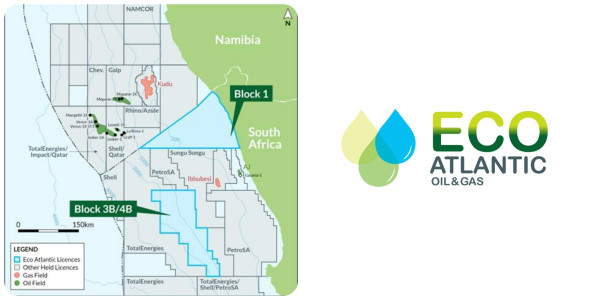
Oil and gas exploration company Eco (Atlantic) – through its wholly-owned subsidiary Azinam South Africa – has signed a farm-in deal with energy company Tosaco Energy for a 75% working interest in Block 1 - located in the offshore South African Orange Basin. Eco (Atlantic) has assumed operatorship of the block, with the remaining 25% stake expected to be transferred to South African company OrangeBasin Oil & Gas. Upon completion of the transaction, Eco (Atlantic) will assume control of one of the largest blocks in the Orange Basin.
The African Energy Chamber (AEC) – representing the voice of the African energy sector – believes that this transaction is only the start of a wave of Orange Basin deals in the coming years. Having revealed substantial deposits in neighboring Namibia, the basin stands to play a catalyzing role in driving energy security in South Africa. The AEC commends the efforts by Eco (Atlantic) to unlock undeveloped blocks offshore South Africa and looks forward to a discovery being made in the coming years.
The strategic acquisition is on trend with a strong lineup of companies looking at tapping into the Orange Basin. Since play-opening discoveries were made by energy majors Shell, TotalEnergies and Qatar Energy in 2022, over 15 finds have been made by an assortment of majors and independents. In February 2024, TotalEnergies intersected hydrocarbon-bearing intervals in the Mangetti-1X exploration well in Block 2913B – marking the second discovery made by the company in the basin. TotalEnergies is currently leveraging the Tungsten Explorer drillship to assess reserves available at the well. The discovery followed the company's Venus-1X find made in February 2022. Research firm Wood Mackenzie estimates that Venus alone could hold as much as three billion barrels of oil – making it sub-Saharan Africa's largest oil discovery.
Additionally, in January 2024, multinational energy corporation Galp made its second oil discovery at the Mopane-1X well in PEL 83. Preliminary estimates place over 10 billion barrels of oil at the Mopane field. The company is currently seeking a farm-in partner to develop the block, with a 40% stake in the Mopane discovery up for grabs. Meanwhile, energy major Shell continues to witness a string of success, with its recent Lesedi-1X well – discovered in July 2023 – representing the fourth commercial discovery made by the firm in the Orange Basin. Other finds – namely, Graff-1X, La Rona and Jonker-1X – hold as much as 1.7 billion barrels combined. Shell is currently undertaking an extensive drilling campaign, with up to 25% of the company's 2023-2024 exploration budget being directed towards deepwater exploration in the Orange Basin.
These discoveries underscore the size and potential of the Orange Basin, with substantial deposits likely extending into South Africa. Block 1 is located on the maritime border of South Africa and Namibia, in close proximity to blocks held by Shell, Galp and TotalEnergies. The block is also situated by the Kudu Development Project – Namibia's inaugural natural gas project with 1.3 trillion cubic feet of reserves. Kudu is poised to be a gamechanger for the country, providing low-cost power and fuel while laying the foundation for gas-driven economic growth. As such, Block 1's proximity means that the asset could likely yield similar developments and the Eco (Atlantic) acquisition is the first step towards realizing this goal.
“The Orange Basin has emerged as one of the most promising offshore plays worldwide in recent years. Exploratory success on the Namibian side of the basin shows strong potential for the South African side, and while exploration in this area has been slow to date, the recent farm-in by Eco (Atlantic) is poised to reverse this trend. The AEC has long-advocated for the need to advance drilling efforts in Africa and the Orange Basin stands to play a transformative role in the region's energy landscape,” stated NJ Ayuk, Executive Chaiman of the AEC. “We look forward to witnessing commercial success across Block 1 and commend Eco (Atlantic) for their commitment to unlocking the potential of this asset.”
Distributed by APO Group on behalf of African Energy Chamber.
What do a luxurious foam bath, a slice of toast with honey, and sunbathing on a swimming pool deck have in common? PVC bottle! Thanks to an innovative recycling initiative, post-consumer PVC bottles are being transformed into high-quality wood plastic composite decking, giving new life to plastic waste and benefiting the environment. “South African households …
Don’t miss the four-part Wild Zambezi series on the big screen; tickets at R50 per episode. The mighty Zambezi River, the fourth largest river in Africa, plays host to an incredible four-part documentary series titled Wild Zambezi. Celebrating Environment Month in June, the docu-series will screen exclusively at select Ster-Kinekor cinemas around the country, with …
The Springboks added prestigious continental awards to their impressive list of accolades following their back-to-back Rugby World Cup titles last year, when they received the Team of the Year and Sportsman of the Year awards at the African Union Sports Council Region 5 Sports Awards in Lusaka, Zambia on Saturday.
The glittering awards ceremony, to celebrate the pinnacle of sporting excellence, was attended by athletes, sports luminaries, and government dignitaries from across the ten countries that make up Region: Angola, Botswana, Lesotho, Malawi, Mozambique, Namibia, South Africa, Swaziland, Zambia, and Zimbabwe.
The awards add a continental flavour to the accolades received by the world champions, with the Springboks most recently being crowned the Team of the Year at the SA Sports Awards and SA Rugby Awards, while Kolisi received the People's Choice and Sports Star of the Year Awards.
SA Rugby President Mr Mark Alexander congratulated the team and Kolisi for being honoured in such a prestigious manner: “This award underlines the continental significance of the Springboks' consecutive Rugby World Cup victories and the key role Siya played in guiding the team both on and off the field.
“They deserve all the recognition for their hard work and sacrifices over several years to lift the Webb Ellis Cup in France last year and Japan in 2019, and we are delighted to see how far and wide their achievements have reached.
“The team and Kolisi have been critical in showing what unity, teamwork, and overcoming numerous barriers on and off the field can achieve in nation-building and building winning teams, and we hope this inspires teams across Africa to follow in their footsteps and achieve similar success.”
The competition for these awards was stiff, with the Springboks going up against the Malawian Scorchers – the national women's football team – and Botswana's senior men's 4x400m relay team, while Kolisi triumphed in a highly competitive category, edging out notable athletes such as Bayapo Ndori from Botswana, and Mancoba Mahlatsi from Swaziland.
The ceremony's keynote address was delivered by Her Excellency Mutale Nalumango, Vice President of Zambia. The African Union Sports Council Region 5 is committed to the development and promotion of sports within the Southern African region. The council, through various programmes and events, aims to foster unity, enhance athletic performance, and support athletes in achieving their highest potential.
Issued by SA Rugby Communications
Distributed by APO Group on behalf of South African Rugby.
For further information, please contact:
Andy Colquhoun
GM: Communications and Commercial
+27 (0) 21 928 7010
+27 (0) 82 926 0789
andyc@sarugby.co.za
De Jongh Borchardt
Communications Manager
+27 (0) 21 928 7021
+27 (0) 82 999 9979
dejonghb@sarugby.co.za
Rayaan Adriaanse
Junior Rugby Media Manager
+27 (0) 21 928 7013
+27 (0) 82 999 0022
rayaan@sarugby.co.za
Sindiswa Ximba
Media Operations Coordinator
+27 (0) 21 928 7011
+27 (0) 60 504 1069
sindiswa.ximba@sarugby.co.za
Zeena Isaacs
Springbok Media Manager
+27 (0) 21 928 7020
+27 (0) 82 357 3112
ZeenaI@sarugby.co.za
JJ Harmse
Sevens and Women's Rugby Media Manager
+27 (0) 21 928 7014
+27 (0) 71 480 4570
jjharmse@sarugby.co.za