• Skip to main content
  • Skip to header right navigation
  • Skip to after header navigation
  • Skip to site footer
MyZA

MyZA

News, Directory, Events and Other Stuff

  • Social Media
  • Sport
  • World News
  • Home
  • Submit News
  • Directory
  • Events
  • Stratlec
  • TFSA
  • News
    • APO
    • Today’s Sport News
    • Todays Social Media and Tech Headlines
    • Today’s World News
    • Today’s SA Financial News
  • Contact
You are here: Home / Archives for Summit

Summit

18 November 2024

SA seeks balance between livelihoods and renewable energy ambitions

Location: News

SA seeks balance between livelihoods and renewable energy ambitions

By Gabisile Ngcobo

Rio de Janeiro, Brazil - President Cyril Ramaphosa has highlighted the importance of considering the livelihoods and jobs of ordinary people, as the energy sector transitions towards renewable sources.

“As we can go towards renewable energy, there must be a just transition. There is a transition that we in South Africa have to go through and it must be the type of transition that advances the interests of ordinary people, as it grows the economy. 

“The opportunities are enormous, and we just need to utilise the enablers to ensure it benefits everyone,” the President said on Sunday. 

President Ramaphosa spoke in Rio de Janeiro, Brazil, where he and European Commission President Ursula von der Leyen jointly launched the ’Leveraging the Potential of Renewables – The Road to Johannesburg’ campaign.

The campaign was launched during a panel discussion with Hugh Evans, co-founder and CEO of Global Citizen. 

The Global Citizen initiative, along with the 2024 G20 Presidency, supported by Brazilian President Luiz Inácio Lula da Silva, brought together over 450 world leaders, innovators, and advocates on the eve of the G20 Leaders’ Summit, which kicks off today. 

Their goal is to promote urgent action to combat poverty and tackle the climate crisis.

“As we go to renewables, relying more on the sun, wind and hydro, we’ve got to make sure that as people lose jobs and as their livelihoods are eroded, and as towns where we used to draw fossil fuels [become] deserted, we have to make sure that the transition for ordinary people becomes a transition that they benefit from,” President Ramaphosa stressed. 

The Head of State believes workers should not fear job loss without being skilled in new technologies.

A prime example of South Africa's commitment to skilling workers in new technologies is the partnership between the Mpumalanga Provincial Government (which is home to about 80% of power stations in South Africa), the Presidential Climate Commission, the Climate Investment Fund and the World Bank. The entities are working together to explore plans on re-skilling and upskilling the most vulnerable in the labour force and supporting small businesses and co-operatives in local communities.

In last year's State of the Province Address, former Mpumalanga Premier Refilwe Mtshweni-Tsipane assured citizens that plans towards the Just Energy Transition will leave no one behind.

READ | Just energy transition to be inclusive

South Africa faces challenges due to its reliance on fossil fuels, while witnessing growth in the climate sector.

Currently, only 3% of global investments in renewable infrastructure are allocated to Africa, while the European Commission aims to triple renewable energy investment by 2030.

“Africa is well endowed with sun and wind, and that can be utilised to good effect to grow our economies to ensure that at a social level, people have access to electricity,” President Ramaphosa said.

However, he stated that this does not come cheaply and requires financing and clear decisions by leaders, not only on the African continent but globally as well.

He emphasised the need for collaboration between African countries and developed nations to fulfil commitments and secure essential funding and technology.

According to the President, energy drives growth and economies.

The 12-month ’Leveraging the Potential of Renewables – The Road to Johannesburg’ campaign aims to scale renewable energy in Africa by leveraging South Africa’s G20 Presidency. 

The initiative seeks to tackle issues of inequality and promote sustainable development, to provide access to power to millions who currently lack electricity.

According to President Ramaphosa, South Africa's G20 Presidency will also focus on the importance of solidarity and equality in addressing global challenges, particularly in the context of Africa’s history of inequality.

Preparations are underway for South Africa’s G20 Presidency and the hosting of the G20 Summit in 2025. South Africa is set to assume the Chair of the G20 from Brazil on 1 December this year.

The country’s first citizen also touched on the role of the upcoming 2025 United Nations Climate Change Conference (COP30) in focusing on a just transition and the importance of global support for this transition.

In her address, Von der Leyen outlined the European Green Deal and its goal of achieving climate neutrality by 2050. While underscoring the importance of global cooperation, she said there was a need to ensure no continent is left behind, particularly Africa. 

“But if we want to be successful in fighting climate change and protecting nature, we must think globally. 

“We will only be successful if we leave no continent behind, and [ensure] the transition in Africa is a just one.

“Africa has, as we said, all the resources necessary in abundance -- sun and wind, and 60% of the best solar places worldwide. But only 3% of the global investments in infrastructure for renewables go to Africa. And with that, the task is clear. We must step up,” Von der Leyen said. – SAnews.gov.za

Gabisile
Mon, 11/18/2024 - 02:25
264 views
Read moreSA seeks balance between livelihoods and renewable energy ambitions
18 November 2024

Africa Tech Festival 2024 showcases innovation across Africa’s technology ecosystem

Location: News

Africa Tech Festival
Download logo

Over 15,000 attendees were welcomed to the 27th annual Africa Tech Festival (www.AfricaTechFestival.com) by South African Minister of Communications and Digital Technologies, Hon. Solly Malatsi. The Department is an official partner of this year's event, which features more than 300 exhibitors and 400 speakers representing all facets of the tech ecosystem.

Emphasising a shared vision of a digitally connected, inclusive, and prosperous Africa, leveraging technology to drive economic and social progress, the Minister reaffirmed host country South Africa's commitment to bridging the digital divide through policy, partnerships, and investments in universal connectivity and affordability. “While technology holds enormous promise, it is essential that we harness this potential in a way that can benefit all the people on the continent and the rest of the world. South Africa is honoured to play its role on this journey, both as a leader and a partner to our fellow African countries,” he said.

Organised by Informa Tech (https://www.InformaTech.com/), the Africa Tech Festival's anchor events –AfricaCom, AfricaTech, and AfricaIgnite – along with the AI Summit Cape Town, provided delegates with the opportunity to explore enterprise tech innovation and disruption across key sectors such as cybersecurity, cloud, data centres, and green ICT.

Highlights of the first two days of the event, which ran from 12 to 14 November at the Cape Town International Convention Centre, included:

AI Summit Cape Town

Hon. Mondli Gungubele, Deputy Minister of Communications and Digital Technologies, opened the inaugural AI Summit Cape Town. Along with introducing the newly-formed AI Institute of South Africa, he called for collaboration among government, industry, academia, and civil society to maximise AI's benefits while addressing challenges like job displacement and ethical considerations, saying, “Let's seize this opportunity to shape a future where AI helps us uplift our citizens, drive economic growth, transform our society for the better and leave no one behind.”

The AI Summit features the biggest names and brightest minds in AI, all exploring how this transformative technology can create a brighter future for Africa. For instance, the panel session Navigating AI Policy Challenges: Collaborative Approaches to Strengthen Governance in Africa focused on fostering global cooperation in AI governance, emphasising cross-border collaboration, universal safety standards, and ethical innovation. The discussion also highlighted the role of public-private partnerships in implementing equitable AI policies.

AfricaIgnite

AfricaIgnite is the flagship event for founders, investors, and key players in the tech ecosystem. It supports market access and investment opportunities.

The panel Overcoming the Funding Winter: Strategies for Early-Stage Start-Ups highlighted resilience in the early-stage start-up ecosystem, exploring strategies employed by successful start-ups to attract investors and secure funding in a competitive market. It also examined the role of accelerators and incubators in fostering growth and supporting the development of African tech start-ups.

A dynamic fireside chat on The Rise of Debt Financing as an Alternative Funding Model explored the growing appeal of debt financing for late-stage start-ups, delving into the key drivers behind this trend. The benefits of debt financing and insights into the strategic considerations start-ups should evaluate when transitioning to this alternative funding model were also discussed.

Another high-level panel, titled The Search for Liquidity: Navigating African Startup Exits, explored the growing dominance of mergers and acquisitions (M&A) as the main exit strategy for African start-ups, especially in fintech, with IPOs remaining scarce. It also examined the factors driving this trend and its impact on the African startup ecosystem.

AfricaCom

AfricaCom brings together Africa-focused connectivity leaders and the brightest minds in the telecoms space. Within the Connectivity & Digital Infrastructure stream, an insightful panel discussion on Connecting Africa's Next Billion: Scaling Africa's Digital Infrastructure explored the economic and social benefits and challenges of expanding internet connectivity. Industry experts and stakeholders discussed the critical role of governments, telcos, and tech innovators in building sustainable infrastructure to expand internet access, particularly in remote and underserved areas, to advance digital inclusion across the continent.

In the Telcos of Tomorrow stream, panellists explored AI's transformative potential in the telecoms sector in a session titled Integrated AI: Telco Blueprints for Business Model and Service Delivery Transformation. Emphasising how AI optimises complex organisational systems, the panel discussed the challenges of implementing these systems.

AfricaTech

Driving funding for female-led start-ups was the theme of the Empowering Female Founders: Narrowing the Gender Gap in Venture Capital panel discussion, which addressed the persistent challenge of gender disparity in African venture capital. Networks, mentorship, technical support, celebrating successful female founders as role models, and challenging stereotypes were some of the topics.

“2024 is a standout year for Africa Tech Festival, being the largest event in almost three decades. We have more attendees and exhibitors, more features, more content, and more opportunities to position Africa as a tech powerhouse. The opening days have been overwhelmingly positive, with delegates engaging, networking, and sharing insights that have the potential to reshape Africa's tech ecosystem. We are seeing innovative solutions to the continent's tech challenges and a commitment to contribute positively to growing Africa's economic potential. I'm confident that this will continue not only for the remainder of the event but into the future as well,” concluded James Williams, Event Director of Africa Tech Festival.

Visit the AfricaTech Festival website (http://apo-opa.co/3ANhFGy) for more details.

Distributed by APO Group on behalf of Africa Tech Festival.

About Africa Tech Festival:  
Africa Tech Festival, including anchor events AfricaCom, AfricaTech, AfricaIgnite & AI Summit Cape Town is part of the Informa Tech Connecting Africa event series. A vibrant celebration of Africa's diverse community of tech champions, Africa Tech Festival is the largest tech and digital connectivity conference and exhibition in Africa, attracting hundreds of exhibitors, more than 450 speakers and more than 15000 delegates.  

Read moreAfrica Tech Festival 2024 showcases innovation across Africa’s technology ecosystem
17 November 2024

SA’s G20 Presidency will be inclusive and represent different voices – Lamola

Location: News

SA’s G20 Presidency will be inclusive and represent different voices - Lamola

By Gabisile Ngcobo 

Rio de Janeiro - To make South Africa’s Group of 20 (G20) Presidency more inclusive, a vibrant and dynamic African leadership style that emphasises participation, consultation and the common good must be embraced. 

“The colourful tapestry of our diverse nation will be woven into our every thread to represent the voices and contributions of our diverse population,” said International Relations and Cooperation Minister, Ronald Lamola. 

Lamola was speaking at the G20 Social Summit in Rio de Janeiro on Saturday alongside Brazilian President Luiz Inácio Lula da Silva.

The social initiative by Brazil’s G20 Presidency aims to include social and non-governmental participants in decisions made at the G20 Leaders’ Summit. 

The sharp focus is addressing hunger, poverty, inequality, sustainability and climate change, and global governance reform. 

“We believe this approach will transform our people from mere spectators into active weavers of our collective future, ensuring that their hands and hearts shape the outcomes of South Africa’s G20 Presidency. 

“Through this rich, collaborative process, we create a living mosaic of shared aspirations and achievements, reflecting the true spirit of our nation,” the Minister said.

This approach, he said, reflects South Africa’s G20 Presidency themes of “Solidarity, Equality, and Sustainability”.

Preparations are underway for South Africa’s G20 Presidency and the hosting of the G20 Summit in 2025. South Africa is set to assume the Chair of the G20 from Brazil on 1 December next month.

“Our call is a heartfelt plea for unified effort and mutual support among member nations, urging us to stand together in the face of common challenges. We envision a world where equal opportunities are not just a dream but a reality for all, where every individual has the chance to thrive.” 

He told the attendees that this commitment extended beyond present needs but transcended to future generations. 

“Together, we can weave a future that is not only just and equitable but also sustainable, nurturing the hopes and dreams of those who will inherit the world we build today.” 

According to the Minister, South Africa intends to build on the impressive achievements of previous G20 Presidencies. 

These efforts have established a foundation for reforming the global financial architecture, with a clear focus on promoting fairness within the global financial system.

Meanwhile, the Minister said the goal was to ensure the reform agenda has a meaningful impact and meets the needs and demands of developing countries.

Lamola emphasised that the Sustainable Development Goals (SDGs) are the most relevant benchmark for developing countries’ development priorities and must remain central to the G20’s work.

“For this reason, South Africa intends to use its G20 Presidency to action the Pact of the Future, which world leaders adopted at UNGA79 [79th session of the UN General Assembly] on 22 September 2024. 

“We believe that the Pact of the Future is a once-in-a-generation opportunity to forge global consensus and make progress on priorities such as the SDGs.” 

Read I SA’s participation in the G20 reaffirms country’s values, says analyst

He took the time to commend the work done by the social and civil society partners to raise the level of ambition in global commitments when the world is more divided. 

“We endeavour to strengthen our relationship with the engagement groups to deliver the G20 to the people.” 

The Minister highlighted the recommendations made during various discussions regarding Brazil’s priorities for its G20 Presidency, emphasising the need to ensure that children’s rights are incorporated into all actions and decisions.

Lamola echoed Brazil’s view that more opportunities must be created to enhance civil society participation in the G20’s work and that additional efforts are needed to further increase their contribution.

“An inclusive G20 is no longer an option but an imperative. Thus, we wholeheartedly commend Brazil’s innovative inclusion of the Favelas 20, G20 Favelas, and other marginalised groups who often bear the brunt of hunger and poverty. 

“This inspired initiative shines a light on those who are frequently overlooked, ensuring their voices are heard and their struggles acknowledged.”

He stated that this serves as a powerful testament to the spirit of solidarity and inclusivity, reminding leaders that true progress is achievable only when nations uplift every member of the global community.

“This approach not only addresses immediate needs but also paves the way for a more equitable and compassionate world.” – SAnews.gov.za

Gabisile
Sat, 11/16/2024 - 19:51

123 views
Read moreSA’s G20 Presidency will be inclusive and represent different voices – Lamola
17 November 2024

SA’s participation in the G20 reaffirms country’s values, says analyst

Location: News

SA’s participation in the G20 reaffirms country’s values, says analyst

By Gabisile Ngcobo 

Rio de Janeiro - South Africa’s participation in the Group of Twenty (G20) reaffirms the country’s values enshrined in the Constitution and, given the ongoing global geopolitical tensions, every effort to foster cooperation must be pursued.

This is according to Research Professor of International Politics at the University of South Africa (Unisa) Jo-Ansie van Wyk.

The G20 is a group of developed and emerging market economies that are dedicated to promoting economic cooperation, environmental sustainability, social inclusion and global equity.

“These are values that South Africa has enshrined in its foreign policy and, of course, are enshrined in our Constitution.

“For South Africans, our government’s participation is a reconfirmation of these values. Therefore, we can hold government democratically accountable if there is a disjuncture between its domestic and foreign policies,” she told SAnews. 

She said the summit was an opportunity for leaders to engage with their peers and counterparts. 

“These intergovernmental forums express a commitment to and the practice of global cooperation, rather than conflict. It offers states an opportunity to address matters of mutual concern, share responsibilities and serve as a communication medium to foster further international cooperation.”

On November 18 and 19, leaders of the G20 nations will meet in Rio de Janeiro to discuss an agenda set by Brazil, with the African Union (AU) participating as a full member for the first time.

Read I President arrives in Brazil to lead SA’s participation at G20 Summit

According to Van Wyk, this means that the Global South and the AU have an important task to communicate their needs and positions for the first time.

“Moreover, it is an opportunity to bring our resources as limited as they are to the table. We have, for example, excellent diplomats and astute businesspeople. Therefore, the Global South should promote the message it offers to global cooperation.” 

She urged the Global South to negotiate mutually beneficial commitments and agreements.

In addition, the Global South must ensure that at each state’s domestic level, it complies with good governance and human rights, she said. 

“This will add to our status when we speak at these forums. In this way, we can hold the Global North accountable to the same standards.”

Van Wyk argued that gatherings like the G20 and BRICS Summits serve their purpose, emphasising that diplomacy is an ongoing process rather than a one-time event, such as signing an agreement.

“It takes time for states to adjust to new ideas and domesticate new ideas and agreements due to each state’s unique constitutional system. Moreover, governments come and go, but states do not.”

BRICS stands for a group of significant emerging-market nations: Brazil, Russia, India, China, and South Africa. 

Recently, additional countries have joined the group, which now represents an increasing share of the global economy.

She emphasised that a significant outcome of BRICS+ is its expansion, along with its formalisation and institutionalisation through the New Development Bank, summits, and interactions among academics and business professionals.

She cited Eskom, which has benefitted from a loan from this new bank. 

Reports indicate that the bank approved a R18 billion loan to enhance water and sanitation services in South Africa, along with a R5 billion loan to support Transnet’s recovery program.

However, the Professor explained that the outcomes of these summits are often aligned with states’ existing international commitments at bilateral and multilateral levels. 

She said past G20 Summits achieved tangible results. This includes South Africa joining the intergovernmental forum and the historic inclusion of the AU.

“All these developments are concretely giving South Africa and the AU a seat at the table.”

Last year, government faced criticism for spending R180 million on the BRICS Summit, which some referred to as a “talk shop”. 

The Professor recognised that intergovernmental gatherings and summits are expensive; therefore, their outcomes must be concrete and align with South African interests.

“Our economy is not growing as expected, investment is not flowing in as expected, state capture has depleted the fiscus and DIRCO’s [Department of International Relations and Cooperation] budget is not sufficient to realise all our foreign policy ideals, commitments and responsibilities. 

“Therefore, it is very important that South Africans experience these summits as beneficial to us.” 

She emphasised that if funds are allocated for this purpose, equal amounts must also be directed towards domestic needs.

“This is difficult. Besides the status and prestige value of hosting the summit, we will be able to host world leaders and benefit from cooperation. Therefore, South Africa’s Presidency must be innovative, produce tangible results and grip the imagination of South Africans.” – SAnews.gov.za

Gabisile
Sat, 11/16/2024 - 20:13

79 views
Read moreSA’s participation in the G20 reaffirms country’s values, says analyst
17 November 2024

President arrives in Brazil to lead SA’s participation at G20 Summit

Location: News

President arrives in Brazil to lead SA’s participation at G20 Summit

President Cyril Ramaphosa arrived in Brazil on Saturday night to lead South Africa’s participation in the Group of Twenty (G20) Leaders’ Summit in Rio de Janeiro.

The G20 Leaders’ Summit, which will be held between 18 and 19 November 2024, will focus on “Building a Just World and a Sustainable Planet”. 

“Brazil’s G20 Presidency continues the global south rotating Presidency and during its tenure prioritises social inclusion and the fight against hunger and poverty, energy transitions and the promotion of sustainable development in its economic, social, environmental dimensions and the reform of global governance Institutions,” the Presidency said in a statement.

On Sunday, 17 November 2024, President Ramaphosa will participate in the launch of the Leveraging the Potential of Renewables – The Road to Johannesburg Campaign. 

On Monday, 18 November 2024, at the beginning of the Leaders’ Summit, the President will present South Africa’s statements during plenary sessions. These statements will focus on the fight against hunger and poverty and the reform of global governance institutions.

South Africa will officially receive the G20 Presidency during the Leaders’ Summit and will continue to build on the initiatives of its Global South predecessors starting from 1 December 2024, under the rallying call of “Solidarity, Equality, and Sustainability”. 

The G20 is the leading forum for global economic cooperation and governance, representing 85% of the world’s Gross Domestic Product (GDP), 75% of global trade, and two-thirds of the global population. 

It serves as a platform to promote effective multilateral cooperation by uniting the world’s major economies to ensure economic stability and sustainable growth worldwide.

The G20 consists of 19 countries: Argentina, Australia, Brazil, Canada, China, France, Germany, India, Indonesia, Italy, Japan, South Korea, Mexico, Saudi Arabia, South Africa, Russia, Türkiye, the United Kingdom and the United States. Additionally, it includes two organisations: the African Union and the European Union.

The President is expected to hold bilateral meetings on the margins of the Leaders’ Summit. 

According to the Presidency, South Africa’s participation in the G20 is guided by the four strategic foreign policy pillars.

These include advancing national interests to attain domestic objectives, enhancing the African agenda and promoting Africa’s sustainable development, South-South Cooperation and influencing the global multilateral architecture by advancing the agenda of the South through North-South dialogue. 

“South Africa’s participation in the G20 therefore seeks to provide strategic direction in establishing a more equitable, representative and fit-for-purpose international order, in support of the main multilateral processes under the United Nations.”

President Ramaphosa is accompanied by Minister of International Relations and Cooperation Ronald Lamola and Minister in the Presidency Khumbudzo Ntshavheni. – SAnews.gov.za

Gabisile
Sun, 11/17/2024 - 05:58

64 views
Read morePresident arrives in Brazil to lead SA’s participation at G20 Summit
15 November 2024

Government to host Construction Summit

Location: News

Government to host Construction Summit

Concerns around the so-called construction mafia, security and other criminal activity at construction sites, as well as the promotion of practical solutions for building crime-free environments within the construction industry, will come under the spotlight at the Construction Summit on Crime-Free Construction Sites next week.

The Department of Public Works and Infrastructure (DPWI), in collaboration with the South African Police Service (SAPS) and the Construction Industry Development Board (cidb), will host the summit at the Durban International Convention Centre in KwaZulu-Natal.

Public Works and Infrastructure Minister, Dean Macpherson, has expressed his strong commitment to addressing crime at construction sites across the country. 

“This is a fulfilment of a promise I made shortly after taking office to host a summit to deal with construction site stoppages nationwide.

“Construction sites should be places where workers build not just structures, but also a sense of safety, respect and trust. Unfortunately, crime has been a persistent challenge in the sector, undermining productivity, escalating costs and putting lives at risk,” Macpherson said.

The Minister committed to working with industry stakeholders to find solutions for safer work environments and underscored the government's dedication to eliminating crime, ensuring that workers return home safely each day.

The SAPS will also play a key part in the stakeholder engagement as law enforcement plays a critical role in maintaining security. Accordingly, Police Minister, Senzo Mchunu, is expected to address the summit to reinforce the role of the police in combatting crime in the sector.

Finance Minister Enoch Godongwana is also expected to speak at Tuesday’s summit.Other Speakers will include the Premier of KwaZulu-Natal and the Mayor of eThekwini.

The cidb, a key partner in ensuring the professionalism and development of the construction industry, is equally dedicated to creating a conducive environment for effective delivery of infrastructure. 

Bongani Dladla, CEO of the cidb, highlighted the importance of industry-wide collaboration in promoting security and efficiency in construction. 

"We’re looking forward to playing an active role in this summit as we strongly believe that the construction industry is vital to our nation's growth, and addressing crime is essential to protecting both assets and the lives of those who build our future. The cidb is committed to supporting initiatives like the National Construction Summit to set new safety standards and collaborate with the DPWI, law enforcement, and industry partners to make construction sites safer and more efficient,” said Dladla.

The summit will feature a series of expert-led discussions on legislation and policy, security and law enforcement, community engagement, empowerment, skills development and other strategic topics to equip stakeholders with the tools needed to combat crime on construction sites. 

It will also provide an opportunity for networking and forging partnerships aimed at improving site security and promoting the safety of workers. - SAnews.gov.za

Edwin
Fri, 11/15/2024 - 09:00

124 views
Read moreGovernment to host Construction Summit
14 November 2024

Cabinet briefed on outcomes on State Visit to China

Location: News

Cabinet briefed on outcomes on State Visit to China

Cabinet has received a briefing on the outcomes of the recent successful State Visit to the People’s Republic of China that was led by President Cyril Ramaphosa.

President Ramaphosa undertook a State Visit to China and attended the Forum on China – Africa Cooperation Summit (FOCAC) in Beijing from 2 to 6 September 2024 at the invitation of President Xi Jinping.

China is South Africa's largest trading partner globally, while South Africa is China’s number one trading partner in Africa. Total bilateral trade grew from R614 billion in 2022 to R692 billion in 2023.

“An agreement to change the structure of trade into more value- added manufactured products, particularly an agreement to exchange a list of 100 value-added products from South Africa that China will consider importing.

“In addition, South Africa secured cooperation from China on three value chains relating to decarbonisation, digitalisation, transport and logistics. This cooperation will pave the way to promote investments in electric vehicles, battery manufacturing, renewable energy storage, as well as in identified Special Economic Zones and Industrial Development Zones,” Minister in The Presidency, Khumbudzo Ntshavheni said on Wednesday in Cape Town.

Key Chinese investors in both Shenzhen and Beijing expressed interest to either expand their investments or for greenfield investment into South Africa. 

“During the State Visit, six Memoranda of Understanding (MoUs) were signed aimed at promoting cooperations between China’s entities and South African companies and Development Finance Institutions to strengthen cooperation to promote industrial development in South Africa, promote technology cooperation to advance decarbonisation of key South African sectors and value -chains and to promote investments in the renewable energy sector.

“The agreements signed both at a government and private sector level will contribute to accelerate investments that promote green and low-carbon transformation and promote innovation in industrial activities and also attract investment in Special Economic Zones and Industrial Parks,” the Minister said.

Ntshavheni was briefing members of the media on the outcomes of the Cabinet meeting held on 6 November 2024.  - SAnews.gov.za

nosihle
Wed, 11/13/2024 - 13:55

414 views
Read moreCabinet briefed on outcomes on State Visit to China
13 November 2024

SA inches towards G20 Presidency 

Location: News

SA inches towards G20 Presidency 

The countdown to South Africa assuming the Presidency of the G20 from 1 December 2024 to 30 November 2025 under the theme: “Solidarity, Equality and Sustainability” has begun.

“The Leaders Summit will be held in Johannesburg, Gauteng and the IMC [Inter-Ministerial Committee] is working with other provinces to host Ministerial and Working Groups meetings. We will launch the South Africa G20 programme on the 1st of December 2024,” Minister in the Presidency, Khumbudzo Ntshavheni said at a post-Cabinet briefing on Wednesday. 

This as the country will participate in the upcoming G20 Summit on 18 and 19 November 2024, in Rio de Janeiro, Brazil with the 19 member countries.

READ | SA to play key role at upcoming G20 Summit

President Cyril Ramaphosa has previously said in his weekly newsletter that when South Africa takes over the G20 Presidency later this year, it will focus on the priorities of Africa and the Global South.

South Africa will assume the G20 Presidency from December 2024, approximately five years before the deadline of the United Nations (UN) 2030 Agenda for Sustainable Development. 

The President said that as a signatory to the Pact for the Future, the country aims to push for a people-driven, sustainable development.

“When South Africa assumes the Presidency of the Group of 20 (G20) later this year, we will prioritise the needs and aspirations of our continent and the Global South. As a signatory to the Pact for the Future, we want people-driven, sustainable development to become a reality,” the President said at that time. 

International Court of Justice (ICJ)

Meanwhile, Cabinet has welcomed the filing of South Africa’s memorial to the ICJ, which shows how the government of Israel violated the Genocide Convention by promoting the destruction of Palestinians living in Gaza.

READ | Government condemns genocide disinformation efforts

The memorial of more 1300 pages – supported by exhibits and annexures – contains evidence of Israel’s genocidal acts, and its failure to prevent incitement to genocide.

“The filing of the memorial takes place at a time when Israel is intensifying the killing of civilians in Gaza and is intent on following a similar path of destruction in Lebanon. 

“The memorial is a reminder to the global community of the atrocities perpetuated against the people of Palestine and the need for solidarity to stop the catastrophe. 

“The filing also comes in the footsteps of the United Nations resolution condemning the actions of the Israeli government against the people of Palestine,” Cabinet said. – SAnews.gov.za


DikelediM
Wed, 11/13/2024 - 15:00

379 views
Read moreSA inches towards G20 Presidency 
13 November 2024

SA to play key role at upcoming G20 Summit

Location: News

SA to play key role at upcoming G20 Summit

South Africa is set to play a pivotal role at the upcoming G20 Summit next week in Rio de Janeiro, Brazil, as it prepares to assume the G20 presidency in December. 

The G20 Leaders' Summit which will take place from 18-19 November 2024, will bring together leaders from the 19 member countries, along with representatives from the African Union and the European Union.

Representing nearly 60% of the global population, 80% of global gross domestic product (GDP), and 75% of global exports, the G20 stands as a vital platform for international economic cooperation and sustainable development. 

Speaking during a media briefing on Tuesday, International Relations and Cooperation (DIRCO) Minister Ronald Lamola, said the G20 is a preeminent forum on whose stage, global economic cooperation is facilitated. 

“In terms of promoting the economic interests of the Global South, South Africa considers the G20 to be an important vehicle for advancing the aspirations of developing countries, and Africa’s development priorities in particular,” Lamola said. 

The Summit will conclude the work of Brazil’s rotating G20 presidency, where world leaders will review and approve agreements addressing pressing global challenges.

The Minister emphasised that supporting emerging and developing economies to achieve sustainable development is vital for global stability and security, reducing resource pressures, population movements and the risk of conflict. 

“This is especially important for the African continent. We will support the President at the G20 in Brazil. The G20 Summit represents the conclusion of the work carried out by the country holding the group's rotating presidency. It is the moment when heads of state and government approve the agreements negotiated throughout the year and point out ways of dealing with global challenges,” he said. 

South Africa is already playing an enhanced role as a member of the G20 Troika, together with Brazil and India, in support of one of Brazil’s foremost priorities of the reform of the Global Governance Institutions.

This is where G20 Leaders are expected to advance efforts for a reinvigorated and strengthened multilateral system, rooted in the purposes and principles of the United Nations Charter and international law, with renewed institutions and a reformed governance that is more representative, effective, transparent and accountable, reflecting the social, economic and political realities of the 21st century.

The summit also marks the lead-up to South Africa’s presidency of the G20, which it will assume on 01 December, 2024. 

READ | SA’s G20 Presidency a significant moment for the country’s young democracy, says Lamola

South Africa plans to announce its presidential agenda soon, outlining its priorities for further advancing the aspirations of developing countries and fostering sustainable growth across Africa and beyond. – SAnews.gov.za


DikelediM
Wed, 11/13/2024 - 10:08

160 views
Read moreSA to play key role at upcoming G20 Summit
13 November 2024

South Africa calls for calm amid post-election tensions in Mozambique

Location: News

South Africa calls for calm amid post-election tensions in Mozambique

South Africa has reiterated its call for calm and restraint following post-election protests in Mozambique. 

International Relations and Cooperation Minister, Ronald Lamola, told a media briefing on Tuesday, that on 6 November 2024, he had spoken with his Mozambican counterpart, Minister Verónica Macamo, and discussed the current security situation in Mozambique following the recent general elections.

“South Africa expresses concern at the outbreak of incidents of post-electoral violence and regrets the loss of lives and destruction of property. We once again reiterate the call made by various leaders in Mozambique to the law enforcement agencies to investigate these incidents and bring the perpetrators to justice speedily.

“We reiterate our calls for calm and restraint, to allow the electoral process to conclude successfully, and to give the Constitutional Court of Mozambique time and space to address the concerns raised by all parties and validate the election results in accordance with its mandate,” Lamola said.

As a member of the Southern African Development Community (SADC), South Africa played a key role in the SADC Electoral Observer Mission (SEOM), which monitored Mozambique’s presidential, legislative, and provincial elections on 9 October 2024. 

The SEOM, led by former President of Zanzibar, Dr Amani Abeid Karume, was composed of 53 observers from 10 SADC countries.

A total of 17 169 239 Mozambicans were registered to vote, including 333 839 in the diaspora, yet only 7464,822 turned out on election day, yielding a voter turnout of 43%. 

In a preliminary statement, Dr Karume noted the late amendment to Mozambique's Electoral Law, which impacted voter education. 

Despite this, the SEOM Preliminary Statement concluded that, “the SEOM observed that the pre-election and voting phases of the 2024 Presidential, Legislative, and Provincial Elections were professionally organized, conducted in an orderly, peaceful, and free atmosphere”.

The Preliminary Statement further identified areas for improvement following the Mozambican elections. 

Following the announcement of the preliminary results, President Cyril Ramaphosa emphasised the need for calm, urging respect for legal procedures in resolving election disputes. 

“South Africa, therefore, believes that the SADC Principles and Guidelines Governing Democratic Elections remain the viable set of norms to support the delivery of regular, free, fair, and credible elections in the SADC Member States,” the Minister said. 

Looking ahead, South Africa welcomes the upcoming SADC Extraordinary Organ Troika Summit and SADC Extraordinary Summit on November 20, 2024, in Zimbabwe. 

These meetings, preceded by sessions of senior officials and ministers starting on 15 November, will focus on recent political developments in the region, including elections in Mozambique, Botswana and Mauritius. – SAnews.gov.za

DikelediM
Wed, 11/13/2024 - 10:33

49 views
Read moreSouth Africa calls for calm amid post-election tensions in Mozambique
11 November 2024

COP29 expected finalise financing model for developing economies

Location: News

COP29 expected finalise financing model for developing economies

With the United Nations Framework Convention on Climate Change (COP29) taking place this week, South Africa expects the COP29 Presidency to enhance efforts to finalise the New Collective Quantified Goal on Finance (NCQG), which is a matter of great importance for developing economies.

“As I have said before, the current financing mechanisms have proven insufficient in scale and effectiveness, highlighting the urgency for a new financing model,” Minister of Forestry, Fisheries and the Environment Dr Dion George said on Sunday.

The Minister expressed confidence in the South African delegation who will be participating in the COP29 as they departed to attend the conference.

COP29 kicks off on Monday, 11 November and will conclude on Friday, 22 November in Baku, in Azerbaijan.

George will join the South African team in Baku as head of the delegation this week.

READ | SA prepares for UNFCCC COP29

COP29 is expected to focus on intensifying efforts to quantify resources for developing countries to meet ambitious climate targets under this year’s theme of “In Solidarity for a Green World.”

The climate change conference takes place at a critical moment of intensifying geopolitical tensions, heightened trade protectionist measures, and divisive approaches on issues such as carbon border adjustments.

COP29 is expected to build on strong leadership and outcomes from Dubai COP28.

The incoming COP29 Presidency has set ambitious priorities and the two-day summit at the start of the conference will get proceedings underway, by bringing together global leaders to raise awareness and accelerate climate action.

“Another key issue for South Africa and other developing economy countries is the adoption of Article 6.4 rules that will allow the immediate implementation of carbon market measures and unlocking new projects that contribute to economic growth, decarbonization of value chains and job creation.

“By establishing transparent and robust mechanisms under Article 6, we can enable countries to work together more effectively,” the Minister said.

George will be co-chairing discussions on mitigation together with his Norwegian counterpart and in their consultations, the Ministerial Pair will be engaging with parties and all negotiating groups to conduct informal consultations on concrete issues related to overcoming barriers and complexities in implementing countries’ Nationally Determined Contributions (NDC) as well as the necessary means of implementation to achieve the 1.5-degree goal and net-zero decarbonisation in 2050.

The NDC cover adaptation, mitigation as well as finance and investment requirements and is based on equity.

George, and his counterpart from Norway, Minister of Climate and Environment Tore Onshuus Sandvik, have been appointed to steer informal consultations on mitigation before and during the COP29.

The Ministerial Pair was appointed by COP29 President-designate and Minister of Ecology and Natural Resources in the Republic of Azerbaijan, Mukhtar Babayev.

READ | SA, Norway Ministers to drive talks on climate change mitigation

“I have full confidence in our negotiating team, and I encourage all South Africans to follow proceedings on all online platforms. I look forward to joining the team shortly,” George said.
Once again, South Africa will be hosting a South African exhibition pavilion at the climate change talks in partnership with the National Business Initiative (NBI).

During the conference a number of dialogues and side events are to be hosted at the Pavilion to showcase the work being done by various South African organisations to raise awareness, adapt to, and mitigate, climate change. -SAnews.gov.za
 

nosihle
Mon, 11/11/2024 - 09:23

75 views
Read moreCOP29 expected finalise financing model for developing economies
8 November 2024

Africa’s Mineral Wealth and Path to Economic Transformation Showcased at CMA 2024

Location: News
Energy Capital & Power

Africa's holds significant reserves of minerals critical for the global energy transition. The continent boasts roughly 30% of the world's mineral reserves, including immense deposits of cobalt, manganese, natural graphite, copper, nickel, lithium and iron ore.  

As such, this year's Critical Minerals Africa (CMA) 2024 Summit – held from November 6-7 in Cape Town – convened industry leaders, policymakers, service providers and investors to address the urgent demands of Africa's critical mineral value chain. The Summit featured a robust agenda that sought to shine a spotlight on opportunities for Africa to accelerate its mining sector while utilizing its natural resources to promote value addition and drive socioeconomic development. 

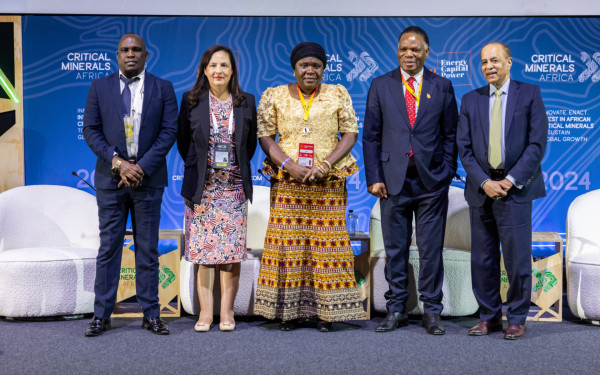
CMA 2024 featured a Ministerial Forum that included the participation of mining ministries from Eswatini, Malawi and Argentina, as well as representatives from Tanzania. High-level speakers during the forum showcased a number of projects aimed at maximizing mineral production while discussing how to leverage mineral resources to promote economic growth and sustainability. 

The Republic of Malawi's Minister of Mining Monica Chang'anamuno highlighted several ongoing projects in the country, such as the Kasongo Initiative, which aims to increase the production of rare earth metals, graphite and lithium resources. 

Meanwhile, Eswatini's Minister of Natural Resources and Energy Prince Lonkhokhela announced ambitious targets to raise to the contribution of the country's mining sector to its GDP. With aims to increase the share from 1% to 50% in the short- to medium-term, the strategy is supported by new surveys revealing commercial deposits of lithium, copper, cobalt and other base metals.  

To bolster investment in mid- and downstream infrastructure, the Summit also featured the participation the President of the Chamber of Mines of Zimbabwe Thomas Gono, who stated, “Historically, we exported raw materials, missing out on the potential benefits. With Africa's young workforce, we now have an opportunity to drive revenue and create jobs through skills development and local beneficiation.” 

With the participation of Tanzania's Chamber of Mines, it was announced that the country aims to expand exploration in critical mineral-rich basins from 16% to 50% as part of a strategic push into rare earths, lithium and tanzanite production. Meanwhile, Zambia's Chamber of Mines discussed ongoing strategies aimed at helping the country address logistics and energy deficit challenges in the mining sector. 

The Summit featured a panel discussion with high-level representatives from mining companies and development institutions including Pensana, the Africa Policy Research Institute and the U.S. Development Finance Corporation. The panel also featured the participation of Clifford Chance, Frost & Sullivan and Chatham House and explored how regional initiatives – such as the Lobito Corridor – have the potential to fast-track Africa's critical minerals market expansion.  

An Investment Forum held during the Summit showcased innovative financing measures to advance the flow of capital across the African market. The session featured representatives from finance institutions the World Bank, ABSA, Moshe Capital, the African Finance Corporation and ASAFO & Co. 

Additionally, midstream and downstream opportunities were showcased during a panel session that featured the participation of organizations such as Orion Minerals, AZ Arnaturen, Women in Green Hydrogen, Isondo Previous Metals and the Southern African – German Chamber of Commerce and Industry. The panel also featured representatives from Konrad Adenauer Stiftung, the SA-DRC Chamber of Commerce, the Curtin Institute for Energy Transition, the Electric Mobility Association of Kenya and the Congolese Battery Council. 

At CMA 2024, research firms including Rystad Energy, Moore Global and Project Blue presented insights on market trends in the global mining industry, while Tronic Metals, Tanzania's State Mining Corporation and South Sudan's state-owned Nilepet provided updates on their activities across the mining value chain. 

A Leaders Forum during the Summit featured the participation of international mining companies Glencore DRC and KoBold Metals as well as representatives from the University of Cape Town and the Minerals Council of South Africa. The forum showcased how governments across Africa can promote innovation in the continent's mining space to attract new investment and increase critical minerals production to drive socioeconomic and GDP growth.  

Distributed by APO Group on behalf of Energy Capital & Power.

Media files
Energy Capital & Power
Download logo
Read moreAfrica’s Mineral Wealth and Path to Economic Transformation Showcased at CMA 2024
8 November 2024

Mining Ministers Present Critical Mineral Expansion Strategies at CMA

Location: News

Energy Capital & Power
Download logo

The second day of the Critical Minerals Africa (CMA) Summit began with a Ministerial Forum, where mining ministers from Eswatini, Malawi, Argentina and representatives from Tanzania highlighted initiatives to advance the mining sector.

HRH Prince Lonkhokhela, Minister of Natural Resources and Energy for the Kingdom of Eswatini, described mining as a foundational pillar of economic growth for the country.

“Our recent high-resolution aerial survey has indicated the presence of copper, nickel and cobalt in the western regions, along with lithium and tantalum in the south,” he stated.

Eswatini is developing a Critical Minerals Strategy in collaboration with the Commonwealth Group, slated for completion by mid-next year, according to the minister.

Lonkhokhela stated that Eswatini is revamping its regulations to align with neighboring nations such as Mozambique and South Africa, aiming for knowledge sharing, resource pooling and regional cooperation on value addition.

Monica Chang'anamuno, Minister of Mining for the Republic of Malawi, emphasized the need for Malawi and Africa to align with the global conversation on critical minerals and the energy transition to seize emerging opportunities.

Chang'anamuno highlighted Malawi's vision to diversify its agriculture-dependent economy through its Agriculture, Tourism and Mining Strategy, prioritizing critical minerals as a driver of growth.

Malawi currently has several rare earth and lithium projects, including the Kasongo rare earth project, which employs 1,200 people, with plans to engage up to 10,000 throughout its lifespan, according to the Minister.

Malawi also discovered one of the world's largest lithium deposits, in partnership with a Korean firm and Rio Tinto, the Minister told delegates at CMA. Additionally, the nation aims to double its energy production to 1,000 MW by next year, with 232 MW allocated to support mining operations.

Maria Alejandra Vlek, Minister of Economic and Commercial Section of Embassy of Argentina in South Africa, highlighted the country's significant lithium potential, holding 22% of global lithium resources, with 180 critical mineral projects currently underway.

She said the country is deploying some 50 lithium projects, including an $800 million lithium facility, and seeks to leverage expertise and investment from African mining countries such as South Africa.

Venace Mwasse, Director of Tanzania's State Mining Corporation, stated “We are aware of the need to reduce emissions through critical mineral production and are committed to ensuring this while benefiting our communities.”

He added that only 16% of Tanzania's land has been surveyed, with a target to reach 50% as part of the country's Vision 2030 Strategy.

Distributed by APO Group on behalf of Energy Capital & Power.

Read moreMining Ministers Present Critical Mineral Expansion Strategies at CMA
8 November 2024

Upstream Players Highlight Innovative Financing Critical Mineral Projects at CMA

Location: News
Energy Capital & Power

Players within Africa's energy transition sector highlighted innovative financing mechanisms which can help drive the industry maximize value addition and beneficiation to local economies during the Leaders Forum at Critical Minerals Africa Summit on Thursday.

Marie-Chantal Kaninda, President, Glencore DRC announced that the firm contributed approximately $1 billion in revenue for the Democratic Republic of Congo (DRC) through royalty taxes in 2023.

She said the firm invested in processing facilities at two of its operational mines in the DRC (https://apo-opa.co/3AvKgjI) to enhance value addition of copper and cobalt resources.

“We export hydroxide cobalt, which is an intermediary product, and produce copper cathodes ready for cable manufacturing,” Kaninda explained, adding that 95% of Glencore's workforce in the DRC is sourced locally, with many employees holding senior positions.

Speaking on the challenges facing Africa's mineral value addition efforts, Carlos Lopes, Professor at the Nelson Mandela School of Public Governance, University of Cape Town, noted that a lack of adequate funding is a primary barrier.

Despite Africa's GDP having doubled since 2000, he said, the continent is still perceived as a high-risk market by some investors. Lopes called for innovative local financial solutions to meet capital needs for value-addition projects.

“Africa pays the world's highest interest rates, yet our potential is undervalued. We must be strategic in policy-making to fully capitalize on our resources,” he stated, emphasizing the drawbacks of exporting raw minerals for overseas processing.

Mfikeyi Makayi, CEO of KoBold Metals, underscored the role of innovation in reducing the high costs associated with critical mineral exploration and value addition. She highlighted the company's AI-enabled exploration efforts backed by Silicon Valley investment, stating, “With 60 projects across 40 countries, including flagship initiatives in Zambia and new ventures in Namibia and Botswana, we're focused on leveraging digital mining solutions to drive industrialization across the continent.”

Makayi added that the data generated through digital mining is vital for attracting investment and creating a more competitive and inclusive sector.

Sietse van de Woude, Senior Executive of Modernization and Safety at the Minerals Council South Africa, discussed the Mandela Mining Precinct initiative, a public-private partnership designed to fund and support mining sector innovation.

“Innovation is essential for critical minerals mining,” van de Woude said, adding that the initiative offers a platform for industry stakeholders to share best practices and collaborate on advancing operational efficiency and safety.

Distributed by APO Group on behalf of Energy Capital & Power.

Media files
Energy Capital & Power
Download logo
Read moreUpstream Players Highlight Innovative Financing Critical Mineral Projects at CMA
7 November 2024

AEW 2024: Efficiency and Demand Management Key to Sustainable Development

Location: News
African Energy Chamber

As Africa continues to expand its energy infrastructure on a continent where energy poverty remains the reality for millions of its population, addressing the challenges of energy efficiency and demand side management become increasingly crucial. There is a pressing need to optimize energy consumption and promote sustainable development across the continent.

During a panel discussion sponsored by the South African National Energy Development Institute (SANEDI), South Africa's successful history of promoting energy efficiency in the country through the implementation of its National Energy Efficiency Strategy was highlighted.

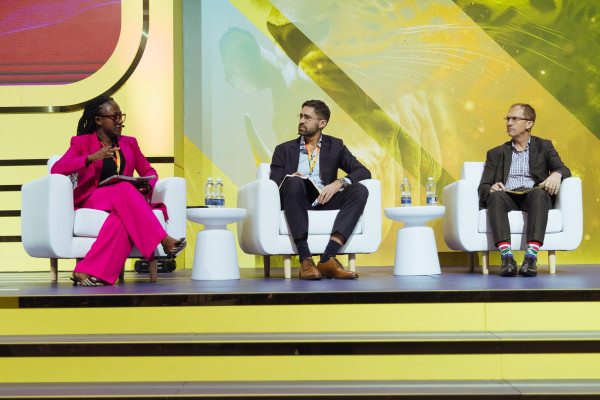
Ngoanathari Maja, Programme Manager for Energy Efficiency in Public Buildings & Infrastructure Programmes at the SANEDI set the tone of the discussion as the panel moderator. Panelists included Professor Sampson Mamphweli, General Manager at the Department of Science and Innovation and Energy Secretariat at SANEDI; Stalin Ndlovu, Acting General Manager of Energy Efficiency and Demand Side Management at SANEDI; Nqobile Ngcobo, Energy Performance Certificates Program Lead at SANEDI and Salifou Camara, Deputy National Director of Energy at the Ministry of Energy, Hydraulics and Hydrocarbons in Guinea-Conakry.

Mamphweli discussed how energy efficiency and demand side management measures had a significant impact on South Africa's energy availability when the country experienced its first period of loadshedding in 2008. The measures implemented by Eskom, SANEDI and the private sector managed to contain loadshedding at the time.

“Through energy efficiency and demand side management measures you can save a lot of energy that can be distributed to those who do not have access to energy,” he said.

Mamphweli added that although South Africa has the National Energy Efficiency Strategy, the country's draft Integrated Resource Plan 2023, which provides a roadmap for meeting South Africa's forecasted electricity demand, does not make provision for this. It is important for energy efficiency and demand side management to feature in the country's long-term energy planning, he said.

To meet the country's future energy needs, Ndlovu reiterated the importance of resource efficiency on both the energy supply side and energy demand side, noting that countries must optimize their energy use.

Also drawing on the topic of resource efficiency, Ngcobo said that we can only start expanding electrification on the continent once we consume energy efficiently.

Maja raised the concern that despite the strides made towards improving energy efficiency in South Africa, there is not enough uptake of energy efficiency and demand side management measures in Africa.

In response to this, Mamphweli highlighted the various stumbling blocks in Africa, including funding, skills, and awareness of energy efficiency. “Selling the idea of energy efficiency takes time for people to buy into,” he said.

Camara provided insight on the barriers faced in adopting energy efficiency measures in Guinea-Conakry, noting that consumers simply buy appliances that are not energy efficient.

“We need [to] raise awareness among consumers to improve the country's energy efficiency as our population needs to better understand how to better save and use energy, to ensure sufficient energy for all,” he said.

In line with this, Mamphweli called for action against using Africa as a dumping ground for energy inefficient technologies, emphasizing the need for behavioral changes towards using existing and proven energy saving technologies in Africa at both a household and commercial level.

Ngcobo addressed the importance of viewing energy efficiency as the first step in managing demand. “There is no point in increasing energy supply when we are unable to effectively manage what we are using on the end user side,” she said.

The panel discussion formed part of African Energy Week (AEW): Invest in African Energies' ‘Powering Africa Summit'. The summit aims to advance investment, technology, and innovation to harness Africa's renewable and non-renewable energy mix and optimize the continent's power generation and distribution capabilities to improve energy access and meet the rising power needs of Africa's rapidly expanding populations.

Set to reach 2.5 billion people by 2050, Africa is home to the world's fastest-growing population. The continent's crude oil and gas resources, combined with its vast solar and hydropower resources represent the pathway to improving energy access and rising power demands.

SANEDI is a Bronze Sponsor of the AEW: Invest in African Energies 2024 conference, which is being held in Cape Town this week.

Distributed by APO Group on behalf of African Energy Chamber.

Media files
African Energy Chamber
Download logo
Read moreAEW 2024: Efficiency and Demand Management Key to Sustainable Development
7 November 2024

AEW 2024 Panel Deliberates Path Towards Private Power Provision in Africa

Location: News
African Energy Chamber

Private power and Independent Power Producer (IPP) investments are pivotal for Africa's energy future if it is to improve energy access and end energy poverty on the continent. The procurement of new, often renewable sources of energy, is a way for countries to improve energy supply but also meet transition goals. 

During a panel discussion titled ‘Maintaining the Momentum for Private Power Provision' that formed part of African Energy Week (AEW): Invest in African Energies 2024 ‘Powering Africa Summit' South Africa's IPP procurement program was highlighted as a benchmark on how to successfully develop private, independent power generation capacity in Africa, which is challenged by a lack of generation capacity, aging power plants and poorly run state-owned utilities and a lack of affordable capital. 

Bernard Magoro, Head of South Africa's Independent Power Producers Office said that although the country has overcome the challenge of loadshedding, it needs to decommission 15-20 GW of coal-fired power by 2035, half of which will be replaced by renewables which requires between four and five times the baseload capacity that you are replacing. 

The IPP program, which has been running for 14 years, has delivered over 8 GW of capacity, 7.2 GW of renewable energy and 1 GW of open cycle gas turbine capacity, Magoro pointed out. This equates to about 10% of South Africa's energy from IPPs on an annual basis, he added. 

The enabling environment that Magoro referred to as “the IPP energy ecosystem” that was created in South Africa to support IPP integration is what has supported the success of the program, the learnings of which he said was being shared with the rest of the African continent. 

Panel moderator, Hasnayn Ebrahim, Managing Director of management consultancy Africa International Advisors noted the important aspect of cross-border collaboration, knowledge sharing and capacity support as a potential enabler to advance private power provision in Africa, a sentiment echoed by Mirlan Aldayarov, Infrastructure Program Leader at the World Bank who said the South African Power Pool (SAPP) exists as a good mechanism that can help to leapfrog some of the IPP development challenges in Africa. 

This idea was supported by Simphiwe Jantjies, Head of East, Central and West Africa at development finance institute the Development Bank of Southern Africa who said the existence of regional power pools, in addition to liberalizing the energy market can play an important role in extending the role of IPPS in providing power. 

“Development finance institutions can…play a meaningful role in the entire project development value chain…pulling the entire financing structure of a project together and ensuring it is bankable,” Jantjies said. 

Aldayarov highlighted the pace of reforms to support IPPs in South Africa as “phenomenal” noting that the Bank is involved in long term energy planning, policy and regulatory reforms, energy offtake and supporting the development of a pipeline of bankable projects to create an enabling environment going forward. 

In trying to maintain the momentum of the IPP program in South Africa, where there is over 100 GW worth of energy capcity at different readiness stages waiting to be developed, the country is faced with needing to expand the energy grid. “We have run out of grid capacity,” he said. 

“Between now and 2032 we need to build 14,000 km of transmission lines,” which Eskom cannot do alone, Mogoro said, noting that the private sector, like the role it is playing in the IPP space, would need to assist in expanding the strained transmission network. 

Distributed by APO Group on behalf of African Energy Chamber.

Media files
African Energy Chamber
Download logo
Read moreAEW 2024 Panel Deliberates Path Towards Private Power Provision in Africa
6 November 2024

AEW 2024 Hydrogen Summit Highlights Collaboration as Key to Investments

Location: News
African Energy Chamber

Africa's abundant energy potential, coupled with Europe's ambitious production and import goals, have resulted in the development of a burgeoning global green hydrogen economy. Africa currently has 125 GW of hydrogen capacity with major contributors including Egypt, Mauritania, South Africa, Morocco, Namibia and Kenya – a group of nations that form part of the Africa Green Hydrogen Alliance group.

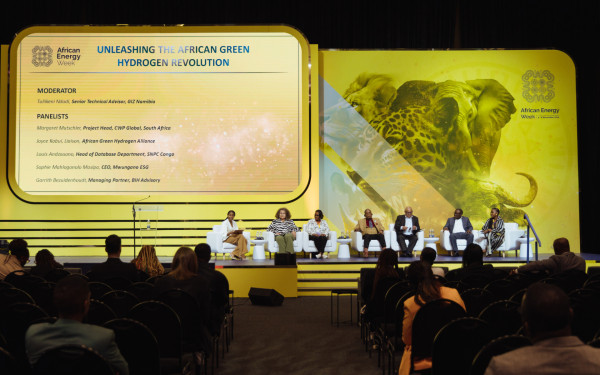
A dedicated panel session titled, Hydrogen Summit: Unleashing the African Green Hydrogen Revolution, at this year's African Energy Week: Invest in African Energies 2024 conference explored the significant role that hydrogen plays in the future of African energy. The panel noted that the EU market represents the largest commercial opportunity for hydrogen projects on the continent, with international collaboration being highlighted as a key strategy towards driving the sector forward.

“We need to see more countries establish key terms to create a platform for knowledge sharing,” stated Africa Green Hydrogen Alliance liaison Joyce Kabui, adding, “The support here depends on the scale of collaboration in the green hydrogen space.”

Mauritania has emerged as one of the world's top green hydrogen investment destinations. The country has effectively captured 1.5% of the global hydrogen market with 3 of its major hydrogen developments – the 30 GW AMAN development, 35 GW Megaton Moon project and 10 GW Project Nour development by renewable energy developer Chariot Energy Group, which collectively contribute to the country's objective of producing 12.5 million tons of green hydrogen annually by 2035.

“In Mauritania, we've managed to prove renewable resources and understand energy profiles available from natural resources to supply the value chain,” stated CWP Global Vice President of Project Development Africa, Margaret Mutschler, adding, “We've conducted environmental studies and baseline studies in countries like Mauritania that is relevant in other countries as well.”

Meanwhile, South Africa's government has recognized green hydrogen as a key aspect of the country's just energy transition. It has introduced the Hydrogen Society Roadmap to serve as the industry's framework to facilitate large-scale investments in the sector.

“If you look at hydrogen as a source, it's underpinned by the hydrogen roadmap that the government has begun to drive,” stated General Manager of Energy Projects at South Africa's state-owned Central Energy Fund, Sifiso Msabala. “There is a focus on hydrogen in this country and we understand the issues that are inhibiting progress. We know that South Africa is a great country to contribute to the global hydrogen industry.”

Louis Andzouono, Head of Database Department at the Republic of the Congo's state-owned Société National des Pétroles du Congo (SNPC), expressed his country's commitment to driving a sustainable green hydrogen sector. The parastatal company received authorization from the government last year to explore the development of a green hydrogen market in the country.

“The SNPC is confident that its promotion of green hydrogen will succeed and thrive,” Andzouono stated, adding, “We assume the missions and projects of the state will guarantee a serene future for the Congolese people through structure and eco-friendly projects.”

The panelists noted that supportive policies and international collaboration will bolster Africa's green hydrogen economy, potentially attracting investments and improving resource capacity.

Distributed by APO Group on behalf of African Energy Chamber.

Media files
African Energy Chamber
Download logo
Read moreAEW 2024 Hydrogen Summit Highlights Collaboration as Key to Investments
6 November 2024

Mashatile chairs inaugural meeting of newly appointed Human Resource Development Council

Location: News

Mashatile chairs inaugural meeting of newly appointed Human Resource Development Council

Deputy President Paul Mashatile has stressed the importance of reigniting efforts to drive human resource development initiatives, so as to urgently tackle the three critical challenges of unemployment, poverty and inequality.

The Deputy President was speaking as the Chairperson of the Human Resource Development Council (HRDC), where he led the inaugural meeting of the newly appointed council on Tuesday.

The newly appointed HRDC members include representatives from government, organised labour, organised business, as well as civil society.

According to the Deputy President’s office, the council’s main strategic mandate is to advise government on initiatives to develop the necessary skills to meet labour market demands over the next five years, ending in 2029.

“We look forward to your invaluable contribution and are convinced that your unique talents, abilities, and experiences will further assist to re-energise efforts to realise the strategic goals of the HRDC,” Mashatile said.

The meeting received presentations on the reconceptualised HRD Strategy and the Master Skills Plan, which will anchor policy documents for all human resource development interventions in the country.  

The plan outlines four strategic, outcome-oriented goals. These include enhancing early learning and educational outcomes, as well as increasing the employability of youth, who are not engaged in education, employment, or training (NEET).

The plan also highlights the need to enhance the responsiveness of the Post-School Education and Training (PSET) system to skill demands and improve governance, leadership and management within the public sector.

In addition, the meeting received updates on the establishment of the Just Energy Skills Forum, which is aimed at contributing to the transformation of the energy landscape in the country, in line with the dictates of climate change.  

This follows the commitment made by government to launch the Just Energy Transition (JET) Investment Plan 2023-2027 in 2022, where President Cyril Ramaphosa mandated the Presidential Climate Commission to engage with various key stakeholders in developing common approaches for South Africa.

A key element for the implementation of the JET Skills Portfolio is the establishment of a National Skills Advisory Forum, which is planned to be launched at the 5th HRDC Summit scheduled to take place this month.

The 5th HRDC Summit will bring together civil society groups, government, labour and business to deliberate on critical skills challenges facing the country.

The summit’s theme will focus on developing the emotional, intellectual and technical capabilities needed to succeed. The gathering will also touch on the reconceptualised HRD Strategy and the Master Skills Plan, as well as the launch of the JET National Skills Advisory Forum.

The summit will also discuss building foundations for learning and skills for a transformed economy, as well as building a capable State.

The HRDC is a national, multi-stakeholder advisory body chaired by the Deputy President and managed by the Ministry of Higher Education and Training.

The HRDC was established in 2010 to facilitate conditions that promote the optimal participation of all stakeholders in the planning, stewardship, monitoring and evaluation of HRD activities in the country.

One of the council’s key responsibilities is to build the HRD base required to ensure a prosperous and inclusive South African society and economy, focusing on the development of strategy. – SAnews.gov.za

Gabisile
Wed, 11/06/2024 - 10:48

346 views
Read moreMashatile chairs inaugural meeting of newly appointed Human Resource Development Council
6 November 2024

AEW Highlights Critical Minerals Role in African Renewables Growth

Location: News
African Energy Chamber

Africa must expand its renewable energy manufacturing capabilities and leverage its critical minerals to foster growth in its renewables sector, according to James Mackay, Managing Director at the Energy Council of South Africa.

Speaking on a panel discussion during African Energy Week: Invest in African Energies' Pre-Event Technical Workshops, Mackay said the high cost of renewables in Africa could be lowered by enhancing local manufacturing capacity, making vital technologies more accessible for project developers.

“Egypt is currently leading in solar manufacturing, but other African governments should work to attract investments and implement policies that incentivize manufacturers to establish operations on the continent,” stated Mackay.

Carlos Torres Diaz, Senior Vice President & Head of Gas and Power Markets Research, Rystad Energy highlighted Africa's youthful workforce as a strategic advantage in developing innovative solutions required to harness the continent's 30% share of global critical minerals. According to Diaz, the focus is no longer solely on replacing fossil fuels but on integrating all energy resources and using digital tools to stabilize the power grid.

“Gas-to-power solutions remain essential for stability alongside renewables,” he noted.

Despite holding 40% of the world's total solar potential, Africa currently utilizes only 35% of its capacity, according to Nivedh Das Thaikoottathil, Senior Analyst – Renewables & Power at Rystad Energy. Thaikoottathil pointed out that Africa's ability to add value to its critical minerals will shape its potential to produce over 100,000 TWh of solar energy annually, potentially increasing the share of solar and wind from 8% today to 60% by 2040.

Commenting on high-growth renewable energy markets in Africa, Thaikoottathil said South Africa, Morocco, Egypt, Tunisia, Mauritania and Mozambique are the key players.

“We are seeing growing financing for renewable projects and new interconnectors between North Africa and Europe, with 24 GW of proposed capacity aimed at linking the regions,” he said.

AEW: Invest in African Energy 2024 is held alongside the Critical Minerals Africa Summit which will run from November 6 – 7 November in Cape Town, offering delegates access to the full scope of energy, mining and finance leaders.

Distributed by APO Group on behalf of African Energy Chamber.

Media files
African Energy Chamber
Download logo
Read moreAEW Highlights Critical Minerals Role in African Renewables Growth
6 November 2024

South Africa reaffirms commitment achieve New Urban Agenda

Location: News

South Africa reaffirms commitment achieve New Urban Agenda

Human Settlements Minister, Mmamoloko Kubayi, has reaffirmed South Africa’s commitment to ensuring that the country achieves the New Urban Agenda in a more sustainable way.

Kubayi was speaking at a ministerial roundtable on the sidelines of the 12th World Urban Forum (WUF12) Summit, currently underway in Cairo, Egypt.

The ministerial roundtable was hosted by the United Nations-Habitat Executive Director, Anacláudia Rossbach, on Tuesday.

It explored how different spheres of government, from national to local, can work better together to achieve the 2030 Agenda for Sustainable Development, with particular attention on multilevel governance arrangements and partnerships for adequate housing, climate action, finance systems, digital technology, and urban crises response.

The New Urban Agenda represents a shared vision for a better and more sustainable future, and if well-planned and well-managed, urbanisation can be a powerful tool for sustainable development for both developing and developed countries.

Speaking at the session, Kubayi said South Africa was committed to ensuring that the country meets Sustainable Development Goal (SDG) 11, which calls for countries to make cities and human settlements inclusive, safe, resilient and sustainable.

“We have recognised that this is one of the most important areas of work to address issues related to this, in terms of global shared challenges, such as rapid urbanisation, climate change, inequality and inadequate infrastructure,” Kubayi said.

Kubayi said a multistakeholder approach has been taken by the South African government, and working together with the private sector and civil society, they have committed to ensuring that no one is left behind, but “we include everybody as part of our programmes”.

She highlighted that the primary participants in terms of this work is in the policy formulation, but also ensuring that government’s activities at local level are taken up and programmes are supported.

“The private sector supports us in terms of financial support, ensuring the initiatives that we do and commit to, are also funded, but also in partnership to fast-track the implementation. We do recognise that one of the areas that we want to continue to do this, is also support in terms of academic research organisations.

“We have launched our research agenda as the South African government, to ensure that what we bring as solutions in terms of implementing the urban agenda and also in achieving the UN SGD goals, is to ensure and make sure that our solutions are evidence based but more importantly, can be sustainable,” Kubayi said.

Kubayi also committed government in ensuring that urbanisation in the work they do in critical governance and leadership of the new urban agenda, includes the three spheres of government.

“That is why in our delegation here we have representatives of the national government, provincial government and local government. We do believe that this approach is more sustainable and ensures that it is inclusive but in terms of ensuring that all hands are on deck,” the Minister said.

The 12th World Urban Forum Summit is being held under the theme: “It all starts at home. local actions for sustainable cities and communities.” – SAnews.gov.za


GabiK
Wed, 11/06/2024 - 15:28

48 views
Read moreSouth Africa reaffirms commitment achieve New Urban Agenda
5 November 2024

Govt, private sector urged to prioritise education and employment opportunities for persons with disabilities

Location: News

Govt, private sector urged to prioritise education and employment opportunities for persons with disabilities

As various government departments work around the clock to put final touches to the Medium-Term Development Plan (2024-2029), individuals and organisations representing persons with disabilities have called on government and the private sector to prioritise education and employment opportunities. 

This, they say, is key to the realisation of the full inclusion of persons with disabilities in every aspect of South African life.

This emerged on Monday in Cape Town as the Deputy Minister of Social Development, Ganief Hendricks, officially handed over a report of public hearings to the Western Cape MEC of Social Development, Jaco Londt. 

The ceremony was attended by over 90 people representing government and civil society organisations in the disability sector. 

The report and the high-level action are a result of extensive consultations with individuals and organisations representing persons with disabilities during the development of the Draft Policy on Social Development Services to Persons with Disabilities. 

The report argues strongly for government to invest in educational, capacity building, skills development, employment and funding opportunities for persons with disabilities. It further calls for the provision of and training on the use of assistive devices, including wheelchairs and hearing aids to ensure independent living. 

The report is structured around the following province-specific thematic areas:

(i) mainstreaming, inclusivity and accessibility—establishment of municipal advice office to promote accessibility and inclusivity at local level.
(ii) education, capacity building, and skills development—scale up training programmes on assistive devices for persons with disabilities and caregivers.
(iii) employment and socio-economic empowerment—proposed tax rebates for assistive devices and financial support for families promoting accessibility.
(iv) social development support services, such as care and access to funding—consider introduction of differentiated disability grants and tailoring financial support to individual needs, ensuring equitable distribution.

The Deputy Minister quoted the 2022 census data, which estimates that there are 3.3 million persons with disabilities, which constitutes 7.5 % of the South African population. 

“The 2022 census data underscore the fact that persons with disabilities are a large part of the South African families, communities and population. 

“Many of us know someone with a disability, which makes it important for all of us to work together to build a caring and inclusive society that enables persons with disabilities to thrive and contribute to our society,” the Deputy Minister said.

Hendricks added that the high-level action, which was presented as part of the report will be monitored regularly to ensure accountability and implementation by all provinces and key stakeholders.

Sharing her personal journey which drew applause and brought tears to many participants, a South African ability activist and the co-founder and global ambassador of The Chaeli Campaign and Chaeli Foundation SA, Chaeli Mycroft highlighted disability-related costs for individuals and families.

“Disability is very costly as there are significant additional costs faced by individuals and families caring and supporting persons with disabilities which are unfortunately currently not met by existing social grants. 

“It is for this reason that persons with disabilities face enormous challenges in living independently and many are condemned to a life of poverty and social exclusion. It is for this reason that government must increase investment in education and employment opportunities for persons with disabilities,” Mycroft said. 

Mycroft has cerebral palsy and is well known in the disability sector for her activism which has earned her numerous global recognitions, including the International Children’s Peace Prize (2011) and she was awarded the Peace Summit Medal for Social Activism on behalf of all Nobel Peace Laureates. 

She is the first female quadriplegic to summit Mount Kilimanjaro in Tanzania, the highest free-standing mountain in the world. 

In true disability rights awareness style, the handover ceremony was officiated in sign language by Jabaar Mohamed, Western Cape Provincial Director of DeafSA. Last year, President Cyril Ramaphosa made sign language the 12th official language in South Africa.

This was the first of the nine that the Department of Social Development will be handing over to provinces across the country as part of the National Disability Rights Awareness Month, which is observed annually from 3 November-3 December. 

The objective of this campaign is to educate the public about disability issues, take stock of progress and to celebrate the contributions of persons with disabilities in South Africa. – SAnews.gov.za


DikelediM
Tue, 11/05/2024 - 10:47

46 views
Read moreGovt, private sector urged to prioritise education and employment opportunities for persons with disabilities
4 November 2024

Kubayi leads SA delegation to World Urban Forum in Egypt

Location: News

Kubayi leads SA delegation to World Urban Forum in Egypt

Human Settlements Minister, Mmamoloko Kubayi is leading a government delegation to the 12th World Urban Forum (WUF12)’s Summit taking place from 04-08 November 2024, in Egypt, Cairo.

The 12th World Urban Forum, a high-level forum established by the United Nations (UN) in 2021, is convened by the UN Human Settlements Programme (UN-Habitat) and hosted by member states every two years on a rotational basis.

Held under the theme: “It All Starts at Home. Local Actions for Sustainable Cities and Communities”, the summit brings together delegates, including Ministers from across the globe to explore how the different spheres of government can work better together to achieve vision 2030 Agenda for Sustainable Development Goals (SDGs).

The summit places particular attention on multilevel governance arrangements and partnerships for adequate housing, climate action, finance systems, digital technology, and urban crises response.

It will seek to address one of the currently pressing issues in the world, rapid urbanisation and its impact on communities, cities, economies, climate change and policies.

WUF12 aligns with this year's theme, emphasising the vital role local action plays in accelerating urban sustainability.

The department said, while at the summit, the Minister will participate in a number of sessions as a panellist and address a number of other sessions, including the session on localising the Implementation of the Global Action Plan for Accelerating the Transformation of Slum and Informal Settlements.

The Minister will also participate in a number of ministerial sessions and have bilateral meetings with global leaders on the sidelines of the summit.

“The networking session will create a dialogue space between India, Brazil and South Africa (IBSA) countries and development partners around the Global Action Plan to share visions and actions for slum transformation, localised prioritisation, and multi-partnership approaches,” the department said in a statement.

The South African delegation includes officials from all spheres of government, Human Settlements entities, Members of the Executive Councils responsible for Human Settlements, representatives from the South African Local Government Association (SALGA), Mayors and Members of Mayoral Committees of Human Settlements. – SAnews.gov.za


GabiK
Mon, 11/04/2024 - 11:37

126 views
Read moreKubayi leads SA delegation to World Urban Forum in Egypt
4 November 2024

Call for meaningful action to deal with wildlife crimes

Location: News

Call for meaningful action to deal with wildlife crimes

Minister of Forestry, Fisheries and the Environment, Dr Dion George, has called for decisive and integrated action to deal with wildlife crimes, as they threaten the country’s rich biodiversity and the potential of the eco-tourism industry.

Addressing the United for Wildflife Global Summit 2024 in Cape Town on Monday, the Minister said the Department of Forestry, Fisheries, and the Environment (DFFE) plays an indispensable role in shaping South Africa's future within the borders and in the increasingly complex global geopolitical landscape. 

“However, despite local and international efforts to address environmental crime at the highest levels of government, it is essential that we now refocus our efforts towards action. 

“Representatives from the police, customs, prosecuting authorities, financial intelligence units, and environmental and wildlife investigative agencies all hold crucial roles, and your collaboration is essential. 

“We all recognise this global scourge that can only be overcome through a focused and integrated international effort,” the Minister said.

South Africa’s wildlife, plant life and marine life is a target for illicit activities. 

“Our lions, rhinoceros, pangolin, succulent plants, abalone, and our fish stock, to name only a few, are significantly at risk and we must respond. 

“These crimes... have a devastating impact on our country’s moral fabric (where the poaching culture consumes communities) on our existing and potential eco-tourism industry, and on our good standing in the international community as custodians of irreplaceable natural heritage,” George said.

He emphasised that South Africa remains resolutely focused on implementing the National Integrated Strategy to Combat Wildlife Trafficking. 

This strategy aims to establish a well-resourced, integrated, multidisciplinary law enforcement approach to dismantle the illicit value chain of wildlife trafficking within our country and beyond. 

“We recognise that achieving this objective requires the unwavering commitment of our entire government to enhance law enforcement capabilities and to mobilise societal support. 

“As part of implementing the strategy, South Africa actively participated in both informal and formal negotiations leading up to the recent United Nations Convention against Transnational Organised Crime, Conference of Parties. 

“We supported the resolution sponsored by Brazil, France, and Peru, which aims to enhance measures to prevent and combat crimes affecting the environment. This important document recognises that environmental crimes has evolved into a major form of transnational organised crime,” the Minister said.

South Africa remains committed to implementing the key proposals outlined in the resolution.

“We must confront the stark reality that these crimes are not isolated to a series of arbitrary incidents, and that they have developed into highly sophisticated, greed-driven enterprises orchestrated by international criminal syndicates. 

“They exploit our natural heritage for financial gain and cause immeasurable harm to the environment while undermining our conservation efforts. These environmental crimes threaten to ravage the world's natural resources, impose immense financial burdens, and lead to the widespread loss of economic and development opportunities. 

“While we are keenly aware of the threat this poses to security and the rule of law, we must also remain cognisant of the complex issues of poverty and the lack of alternative livelihoods that contribute to the rise of such illicit activities,” the Minister said.

South Africa has also actively participated in WIRE meetings since 2016, which have been instrumental in overcoming obstacles related to information sharing and cooperation in investigations. 

“This has provided an invaluable platform that enables the international community to strategies, overcome obstacles, ensure meaningful cooperation, and respond swiftly when necessary, despite the bureaucratic processes inherent in any government. 

“Collaborating with international counterparts is crucial for tackling wildlife crime, especially since the illicit market is primarily in Southeast Asia. It is essential that we reinforce our working relationship with law enforcement agencies in these countries,” the Minister said. - SAnews.gov.za

nosihle
Mon, 11/04/2024 - 12:24

0 views
Read moreCall for meaningful action to deal with wildlife crimes
31 October 2024

SA working to promote inclusive growth, deal with high cost of living

Location: News

SA working to promote inclusive growth, deal with high cost of living

The South African government seeks to attract foreign investment to foster inclusive growth and tackle structural barriers faced by marginalised communities.

This is according to Deputy President Paul Mashatile, who was briefing Members of Parliament (MPs) in the National Assembly on Thursday. 

The Deputy President addressed several topics, including his recent working visit to Ireland and the United Kingdom.

He reflected on the keenness of investors from these two countries to tap into various South African sectors such as finance, energy, transportation and infrastructure development.

“The overall aim of this engagement was to reassure the world and investors that our country is stable and open for business. I must say, in all of these meetings, we were warmly received,” he told Parliament. 

In the United Kingdom, the Deputy President said he met with more than 20 institutional investors, who are already investing in South Africa.  

“We also engaged with the government of the United Kingdom to strengthen and renew the historically deep and rich bilateral relations between our two countries by exploring new initiatives and opportunities for enhancing trade and investments.” 

Following the working visit, government agreed to strengthen existing initiatives while exploring new opportunities to maintain strong trade and investor interest. 

“We anticipate that the upshot of our visit will contribute to an increase in the UK investors who have shown a strong interest in doing business in South Africa,” Deputy President Mashatile explained. 

In addition, he said the relevant ministerial teams presented opportunities in State-owned entities (SOEs), particularly Eskom and Transnet. 

“They dealt with issues of energy, rail and port projects and water infrastructure projects, including the handing of the investment project book that was developed by Infrastructure South Africa.”

However, the Deputy President believed that government alone would not be able to achieve the objectives of growing the economy and creating jobs. 

“As a result, we’re taking these steps to engage the private sector, particularly also foreign investors who are interested to come and invest in our country.”

The State is working hard to ensure the regulatory frameworks throughout government are friendly for investors who can come and invest. 

“So, we were quite impressed that many of those that we met were very happy. They were saying they will be taking advantage in South Africa so that we can create the necessary jobs that we want to create and empower many of our people, particularly young people,” Mashatile said.

G20 Presidency

The Deputy President is of the view that South Africa should use its G20 Presidency to prioritise its objectives of growing an inclusive economy that creates jobs. 

Preparations are underway for South Africa’s G20 Presidency and hosting the G20 Summit in 2025. South Africa is expected to take over Chair of the G20 from December 1 this year from Brazil. 

Mashatile said the State is determined to deal with the question of the high cost of living and professionalisation of the public service. 

“But we want to use that also to benefit the continent. So, what South Africa will do will ensure that, as we Chair the G20, [this] benefits the entire African continent, and we are looking at programmes of infrastructure.

“When leaders of various countries come here, they come with huge delegations, including business people, and therefore they look for opportunities. But we will make sure that there is sound infrastructure to be able to ensure that people can have meetings throughout the country.” 

The Deputy President announced that government has decided that it will concentrate meetings in one place, so the 2025 summit benefits the entire country. 

Skill shortages

Mashatile acknowledged that the local labour supply does not meet the demand for management personnel, professionals, engineers, technicians, educators, and information and technology experts, necessitating the temporary importation of high-level skills.

However, various measures are being implemented to improve local skills, including updating job listings, promoting the critical skills list, and enhancing vocational training in digital skills. 

Mashatile explained that the National Skills Fund directs resources to in-demand sectors and that the Human Resource Development strategy aims to match supply and demand for skilled workers. 

Meanwhile, he said collaboration among industry, government, education, and non-profits is crucial for effective skills development and local employment growth. – SAnews.gov.za


Gabisile
Thu, 10/31/2024 - 15:21

77 views
Read moreSA working to promote inclusive growth, deal with high cost of living
  • Previous
  • Page 1
  • Interim pages omitted …
  • Page 7
  • Page 8
  • Page 9
  • Page 10
  • Page 11
  • Interim pages omitted …
  • Page 24
  • Next

Copyright © 2026 · MyZA · All Rights Reserved · Powered by Stratlec Online