SA U19 Women To Tour India For Youth T20I Tri-Series Ahead Of Next Year’s T20 World Cup
JOHANNESBURG: Cricket South Africa (CSA) and the Board of Control for Cricket in India (BCCI) have confirmed the Youth T20...

MyZA
News, Directory, Events and Other Stuff
JOHANNESBURG: Cricket South Africa (CSA) and the Board of Control for Cricket in India (BCCI) have confirmed the Youth T20...
As World AIDS Day approaches on December 1, Doctors Without Borders/Médecins Sans Frontières (MSF) is preparing to roll out long-acting cabotegravir (CAB-LA) for pre-exposure prophylaxis (PrEP) in its projects in southern Africa. CAB-LA, administered as an injection every two months, has been described as a potential game changer in the fight against HIV/AIDS and is one of the closest medical tools that exist to an HIV vaccine.
PrEP is a medicine that's taken continuously or before a situation where someone is at high risk of contracting HIV and can help prevent them from getting infected, protecting the individual and curbing the spread of the virus.
“My excitement stems from the fact that CAB-LA, administered every two months, has been shown to be more effective than oral PrEP in reducing new HIV infections,” said Dr. Antonio Flores, an MSF HIV/TB advisor based in South Africa. “With no HIV vaccine or cure in sight, CAB-LA and other long-acting formulations can be a gamechanger in curbing the HIV epidemic if scaled up globally, especially in low- and middle-income countries, particularly among groups at higher risk of acquiring HIV.”
In Africa, four countries started offering CAB-LA in 2024: Zimbabwe, Malawi, Zambia, and eSwatini. South Africa is scheduled to receive a portion of the 231,000 doses of CAB-LA from the President's Emergency Plan for AIDS Relief (PEPFAR) before the end of the year. The remaining PEPFAR doses will be released over the next two years. After long negotiations with ViiV, the sole manufacturer of CAB-LA, MSF successfully secured a limited number of doses, which are expected to be administered in its projects in Zimbabwe, Mozambique, Malawi, and eSwatini later this year.
CAB-LA is more discreet than the once-daily oral PrEP pill and could encourage adherence to this form of prevention. Discretion can be especially important for key and vulnerable populations at risk of HIV, like girls and women, sex workers, and men who have sex with men. Another long-acting option, lenacapavir made by Gilead, can be administered every six months and is expected to expand prevention choices in the coming years.
“The launch of CAB-LA will be a great benefit to our patients and the people of Zimbabwe since it is expected to be an excellent method to increase PrEP uptake among at-risk populations,” said Dr. Gerald Hangaika from MSF's Mbare project in Zimbabwe. “In addition to offering an even better level of protection than oral PrEP, the injection every two months reduces the burden of adherence by doing away with the requirement to take oral tablets every day and the need to store a container of tablets, which enhances privacy. The triad of ‘privacy, convenience, and effectiveness' are key elements considered by most patients.”
CAB-LA was recommended for HIV prevention by the World Health Organization (WHO) in July 2022 as there are an estimated 1.3 million new HIV infections per year. However, ViiV distributed only enough CAB-LA for prevention for approximately 13,000 people in 2023—almost 70 percent of which was sold in high-income countries. For governments and countries to be able to roll out this lifesaving intervention at the scale needed, pharmaceutical companies like ViiV must adequately supply long-acting formulations, ensure affordable pricing for low- and middle-income countries, and support generic manufacturers that want to help boost the global supply of these lifesaving medicines.
“We see many vulnerable populations in conflict and unstable contexts that could definitely benefit from CAB-LA,” Dr. Antonio Flores said. “We are determined to bring this game-changing injection to these settings as well. We hope that ViiV can provide adequate supply.”
To prepare for the roll-out, MSF hosted a four-day training for clinicians, nurses, and future CAB-LA implementers. The training aimed to equip MSF medical staff with the latest knowledge, skills, and strategies to effectively lead and coordinate the roll-out of CAB-LA in MSF projects, thereby enhancing HIV prevention efforts and improving health outcomes in high-risk populations. The training covered topics such as the basics of CAB-LA, clinical eligibility, management of side effects, and PrEP counselling, education, and promotion, among other key topics.
While HIV infections have decreased by approximately 60 percent since the peak in 1995, new infections continue to emerge, particularly among women and girls in Africa. MSF has played a major role in responding to HIV/AIDS worldwide since the mid-90s, implementing prevention and treatment programs, employing innovative solutions to simplify care, and advocating with affected communities and civil society partners for equitable access to HIV medicines like antiretrovirals.
Distributed by APO Group on behalf of Médecins sans frontières (MSF).
Help desks ensure priority attention for GBV cases
The South African Police Service (SAPS) has Gender-Based Violence Desks at every police station to ensure such cases receive priority attention and are speedily attended and responded to.
This is according to a statement by the police as the country marks the 16 Days of Activism Against Gender-Based Violence (GBV) campaign.
There are currently 1 161 designated Victim Friendly Rooms (VFRs) at police facilities which include police stations, contact points, satellite police stations, two international airports and at Family Violence Child Protection and Sexual Offences Units.
“The VFR is a dedicated room within a police station to provide a space for victims of intimate violence (gender-based violence, child abuse, sexual offences and domestic violence) to ensure their statements are taken in private within a non-threatening environment,” said the police.
This year marks the 26th anniversary of South Africa’s participation in the 16 Days of Activism for No Violence against Women and Children campaign, was launched on 25 November 2024 in Rustenburg, in the North West.
This supports the global campaign which runs from 25 November (International Day for the Elimination of Violence against Women) to 10 December (International Human Rights Day).
President Cyril Ramaphosa has identified GBV as a “silent pandemic” that erodes the country’s social fabric and hinders progress. He has called on society to confront patriarchal power structures that perpetuate violence and inequality.
Parliament echoes this call, emphasising the need for men to participate in the fight against GBV actively and to challenge harmful norms and behaviours.
As custodians of the rights and well-being of all South Africans, Parliament said it would intensify its oversight to ensure that the relevant departments and regulatory bodies enforce food safety standards and take decisive action against those who endanger public health.
Government’s efforts towards creating safer spaces for women and children are also evident through the expansion of Thuthuzela and Khuseleka Care Centres. These centres provide a place of refuge for those who have endured GBVF and serve as an access point for support and counselling.
These and other initiatives are aimed at encouraging men to tackle GBVF head-on. – SAnews.gov.za
Edwin
Wed, 11/27/2024 - 11:42
Technology can be used as a tool for change, protection, empowerment
While the rise of the digital economy and use of technology have introduced new avenues for perpetrators to harm and abuse women and children, Deputy President Paul Mashatile says the same technology can be used as a tool for change, protection and empowerment.
Speaking at the national launch of 16 Days of Activism for No Violence Against Women and Children campaign, in Rustenberg in the North West on Monday, the Deputy President called for further collaboration to harness technology and innovation to combat gender-based violence (GBVF) and accelerate a gender-inclusive digital economy.
He called for zero tolerance toward gendered violence in online and digital spaces, noting that the increase in the use of technology in peoples’ daily lives has introduced new avenues for perpetrators to harm, exploit, and abuse women and children.
The Deputy President said digital spaces can become breeding grounds for violence, from cyberbullying and online harassment to the dangers posed by social media platforms.
However, citizens can also harness the same technology as a tool for change, protection and empowerment.
“From using mobile apps that provide immediate support to victims and survivors to artificial intelligence that can help us understand and curb the pandemic, the potential is vast. Mobile apps, [including] helplines, and emergency response systems provide a direct link to safety, offering quick access to shelters, medical care and legal assistance.
“In South Africa, initiatives such as the GBV Command Centre - a 24/7 digital and telephonic support service - have proven instrumental in helping victims and survivors. We must leverage these advancements to enhance our prevention strategies, improve our response mechanisms, and ensure that no one is left behind,” he said.
The Deputy President said the internet should be used as a place where everyone can feel safe and respected.
“Access to technology and digital skills can open new economic opportunities, enabling financial independence and resilience. As we embark on these 16 Days of Activism for no Violence Against Women and Children, let us harness the power of technology and innovation to drive systemic change.
“Let us not forget that technology can be a force for good. It has the potential to save lives, connect victims and survivors to support, and hold perpetrators accountable in ways that were previously unimaginable,” Deput President Mashatile said.
Observed annually from 25 November to 10 December, the 16 Days of Activism campaign calls upon every individual to take a stand against the injustices that continue to plague society.
During the campaign period, the country raises voices to draw attention to the persistent violence against women and children.
The Deputy President said a full year of action is required to combat the scourge, not just during these 16 days.
This year's campaign, observed under the theme: “30 Years of Advancing Collective Action to End Violence Against Women and Children”, serves as a reminder of the progress made by the country and the work that still lies ahead.
The Deputy President acknowledged that society has for many years been grappling with the issue of gender-based violence and femicide, which includes the high rate of rape, femicide, and domestic abuse, and the fight is still not over.
Both Statistics South Africa (StatsSA) and the Human Science and Research Council (HSRC) have reported concerning statistics on GBV in South Africa.
StatsSA has revealed that one in three women aged 16 and older has experienced physical violence, while one in five has been sexually abused.
The first-ever national Gender-Based Violence survey conducted by HSRC in 2022, also revealed that over 33% of South African women have experienced physical violence in their lifetime, while 9.8% have faced sexual violence. The study showed that approximately 7.3 million women have experienced physical abuse, while 2.1 million have experienced sexual violations.
Mashatile said government was committed to taking the findings of the surveys seriously and would integrate them into the work of government.
He said the findings will feed directly into the National Strategic Plan on Gender-Based Violence and Femicide (NSP on GBVF), which provides the roadmap for government's national response. – SAnews.gov.za
GabiK
Mon, 11/25/2024 - 15:24
BMA pledges support for 16 Days campaign
The Border Management Authority (BMA) has reiterated its commitment to protect the integrity of the country and also to protect the most vulnerable in society -- women and children.
With the country observing the 16 Days of Activism for No Violence against Women and Children campaign, the BMA said it takes seriously the plight of women and children.
"This pandemic is a crisis that demands urgent and unified action. Every act of violence against women and children represents a failure of our collective humanity. It is a violation of their rights, a threat to their security, and a hindrance to the development of our communities and nation.
“As the BMA, we recognise that the intersections of migration and trafficking are often where vulnerabilities to gender-based violence are amplified. In our border law enforcement operations, we have taken note of the devastating impact that this scourge has on the social fabric of our society.
“Gender-based violence and femicide (GBVF) is a pervasive issue that unfortunately extends its reach to all sectors of society and the continent.
“As a law enforcement authority, we have to adopt a zero-tolerance stance in order to create a border management environment that is not only efficient but safe for women and children,” the BMA said.
The 16 Days campaign forms part of government’s comprehensive 365 Days of Activism for No Violence against Women and Children.
This year’s campaign is being held under the theme: “30 Years of Advancing Collective Action to End Violence against Women and Children".
The BMA says it will continue to employ strict protocols to prevent and respond to GBVF in order to foster an atmosphere where everyone feels secure and valued.
“We are building a world where no one has to endure any harm, especially women and children. We will continue to ensure that our ports of entry are not exploited for human trafficking or any form of violence. We have equipped BMA officials with the skills to identify, respond to, and support victims of gender-based violence and trafficking.
“We understand that words alone are not enough. Our commitment must translate into tangible actions that make a difference in the lives of those affected.
“As we launch the 2024 programme of 16 Days of Activism, let us join hands... to reject all forms of violence. Let us build a nation where women and children can live free from fear and realise their full potential,” the BMA said. – SAnews.gov.za
Edwin
Tue, 11/26/2024 - 08:00
Gender-based violence (GBV) remains shockingly pervasive across South Africa, according to a new report. Despite the country's robust legal framework and policies aimed at tackling GBV, the practice is deeply rooted in societal norms and incidents continue to escalate at an alarming rate.
On November 18, South Africa's Human Sciences Research Council released its first national study on GBV prevalence in the country. The study highlights, among other things, societal attitudes towards gender power dynamics; the prevalence and patterns of GBV experiences among women and the perpetration of violence by men; and presents data underscoring the GBV crisis.
According to the researchers, “the data reveals deeply ingrained gender norms and power dynamics, with strong cultural reinforcement of traditional gender roles and a troubling acceptance of male aggression and dominance.”
The study surveyed a sample of households in 1,000 communities across South Africa's nine provinces. About 10,000 people, men and women, participated in the survey. Of the women surveyed, more than 1 in 3, 36 percent, said they experienced physical or sexual violence at some point in their lives, while 24 percent reported experiencing violence by an intimate partner.
The study also uncovered disturbing opinions held by men regarding gender roles. Nearly 70 percent said a wife should obey her husband, and 15 percent felt a husband had the right to “punish” his wife for wrongdoings. Almost 23 percent believed a wife may not refuse to have sex with her husband. Nearly 10 percent held the false idea that women are often to blame if they were raped, and 12 percent wrongly believe if a woman does not physically resist it is not rape.
Furthermore, the study highlighted the longstanding issue of violence against women with disabilities, which previously lacked much data. According to responses, 31 percent of women with disabilities have experienced sexual or physical violence in their lifetime.
While often perpetrated behind closed doors GBV is not a private matter, but a serious public crime that denies women and girls the most fundamental of human rights including the rights to be free from violence, discrimination, and to physical integrity. Failure to take effective steps to deter and punish it, is a human rights violation.
The South African government needs to increase its efforts to combat all forms of GBV. This should include implementing the report's recommendations for holistic approaches to individual, interpersonal, community, and societal-level interventions, and strengthening availability of and access to psychosocial services for GBV survivors. The government should also promptly establish a coordinating body to address GBV as required under the 2024 National Council on GBV and Femicide Act, and ensure full implementation of the 2020 National Strategic Plan on GBV and Femicide.
South African women cannot afford to wait any longer for the comprehensive changes needed to end the country's shocking rates of gender-based violence.
Distributed by APO Group on behalf of Human Rights Watch (HRW).
Today marks 10 years of a pioneering effort to promote sexual health and rights in Africa and South Asia. Because of AmplifyChange (www.AmplifyChange.org) -funded support for local activists in key African countries, millions now have better access to comprehensive sexual and reproductive healthcare and information and can make decisions about their bodies and their relationships. Over the past decade, AmplifyChange has invested significantly in grassroots organisations dedicated to eliminating gender-based violence, including sexual violence, female genital mutilation, and child marriage. In Kenya, more than £20.5 million has funded over 35 projects, with £5.7 million specifically targeting these critical issues. South Africa has received over £15.4 million, including £5.1 million for nearly 20 initiatives. In Nigeria, £6.8 million has been granted, with almost £2 million funding around 25 projects, while in Senegal, over £2.1 million has been allocated, including £1.8 million for nine targeted initiatives.AmplifyChange has been the transformational vehicle supported by governmental, foundation, and private-sector donors. In partnership with the Ministry of Foreign Affairs Denmark, it today celebrates its tenth-anniversary event at Eigtveds Pakhus in Copenhagen.
“The Government of Denmark was one of the founding donors that set up AmplifyChange to support locally-led groups to lead the work on Sexual and Reproductive Health and Rights in their communities. Denmark has been a proud supporter ever since. AmplifyChange has lived up to its ambitious name and brought empowerment and life-altering changes to millions of women, girls, and local communities over the last 10 years. We look forward to continuing the cooperation,” said Denmark's State Secretary for Development Cooperation Lotte Machon.
AmplifyChange has funded 775 civil society organisations in the last ten years, distributing over GBP 125 million in grants across 67 sub-Saharan Africa and South Asia countries. The organisation's unique approach focuses on delivering funds directly to grassroots organisations, allowing for rapid response to community needs and efficient use of resources. Cameroon is one notable example where AmplifyChange has supported local groups like Reach Out Cameroon to address urgent SRHR issues worsened by ongoing conflict within the country, especially for women and girls. By involving men and boys in shifting social norms, challenging toxic masculinity, and reducing gender-based violence, these initiatives create a community-driven approach that supports immediate SRHR needs and builds lasting change in attitudes toward gender equality. In addition, AmplifyChange uses comprehensive impact assessment methods to track the effectiveness of its initiatives to ensure that each grant contributes to meaningful and sustainable progress in the key countries.
Local community support has been essential for initiatives like Dance Into Space (DIS), a performing arts group in Siaya, Kenya, where Artistic Director Onyango Ondiege uses “artivism” to promote sexual and reproductive health and rights (SRHR) for people with disabilities. One member, Pamela Jura, a single mother of three, advocates for women with disabilities through dance, tackling stigma and human rights violations. DIS's “Breaking Barriers” initiative equips individuals with contemporary dance skills to raise awareness of the challenges faced by people with disabilities while encouraging understanding and empathy to drive social change.
“In the past decade, AmplifyChange has proven the power of local action in addressing some of the most pressing SRHR issues worldwide,” said Dr. Narmeen Hamid, Board Chair of AmplifyChange. “Our partnerships with community organisations are at the heart of what we do, enabling local leaders to drive sustainable change and confront critical challenges that affect health and rights in their communities.”
AmplifyChange was launched in 2014 by Her Majesty The Queen of Denmark during a United Nations General Assembly session, marking the beginning of a movement dedicated to improving SRHR for underserved populations in sub-Saharan Africa and South Asia. Through targeted funding and organisational strengthening, AmplifyChange has supported local organisations to tackle urgent issues, including gender-based violence, stigma, abortion access, youth rights, and healthcare availability for all.
“AmplifyChange's support has allowed us to champion rights and health for LGBTIQ communities in ways that were once unimaginable,” said Anne-Marie Manga, AmplifyChange Strategic Adviser for Cameroon. “Our work brings visibility and resilience to people who are often marginalised, and it emphasises that SRHR advocacy is about dignity, health, and inclusivity for all.”
“With AmplifyChange's partnership, we have been able to expand our reach and deepen our impact, particularly in underserved West African communities,” said Sory Ibrahima Monekata, Ph.D., Grant Director of Dambe Funds Sahel in Mali. “Their support has enabled us to implement essential programs and to build local capacity, ensuring that our advocacy and services are sustainable and rooted in the communities we serve.”
AmplifyChange's 10th-anniversary celebration coincides with the first day of the global “16 Days of Activism Against Gender-Based Violence,” a fitting occasion to reflect on the progress made and the work still to be done. The organisation's impact in advancing SRHR highlights shared values of health equity, dignity, and justice that resonate globally and especially with communities throughout Europe. AmplifyChange remains committed to broadening its support and forging new partnerships to address critical SRHR needs, building healthier and more resilient communities in the process.
Distributed by APO Group on behalf of AmplifyChange.
Contacts:
For more information, please contact:
communications@amplifychange.org
West Africa Media:
Anne Mireille
anne-mireille.nzouankeu@finnpartners.com
+237 657 816 993
East Africa Media:
Sharon Quntai
sharon.quntai@finnpartners.com
+254 728 224 952
About AmplifyChange:
AmplifyChange is a multi-donor challenge fund dedicated to advancing sexual and reproductive health and rights (SRHR) by empowering local organisations across sub-Saharan Africa and South Asia. AmplifyChange supports civil society advocacy and activist groups working on the most neglected and challenging SRHR issues globally today. By focusing on critical issues such as gender-based violence, stigma against sexual and gender minorities, abortion access, youth rights, and healthcare access for marginalised communities, AmplifyChange supports grassroots initiatives to ensure that resources reach communities most in need, promoting a just and inclusive world where every individual's health and rights are respected and protected. AmplifyChange collaborates with FINN Partners to amplify its mission and effectively communicate its global impact.
Root causes of gender based violence must be looked at
Minister in the Presidency responsible for Women, Youth and Persons with Disabilities, Sindisiwe Chikunga, has highlighted the need for a multifaceted approach that addresses the root causes of gender-based violence and femicide (GBVF), while providing support services for survivors and holding perpetrators accountable.
Chikunga was speaking at the National Launch of the16 Days of Activism for no Violence Against Women and Children campaign, held at the Rustenburg Civic Centre, in the North West, on Monday.
This year's 16-days campaign is being held under the theme: “30 Years of Advancing Collective Action to End Violence Against Women and Children", which builds on previous efforts to tackle the root causes of GBVF, fostering a culture of positive masculinity, gender equity, and economic empowerment for women and children.
The sub-theme for the campaign is “Harnessing technology and innovation to combat Gender-Based Violence and accelerate a gender inclusive digital economy”.
This year marks 70 years since the adoption of the historic Women’s Charter in 1954 - 68 years since the historic Women’s March, and almost half a century since the United Nations’ first World Conference on Women held in 1975, in Mexico City.
The country also marked 30 years since the Beijing Declaration and Platform for Action towards, amongst others, the elimination of all forms of violence against women and girls.
Chikunga said the multifaceted approach includes legal reforms, education programs, economic empowerment initiatives, and community-based interventions.
She said through the 16 Days of Activism campaign, government aimed to rally all of society to reflect, prevent and put an end to the historic and ongoing channels through which violence against women is being reproduced at a systemic, structural, household and individual level.
“We are, therefore, deeply honoured to be among dedicated thought leaders, activists, researchers, and communities of practice who are tirelessly working to address these pressing and pervasive injustices facing women from all walks of life,” Chikunga said.
The Minister commended the commitment of traditional leaders to the fight against GBVF, particularly in rural communities. This follows a recent meeting held by the department and the House of Traditional and Khoisan leaders.
“We have also held very fruitful consultations with the South African Council of Churches, as part of our efforts to rally the religious community against the scourge of gender-based violence.
Chikunga said the study on the prevalence of GBVF offered critical insights into the pervasive nature of the scourge in the society.
The recently released South African National Gender-Based Violence Prevalence Study: A Baseline Survey on Victimisation and Perpetration, conducted by the Human Sciences Research Council, revealed the grim reality that about 7 310 389 million women, aged 18 years and older, have experienced physical violence in their lifetime.
As government recalibrates policies and preventative strategies, Chikunga said the country was reminded to place GBVF within the historical struggle of women to be recognised, first and foremost, as human.
“Only when our dignity is restored can we hope to end this system of domination and subordination that thrives on exploiting, undervaluing, and violating women as a way of life. Afterall, GBVF is hardly a random occurrence—it happens within the context of uneven power relations, the privileging of certain voices over others, toxic masculinity, and oppressive cultural practices,” Chikunga said.
The Minister noted that the rise in substance abuse, including alcohol and drugs had significantly exacerbated GBVF.
She announced that over the next five years, the department would prioritise the transfer of land to women, reiterating that land is a productive asset and “basis of all wealth”.
“Our campaign demands all hands-on deck. It requires political will, adequate resources, and sustained commitment to bring about meaningful change, with increased investment directed toward this critical intervention,” Chikunga said. – SAnews.gov.za
GabiK
Mon, 11/25/2024 - 14:09
Take the gloves off gender-based violence and femicide
By Neo Semono
Violence, particularly against women and children, continues to be a sting on our collective South African skin, and it is a battle that requires our collective effort to win, writes Neo Semono.
Many have lost a mother, sister, colleague, child or sibling at the hands of an abusive father, husband, boyfriend, stranger or other perpetrator, as a result of the battle scars inflicted by the heinous crimes of gender-based violence and femicide (GBVF).
Those fortunate enough to escape with their lives heal from the physical pain inflicted, but the unseen emotional wounds of their ordeal often continue to haunt them.
Nobody should have to live like that, but sadly, many do.
Today, the country begins the annual commemoration of the 16 Days of Activism for No Violence Against Women and Children Campaign. The United Nations campaign, which South Africa adopted in 1998, aims to eliminate all forms of gender – based violence. Children were included in the campaign in 1999.
Twenty-six years since the adoption of the international campaign, many will say that the country is losing the battle against GBVF with crime statistics showing that GBVF cases rose from 126 508 in 2021/22 to 132 110 in 2022/23. The third quarter of 2023/24 saw 100 954 cases being reported.
Additionally, news bulletins frequently report the murders, rapes and deadly assaults of women at the hands of their intimate partners too often. This not only affects able-bodied women, but also women with disabilities, children and also the lesbian, gay, bisexual, transgender, intersex, queer/questioning, asexual (LGBTQIA+) community. This scourge spares no one.
The recently released South African National Gender-Based Violence Prevalence Study: A Baseline Survey on Victimisation and Perpetration, conducted by the Human Sciences Research Council has revealed the grim reality that about 7 310 389 million women, aged 18 years and older, have experienced physical violence in their lifetime.
At the national Women’s Day celebrations in August, President Cyril Ramaphosa alluded to the then yet to be released report, saying that while many strides have been made, the country remains “highly unequal” with poverty still bearing the face of a black woman who is likely to be unemployed, poor and unskilled.
This as the nature of GBVF encroaches on other aspects of women’s daily lives such as the ability to work.
And while government is doing what it can to fight the scourge of GBVF, the patriarchy of old continues to feed into the environment of violence.
Government alone cannot win this war - it needs you and I and all of society together, to take the gloves of GBVF.
In the 30 years of our democracy, measures have been put in place to improve the status and circumstances of women. This not only to improve their lives, but also as a means to slay the fire-breathing, abusive GBVF dragon that keeps women hostage.
This is because for some women, without their abusive partners, they may not have the economic muscle to look after themselves or their children.
And while the state continues to shoulder criticism for the ongoing GBVF problem, it has continued to provide healthcare including reproductive health for women. The state also provides for social grants that are a much-needed lifeline for some.
Initiatives such as SheTrades and the efforts of various government departments to ensure that 40% of government procurement goes to women-owned businesses are some of the measures in place.
While women are also represented in Parliament and the judiciary, more still needs to be done to lessen the likelihood of women falling victim to possible abusive relationships.
Government has also taken legislative steps to tackle the problem which the President has referred to as a second pandemic (following the onslaught of the COVID-19 pandemic).
This includes the signing of the National Council on Gender-Based Violence and Femicide Bill into law. The act coordinates and provides strategic leadership to the fight against GBV and femicide.
Other legislation includes the Criminal Law Sexual Offences and Related Matters Amendment Act, the Criminal and Related Matters Amendment Act, and the Domestic Violence Amendment Act.
And I agree, that for these laws to be an effective tool, they have to be enforced. Government can do better in this regard.
Government launched the National Strategic Plan (NSP) on GBVF in 2020. The plan is a comprehensive strategy for tackling all forms of violence and abuse against women and children.
Over R20 billion has been dedicated to the implementation of the pillars of the NSP which include the economic empowerment of women.
What is also true is that ending GBVF requires an all of society approach, it requires a change in behaviour in how we treat women and children.
In his July 2020 address to the nation the President said: “As a man, as a husband and as a father, I am appalled at what is no less than a war being waged against the women and children of our country.”
The concern raised by the President and citizens and civil organisations over the prevalence of GBV is not misplaced.
We come from a painful history of violence that has created an environment where, to this day, others are perceived as less important or unworthy within our communities.
For as long as perpetrators do not come to the realisation that everyone deserves to be treated with respect, the laws that have been enacted will have little impact.
To win the war requires a collaborative effort from all sectors of society. We all have a responsibility to report abusers, teach children about gender equality, and sign the Pledge Against Gender-Based Violence and Femicide.
The pledge, which is available on https://www.stateofthenation.gov.za/endGBVF/take-the-pledge commits men to being allies and part of the solution by upholding positive behaviour and attitudes, and taking responsibility for their actions.
The fight back against GBVF must continue. We cannot afford to look away. - SAnews.gov.za
Neo Semono is a Features Editor in the GCIS
Matona
Mon, 11/25/2024 - 13:14
Government activities for the week 25 - 29 November 2024
On Monday, 25 November, Deputy President, Paul Mashatile will attend the National Launch of 16 Days of Activism for no Violence Against Women and Children campaign launch which will take place at the Rustenburg Local Municipality, North West province.
Also on Monday, the Deputy Minister of Cooperative Governance and Traditional Affairs, Prince Zolile Burns Ncamashe, will participate in the SADC 5th Ordinary meeting of the committee ministers responsible for Disaster Risk Management, this event will take place in Zimbabwe.
On Tuesday, 26 November, the Department of International Relations and Cooperation, the National Treasury and the Government Communication and Information System (GCIS) will host a media workshop on South Africa’s upcoming Presidency of the G20.
On Wednesday, 27 November, the Minister of Social Development Sisisi Tolashe will brief members of the media on the outcomes of the independent investigation into the roll out of the COVID-19 Social Relief of Distress Grant by the South African Social Security Agency.
On Thursday, there are no confirmed events.
On Friday, 29 November, the 2024 National Construction Summit on crime-free construction sites takes place.
Janine
Mon, 11/25/2024 - 10:43
Kubayi pledges to hand over houses to GBVF victims
As part of the 16 Days of Activism for no Violence Against Women and Children campaign, Human Settlements Minister Mmamoloko Kubayi, has pledged to hand over 16 houses to the victims of gender-based violence and femicide (GBVF) throughout the 16-day period.
Kubayi said the initiative underscores the department's commitment to providing tangible support to victims and survivors of GBVF.
“By providing safe housing, the goal is to reduce survivors' reliance on their abusive partners, promoting independence and dignity. It also aims to accelerate collective action and whole-of-society accountability to end violence against women and children.
“Empowering women economically is also crucial in the fight against GBVF, and a safe and secure home serves as a foundation for individuals to build their lives and become productive members of society,” Kubayi said.
According to the Minister, when women are economically resilient, they gain the freedom to leave harmful situations, take control of their lives, and create a better future for themselves and their children.
Kubayi said during the campaign, the department aims to raise awareness and highlight practical efforts to reduce the vulnerability of women affected by GBVF by providing safe shelter.
Deputy President Paul Mashatile is today leading the national launch of the 16 Days of Activism for No Violence against Women and Children campaign, which is taking place in the Rustenburg Local Municipality in the North West.
This year's campaign is being held under the theme: “30 Years of Advancing Collective Action to End Violence against Women and Children", which builds upon previous efforts to tackle the root causes of GBVF, fostering a culture of positive masculinity, gender equity, and economic empowerment for women and children.
The sub-theme for the campaign is: “Harnessing Technology and Innovation to Combat Gender-based Violence and Accelerate a Gender Inclusive Digital Economy”.
Kubayi, alongside Gauteng MEC for Human Settlements, Tasneem Motara and Ekurhuleni Mayor Nkosindiphile Xhakaza will also hand over Breaking New Ground houses to vulnerable groups at the Helderwyk housing project in Ekurhuleni.
The handover of houses in Gauteng is a significant initiative by the department to support the 16 Days campaign.
The department has developed the Special Housing Needs Policy to assist victims of GBVF.
To further demonstrate the commitment to support vulnerable groups, the department has produced an awareness advertisement highlighting interventions to address GBVF.
“The advert will be launched on today, marking the beginning of the campaign and will be aired on SABC TV platforms, ensuring widespread reach and visibility,” the department said. – SAnews.gov.za
GabiK
Mon, 11/25/2024 - 09:58
JOHANNESBURG: One of South Africa’s trailblazing female head coaches, Asheta Mahabeer, will lead the Blind Cricket South Africa (BCSA) National Team...
Deputy President to lead 16 Days launch
Deputy President Paul Mashatile will on Monday lead the launch of the National 16 Days of Activism for No Violence against Women and Children campaign at the Rustenburg Local Municipality in the North West province.
The programme will commence at 08:00 with a visit to the Rustenburg Gender Based Violence (GBV) Shelter, followed by a GBV walk at 09:00, which will start from the taxi precinct on Heystek Street to the Rustenburg Public Library. The formal programme will start at 11:00 at the Rustenburg Civic Centre.
This year's activation will be held under the theme, “30 Years of Advancing Collective Action to End Violence against Women and Children", with the sub-theme for the campaign being, “Harnessing Technology and Innovation to Combat Gender Based Violence and Accelerate a Gender Inclusive Digital Economy”.
“Achieving meaningful change requires a cultural shift that challenges ingrained attitude and stereotypes about gender equality across all spheres of society, while denouncing societal norms that perpetuate gender based violence and femicide,” the Presidency said in a statement.
The Deputy President will be joined by the Minister in the Presidency for Women, Youth and Persons with Disabilities, Sindisiwe Chikunga, supported by the Department of Social Development, the North West Provincial Government, the National House of Traditional and Khoi-San Leaders and multilateral bodies. – SAnews.gov.za
DikelediM
Sun, 11/24/2024 - 09:16
SA’s MSME celebrated for their resilience and job-creation efforts
In a room alive with entrepreneurial energy and determination, South Africa's Micro, Small, and Medium Enterprises (MSMEs) were celebrated for their resilience and job-creation efforts at the Presidential MSMEs and Cooperatives Awards.
Hosted by the Department of Small Business Development, the awards aim to spotlight and reward South Africa’s top-performing MSMEs, cooperatives, and ecosystem enablers driving growth and transformation.
The Minister of Small Business Development, Stella Ndabeni-Abrahams, led the event at the Gallagher Convention Centre in Midrand, with President Cyril Ramaphosa delivering the keynote address.
The ceremony honoured businesses that embody innovation, commitment to local development, and entrepreneurial spirit.
Two Lifetime Achievement Awards were presented to business icons Dr. Mike Nkuna, the founder and Executive Chairman of the Masingita Group of Companies, and Dr. Gloria Serobe, the co-founder of Women Investment Portfolio Holdings (Wiphold) and Chancellor of the Tshwane University of Technology.
Arion Power, a start-up founded by three young entrepreneurs, Brian Gadisi, Alan Gie, and Themba Hadebe, emerged as a major winner.
Their product, WiBox, a mini-UPS that powers routers during outages, has earned them two prestigious awards -- Youth-led MSME of the Year and MSME of the Year.
Speaking to SAnews, Gadisi expressed pride in their achievement.
“This award reassures the hard work we've put into research and development, the sleepless nights, and our efforts to crack technology often dominated by the East and West. It shows that Africa has the capability to innovate on par with global leaders,” he said.
Another standout was Kedibone Segole, the 30-year-old founder of Moipone Aesthetics, a black-owned township start-up based in Mabopane, Pretoria. Her company, which manufactures high-quality natural personal care products, won the Township MSME of the Year award and a cash prize of R200 000.
Speaking to SAnews, Segole encouraged aspiring entrepreneurs to start small and stay persistent.
“What I would like to say to young and upcoming entrepreneurs, along with unemployed graduates and youth, start something, work on it and believe in it. Push. Your breakthrough will come. Whatever you have, the little you have, use it. It can make you reach boundaries that you have never even imagined.
Segole said winning the award means that they are recognised, acknowledged and important.
“The President acknowledges our efforts, and he believes in the strides that we are making in an effort to come out of poverty, unemployment and the social ills we are affected by in the townships. It's in our hands. Vuk' uzenzele (get up and do it for yourself)!” she said.
Segole revealed her business journey began with just R600 from a UIF payout after losing her job in 2016. With support from stakeholders like the National Youth Development Agency (NYDA) and Innovation Hub, her perseverance has transformed her business into a success story.
“I was fortunate enough that along the way there has been government assistance from the NYDA, as well and the Innovation Hub, among other stakeholders. As a started, I used the little that I had and look where it has gotten me today,” she said.
Another inspiring recipient was Dimakatso Kanyane, the 32-year-old founder of Dillets Sanitary Towels. Her innovative product, designed for African women, won the Start-up Business of the Year Award.
Motivated by her own experience with her cycle, Kanyane developed a product that addresses a critical need.
Kanyane told SAnews that the award was a full circle moment for her.
“This award affirms a lot of things, that no matter how hard the journey is, with authenticity and perseverance, you can overcome any obstacle. To those who are aspiring to be on this journey -- stay ambitious, trust and believe that perseverance will lead you to the fulfilment of your dreams.
“I used to have heavy flows and severe period pains and there wasn’t a sanitary towel that catered to my specific needs. It was this search that eventually led me to the development of Dillets Sanitary Towels, a sanitary towel designed for African women by an African woman,” she said.
The Presidential MSMEs and Cooperatives Awards underscore the vital role of small businesses in driving economic growth, fostering innovation, and creating sustainable opportunities across South Africa. – SAnews.gov.za
DikelediM
Sat, 11/23/2024 - 00:26
Justice Minister welcomes ICC warrants of arrest for Israel, Hamas leaders
Justice and Constitutional Development Minister, Thembi Simelane, has welcomed the International Criminal Court’s (ICC) issuance of arrest warrants against Israeli Prime Minister Benjamin Netanyahu, former Defence Minister Yoav Gallant, and three Hamas leaders.
The ICC’s pretrial chamber issued the warrants on Thursday afternoon.
“This step by the ICC is a vindication of South Africa’s position, which has been canvassed extensively before the International Court of Justice. The international community can no longer ignore the glaring evidence of genocide and systemic violations of international law in Gaza.
“No individual, government official, or even a nation-state is considered to be above the rules established by international laws and conventions. The ICC’s action sends a powerful message that accountability is not optional but a cornerstone of a just and equitable global order,” Simelane said.
The department described the issuance as a “critical moment in addressing decades of impunity surrounding serious violations in Palestine”.
“[The] ICC’s findings provide compelling evidence that both Mr Netanyahu and Mr Gallant intentionally deprived the civilian population of Gaza of essential resources, including food, water, fuel, and medical supplies. Their actions, which obstructed humanitarian aid and exacerbated an already dire humanitarian crisis, constitute serious breaches of international humanitarian law.
“South Africa, alongside other nations, has consistently called for accountability to address the atrocities committed against Palestinians.
“The Minister emphasised that South Africa’s submissions to the ICJ have strengthened the case that the Israeli state’s actions meet the definition of genocide under the Convention on the Prevention and Punishment of the Crime of Genocide.
“This advocacy reflects South Africa’s unwavering commitment to justice, human rights, and the rule of law,” the department said.
It called on the international community to speak out against the suffering of the Palestinian people.
“As the humanitarian crisis in Gaza continues to worsen, South Africa reiterates its call for an immediate ceasefire, the unimpeded delivery of humanitarian aid, and the commencement of a political process to secure a just and lasting peace in the region.
“The international community cannot turn a blind eye to the ongoing suffering of innocent civilians, including women, children, and humanitarian workers.
“South Africa will continue to advocate for justice for the people of Palestine in all international forums, ensuring that the voices of the oppressed are heard and their rights protected,” the department said. – SAnews.gov.za
NeoB
Fri, 11/22/2024 - 09:14
Bayer recalls Yaz Plus contraceptives due to a quality issue
Bayer, a multinational pharmaceutical and biotechnology company, has recalled faulty Yaz Plus birth control pill packs.
The South African Health Products Regulatory Authority (SAHPRA) has reported a quality issue concerning batch WEW96J, which was distributed between 9 and 24 November 2023.
The issue involves an incorrect arrangement of tablets within some packs, which may affect the efficacy of this batch.
“Instead of containing 24 pink film-coated hormone tablets and four orange hormone-free tablets, the affected packs contain 24 light orange hormone-free tablets and four pink film-coated hormone tablets.
“SAHPRA is collaborating with the manufacturer, Bayer, to ensure a speedy recall,” the statement read.
SAHPRA CEO, Dr Boitumelo Semete-Makokotlela, stated that the recall is necessary to protect the public from the affected batch's potential ineffectiveness.
“We urge members of the public who have Yaz Plus batch number WEW96J to discontinue use and to return the packaging to their pharmacists for a replacement with a pack from an unaffected batch or a refund,” she urged consumers.
Women using this contraceptive are advised to check the batch number of their current tablet packs, discontinue use, return affected packs to their pharmacist, and consult their healthcare professional. – SAnews.gov.za
Gabisile
Fri, 11/22/2024 - 11:49
This follows a meeting on Wednesday by Woodstock ratepayers to discuss the City’s intention to sell the site
EAST LONDON: For Faye Tunnicliffe, the journey back to the Proteas Women’s T20 International (T20I) squad has been anything but...
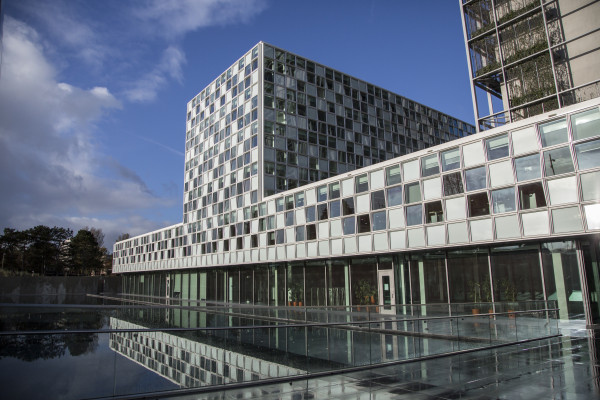
Today, on 21 November 2024, Pre-Trial Chamber I of the International Criminal Court (‘Court') (www.ICC-cpi.int), in its composition for the Situation in the State of Palestine, unanimously issued a warrant of arrest for Mr Mohammed Diab Ibrahim Al-Masri, commonly known as ‘Deif', for alleged crimes against humanity and war crimes committed on the territory of the State of Israel and the State of Palestine from at least 7 October 2023.
The Prosecution had initially filed applications for warrants of arrest for two other senior leaders of Hamas, namely Mr Ismail Haniyeh and Mr Yahya Sinwar. Following confirmation of their deaths, the Chamber granted the withdrawal of the applications on 9 August 2024 and 25 October 2024, respectively. With respect to Mr Deif, the Prosecution indicated that it would continue to gather information with respect to his reported death. On 15 November 2024, the Prosecution, referring to information from both the Israeli and Palestinian authorities, notified the Chamber that it is not in a position to determine whether Mr Deif has been killed or remains alive. Therefore, the Chamber issues the present warrant of arrest. The Prosecution also noted that it continues to investigate the crimes in the ongoing conflict and envisions that further applications for warrants of arrest will be submitted.
The warrant of arrest for Mr Deif is classified as ‘secret' in order to protect witnesses and to safeguard the conduct of investigations. However, the Chamber decided to release the information below since conduct similar to that addressed in the warrant of arrest appears to be ongoing, in particular the holding of a number of hostages captive. The Chamber considers it is also in the interest of victims and their families to be aware of the warrant's existence.
The Chamber found reasonable grounds to believe that Mr Deif, born in 1965, the highest commander of the military wing of Hamas (known as the al-Qassam Brigades) at the time of the alleged conduct, is responsible for the crimes against humanity of murder; extermination; torture; and rape and other form of sexual violence; as well as the war crimes of murder, cruel treatment, torture,; taking hostages; outrages upon personal dignity; and rape and other form of sexual violence.
The Chamber found reasonable grounds to believe that Mr Deif bears criminal responsibility for the aforementioned crimes for (i) having committed the acts jointly and through others and (ii) having ordered or induced the commission of the crimes, and (iii) for his failure to exercise proper control over forces under his effective command and control.
The Chamber found reasonable grounds to believe that during the relevant time, international humanitarian law related to international armed conflict (between Israel and Palestine) and non-international armed conflict (between Israel and Hamas) applied. The Chamber also found that there are reasonable grounds to believe that the crimes against humanity were part of a widespread and systematic attack directed by Hamas and other armed groups against the civilian population of Israel.
Alleged crimes
With regard to the crimes, the Chamber found reasonable grounds to believe that on 7 October 2023, shortly after a large number of rockets triggered the ‘Tzeva Adom' alarm in several communities in Israel around 6:20-6:30 am, armed men entered these communities, as well as the site of the Supernova festival, a music event with a few thousand participants (‘7 October Operation'). Members of Hamas, notably fighters of the al-Qassam Brigades, carried out mass killings at and/or around the communities of Kfar Aza, Holit, Nir Oz, Be'eri, and Nahal Oz, as well as at the Supernova festival. The attackers, for example, fired at people while they were seeking shelter and throw grenades at them. Hamas fighters followed similar patterns in other locations and killed further persons. These killings qualify as the crime against humanity and the war crime of murder.
The Chamber also found that in some locations, namely at the site of the Supernova festival and in the vicinity thereof, attackers fired at people with semi-automatic weapons and/or rocket-propelled grenades. In light of this, the Chamber concluded that there are reasonable grounds to believe that the war crime of intentionally directing attacks against civilians was committed.
In light of the coordinated killings of members of civilians at several separate locations, the Chamber also found that the conduct took place as part of a mass killing of members of the civilian population, and it therefore concluded that there are reasonable grounds to believe that the crime against humanity of extermination was committed.
Furthermore, in the context of 7 October Operation, the Chamber found that a large number of persons were seized from various locations in Israel, including Kfar Aza, Holit, Nir Oz, Be'eri, Nahal Oz, and the Supernova festival. The victims were civilians, including children and elderly people, as well as members of the IDF (Israeli Defence Forces). After being taken to Gaza, most of them were detained in secret locations, including apartments and underground tunnels. A number of groups participated in seizing and detaining these persons: the al-Qassam Brigades, the Palestinian Islamic Jihad al-Quds, and other Palestinian armed groups. The Chamber found that Hamas was in control of the hostages as of the start of their detention in Gaza, irrespective of the group affiliation of the individuals initially seizing the hostages. The Chamber also found that hostage taking in the context of the 7 October Operation was conducted with the aim to negotiate their release in exchange for Palestinian prisoners held in Israel. In light of the above, the Chamber considered that there are reasonable grounds to believe that the war crime of hostage taking was committed.
The Chamber further found that, while they were held captive in Gaza, some hostages, predominantly women, were subjected to sexual and gender based violence, including forced penetration, forced nudity, and humiliating and degrading treatment. On the basis of the material presented, the Chamber found reasonable grounds to believe that the crimes of torture as a crime against humanity and war crime, rape and other forms of sexual violence as crimes against humanity and war crimes, cruel treatment as a war crime, and outrages upon personal dignity as a war crime were committed against these persons during the relevant period.
With respect to Mr Deif's individual criminal responsibility, the Chamber found reasonable grounds to believe that senior leaders of Hamas, comprising of at least Mr Deif, Mr Sinwar, and Mr Haniyeh, agreed to jointly carry out the 7 October 2023 Operation. The plan included targeting military and civilian objects in Israel and other acts of violence against Israeli persons. The material presented by the Prosecution indicated that several senior members of Palestinian Islamic Jihad al-Quds joined the plan in the morning of 7 October 2023 at the latest, and that other Palestinians armed groups participated in the Operation.
Mr Deif, in his role as the commander of the al-Qassam Brigades, and through his actions prior to, during and after the 7 October Operation, is responsible for the commission of these crimes. In addition, the Chamber considered that Mr Deif ordered or induced the crimes or is responsible as a military commander for the criminal conduct of his subordinates.
Background
On 1 January 2015, The State of Palestine lodged a declaration under article 12(3) of the Rome Statute accepting jurisdiction of the Court since 13 June 2014.
On 2 January 2015, The State of Palestine acceded to the Rome Statute by depositing its instrument of accession with the UN Secretary-General. The Rome Statute entered into force for The State of Palestine on 1 April 2015.
On 22 May 2018, pursuant to articles 13(a) and 14 of the Rome Statute, The State of Palestine referred to the Prosecutor the Situation since 13 June 2014, with no end date.
On 3 March 2021, the Prosecutor announced the opening of the investigation into the Situation in the State of Palestine. This followed Pre-Trial Chamber I's decision (https://apo-opa.co/3OlxLKY) on 5 February 2021 that the Court could exercise its criminal jurisdiction in the Situation and, by majority, that the territorial scope of this jurisdiction extends to Gaza and the West Bank, including East Jerusalem.
On 17 November 2023, the Office of the Prosecutor received a further referral of the Situation in the State of Palestine, from South Africa, Bangladesh, Bolivia, Comoros, and Djibouti, and on 18 January 2024, the Republic of Chile and the United Mexican State additionally submitted a referral to the Prosecutor with respect to the situation in The State of Palestine.
Distributed by APO Group on behalf of International Criminal Court (ICC).
For further information, please contact Fadi El Abdallah, Spokesperson and Head of Public Affairs Unit, International Criminal Court, by telephone at: +31 (0)70 515-9152 or +31 (0)6 46448938 or by e-mail at: fadi.el-abdallah@icc-cpi.int
You can also follow the Court's activities on Twitter (https://apo-opa.co/3OlxMP2), Facebook (https://apo-opa.co/4eFN6k7), Tumblr (https://apo-opa.co/3OlxOq8), YouTube (https://apo-opa.co/3OhQUgL), Instagram (https://apo-opa.co/490pm92) and Flickr (https://apo-opa.co/3Zjr560)
The Basketball Africa League (BAL) (www.BAL.NBA.com) today announced that the league's milestone fifth season will tip off on Saturday, April 5, 2025, at the Prince Moulay Abdellah Sports Complex in Rabat, Morocco and culminate with the 2025 BAL Finals on Saturday, June 14 at the SunBet Arena in Pretoria, South Africa, marking the first BAL games in Morocco and the first time the BAL Finals will be held in South Africa. The 2025 BAL season will feature the top 12 club teams from 12 African countries playing 48 games in Rabat; Dakar, Senegal; Kigali, Rwanda; and Pretoria.
The 12 teams will once again be divided into three conferences of four teams each. Each conference will play a 12-game group phase during which each team will face the other three teams in its conference twice. The Kalahari Conference group phase will take place from April 5 – Sunday, April 13 in Rabat. The Sahara Conference group phase will take place from Saturday, April 26 – Sunday, May 4 at the Dakar Arena in Senegal. The Nile Conference group phase will take place from Saturday, May 17 – Sunday, May 25 at BK Arena in Kigali. Eight teams from across the three conferences will qualify for the Playoffs in Pretoria, which will tip off on Friday, June 6 and culminate with the 2025 BAL Finals on Saturday, June 14. Beginning today, fans can register their interest in tickets to games in all four markets at BAL.NBA.com.
“We have seen tremendous growth over the BAL's first four seasons in the level of on-court competition, attendance, and engagement from fans and partners in Africa and globally,” said BAL President Amadou Gallo Fall. “Our milestone fifth season will build on that momentum and further showcase the level of talent and passion for basketball in Africa, including through the first BAL games in Morocco and the first BAL Finals in South Africa.”
“The Kalahari Conference marks another expansion of the BAL into a new country on our continent, and we are more than satisfied,” said Anibal Manave, President of FIBA Africa. “Year after year, this competition grows, giving greater exposure to our sport and helping to elevate the level of basketball in Africa by making the league more and more competitive.”
This season, the national league champions from seven countries – Angola, Egypt, Morocco, Nigeria, Rwanda, Senegal, and Tunisia – will automatically qualify for the BAL. The other five teams will qualify through the Road to the BAL qualifying tournaments (http://apo-opa.co/3B0yqhx) conducted by FIBA Africa across the continent from October – December 2024.
In addition to the games, the BAL will once again collaborate with its partners to conduct youth development and social impact programming in all four markets, including Jr. NBA, coaching and referee clinics, environmental days of service, the fourth BAL Innovation Summit, networking sessions to engage with members of the media, and a series of camps and workshops for young women as part of BAL4HER, the league's platform for advancing gender equality in the African sports ecosystem.
Rwanda Development Board, NIKE, Jordan Brand, and Wilson will return as BAL Foundational Partners. The league's roster of marketing partners also includes Castle Lite, Hennessy and RwandAir.
On June 1, Angola's Petro de Luanda became the first sub-Saharan African team to win the BAL Finals after previous champions from Egypt and Tunisia. The 2024 BAL season reached fans in 214 countries and territories in 17 languages, set an attendance record of more than 120,000 fans across the four host countries, and generated more than 1.2 billion impressions across NBA and BAL social media channels.
Additional information about the 2025 BAL season will be announced in the coming months.
Distributed by APO Group on behalf of Basketball Africa League (BAL).
Contact:
Edwin Eselem,
Basketball Africa League,
+221 78 615 42 87,
EEselem@theBAL.com
About the BAL:
The Basketball Africa League (BAL), a partnership between the International Basketball Federation (FIBA) and NBA Africa, is a professional league featuring 12 club teams from across Africa that completed its fourth season in June 2024. Headquartered in Dakar, Senegal, the BAL builds on the foundation of club competitions FIBA Africa has organized across the continent and marks the NBA's first collaboration to operate a league outside North America. Fans can follow the BAL (@ theBAL) on Facebook (https://apo-opa.co/3ZkyXTZ), Instagram (https://apo-opa.co/3Z2tuRc), Threads (https://apo-opa.co/3ZkyZez), X (https://apo-opa.co/3Zlxn5u), and YouTube (https://apo-opa.co/3Z2L7jY) and register their interest in receiving more information at BAL.NBA.com.
President Cyril Ramaphosa will on Friday, 22 November 2024 address the National Presidential MSME & Cooperatives Awards ceremony at Gallagher Convention Centre, Midrand.
This premier event is dedicated to recognising outstanding Micro, Small and Medium Enterprises (MSMEs) and Cooperatives and is hosted by the Department of Small Business Development (DSBD).
The awards aim to spotlight and reward the achievements of South Africa's top-performing MSMEs, Cooperatives, and ecosystem enablers who drive growth and transformation across the nation.
This ceremony will honour businesses that embody innovation, commitment to local development, and entrepreneurial spirit. The selected finalists have advanced through rigorous district and provincial pitches and demonstrated their excellence and resilience across various categories.
This year's finalists are an eclectic group of companies that span various key sectors of the economy in both the formal and informal businesses. These small businesses have also shown a lot of creativity, ingenuity, and resilience in penetrating sectors that are normally hard to enter.
Categories for this year's MSME Awards include, but not limited to:
- Youth-Led MSME of the Year
- Township SMME of the Year
- Women-led SMME of the Year
- MSMEs Owned by Persons with Disabilities of the Year
- Cooperative of the Year
- Best Employing Cooperative of the Year
- Best Performing Rural Community-Based Initiative of the Year
- Best Performing Urban (Township) Community-Based Initiative of the Year
Small Businesses are a strategic tool for economic transformation, inclusive economic growth and job creation in South Africa. This celebration is a testament to the remarkable achievements of MSMEs and cooperatives, which have shown resilience and adaptability, particularly in challenging economic conditions.
The 2024 National Presidential MSME & Cooperatives Awards ceremony will take place during Global Entrepreneurship Week (GEW), an initiative celebrated in over 200 countries to inspire and empower entrepreneurs around the world.
GEW highlights innovative solutions and resilient businesses that shape economies and enrich societies, resonating with the core values of the National Presidential MSME & Cooperatives Awards.
President Cyril Ramaphosa will officiate the award hand out ceremony to the winners, underscoring the importance of MSME development in advancing South Africa's broader economic goals.
Distributed by APO Group on behalf of The Presidency of the Republic of South Africa.
President Ramaphosa to officiate National Presidential MSME and Cooperative Awards
The importance of Micro, Small and Medium Enterprises (MSMEs) and cooperatives’ development in advancing South Africa’s broader economic goals will come in to focus at the National Presidential MSME and Cooperatives Awards on Friday.
President Cyril Ramaphosa is expected to address the awards ceremony at Gallagher Convention Centre, in Midrand.
This premier event, hosted by the Department of Small Business Development, is dedicated to recognising outstanding Micro, Small and Medium Enterprises (MSMEs) and cooperatives.
The awards aim to reward the achievements of South Africa’s top-performing MSMEs, cooperatives, and ecosystem enablers who drive growth and transformation across the nation.
“This ceremony will honour businesses that embody innovation, commitment to local development, and entrepreneurial spirit.
The selected finalists have advanced through rigorous district and provincial pitches and demonstrated their excellence and resilience across various categories.
“This year’s finalists are an eclectic group of companies that span various key sectors of the economy in both the formal and informal businesses. These small businesses have also shown a lot of creativity, ingenuity, and resilience in penetrating sectors that are normally hard to enter,” the Presidency said in a statement.
Categories for this year’s MSME Awards include, but not limited to:
- Youth-Led MSME of the Year
- Township SMME of the Year
- Women-led SMME of the Year
- MSMEs Owned by Persons with Disabilities of the Year
- Cooperative of the Year
- Best Employing Cooperative of the Year
- Best Performing Rural Community-Based Initiative of the Year
- Best Performing Urban (Township) Community-Based Initiative of the Year
“Small Businesses are a strategic tool for economic transformation, inclusive economic growth and job creation in South Africa. This celebration is a testament to the remarkable achievements of MSMEs and cooperatives, which have shown resilience and adaptability, particularly in challenging economic conditions,” the Presidency said.
The 2024 National Presidential MSME and Cooperatives Awards ceremony takes place during Global Entrepreneurship Week, an initiative celebrated in over 200 countries to inspire and empower entrepreneurs around the world.
Global Entrepreneurship Week highlights innovative solutions and resilient businesses that shape economies and enrich societies, resonating with the core values of the National Presidential MSME and Cooperatives Awards. – SAnews.gov.za
DikelediM
Thu, 11/21/2024 - 10:38
This holiday season, women are invited to come together for an inspiring evening of celebration, worship, and fellowship at the Women NOW event, hosted by Pastor Wendy McDonald at Good Hope Christian Centre on Friday, 29 November at 6:00 PM. The evening will kick off with a vibrant Christmas Market at 6:00 PM, offering a …
Government consults plastic industry on combatting pollution
While South Africa supports the development of an internationally legally binding instrument to combat plastic pollution, government has assured the plastic industry that the problem of plastic pollution and the measures necessary to tackle it will be taken in consultation with the industry and organised labour.
This as South Africa has a significant plastics industry that sustains approximately 60 000 formal jobs.
“A just transition contributes to the goals of decent work for all, social inclusion and the eradication of poverty. A just transition puts people at the centre of decision making, especially those most impacted - the poor, women, people with disabilities and the youth - empowering and equipping them for new opportunities of the future.
“So, as we move forward, it will be necessary to establish certain principles to guide our negotiations on this matter. All our decisions must be based on the best available science and what this science tells us about the impact of certain products on our environment,” Deputy Minister of Forestry, Fisheries and the Environment, Bernice Swarts, said on Wednesday.
The Deputy Minister was addressing a virtual consultative stakeholder meeting on South Africa’s negotiating position ahead of the 5th Session of the Intergovernmental Negotiating Committee (INC-5) on the International Legally Binding Instrument on Plastic Pollution, including in the Marine Environment.
INC-5 is scheduled to take place in Busan, Republic of Korea, from 24 November – 1 December 2024.
Swarts explained South Africa’s position to support the development of an internationally legally binding instrument to combat plastic pollution at the Fifth Session of the United Nations Environment Assembly in the first quarter of 2022.
“At that time, we recognised the threat plastic pollution poses to human health, ecosystem functioning, and the marine environment. In signing up for this process, we recognised our constitutionally imposed obligation to protect our environment and human health.
“Consequently, on the domestic front, we understand that this requires a wholistic approach that understands the full life cycle of plastic manufacturing, use, and disposal in the context of the National Waste Management Strategy, 2020,” Swarts said.
Accordingly, South Africa has focused on three aspects that include supporting and strengthening municipal waste management services to prevent plastic leaking into the environment.
Developing Extended Producer Responsibility (EPR) schemes to collect, reuse and recycle plastic waste with the aim of promoting a circular economy in the plastic industry as well as promoting public awareness and clean up campaigns to remove plastic waste from rivers, wetlands, and beaches.
As part of the principles to guide the negotiations on this matter, the Deputy Minister emphasised the need to be open and transparent in sharing information about the chemicals used in plastic production, given the various applications of plastics in food contact applications.
“This new international legally binding instrument will likely result in the need for new regulatory controls on a domestic level. Should the international instrument lead to obligatory measures to curb plastic pollution, there will be a need for these measures to be supported by equally ambitious means of implementation.
“So, developing countries will argue for a financial mechanism that would ensure predictable and adequate financial resources to assist in curbing plastic pollution in developing countries. INC-5 provides a key platform for broader conversations on the variety of options linked to several obligatory measures that have been proposed,” Swarts said. - SAnews.gov.za
nosihle
Wed, 11/20/2024 - 12:15
