• Skip to main content
  • Skip to header right navigation
  • Skip to after header navigation
  • Skip to site footer
MyZA

MyZA

News, Directory, Events and Other Stuff

  • Social Media
  • Sport
  • World News
  • Home
  • Submit News
  • Directory
  • Events
  • Stratlec
  • TFSA
  • News
    • APO
    • Today’s Sport News
    • Todays Social Media and Tech Headlines
    • Today’s World News
    • Today’s SA Financial News
  • Contact
You are here: Home / Archives for African

African

5 March 2025

Whistleblowers a cornerstone in fighting corruption

Location: News

Whistleblowers a cornerstone in fighting corruption

The South African government will introduce the Whistleblower Protection Bill in Parliament this year in a demonstration of support for those who speak out against the scourge of corruption.

This according to Department of Public Service and Administration Minister, Inkosi Mzamo Buthelezi.

Buthelezi was addressing the media on the outcomes of the inaugural meeting of the G20 Anti-Corruption Working Group (ACWG) Technical Meeting held this week.

“We must…recognise the indispensable role of whistleblowers in uncovering corruption. Their courage in exposing wrongdoing often comes at a significant personal risk. Therefore, enhancing whistleblower protection remains at the top of our priorities as government. 

“South Africa is set to introduce the Whistleblower Protection Bill in Parliament this year reinforcing our commitment to strengthen legal safeguards for those who report corruption.

“We do this knowing very well that whistleblowers are the cornerstone of our fight against corruption,” he said.

Buthelezi described the ACWG technical meeting – which was attended by representatives from the G20 countries – as a “cornerstone in our roadmap to combat corruption”.

“These discussions will culminate in the G20 Anti-Corruption ministerial meeting where members states will reaffirm their commitment to the primary objective of the [ACWG] which is to eradicate corruption through inter alia, strengthening the public sector by promoting transparency, accountability and ethical leadership and by fostering international cooperation,” the Minister said.

During the meeting of the ACWG, South Africa called for international cooperation in fighting corruption.

“We emphasised the importance of international cooperation and explored mechanisms to enhance the implementation of…legal instruments which G20 members have endorsed.

“A unified and coordinated global response is critical to closing the gaps that allow corruption to thrive. Deliberations focused on harmonising national laws with international standards to create a robust legislation that enhances legal recourse and restores public confidence in our justice system. 

“Establishing uniform standards across G20 countries is essential for effective cross border against corruption,” Buthelezi said.

He emphasised the importance of transparency in the public sector as another critical tool in combatting the scourge.

“The meeting also highlighted the need for greater transparency in the public sector including enhancing transparency, accountability and ethical leadership mechanisms.

“Transparency is…a powerful tool in combatting corruption as it reduces opportunity for misconduct and fostering a culture of integrity,” he said.

The Minister said the meeting this week has laid a “robust foundation for the next phases of our work”.

The next meetings of the ACWG will be held in Brazil and Mpumalanga.

“As we prepare for the upcoming meetings…our focus will remain on building consensus around actionable commitments that go beyond policy declarations and resulting in tangible action against corruption.

“Maintaining open and transparent communication about our progress is very important. The fight against corruption is not just a legal or institutional challenge, but also a battle for public trust.

“By keeping our citizens informed and engaged, we reinforce the message that corruption has no place in our societies and that integrity will be the cornerstone of governance worldwide,” Buthelezi said. – SAnews.gov.za


NeoB
Wed, 03/05/2025 - 11:58
479 views
Read moreWhistleblowers a cornerstone in fighting corruption
5 March 2025

Experts work to strengthen security and information management in secure care centres

Location: News

Experts work to strengthen security and information management in secure care centres

Experts are continuing to refine the norms and standards for secure care centres, taking into account both the importance of physical safety within the facilities and the protection of sensitive information.

The Department of Social Development is currently hosting a two-day workshop in Pretoria focusing on strengthening standards in secure care centres. These care centres are specialised child and youth care facilities designed to provide structured interventions for children in conflict with the law. 

Unlike conventional correctional facilities, these centres prioritise rehabilitation, education and therapeutic support, ensuring that children are reintegrated into society with improved life skills and a renewed sense of responsibility. 

Speaking at the workshop aimed at strengthening policies that uphold the children's rights and dignity, Social Development’s Security Manager, Len Esterhuizen, stressed the urgent need for the South African Police Service (SAPS) to play an active role in shaping security protocols for secure care centres. 

“Secure care centres must align with national security standards to protect children, staff and sensitive data from breaches or potential threats,” Esterhuizen said on Tuesday.

Secure care across the board

A major component of helping secure care centres to align with national security standards is the Integrated Justice System (IJS), which has provided the Department of Social Development with a critical tool for managing children in conflict with the law.

The Probation Case Management System enables probation officers to track, assess and manage cases efficiently, ensuring appropriate intervention and placement.

Given the interconnected nature of child justice processes, the integration of the South African Police Service (SAPS) into these policy discussions has become essential.

The IJS’s mandate is part of the Justice, Crime Prevention and Security Cluster’s broader mission to enhance the safety and security of all South Africans. The cluster also works to protect against cybercrime and identity theft, improve access to civil justice, combat corruption and strengthen the process for issuing enabling documents. 

Esterhuizen explained that SAPS operates under minimum physical security standards, which outline baseline requirements for facility security. 

Within the IJS, the State Security Agency provides oversight on national information security policies, which regulate the classification, handling and storage of sensitive records, including ID documentation, criminal records and case files. 

The minimum information security standards, enforced by the State Security Agency and SAPS’s minimum physical security standards provide an important framework for safeguarding both information and operations within secure care facilities.

Esterhuizen further explained that secure information storage is non-negotiable, as mandatory policies dictate how children’s records must be handled and protected.

Experts also highlighted the importance of confidentiality and strict security protocols in preventing criminal activities, security breaches and potential risks to children in secure care centres.

The department’s Social Work Policy Manager, Linda Makhathini, commended the progressive discussions, emphasising their critical role in ensuring full compliance for secure care centres.

She noted that security experts will contribute to developing a unified security framework, which will define minimum requirements for facility security, staff protocols, and information protection. 

A national security framework for secure care

As discussions progress, the goal is to develop a national security framework that ensures compliance with both physical and information security regulations.

By combining the IJS, SAPS, and the State Security Agency and the Department of Social Development aim to establish a safer, more efficient system that upholds the rights and dignity of children in secure care.

“This work will form a legal document that will be officially published once authorised by the Minister [of Social Development]. It will then be gazetted for public comment before final implementation,” Senior Legal Officer, Advocate Luyanda Mtshotshisa, said. 

Bridging gaps in secure care services

Chief Director of Social Welfare and Restorative Services in the Western Cape, Leana Goosen, who is part of the task team, highlighted the significance of these evolving norms and standards. 

“Secure care is one of the most critical services rendered by the Department of Social Development, yet it has lacked extensive legislative guidance. These new norms and standards will fill that gap and empower staff in secure care to deliver better services. We are pleased to be part of this essential development,” she said.

As South Africa moves forward in modernising its child justice system, these reforms will ensure that secure care centres operate effectively, securely and in full alignment with national policies, creating a safer and more rehabilitative environment for children. – SAnews.gov.za

DikelediM
Wed, 03/05/2025 - 12:12
364 views

Read moreExperts work to strengthen security and information management in secure care centres
5 March 2025

JETA Holding Expands its Vision for FinTech in Africa Following the Inclusive FinTech Forum 2025

Location: Business

JETA Africa Holding
Download logo

During the Inclusive FinTech Forum 2025, JETA Holding (www.JETAHolding.com) reinforced its commitment to FinTech and trade expansion in Africa, leveraging its expertise in other industries, including healthcare and technology-driven solutions to position itself as a key player in the region's digital transformation.

At the event, JETA engaged with leading industry stakeholders, established connections with potential partners, and explored investment opportunities to accelerate FinTech adoption and financial inclusion across Africa.

Haim Taib, Founder & President of Mitrelli Group and JETA Holding, emphasized on stage:
"FinTech is not just about technology—it's about unlocking opportunity, fostering inclusion, and driving economic transformation. Across Africa, a new generation of creative entrepreneurs is emerging, bringing bold ideas and innovations that have the potential to redefine industries. However, true progress requires more than innovation; it demands the collective commitment of governments, private capital, and human talent working together to turn potential into impact. This is why JETA is making strategic investments in FinTech—not just to connect people, businesses, and communities with financial tools, but to lay the foundation for long-term, sustainable growth."

With a strong foundation in healthcare, cybersecurity, and ICT, JETA is expanding into FinTech and trade, leveraging its experience in complex regulatory environments and established relationships with governments, banks, and regulators.

JETA operates through three core subsidiaries:

  • Luanda Medical Center (LMC) – A leading hospital and clinic in Luanda, Angola, delivering high-quality healthcare services.
  • Yapama – A medical equipment and consumables distribution company with operations in Angola, Senegal, and Côte d'Ivoire.
  • New Cognito – A cybersecurity and ICT services company, well established in Angola. 

As JETA enters FinTech and trade, the company is looking to bridge financial technology with real-sector applications, including digital payments, lending, trade finance, and financial inclusion solutions.

JETA is actively seeking partnerships with investors, FinTech startups, and financial institutions to drive innovation and scale financial solutions across key African markets.

Doron Ben Sira, CEO of JETA Holding, added:
"FinTech is one of the most dynamic and transformative sectors in Africa, with enormous potential to accelerate financial inclusion and unlock new trade opportunities. At JETA, we don't just invest in technology—we invest in building strong ecosystems. We connect capital, expertise, and markets to ensure that financial innovation doesn't just grow but establishes itself as a sustainable engine for development. We are actively seeking the best companies and partnerships to build a more integrated and accessible digital future in Africa."

Expanding Across Africa

JETA is more than an investor—it is a business accelerator and growth enabler. Through its subsidiaries and strategic investments, JETA is building an ecosystem that connects technology, capital, and local expertise.

As part of its FinTech and trade expansion, JETA is focusing on high-growth markets, including Nigeria, South Africa, Kenya, Ghana, Côte d'Ivoire, Ethiopia, Rwanda, Tanzania, Senegal, Mauritius, and Uganda.

With a proven track record in market expansion, JETA is committed to leveraging its regional presence and deep industry networks to build scalable and impactful financial solutions across the continent.

Distributed by APO Group on behalf of JETA Africa Holding.

For more information or to schedule interviews with JETA Holding's spokespersons, please contact:
Doron Ben Sira
+357 9974 3916
info@jetaholding.com

Read moreJETA Holding Expands its Vision for FinTech in Africa Following the Inclusive FinTech Forum 2025
5 March 2025

Stakeholders emphasise importance of regulations to combat financial crimes

Location: News

Stakeholders emphasise importance of regulations to combat financial crimes

The importance of financial accountability and regulatory compliance in protecting non-profit organisations (NPOs) from being exploited for money laundering and terrorist financing came to the fore at the Department of Social Development’s (DSD) stakeholder engagement session.

One of the stakeholders at the session on the Financial Action Task Force’s (FATF) Recommendation 8, was the Chartered Institute for Business Accountants, who underscored this point.

The institute’s Technical Manager, Eszter Rapanos, outlined key interventions and innovations aimed at aligning regulatory frameworks with the FATF’s latest measures.

The FATF is the international standard-setting body that oversees global compliance with anti-money laundering rules.

Recommendation 8 of the Financial Action Task Force aims to protect NPOs from potential terrorist financing and money laundering abuse through effective implementation of risk-based measures.

She highlighted the institute’s role as a professional body in advancing these measures to protect NPOs from financial crime, emphasising its commitment to upholding financial integrity.

Rapanos addressed the unique challenges faced by South African NPOs, including limited access to technology, insufficient funding, and a lack of financial management skills, which make them particularly vulnerable to financial crimes.

“The risk-based approach must be applied throughout the process, ensuring that high-risk areas are targeted while avoiding unnecessary burdens on compliant NPOs,” she stated.

Among the significant regulatory changes, Rapanos pointed to the new requirement for compulsory registration of NPOs that operate across borders.

READ | Social Development issues notices of non-compliance to NPOs 

In addition, organisations must now maintain detailed records of their beneficial ownership and enhance governance structures to prevent individuals with a history of financial crimes from assuming leadership roles.

“The increased governance and transparency requirements will ensure that NPOs maintain credibility, but it also places additional administrative responsibilities on them,” she noted.

Rapanos stressed that the new framework presents opportunities for collaboration.

“By working closely with regulatory bodies such as the Department of Social Development, the Financial Intelligence Centre, the Companies and Intellectual Property Commission, and the South African Revenue Service, we can align compliance processes and reduce duplications,” she explained.

The Chartered Institute for Business Accountants’ recommendations include implementing a tiered risk-based approach to compliance, where low-risk NPOs face fewer administrative burdens, while higher-risk organisations undergo more stringent oversight.

Rapanos also called for increased training and capacity-building efforts to help NPOs navigate the evolving regulatory landscape.

“The goal is to strike a balance between preventing illicit financial activities and allowing NPOs to continue their essential work without being overburdened by red tape,” Rapanos concluded.

On Monday, the Deputy Minister of Social Development, Ganief Hendricks, called on NPOs and the civil society sector to work with government in seeing South Africa exit the FATF’s grey list by year-end.

In his address, Hendricks cautioned government against using legislation to stifle the operations of legitimate NPOs that play a vital role in communities across South Africa.

“Our National Development Plan calls for active citizenry especially from the grassroots level. We must therefore guard overburdening and frustrating grassroots initiatives through the use of legislation.

“The objective of the NPO Act is to create an enabling legislative environment for the NPO sector to thrive and contribute to our national development agenda”, the Deputy Minister said at the time.

READ | Call for NPOs to work with government to address FATF challenges

At Monday’s session in Kempton Park, National Treasury said the FATF was not satisfied with the mere existence of national legislation, but also enforcement of administrative penalties for high-risk NPOs that fail to comply with the provisions of the law.

One of the FATF’s requirements is that Social Development, as the regulator of the NPO sector in terms of the NPO Act (Act No. 71 of 1997, as amended through the General Laws Amendment Act 22 of 2022), has to conduct more outreach and educational programmes with NPOs to promote better understanding of the global anti-money laundering and counter-terrorist financing standards.

The FATF grey listed South Africa at its February 2023 plenary meeting held in Paris. It developed an Action Plan with 22 Action items linked to the eight strategic deficiencies identified in the country’s anti-money laundering and combating of financial terrorism regime. -SAnews.gov.za


DikelediM
Wed, 03/05/2025 - 12:42
343 views

Read moreStakeholders emphasise importance of regulations to combat financial crimes
5 March 2025

DPWI Minister briefs committee on progress made since taking office

Location: News

DPWI Minister briefs committee on progress made since taking office

Public Works and Infrastructure Minister Dean Macpherson has told the Portfolio Committee on Public Works and Infrastructure that while the department faces several challenges, there are visible signs of progress that have been achieved which will help improve service delivery.

The Minister on Wednesday updated the Portfolio Committee on Public Works and Infrastructure on the progress made in his department since taking office.

The Minister emphasised that in the months ahead, the department will need to accelerate its efforts to ensure that it plays a leading role in turning the country into a construction site, driving economic growth and creating jobs.

Among the key initiatives implemented in the department are:

● Establishing a Special Projects Unit within the department to revive stalled infrastructure projects and prevent future failures.

● Restructuring the Prestige Unit - previously responsible for the Nkandla scandal - to fall under the direct oversight of the Director-General. Furthermore, bringing an end to the practice of unchecked spending, including eliminating R20 million in unauthorised expenses.

● Tackling the construction mafia head-on by signing the historic Durban Declaration between the South African Police Service (SAPS) and National Treasury to improve cooperation and bring an end to construction site stoppages.

● Releasing 31 public properties valued at R1.4 billion for requests for proposals under the first phase of redevelopment, which is expected to attract R10 billion in private investment and create 165 000 jobs.

● Initiating a process to reform procurement regulations within the department to blacklist non-performing service providers.

● Collaborating with the National Treasury to reform Public-Private Partnership (PPP) regulations, making it easier for the private sector to invest in public infrastructure projects.

● Initiating a number of investigations into allegations of corruption, including the failed nearly R1 billion Telkom Towers project and PSA Oxygen Plant Tender at the IDT. 

● Spearheading the revitalisation of small harbours, including Hout Bay Harbour, to transform them into economic hubs that create jobs and drive investment.

● Launching a first-of-its-kind project preparation fund with an R180 million budget to prepare and package infrastructure projects across government. The first bid window of the fund was oversubscribed, reflecting strong demand and investor confidence in the country’s infrastructure pipeline.

● Piloting an ‘Adopt a Municipality’ programme through the Presidential Infrastructure Coordinating Commission to ensure that infrastructure budgets are optimally utilised and delays in project execution are minimised.

● Initiating a process to reform the Expanded Public Works Programme (EPWP) to ensure that it provides participants with a pathway to permanent employment.

“The progress we have achieved in the eight months since taking office is a testament to our commitment to reforming the Department of Public Works and Infrastructure into the economic delivery unit of South Africa. 

“This will help turn South Africa into a construction site, grow the economy, and create thousands of new jobs,” Macpherson said.

“However, in the months ahead, we must expedite the work we are doing to ensure that South Africans across the country experience the department’s efforts to improve their lives. While we face a number of challenges, we are working to overcome them and enhance service delivery. 

“I have no doubt that, by working together, the Department of Public Works and Infrastructure will play a leading role in building a better country for all South Africans,” the Minister said. – SAnews.gov.za


Edwin
Wed, 03/05/2025 - 14:58
11 views

Read moreDPWI Minister briefs committee on progress made since taking office
5 March 2025

UK Looks to Deepen Energy Trade, Investment Ties with Africa

Location: News
African Energy Chamber

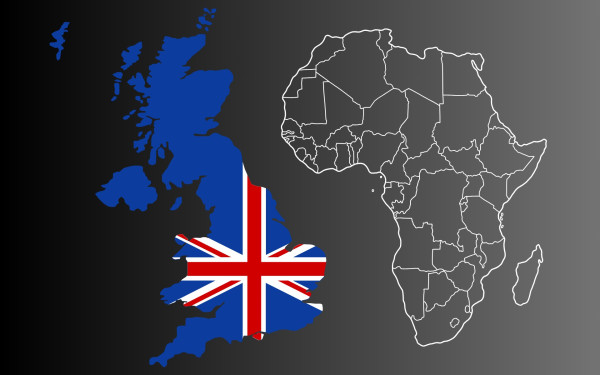
Trade relations between the UK and Africa are gaining momentum. Last month, UK Minister for Trade Policy and Economic Security Douglas Alexander visited South Africa and Botswana to strengthen trade ties and create opportunities for businesses on both sides. The UK aims to expand trade and investment across the continent, fostering mutually beneficial growth by addressing trade barriers, facilitating exports and supporting trade-focused development programs. With South Africa as the UK's largest trading partner in Africa and set to assume the G20 Presidency, this marks an important moment for deepening economic collaboration.

This builds on the UK's 2019 Economic Partnership Agreement (EPA) with the Southern African Customs Union member states – Botswana, Eswatini, Lesotho, Namibia and South Africa – and Mozambique. This agreement eliminates tariffs and quotas on all goods imported from these countries into the UK, facilitating smoother trade relations and economic cooperation. The EPA aims to bolster economic ties and create a conducive environment for investments, including in the energy sector.

The UK is expanding its engagement across Africa, including in West and North Africa. In February 2024, it signed the Enhanced Trade and Investment Partnership (ETIP) with Nigeria – the first such agreement with an African nation – marking a significant milestone. The partnership builds on a trade relationship valued at £7 billion in the year leading up to September 2023. The ETIP focuses on key sectors such as financial and legal services, fostering economic growth and attracting investment across industries, including energy.

Globeleq, a UK government-backed independent power producer, has been instrumental in advancing gas-powered energy projects across Africa. Alongside its 153 MW Red Sands project in South Africa – set to become the continent's largest standalone battery energy storage system – the company recently acquired a stake in a solar plant at Egypt's Benban Solar Complex and secured $99 million in debt financing for Mozambique's first wind project. Supported by shareholders such as British International Investment and Norfund, Globeleq continues to invest in upgrading existing assets and developing new utility-scale power projects, strengthening Africa's energy infrastructure.

In the oil and gas sector, bp achieved first gas from the Greater Tortue Ahmeyim LNG project offshore Senegal and Mauritania at the start of this year, marking a major step in boosting regional energy production and supply. Shell is advancing its $5 billion Bonga North deepwater project in Nigeria and, alongside bp, has agreed to cover operational costs for the buyer of South Africa's Sapref refinery – a move that could revitalize the country's largest refinery and secure oil supply. Meanwhile, Harbour Energy, one of the UK's largest independent oil and gas companies, is looking to expand into African markets following its acquisition of concessions in Egypt's Nile Delta and the Mediterranean Sea.

The UK is also a major investor in Africa's clean energy sector and a key partner in the Mission 300 initiative to expand electricity access to 300 million people by 2030. Last month, British International Investment (BII) committed £5.3 million to UK cleantech firm MOPO to scale battery rental operations in the Democratic Republic of the Congo, where over 80% of the population lacks electricity. In December 2024, BII and GuarantCo announced a $500 million renewable power deal with South Africa's Etana Energy, providing $100 million in guarantees to support the country's largest energy wheeling framework and unlock new projects. Beyond direct investments, the UK government continues to provide funding and technical assistance for energy infrastructure projects across Africa, aiming to improve energy reliability and efficiency, drive economic growth, and enhance the quality of life for local communities.

As a G20 member, the UK plays a pivotal role in shaping global energy investment strategies, with Africa positioned as a key partner in its trade and energy agenda. The UK's investments in oil and gas, renewables and energy infrastructure align with broader G20 goals of energy security, sustainability and economic growth.

“These initiatives not only strengthen the UK's economic ties with Africa, but also support the continent's transition to cleaner, more reliable energy. With African Energy Week: Invest in African Energies 2025 set to convene global stakeholders, the UK's role in advancing energy partnerships will be in focus, offering a platform to drive further investment, policy collaboration, and infrastructure development across Africa's energy landscape,” says Johnson Kayode Obembe, Director of Sales and Partnerships, African Energy Week.

AEW: Invest in African Energies is the platform of choice for project operators, financiers, technology providers and government, and has emerged as the official place to sign deals in African energy. Visit www.AECWeek.com for more information about this exciting event.

Distributed by APO Group on behalf of African Energy Chamber.

Media files
African Energy Chamber
Download logo
Read moreUK Looks to Deepen Energy Trade, Investment Ties with Africa
5 March 2025

SA needs R440 billion for transmission development

Location: News

SA needs R440 billion for transmission development

South Africa requires upwards of R440 billion in the next 10 years to expand its transmission infrastructure, says Minister of Electricity and Energy, Dr Kgosientsho Ramokgopa.

Addressing the Africa Energy Indaba in Cape Town on Tuesday, the Minister said the country’s transmission development plans have identified the need to modernise and expand the grid for 14 000 kilometres in the next 10 years.

“This is going to require an enormous amount of investment. The fiscus won’t be able to carry that. The Eskom balance sheet is not sufficient, so it is important to find bespoke financing instruments to make this possible,” the Minister said.

He called on financial actors to actively take steps to significantly lower the cost of borrowing for the investment of the continent’s development, climate resilience and clean energy transition initiatives.

“We expect the increase in electricity trade volumes to grow by about 300% by 2040 and by that time, the projection is that Africa’s population will be at about two billion people from the current 1.5 billion. For us to be able to achieve this level of ambition, there are huge investments that are required.

“One of the studies done by some of the... organisations suggests that Africa will need upwards of R2.6 trillion in investments in the energy sector by 2040. The pool of financing is enormous. Even if you had to consolidate the balance sheet of the continent, I don’t think we are going to get anywhere near raising this money.

“That is why it is important that we are able to design a financing instrument for us to be able to achieve this level of ambition,” Ramokgopa said.

He expressed support for a single electricity market on the continent, as advocated for by the the African Union's Agenda 2063.

“We think that the ambitions of achieving a single electricity market on the continent is not far-fetched .For us to have universal access by 2063, as advocated for in Agenda 2063, which makes a point that we can achieve that through regional integration… there has to be significant investment on interconnectivity,” the Minister said.

With South Africa hosting the Group of Twenty (G20) Presidency, Ramokgopa outlined the G20 technical energy group priorities, which include energy security and forging reliable and affordable access; achieving just, affordable and inclusive energy transitions, as well as African connectivity and energy pools.

These priorities were canvassed through the platform of the African Union.

According to Ramokgopa, 43% of the total population in Africa does not have access to electricity.

“This is a big issue. Before you can talk about transitioning, people need to have access to whatever form of electricity, irrespective of the fuel sources.

“As a country and the continent, we bear the responsibility to ensure that we are able to provide this access in a manner that doesn’t degrade the environment and keep to our obligations to ensure that we reduce the greenhouse gas emissions, although we contribute less than 2.5% of the CO2 emissions. Going into the future, gas will still be part of the mix on the continent,” the Minister said.

Focus on just transition

South Africa’s G20 Presidency will elevate the issue of just, affordable and inclusive energy transitions.

“That is important because we are of the opinion that there is no single transition. Any transition should take into account the unique circumstances of individual countries, and the pace and scale that they can afford.

“We will be meeting with the National Economic Development and Labour Council (Nedlac) and are hoping that the Integrated Resource Plan (IRP) will be release to the public soon. The plan will explain how we see the transitions unfold in the country,” Ramokgopa said.

South Africa's G20 Presidency is the fourth consecutive emerging market Presidency, and it is also the first African Presidency.

It commenced on 1 December 2024 and all engagements are being held under the theme: “Solidarity, Equality, Sustainability”.

The year-long deliberations will culminate in a G20 Leaders’ Summit in November 2025.

The G20 was established to tackle pressing global economic and financial issues. Together, G20 members account for around 85% of global GDP and 75% of international trade. 

It comprises 19 countries and two regional bodies, namely the European Union and the African Union.

The grouping plays a critical role in influencing global policy making and fostering global economic stability. - SAnews.gov.za

nosihle
Wed, 03/05/2025 - 12:03
108 views

Read moreSA needs R440 billion for transmission development
5 March 2025

Commission opens dialogue on viability of electronic voting in SA

Location: News

Commission opens dialogue on viability of electronic voting in SA

The Electoral Commission is expected to start a public conversation about the prospect of electronic voting, or e-voting, during South African elections. 

To launch the public debate and discussion on the subject, the commission will host a three-day e-voting conference in Cape Town from 10-12 March 2024. 

This conference will serve as a pivotal platform for initiating a public conversation about the possibility of introducing electronic voting sometime in the future. 

The conference is based on research commissioned by the Commission and undertaken by the Human Sciences Research Council (HSRC). 

The research study produced a discussion document which navigates all crucial aspects related to electronic voting and implications for South Africa. The discussion document will be launched at the conference. 

The key components of the discussion documents include the following: 

• A country review of electronic voting including those countries currently using poll-site technologies as well as those who use internet voting. This includes countries that introduced electronic voting but subsequently abandoned it.

• Key insights from the legislative review indicate that in the event electronic voting is adopted then there would a necessity for legislative amendments. 

• Lessons from two roundtables, which were conducted with academics and representatives of blind persons.

• Lessons from key informant interviews that were conducted with civil society organisations and election management bodies.

• Views which were solicited through a public opinion survey.

• An overall outline of the findings of the studies conducted.

IEC CEO Sy Mamabolo said the conference will serve as a significant opportunity for South Africans to shape the future of voting in the digital world. 

“It is part of the statutory purview of the commission to conduct research with a view to improving the quality of elections. We must investigate new approaches to improve the electoral process, voter experience, accessibility and enable cost savings," Mamabolo said.

“Some of the research findings indicate that there is no common understanding of what e-voting entails. This conference aims not only to reflect on possibilities for implementing e-voting but also to drive common understanding and knowledge of the subject among South Africans. 

“We encourage further conversations and lively debates among South Africans from all walks of life as we have seen happening in some social media platforms recently,” he said. 

The conference will bring together political parties, members of the Portfolio Committee on Home Affairs, corporates in the ICT sphere, government officials, research and development institutions. 

Representatives of some countries which have implemented electronic voting are also confirmed for participation in this conference. This includes Estonia, the Democratic Republic of the Congo and Namibia.

Telecommunications and network connectivity service providers will share current and future developments in the digital ecosystem space. 

Furthermore, the conference will include an expo where technology companies will display and demonstrate some of the available e-voting technologies and provide participants with a sense of how these technologies can be intuitively operated. 

After the launch of the discussion document at the conference, it will be posted on the Electoral Commission digital platforms including on the website. – SAnews.gov.za 


Edwin
Wed, 03/05/2025 - 12:34
85 views

Read moreCommission opens dialogue on viability of electronic voting in SA
5 March 2025

PRASA sends condolences after fatal Free State crash

Location: News

PRASA sends condolences after fatal Free State crash

The Passenger Rail Agency of South Africa (PRASA) says it is working closely with the authorities to gather more information and provide support following the crash that claimed 10 lives in the Free State.

PRASA has confirmed that one of its buses was involved in the accident, which occurred on Wednesday between Smithfield and Reddersburg in the Free State.

“Regrettably, we can confirm the loss of 10 lives. Four passengers and one of our bus drivers are critically injured and have been taken to the nearest hospital. We extend our deepest condolences to the families and friends of those who lost their lives in this accident,” PRASA said.

The bus was carrying 35 passengers when the truck and bus collided. 

Emergency services, including the South African Police Service, promptly responded to the incident.

“We wish those injured in the accident a speedy recovery. While details surrounding the accident are still emerging, PRASA is working closely with authorities to establish the full circumstances surrounding the incident. Trauma support has been provided to those who were involved in this unfortunate incident.

“We are working closely with authorities to gather more information and providing support where needed. Further updates will be communicated as more details become available. PRASA takes the safety and well-being of its passengers seriously and deeply regrets the loss of life in this terrible accident,” PRASA said. - SAnews.gov.za

nosihle
Wed, 03/05/2025 - 12:36
24 views

Read morePRASA sends condolences after fatal Free State crash
5 March 2025

Call for financial actors to lower borrowing costs for Africa

Location: News

Call for financial actors to lower borrowing costs for Africa

Minister of Electricity and Energy, Dr Kgosientsho Ramokgopa, has called for financial actors to actively take steps to lower the cost of borrowing for investment in the continent’s development, climate resilience and clean energy transition initiatives.

“Africa is the most mineral rich of all continents yet is the most energy deprived, underdeveloped and the poorest of all the regions,” Ramokgopa said on Tuesday.

Addressing the Africa Energy Indaba in Cape Town, the Minister said the biggest challenge confronting the continent is the ability to finance the investments that are required to realise the potential of the continent.

“The issues of the financing gap should be issues that are front and centre of the conversation. We are calling for a number of steps to be taken, including but not limited to the need to reconfigure the cost of capital.

“Our view is that developing nations face exorbitant borrowing costs due to the perceived risks that do not reflect economic fundamentals but rather outdated and what I refer to as buyers credit rating,” he said.

The Minister emphasised that it is important that issues of risk allocation should be assigned to countries that have the best capabilities of resolving the risk, among others.

“We do accept that the debt burdens that are placed on the African countries are crippling and undermine the ability to invest in development, climate resilience and clean energy transition.

“This is what sovereign nations need to do to so that we can use the countries balance sheet to enable the investments that are required in this space,” Ramokgopa said.

He advocated for greater coordination between the financial actors as he noted some degree of asymmetry and fragmentation.

“The multilateral development banks are on the one side and the developing financing institutions on the other and issues around vertical climate funds.

“What this does because there is some degree of misalignment, it undermines the possibility of us achieving greater efficiencies and this is going to hinder impact of the pocket of fund that these players are bringing to the fore to help to anchor this kinds of transition and the issues of sustainable development, the ability of the continent to extract and beneficiate closer to the source and thereby broadening the industrial flow of their respective jurisdictions,” he said.

He called for the strengthening of the role of the national development bank.

“I think there is a need for recapitalisation, especially here in South Africa. The Development Bank of Southern Africa (DBSA) can play a much bigger role if it is recapitalised, it competes with some of the commercial banks and therefore they are unable to provide the kind of concessionality that is associated with development banks.

“It stunts or undermine the prospects of them anchoring the kind of industries that we want to see because they must compete with the commercial banks on the same rates,” the Minister said.

Ramokgopa said there is a need to work very hard to attract private sector investors. 

“This requires that the political actors, the elected representatives on the continent should work very hard to ensure that there is a degree of stability at a political level but create the necessary conditions, introduce reforms that are necessary to spare on private sector investments. Those are some of the interventions that we are proposing for us to be able to realise the potential of the continent,” the Minister said. -SAnews.gov.za

nosihle
Wed, 03/05/2025 - 10:31
257 views

Read moreCall for financial actors to lower borrowing costs for Africa
5 March 2025

Totalenergies’ Mike Sangster to Headline Invest in African Energy Forum in Paris

Location: News
Energy Capital & Power

Mike Sangster, Senior Vice President for Africa at TotalEnergies, will deliver a keynote address at the Invest in African Energy (IAE) Forum in Paris this May. Sangster will also participate in an exclusive fireside chat, offering critical insights into the company's vision for Africa's energy future, its ongoing projects and the evolving role of oil and gas in the continent's energy mix.

TotalEnergies continues to drive oil and gas development across Africa, with a strong focus on both emerging and mature markets. In Namibia, the company is advancing its Venus-1 discovery, targeting first oil by the decade's end, with an FID expected in early 2026 for a development producing 150,000 barrels per day. TotalEnergies is also exploring additional prospects in the Orange Basin, having recently drilled the Marula-1X and Tabmoti-1X wells. In the Republic of Congo, the company is investing $600 million to expand deepwater production at the Moho Nord field, while in Libya, it plans to complete an onshore exploration project and lead new drilling campaigns in the Waha and Sharara fields in 2025.

IAE 2025 (www.Invest-Africa-Energy.com) is an exclusive forum designed to facilitate investment between African energy markets and global investors. Taking place May 13-14, 2025 in Paris, the event offers delegates two days of intensive engagement with industry experts, project developers, investors and policymakers. For more information, please visit www.Invest-Africa-Energy.com. To sponsor or participate as a delegate, please contact sales@energycapitalpower.com.

Meanwhile, TotalEnergies is expanding its gas processing and midstream infrastructure across Africa, strengthening its role in the continent's evolving energy landscape. In Mozambique, the company is progressing with the Mozambique LNG project, a $20 billion development expected to secure renewed financial backing from export credit agencies. I Uganda, TotalEnergies is gearing up for first oil from its Tilenga field in 2025, with crude transported via the East African Crude Oil Pipeline (EACOP). Once operational, EACOP will be the longest heated crude oil pipeline globally, significantly enhancing East Africa's ability to monetize its hydrocarbon resources and attract further investment into the region's energy sector.

TotalEnergies is also expanding its renewable energy footprint in Africa through strategic investments in solar, wind, hydropower and green hydrogen. The company is advancing its 500 MW Sadada solar project in Libya and acquired Scatec's hydropower portfolio on the continent in July 2024, including the 250 MW Bujagali Hydropower Plant in Uganda and stakes in projects in Malawi, Rwanda and the DRC. In South Africa, TotalEnergies is constructing a 216 MW solar plant with battery storage, along with a 140 MW wind farm and a 120 MW solar facility, set to supply green electricity to Sasol's industrial operations. In Morocco, the company is developing the Chbika project, a 1 GW wind and solar farm designed to produce 200,000 metric tons of green ammonia annually for export to Europe. These initiatives align with TotalEnergies' strategy to integrate renewables into its portfolio while supporting Africa's energy transition.

Sangster's participation at IAE 2025 comes at a pivotal time for Africa's energy sector, as investors and policymakers navigate a shifting global energy landscape. His keynote address and fireside chat will provide valuable perspectives on the role of private investment in African energy, strategies for unlocking new upstream opportunities and how TotalEnergies is adapting to the continent's long-term energy needs.

Distributed by APO Group on behalf of Energy Capital & Power.

Media files
Energy Capital & Power
Download logo
Read moreTotalenergies’ Mike Sangster to Headline Invest in African Energy Forum in Paris
5 March 2025

Two to appear in court on firearm charges 

Location: News

Two to appear in court on firearm charges 

Two suspects are to appear in court soon for the alleged illegal possession of firearms, ammunition and drugs as well as the possession of illegal explosives, Western Cape police said.

According to the South African Police Service (SAPS), the 41-year-old woman and a 47-year-old man were arrested on Monday at a storage facility in Stikland where a package containing two kilograms of heroin was confiscated.

The arrests come as a multi-disciplinary team comprising Anti-Gang Unit investigators, Crime Intelligence (Counter Gangs and Narcotics) and Visible Policing Anti-Gang Unit members swooped on storage facilities and seized illegal firearms, ammunition, explosives and drugs.

“The discovery took place in Bellville South as well as in Stikland. The operation, which was the culmination of weeks of observing the movements of suspects resulted in the discovery,” said the police in a statement on Tuesday.

In Bellville South, police found three AK47 rifles, an R5 rifle and ⁠one assault rifle, 12 9mm pistols and two revolvers, among others.

“As the investigation continues, the possibility of further arrests effected cannot be ruled out. The efforts of the team have been commended by SAPS management as the Western Cape battles shooting incidents that result murder and attempted murder cases,” said the SAPS. – SAnews.gov.za

Edwin
Wed, 03/05/2025 - 09:18
22 views

Read moreTwo to appear in court on firearm charges 
5 March 2025

President Ramaphosa and Mozambican counterpart solidify bilateral ties

Location: News

President Ramaphosa and Mozambican counterpart solidify bilateral ties

President Cyril Ramaphosa and his Mozambican counterpart, President Daniel Chapo, have reaffirmed their commitment to strengthening the diplomatic, political and economic relations between South Africa and Mozambique.

President Ramaphosa received President Chapo for a meeting at his official residence, Genadendal, in Cape Town on Tuesday.

The two leaders held discussions aimed at deepening cooperation and strengthening state institutions. President Chapo was recently inaugurated President of the Republic of Mozambique, which is a close partner and immediate neighbour of South Africa.

Speaking about the significance of the engagement, President Ramaphosa said he came together with his counterpart to continue strengthening the bonds that already exist between the two countries.

“We came together to continue strengthening the bonds between our two countries and in many ways how we can turn a new page of cooperation at a political, diplomatic and economic level and how we can entrench political stability in Mozambique following the elections. And also, how we can create a conducive environment for businesses to operate in both countries,” President Ramaphosa said.

The discussions also focused on Mozambique’s internal political stability, with President Chapo expressing optimism about the ongoing efforts to engage with opposition parties.

“We are here to explain that our situation in Mozambique is good and now we are working. Tomorrow, we will meet with the opposition to sign an agreement on talks we are going to have about the many issues impacting our country including discussions on our electoral laws. We are also here to talk about how we can grow our economy,” President Chapo said.

The relationship between South Africa and Mozambique is rooted in a shared historical struggle against apartheid and colonialism. This bond is further enriched by familial connections and cultural similarities that unite the two nations.

Currently, it is estimated that South African companies have invested between R155 billion and R175 billion, creating more than 42 000 job opportunities.

Several key South African companies recently established the South African Chamber of Commerce, promoting trade and investment between the two nations. Mozambique is also a vital energy security partner for South Africa.

The bilateral meeting gave effect to President Ramaphosa’s commitment in the 2025 State of the Nation Address that South Africa will leverage its international relations to advance the well-being of humanity; strengthen trade relations around the world and leverage strong and diverse global alliances to make South Africa’s economy more resilient. – SAnews.gov.za

DikelediM
Tue, 03/04/2025 - 16:09
64 views

Read morePresident Ramaphosa and Mozambican counterpart solidify bilateral ties
4 March 2025

BMA Commissioner to attend Public-Private Partnerships Conference

Location: News

BMA Commissioner to attend Public-Private Partnerships Conference

The Commissioner of the Border Management Authority (BMA), Dr Michael Masiapato will on Friday participate in the 2nd Public-Private Partnerships (PPPs) for Defence and Security Conference.

The conference, set to take place at the Council for Scientific and Industrial Research (CSIR) International Convention Centre in Pretoria, will focus on empowering the defence sector through strategic public-private partnerships.

It will be held under the theme: "Empowering the Defence Sector through Public-Private Partnerships".

Masiapato is expected address the event to elaborate on the role of public-private partnerships in border management and underscore the potential opportunities arising from collaboration with the private sector. 

The Commissioner will also examine the progress made in implementing the BMA’s PPPs, as well as lessons learned and application to other PPPs in the defences and security sector. 

He will further discuss opportunities for future BMA partnerships with the private sector and provide an update on the accomplishments of the BMA, as the authority will celebrate its second anniversary in April 2025.

In a statement on Tuesday, the BMA said the authority asserts that effective and well-managed borders are crucial for ensuring public safety, promoting economic growth and safeguarding national interests. 

“With only four days remaining before the conference, the BMA is poised to engage in discussions on empowering the defence and security sector through Public-Private Partnerships. These discussions forms part of objectives of securing borders for development and protecting South Africa’s interests to the fullest extent possible, the BMA said.

A diverse range of high-level speakers, including Defence and Military Veterans Deputy Minister, Major General (Ret) Bantu Holomisa, and Chief of the South African National Defence Force (SANDF), General Rudzani Maphwanya.

Holomisa will explore partnership opportunities in implementing South Africa’s Defence review, while Maphwanya will provide the SANDF’s perspective on PPPs, addressing critical funding needs, and how the private sector can contribute to future preparedness.

In addition, a selection of experts from various fields will engage in critical panel discussions addressing the current advancements, challenges and strategic opportunities associated with public-private partnerships in the realm of defence and security within South Africa. - SAnews.gov.za

Edwin
Tue, 03/04/2025 - 13:42
333 views

Read moreBMA Commissioner to attend Public-Private Partnerships Conference
4 March 2025

Hlabisa to launch the G20 Disaster Risk Reduction Working Group in SA

Location: News

Hlabisa to launch the G20 Disaster Risk Reduction Working Group in SA

The Minister of Cooperative Governance and Traditional Affairs (CoGTA), Velenkosini Hlabisa, will officially launch the inaugural virtual meeting of the Group of Twenty Disaster Risk Reduction Working Group (G20 DRR WG) under the South African Presidency on Thursday.

South Africa will host the G20 under the theme “Solidarity, Equality, and Sustainability”, which will serve as the guiding principles for collective engagements. 

Through the G20 DRR WG, South Africa has a unique opportunity to reinforce the Sendai Framework for Disaster Risk Reduction implementation and support the acceleration of early warnings for all initiatives, a key global target set by the United Nations (UN). 

The Sendai Framework emphasises the importance of implementing measures that target the three dimensions of disaster risk – exposure to hazards, vulnerability and capacity, and the characteristics of hazards. 

Its goals are to prevent the creation of new risks, reduce existing risks, and enhance resilience.

Having acknowledged the work done by India and Brazil’s Presidencies in strengthening the G20 DRR WG the South African Presidency has decided to retain all six priorities agreed upon under those Presidencies. 

The launch of this working group’s first meeting by Hlabisa forms part of a series of ministerial and working group meetings that will take place throughout 2025. 

These discussions are expected to culminate in the G20 Leaders’ Summit in November 2025. – SAnews.gov.za


Gabisile
Tue, 03/04/2025 - 13:41
178 views

Read moreHlabisa to launch the G20 Disaster Risk Reduction Working Group in SA
4 March 2025

eThekwini Municipality tackles water challenges

Location: News

eThekwini Municipality tackles water challenges

The eThekwini Municipality will continue to work on various interventions to manage and reduce the increase in water demand that has resulted in the recurring disruption of water supply.

To manage the demand and to build storage, the municipality has implemented rationing in many areas, especially in the Northern and Southern areas. 

In a statement issued on Tuesday, the municipality noted that demand currently exceeds supply by approximately 100 megalitres a day, resulting in further strain on the system. 

This is due to the current curtailment measures that were implemented by uMngeni-uThukela Water in October last year. 

“To augment the water supply, comprehensive plans have been set in motion in collaboration with the national Department of Water and Sanitation and uMngeni-uThukela Water to construct and commission the uMkhomazi Dam, a pivotal project to augment water supply to the city,” the municipality said. 

The municipality is also actively implementing various medium-term interventions, including infrastructure upgrades, pipeline replacements, and a comprehensive leak detection and repair programme. 

The installation of pressure management valves, dysfunctional meter replacements, the incorporation of technology to enhance meter accuracy, and improvements in billing and debtor management, are also being implemented. 

“Currently, areas in the West of the city are experiencing intermittent supply due to the shutdown of the 53 Pipeline by uMngeni-uThukela Water. This was done to allow the South African National Roads Agency (SANRAL) to relocate approximately 200m of the 53 Pipeline, as part of its N3 upgrade project,” the municipality said.

Durban’s beachfront set for major overhaul

Meanwhile, Durban’s iconic beachfront is set to undergo a major transformation, with a complete facelift and redevelopment of the buildings along the promenade.

Over the past few years, changes have been made to improve the offering to visitors on the beachfront, ensuring that it remains a world-class facility. 

Head of the Real Estate Unit, Thapelo Mmusinyane noted that as tenant leases expire, the municipality follows proper process to invite bids for the development of innovative new spaces and eateries that will elevate the beachfront experience.

This forms an integral part of the City’s Proactive Land Release Strategy, which was adopted in September 2021.

The strategy enables the city to proactively manage surplus land, assisting the city to achieve its developmental objectives, stimulate economic activity and Black economic empowerment, and promoting economic transformation in the property sector. 

Mmusinyane explained that between May 2021 and November 2022, 25 properties were put up for bid, with 10 new leases being awarded to companies 100% owned by historically disadvantaged individuals.

“All 10 awards were made to companies that are 100% owned by historically disadvantaged individuals. On the beachfront in particular, properties that have been affected are Circus, Bike and Bean, and Minitown.”

Mmusinyane added that the historic building in which Joe Cools and other eateries are housed, will be upgraded soon by a developer, who will then sublet the space to suitable tenants. 

He assured the public that a fair, equitable, and transparent process was followed as stipulated in Section 14(5) of the Municipal Finance Management Act (MFMA). 

“This section mandates that the disposal, including leasing of municipal properties must adhere to principles of fairness, equity, transparency, and competitiveness in line with the City’s Supply Chain Management Policy (Section 111 of the MFMA). 

“Renewing the leases without an open, competitive process would have violated these principles, as well as Section 217(1) of the Constitution, which upholds the same standards for public procurement. Therefore, lease renewals could not be granted without contravening the law,” he explained. – SAnews.gov.za


GabiK
Tue, 03/04/2025 - 14:47
3 views

Read moreeThekwini Municipality tackles water challenges
4 March 2025

Call for NPOs to work with government to address FATF challenges

Location: News

Call for NPOs to work with government to address FATF challenges

As South Africa intensifies efforts to exit the Financial Action Task Force (FATF) grey list by year-end, Deputy Minister of Social Development, Ganief Hendricks, has called on non-profit organisations (NPOs) and the civil society sector to work with government in achieving this goal.

The Deputy Minister made this remark at the start of the three-day multi-stakeholder engagement convened by the Department of Social Development at Premier Hotel OR Tambo, in Kempton Park on Monday.

The engagement is focusing on Recommendation 8 of the Financial Action Task Force, which aims to protect NPOs from potential terrorist financing and money laundering abuse through effective implementation of risk-based measures.

READ | Social Development hosts engagement session on the FATF’s Recommendation 8

The FATF is the international standard-setting body that oversees global compliance with anti-money laundering rules.

In his address, Hendricks cautioned government against using legislation to stifle the operations of legitimate NPOs that play a vital role in communities across South Africa.

“Our National Development Plan (NDP, Vision 2030) calls for active citizenry especially from the grassroots level. We must therefore guard overburdening and frustrating grassroots initiatives through the use of legislation.

“The objective of the NPO Act is to create an enabling legislative environment for the NPO sector to thrive and contribute to our national development agenda”, the Deputy Minister said. 

The Deputy Minister’s sentiments were echoed by representatives from Kagiso Trust, Afrika Tikkun, Thuthuka Foundation, The Grail Centre Trust and Chartered Institute for Business Accountants (CIBA), all of which expressed concerns about “over-regulating the NPO sector”.

Speaking on behalf of the National Treasury, which is the lead government department in addressing all of the FATF’s recommendations, Ismail Momoniat mentioned that while South Africa has made great progress towards exiting the grey list, much more still need to be done with regard to full satisfying FATF’s global anti-money laundering and counter-terrorist financing standards.

“[The] FATF is not satisfied with the mere existence of national legislation, but also enforcement of administrative penalties for high-risk NPOs that fail to comply with the provisions of the law. We need to look beyond FATF’s standards and collectively work towards ensuring a national blueprint on transparency and accountability”, Momoniat said.

The latest report from FATF shows that South Africa has partly met the criteria for Recommendation 8. 

One of the FATF’s requirements is that Social Development, as the regulator of the NPO sector in terms of the NPO Act (Act No. 71 of 1997, as amended through the General Laws Amendment Act 22 of 2022), has to conduct more outreach and educational programmes with NPOs to promote better understanding of the global anti-money laundering and counter-terrorist financing standards.

Survey 

To assess the risks of terror financing in the sector, South Africa conducted a national survey with a sample of 301 registered associations, non-profit companies and public benefit organisations from databases of the Department of Social Development, Companies and Intellectual Property Commission (CIPC) and South African Revenue Service (SARS). 

The survey found that NPOs in South Africa were exposed to medium risks from the operations of known terror organisations such as the Islamic State and its affiliates in Africa, al-Shabab and its affiliates in East Africa Boko Haram, amongst others.

Of the 301 NPOs surveyed, 120 were identified as high-risk. The survey found that the nature of risks associated with NPOs in South Africa include but not limited to, NPOs facilitating foreign travel for terrorist causes, using multiple bank accounts, being used as conduit to channel foreign funds to terrorist groups in Africa, supporting terrorist causes through cash and using the internet and online media for fundraising recruitment and propaganda.

The Acting Director of the Financial Intelligence Centre, Advocate Peter Smit emphasised that since FATF Recommendation 8 does not apply to all NPOs, it is important for South Africa to show that the majority of NPOs are not high-risk and therefore should not be subjected to restrictive legislative and administrative requirements.

FATF is scheduled to conduct an onsite visit on Recommendation 8 in South Africa in September this year as part of the periodic reporting requirement to exit the grey list.

The FATF grey listed South Africa at its February 2023 plenary meeting held in Paris. It developed an Action Plan with 22 Action items linked to the eight strategic deficiencies identified in the country’s anti-money laundering and combating of financial terrorism regime.

The second day of the multi-stakeholder engagement will focus on national and international perspectives and the impact of Recommendation 8 on NPOs, as well as sharing of best practice from Uganda, which has successfully been removed from FATF grey list. – SAnews.gov.za 


DikelediM
Tue, 03/04/2025 - 13:56
76 views

Read moreCall for NPOs to work with government to address FATF challenges
4 March 2025

BMA to host Public-Private Partnerships Conference

Location: News

BMA to host Public-Private Partnerships Conference

The Commissioner of the Border Management Authority (BMA), Dr Michael Masiapato will on Friday deliver a keynote address at the 2nd Public-Private Partnerships (PPPs) for Defence and Security Conference.

The conference to take place at the Council for Scientific and Industrial Research (CSIR) International Convention Centre in Pretoria, will be focus on empowering the defence sector through strategic public-private partnerships.

It will be held under the theme: "Empowering the Defence Sector through Public-Private Partnerships."

In his address, Masiapato is expected to elaborate on the role of public-private partnerships in border management and underscore the potential opportunities arising from collaboration with the private sector. 

The Commissioner will also examine the progress made in implementing the BMA’s PPPs, as well as lessons learned and application to other PPPs in the defences and security sector. 

He will further discuss opportunities for future BMA partnerships with the private sector and provide an update on the accomplishments of the BMA, as the authority will celebrate its second anniversary in April 2025.

In a statement on Tuesday, the BMA said the authority asserts that effective and well-managed borders are crucial for ensuring public safety, promoting economic growth and safeguarding national interests. 

“With only four days remaining before the conference, the BMA is poised to engage in discussions on empowering the defence and security sector through Public-Private Partnerships. These discussions forms part of objectives of securing borders for development and protecting South Africa’s interests to the fullest extent possible, the BMA said.

A diverse range of high-level speakers, including Defence and Military Veterans Deputy Minister, Major General (Ret) Bantu Holomisa, and Chief of the South African National Defence Force (SANDF), General Rudzani Maphwanya.

Holomisa will explore partnership opportunities in implementing South Africa’s Defence review, while Maphwanya will provide the SANDF’s perspective on PPPs, addressing critical funding needs, and how the private sector can contribute to future preparedness.

In addition, a selection of experts from various fields will engage in critical panel discussions addressing the current advancements, challenges and strategic opportunities associated with public-private partnerships in the realm of defence and security within South Africa. - SAnews.gov.za

GabiK
Tue, 03/04/2025 - 13:42
10 views

Read moreBMA to host Public-Private Partnerships Conference
4 March 2025

W Cape welcomes lifting of ban on vegetable exports to Botswana

Location: News

W Cape welcomes lifting of ban on vegetable exports to Botswana

Western Cape MEC for Agriculture, Economic Development and Tourism, Dr Ivan Meyer, has welcomed the lifting of the ban on vegetable exports to Botswana.  

This is after the previous administration of Botswana, led by President Mokgweetsi Masisi, imposed a ban on South African produce to support domestic farmers and reduce reliance on imports, which has since been lifted by President Duma Boko.  

Meyer believes this move will encourage increased trade among Southern African Customs Union (SACU) members, who view the African Continental Free Trade Area (AfCFTA) as a critical tool for developing regional value chains and enhancing exports. 

According to the MEC, Botswana’s gradual lifting of vegetable imports will occur in two phases.  

Phase 1, which began in December 2024, includes vegetables such as turmeric, patty pan, pumpkin, sweet potatoes, green peas, sweet corn, broccoli, cauliflower, gem squash, baby marrow, green bean, sweet melon, mushroom, calabash, cantaloup and eggplant. 

Meanwile, Phase 2 is expected to start on 1 April 2025 and will see an easing of restrictions on beetroot, butternut, cabbage, carrot, garlic, ginger, green melon, herbs, lettuce, onion, potato, sweet pepper, tomato and watermelon. 

The MEC said the Western Cape accounted for 37% (or R3.3 million) of South Africa’s vegetable exports to Botswana in quarter four of 2024.  

Regarding the contribution to Phase 1 nationally, Meyer said the provincial share has steadily increased during the period under review, reaching 63% in quarter 3 of 2024 and dropping to 55% in quarter 4 of 2024.  

“It is expected that with the lifting of import restriction for vegetables listed in Phase 2, there will be an improvement in South African exports to Botswana, including those from the Western Cape,” Meyer said. 

The MEC has since encouraged fair trade between SADC partners, saying the lifting of these restrictions is a move in the right direction.  

“Our trade relations with our regional partners are mutually beneficial,” he stated.  

Meanwhile, he said an improvement in exports to Botswana takes the province closer to the Western Cape Government’s Growth for Jobs plan, which aims to triple the value of Western Cape exports of goods and services, including tourism, to R450 billion by 2035. – SAnews.gov.za

Gabisile
Tue, 03/04/2025 - 11:46
2 views

Read moreW Cape welcomes lifting of ban on vegetable exports to Botswana
4 March 2025

Ruberto Scholtz, Sindiso Nyoni, Rowan Sakarombe and Botswana Metalheads From Southern Africa Join KFC Streetwise to Celebrate the Power of Influence and Inspiration

Location: News
KFC Africa

Cultural Creators from three of South Africa's neighbouring countries feature in KFC Streetwise's (https://Global.KFC.com/) new Original Feeds Original campaign, which celebrates the inspiration that feeds creativity.

Windhoek fashion designer Ruberto Scholtz, Harare visual director Rowan Sakarombe and the Botswana Metalheads feature in the campaign's epic TV commercial (https://apo-opa.co/43najWe), which stars Khuli Chana, Blxckie and 25K. The commercial's soundtrack (https://apo-opa.co/4irtnad) is a new song, the Originals Anthem, written and recorded by the rappers.

“Just as KFC's Streetwise brand takes its inspiration from the iconic taste of KFC's Original Recipe – while adding bucketloads of value for a new generation – the film depicts Khuli, Blxckie and 25K inspiring each other and those who will follow them,” says KFC Africa Chief Marketing Officer Grant Macpherson. “The Cultural Creators are part of the same powerful narrative.”

Scholtz, who made the suits Blxckie and 25K wear in the photoshoot scene in the TV commercial, is inspired by collaborations. “If you see someone who can do something well, why not work with them?” he says.

Sakarombe appears in the film shooting the Originals Anthem music video in the street with Khuli Chana, Blxckie and 25K. He says he's inspired by the “raw experiences of life around me” and the vibrant energy, constant motion and diverse cultures of cities.

The Originals Anthem inspires the Botswana Metalheads – whose music often contains local influences and whose style reflects cowboy culture - to infuse their originality and give it a heavy metal angle.

The campaign, which launches on 04 March 2025 across SADC regions, also features a packaging collaboration between KFC Streetwise and Cultural Creator Sindiso Nyoni, a Bulawayo-born illustrator who has built a stellar career after being inspired by an “original” – his high school art teacher, a retired graphic designer.

Making a mark

Macpherson says it's a time when young people are hungry to share their unique signature with the world. “Who better to feed their hunger than the originals who came before them?” he says.

“We want the Originals Anthem and all the activity around it to inspire all the young Africans trying to make their mark through their creativity and individuality.”

Khuli Chana says that as one of the legends of South African hip-hop, he's passionate about inspiring new artists. “The reason I started Maftown Heights in 2009 was to help rappers from Mahikeng find their footing in Joburg with a sound and language that wasn't mainstream at the time,” he says. “It led to great things and it's still giving new artists a platform. I love inspiring musicians to find their original sound.”

Blxckie says his career and development has been built on collaborations, and every one of them keeps him original. “Musicians lift each other up,” he says. “They support each other and make each other better at what they do.”

25K was introduced to rap by artists such as DJ Mojava, Ghetto Squad, and old school hip-hop groups Dead Prez and Outcast, and became an original by rapping in S'Pitori, a mixed language spoken in Pretoria.

“I want to be remembered for that and I want to inspire kids,” he says. “When I'm no longer here, I want to feel like I left something that will make it easier for another kid to come out of Pretoria.”

Other Cultural Creators who appear in the Original Feeds Original TV commercial include Kind Kid toymaker Sanele Qwabe, “Nail Pimp” Nailed Ntswembu, the Island Gals skateboarders and custom car pimper Ofentse Mphatsoe.

Passing the torch

The commercial begins with Khuli starting to write the Originals Anthem and ends with him as the OG, welcoming Blxckie and 25K on stage and handing the mic to them.

“It's the story of my life and it's the story of KFC Streetwise,” says Khuli. “Passing the mic is like passing the torch, and that's how Original Feeds Original.”

Director Sam Coleman says the 90-second video portrays the endless cycle of inspiration, in which each creator is galvanised by the ones before and motivates those who follow. “It's an explosive mix of visual eye candy, entertainment, musical reward, style, and unique brand integration that instantly hijacks your attention and eyeballs,” he says. “Everything about it is engaging, surprising and fresh.”

And there's an extra twist to the campaign, says Macpherson. “Every time someone streams the Originals Anthem, the money it earns will go to KFC Add Hope. It will be used to feed malnourished children throughout South Africa.

“Among the kids who benefit from Add Hope are the next generation of Khulis, Blxckies and 25Ks and the Cultural Creators of the future. So, anyone who listens to the anthem will be helping them on their way.”

The Originals Anthem is available on all major streaming platforms, including Spotify (https://apo-opa.co/4irtnad), YouTube Music (https://apo-opa.co/4if2LsS) and Apple Music (https://apo-opa.co/43srwgO).

Distributed by APO Group on behalf of KFC Africa.

30” TVC available here (https://apo-opa.co/4h9AfYu)
90” TVC available here (https://apo-opa.co/43najWe)

KFC socials:
KFC Eswatini

Facebook: https://apo-opa.co/4ilOwlT
Instagram: @ kfc_eswatini - https://apo-opa.co/43mH322

About KFC Africa:
KFC has been in South Africa for over 53 years and has more than 1,300 stores across the country. The first KFC restaurant in South Africa opened in 1971 in Orange Grove, Johannesburg. KFC is the leading quick-service restaurant brand in South Africa with just under a third of market share, according to Brand Image Tracker. KFC serves more than 20 million customers a month and we work hard to ensure that no matter which of our restaurants they walk into, they will get that distinctive KFC flavour and have a great experience. KFC's Original Recipe® Chicken was first made by Colonel Harland Sanders in 1940 when he perfected his secret recipe of 11 herbs and spices at his restaurant in Kentucky. Today, KFC is the world's most popular chicken restaurant, still preparing our chicken with the Colonel's secret recipe to his exact standards. Every KFC restaurant follows the same global processes and procedures to ensure that our customers get great-tasting food, every time. KFC Streetwise is a registered trademark.

Media files
KFC Africa
Download logo
Read moreRuberto Scholtz, Sindiso Nyoni, Rowan Sakarombe and Botswana Metalheads From Southern Africa Join KFC Streetwise to Celebrate the Power of Influence and Inspiration
4 March 2025

Lions Roar, Titans Triumph & Western Province Dominate in the Latest Round of the Hollywoodbets Pro Series

Location: Sport

JOHANNESBURG: The 2024/25 Hollywoodbets Pro Series continues to build momentum as another thrilling weekend of women’s domestic cricket concluded with standout...

Read moreLions Roar, Titans Triumph & Western Province Dominate in the Latest Round of the Hollywoodbets Pro Series
4 March 2025

KFC Celebrates Inspirational African Women Accelerating Action Towards Equality

Location: Business
KFC Africa

Progress in closing the gender gap in South Africa and Sub-Saharan Africa has almost halted, leaving millions of women at a disadvantage to men. But female role models across the continent are refusing to admit defeat, dedicating themselves to accelerating progress towards gender equality.

To mark International Women's Day on 8 March and honour its theme of “Accelerate Action”, KFC Africa has collected the stories of dozens of women who are taking bold steps to advance equality on the continent by educating, empowering and supporting women to achieve more, together, faster. 

KFC Africa's list contains the names of 54 women – one for each year the company has been in Africa – and follows its successful International Women's Day campaign in 2024 which introduced an inaugural list (https://apo-opa.co/4h5xiID) of 53 “female firsts”. Each of those women had overcome educational, social and financial obstacles to achieve something no woman in their country had done before. 

The 2025 list (https://apo-opa.co/4h5xiID), drawn from each of the 22 Sub-Saharan Africa countries where KFC has restaurants, also has its share of female firsts – people such as Dior Fall Sow, Senegal's first female prosecutor; Nelly Mutti, the Zambian parliament's first female speaker; and Adelaide Retselisitsoe Matlanyane, the first woman to lead Lesotho's central bank.  

The list is dominated, however, by younger women who are breaking the mould – particularly in the technology sector – and showing they can do anything they set their mind to, regardless of age or gender. 

They include the likes of Christine Ogo, a Cote d'Ivoire physicist who has encouraged thousands of schoolgirls to pursue science, technology, engineering and mathematics; Rachel Sibande, who set up Malawi's first technology incubator for emerging entrepreneurs and has gone on to teach coding to 92,000 women and children; and Regina Honu, whose Tech Needs Girls movement in Ghana has trained more than 20,000 women and girls to code. 

Gender gap 

“It's a powerful list that gives us hope after  the World Economic Forum's Global Gender Gap Report (https://apo-opa.co/4i2QKXB) in 2024 showed that progress seems to have ground to a halt,” says Akhona Qengqe, General Manager of KFC Africa. 

The report showed that 68.4% of Sub-Saharan Africa's gender gap had been closed, only marginally higher than 68.2% in 2023 (https://apo-opa.co/3QEYGm5). South Africa, while being Africa's highest scorer and ranking 18th out of 146 nations, went backwards, from 78.7% in 2023 to 78.5% a year later. 

“The report says that at the current rate of progress, it will be 2158 until the world reaches full gender parity,” says Qengqe. “That's why we need to accelerate action, particularly in Africa, and why the efforts of the women on the KFC list are worthy of recognition and support.” 

In her seven years at KFC – she was as director of Africa franchise development, director of transformation and diversity and chief people officer before taking over as general manager in April 2023 – Qengqe has prioritised female empowerment. 

Her initiatives include spearheading KFC Add Hope, a women-led programme that serves free meals to tens of thousands of children at more than 3,000 feeding centres across South Africa. 

In 2021, she launched the Women on the Move leadership development programme, which prepares 22 women at KFC for future leadership positions every year, cultivating a pipeline of talent. Within two years, the number of female leaders in the business grew by 14%. 

Transforming franchising 

Last November she turned her attention to the wider quick service restaurant sector, launching Women in Franchising Africa (Wifa), the first network for current and aspiring female franchisees and franchisors across the continent. 

“To say I am passionate about the inclusion of women in growing our economies is an understatement. It is in fact one of my life's purposes,” she says. “My partners in Wifa intend to transform the participation of women in the franchising sector across African economies. 

“We want to educate women on how to run successful franchise businesses, provide networking opportunities for like-minded women, transform the sector by making funding accessible to women, and create mentorship opportunities for all the women in the network.” 

KFC Africa Chief People Officer Nolo Thobejane says “Accelerate Action” is a call to look at what has a positive impact on women's advancement and replicate it. 

“This is a journey we need to embark on together as we learn from each other. I cannot stress enough the importance of forming alliances and partnerships to amplify impact. By working together, organisations and individuals can share resources, knowledge, and support to create a more inclusive and equitable environment for women.” 

“At KFC, we have implemented some programmes which have yielded great results – such as the Women on the Move Leadership programme to ensure the pipeline of leaders, developing them with quality education and training through initiatives like our Streetwise Academy and then providing career support into positions of leadership.” 

“Other successful initiatives organisations can implement include designing and building infrastructure that meets the needs of women and girls, involving them in sustainable agriculture, and elevating their participation and achievement in sport, as we do with KFC Mini Cricket.” 

“There's a lot we can do as individuals, too – we can call out stereotypes, challenge discrimination, question bias and celebrate women's success. Everyone everywhere can Accelerate Action.” 

Qengqe says the new list of 54 names brings to 107 the number of inspirational African women KFC has honoured and recognised in the past two years. “We know this is the tip of a wonderful iceberg, and we welcome nominations of other women who are Accelerating Action in Africa.” 

Explore the list of 54 women Accelerating Action across Africa: https://apo-opa.co/4heEjqM  

To nominate a woman Accelerating Action: Email: za-kfcafricamedia@yum.com 

Distributed by APO Group on behalf of KFC Africa.

For media inquiries and to arrange interviews with Akhona Qengqe and Nolo Thobejane: 
Elmarie Swart 
Phone number:  
WhatsApp: +44 7464739649 
South Africa: +27 79 831 2429 
Email: elmarie@kamuses.co.za 

KFC Socials: 
Instagram – @kfcsouthafrica - https://apo-opa.co/3FdDUap 
Facebook – @KFCSA - https://apo-opa.co/4hYOsJl 
TikTok – @kfcsa - https://apo-opa.co/4h83tHx 
X – @KFCSA - https://apo-opa.co/4h9pMMX 
YouTube – @KFCSouthAfrica - youtube.com/@KFCSouthAfrica 

About KFC Africa:
KFC has been in South Africa for over 53 years and has more than 1,300 stores across the country. The first KFC restaurant in South Africa opened in 1971 in Orange Grove, Johannesburg. KFC is the leading quick-service restaurant brand in South Africa with just under a third of market share, according to Brand Image Tracker. KFC serves more than 20 million customers a month and we work hard to ensure that no matter which of our restaurants they walk into, they will get that distinctive KFC flavour and have a great experience. KFC's Original Recipe® Chicken was first made by Colonel Harland Sanders in 1940 when he perfected his secret recipe of 11 herbs and spices at his restaurant in Kentucky. Today, KFC is the world's most popular chicken restaurant, still preparing our chicken with the Colonel's secret recipe to his exact standards. Every KFC restaurant follows the same global processes and procedures to ensure that our customers get great-tasting food, every time.  

Media files
KFC Africa
Download logo
Read moreKFC Celebrates Inspirational African Women Accelerating Action Towards Equality
3 March 2025

SA joins the world in marking Hearing Day

Location: News

SA joins the world in marking Hearing Day

All South Africans have been called to join the global community in commemorating World Hearing Day on Monday.

World Hearing Day, which is celebrated annually on 3 March, aims to raise awareness about deafness and hearing and to promote access to ear and hearing care.

The day highlights a specific theme on which the World Health Organisation and its partners carry out activities based on the theme.

This year’s World Hearing Day theme, “Changing mindsets: Empower yourself”, builds on the 2024 focus on changing mindsets towards ear and hearing care.

Department of Women, Youth and Persons with Disabilities spokesperson, Cassius Selala, said that hearing was fundamental to communication, education, employment, and overall well-being.

“If it is left unaddressed, hearing loss can hinder speech development, academic progress, and economic opportunities. It can also lead to social isolation, stigma, and reduced quality of life.

“Hearing impairment (HI) is a silent planetary health crisis that requires attention worldwide. The prevalence of HI in South Africa is estimated at 5.5 in 100 live births, which is about five times higher than the prevalence in high-income countries,” Selala said.

According to the World Report on Hearing 2022, approximately four million people with a hearing disability live in South Africa. However, less than 600 000 South Africans use South African Sign Language, which accounts for just 0.02% of the country’s population, according to Census 2022.

Urgent interventions needed

Selala warned that without urgent interventions, hearing loss, particularly among vulnerable and disadvantaged populations, will continue to rise, exacerbating existing inequalities in healthcare access across the continent.

“It is estimated that by 2030, over 500 million people are expected to have disabling hearing loss, which will also require rehabilitation. Over the years, one billion young people will also face the risk of permanent hearing loss due to prolonged exposure to loud sounds during recreational pastimes, such as listening to music and video game play,” Selala said.

Addressing hearing impairment

To address the growing challenge of hearing impairment, the department is advocating for several key actions, and these include: 
• Improve access to ear and hearing care, especially in underserved communities.
• Combat stigma and misperceptions about hearing loss through education and awareness campaigns.
• Strengthen national policies to integrate hearing care into primary healthcare 
systems.
• Expand training programmes to increase the number of skilled hearing care 
professionals.
• Invest in infrastructure and assistive devices, ensuring that hearing aids, cochlear implants and other technologies are available and affordable for those who need them.

Selala urged individuals of all ages to empower themselves, to ensure healthy ears and hearing for themselves and others. – SAnews.gov.za

GabiK
Mon, 03/03/2025 - 09:56
329 views

Read moreSA joins the world in marking Hearing Day
3 March 2025

Finance in Common Summit Urges Global Development Finance Institutions to Harness Collective Power to Address Global Poverty

Location: News
African Development Bank Group (AfDB)

The fifth edition of the Finance in Common Summit (FiCS) concluded on Friday in Cape Town, South Africa, with strong calls for global development finance institutions to work together to address poverty and development challenges. South African Finance Minister Enoch Godongwana led the call.

The summit, which was co-sponsored by the African Development Bank and took place alongside the G20 Finance Ministers' Meeting, was themed "Fostering Infrastructure and Finance for Fair and Sustainable Growth."

Godongwana described the meeting as an unprecedented gathering of key financial players, saying: "Your determination and commitment will change the world. Your determination and will have an impact on global poverty.”

The minister linked the summit's goals to South Africa's development trajectory, highlighting the structural reforms the country had undertaken in the electricity, roads, and port sectors, which have opened new investment opportunities to development partners.

African Development Bank Vice President for Finance and Chief Financial Officer, Hassatou Diop N'Sele—one of several senior officials of the Bank Group at FiCS—represented Bank Group President, Dr. Akinwumi Adesina at a meeting on Wednesday organized by the Council of Europe Development Bank. At the meeting, multilateral development banks reaffirmed a shared commitment to maximize their collective impact.

During the G20 meetings of Finance Ministers and central bank governors, Hassatou Diop N'Sele said, “We call on G20 nations to enhance financial commitments, especially for the 17th replenishment of the African Development Fund, to simplify processes for accessing climate finance, and to create enabling policies that facilitate sustainable capital flows to Africa.”

In her various interventions during FiCS, she discussed the innovative financing tools and initiatives launched by the African Development Bank to leverage resources and mobilize the private sector at scale, including the landmark hybrid capital transactions successfully replicated by other development finance institutions and the Africa Investment Forum.

N'Sele emphasized the urgency for philanthropies and foundations to further strengthen their partnerships with multilateral development banks and to fully embrace innovation to amplify their impact. She also recognized the challenges for expanding climate finance in Africa and reflected on such solutions and platforms as the Alliance for Green Infrastructure in Africa, designed to catalyze bankable, greener infrastructure projects at scale and speed.

The African Development Bank delegation highlighted the progress of Mission 300 (https://apo-opa.co/4bolqQE), an initiative to accelerate access to electricity for 300 million Africans by 2030. The Bank, working with the World Bank and other development finance institutions and private sector partners, has committed $18.2 billion to this effort.

Senior leaders of the Bank stressed the need for urgent action. Nnenna Nwabufo, Bank Group Vice President for Regional Development, Integration and Business Delivery, said: "Africa is not looking for aid, we are looking for partnerships.".

She added: "The time for pilot projects that deliver incremental progress is over. We need investments that enable our nations to take ownership of their development, fostering resilience, self-sufficiency, and sustainable growth that benefits both Africa and the global economy."

Solomon Quaynor, the African Development Bank's Vice President for Private Sector, Infrastructure and Industrialization, called for faster implementation of infrastructure projects. "Africa can no longer sustain infrastructure projects that take seven to 10 years to complete - we must accelerate development to deliver within three years, prioritizing green infrastructure," he said.

The African continent needs $2.7 trillion through 2030 to meet its climate action goals, but receives only 3.6% of all global climate finance, despite its minimal contribution to global emissions.

The African Development Bank's Director General for Southern Africa, Leila Mokaddem, emphasized that Africa's green transition must be inclusive. She said: "With 600 million Africans still without electricity, our transition cannot be about climate goals alone. It must be about jobs, industrialization and economic opportunity. The African Development Bank is supporting this vision through its Jobs for Youth in Africa strategy to create 25 million jobs and equip 50 million young Africans with green economy skills by the end of this year.”

The summit achieved several significant breakthroughs in expanding the scope and impact of development financing. Key outcomes included: the endorsement by G20 finance ministers of public development banks' crucial role in international financial architecture; steps toward setting up frameworks to support cultural industries as valid asset classes; and the formation of a coalition between public development banks and civil society to ensure that development finance serves communities.

CEO of Agence Française de Développement and Chair of the Finance in Common Summit Rémy Rioux noted: "We have made tremendous progress in building public development banks as an asset class through innovation, commitment, and shared values. In times of uncertainty and conflict, we are offering a calm, collective alternative."

"This has truly been an African FiCS," said Boitumelo Mosako, CEO of the Development Bank of Southern Africa. He added:  "With 34% of delegates coming from the continent, we have shown that Africa is unstoppable as the second fastest growing region in the world."

Following the Finance in Common Summit, the Fourth Finance for Development Conference will take place in Spain between June and July this year. Being organized by the United Nations and the Spanish government, that summit will feature continuing discussions on reshaping the international financial architecture to better serve development needs.

Distributed by APO Group on behalf of African Development Bank Group (AfDB).

Media contact:
Emeka Anuforo
Principal Regional Communication Officer
Email: media@afdb.org

About the African Development Bank Group:
The African Development Bank Group is Africa's premier development finance institution. It comprises three distinct entities: the African Development Bank (AfDB), the African Development Fund (ADF) and the Nigeria Trust Fund (NTF). On the ground in 41 African countries with an external office in Japan, the Bank contributes to the economic development and the social progress of its 54 regional member states. For more information: www.AfDB.org

Media files
African Development Bank Group (AfDB)
Download logo
Read moreFinance in Common Summit Urges Global Development Finance Institutions to Harness Collective Power to Address Global Poverty
  • Previous
  • Page 1
  • Interim pages omitted …
  • Page 58
  • Page 59
  • Page 60
  • Page 61
  • Page 62
  • Interim pages omitted …
  • Page 264
  • Next

Copyright © 2026 · MyZA · All Rights Reserved · Powered by Stratlec Online