• Skip to main content
  • Skip to header right navigation
  • Skip to after header navigation
  • Skip to site footer
MyZA

MyZA

News, Directory, Events and Other Stuff

  • Social Media
  • Sport
  • World News
  • Home
  • Submit News
  • Directory
  • Events
  • Stratlec
  • TFSA
  • News
    • APO
    • Today’s Sport News
    • Todays Social Media and Tech Headlines
    • Today’s World News
    • Today’s SA Financial News
  • Contact
You are here: Home / Archives for global

global

7 April 2025

Africa’s Strategic Diplomacy Fuels Mining Sector Growth

Location: News

Energy Capital & Power
Download logo

African nations are leveraging strategic partnerships to attract investment and strengthen their mining sectors. As competition between Western and Eastern powers intensifies over critical minerals, Africa has emerged as a key player in global supply chains, balancing geopolitical interests while maximizing economic benefits. With global markets racing to secure resources for the energy transition and the Fourth Industrial Revolution, the upcoming African Mining Week will facilitate collaboration between African governments and international stakeholders.

U.S.–DRC Partnership to Unlock Mineral Wealth

In March 2025, the U.S. State Department reaffirmed (https://apo-opa.co/43JPLr8) its interest in engaging with the Democratic Republic of Congo (DRC) to unlock its estimated $1.2 trillion in untapped mineral resources. Cooperation between the two countries could yield a transformative impact on the sector, with U.S. financing and technical expertise unlocking the potential of the world's largest cobalt producer and Africa's largest copper producer. The U.S. has already played an active role in the financing and development of the Lobito Corridor, facilitating mineral transport and trade between the DRC, Angola, Zambia and international markets.

EU Expands Mining, Green Energy Investments

This month, the European Union (EU) pledged €4.7 billion (https://apo-opa.co/42q3265) to South Africa to support raw material value addition, the energy transition, local vaccine manufacturing and green hydrogen production. South Africa, home to the world's largest deposits of platinum group metals (PGMs), will leverage this funding to enhance PGM production to meet growing demand for electrolysers used in green hydrogen applications. This follows South Africa's $1 billion green hydrogen partnership with Denmark and the Netherlands established in 2023. Neighboring Namibia has also attracted European investment, with the EU committing €25 million to Namibia Hydrogen Fund Managers in September 2024 to propel the country's green hydrogen sector. Meanwhile, Uganda is taking steps to develop its mining sector with the support of the EU and Germany's Federal Ministry for Economic Cooperation and Development, having launched the Sustainable Development of the Mining Sector project earlier this month. 

China Strengthens its Position in African Mining

China remains one of the largest investors in African mining, with both state-owned and private firms driving sector growth. In September 2024, China pledged $50 billion over three years for infrastructure and mineral development across the continent. Key projects in the DRC include CMOC's $2.5 billion expansion of the Tenke Fungurume Mine and Sinohydro and China Railway's $7 billion infrastructure-for-minerals deal in copper and cobalt mining. China has also invested heavily in Zimbabwe's lithium sector and pledged $1 billion to upgrade the Tazara Railway, improving East Africa's mineral exports.

Growing Global Interest in Africa's Mining Sector

Beyond the U.S., EU and China, countries like Canada, Australia and the UAE are ramping up mining investments in Africa. Canadian firms are expanding their footprint in West Africa's gold sector, Australian companies are backing lithium and rare earth projects in southern Africa and the UAE is securing stakes in critical mineral supply chains through strategic joint ventures. African Mining Week, taking place October 1-3 in Cape Town, will provide a platform for African nations to engage global investors, strengthen cooperation and accelerate resource development.

Distributed by APO Group on behalf of Energy Capital & Power.

Read moreAfrica’s Strategic Diplomacy Fuels Mining Sector Growth
7 April 2025

Zikalala to address Construction Law Conference

Location: News

Zikalala to address Construction Law Conference

Public Works and Infrastructure Deputy Minister Sihle Zikalala will on Wednesday give a keynote address at the Construction Law Conference to be held at the Cape Town International Convention Centre.

Zikalala will focus on the topical challenges facing the construction industry such as contractual disputes, project delays and cost overruns, which continue to undermine confidence and efficiency sector. 

The conference will be held from 8 - 9 April and will be attended by legal professionals, construction industry experts and policymakers to examine the latest trends, challenges and opportunities in construction law. 

The conference will also deal with the evolution of construction law, including key global trends, as well as key matters affecting the construction industry in South Africa. – SAnews.gov.za

Edwin
Mon, 04/07/2025 - 12:21
27 views

Read moreZikalala to address Construction Law Conference
5 April 2025

South Africa’s Response to the US Government’s Imposition of Tariffs

Location: News

Republic of South Africa: Department of International Relations and Cooperation
Download logo

South Africa's Strategic Adaptation to US Tariffs: Advancing National Interests through Policy and Strategy

The new tariff regime arising from the decision by the United States of America, which have been directed not only to South Africa, but the entire world necessitates strategic responses to maintain and grow our industrial base, as a crucial avenue to pursue inclusive growth.

In response to the US Government's imposition of tariffs, South Africa will continue to navigate the challenges and opportunities these measures present with resilience and innovation. Guided by its national interests and aligned with its broader trade and industrial policy, South Africa is committed to ensuring economic growth, industrial development, and the well-being of its citizens.

South Africa intends to:

1. Negotiate Favourable Agreements

South Africa will work to secure opportunities, in a context of a rapid withdrawal of favourable arrangements giving our exports preferential access to the United States of America. This might involve securing additional exemptions and favourable quota agreements, ensuring our industries maintain critical access to the US market, including through sectoral cooperation. This aligns with the national interest of promoting economic prosperity and safeguarding the livelihoods of South Africans.

2. Diversify and Expand Trade Relations

Efforts will intensify to diversify export destinations, targeting markets across Africa, as well as in Asia, Europe, Middle East, and Americas.

Moreover, such efforts will also, where deemed appropriate involve bilateral arrangements where these allow for the pursuance of our national interest. In our presidency of the G20, as the recent engagements at the G20 trade and investment working group (TIWG) indicate, the issue of supply chain geographical diversification is a challenge confronting all open market economies the world over.

This diversification supports South Africa's industrial strategy and reduces dependency on single destination markets for our exports or single sources for our intermediate input requirements. Fostering resilience in line with national economic priorities.

3. Enhance Regional Trade Collaboration

South Africa will leverage the African Continental Free Trade Area (AfCFTA) to bolster intra-African trade, fostering stronger regional economic integration and cooperation. This approach aligns with the national interest of contributing to a better Africa and world.

4. Focus on Value-Added Production

Industries will prioritise transforming raw materials into higher value finished goods, reducing tariff exposure and driving innovation to improve profitability. This supports South Africa's industrial policy objectives of boosting local manufacturing and creating jobs.

5. Stimulate Domestic Growth

The government will invest strategically in industries impacted by the tariffs, supporting economic growth through modernisation and targeted infrastructure development. This aligns with the national interest of ensuring the well-being of South African citizens.

6. Forge Global Alliances

South Africa will continue to build strategic partnerships with other nations enhancing collaboration and our influence in international trade negotiations. This reflects the national interest of strengthening global diplomatic and economic ties.

South Africa's tariff and industrial strategy are designed to support industrial development, employment growth, and economic resilience. By aligning these policies with the national interest, South Africa will ensure that its economy emerges stronger, more diversified, and resilient in the face of global trade complexities.

This approach will also apply to the 7 February Executive Order, which is currently being attended by an interdepartmental team which includes the departments affected by the executive order.

The 31% tariff implemented by the US Administration will be effective from 9 April 2025. South Africa's average tariff is 7.6% and therefore South Africa needs clarity on the basis for the 31% to be implemented by the US.

It is important to note that products such as copper, pharmaceuticals, semiconductors, lumber articles, certain critical minerals, and energy and energy products have been exempted from the reciprocal tariffs. Some of these materials are already key parts of the United States of America's sourcing requirements. According to the United States Geological Survey, 97% of their chrome ore requirements come from South Africa, 6% of fluorspar import requirements and 24% of the United States manganese requirements. These reciprocal tariffs will not apply to products already facing Section 232 tariffs of 25% such as steel, aluminium, automobiles and auto parts.

The reciprocal tariffs effectively nullify the preferences that Sub-Saharan Africa countries enjoy under the Africa Growth and Opportunity Act (AGOA). The sweeping tariff measures will affect several sectors of our economy, including automotive industry, agriculture, processed food and beverage, chemical, metals, and other segments of manufacturing, with implications for jobs and growth.

The US represented 7.45% of South Africa's total exports in 2024, while South Africa accounted for only 0.4% of US total imports. As such, South Africa does not constitute a threat to US and where there is a trade imbalance in favour of South Africa, it is mainly on agriculture products which are counter-cyclical and on minerals which are inputs in US industries.

South Africa will continue building domestic supply resilience, reducing cost of doing business and increasing competitiveness of our economy. Further, South Africa will continue with efforts to diversify export markets as part of its resilience building strategy.

The significant market access opportunities both through trade agreements and through strategic partnerships with countries across the globe present huge opportunities for our exports. The recently concluded Africa Continental Free Trade Area (AfCFTA) remains untapped, beyond the Southern Africa Development Community (SADC).

Furthermore, South Africa enjoys preferential market access through the Southern Africa Customs Union, SADC, SADC-EU Economic Partnership Agreement (EPA), SACU+Mozambique-UK EPA, the European Free Trade Association (EFTA), MERCUSUR (that includes Argentina, Brazil, Paraguay and Uruguay) and Japan Generalised System of Preferences. In addition, government is strengthening relations with countries in Asia and the Middle East to open new market access opportunities. Some of these efforts are bearing fruit with new market access opportunities for our agriculture products.

To re-iterate the Presidency, whilst South Africa remains committed to a mutually beneficial trade relationship with the United States, unilaterally imposed and punitive tariffs are a concern and serve as a barrier to trade and shared prosperity. The tariffs affirm the urgency to negotiate a new bilateral and mutually beneficial agreement with the US, that will establish more fair-trade relations with the US as an essential step to secure long-term trade certainty.

Distributed by APO Group on behalf of Republic of South Africa: Department of International Relations and Cooperation.

Read moreSouth Africa’s Response to the US Government’s Imposition of Tariffs
5 April 2025

Alcohol Industry Used “Regulatory Capture” to Delay Liquor Bill, Say Researchers

Location: News

Liquor Amendment Bill still not introduced to Parliament after nine years

Read moreAlcohol Industry Used “Regulatory Capture” to Delay Liquor Bill, Say Researchers
4 April 2025

IAE 2025 to Highlight Growth Opportunities in Africa’s Downstream Supply Chain

Location: Business
Energy Capital & Power

The upcoming Invest in African Energy (IAE) 2025 Forum will host a high-level panel – Downstream Beneficiation: Supply Chain Development for Optimal Performance – as the continent aims to enhance energy security, reduce import dependence and maximize the value of its natural resources. The session will explore how the expansion of Africa's downstream sector can strengthen supply chains, enhance refining capacity and drive sustainable economic growth through infrastructure investment and strategic partnerships.

As Africa's energy landscape evolves, optimizing downstream operations is critical to unlocking the full potential of the continent's natural resources. This session will focus on closing the infrastructure finance gap by addressing key challenges such as upgrading refineries, expanding storage and distribution networks, and developing service stations, bottling plants and transport fleets. Panelists will also examine the role of strategic hubs – such as Egypt's petrochemical industry, Equatorial Guinea's Gas Mega Hub and Algeria's emerging green hydrogen sector – in bolstering Africa's supply chain efficiency, along with key regional projects like the Central African Pipeline System and the Lobito Corridor linking Angola, Zambia and the Democratic Republic of Congo.

IAE 2025 (https://apo-opa.co/43FPXaT) is an exclusive forum designed to facilitate investment between African energy markets and global investors. Taking place May 13-14, 2025 in Paris, the event offers delegates two days of intensive engagement with industry experts, project developers, investors and policymakers. For more information, please visit www.Invest-Africa-Energy.com. To sponsor or participate as a delegate, please contact sales@energycapitalpower.com.

Moderated by James Gooder, VP Crude, Argus Media, the panel will feature industry leaders offering key insights into Africa's downstream sector. Speakers include Anibor Kragha, Executive Secretary, African Refiners & Distributors Association; Tarik Berair, Commercial Development Manager, Technip Energies; Fernando Covas, Executive Director, S&P Global Commodity Insights; James Bullen, Head of Downstream, Petredec and Michael Kelly, Chief Advocacy Officer, World Liquid Gas Association. 

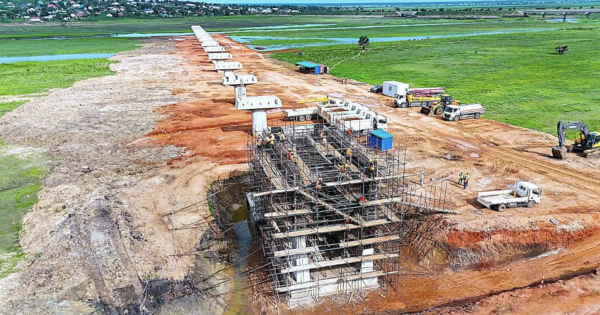
Africa's downstream investment climate is undergoing significant transformation, with several major projects driving the sector's growth including Nigeria's 650,000-bpd Dangote Refinery, Angola's 200,000-bpd Lobito and 100,000-bpd Soyo refineries, and Algeria's 100,000-bpd Hassi Messaoud Refinery. Despite recent refinery closures, South Africa also maintains a well-developed fuel distribution network, retail stations and petrochemical production, while Mozambique is emerging as a key LNG hub, with the Coral South FLNG project already operational and the Rovuma LNG and Mozambique LNG projects currently under development.

Despite these advancements, challenges remain in securing adequate financing for infrastructure upgrades and supply chain expansion. Addressing these gaps will require coordinated efforts from governments, private investors and industry stakeholders to develop resilient and efficient downstream operations. The IAE 2025 downstream panel will provide a platform for stakeholders to discuss actionable strategies that ensure Africa's energy sector remains competitive, sustainable and responsive to global demand.

Distributed by APO Group on behalf of Energy Capital & Power.
Media files
Energy Capital & Power
Download logo
Read moreIAE 2025 to Highlight Growth Opportunities in Africa’s Downstream Supply Chain
4 April 2025

ConstructAfrica Hosts First-Ever CIAB Town Hall

Location: Business
ConstructAfrica

ConstructAfrica (https://ConstructAfrica.com) successfully convened its inaugural ConstructAfrica Industry Advisory Board Town Hall Meeting today, bringing together influential stakeholders from across Africa's construction and infrastructure sectors.  

The gathering marked a key milestone in the company's mission to provide thought leadership, strategic insights, and actionable intelligence, for the construction and infrastructure sectors in African. 

The African construction and infrastructure market is projected to reach approximately $2 trillion in 2025, driven by rapid urbanization, population growth, improved governance and increased investment in infrastructure projects. The continent's need for infrastructure development is underscored by an estimated $130 billion annual financing gap, highlighting the critical need for strategic investments and innovative solutions. 

The event featured participation from distinguished leaders across the infrastructure and construction ecosystem, including CEOs of engineering and construction firms, directors of multilateral development finance institutions, academic experts, and current and former senior executives in international finance. Participants hailed from various parts of the continent, including Nigeria, South Africa, Zimbabwe, Ethiopia, and Seychelles, as well as internationally from the U.K. and Australia - underscoring the pan-African and global outlook of the board. 

A key outcome of the meeting was the formation of the ConstructAfrica Industry Advisory Board (CIAB) - a strategic body of high-level professionals that will support ConstructAfrica's growth, guide its content and engagement strategy, and strengthen its reach and relevance across African markets. 

The composition of the board will be announced in the coming weeks. 

“Today marks a pivotal moment for Africa's construction and infrastructure landscape. By collaborating with industry leaders through the CIAB, we are not just shaping policy; we are driving transformative change that will empower communities and foster sustainable growth across the continent.” said Dr. Segun Faniran, Founder & Publisher at ConstructAfrica 

ConstructAfrica delivers actionable market intelligence, construction project updates, and infrastructure data through its online platform (https://apo-opa.co/4iQdKcQ). With a focus on equipping industry players, investors, and policymakers with actionable insights, ConstructAfrica plays a vital role in building a more sustainable and better-connected construction industry across Africa. 

Distributed by APO Group on behalf of ConstructAfrica.

For more inquiries, contact: 
Name: Dr. Segun Faniran
email: hello@constructafrica.com
Phone: +971 56 566 4792
ConstructAfrica 

Media files
ConstructAfrica
Download logo
Read moreConstructAfrica Hosts First-Ever CIAB Town Hall
4 April 2025

Call for African Rainbow Minerals to Stop Selling Coal to Israel

Location: News

Two ships carrying South African coal are due to arrive in Israel

Read moreCall for African Rainbow Minerals to Stop Selling Coal to Israel
4 April 2025

SA unveils strategic economic diversification plan amid US tariffs

Location: News

SA unveils strategic economic diversification plan amid US tariffs

South Africa has unveiled a comprehensive strategy to mitigate the economic impact of new United States tariffs, focusing on export diversification, value-added production, and strengthening regional trade partnerships.

This is after United States President, Donald Trump, announced global reciprocal tariffs on most imported goods, with South Africa facing a 31% tariff increase.

“The new tariff regime arising from the decision by the United States of America, which have been directed not only to South Africa, but the entire world, necessitates strategic responses to maintain and grow our industrial base, as a crucial avenue to pursue inclusive growth,” the Minister of International Relations and Cooperation, Ronald Lamola, said on Friday. 

Lamola was speaking during a joint media briefing with the Minister of Trade, Industry and Competition, Parks Tau. 

He informed journalists that South Africa will continue to tackle the challenges and seize opportunities with resilience and innovation, as the country moves forward with ensuring economic growth, industrial development, and the well-being of its citizens.

Lamola outlined plans to navigate the challenges posed by the 31% tariffs set to take effect from 9 April 2025.

These include negotiating favourable trade agreements with the United States; leveraging the African Continental Free Trade Area (AfCFTA) to boost intra-African trade; and prioritising high-value manufacturing to reduce tariff exposure. 

In addition, he said government remains committed to building economic resilience, exploring alternative market access through existing trade agreements and strategic partnerships with countries across various regions.

“We will intensify efforts to diversify export destinations, targeting markets across Africa, Asia, Europe, the Middle East, and the Americas,” the Minister stated. 

According to Lamola, government aims to reduce dependence on single export markets and foster economic resilience.

Meanwhile, he announced that the State will invest strategically in industries impacted by the tariffs, supporting economic growth through modernisation and targeted infrastructure development.

The sweeping tariff measures will affect several sectors of South Africa’s economy, including automotive, industrial agriculture, processed food and beverage, chemical, metals, and other segments of manufacturing.

According to Lamola, South Africa’s tariff and industrial strategy are designed to support industrial development, employment growth, and economic resilience. 

“By aligning these policies with the national interest, South Africa will ensure that its economy emerges stronger, more diversified, and resilient in the face of global trade complexities,” he explained.

This approach will also apply to the 7 February Executive Order, which led to the withdrawal from the Just Energy Transition (JET) partnership with South Africa.

“South Africa’s average tariff is 7.6% and therefore South Africa needs clarity on the basis for the 31% to be implemented by the US.”

Lamola clarified that products such as copper, pharmaceuticals, semiconductors, lumber articles, certain critical minerals, and energy and energy products, have been exempted from the reciprocal tariffs.

These reciprocal tariffs will also not apply to products already facing Section 232 tariffs of 25%, such as steel, aluminium, automobiles, and auto parts.

Currently, the Minister said the United States represents 7.45% of South Africa’s total exports, while South Africa accounts for only 0.4% of the United States’ imports.

“As such, South Africa does not constitute a threat to the US, and there is a trade imbalance in favour of South Africa. It is mainly on agricultural products, which are counter-cyclical, and on minerals, which are inputs in US industries.”

Highlighting the potential impact, Lamola noted that the tariffs “effectively nullify the preference that Sub-Saharan African countries enjoy under the Africa Growth and Opportunity Act (AGOA).”

However, despite the challenges, Lamola said government remains optimistic. 

“The tariffs affirm the urgency to negotiate a new bilateral and mutually beneficial agreement with the US, that will establish more fair-trade relations with the US as an essential step to secure long-term trade certainty,” Lamola added. 

Transparency in tariff calculations

Meanwhile, Tau stressed the need for confirmation from the United States on how they arrived at the tariff number, referencing international norms and standards.

He also highlighted the importance of transparency in tariff calculations, using World Trade Organisation (WTO) standards and the most favoured nations mechanism.

“And that’s why we are advocating for a reform of the World Trade Organisation and ensuring that it’s able to adapt to current reality, but also ensuring that we’re able to reinforce a multilateral system of trade and transparency across the board. Otherwise, you’re going to have an environment where there are no global rules,” Tau added. – SAnews.gov.za
 

Gabisile
Fri, 04/04/2025 - 13:08
177 views

Read moreSA unveils strategic economic diversification plan amid US tariffs
3 April 2025

156 Players from Record 28 Countries to Compete in 2025 Basketball Africa League Season

Location: News
Basketball Africa League (BAL)

  • - Fans Can Watch Every Game Live on the NBA App (https://apo-opa.co/4lg5uVc), www.NBA.com, https://BAL.NBA.com and the BAL's YouTube Channel (https://apo-opa.co/3Eie70G); Games Will Reach Fans in 214 Countries and Territories in 17 Languages - 
  • - BAL Will Honor NBA Legend Dikembe Mutombo Throughout the Season - 

The Basketball Africa League (BAL) today announced that 156 players from a record 28 countries across five continents will compete in the league's milestone fifth season, which will tip off on Saturday, April 5 at the Prince Moulay Abdellah Sports Complex in Rabat, Morocco.* 

In the season opener, 2023 third-place finisher Stade Malien (Mali) will face 2024 third-place finisher Rivers Hoopers (Nigeria) at 4:00 p.m. GMT. In the second game, home team Fath Union Sport (FUS; Morocco) will take on first-time BAL participant Al Ittihad (Egypt) at 7:00 p.m. GMT.  The complete season schedule is available at BAL.NBA.com/schedule. 

The 2025 BAL season will reach fans in 214 countries and territories in 17 languages through free-to-air and paid TV broadcast partnerships with the African Union of Broadcasting, American Forces Network (AFN), Canal+, ESPN, FIBA's digital platform Courtside 1891, NBA TV, Ninety Media Services, SNRT, Tencent Sports, TV5 Monde and livestreaming on the NBA App (https://apo-opa.co/4lg5uVc), www.NBA.com, https://BAL.NBA.com and the BAL's YouTube Channel (https://apo-opa.co/3Eie70G).

The BAL also today announced that the league will honor NBA Legend Dikembe Mutombo throughout the season, including by featuring a “DM55” patch on all player jerseys and select warm-up gear, as well as moments of silence ahead of each conference group phase.  The late four-time NBA Defensive Player of the Year and Naismith Basketball Hall of Famer served as the NBA's first global ambassador following his retirement in 2009. 

Single-game tickets for the games in Rabat are available online at Guichet.com and BAL.NBA.com.  Fans who purchase tickets will also have free access to the BAL Fan Zone at the arena.   

During the 2025 BAL season, each four-team conference will play a 12-game group phase during which each team will face the other three teams in its conference twice. During group phase play, every team will play on every gameday.  The Kalahari Conference group phase will take place from April 5 – Sunday, April 13 in Rabat. The Sahara Conference group phase will take place from Saturday, April 26 – Sunday, May 4 at the Dakar Arena in Senegal. The Nile Conference group phase will take place from Saturday, May 17 – Sunday, May 25 at BK Arena in Kigali, Rwanda. Eight teams from across the three conferences will travel to Pretoria, South Africa for four seeding games followed by an eight-game, single-elimination playoffs and finals from Friday, June 6 – Saturday, June 14.   

View 2025 Basketball Africa League Rosters : https://apo-opa.co/4iNOUKJ


*Rosters are subject to change and will be updated in real-time on the team roster pages at https://BAL.NBA.com. 

Distributed by APO Group on behalf of Basketball Africa League (BAL).

Contact:
Edwin Eselem
Basketball Africa League
+221 78 615 42 87
EEselem@theBAL.com

Fans can follow the BAL (@theBAL) on:
Facebook: https://apo-opa.co/4i4vxfk
Instagram:  https://apo-opa.co/4cADrfr
Threads: https://apo-opa.co/3FQO6Gl
X: https://apo-opa.co/42h01ES
YouTube: https://apo-opa.co/3Eie70G
Register their interest in receiving more information at https://BAL.NBA.com

About the BAL:
The Basketball Africa League (BAL), a partnership between the International Basketball Federation (FIBA) and NBA Africa, is a professional league featuring 12 club teams from across Africa that will tip off its fifth season in April 2025.  Headquartered in Dakar, Senegal, the BAL builds on the foundation of club competitions FIBA Africa has organized across the continent and marks the NBA's first collaboration to operate a league outside North America.

Media files
Basketball Africa League (BAL)
Download logo
Read more156 Players from Record 28 Countries to Compete in 2025 Basketball Africa League Season
3 April 2025

Trump Is Punishing Poor Countries Which Export More to the US Than They Import

Location: News

People in developing countries will lose jobs and poverty will rise

Read moreTrump Is Punishing Poor Countries Which Export More to the US Than They Import
3 April 2025

African Mining Week Unveils 2025 Program, Connecting Investors to African Projects

Location: News

Energy Capital & Power
Download logo

The African Mining Week (AMW) conference and exhibition has officially launched its 2025 program, unveiling key topics and lucrative opportunities across Africa's mining value chain. The three-day program will foster collaboration on investment, value addition, local content development and industrialization. Bringing together African regulators, key mining stakeholders and global partners, AMW serves as a critical platform for shaping the future of African mining.

Download the program here: https://apo-opa.co/42kb940

Scheduled for October 1–3 in Cape Town, AMW takes place under the theme, From Extraction to Beneficiation: Unlocking Africa's Mineral Wealth. The event is co-located with the African Energy Week: Invest in African Energies conference, providing attendees a strategic opportunity to gain insight into opportunities across both the energy and mining sectors in Africa.

The AMW program features the Ministerial Forum, where African and global mining ministers will connect to showcase investment opportunities, discuss regulatory frameworks and highlight efforts to drive local beneficiation and value addition. Through policy revitalization and strategic partnerships, African markets are increasingly positioning themselves as attractive destinations for global investors.

A series of Country Spotlights will offer a deep dive into Africa's diverse mineral wealth, featuring insights into Botswana and Angola's diamond resources, Zambia's copper reserves and the Democratic Republic of Congo's cobalt market. Spotlights will also examine the latest developments within South Africa's platinum group metals, Zimbabwe's lithium, Mali's uranium and Malawi and Tanzania's rare earths industries.

AMW's Critical Minerals Track will explore emerging trends and opportunities within a sector that is crucial to the global energy transition. With Africa holding 30% of the world's critical minerals, the continent is attracting substantial interest from international players eager to unlock its vast potential. AMW will spotlight Africa's growing role in mineral diplomacy, as countries strengthen investment ties and infrastructure collaboration with global partners, including China, the U.S., Canada, the UAE, Australia and the European Union. Meanwhile, AMW Roundtables will facilitate deal signings and enhanced cooperation among African stakeholders and international investors.

Innovation will take center stage at the Technology Forum, set to explore the transformative role of digital technologies, AI and machine learning in modernizing mineral exploration and production. African markets are increasingly leveraging advanced tools to accelerate exploration, with companies such as Botswana Diamonds utilizing AI-driven solutions to diversify beyond traditional diamond mining. Meanwhile, KoBold Metals is using AI to unlock new copper discoveries in Zambia, supporting the country's ambition to ramp up production to 3.1 million tons annually by 2031.

The Investment Track will bring together global investors, including public financiers and international development finance institutions to explore funding opportunities across the mining value chain. Discussions will focus on optimizing financial mechanisms, such as loans, private placements and equity funding, to maximize capital flows to Africa's mining sector. Additionally, the Junior Miners Forum will provide a platform for small-scale mining firms to pitch their projects to investors, potential partners and industry experts, enhancing their contributions to the sector's growth. Join AMW 2025 today and be part of the discussion on Africa's mining future.

African Mining Week serves as a premier platform for exploring the full spectrum of mining opportunities across Africa. The event is held alongside the African Energy Week: Invest in African Energies 2025 conference from October 1-3 in Cape Town. Sponsors, exhibitors and delegates can learn more by contacting sales@energycapitalpower.com. To download the working program, please visit www.African-MiningWeek.com

Distributed by APO Group on behalf of Energy Capital & Power.

Read moreAfrican Mining Week Unveils 2025 Program, Connecting Investors to African Projects
3 April 2025

Progress made in tackling global challenges

Location: News

Progress made in tackling global challenges

South Africa’s Presidency of the Group of 20 (G20) is making significant progress in tackling global challenges through an inclusive and collaborative approach.

This is according to the country’s G20 Sherpa, Zane Dangor. Sherpas are the personal representatives of the G20 leaders.

“We believe this is important and that the G20 must work with the UN [United Nations] and other multilateral institutions to mitigate these challenges and to find practical solutions for all of us. 

“We look forward to constructive engagements from all members of the G20, the invited guests [and] also the international organisations,” he said on Thursday. 

Dangor who is also the Director-General for International Relations and Cooperation, chaired the second virtual meeting of the G20 Sherpas in Pretoria on Thursday.

He also stressed the importance of Ubuntu – a philosophy of inclusiveness and solidarity – in addressing global challenges and achieving shared interests across international organisations.

“We must express our appreciation in the way that you embraced the spirit of Ubuntu, the culture that underpins not just South Africa’s culture of inclusiveness, but also Africa’s wider culture. Ubuntu really underpins our commitment and solidarity in addressing our common challenges in achieving shared prosperity,” he said during the opening session of the meeting. 

Dangor stressed South Africa’s commitment to multilateralism and shared prosperity, with 15 working groups having already conducted their first meetings and three task force meetings.

Working Groups are made up of representatives from member countries’ Ministries. The G20 working groups cover diverse areas, including development, anti-corruption, culture, education, women’s empowerment, environment, health, tourism, and disaster risk management.

“We hope that as you listen to the reflections of the working group members in your own inputs, you’ll be able to sharpen what you believe we should be taking forward as a collective.” 

He also touched on a diplomatic engagement where he told attendees that the Foreign Ministers’ meeting in February this year expressed strong support for South Africa’s themes and priorities, particularly in managing geopolitical issues.

At the meeting in February, G20 foreign ministers threw their weight behind South Africa’s Presidency priorities, which focus on sustainable development and debt sustainability for low-income countries, amongst others.

READ | Foreign Ministers’ Meeting backs SA’s G20 Presidency priorities 

In addition, he said following Brazil’s model, South Africa’s Presidency aims to develop in-depth discussions on geopolitical matters through ministerial and leadership channels while allowing working groups to focus on technical issues.

Dangor acknowledged the enormous task ahead and the need for support from key members and international organisations.

The Sherpa said the objective of the two-day meeting which will conclude on Friday, is to take stock of what has happened, identify areas for improvement, and address key issues.

READ | South Africa convenes second G20 Sherpa Meeting

He announced that the next meeting for the G20 Sherpa will be held from 26 to 28 June 2025 at the Sun City Resort in the North West, marking an in-person gathering to continue collaborative discussions. – SAnews.gov.za


Gabisile
Thu, 04/03/2025 - 13:49
46 views

Read moreProgress made in tackling global challenges
3 April 2025

Mining Advances Growth Prospects for African Economies

Location: News

Energy Capital & Power
Download logo

Mineral-rich African countries are strengthening cooperation with global partners to optimize the mining value chain, leveraging investments to accelerate GDP growth and sustainable development. In recent years, the contribution of mining to the national fiscus has grown significantly across many nations, and looking ahead, this growth momentum is on track to continue as nations promote greater investment in mineral development.  

Mali

The Malian government expects to collect $1.2 billion (apo-opa.co/41Uk6C6) in tax revenue from the mineral sector in Q1, 2025 alone. New developments such as Hummingbird Resources' Yanfolia project and Ganfeng Lithium's Goulamina mine coming online, the country's mining industry is set to expand even further. In 2023, the sector contributed approximately $1 billion to the economy, accounting for 21.5% of the national budget.

Malawi

Malawi is accelerating the rollout and monetization of mining projects under its Agriculture, Mining and Tourism strategy. The strategy focuses on boosting activities across these sectors, with goals including increase exports, job creation and greater investment. The World Bank (apo-opa.co/3E0bWyX) projects that the mining sector will contribute 12% to Malawi's GDP by 2027, generating $300 billion in export revenue between 2026 and 2040.

South Africa

South Africa's mining sector remains a major economic pillar, contributing 6% to the country's GDP in 2024 and generating R100 billion in national revenue. The industry provided 474,876 formal jobs, accounting for 4.5% of total employment, while exports reached R800 billion - representing 45% of total merchandise exports. With efforts to revitalize the gold industry and accelerate growth in critical minerals underway, the industry's contribution to economic stability continues.

Zambia

In Zambia, mining continues to play a critical role, contributing 20% of total revenue, 15% of formal employment and 70% of export earnings (apo-opa.co/447UXVS). A plan to increase annual copper production to 3.1 million tons by 2031, reallocate 1,000 repossessed mining licenses (apo-opa.co/3R1l2hS) and attract new investments by firms such as Barrick, Jubilee Metals and Tertiary Minerals, will further expand the sector's contribution to GDP.

Botswana

With a wealth of untapped mineral opportunities, Botswana seeks to leverage international partnerships to unlock additional value across its diamond sector. Diamond mining currently accounts for 4% of employment, 30% of GDP and 85% of total exports in the country. Going forward, greater investment across the industry will not only spur job creation but generate increased revenue from the industry.

Ghana

Ghana's mining industry is a significant contributor to the country's economy, with minerals such as gold, manganese, bauxite and diamonds generating substantial revenue for the economy. Gold accounted for 48.4% of GDP in 2024 while small-scale gold miners alone generated $5 billion in foreign earnings from gold exports in the same year. However, with a focus on improving industry regulation, formalizing small-scale mining operations and increasing investments, Ghana is on track to generate greater value from its mining sector.

As global demand for minerals rises - driven by the energy transition and the Fourth Industrial Revolution - the prospects for Africa's mining sector remain strong. The upcoming African Mining Week - taking place on October 1-3 in Cape Town - will highlight the sector's expanding role in economic growth, job creation and revenue generation. African Mining Week will explore how countries are leveraging mining revenues to drive economic growth and infrastructure development, ensuring the industry remains a cornerstone of Africa's economic future.

Distributed by APO Group on behalf of Energy Capital & Power.

Read moreMining Advances Growth Prospects for African Economies
3 April 2025

CLG Granted CEMAC Tax Accreditation, Reinforcing Position as Regional Legal Partner

Location: Business
CLG

Legal, tax and business advisory conglomerate CLG (www.CLGGlobal.com) - formerly Centurion Law Group – has officially been approved as a Central African Economic and Monetary Community (CEMAC) tax advisor by the CEMAC Standing Committee on Fiscal and Accounting Harmonization. CLG Tax and Legal will provide its full suite of tax services across all CEMAC member countries, supporting business and transactions across various strategic fields, including oil, gas and mining.

The tax certification not only comes as part of a broader restructuring of CLG's tax and legal services offerings, aimed at positioning the firm to better serve clients throughout the region with integrated solutions, but as the CEMAC region pursues accelerated growth across its strategic economic sectors. Specifically, the region's oil and gas sector is on track for rapid growth, as nations implement ambitious production targets. The Republic of Congo aims to produce 500,000 barrels per day (bpd) by 2027; Gabon targets 220,000 bpd in the short-term; while Equatorial Guinea and Cameroon are scaling-up gas monetization. These targets require significant levels of investment and CLG stands ready to support transactions and broader economic growth.

Given the potential of the CEMAC region's natural and mineral resources, project developers and investors have already begun to expand their presence across the region. In the Republic of Congo, TotalEnergies is investing $600 million in the Moho Nord project; Trident Energy recently acquired stakes in the Nkossa, Nsoko II, Lianzi and Moho-Bilondo fields; while Perenco increased production at the Tchibouela II and Tchendo II fields following a $30 million investment. In Gabon, wildcat drilling is underway on Blocks BC-9 and BCD-10 while Perenco advances the $1 billion Cap Lopez LNG terminal toward a 2026 start. In Equatorial Guinea, the country is preparing to launch an oil and gas licensing round while Cameroon drives a gas-to-industry agenda. Further developments in Chad are underway, highlighting the region's potential as a major producing hub.

Stepping into this picture, CLG's accreditation will serve to further support current and future transactions. Over the past decade, CLG has significantly grown its tax practice, providing comprehensive tax advisory and compliance services to numerous multinational companies operating across Africa. This sustained growth reflects CLG's commitment to meeting the complex tax needs of investors and businesses on the continent, from corporate tax planning and regulatory compliance to cross-border taxation strategies.

“By bolstering our tax practice in the CEMAC region, CLG continues to establish itself as a one-stop-shop for investors in the region and across the continent. The CEMAC accreditation aligns with our strategy to support impactful transactions in Africa and we look forward to strengthening our presence across the continent,” stated Zion Adeoye, CEO and Managing Partner of CLG.

CLG already has a strong presence in Africa, with offices in South Africa, Nigeria, Mauritius, Ghana, the Republic of Congo, Cameroon, Equatorial Guinea, Namibia and South Sudan. The company caters to a diverse portfolio of multinational companies operating globally, delivering bespoke solutions tailored to address the unique challenges and complexities faced by clients in different industries. CLG's expertise covers energy, infrastructure, mining, agriculture and ESG, to name a few. For the CEMAC region, CLG's extensive network and growing expertise positions the firm as strategic partner for regional and global firms. As companies expand their presence across the region, CLG's agile, integrated approach - underpinned by its local roots and depth of experience - demonstrates the rising prominence of African advisory firms on the global stage. The CEMAC tax certification not only expands CLG's regional service coverage but also solidifies its reputation as a trusted partner for businesses navigating Central Africa's evolving tax landscape.

“CLG's deep understanding of its clients' businesses, collaborative approach with local authorities, multinational orientation and highly experienced local teams are some of the factors that set our tax practice apart in the region,” stated Daoudou Mohammed, CLG Tax and Legal Director.

Distributed by APO Group on behalf of CLG.

Media files
CLG
Download logo
Read moreCLG Granted CEMAC Tax Accreditation, Reinforcing Position as Regional Legal Partner
2 April 2025

How Women Political Leaders Are Beating the Odds in Eastern & Southern Africa

Location: News

UN Women - Africa
Download logo

Progress in women's representation in politics globally has been slow. Women's representation in parliaments in Africa increased by one point from 2021 to 2024, shifting the total from 25% to 26%. “At this rate, it will take Africa until the year 2100 to achieve gender parity in its parliaments. But this assumes a linear progression, which is unlikely given the fact that generally after countries achieve the 30%-mark, progress slows down,” says Gram Mutenga, Regional Head of Programmes at International IDEA. In November 2024, UN Women and the International Institute for Democracy and Electoral Assistance (International IDEA), supported by the European Union, hosted the WYDE Women's Leadership Initiative regional dialogue in Johannesburg, South Africa. The programme brought together more than 50 women political leaders from East and Southern Africa for three days of exchanging ideas, sharing lessons and best practices, and networking.

One of the participants, Lioness Sibanda, holds the prominent position of Secretary General of a political party in Eswatini. She is tirelessly fighting for democratic reforms while mentoring the next generation of female leaders: “Eswatini has deep-rooted cultural and religious practices that still hold to the belief that a woman cannot be in the forefront or stand in front of men and tell them what to do. I have done a lot of work in terms of contributing to the struggle for women's rights in Eswatini, but because I am a woman, I am not taken seriously." Sibanda added that her work as a politician is mainly recognized by leaders of organizations advocating for democratic reform, and it remains challenging to persuade voters about the benefits of electing women into office.

Another challenge women political leaders face is violence, which includes tech-facilitated gender-based violence. Sibanda knows this reality well as she reveals that she must constantly be on the lookout for threats to her life. UN Women's data, based on five national surveys across Asia and Arab States, reveals that up to two-thirds of women elected in local government experience violence, yet less than 20% file formal complaints. Reiterating this issue, Hazel Gooding, UN Women Deputy Representative for the South Africa Multi-Country Office said, “We know that violence against women in politics weakens democracy by silencing voices and deterring future leaders. It is our collective duty to protect them, for instance by enacting and enforcing laws, providing victim support, protection and access to justice, training law enforcement officials, advocating to change minds and social norms.”

Betty Milgo, Secretary General for Persons with Disabilities in Kenya's ruling party, is also a teacher and disability rights advocate. Her journey into politics has not been an easy one: "My community is patriarchal and many don't understand the types of disabilities that exist, including albinism," she explains. Milgo emphasized that women politicians urgently need increased visibility and institutional support to promote their participation in politics. 

For women like Motamma Horatius, a politician from Botswana who also attended the dialogue, the slow progress comes at a high cost. For five years, she was at the helm of one Itumeleng Ward as the Councillor. She recalls one of the biggest challenges she faced in her career as running for office while pregnant. “I had to wear extra-big dresses to conceal my pregnancy, on the campaign trail to avoid being viewed as a weak link. Culturally, they would say a pregnant woman will not manage. I won primary elections without them knowing that I was pregnant,” says Horatius.

Immediately after winning the elections, she gave birth but only took two weeks' leave as media articles scrutinized her absence. “I gave birth via C-section, and days later, there was already an uproar. ‘Where is she? She has abandoned her voters. She cannot serve,' these were some of the statements in the media. Two weeks post-partum, I was on the campaign trail again, this time for the general elections,” she recalls. These experiences shed light on the numerous systemic barriers unique to women politicians and aspiring candidates. These challenges are rooted in deeply ingrained social and cultural norms that dictate certain expectations for women's behaviour and impose restrictions on what they can and cannot achieve.

When asked what women political leaders want and need, Horatius, Milgo, and Sibanda shared similar perspectives. They underscored the importance of robust mental health support systems to help navigate the unique pressures of public life, particularly the pervasive violence against women in politics. Equally crucial is the need for comprehensive training and education programs to equip women with the skills and confidence to excel in leadership roles.

Building on these insights, participants of the Regional Dialogue identified additional strategies to enhance women's and youth participation in leadership and decision-making. These include providing financial support and fostering economic independence for women and youth candidates, challenging restrictive social norms through education and advocacy campaigns, ensuring balanced media coverage, and amplifying the visibility of female role models. Finally, capacity building through training and mentorship, as provided under the WYDE Women's Leadership initiative, was recognized as essential, alongside addressing intersectional challenges and actively combating violence against women in politics. Only by tackling these barriers collectively can the political landscape evolve to enable and empower women leaders.

WYDE | Women's Leadership, funded by the European Union, is a collaborative global effort aimed at advancing women's full and effective political participation and decision-making at all levels, especially those most often left furthest behind. WYDE | Women's Leadership is implemented by UN Women, the International Institute for Democracy and Electoral Assistance (International IDEA), the Inter-Parliamentary Union (IPU) and United Cities and Local Governments (UCLG), and is part of the Women and Youth Democratic Engagement initiative (WYDE), powered by the European Union, which seeks to empower and strengthen the rights, and participation in public and political life of women and youth as key actors of development and change.

Distributed by APO Group on behalf of UN Women - Africa.

Read moreHow Women Political Leaders Are Beating the Odds in Eastern & Southern Africa
2 April 2025

Men as Allies: Youth Dialogue Tackles Patriarchal Masculinities for Gender Equality

Location: News

UN Women - Africa
Download logo

On 27 March 2025, UN Women South Africa Multi-Country Office, in partnership with the Tshwane University of Technology, and the Departments of Women, Youth, and People with Disabilities, hosted a dialogue on ‘Transforming Patriarchal Masculinities for a Gender-Equal World' for 150 young people. The dialogue, which took place in Pretoria, brought together students from universities, Technical and Vocational Education and Training Institutions (TVETs), and high schools from South Africa's Gauteng Province.

The dialogue, supported by the Embassy of Ireland in South Africa, was convened to compile youth recommendations for the upcoming Women Empowerment Ministerial Working Group (W20) meeting to be held later this year as part of the support to South Africa's G20 Presidency in 2025.

One of the pillars of South Africa's National Strategic Plan (NSP) on Gender-Based Violence and Femicide (GBVF) served as the basis for the dialogue. Pillar 2 of the NSP on GBVF focuses on unlearning toxic masculinities and embracing alternative positive forms of masculinity. This was seen as a key strategy in a country where more than one-third of women have been subjected to violence at least once in their lifetime.

"Engaging young men and boys as allies in gender equality is critical for addressing the root causes of gender-based violence and patriarchy in our society," said Aleta Miller, UN Women Representative for the South Africa Multi-Country Office. "The dialogue creates a valuable platform to amplify the voices of young people to influence global policy discussions on gender equality through South Africa's G20 Presidency."

Civil society organizations, government stakeholders, youth representatives, women's movements, academic institutions, and the private sector discussed how positive, respectful, and inclusive behaviors that promote accountability can help to transform harmful social norms and prevent violence.

The dialogue began with reflections UN South Africa Resident Coordinator Nelson Muffuh and Advocate Joyce Maluleke who provided opening remarks before the keynote presentations. Two impactful presentations were delivered by Professor Langa Malose from Wits University and Rahul Gandhi from the Southern Centre for Inequality Studies. Both shared their experiences to explain how their views about masculinity and its effects on society were shaped.

These were followed by two engaging panel discussions that explored ways for men and boys to serve as successful allies in gender equality promotion and gender-based violence prevention. Sibulele Poswayo from W20 South Africa and Nkere Skosana from the Department of Social Development, along with Precious Banda from Young Women of Africa, Kabelo Chabala of Primestars, Thabo Limema from Absa, and Andiswa Mthembu ofYoung Women for Life, participated in direct discussions with youth participants to create open dialogue about these essential matters.

For Gomolemo Mokemane, a TUT student, the workshop was “very enlightening” because it allowed him to hear different opinions from different stakeholders on gender-based violence. “From attending this dialogue, I walk away with the firm belief that women should be treated as equals and not as competitors or subordinates, that we are all human beings first and foremost and not men and women, and that if we embraced Ubuntu (our shared humanity and interconnectedness), many of our problems would be solved,”

Nhlanhla Ditire also gave his view on gender equality: “To make the world gender equal, men must learn that they have to respect and protect women from a young age. I was nine years old when I lost both my parents, but I told myself that I would never raise my hand on a woman.” Nhlanhla also emphasized the importance of emotional health and saying, ‘When men get angry, it's good to cry it out; crying does not mean that you are weak. Get help, get therapy. Don't break the law."

The discussions concluded with selected representative reading out commitments to gender equality that they believe leaders should consider and adopt in their policies for action towards a gender-equal world.

Distributed by APO Group on behalf of UN Women - Africa.

Read moreMen as Allies: Youth Dialogue Tackles Patriarchal Masculinities for Gender Equality
2 April 2025

All systems go for Africa Children’s Summit

Location: News

All systems go for Africa Children’s Summit

The voices of children across the continent will be amplified when more than 1000 children from the African region take part in the upcoming 2nd Biennial Africa Children’s Summit.

South Africa through the Department of Social Development, in collaboration with the Nelson Mandela Children’s Fund, will be hosting the second Africa Children’s Summit, scheduled to take place at St John’s College in Parktown, Johannesburg, from 4-7 April 2025.

The summit forms part of a series of activities during the country's Presidency of the Group of 20 (G20), which will culminate in the G20 Leaders’ Summit in November this year.

The summit aims to promote child-centred dialogue and advocacy; empower children as agents of change and ensure inclusive and equitable participation.

It also aims to provide evidence-based policy recommendations; strengthen collaboration across sectors and regions on the continent; review and advance progress; raise awareness and mobilise for national and regional action.

The child-led summit, which aims to amplify the voices of children in policymaking and decision-making processes across the continent, is also aligned to the African Union (AU) Agenda 2040, and the recent Bogotá 2024 Global Commitment to Ending Violence Against Children.

With just one day remaining before the highly anticipated summit, Social Development Minister, Nokuzola Tolashe, said it was all systems go, ahead of the start of the summit on Friday.

Addressing the media on South Africa’s state of readiness to host the summit in Cape Town on Wednesday, Tolashe said of the 54 states in Africa, 17 have confirmed participation.

“The Summit will bring together 1 300 children from 10-17 years from all five African regions, with around 300 children expected to attend in-person and about 1000 children expected to participate virtually.”

She added that the landmark gathering is aimed at championing child participation and shaping the future trajectory of the African continent with inputs from children.

This follows the inaugural summit held in Nairobi, Kenya, in 2023.

The child-led summit emphasises the importance of children’s agency under the saying “Nothing about us without us”.

“The summit creates a platform … for accelerated action needed to realise the full enjoyment of the human rights and freedoms of all children on the African continent. Because it is led by children themselves, it gives them a collective voice to share their views and hold African leaders and governments to account on key issues affecting them.

“These include democracy, emerging technologies and climate change, promoting inclusive education for all children, [the]role of artificial intelligence (AI) in education, addressing school violence [and] gender-based violence (GBV) against children, amongst others,” Tolashe said.

The Minister also highlighted that the child-friendly programme will feature a dynamic and inclusive structure that is designed to maximise engagement, encourage meaningful participation, and foster intergenerational dialogue.

The structure includes a blend of plenaries, panels, workshops, exhibitions, and cultural events, with hybrid components to enhance accessibility. 

Children living with disabilities 

The host has also ensured the inclusion of about 50 children with disabilities in the summit.

“Children with disabilities are among the most vulnerable people on the continent. Recent reports point to the harsh realities of their daily lives and that children with disabilities are twice as likely to be victims of sexual abuse as their non-disabled peers.

“Both the CRC [United Nations Convention on the Rights of the Child] and the African Children’s Charter, put an obligation on the African State to promote the development of all children, [and] where possible prevent disabilities, and realise the rights of children with disabilities,” Tolashe said.

The CRC is a human rights convention that sets out the civil, political, economic, social, health and cultural rights of children. It was the first international convention that the newly elected democratic government ratified on 16 June 1996.

Tolashe ensured the safety and well-being of the children attending the summit, as the State Security Agency conducted a thorough security vetting, including background checks of 82 caregivers who will be accompanying child delegates at the summit.  – SAnews.gov.za


GabiK
Wed, 04/02/2025 - 13:28
16 views

Read moreAll systems go for Africa Children’s Summit
2 April 2025

Equinix Strengthens Commitment to Nigeria’s Digital Economy

Location: Business
Equinix

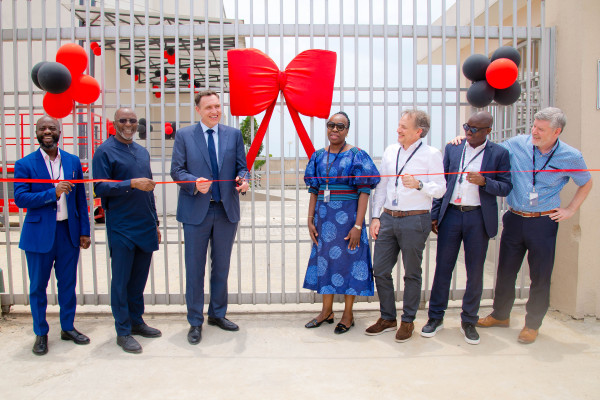
Equinix, Inc. (Nasdaq: EQIX) (www.Equinix.com), the world's digital infrastructure company™, has officially opened its latest data center expansion in Lagos. Called LG2.3, the facility will support Nigeria's growing digital transformation efforts, providing state-of-the-art colocation and secure interconnection solutions which will empower businesses across the region.  It also signifies Equinix's unwavering dedication to advancing Nigeria's position in the global digital economy, reinforcing the company's commitment to the region. 

As part of the inauguration, Bruce Owen, President of EMEA at Equinix, along with other Equinix executives, led the ribbon-cutting ceremony at the newly expanded site. In addition to an official visit to the Governor of Lagos State, Equinix hosted an exclusive customer engagement event, bringing together key customers and partners from Nigeria's business and technology sectors. Attendees discussed shared successes and Equinix's role in facilitating digital transformation, while also connecting directly with Bruce Owen for insights into how Equinix's solutions drive innovation and business agility in the region.

Equinix executives also took part in a tree-planting ceremony, symbolising Equinix's continued investment in sustainable initiatives across the globe and highlighting the company's broader goal of reducing its carbon footprint while supporting greener practices across its operations worldwide. 

Speaking about the expansion, Bruce Owen, President of EMEA at Equinix said “Nigeria is a crucial market for Equinix. Today's opening is a clear demonstration of our continued commitments to invest and grow digital infrastructure that will benefit the many thousands of businesses in Nigeria and on the continent as a whole. I am deeply encouraged by the enthusiastic partnerships and innovations emerging from this dynamic region, which continue to inspire our commitment to Nigeria's digital and sustainable future.” 

Adding to this, Wole Abu, Managing Director of Equinix West Africa, highlighted the critical role of data centers in driving economic growth stating “Data centers continue to play a pivotal role in driving economic development in Nigeria, serving as critical infrastructure that supports digital transformation and economic growth. As governments and enterprises increasingly acknowledge their significance, global demand for data center capacity is poised to rise. While Africa's demand for data solutions is still evolving compared to more mature markets, the continent is demonstrating strong potential for digital adoption and innovation. To meet this growing need, Equinix is actively advancing three major data center projects in Nigeria, with future expansion plans for Ghana, Côte d'Ivoire, and South Africa.”

Equinix remains steadfast in its mission to enable secure, scalable, and sustainable digital growth for economies across the world.

Distributed by APO Group on behalf of Equinix.

Equinix Media Relations:
press@equinix.com

Equinix Investor:
invest@equinix.com

About Equinix:
Equinix (Nasdaq: EQIX) (www.Equinix.com) is the world's digital infrastructure company™. Digital leaders harness Equinix's trusted platform to bring together and interconnect foundational infrastructure at software speed. Equinix enables organizations to access all the right places, partners and possibilities to scale with agility, speed the launch of digital services, deliver world-class experiences and multiply their value, while supporting their sustainability goals.

Forward-Looking Statements:

This press release contains forward-looking statements that involve risks and uncertainties. Actual results may differ materially from expectations discussed in such forward-looking statements. Factors that might cause such differences include, but are not limited to, risks to our business and operating results related to the current inflationary environment; foreign currency exchange rate fluctuations; stock price fluctuations; increased costs to procure power and the general volatility in the global energy market; the challenges of acquiring, operating and constructing IBX® and xScale® data centers and developing, deploying and delivering Equinix products and solutions; unanticipated costs or difficulties relating to the integration of companies we have acquired or will acquire into Equinix; a failure to receive significant revenues from customers in recently built out or acquired data centers; failure to complete any financing arrangements contemplated from time to time; competition from existing and new competitors; the ability to generate sufficient cash flow or otherwise obtain funds to repay new or outstanding indebtedness; the loss or decline in business from our key customers; risks related to our taxation as a REIT; risks related to regulatory inquiries or litigation and other risks described from time to time in Equinix filings with the Securities and Exchange Commission. In particular, see recent and upcoming Equinix quarterly and annual reports filed with the Securities and Exchange Commission, copies of which are available upon request from Equinix. Equinix does not assume any obligation to update the forward-looking information contained in this press release.

Media files
Equinix
Download logo
Read moreEquinix Strengthens Commitment to Nigeria’s Digital Economy
1 April 2025

Walter Steps Down as White-Ball Head Coach

Location: Sport

JOHANNESBURG: Cricket South Africa (CSA) wishes to announce the resignation of the Proteas Men’s white-ball head coach, Rob Walter, effective...

Read moreWalter Steps Down as White-Ball Head Coach
1 April 2025

Three Common Myths About US Funding Cuts to South Africa

Location: News

US and South African officials have contributed to misinformation about the cancellation of funding

Read moreThree Common Myths About US Funding Cuts to South Africa
1 April 2025

Minister Meth hands over R514m contract to 15 LAP partners

Location: News

Minister Meth hands over R514m contract to 15 LAP partners

Employment and Labour Minister Nomakhosazana Meth, has officially handed over R514 million in contracts to 15 Labour Activation Programme (LAP) partner companies in Mpumalanga, aimed at stimulating job creation in the province. 

The 15 LAP partner companies are expected to provide training to over 9 600 job seekers after signing a pledge committing to the absorption of these jobseekers in key sectors of the economy. 

Speaking at the handover event held at Mbombela Stadium on Monday, Meth said the handover is not just about launching projects but also igniting opportunities that will reach thousands of individuals, uplift families, and strengthen communities. 

“We are investing not just in businesses, but in people, skills, and making dreams that deserve to be realised a possibility. This is what real economic transformation looks like - not just numbers on a page, but real impact on the lives of those who call Mpumalanga home,” the Minister said.

The Minister said that the partners whom the contracts have been handed over to have been given a condition to guarantee jobs for beneficiaries.

“I have made it a requirement that all the LAP partners recruit at least 70% of the beneficiaries from the Employment Services of South Africa (ESA) platform, which is a government system placed to connect job seekers with available opportunities,” she said. 

She moved to highlight that Mpumalanga is a province of movement, boasting infrastructure that connects the nation to greater possibilities. It is home to one of the most important economic corridors, the Maputo Corridor, a vital route that links us to the Port of Maputo and connects South Africa to the rest of the world. 

“Through this corridor, we export our agricultural produce, our minerals, and our manufactured goods, which fuel the country’s economy. It is this very corridor that has the power to transform small businesses into major players, to take local industries and give them a global footprint,” she said. 

The Minister also noted that approximately 1 million young South Africans become available to the labour market. However, only 400 000 find steady work, 300 000 find some work, while about 300 000 never find work. 

She stressed that without decisive and intentional interventions from the government, in collaboration with relevant societal partners, the situation is unlikely to improve. 

Young people continue to face challenges in entering the labour market due to a lack of work experience, and in some cases, possessing skills that do not align with market demands.

“It is for this reason I emphasise that our response must be decisive, and I dare say – aggressive.

“I am pleased and equally excited that today, at this municipality of Mbombela we gather to handover the Labour Activation Program contracts to 15 partners, who will create job opportunities for 9 616 beneficiaries to the value of over R514 million across 4 districts and spanning to over 11 local municipalities,” the Minister said. 

The Minister said the Labour Activation Program is the department’s direct policy response to unemployment, affording job seekers opportunities to improve their employability and connect them to the world of work. 

“Our focus should combine skills training, work experience, and job placement services to help participants transition into the labour market. 

“With these projects, we are saying to the people of Mpumalanga: we see you, we believe in you, and we are committed to your success. We are saying to the youth that there is space for you in this economy, that your talents and skills are needed, as the future belongs to you. We are saying to businesses that you are not alone, the government is here to support you and to open doors to break down barriers that have held back growth for too long,” the Minister said. 

The Minister added that government is strengthening private sector partnerships to collaborate in creating more job opportunities and ensure training programs are relevant to industry needs. 

“We need every South African to believe in the power of collective action. This drive grew stronger after President Ramaphosa established an Inter-Ministerial Committee of government and business partnership on unemployment, skills development and SMME support, which is chaired by me as the Minister of the Department of Employment and Labour.

“Throughout this partnership, our targeted interventions for groups disproportionately affected by unemployment, such as youth, women and people with disabilities remain our priority.

“Let us continue working together to build a better country- collectively working together, we can change the trajectory of unemployment,” the Minister said. – SAnews.gov.za

DikelediM
Tue, 04/01/2025 - 09:04
223 views

Read moreMinister Meth hands over R514m contract to 15 LAP partners
1 April 2025

Conference places the spotlight on ocean sustainability 

Location: News

Conference places the spotlight on ocean sustainability 

As the current holder of the G20 Presidency, South Africa is leading global efforts for ocean sustainability, particularly focusing on advancing sustainable ocean initiatives in Africa.

The country is hosting the 14th International Conference on Southern Hemisphere Meteorology and Oceanography (ICSHMO), which is currently underway in Cape Town. 

This premier scientific gathering, being held in Africa for the first time since 1997, brings together renowned meteorologists, oceanographers, and climate scientists to address the unique atmospheric and oceanic challenges of the southern hemisphere.

The five-day event, which kicked off on Monday, is hosted by the National Research Foundation (NRF) through the South African Environmental Observation Network, with support from the Department of Science, Technology and Innovation (DSTI). 

The conference shows South Africa’s growing influence in global climate science.

Opening the conference, the Deputy Minister of Science, Technology and Innovation, Nomalungelo Gina, emphasised the urgent need for scientific collaboration to combat the escalating threats of climate change.

“The world is experiencing intensified heatwaves, prolonged droughts, rising sea levels, and extreme weather events that disrupt economies, displace communities, and strain infrastructure,” the department said. 

South Africa has witnessed the devastating impact of climate change in repeated floods and recurring droughts. 
These events highlight the pressing need for enhanced climate prediction, risk management, and adaptation strategies, all key topics at ICSHMO 2025.

The Deputy Minister stressed the importance of turning scientific knowledge into tangible, actionable solutions. 
Through the NRF, the country continues to support cutting-edge research in marine and coastal science, weather forecasting, and climate adaptation, to inform global policy and action.

Gina welcomed the integration of ICSHMO with the Ocean20 initiative, a flagship programme introduced under Brazil’s G20 Presidency, which is designed to promote sustainable ocean governance, and reiterated South Africa’s commitment to leveraging science, technology, and innovation for sustainable development.

The Deputy Minister stressed the importance of equitable access to artificial intelligence, big data and remote sensing technologies, which were transforming climate science, enabling more accurate forecasting, early warning systems, and disaster preparedness. 

Collaboration and knowledge-sharing were key to building a more stable and resilient global future, especially for nations that were most vulnerable to climate change.

A group of learners from Luhlaza and Usasazo high schools in Khayelitsha attended the conference and had a special interaction with Gina on the benefits of science for society.

During the opening session, Kenya’s representative for the United Nations’ Intergovernmental Panel on Climate Change, Patricia Nying’uro, highlighted the critical role of indigenous knowledge in promoting sustainability. She stated that the extensive knowledge accumulated by indigenous communities over centuries should be utilized to enhance climate action efforts.

NRF CEO, Dr Fulufhelo Nelwamondo, said the conference would provide a vital platform for advancing scientific collaboration, sharing cutting-edge research, and addressing the pressing challenges of climate variability and change in the southern hemisphere.

“The insights and discussions over the next few days will undoubtedly contribute to shaping policies and strategies that enhance climate resilience in our region and beyond,” he stated. – SAnews.gov.za
 

Gabisile
Tue, 04/01/2025 - 09:39
163 views

Read moreConference places the spotlight on ocean sustainability 
31 March 2025

A Rare Opportunity for Real African Energy Independence

Location: Business
African Energy Chamber

By NJ Ayuk, Executive Chairman, African Energy Chamber (https://EnergyChamber.org)

Donald Trump's return to the White House in 2025 represents a pivotal moment for Africa's fossil fuel industry. His administration's swift reapproval of a USD4.7 billion loan from the U.S. Export-Import Bank (Exim) for TotalEnergies' liquefied natural gas (LNG) project in Mozambique — initially greenlit in 2020 during his first term but sent into deep-freeze for the full duration of the Biden years — sets the tone for what could be a transformative era for Africa's energy sector. 

Despite Mozambique's stabilization of security issues and concerns that the transfer of power in America would delay receipt of the loan even further, the Biden Administration refused to release the funds ahead of Trump's inauguration, a decision reflective of the administration's reluctance to support new fossil fuel initiatives throughout Biden's time in office. In contrast, Trump's decisive action within weeks of taking office signals a renewed, positive working relationship between the United States and Africa — one that prioritizes energy development over ideological objections and the Green Agenda's influence. 

The African Energy Chamber (AEC) contends that Africa should seize this potentially brief moment in history and embrace the Trump administration as a partner rather than an opponent. For too long, global pressures have insisted that African nations move toward green energy projects only and leave their fossil fuel resources behind.  

While renewable energy has its place, and will be important to Africa's future, fossil fuels still clearly constitute the backbone of any realistic efforts for African industrialization and economic growth — goals we simply cannot afford to sideline.  

Alignment with Trump's energy-first ethos would mean that Africa could unlock significant funding for wide-ranging fossil fuel projects, and not just the offshore oil and gas ventures that dominate the headlines. The continent should capitalize on all opportunities in onshore projects, wildcat wells (exploratory drilling in unproven areas), and the proliferation of numerous small operators. These avenues lead the way to diversity in Africa's energy portfolio, job creation, and massively strengthened energy security. 

The reapproval of funding for Mozambique LNG is a case in point. The project's revival under Trump demonstrates how quickly thick bureaucratic congestion can dissolve when political will aligns with economic practicality. This USD4.7 billion infusion will boost Mozambique's economy while sending a message to other African nations: Under Trump, at long last, America is open for business.  

In contrast to the previous administration, which openly regarded fossil fuel development with skepticism and disdain, Trump's “drill baby drill” mantra — while rooted in an “America First” agenda — pairs seamlessly with the ambitions of the African oil and gas industry. Africa should adopt a similar mindset and position itself as an attractive destination for American investment dollars. 

Coal's Comeback 

Another of Trump's domestic priorities, no doubt a response to China's unabashed expansion of coal production within its borders, is to revive clean coal production in the U.S. This initiative offers a compelling blueprint for Africa. While coal remains a contentious, harshly criticized resource globally, its advantages are undeniable: It's cheaper to produce, often doesn't require big bank financing, and is abundant across the continent. For African nations grappling with energy poverty, coal can serve as a means to an end, delivering affordable power to millions in the interim while the infrastructure for other energy sources matures. Simply put, Africa deserves to be the last global holdout on coal production and should leverage its coal reserves to meet domestic needs and export demands. Trump's willingness to disregard the international campaign against coal should embolden African leaders to reopen their abandoned coal mines and rest assured that this time around, they'll be able to operate freely, without fear of U.S. opposition. 

Fossil Fuels Unleashed 

Looking beyond coal, over the next four years, Africa has the rare chance to pursue an aggressive fossil fuel agenda. The continent should unite under an “Africa First” banner and adopt its own “drill baby drill” mentality in support of every promising oil exploration and production project, every possible natural gas project, and a multinational effort to slash through regulatory red tape.  

In Nigeria, for instance, the wheels of progress moved agonizingly slowly when it came to passing the Petroleum Industry Act, first proposed in 2008 and not signed into law until 2021. Even after the law was passed, Nigeria has been slow to fully implement it. This kind of inertia deters investment and slows development. A Trump-inspired push to clean up such bureaucratic roadblocks could unleash a wave of prosperous development. Similarly, addressing security issues — like those that drove U.S. firms out of Libya — will be critical to restoring confidence and attracting capital from abroad. 

While the offshore sector will undoubtedly remain a cornerstone of Africa's fossil fuel strategy, the continent's onshore potential is equally vast. Wildcat wells offer high-risk/ high-reward prospects that could uncover new reserves. Meanwhile, instead of relying solely on multinational oil and gas giants, empowerment of more independent companies and indigenous small operators could diversify the industry, build up local entrepreneurship, and ensure the economic benefits are more widespread. It is highly unlikely that the Trump administration, with its emphasis on deregulation and energy independence for its own shores, would obstruct such efforts on ours. Conversely, it may actively encourage them through financing and technical support, as seen with the Exim loan. 

Balancing Development and Climate Realities 

Though critics will argue that this push for fossil fuel proliferation contradicts global climate goals, at the AEC, we insist that the calculations for Africa are simply different.  

Africa accounts for a fraction of global emissions but bears a disproportionate burden when it comes to energy poverty. Fossil fuels offer a realistic and relatively quick path to electrification and industrialization, the proven prerequisites for lifting millions out of poverty. Trump's indifference to international climate orthodoxy, while controversial, gives Africa the much-needed breathing room to prioritize development over decarbonization. This is in no way an outright rejection of renewables but a recognition that fossil fuels can and will facilitate a just transition to green technologies once their capabilities catch up to Africa's current needs. 

Seizing the Moment 

The next four years under Trump could redefine Africa's energy landscape. With U.S. interference a thing of the past, Africa can pursue a multi-pronged energy strategy. With a ramp-up in natural gas to meet global demand, a coal revival to power its own grids, and on and offshore opportunities tapped into, Africa could finally secure its full resource base.  

However, this approach will require bold leadership. Governments will have to eliminate obstructive policies and address security challenges head-on to secure foreign investments. The payoff could be immense: energy abundance, economic growth, and a partnership with the U.S. that is stronger than ever before. 

For example, Nigeria's oil and gas sector has been hampered by regulatory uncertainty and security threats in the Niger Delta. A Nigerian “drill baby drill” mindset could accelerate regulatory, social, and economic reforms needed to address the Niger Delta's deep-rooted instability. This kind of mindset could restart stalled projects and attract American firms eager to invest in a Trump-approved climate. Likewise, in Libya, a resolution to security concerns could lure back U.S. companies that fled during years of instability, reviving a once-thriving oil industry. Across the continent, small operators could flourish under a lighter regulatory touch, drilling wildcat wells and tapping into overlooked reserves. 

South Africa, with its vast coal deposits, could take the lead on clean coal technologies to balance affordability and environmental concerns. Smaller nations with untapped coal reserves could follow Trump's lead in defying global pressures against production. The result would be a continent less dependent on foreign aid and more capable of powering its own future. 

Trump's presidency offers Africa a chance to unapologetically double down on its fossil fuel potential. The USD4.7 billion Mozambique loan is just the beginning — a proof of concept for what collaboration with the U.S. can achieve. By embracing this partnership, Africa can shed the shackles of the Biden era and chart a course toward energy sovereignty.  

The tools are all there: offshore rigs, onshore fields, wildcat wells, established mines, and a willing ally in Washington. The question that remains is whether Africa's leaders have the courage to stand up to the anti-carbon lobby. 

Trump's second term could be remembered as the moment Africa's fossil fuel industry came into its own — as a partner to the U.S. in a shared vision of energy abundance. With four years of clear skies ahead, there is no question that Africa should build, mine, and yes, drill, baby, drill like never before.  

If we don't act now, it might be a very long wait for an opportunity like this one to present itself again. 

Distributed by APO Group on behalf of African Energy Chamber.

Media files
African Energy Chamber
Download logo
Read moreA Rare Opportunity for Real African Energy Independence
31 March 2025

Cassava Technologies Collaborates With Microsoft to Launch Community Engagement Initiative Creating Youth Employment Opportunities in South Africa’s Renewable Energy Industry

Location: Business
Cassava Technologies

Pan-African technology company Cassava Technologies (www.CassavaTechnologies.com), in a strategic collaboration with Microsoft, has launched a community engagement initiative focused on South Africa. Through this initiative, the two organisations will establish training hubs for youth in the local communities that will help spur employment opportunities in the renewable energy industry.

By prioritising renewable energy skills development, energy efficiency, and community microgrids, the initiative will empower the next generation to lead in the transition to clean energy. Activities will be focused in Johannesburg and Cape Town, where Cassava and Microsoft operate.

The project's training hubs will play a vital role in equipping Africa's women and youth with the skills they need to thrive in the renewable energy industry and ensure that the benefits of the energy transition are realised by all.

Cassava Technologies, through its renewable energy company and co-location companies, will be a key player in this collaboration. Their local renewable energy expertise will ensure that the initiative delivers tangible benefits linked to clean energy jobs and projects to the communities that are involved. Through this initiative, Cassava and Microsoft are supporting community engagement and sustainable development in the region and across the continent, which lays the groundwork for expansion into other African markets.

Finhai Munzara, Chief Corporate Development Officer of Cassava Technologies, said, “We are honoured to collaborate with Microsoft on this project, which ensures that we bring all Africans along as we transition to a digitally connected future using sustainable energy. By leveraging our technological expertise, on-the-ground experience, and Microsoft's global reach, we are poised to make a lasting, positive impact on South African communities.”

 "We are pleased to work with Cassava to support climate initiatives in South Africa that enhance local communities, ensuring that those all have the tools to thrive," said Markus Swart, Director of Data Centre Operations in South Africa at Microsoft. 

Distributed by APO Group on behalf of Cassava Technologies.

About Cassava Technologies:
Cassava Technologies is a global technology leader of African heritage providing a vertically integrated ecosystem of digital services and infrastructure enabling digital transformation. Headquartered in the UK, Cassava has a presence across Africa, the Middle East, Latin America and the United States of America. Through its business units, namely, Cassava AI, Liquid Intelligent Technologies, Liquid C2, Africa Data Centres, and Sasai Fintech, the company provides its customers' products and services in 94 countries. These solutions drive the company's ambition of establishing itself as a leading global technology company of African heritage.

www.CassavaTechnologies.com

Media files
Cassava Technologies
Download logo
Read moreCassava Technologies Collaborates With Microsoft to Launch Community Engagement Initiative Creating Youth Employment Opportunities in South Africa’s Renewable Energy Industry
  • Previous
  • Page 1
  • Interim pages omitted …
  • Page 16
  • Page 17
  • Page 18
  • Page 19
  • Page 20
  • Interim pages omitted …
  • Page 103
  • Next

Copyright © 2026 · MyZA · All Rights Reserved · Powered by Stratlec Online