• Skip to main content
  • Skip to header right navigation
  • Skip to after header navigation
  • Skip to site footer
MyZA

MyZA

News, Directory, Events and Other Stuff

  • Social Media
  • Sport
  • World News
  • Home
  • Submit News
  • Directory
  • Events
  • Stratlec
  • TFSA
  • News
    • APO
    • Today’s Sport News
    • Todays Social Media and Tech Headlines
    • Today’s World News
    • Today’s SA Financial News
  • Contact
You are here: Home / Archives for global

global

31 March 2025

African Rare Earth Projects Advance Amid Rising Global Demand

Location: News

Energy Capital & Power
Download logo

The global demand for rare earth elements (apo-opa.co/3FI1pbZ) is projected to increase four-fold by 2030, driven by the energy transition and increasing investments in industrialization. African nations rich in rare earth minerals are accelerating exploration and production efforts to capitalize on this growth. With up to eight rare earth projects set for commissioning across the continent by 2029 - boosting Africa's share of the global supply chain to 10% - the upcoming African Mining Week will spotlight opportunities across the rare earth value chain.

Africa's rare earth sector remains largely untapped, thereby attracting the interest of global project developers eager to unlock its full potential. South African asset manager Novare, for example, signed a R1.8 billion agreement (apo-opa.co/3E9EG8f) in February 2025 with American firm ReElement Technologies to develop a rare earth refining and battery manufacturing facility. ReElement will contribute its refining technology while Novare will provide funding for the value addition initiative, with construction expected to begin in the second half of 2025.

In Namibia, the Japan Organization for Metals and Energy Security and Namibia Critical Metals (apo-opa.co/427nfNI) completed a production pilot for the Lofdal Project, one of only two xenotime-type heavy rare earth deposits currently under development worldwide. Meanwhile, in Angola, Pensana (apo-opa.co/43A3nW0) secured an $80 million loan from Absa Bank Limited in January 2025 to expedite the rollout of the Longonjo Project, which is expected to supply 5% of the world's magnet metal rare earths demand – essential for the development of wind turbines and electric vehicles.

Major investors are also making bold moves in Africa's rare earth sector. Billionaires Jeff Bezos and Bill Gates (apo-opa.co/3FJsOdC) have injected $537 million into exploration and mine development through mining startup KoBold Metals, further accelerating Africa's rare earth ambitions. The funding will be directed toward rare earth mining ventures. Additionally, recognizing the strategic value of rare earths, multinational financial institution the African Development Bank proposed the development of the African Units of Account (AUA) (apo-opa.co/3FOTDxe) - a new currency backed by Africa's critical mineral reserves, including rare earth elements. The initiative would help stabilize regional currency markets and attract more international investment in green energy projects, amidst the growing demand of critical minerals globally and Africa's vast reserves.

The year 2025 continues to mark significant milestones in the growth of Africa's rare earth sector, with the advancement of key projects (apo-opa.co/43uodGd) such as Phalaborwa and Steenkampskraal (South Africa), Makuutu (Angola), Ngualla (Tanzania) and Songwe (Malawi). Amid these developments, African Mining Week serves as a strategic platform for African regulators, industry stakeholders and global investors to engage in deal signings and forge partnerships, further solidifying Africa's role in the global rare earth supply chain.

Distributed by APO Group on behalf of Energy Capital & Power.

African Mining Week serves as a premier platform for exploring the full spectrum of mining opportunities across Africa. The event is held alongside the African Energy Week: Invest in African Energies 2025 conference from October 1-3 in Cape Town. Sponsors, exhibitors and delegates can learn more by contacting sales@energycapitalpower.com.
Read moreAfrican Rare Earth Projects Advance Amid Rising Global Demand
31 March 2025

A Thriving Black Market for Medicines Has Emerged in Johannesburg

Location: News

Immigrants shunned by clinics resort to buying unregulated medicines from illegal vendors

Read moreA Thriving Black Market for Medicines Has Emerged in Johannesburg
30 March 2025

G20 nations must place inequality at the heart of economic policymaking: Deputy Minister Mohai

Location: News

G20 nations must place inequality at the heart of economic policymaking: Deputy Minister Mohai

Department of Planning, Monitoring, and Evaluation (DPME) Deputy Minister Seiso Mohai has stressed the urgency of addressing persistent global inequalities.

“G20 nations must place inequality at the heart of economic policymaking, as disparities in wealth and development are neither just nor sustainable. The consequences of these inequalities are most pronounced in the Global South, where poverty, unemployment, and a lack of access to essential services continued to hinder progress,” Mohai said.

The Deputy Minister was delivering a keynote address during a two-day G20 Seminar focused on the theme: “Public Good, Development Finance, and Social Protection”. 

The seminar was hosted by the DPME in collaboration with the South African Association for Public Administration and Management (SAAPAM) and Tshwane University of Technology (TUT). 

The seminar was a key part of South Africa’s strategic G20 priorities - to explore innovative solutions for addressing economic disparities, advancing sustainable development, and ensuring social protection for vulnerable communities.

It provided a platform for fostering dialogue among government officials, academia, civil society, and the private sector, with a focus on tackling challenges such as economic disparities, mobilising development finance, and advancing inclusive social protection policies. 

Deputy Minister Mohai emphasised the importance of constructive dialogue throughout the seminar. 

“This gathering provided a unique platform for engagement among key stakeholders. We looked forward to brutally frank debates aimed at addressing the challenges of inequality, unemployment, and poverty.

“We were encouraged by this partnership between DPME, SAAPAM, TUT, and other academic institutions, civil society, and non-government organizations, and we looked forward to successfully hosting this prestigious G20 seminar,” he said.

Discussions at the seminar also explored ways to overcome structural barriers to sustainable development, including the mobilisation of innovative financing solutions for climate action and other pressing global issues.

The seminar focused on the following key areas:

  • Public Good: Ensuring equitable access to essential services and resources for all citizens.
  • Development Finance: Mobilising sustainable funding mechanisms to stimulate economic growth.
  • Social Protection: Strengthening policies aimed at reducing inequality and providing support for the most vulnerable.

Mohai also highlighted the pivotal role of academia and professional bodies in developing innovative solutions to global development challenges. 

“South Africa’s engagement with the G20 has been guided by strategic foreign policy pillars, including national interests, the African agenda, South-South cooperation, and multilateralism. Our presidency came at a time when the world faced overlapping global crises such as climate change, inequality, and geopolitical instability, which disproportionately affected developing nations,” he noted.

The Deputy Minister also reaffirmed South Africa's commitment to addressing the structural causes of economic disparities. 

"Through collaboration, innovation, and shared commitment, we can create a future that is inclusive, resilient, and sustainable," he stated.

The two-day seminar featured several distinguished academic dignitaries, including UNISA Vice Chancellor Puleng Lenkabula and Tshwane University Dean, Professor Mashupye Maserumule, among others.

Professor Maserumule shared valuable insights on the crucial role of an ethical, capable, and professional public service in driving innovation in planning and development. He emphasised the importance of a well-equipped public sector in fostering sustainable growth and effective governance.

In her address, UNISA Vice Chancellor Lenkabula highlighted the vital role of academia in South Africa’s leadership during the DPME G20 Seminar. She focused on the contribution of academic institutions, research, and higher education can make toward both national and international G20 objectives.

“Academia plays a pivotal role by conducting research that addresses global challenges on the G20 agenda, such as climate change, global health, economic recovery post-pandemic, and sustainable development,” she said.  

“South African universities and research institutions have the opportunity to collaborate with their international counterparts to generate data and policy recommendations that support both South Africa's national interests and the broader goals of the G20,” Prof Lenkabula added. 

The department said that the outcomes of the seminar will contribute to South Africa’s G20 agenda, focusing on building a future that is inclusive, resilient, and sustainable for all. 

The event aimed to generate actionable recommendations and innovative policy solutions to guide the global community in confronting critical issues such as inequality, unemployment, and poverty.

“This seminar marked a critical milestone in South Africa’s leadership of the G20, with a continued focus on fostering solidarity, equality, and sustainability in global development,” the department said. – SAnews.gov.za


DikelediM
Sun, 03/30/2025 - 12:18
479 views

Read moreG20 nations must place inequality at the heart of economic policymaking: Deputy Minister Mohai
28 March 2025

Call to scale up cervical cancer interventions 

Location: News

Call to scale up cervical cancer interventions 

The international community has been called upon to scale up cervical cancer interventions and progress against the only noncommunicable disease that can be eliminated. 

This call was made by the Government of South Africa, Unitaid and the World Health Organization (WHO) at the Group of Twenty (G20) Health Working Group meeting, which took place on Thursday in Zimbali, outside Durban.  

According to the Department of Health, cervical cancer is preventable and potentially curable, as long as it is detected early and managed effectively. It is the second most common form of cancer among women in South Africa. 

Statistics by the WHO show that the disease claimed the lives of almost 350 000 women globally in 2022.

“New vaccines, tests, and treatment technologies have transformed cervical cancer prevention in recent years, yet the disease continues to disproportionately impact women mostly in low- and middle-income countries where access to primary health care and preventive services are limited. Cervical cancer elimination would address a major gap in Women’s health,” the department said.

Speaking on the sidelines of the G20 health meeting, Unitaid’s Deputy Executive Director Tenu Avafia said Unitaid has invested US $81 million or R1.4 billion to bring down prices, increase volumes and address operational questions involved in cervical cancer screening and treatment to enable countries to scale up proven interventions with minimal risk.

“However, funding shortfalls still pose enormous challenges to building national cervical cancer elimination programs in low- and middle-income countries,” Avafia said.

Unitaid makes health products accessible, available and affordable for people who need them most.

Department of Health’s Director-General Dr Sandile Buthelezi said improving women’s health was not just a health issue but “an economic imperative”.

“It drives social stability, boosts productivity, and breaks the cycle of poverty. Global efforts to combat cervical cancer serve as a concrete illustration of how cooperation can advance women’s health and realize a shared goal to bring about the first-ever elimination of a cancer,” he said.

In 2020, the WHO launched the global strategy for cervical cancer elimination, the first-ever roadmap for the elimination of a cancer. Since then, countries have made enormous strides in rolling out new tools and services. 

Vaccination against Human Papillomavirus (HPV) provides protection against infection that causes nearly all cases of cervical cancer. 

And a package of screening and treatment tools – including HPV tests with the option for self-sampling and devices for quickly and easily removing pre-cancerous cells – make it possible to make lifesaving services available to women at lower levels of the health care system.

The health working group session called for a coordinated approach drawing on domestic resource mobilization, blended financing, and partnerships with multilateral development banks to scale these solutions, ensure long-term sustainability and reduce dependency on external aid.

Government asserted South Africa’s commitment to scaling up cervical cancer prevention programs nationwide with support from Unitaid, the WHO and other partners.

“The South African G20 health agenda promotes solidarity, equality and sustainability. It complements the African Union’s Agenda 2063, the development agenda of Africa as the world’s fastest-growing continent, and the Lusaka Agenda. It also focuses on rebuilding momentum to reach the 2030 Sustainable Development Goals (SDGs),” the department said.

On Wednesday, Health Minister Dr Aaron Motsoaledi reiterated the importance of nations reallocating resources towards health, strengthening global health partnerships, and exploring innovative financing mechanisms to address funding gaps.

READ | Motsoaledi urges global action to address health funding gaps

The Minister used the platform to highlight South Africa’s commitment to universal health coverage (UHC) through the National Health Insurance (NHI) system, which aims to provide financial protection and efficient resource utilisation.

The three-day meeting which began on Wednesday, will conclude on Friday, 28 March 2025. - SAnews.gov.za

nosihle
Fri, 03/28/2025 - 10:13
28 views

Read moreCall to scale up cervical cancer interventions 
27 March 2025

Cabinet welcomes strengthened ties between SA and Japan

Location: News

Cabinet welcomes strengthened ties between SA and Japan

Cabinet has expressed its support for the strengthened relationship between South Africa and Japan following Deputy President Paul Mashatile’s working visit to Japan earlier this month. 

The visit, held from 17 to 19 March 2025, aimed to enhance cooperation between the two countries in areas of mutual interest.

“Engagements were also held with the Japan International Cooperation Agency to explore areas of economic collaboration, the Association for African Economic Development in Japan to discuss trade and investment opportunities, and the Japan Organisation for Metals and Energy Security to highlight investment opportunities in the mining sector,” said the Minister in the Presidency Khumbudzo Ntshavheni.

She was addressing the media during at a post-Cabinet media briefing in Pretoria on Thursday. 

SAnews reported that Deputy President Mashatile successfully concluded his working visit to Japan last week. 

The two nations commemorated 115 years of strong diplomatic relations, with 2025 marking a significant milestone as both countries chair key multilateral organisations.

South Africa currently holds the Presidency of the Group of 20 (G20), while Japan will lead the Ninth Tokyo International Conference on African Development (TICAD-9) Summit in August this year.  

During the working visit, Mashatile met with Japanese government officials, including a courtesy call to Prime Minister Ishiba Shigeru and Chief Cabinet Secretary Yoshimasa Hayashi.

The country’s second-in-command also met with the Japan-African Union Parliamentary Friendship League to strengthen bilateral relations and parliamentary cooperation between South Africa and Japan.

During these engagements, the Deputy President highlighted South Africa’s favourable business environment, skilled workforce, and strategic location, making it an attractive destination for Japanese investment. 

The Deputy President expressed his appreciation for Japan’s support of South Africa’s Presidency of the G20, stating that he looks forward to collaborating with Japan to ensure the TICAD-9 Summit is successful. – SAnews.gov.za

Gabisile
Thu, 03/27/2025 - 11:10
101 views

Read moreCabinet welcomes strengthened ties between SA and Japan
27 March 2025

SA-Ghana strengthen tourism partnerships

Location: News

SA-Ghana strengthen tourism partnerships

Tourism Minister Patricia de Lille has embarked on a special outreach programme to Ghana to strengthen tourism partnerships and promote cultural exchange between the two nations.

As part of the outreach programme, taking place from 26 – 28 March, de Lille will engage the Minister of Tourism, Culture and Creative Arts of Ghana, Abla-Dzifa Gomashie as well as the South Africa-Ghana Chamber of Commerce, tourism trade, key media and tourism stakeholders to showcase South Africa as an attractive leisure and MICE (meetings, incentives, conferences and exhibitions) destination.

The easing of visa regulations between the two countries in November 2023 was a progressive step that contributed to unlocking significant tourism potential. 

It also marked a new chapter in strengthening tourism and trade, creating a seamless journey for both South Africans and Ghanaians to experience the beauty and diversity Ghana and South Africa have to offer. This development also opened doors for increased business, leisure and cultural exchange.

“Ghana and the broader African continent are incredibly important markets for South Africa’s tourism sector. 

“This visit reaffirms our dedication to deepening partnerships and unlocking growth opportunities through meaningful collaboration. Ghana has emerged as a standout performer, recording an exceptional 149.0% increase in tourist arrivals to South Africa in 2024 when compared to 2023. 

“The number of Ghanaian visitors surged to 36 656, largely due to the introduction of a visa waiver in November 2023 coupled with the consistent marketing by South African Tourism, allowing citizens of both countries to travel to each other's country visa-free for up to 90 days within a year,” the Minister said.

Her visit holds added significance as it takes place in a year when South Africa proudly hosts the G20 Summit - a momentous occasion that highlights South Africa’s growing influence on the global stage and its commitment to fostering meaningful partnerships across the African continent.

“We recognise the immense potential of intra-African travel to drive economic development, cultural exchange, and shared prosperity. It is for this reason that we are conducting this outreach mission to strengthen relations and partnerships with our counterparts in Ghana,” de Lille said.

The outreach programme will also enable senior officials from both countries to engage further on tourism bilateral issues and enhance relations. – SAnews.gov.za


Edwin
Thu, 03/27/2025 - 09:53
105 views

Read moreSA-Ghana strengthen tourism partnerships
27 March 2025

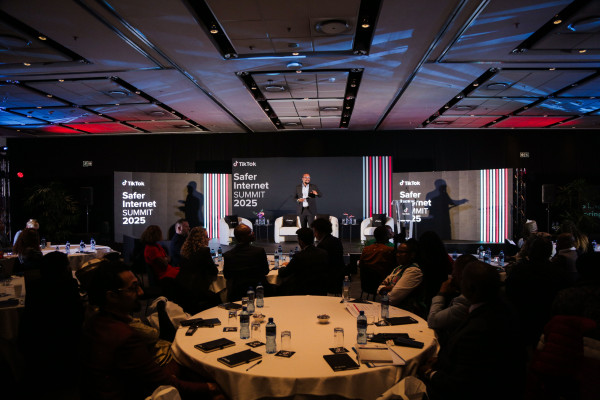
2nd Annual Sub-Saharan Africa Safer Internet Summit in Cape Town

Location: News
TikTok

TikTok (www.TikTok.com) hosted its second Annual Africa Safer Internet Summit in Cape Town, South Africa, bringing together government officials, regulators, and industry leaders from across Sub-Saharan Africa. Delegates from South Africa, Nigeria, Ethiopia, Cameroon, Cote d'Ivoire, Kenya, and other countries convened to discuss critical issues on online safety, content moderation, and digital policy development.

The Summit underscores TikTok's ongoing efforts to prioritise user safety in Africa while fostering an open dialogue with policymakers to shape robust frameworks that protect users' rights while encouraging innovation and creativity in the digital space.

Government and Industry Leaders Discuss Digital Safety

The Summit was officially opened by South Africa's Hon. Solly Malatsi, Minister of Communications and Digital Technologies, who highlighted the importance of collaboration among governments, technology platforms, and communities to foster a safer digital ecosystem.

Helena Lersch, TikTok's Vice President for Public Policy, in her remarks, reaffirmed the platform's commitment to user safety and the role of partnerships in creating a secure digital environment.

“Billions of people come to TikTok every day to create, share and connect and we're continually evolving our policies and practices to safeguard our platform so our community can discover and do what they love. This summit underscores the importance of collaboration between industry leaders and regulators in shaping a digital ecosystem that is both innovative and secure," said Lersch.

Fortune Mgwili-Sibanda, Director of Public Policy & Government Relations for Sub-Saharan Africa, further emphasised the significance of collective efforts in digital safety, stating that the Summit serves as a valuable platform for sharing insights, strengthening collaboration, and ensuring that African users, particularly young people, are protected online.

Content Moderation in Africa

During the summit, TikTok reported a significant upward trend in its content removal rate across Sub-Saharan Africa, with data showing a 249.81% increase in content removals from the second quarter of 2023 to the fourth quarter of 2024. This improvement aligns with TikTok's global standards for content moderation and community guidelines enforcement. TikTok's Community Guidelines Enforcement Reports (https://apo-opa.co/3QMZNQH) reflect the platform's continued investment in automated moderation technology, alongside human safety experts that enables the detection and removal of harmful content before it reaches users. Globally, between July and September 2024, TikTok removed more than 147 million videos, of which 118 million were detected and removed automatically using these technologies.

In Sub-Saharan Africa, TikTok removed over 7.5 million videos in Q3 2024, rising to more than 8 million in Q4 2024—an increase of 14.06% quarter-on-quarter. Notably, 99.5% of these videos were removed before any user reports, underscoring TikTok's commitment to proactive moderation and swift action.

A similar trend was observed in North Africa, where TikTok removed over 7 million videos in both Q3 and Q4 of 2024. This represented an 8.70% increase in removals between the quarters, with 99.3% of these takedowns also occurring before user reports.

These figures highlight TikTok's ongoing efforts to provide a safe and positive online environment through robust, technology-enabled content moderation systems.

#SaferTogether - Driving Safer Digital Engagement

As part of its broader commitment to digital safety and education, TikTok is expanding its efforts across Africa through strategic partnerships and training programs that promote digital literacy, safety awareness, and responsible content creation.

At the forefront of these efforts is TikTok's flagship #SaferTogether campaign, which has achieved notable milestones since its launch in 2022.

In Kenya, the initiative, run in partnership with Eveminet (https://apo-opa.co/3Y8mHG7), a youth online protection organisation, has reached over 406,000 participants through in-person workshops across the country. These sessions provided communities with the knowledge and tools needed for responsible online engagement, particularly among students, teachers, and parents.

By working closely with civil society organisations, educators, and government agencies, TikTok continues to integrate proactive safety measures into its platform governance, creating safer digital environments for young users.

In Nigeria, TikTok launched Phase 2 of the #SaferTogether campaign in partnership with the National Information Technology Development Agency (NITDA) (https://apo-opa.co/3FFyx4d) and Data Science Nigeria (DSN) (https://apo-opa.co/3QNqzbJ). Building on the success of Phase 1, which educated parents in major cities such as Abuja, Lagos, and Kano on TikTok's safety features and mental well-being tools, the second phase aims to reach additional states and expand safety awareness among parents, teachers, and guardians.

Since September 2024, TikTok has also partnered with local creators across Sub-Saharan Africa to raise awareness about its safety features and Community Guidelines.

In Egypt, TikTok signed a Memorandum of Understanding (MoU) with the Journalists Syndicate to boost digital awareness, media literacy, and the detection of misinformation and online privacy risks. As part of this partnership, TikTok and the Syndicate hosted a one-day workshop equipping journalists and media professionals with the skills to navigate digital technologies safely and effectively. This collaboration underscores TikTok's ongoing commitment to empowering media professionals and supporting a more informed and digitally literate society.

Shaping the Future of Digital Safety in Africa - Global Youth Council

TikTok is also making a significant step in amplifying youth voices by expanding its Global Youth Council (https://apo-opa.co/4j2OWxZ) for 2025, further strengthening African representation. Originally launched in 2023 to empower young users and shape platform policies, the Global Youth Council has now nearly doubled in size, featuring 28 members from 15 countries. New representatives from Nigeria, Cameroon, Canada, Qatar, and Australia will join returning members from Brazil, Indonesia, Kenya, Mexico, the UK, and the US for a second term. The Youth Council plays an important role in shaping TikTok's safety, well-being, and inclusivity policies, ensuring that young users have a voice in the platform's continued evolution.

The Safer Internet Summit serves as an essential forum for best practice sharing between industry leaders and policymakers. By fostering collaboration, TikTok aims to ensure that digital spaces remain safe, inclusive, and conducive to creativity while balancing the need for effective governance and innovation.

"We value forums such as TikTok's Safer Internet Summit, which bring policymakers into one room for a shared purpose: keeping internet users safe. We are incredibly proud to be a partner of TikTok's #SaferTogether campaign. This collaboration not only underscores our shared commitment to fostering a safer online environment, but also opens new avenues for innovation and collaboration that will enable us to scale our efforts effectively for a safer internet for all.." — Emmanuel Edet - Acting Director, Regulation and Compliance NITDA

For more information on TikTok's safety policies and initiatives, visit our Safety Centre (https://apo-opa.co/4iYko0q), Guardian's Guide (https://apo-opa.co/3QPAKfS) and Youth Safety Center (https://apo-opa.co/4j9JWrB).

Link: https://apo-opa.co/4hZ3JZS

Distributed by APO Group on behalf of TikTok.

Media files
TikTok
Download logo
Read more2nd Annual Sub-Saharan Africa Safer Internet Summit in Cape Town
27 March 2025

SA-EU relations flourishing

Location: News

SA-EU relations flourishing

By Nomonde Mnukwa

South Africa’s first democratic elections on 27 April 1994 signalled not only the end of the brutal system of apartheid, but also a change in the country’s international image.

The country’s struggle for liberation and reconciliation has shaped its identity and global standing. South Africa has positioned itself as a champion of international solidarity.

South Africa’s unique approach to global issues has found expression in the concept of Ubuntu. These concepts inform our approach to diplomacy and shape our vision of a better world for all.

This philosophy translates into an approach to international relations that respects all nations, peoples, and cultures. It recognises that it is in our national interest to promote and support the positive development of others.

As we celebrate our over 30 years of freedom and democracy, South Africa’s global repositioning can be seen with the strong strategic partnership with the European Union that is premised on values such as democracy, human rights and the rule of law.

Immediately after his release from prison thirty-five years ago, President Nelson Mandela, our first democratic President, travelled to the European Parliament to receive the Sakharov Prize for Freedom of Thought. This honorary award is the highest tribute given by the European Union (EU) to individuals who contributed to the fight for human rights.

During this visit, the former president, who is affectionately known as Madiba addressed the European Parliament and thanked the European countries for their contribution towards our fight for freedom. He also called on them to support us as we set about rebuilding the country and reversing the legacy of apartheid, which continues to be felt up to this day.

This visit marked the beginning of official relations between South Africa and the EU in pursuit of our national interests, especially to tackle pressing challenges we inherited under apartheid. In 1999 for instance, we became the first African country to sign a Free Trade Agreement (FTA) with the EU known as the South Africa-European Union (EU) Trade, Development and Cooperation Agreement (TDCA).

In 2007 we further deepened our relations through the adoption of the South Africa – EU Strategic Partnership Joint Action Plan. The plan is essentially a roadmap for cooperation in various key areas such as trade, climate change, science and technology as well as regional and global issues.  

The TDCA agreement has helped our country to integrate into the global economy and it established a Political Dialogue between South Africa and the EU at the Ministerial level. This high-level dialogue advances the EU-South Africa strategic partnership across key areas such as trade, energy, peace and security and multilateralism.

We are pleased that as we celebrate 30 years of democracy and thirty-five years since Madiba’s release and visit to the EU Parliament, our relationship with the EU continues to flourish and is mutually beneficial. South Africa remains the EU's key trade partner on the African Continent, and the EU as a bloc is South Africa's largest trading partner.

Total trade between South Africa and EU has increased by 44 percent over the past five years; recording an increase from R586 billion in 2019 to R846 billion in 2023. The EU accounts for 41 percent of total Foreign Direct Investment (FDI) in the country and over 2,000 EU companies operate in South Africa, supporting more than 500,000 direct and indirect jobs.

To further discuss shared priorities and foster stronger ties between South Africa and EU, in February this year, we successfully hosted the 16th Ministerial Political Dialogue. The Dialogue was co-chaired by the Minister of International Relations and Cooperation, Ronald Lamola and Kaja Kallas, the EU High Representative for Foreign Affairs and Security Policy and Vice President of the European Commission.

During this dialogue, both parties reiterated their commitment to multilateralism, rules-based international order, and the centrality of the United Nations Charter. They agreed on the need to make the UN Security Council more representative, inclusive, transparent, efficient, democratic and accountable. They further discussed issues of trade and investment, along with greater mutual cooperation and reinforced bilateral relations between South Africa and the EU.

The dialogue also served as preparatory meeting for the EU-South Africa Summit which was held in South Africa on 13 March 2025. Our national priorities of reducing poverty, unemployment and inequality underpin our work at the SA-EU Summit. In line with commitments in the National Development Plan we engage with our EU counterparts to further grow our economy and develop our society.

The summit was also an opportunity to set new priorities for the Strategic Partnership, including in trade and investment, and to reinforce the shared values underpinning the partnership. During the summit, the EU announced a 4.7-billion-euro investment package to support mutually beneficial investment projects. The investment package covers areas such as critical raw mineral processing, green hydrogen, renewable energy, transport and digital infrastructure, local vaccine and pharmaceutical production, and resources for skills development.

The two parties further agreed to launch negotiations towards a Clean Trade and Investment Partnership to support the development of cleaner value chains for raw materials and local beneficiation, renewable and low carbon energy, and clean technology. Both parties committed to work together to address existing challenges in trade in animal and plant products. South Africa committed to find a solution to facilitate the imports of poultry from disease-free areas in the European Union into South Africa.

The Summit was also an opportunity for South Africa to influence international policies that could have an impact on our own economy. Both parties agreed to support a just, comprehensive, and lasting peace on conflicts around the globe including Ukraine, the Democratic Republic of the Congo and Palestine. This includes a need to reform the UN Security Council.  

Furthermore, the European Union expressed support for South Africa's G20 Presidency in 2025, and our hosting of the G20 Summit at the end of the year. The EU also pledged to strengthen the G20 Compact with Africa.

Government welcomes the visit by the EU leaders to the country and we are confident that the agreements signed will not only accelerate economic growth but will help South Africa eradicate the triple challenge of unemployment, poverty and inequality.

*Nomonde Mnukwa is the Acting Director General of the GCIS


Janine
Thu, 03/27/2025 - 09:37
77 views

Read moreSA-EU relations flourishing
26 March 2025

Water and Sanitation Indaba to tackle SA’s water security challenges

Location: News

Water and Sanitation Indaba to tackle SA’s water security challenges

The development of a high-level national turnaround plan for water security will take centre stage at the National Water and Sanitation Indaba. 

The South African government will convene the indaba at Gallagher Convention Centre in Midrand, Gauteng, to address the provision of water security in the country.

Set for Thursday and Friday, the indaba underscores government’s ongoing commitment to tackling South Africa’s water security challenges, and ensuring reliable and sustainable water and sanitation services for all citizens.

With its focus on water security and provision, the two-day gathering takes place during National Water Month and Human Rights Month, a significant period that underpins the importance of water as a fundamental human right and a critical resource for socio-economic development.

The timing of the gathering also underscores the urgency of addressing water and sanitation challenges so as to uphold the dignity and well-being of all South Africans.

The two-day event will build on the outcomes of the Water Summit that was held in January 2024, which engaged all Water Services Authorities (WSAs), following the release of the Blue, No Drop Reports, as well as the Green Drop Progress Report in December 2023.

The summit identified critical challenges facing the sector, including aging, poor operation and maintenance infrastructure, organised criminality, water tankering and extortion mafia, vandalism of essential public infrastructure and corruption.

The summit also identified challenges including the growth of informal settlements, financial mismanagement, revenue shortfalls, mounting sector debt, illegal water connections, overconsumption and high levels of physical water losses as among the root causes of water supply challenges in most communities across the country.

The high-level event will bring together key stakeholders, including the Presidential Water Task Team that was set up by President Cyril Ramaphosa, the water boards, WSAs, the business sector, as well as thought leaders in the water sector.

Given South Africa’s classification as a water-scarce country, with rainfall levels significantly below the global average and further exacerbated by climate change, the Department of Water and Sanitation said the indaba will prioritise the development of a high-level national turnaround plan on water security.

“This strategy will align with the objectives of the 7th administration’s Medium-Term Development Plan (2025-2029) and Operation Vulindlela 2.0 (second round of economic reforms under Operation Vulindlela) to ensure a water-secure and resilient future. The Water and Sanitation Indaba seeks to devise immediate solutions that will ensure reliable and sustainable water supply to communities,” the department said in a statement.

The event will also assess progress made on implementing the 2024 Water Summit’s resolutions and mobilise various sectors and expertise to agree on a comprehensive national water and sanitation plan.

The department said this plan will focus on expanding access to water and sanitation services, enhancing water infrastructure, and implementing effective measures to improve water security and service reliability.

According to the department, the indaba represents a pivotal moment in government’s efforts to secure South Africa’s long-term water future.

“Following President Cyril Ramaphosa’s announcement during his State of the Nation Address that water has been elevated as a top priority of government, the outcomes of the indaba will reaffirm government’s unwavering commitment to overcoming sectoral challenges and fostering collaboration across all levels of society. 

“[This is] to build a sustainable water and sanitation sector, and further reinforce government’s dedication to ensuring that every South Africa has access to safe and reliable water and sanitation services,” it said.  – SAnews.gov.za

GabiK
Tue, 03/25/2025 - 15:42

559 views

Read moreWater and Sanitation Indaba to tackle SA’s water security challenges
26 March 2025

Motsoaledi urges global action to address health funding gaps

Location: News

Motsoaledi urges global action to address health funding gaps

Health Minister Dr Aaron Motsoaledi has reiterated the importance of nations reallocating resources towards health, strengthening global health partnerships, and exploring innovative financing mechanisms to address funding gaps.

The Minister was delivering the keynote address at the second meeting of the G20 Health Working Group today in Ballito, KwaZulu-Natal.

The Minister used the platform to highlight South Africa’s commitment to universal health coverage (UHC) through the National Health Insurance (NHI) system, which aims to provide financial protection and efficient resource utilisation.

“In South Africa, we are actively pursuing transformation to achieve universal health coverage through our NHI system.

“The NHI is designed to provide financial protection for all, ensuring that access to quality healthcare is not dependent on one’s ability to pay [for] it, and it will also assist in the efficient utilisation of our resources by pulling funds and strategically purchasing services.”

Motsoaledi cited data from the World Health Organisation (WHO), which indicate that the number of people shielded from catastrophic health spending had been steadily increasing before the COVID-19 pandemic. However, since then, about 100 million people have fallen back into financial hardship due to health-related expenses.

Motsoaledi believes that the NHI is a concrete demonstration of government’s commitment to leaving no one behind, and fostering and strengthening the resilience of the health system.

The Minister quoted the late Harvard Department of Anthropology’s Professor Paul Farmer on the value of all lives and urged G20 members to increase public financing of health systems as a fundamental investment.

“I want to quote the idea that 'some lives matter less' is the root of all that is wrong with the world.

“We implore all G20 members to champion increased public financing of health systems.

“This is not merely a budgetary issue; it’s a fundamental investment in our collective future.”

Motsoaledi urged attendees to prioritise public health over competing interests, ensuring that adequate resources are allocated to meet the health needs of the nation’s populations.

“Furthermore, we must all align our efforts beyond financing. We must address the persistent health inequities that plague our world.”

Non-communicable diseases

Motsoaledi highlighted the importance of addressing health inequities, particularly in low and middle-income countries, and the need for multilateral approaches to prevent and control non-communicable diseases (NCDs).

He said the upcoming United Nations High-Level Meeting on NCDs is seen as a crucial opportunity to galvanise global action against chronic conditions like heart disease, cancer, diabetes and chronic respiratory diseases.

“We must alleviate the financial burden, restrict unhealthy food marketing, finance emergency health services, and accelerate cervical cancer elimination, the only cancer which is preventable.”

The theme of the three-day meeting is: “Accelerating Health Equity, Solidarity, and Universal Coverage”.

Along with this meeting, a co-sponsored event focused on eliminating cervical cancer, is also taking place.

“We must move beyond dialogue and commit to concrete steps. South Africa is committed to collaborating with all the G20 members to achieve our shared goals. 

“Let us work together to ensure that health remains a priority, not a commodity, especially during these unstable economic times,” Motsoaledi added.

South Africa, which assumed the G20 Presidency in December, is currently hosting various working groups and ministerial meetings throughout the country. 

These meetings are focused on key topics such as health, employment, trade, tourism, and the digital economy -- all in preparation for the G20 Leaders’ Summit scheduled for November this year.

The G20 comprises 19 countries including Argentina, Australia, Brazil, Canada, China, France, Germany, India, Indonesia, Italy, Japan, Korea, Mexico, Russia, Saudi Arabia, South Africa, Türkiye, United Kingdom, and the United States. It also includes two regional bodies – the European Union (EU) and the African Union (AU). – SAnews.gov.za

Gabisile
Wed, 03/26/2025 - 11:43
166 views

Read moreMotsoaledi urges global action to address health funding gaps
26 March 2025

George rallies world leaders to accelerate efforts to achieve SDGs

Location: News

George rallies world leaders to accelerate efforts to achieve SDGs

Minister of Forestry, Fisheries and the Environment, Dr Dion George, has called on the international community to urgently accelerate efforts to achieve the Sustainable Development Goals (SDGs).

“We are less than five years away from our deadline to achieving the SDGs and the end of this critical decade for climate action. Yet, we are still far from our goals and action targets,” the Minister said on Tuesday.

The United Nations describes the SDGs as the “blueprint to achieve a better and more sustainable future for all” by addressing global challenges related to poverty, inequality and climate change, among others, with the year 2030 set as the target to meet the goals.

Addressing the Group of Twenty (G20) Environment and Climate Sustainability Working Group (ECSWG) virtually, the Minister said poverty levels are worsening, and that carbon dioxide (CO2) emissions reached record highs last year. 

“This calls for an urgent acceleration of our efforts. Our commitment to achieve these goals must not waver. That is why South Africa has placed solidarity, equality and sustainability at the centre of our G20 Presidency.

“As the international community, together, we committed ourselves to the ambitious agenda to end poverty and hunger, to protect our planet, to achieve universal education and health coverage, and to promote decent work and sustainable economic growth by adopting the 2030 Agenda for Sustainable Development and its Sustainable Development Goals,” George said.

The Minister said South Africa is striving to champion and fast-track action in the pursuit of a just transition to a low-carbon, climate resilient and inclusive society, and lead by example. 

Last week, President Cyril Ramaphosa proclaimed the Climate Change Act, laying the ground for ambitious climate action domestically. 

Earlier this month, the Minister informed the public that the President proclaimed the Climate Change Act, 2024, with the proclamation notice published in the Government Gazette on 17 March 2025, which was the commencement date of the Act.

“The Act is intended to enable the development of an effective climate change response and a long-term, just transition to a low-carbon and climate-resilient economy and society for South Africa in the context of sustainable development; and to provide for matters connected therewith,” the Minister said at the time.

The Act lays the foundation for a green economy that is resilient, inclusive and future-focused. It creates a clear framework for climate action.

In his address on Tuesday, the Minister said South Africa’s rollout of renewable energy has materially accelerated over the past few years, driving the decarbonisation of South Africa’s energy system, while the implementation of Expanded Producer Responsibility schemes and circular economy initiatives is improving waste management.

“The task remains immense. Poverty, unemployment, hunger, inequality, environmental degradation and climate change are but a few of the complex and interconnected issues facing the world today. 

“...We thus reiterate the critical role of multilateralism in addressing these complexities, and South Africa’s very strong support for multilateralism,” the Minister explained.

Priorities 

George said the five interrelated priorities of the Environment and Climate Sustainability Working Group provide an opportunity to address multiple complexities within this context, while advancing the achievement of the Sustainable Development Goals.

The priorities include Biodiversity and Conservation, Land Degradation, Desertification and Drought, Chemicals and Waste Management, Climate Change and Air Quality, as well as Oceans and Coasts.

“These priorities of the G20 Environment and Climate Sustainability Working Group for this year are viewed as critical enablers to address poverty, create employment and meet other sustainable development goals, thereby contributing towards the global effort to respond to the triple complexities of climate change, pollution and biodiversity loss, in line with the overall theme of South Africa’s G20 Presidency of Solidarity, Equality and Sustainability,” the Minister said.

As a primary outcome of the G20 Presidency this year, South Africa will explore ways that the G20 can leverage opportunities to increase the scale and flows of climate finance, critical to enabling the Just Transition, mitigation and adaptation efforts, while ensuring that the required investments reach the most vulnerable of society. 

“It is paramount for developing economy countries to be actively supported in their efforts to achieve ‘whole of society and whole of economy’ just transitions to sustainable development on the ground, through scaled access to low-cost finance, technology and skills.

“It is also increasingly recognised that many people across the globe are exposed to unhealthy and often deadly levels of air pollution, and that the impacts of air pollution extend beyond health - affecting climate, biodiversity, ecosystems and economic development. 

“This is also a key issue that needs to be addressed, and to which this Working Group can contribute. There are very extensive synergies between decarbonisation and the improvement of air quality,” the Minister said. - SAnews.gov.za

nosihle
Wed, 03/26/2025 - 07:56
106 views

Read moreGeorge rallies world leaders to accelerate efforts to achieve SDGs
25 March 2025

UN Tourism Launches Investment Guidelines: “Tourism Doing Business: Investing in Namibia”

Location: News

World Tourism Organization (UN Tourism)
Download logo

UN Tourism has presented its “Tourism Doing Business” guidelines, focused on the opportunities for international investors in Namibia's burgeoning tourism sector

“Tourism Doing Business Investing in Namibia” aims to attract potential investors and provides essential insights into the vibrant opportunities within Namibia's tourism sector. The guidelines showcase Namibia's unique cultural heritage, robust economy, and supportive business environment, highlighting areas of potential significant growth in the years ahead.

Namibia: A thriving tourism ecosystem

Namibia, known for its breathtaking landscapes and rich cultural heritage, is poised for significant growth in tourism investment. With its unique positioning as a gateway to Southern Africa, the country offers a diverse array of attractions, from the iconic dunes of Sossusvlei to the remarkable wildlife of Etosha National Park. According to UN Tourism's guidelines:

  • Namibia has demonstrated steady economic growth and stability. In 2024, the country recorded GDP growth of 3.1%, which is projected to rise to 4.2% in 2025.
  • The country is also growing as a tourism destination. Namibia welcomed 863,872 international visitors in 202, an 87.4% increase on 2022
  • The tourism sector contributed 6.9% to GDP, generating USD 348 million in international tourism receipts in 2023.
  • Namibia has experienced remarkable growth in Foreign Direct Investment (FDI), with inflows reaching USD 2.61 billion in 2023—a significant increase from USD 1.06 billion in 2022. Major contributors to FDI include China (29.6%), South Africa (22.4%), the United Kingdom (9.4%), and Mauritius (6.8%).

UN Tourism Secretary-General Zurab Pololikashvili says: “Namibia's diverse investment opportunities and its dedication to sustainable growth make it an interesting destination for global investments. The country's efforts in energy transition and tourism expansion reflect its commitment to innovation and inclusivity."

Highest level political support for tourism in Namibia

The Investment Guidelines were officially launched as part of a visit by the UN Tourism leadership to Namibia. In Windhoek, Secretary-General Pololikashvili was honored to attend the Inauguration of H.E Dr. Netumbo Nandi-Ndaitwah as Namibia's 5th President, and the first woman to hold the office. The inauguration coincided with celebrations of the 35th Anniversary of Independence for the country.

Secretary-General Pololikashvili also delivered a Keynote Address at the  Namibia University of  Science and Technology as part of a special day focused on harnessing the power of technology to build a more inclusive and resilient tourism sector across Africa.

Distributed by APO Group on behalf of World Tourism Organization (UN Tourism).

Read moreUN Tourism Launches Investment Guidelines: “Tourism Doing Business: Investing in Namibia”
25 March 2025

African Union and European Union Celebrate 25 Years of Strengthened Partnership

Location: News

African Union (AU)
Download logo

The African Union (AU) and the European Union (EU) launched a year-long celebration marking the 25th anniversary of their enduring and unique partnership, since the first Africa-Europe Summit on 3-4 April 2000 in Cairo.

This milestone, aligned with the Africa Agenda 2063 and the Global Gateway Investment Package for Africa, underscores the powerful impact of two unions representing over 1.9 billion people and accounting for more than 40% of the UN's membership.

In the lead-up to the Ministerial Meeting on 21 May 2025, in Brussels, gathering over 80 governments and the new leadership of both AU and EU, a series of anniversary initiatives will be promoted. These will include joint outreach explaining the development of the partnership and concrete results and open dialogues on shared challenges. These activities will pave the way for the 7th African Union-European Union Summit to be hosted in Africa later this year.

The 25th anniversary will highlight the strategic alignment of the AU-EU partnership around the four central pillars of the Joint Vision for 2030 adopted by African and European leaders at their Summit in 2022.

Key Pillars of the AU-EU Partnership:

1. Prosperity: a prosperous and sustainable Africa and Europe

The AU and EU are committed to fostering regional economic integration and sustainable growth, bringing together people, regions, and organisations. The Global Gateway Africa-Europe Investment Package , actively supports the implementation of the Africa Agenda 2063. The EU is Africa's first trading partner and AU and EU work together on sustainable trade and investment that create growth and jobs, as well as, on accelerating the green and digital transitions strengthening health systems and improving education and skills.

2. Peace, Security and Governance: Partnering for Stability

The AU and EU are committed to a joint approach to peace, security, and governance, recognising that stability, the rule of law and democratic institutions are fundamental for sustainable development. Under the African leadership, the EU is an active and long-term partner for peace with civilian and military training and security missions and for the African Peace and Security Architecture (APSA).

3. People: Investing in Human Development

Human development remains at the core of the AU-EU partnership. Joint initiatives on migration and mobility, education, culture, exchange opportunities, social inclusion and humanitarian affairs, empower people, especially women and youth, to build prosperous and inclusive societies. The EU and the AU are committed to the rule of law, good governance, democratic principles, respect for human rights, gender equality, and justice.

4. Planet: A Global Force for Multilateralism and Sustainability

Representing more than 40% of the UN's membership, the AU and EU are a formidable force for strong support for the multilateral system, with the UN Charter at its core, and for environmental sustainability. Both are working to increase the legitimacy and effectiveness of the multilateral system: cooperation within the G20, chaired by South Africa, and the Pact for the Future are two examples. Together, they are driving global action to promote shared fundamental values and to address climate change and protect the planet.

Distributed by APO Group on behalf of African Union (AU).

Read moreAfrican Union and European Union Celebrate 25 Years of Strengthened Partnership
25 March 2025

Hydroponic farming system overall winner of Global Cleantech Innovation Programme Awards

Location: News

Hydroponic farming system overall winner of Global Cleantech Innovation Programme Awards

A groundbreaking hydroponic farming system has won first prize at the Global Cleantech Innovation Programme – South Africa (GCIP-SA) Awards. 

This innovative system allows farmers to grow crops using up to 90% less water and requires only 10% of the land compared to traditional farming methods.

AB Farms, founded by Mogale Maleka, beat seven other competitors for the coveted sustainable development prize.  

Hosted by the Department of Science, Technology and Innovation (DSTI) entity, the Technology Agency (TIA), the United Nations Industrial Development Organisation (UNIDO) and the Global Environment Facility, the recently held awards acknowledged the outstanding achievements of entrepreneurs and innovators, who are driving sustainable solutions for a greener future.

According to the department, the GCIP is instrumental in South Africa’s response to the challenge of climate change by nurturing and accelerating cleantech startups and small, medium, and micro enterprises (SMMEs). 

The programme aligns with the Paris Agreement objectives and also supports South Africa in achieving its Nationally Determined Contribution targets to reduce carbon emissions from 350 to 420 megatonnes of carbon dioxide equivalent by 2030.

Maleka’s farm was recognised for its commitment to clean energy solutions.  

“His innovation also reduces electricity consumption by 50% and fertiliser use by 40%, making it a game-changer for resource-scarce regions. Designed for resilience, the system ensures consistent irrigation, even during power or water disruptions,” the statement read. 

Congratulating the finalists and winners, DSTI Minister Professor Blade Nzimande stressed the urgent need for sustainable solutions in South Africa, where environmental challenges such as water scarcity, air and water pollution, biodiversity loss, and extreme weather events are deepening socio-economic disparities.

“Unsustainable patterns of consumption and production have led to the triple planetary crisis of climate change, nature and biodiversity loss, and pollution and waste,” Nzimande said. 

According to the Minister, this crisis has resulted in severe environmental problems, including extreme weather events like droughts, floods, heatwaves and storms, which cause widespread damage to infrastructure, agriculture, and human lives.  

“South Africa, like many other parts of the world, is grappling with these challenges, making the need for climate-resilient infrastructure even more urgent,” Nzimande said. 

The 2025 GCIP-SA Awards also recognised other outstanding innovators in sustainable solutions.
Runner-up, Econova Solutions, led by Sanele Mabizela, was honoured for its impactful work in clean energy and environmental sustainability.  

Econova converts organic waste into biogas and organic fertilisers.  

Meanwhile, the second runner-up spot went to the Graduated Man of Steel, represented by Lunga Calvin Mahlangu, for an innovation that produces affordable electric micro-mobility solutions for urban and industrial transport.

Acting Chief Executive Officer of the TIA, Ismail Abdoola, commended the entrepreneurs for driving clean technology innovations and reaffirmed the TIA’s commitment to strengthening the programme’s impact.

“We recognise the remarkable achievements of the GCIP-SA and the entrepreneurs shaping the future of our country’s cleantech ecosystem.  This... is not just about celebrating accomplishments but about reaffirming our shared vision for innovation, sustainability and progress,” said Abdoola at the awards ceremony.

He also acknowledged the long-standing partnership between TIA and UNIDO, which has been instrumental in driving the success of GCIP-SA, and supporting local entrepreneurs in refining their solutions and positioning them for market success.

“The GCIP is more than a programme, it is a movement, a movement that brings together innovation, collaboration, and purpose-driven action in support of a sustainable future. As we look ahead, let us be inspired by the work done so far and remain committed to building a greener and more resilient South Africa,” Abdoola added. 

The winner and runners-up will represent South Africa, in the global installment of the Cleantech Awards in Turkey in September 2025. – SAnews.gov.za
 

Gabisile
Tue, 03/25/2025 - 10:13
408 views

Read moreHydroponic farming system overall winner of Global Cleantech Innovation Programme Awards
25 March 2025

inDrive Champions Female Empowerment in South Africa’s E-Hailing Industry

Location: News
inDrive

As South Africa continues to grapple with a persistently high unemployment rate, with 35% of women unemployed in the last quarter of 2024, global mobility leader inDrive (www.inDrive.com) is taking action to drive meaningful change. With a mission to impact 1 billion people globally through challenging injustice, inDrive is committed to increasing female representation in South Africa's e-hailing industry and creating economic opportunities for women.

This International Women's Month, inDrive is taking a bold step toward greater inclusivity by setting a target to onboard over 400 female drivers in Cape Town. By creating more earning opportunities for women and meeting the growing demand for female drivers, this initiative seeks to foster a more diverse and equitable ride-hailing industry. Increasing female representation behind the wheel is a key move toward economic empowerment and a more inclusive mobility landscape.

Recent research revealed that over 80% of e-hailing passengers would prefer female drivers when given a choice. These findings highlight the critical need for increased female participation in the industry, ensuring more inclusive, and trusted mobility experience for all.

“We understand the barriers women face in accessing employment opportunities in South Africa. Our commitment to increasing female driver participation is just one of the ways we aim to create more equitable opportunities,” said Ashif Black, Country Representative at inDrive South Africa. “Passengers also have the option to select female drivers, enhancing their control over the ride experience and further empowering women in the industry.”

Beyond economic empowerment, inDrive's initiative strengthens trust and confidence in South Africa's ride-hailing services by providing passengers—especially women—with greater choice. As the company continues its global mission to challenge injustice, create opportunities, and redefine fair mobility, it remains steadfast in its commitment to driving gender equality in the transport sector.

Distributed by APO Group on behalf of inDrive.

Press Contact:
Public Relations Manager - inDrive Africa
Lineo Thakhisi
Phone: +2781 3636 872
Email: lineo.thakhisi@indriver.com

About inDrive:
inDrive is a global mobility and urban services platform. The inDrive app has been downloaded over 280 million times, and was the second most downloaded mobility app for the third consecutive year. In addition to ride-hailing, inDrive provides an expanding list of urban services, including intercity transportation and delivery. In 2023, inDrive launched New Ventures, a venture and M&A arm.

inDrive operates in 888 cities in 48 countries. Driven by its mission of challenging social injustice, the company is committed to having a positive impact on the lives of one billion people by 2030. It pursues this goal both through its core business, which supports local communities via a fair pricing model; and through the work of inVision, its non-profit arm. inVision's community empowerment programs help to advance education, sports, arts and sciences, gender equality and other vital initiatives.

For more information visit www.inDrive.com

Media files
inDrive
Download logo
Read moreinDrive Champions Female Empowerment in South Africa’s E-Hailing Industry
25 March 2025

Motsoaledi to open second G20 Health Working Group meeting in KZN

Location: News

Motsoaledi to open second G20 Health Working Group meeting in KZN

Health Minister Dr Aaron Motsoaledi will deliver the keynote address at the opening of the second meeting of the Group of Twenty (G20) Health Working Group on Wednesday.

The meeting will take place at the Capital Zimbali Resort in Ballito, KwaZulu-Natal, and will last for three days. 

The theme of the meeting will be “Accelerating Health Equity, Solidarity, and Universal Coverage".

Motsoaledi will be joined by Deputy Health Minister Dr Joe Phaahla, KwaZulu-Natal Premier Thami Ntuli, and KwaZulu-Natal Health MEC Nomagugu Simelane.

The event will also include several side events that provide a platform for delegates to engage in bilateral and multilateral discussions on various critical issues, including strengthening health systems and promoting equitable access to health services. 

Key issues for discussion during the meeting and side events include financial protection for universal health coverage (UHC) and maintaining health financing amid a challenging global economy. 

The meeting will also zoom into strengthening investments and advancing UHC, bridging the equity gap to accelerate action to address the burden of non-communicable diseases, and responding to the global health financing emergency. 

The Department of Health has announced that a co-sponsored event focused on the elimination of cervical cancer will take place alongside this meeting. 

Delegates from G20 countries, invited nations, representatives, and international organisations will be in attendance. 

South Africa holds the G20 Presidency from 1 December 2024 to 30 November 2025, only five years before the deadline of the United Nations (UN) 2030 Agenda. South Africa has embraced the theme “Solidarity, Equality, Sustainability” for its G20 Presidency. 

The G20 comprises 19 countries including Argentina, Australia, Brazil, Canada, China, France, Germany, India, Indonesia, Italy, Japan, Korea, Mexico, Russia, Saudi Arabia, South Africa, Türkiye, United Kingdom, and the United States and two regional bodies, namely the European Union (EU) and the African Union (AU). 

The first virtual G20 Health Working Group meeting was held in January as part of the country’s G20 Presidency activities planned for this year. – SAnews.gov.za

Gabisile
Tue, 03/25/2025 - 10:32
14 views

Read moreMotsoaledi to open second G20 Health Working Group meeting in KZN
25 March 2025

CEIF: CLG Workshop Offers Insight into Congo’s Legal Framework

Location: Business
Energy Capital & Power

Pan-African legal firm CLG – formerly Centurion Law Group – led a workshop during the inaugural Congo Energy & Investment Forum (CEIF) on the country's legal and fiscal frameworks. The workshop – Mastering Business in Congo: Challenges and Strategic Solutions for Success –  delved into strategies investors can deploy to navigate the Republic of Congo's business environment as the country prepares to launch an international licensing round.

As a leading provider of specialized legal and tax advisory services, CLG – a Legal Partner of CEIF 2025 - caters to a diverse portfolio of multinational energy companies. With offices in the Republic of Congo, Germany, South Africa, Nigeria, Mauritius, Ghana, Cameroon, Equatorial Guinea, Namibia and South Sudan, the firm delivers bespoke solutions for a variety of challenges faced by oil and gas companies. The CLG workshop underscored how the firm's expertise can support oil and gas projects in the Republic of Congo as the country targets 500,000 barrels per day of oil.  

“Our goal is to provide solutions by interpreting regulations, ensuring companies can operate freely. We have advisors across several African countries,” stated Zion Adeoye, CEO and Group Managing Partner, CLG.

The country's strong Central African presence and deep knowledge of the associated legal frameworks gives it an edge in the region's energy landscape. According to Yves Ollivier, Managing Director, CLG Congo, the firm's services in the region include M&A transactions, due diligence, legal secretariat services for oil and gas companies and expertise in intellectual property and immigration laws.

“We provide legal opinions in various fields, including employment law, corporate structuring and contract negotiations,” he explained.

In addition to these services, CLG has strong expertise in taxation. Daoudou Mohammad, Director: Tax and Legal, CLG Congo, explained that the firm assists companies with tax compliance, fiscal advisory services and global tax audits. “We conduct comprehensive tax reviews and offer targeted training upon request,” he said.

For the Republic of Congo, these services will play a key role in facilitating investment, advancing projects and realizing the country's energy production goals. Given the complexity of the oil and gas sector, understanding the potential challenges associated with the industry is vital.  

Oneyka Cindy Ojogbo, Deputy Managing Director & Partner, CLG, explained that, “Understanding all contractual details is crucial, especially in the gas sector. We have encountered cases where disputes arose due to poorly negotiated agreements. Anticipating potential legal issues is key to mitigating risks.”

Additional challenges include misunderstanding of the requisite taxation laws. Mohammad pointed out that many companies fail to consider available tax exemptions, leading to missed opportunities for fiscal optimization. “A thorough assessment of tax incentives can significantly reduce financial burdens. Companies should proactively evaluate their eligibility for exemptions,” he advised.

Distributed by APO Group on behalf of Energy Capital & Power.

The inaugural Congo Energy & Investment Forum, set for March 24-26, 2025, in Brazzaville, under the highest patronage of President Denis Sassou Nguesso and supported by the Ministry of Hydrocarbons and Société Nationale des Pétroles du Congo, brings together international investors and local stakeholders to explore national and regional energy and infrastructure opportunities.

Media files
Energy Capital & Power
Download logo
Read moreCEIF: CLG Workshop Offers Insight into Congo’s Legal Framework
24 March 2025

AEW 2025 to Host NOC-IOC Forum in Cape Town

Location: Business

African Energy Chamber
Download logo

This year's African Energy Week (AEW): Invest in African Energies conference will debut the first-ever National Oil Company (NOC) and International Oil Company (IOC) Forum, a dynamic platform that brings key public and private sector stakeholders into direct conversation to drive investment, secure new deals, foster local capacity building and advance exploration.

A key focus of the forum will be enhancing collaboration in the exploration, development and production of hydrocarbon resources across the continent, with an emphasis on data sharing and joint decision-making to unlock untapped potential. In South Africa, TotalEnergies is preparing to drill its first exploration well on Block 3B/4B, leveraging 14,000 km of 2D seismic and 10,800 km² of 3D seismic, with a large set of exploration prospects already identified. In Angola, Sonangol is ramping up offshore exploration on Block 6/24, focusing on geological and geophysical studies and seismic data reprocessing to assess the block's resource potential, which includes a possible commercial oil discovery. Meanwhile, in Equatorial Guinea, GEPetrol has partnered with Panoro Energy on Block EG-23, conducting subsurface studies to evaluate the block's potential, with the possibility of drilling an exploration well.

In parallel, new market activity is reshaping Africa's exploration landscape, as both NOCs and IOCs pursue strategic acquisitions, partnerships and project expansions. Chevron has strengthened its presence in Equatorial Guinea by securing PSCs for two highly prospective offshore blocks. In October 2024, Brazilian NOC Petrobras acquired a 10% stake in the offshore Deep Western Orange Basin in South Africa as part of its strategy to boost reserves and expand its footprint in Africa's emerging oil and gas markets. Last month, Chinese state-backed company Sinopec signed an $850 million contract with Algerian NOC Sonatrach for exploration and development, securing a PSC covering the Hassi Berkane North license. Sonatrach is also in discussions with Eni, TotalEnergies, Chevron and ExxonMobil for exploration and development activities in the region. The NOC-IOC Forum will provide a key platform to examine these developments, fostering discussions on how public and private sector cooperation can accelerate exploration, attract capital and unlock new resource opportunities.

The NOC-IOC Forum will also focus on forging new partnerships to drive capacity-building programs and facilitate knowledge-sharing, empowering local talent in the oil and gas sector. The National Petroleum Corporation of Namibia (NAMCOR) has been active in establishing partnerships to support the country's goal of producing first oil by year-end. This includes a collaboration with QatarEnergy focused on providing training and development opportunities for NAMCOR employees in industry-specific skills. In October 2024, NAMCOR also signed an agreement with global technology company SLB to improve operational performance in decarbonization, green hydrogen and sustainable energy, with an emphasis on local capacity development. Meanwhile, Mozambique's Empresa Nacional de Hidrocarbonetos is investing in specialized offshore drilling services, reinforcing the state's involvement in the country's oil and gas projects through an agreement with Italian multinational oilfield services company Saipem.

Additionally, the NOC-IOC Forum will facilitate the exchange of insights on regional and global energy regulations, helping participants navigate the evolving energy landscape. In the Republic of Congo, Société Nationale des Pétroles du Congo is working closely with private sector companies and IOCs to gather input for its upcoming Gas Master Plan, as well as developing a new gas code aimed at modernizing the regulatory framework to attract foreign investment. This push for regulatory improvements has driven increased IOC activity in the country, with Eni advancing the second phase of its $5 billion Congo LNG project and TotalEnergies committing $600 million to expand its E&P operations, specifically in the deep offshore Moho Nord Field.

The NOC-IOC Forum offers a strategic platform for both African NOCs and IOCs to present their exploration strategies, access available acreage and showcase ongoing energy developments. By facilitating direct engagement across sectors, the forum will drive insightful exchanges on sharing data and insights to improve decision-making, optimizing operational efficiencies and unlocking new investment opportunities. These discussions will ensure that partnerships are mutually beneficial, aligning national development goals with commercial objectives while fostering a more integrated and strategic approach to Africa's energy future.

“The launch of the first-ever NOC-IOC Forum at AEW 2025 marks a pivotal moment for Africa's energy sector. By positioning key national and international stakeholders in direct dialogue, the forum aims to drive investment, foster collaboration and empower local talent. This is an exciting opportunity for both NOCs and IOCs to present their strategies, forge new partnerships and contribute to the sustainable development of Africa's hydrocarbon sector,” states NJ Ayuk, Executive Chairman of the African Energy Chamber.

AEW: Invest in African Energies is the platform of choice for project operators, financiers, technology providers and government, and has emerged as the official place to sign deals in African energy. Visit www.AECWeek.com for more information about this exciting event.

Distributed by APO Group on behalf of African Energy Chamber.

Read moreAEW 2025 to Host NOC-IOC Forum in Cape Town
24 March 2025

Johannesburg Shows How People and Planet Gain From Greener Cities

Location: News

United Nations Environment Programme (UNEP)
Download logo

The sun has set in Johannesburg, South Africa and Nntuthuzelo Ndwandwa, 39, is returning home from her job as a customer care consultant. When once she would have glanced nervously into the shadows, now she walks through a complex illuminated by solar-powered lights and enters her home, where a solar-powered heater doles out warm water for washing up. 

“We are safe during load shedding because the external lights are on solar,” says Ndwandwa. “I'm also guaranteed hot water in the morning. It has made my life so much easier.” 

This may sound like a humdrum, everyday moment, but for Ndwandwa and the other hundreds of residents of the Tshedzani Phase 3 social housing project, these basics are a revelation. They were provided through a project funded by the Global Environment Facility (GEF) that installed solar-powered equipment in public housing units across South Africa's biggest city. The effort, implemented by the City of Johannesburg, was designed to improve the quality of life of urban dwellers and fight climate change.  

Residents of the social housing project say they now feel more secure, are saving money and have more job opportunities.  

“Before the project, we had load shedding, and outside, it was dark […] we would not go outside as we were scared,” says resident Catherine Gugulethe Mbuyisa, 55. “Cars would be hijacked, washing would be stolen. But since the installation of solar power, we haven't experienced any of those problems and I've saved a lot in terms of electricity.” 

Cities at the centre of climate action  

Johannesburg is one of a growing number of global cities racing to lower their greenhouse gas emissions through better urban planning, which experts say can be a quick and easy way to reach climate targets. But such work also has a host of other benefits – from providing access to energy to protecting residents from the health hazards of open dumping. 

“Action to reduce greenhouse gas emissions doesn't just make a difference at a global level – it invariably makes a positive difference to people's lives,” says Martin Krause, Director of the UN Environment Programme's Climate Change Division. “This is particularly obvious in cities, where the concentration of people means rapid gains for people and planet are possible.” 

Today, some 56 per cent per cent of the world's population live in cities. Almost 1.2 billion of these people already face a bevy of climate-related risks, including rising seas and heatwaves. At the same time, urban areas consume around 75 per cent of the world's energy and produce around 70 per cent of global greenhouse gas emissions, reports the International Energy Agency. Urbanization is occurring rapidly, increasing the impact of cities on the environment and economy.  

But cities are also hotbeds of climate solutions. And experts say how they are designed, built and managed will significantly impact global emissions, resource consumption and resilience to climate change. That is why successful projects, such as the one in Johannesburg, are considered so important. 

“By adopting integrated approaches to support green, affordable housing, waste management and clean energy access for communities thriving amidst verdant natural spaces, cities like Johannesburg are leading the way to a sustainable urban future that benefits people, natural ecosystems and the global environment,” says Fred Boltz, Manager of GEF's Programming Division. 

Multiple benefits 

Kicked off in 2020, the GEF project focused on five key areas, including retrofitting social housing, increasing food resilience through sustainable urban farming, boosting biodegradable waste management and increasing evidence-based planning. 

As part of this work, 172 units in Roodepoort Tshedzani 3 social housing have been fitted with solar water heaters, solar panels and lithium-ion batteries, energy-saving lighting and water-saving components.  

To boost organic peri-urban farming in other areas, seeds, fertilizer and tools have been provided to farmers, alongside boreholes at four sites. Some 8,000 square metres of land is now under organic production and waiting for certification. Residents were also trained in many aspects of sustainability, including recycling, and a biodigester plant is under construction to turn waste into energy.  

These additional benefits have brought opportunities to many residents, such as Voneen Trompeter, an unemployed single mother looking for ways to support her two children. 

“This project has made me feel more worthy of being in a community, and I have learned a lot about business and recycling,” she says. “My hope for the future is to get a permanent position within the recycling programme, as it will be beneficial to me and my family.” 

While the project is set to end later in 2025, its legacy will continue—not just in the infrastructure set up for residents. Standards and guidelines are being prepared to make it easier for such initiatives to take root in other parts of Johannesburg. 

“We are excited to see the results of the GEF project coming together,” says Liana Strydom, Assistant Director, Regional Planning, City Transformation and Spatial Planning Directorate in the City of Johannesburg. “It creates momentum to mainstream our initiatives and creates hope for broader impact across many different aspects of the city's resilience and our citizens' ability to navigate climate shifts.”  

Distributed by APO Group on behalf of United Nations Environment Programme (UNEP).

Read moreJohannesburg Shows How People and Planet Gain From Greener Cities
24 March 2025

Deputy President calls urgent action to end TB in SA

Location: News

Deputy President calls urgent action to end TB in SA

Despite progress made in the fight against tuberculosis (TB), Deputy President Paul Mashatile has expressed concern that South Africa still has one of the highest TB burdens globally.

He noted that South Africa is among the 30 countries accounting for 87% of the global TB burden, highlighting that TB is preventable and curable, even for those living with HIV. 

The Deputy President has since called for urgent action to combat this infectious disease, which claims the lives of thousands of citizens each year.

South Africa commemorated World TB Day on Monday, focusing on the critical need to end TB in the country and across the globe. 

“Today, we join the global community to commemorate World TB Day. We unite as a nation with a shared purpose to end tuberculosis,” said the Deputy President. 

The Deputy President was speaking as the Chairperson of the South African National AIDS Council (SANAC) while addressing attendees at the national World TB Day event in Gamalakhe Township, Ugu District in KwaZulu-Natal.

In 2023 alone, around 270 000 South Africans were diagnosed with TB, with 56 000 deaths, equating to 153 deaths every day.

The Deputy President told the attendees that this day should serve as a reminder of the ongoing stigma and discrimination faced by those living with HIV and TB.

Two years ago, he said, SANAC initiated the development of Human Rights Charters aimed at protecting the rights of key populations affected by TB and HIV. 

While progress has been made, Deputy President Mashatile noted that some provinces are still yet to launch their charters, emphasising the need to address stigma actively.

“TB is not merely a medical issue; it is a human rights issue. Every person, regardless of their background, deserves access to life-saving treatment,” the Deputy President stressed.

Meanwhile, he said about 58 000 people with TB in South Africa remain undiagnosed.

“These are our mothers, fathers, brothers, and sisters – people who deserve care and dignity. We must reach them.”

He told the community that government was committed to maximising efforts to combat TB through four key objectives. These include raising awareness, promoting access to care, advocating for research and innovation and strengthening partnerships.

Through these initiatives, the Deputy President said government hopes to foster improved treatment success, link diagnosed patients to necessary care and reduce stigma and discrimination within communities. 

The Deputy President believes that collective action and commitment are imperative in the fight against this preventable and treatable disease. 

Government also launched the End TB campaign, which aims to test five million people by the end of March next year and annually thereafter.

“This will, in turn, result in a 29% reduction in TB incidence and a 41% reduction in TB mortality by 2035,” he said. 

Under SANAC coordination, the Deputy President said they will embark on a mass mobilisation drive to rally all South Africans behind the End TB initiative. 

“We will work with community leaders, traditional healers, and media platforms to spread the message that TB is preventable, treatable, and curable,” he added. – SAnews.gov.za

Gabisile
Mon, 03/24/2025 - 14:59
277 views

Read moreDeputy President calls urgent action to end TB in SA
24 March 2025

Gauteng High Court Proposes Mandatory Mediation for Civil Cases

Location: News

Judges Matter welcomes the move but says more judges are needed

Read moreGauteng High Court Proposes Mandatory Mediation for Civil Cases
24 March 2025

Ghana’s Surging Gold Exports Propel Mining Sector Expansion

Location: Business

Energy Capital & Power
Download logo

Ghana is capitalizing on its gold exports (https://apo-opa.co/4iOXHfD) to drive economic growth, with revenues increasing to $11.6 billion in 2024 - a 52.6% increase from the $7.6 billion recorded in 2023. Gold exports accounted for 57% of the country's total export revenue (https://apo-opa.co/4hHk0lZ), solidifying the industry's role as a key contributor to GDP expansion. Notably, small-scale miners contributed $5 billion to the sector's export revenue.

As Ghana continues to enhance gold production and exports, the upcoming Mining in Motion conference, taking place from 2 - 4 June,  will connect global investors with opportunities in Ghana's gold value chain. The event will facilitate deal signings and strengthen trade relations with Ghana's leading gold export markets.

While Ghana has maintained its position as Africa's largest gold producer, it has also emerged as a key supplier to international markets. Asia ranks as the primary importer of Ghanaian gold, followed by Europe and Africa. In 2024, gold accounted for 65.4% of Ghana's total exports to Asia, 60.2% of exports to Europe and 49.4% of exports across Africa. More than half of Ghanaian gold exports to each continent were concentrated in a single country; 53.1% of exports to Asia went to the United Arab Emirates (UAE), 60.2% of exports to Europe were directed to Switzerland and 60.5% of African exports were received by South Africa.

Asia strengthened its gold trading with Ghana, with countries such as China and India ranking amongst top export markets for Ghana. In Europe, the Netherlands, Spain, Italy, Germany, the United Kingdom, Belgium, France, Bulgaria, Portugal, Poland, Gibraltar and Estonia accounted for a significant share of Ghana's gold exports. In Africa, Burkina Faso, the Ivory Coast, Togo and Mali rank as the top importers of Ghanaian gold.

Beyond these regions, Canada accounted for 58.6% of Ghana's gold exports to North America, while Brazil received 94.1% of the country's gold exports to Latin America.

Looking ahead, Ghana's expanding gold production is expected to further strengthen trade with its top export markets, as these nations continue to invest in the country's mining sector. The UAE's Emiral Resources is the largest shareholder in Asante Gold Corporation (https://apo-opa.co/4bVIqXE), which is executing a $522 million expansion strategy, including the development of the Bibiani project. Meanwhile, India's Rosy Royal Minerals holds an 80% stake in the Royal Ghana Gold Refinery, the country's first gold refinery, positioning India as a key player in Ghana's gold value chain.

Amid these developments, Mining in Motion will feature high-level discussions, networking sessions, and project showcases, reinforcing Ghana's role as a key gold supplier to global markets.

Stay informed about the latest advancements, network with industry leaders, and engage in critical discussions on key issues impacting ASGM and medium to large scale mining in Ghana. Secure your spot at the Mining in Motion 2025 Summit by visiting www.MininginMotionSummit.com. For sponsorship opportunities or delegate participation, contact Sales@ashantigreeninitiative.org.

Distributed by APO Group on behalf of Energy Capital & Power.

Read moreGhana’s Surging Gold Exports Propel Mining Sector Expansion
24 March 2025

SA committed to advancing national unity

Location: News

SA committed to advancing national unity

President Cyril Ramaphosa says since the advent of democracy, government have strived to build a society that recognises the injustices of the past while advancing reconciliation and national unity.

“That is why as a country we have chosen 21 March as an occasion to recommit ourselves to the advancement of human rights for all,” President Ramaphosa said.

In his weekly newsletter, President Ramaphosa said since the dawn of democracy, South Africans have been able to exercise their rights freely, and many know that they can approach the independent courts and the institutions supporting democracy if their rights are infringed or violated.

“We can be proud that South Africans are confident they have a voice and a say in how their country is run, demonstrated by the fact that we have held successive free and fair elections since 1994,” President Ramaphosa said.

President Ramaphosa said in South Africa today, all citizens, African, white, Indian and coloured, male and female, enjoy equal rights and freedoms that the state is obliged to uphold, protect and advance.

“In South Africa today, there are constitutional protections guaranteed to all racial, cultural and linguistic groups, including their right to enjoy their culture and to use their language.

“As South Africans we should therefore reject the politics of divisiveness that is emerging in many parts of the world. In particular, we should challenge the completely false narrative that our country is a place in which people of a certain race or culture are being targeted for persecution.

“We should not allow events beyond our shores to divide us or turn us against each other. Since the end of apartheid our country has been recognised globally for upholding human rights. The free flow of ideas and opinions are vital to democracy and to having a vibrant society,” the President said.

The President said even those with the most offensive views should know that in the democratic South Africa, and unlike in many other parts of the world, the constitution guarantees the right to freedom of expression, as long as it does not include incitement to violence or advocacy of racial and other hatred.

“Since we attained our freedom, South Africans have been steadfast in our solidarity with peoples everywhere who are facing persecution, discrimination and the violation of their rights.

“Human rights are universal and indivisible. As South Africa we stand in solidarity with all those whose right to lead lives of dignity are being undermined by conflict and war. As a country we will continue to repeat our call for a renewed global human rights movement so that the rights and dignity of all people should be upheld.

“As we reflect on the state of human rights in South Africa during this month, let us be proud of our achievements as a country. At the same time, let us recommit ourselves to working together to ensure our human rights culture is upheld and strengthened,” President Ramaphosa said.

South Africa commemorates National Human Rights Day on 21 March to remember the Sharpeville massacre, where apartheid police killed 69 peaceful protesters against the regime in 1960.

March 2025 marks over six decades since the painful events of 21 March 1960 where 69 lives were lost in the Sharpeville Massacre. The massacre came to be as a result of citizens choosing to protest against the then pass laws of the apartheid government. – SAnews.gov.za


Edwin
Mon, 03/24/2025 - 11:47
148 views

Read moreSA committed to advancing national unity
24 March 2025

Trinasolar Tackles South Africa’s Power Crisis

Location: Business
Trinasolar

Trinasolar (www.Trinasolar.com), a global leader in smart PV and energy storage solutions, is proud to announce its participation in the Solar & Storage Live Africa exhibition, taking place at Nasrec, Johannesburg, from 25-27 March 2025. As South Africa grapples with an ongoing energy crisis, Trinasolar is positioning itself as a strategic solution provider, offering cutting-edge technology that supports the transition to a decentralised, resilient energy system.

South Africa's recent return to Stage 3 load shedding highlights the ongoing need for reliable and sustainable energy solutions. Trinasolar's advanced portfolio of high-quality photovoltaic modules and energy storage systems are designed to innovatively address the country's energy challenges effectively.

Vincent Wu, Global Sales Vice President and MEA MU Head at Trinasolar, commented on this role, saying: “As the energy crisis continues to challenge South Africa and the broader African region, Trinasolar is committed to delivering solutions that address these challenges. Our advanced PV modules and energy storage systems are designed to enable the region's shift to more resilient and decentralised energy infrastructure. At Solar & Storage Live Africa, we're excited to showcase our leading-edge technology that not only meets the immediate energy needs but also positions South Africa on a path toward a greener, more sustainable future.”

Trinasolar's long-standing presence in South Africa reflects its dedication to providing high-quality and cost-effective solar solutions that support the country's renewable energy ambitions. Trinasolar's Vertex modules are deployed in major utility-scale projects such as the 135MW Merak 1 Project, the 283MWdc Mooi Plaats Photovoltaic Power Plant, and the 195MW Springbok Utility Project, showcasing the company's ability to deliver large-scale, high-impact renewable energy solutions that drive the transition to a more sustainable energy landscape.

“Trinasolar has been part of the South African energy landscape for over a decade, and our local investments are paying off,” says Zaheer Khan, Regional Director for South Africa. “We have emerged as the largest solar equipment supplier in the country, with nearly a gigawatt of solar modules and 250MW of solar trackers delivered to local markets over the past year. Our focus remains on offering high-quality, cost-effective solutions to help South Africa address its energy crisis and move towards a more sustainable future.”

Key highlights:

Trinasolar's portfolio includes a range of high-performance products designed to meet the diverse energy needs of the South African and broader African markets. At Solar & Storage Live Africa, Trinasolar will spotlight two new product launches in South Africa:

  • Bifacial Vertex N 630W (NED19RC.20): Featuring advanced N-type i-TOPCon technology with 23.3% module efficiency, this module certified with Fire Rating Class A+A and 55mm hail resistance. Besides, it has high resistance against salt, ammonia, sand, PID, LID, LeTID, which means high sustainability in harsh environments and extreme weather conditions.
  • Anti-Dust Mono Facial Golden Size Module - 630W (NE19R.70): with impressive 23.3% efficiency, the module is optimized for installation with low angle and features a patented frame designed to minimize dust accumulation, ensuring consistent high performance even in the harshest environments.

These will be shown along with its flagship modules, including

  • Vertex N 720W (NEG21C.20): with 23.2% efficiency, the module reduces BOS and LCOE costs by 2-6%. Built on the 210mm i-TOPCon platform, it ensures high reliability with a 30-year power guarantee. Its dual-glass design and advanced technology maximize energy yield while withstanding harsh conditions.
  • Vertex S+ 460W (NEG9R.28): Designed for residential and C&I rooftops, it features a perfect size with low weight, and up to 23.0% efficiency on the 210mm i-TOPCon platform. Its dual-glass structure ensures durability with up to 25 years product and 30 years power warranty, offering superior resistance to harsh conditions.

In addition to its PV modules, Trinasolar will showcase the TrinaStorage Elementa 2 Pro – 5MWh Energy Storage System (ESS), a next-generation solution engineered for South Africa's high temperatures, high humidity, and grid instability. Designed for long-term reliability, Elementa 2 Pro features intelligent hybrid cooling, C5 anti-corrosion certification, and advanced fire suppression technology. Powered by Trinasolar's self-developed 314Ah high-performance battery cells, the system delivers a 15,000-cycle lifespan, reducing lifecycle costs and maximizing efficiency. With low-noise operation suited for suburban projects and compliance with environmentally friendly design standards, Elementa 2 Pro reinforces TrinaStorage's leadership in resilient, high-performance energy storage solutions tailored to regional needs.

Trinasolar's continued expansion and innovation in South Africa underline its commitment to supporting the country's renewable energy transition. By offering state-of-the-art solar and storage solutions, the company is not only helping to alleviate the power crisis but also paving the way for a cleaner and more energy-secure future.

Distributed by APO Group on behalf of Trinasolar.

About Trinasolar (688599. SH):
Founded in 1997, Trinasolar Co Ltd (stock symbol: Trinasolar; stock code: 688599) is engaged mainly in PV products, PV systems and smart energy. PV products include R&D, production and sales of PV modules. PV systems consist of power stations and system products. Smart energy comprises mainly PV power generation and operations and maintenance, smart solutions for energy storage, smart microgrid, and development and sales of multi-energy systems. We are committed to leading the way in smart PV and energy storage solutions and facilitating the transformation of new power systems for a net-zero future.

On June 10, 2020, Trinasolar was listed on the Science and Technology Innovation Board (STAR Market) of the Shanghai Stock Exchange (SSE). It was the first PV and energy storage company to go public on the STAR Market providing PV products and systems, as well as smart energy. For more information, please visit www.Trinasolar.com.

Media files
Trinasolar
Download logo
Read moreTrinasolar Tackles South Africa’s Power Crisis
  • Previous
  • Page 1
  • Interim pages omitted …
  • Page 17
  • Page 18
  • Page 19
  • Page 20
  • Page 21
  • Interim pages omitted …
  • Page 103
  • Next

Copyright © 2026 · MyZA · All Rights Reserved · Powered by Stratlec Online