• Skip to main content
  • Skip to header right navigation
  • Skip to after header navigation
  • Skip to site footer
MyZA

MyZA

News, Directory, Events and Other Stuff

  • Social Media
  • Sport
  • World News
  • Home
  • Submit News
  • Directory
  • Events
  • Stratlec
  • TFSA
  • News
    • APO
    • Today’s Sport News
    • Todays Social Media and Tech Headlines
    • Today’s World News
    • Today’s SA Financial News
  • Contact
You are here: Home / Archives for Market

Market

28 February 2025

May the best furniture win

Location: News

May the best furniture win

Innovation in the development of new, competitive furniture products will come to the fore at the Department of Trade, Industry and Competition’s (dtic) Furniture Design Competition Awards ceremony this afternoon.

Friday’s award ceremony will take place at the Kyalami Grand Prix and International Expo Centre in Sandton, Gauteng.

“The competition has been established to create an opportunity to promote innovation in the development of new, competitive furniture products and to contribute towards skills development initiatives. Participants include students from local academic institutions who are studying towards related fields and other emerging furniture designers,” the department said ahead of the ceremony.

The Acting Deputy Director-General at the dtic, Dr Tebogo Makube, said the annual competition complements the development of design courses and design workshops.

“The Furniture Industry Masterplan adopted in 2021 identifies the shortage of high-level skills in the furniture industry such as design and skilled artisans in furniture manufacturing as a major concern. This limits South African furniture manufacturers’ capacity to supply world-class products in line with both domestic and global market demand, and thus negatively affects the industry’s competitiveness,” Makube said.

He added that design can also be used as a creative instrument that will link industry players’ creativity and innovative products.  

“It is thus possible to position the local industry as the producer of high-value niche furniture products that are globally competitive based on quality and/or differentiated designs. This requires a concerted effort on the part of the public and private sectors to develop programs that address the challenges that constrain the industry from achieving potential growth levels and significantly raise the levels of competitiveness,” he explained.

The competition is a partnership between the dtic, the South African Furniture Initiative (SAFI), Industrial Development Corporation, Proudly South African, Furntech, and other industry players such as Mecad Solidworks, PG Bison, Lewis Group, Zaptly,  and Rubio Monocoat, will also sponsor competition prizes. -SAnews.gov.za


Edwin
Fri, 02/28/2025 - 09:59
66 views

Read moreMay the best furniture win
28 February 2025

Call to implement G20 roadmap for multilateral development banks

Location: News

Call to implement G20 roadmap for multilateral development banks

The Group of Twenty (G20) has urged Multilateral Development Banks (MDBs) to enhance their collaboration and efficiency while working with relevant stakeholders to implement the G20 Roadmap for Bigger, Better and More Effective MDBs.

This initiative builds on the legacies of previous G20 Presidencies and aims to strengthen MDBs ability to support global development efforts. 

The roadmap is designed to assist countries to meet the United Nations (UN) Sustainable Development Goals (SDGs), as well as to address global and regional challenges with a renewed sense of urgency and determination.

This call comes as the global community is struggling to meet the goals of the Paris Agreement and advance SDGs, which are a universal call to action to end poverty, protect the planet and ensure that by 2030, all people enjoy peace and prosperity.

According to the G20 Chair’s Summary of the first Finance Ministers and Central Bank Governors' Meeting that took place in Cape Town from 26 February -27 February 2025, the meeting discussed the work plan of the International Financial Architecture Working Group (IFAWG) and its focus on four priority areas.

These include strengthening MDBs and ensuring financing for development; enhancing debt sustainability and addressing liquidity challenges; strengthening the Global Financial Safety Net (GFSN) and reforming global governance institutions; and enhancing financial resilience by strengthening capital flows to emerging market and developing economies (EMDEs).

The meeting recalled that the IFAWG was tasked to work with the MDBs to develop a monitoring and reporting framework, with clear indicators, for periodic updates on MDBs’ progress against the Roadmap’s recommendations.

“[The meeting] encouraged MDBs to work with developing countries in enhancing domestic resource mobilisation and increasing private capital investment by supporting enabling conditions, addressing potential obstacles to private investment, and scaling up both innovative risk-sharing instruments and country platforms.

“[The gathering] recognised that the Roadmap encourages MDBs to take steps towards the implementation of all appropriate outstanding Capital Adequacy Framework (CAF) recommendations, safeguarding their long-term financial sustainability, robust credit ratings and preferred creditor status. 

“[It also] recalled that the board of each MDB will be best placed to determine if and when a capital increase is needed in addition to CAF measures to support efforts in addressing global challenges and meeting development needs,” the statement said.

The G20 said that it looked forward to progress with the International Bank for Reconstruction and Development 2025 Shareholding Review in line with the Lima Shareholding principles and recognised the need for enhancing the representation and voice of developing countries in decision-making in MDBs and other international economic and financial institutions.

Transparency and sustainable capital flows

In addition, the meeting looked forward to improvements in the implementation of the Common Framework for Debt Treatments, in a predictable, timely, orderly, and coordinated manner, informed by the recommendations from the G20 Note on the Lessons Learned. 

It welcomed joint efforts by all stakeholders to continue working towards enhancing debt transparency.

“[The meeting] encouraged the International Monetary Fund (IMF) and World Bank to continue their work related to feasible options which are country-specific and on a voluntary basis to help vulnerable countries with near-term liquidity challenges whose debt is sustainable.

“[It also] reiterated the commitment to a strong, quota-based, and adequately resourced IMF at the centre of the GFSN. 

“[The meeting ] acknowledged the urgency and importance of realignment in quota shares to better reflect members’ relative positions in the world economy while protecting the quota shares of the poorest members; and the IMF Executive Board’s ongoing work to develop by June 2025 possible approaches as a guide for further quota realignment, including through a new quota formula, under the 17th General Review of Quota,” the statement said.

Furthermore, the G20 encouraged IMF members with strong external positions, especially those who have not already contributed, to make additional voluntary contributions to the Poverty Reduction and Growth Trust and the Resilience and Sustainability Trust.

It continued to invite countries that were willing to voluntarily explore channeling Special Drawing Rights, including through MDBs, where legally possible, whilst respecting their reserve asset status.

“[The meeting] reiterated efforts to promote sustainable capital flows to EMDEs and foster sound policy frameworks, notably through central bank independence. [They also] recognised the growing importance of non-bank financial institutions (NBFIs) and planned to deepen the understanding of their role in shaping EMDE investment flows,” the statement said. -SAnews.gov.za
 

nosihle
Thu, 02/27/2025 - 18:57
87 views

Read moreCall to implement G20 roadmap for multilateral development banks
28 February 2025

G20 focuses on financing health

Location: News

G20 focuses on financing health

The South African Group of Twenty (G20) Presidency will continue the focus on finance and health coordination through the Joint Finance and Health Task Force (JFHTF), as it recognises the high potential impact of health risks on the global economy.

This is according to the G20 Chair’s Summary of the first Finance Ministers and Central Bank Governors’ Meeting that took place in Cape Town from 26 February - 27 February.

The JFHTF seeks to enhance the collaboration and global cooperation on issues relating to pandemic prevention, preparedness and response, thus leaving the international community better prepared in the eventual case of future health threat outbreaks. 

The Task Force will also promote the exchange of experiences and best practices, developing coordination arrangements between Finance and Health Ministries, promoting collective action and encouraging effective stewardship of resources to address the existing financing gaps in pandemic preparedness and response.

The G20 welcomed discussion on addressing deep challenges in the capabilities of countries to prevent, prepare for, and respond to pandemics. 

“[The meeting] recognised the critical importance of sustainable health financing in addressing these challenges, and towards achieving health Sustainable Development Goals (SDGs) on universal health coverage. [The meeting] looked forward to the Task Force delivering important work this year by updating the Global Report based on the Framework for Economic Vulnerabilities and Risks.

“The South African G20 Presidency looked forward to updating the Operational Playbook for pandemic response with a focus on day zero and surge financing, as well as simulation exercises to assess the efficiency of domestic and international finance coordination in dealing with future health emergencies and identify any remaining gaps,” the summary statement said on Thursday. 

The G20 welcomed the important contribution of the Pandemic Fund, as a component of pandemic prevention, preparedness and response financing.

It recognised current contributions and encouraged increased support to the fund, in particular through the voluntary expansion of its donor base. 

“[The meeting] looked forward to the plan to take stock of the JFHTF since its establishment, to discuss and evaluate the options for its potential evolution. [It also] acknowledged the continued support of the World Bank and the World Health Organisation (WHO), and the WHO for hosting the JFHTF Secretariat,” the statement said.

Infrastructure development

Furthermore, the meeting recognised that increasing quality infrastructure investment is critical to support faster, inclusive and sustainable economic growth and development. 

During the meeting, the Infrastructure Working Group discussed the importance of continuing to focus on addressing impediments to long-term finance and creating an enabling environment for infrastructure as an asset class.

In this regard, the Presidency will prioritise:

•    the development of a robust, accessible and investable pipeline towards attracting private sector participation; 
•    exploration of blended finance de-risking measures to bolster sustainable infrastructure investment flows, particularly in Emerging Market and Developing Economies (EMDEs); and
•    development of a toolkit to assist countries in overcoming significant barriers to advancing cross-border infrastructure projects. 

-SAnews.gov.za


nosihle
Thu, 02/27/2025 - 18:50
8 views

Read moreG20 focuses on financing health
27 February 2025

Call to intensify efforts to improve early childhood learning 

Location: News

Call to intensify efforts to improve early childhood learning 

President Cyril Ramaphosa has called on educators to intensify efforts to improve early childhood learning, emphasising the urgent need to strengthen foundational skills in reading and mathematics.

The President was addressing the 2025 Basic Education Sector Lekgotla, at OR Tambo Conference Centre, in Ekurhuleni on Thursday. 

He highlighted concerning literacy and numeracy statistics, warning that failure to address these gaps could have long-term consequences for learners.

Citing the 2021 Progress in International Reading Literacy Study (PIRLS), he noted that more than 80% of Grade 4 learners in South Africa cannot read for meaning in any language, including their home language. 

Additionally, the country ranked low in a recently published study on Trends in International Mathematics and Science Study (TIMSS), which surveys capabilities in Grades 4 and 8.  

“Not having mastered basic skills in reading and maths at foundation level sets the tone for how a learner will perform in high school and beyond. That is why Early Childhood Development [ECD] education has become the key foundation and bedrock.

“So, correcting these shortcomings is the most urgent of tasks. It must be front and centre of our efforts in basic education,” he explained.

In the same breath, the President lauded the achievements of the Class of 2024 saying it reinforces government’s commitment to developing the nation’s young people as the most valuable resource.

He said this achievement shows that the country is steadily undoing the apartheid legacy of intergenerational poverty, disadvantage and indignity. 

“Our learners, teachers, parents and caregivers deserve our appreciation, alongside school governing bodies and partners in business, trade unions and academia. However, these impressive outcomes stand in stark contrast to what we see in the early years of education.”

To address these challenges, the President welcomed the Department of Basic Education’s review and realignment of the curriculum, including teacher development programmes and a focus on the Mother-Tongue Based Bilingual Education approach. 

He also stressed the importance of inclusive education, calling for greater access to quality learning for children with disabilities.

“We are encouraged by the department’s efforts to review and realign our existing curriculum, including assessment, learning and teaching support material and teacher development programmes,” the President said. 

Embracing AI and technology

The first citizen warned that globalisation, automation, and artificial intelligence (AI) are reshaping the job market, making it critical for South Africa’s education system to evolve.

He said that the theme of this year’s lekgotla – ‘Strengthening Foundations for a Resilient, Future-Fit Education System’ – is therefore most appropriate and timely. 

He highlighted that the World Economic Forum’s 2025 Future of Jobs Report showed the world’s fastest growing and fastest declining jobs. 

The report showed that jobs that are growing fastest are big data specialists, user interface and user experience engineers, data warehousing specialists and renewable energy engineers. 

At the bottom of the pyramid, some of the jobs that are in decline include bank tellers, data entry clerks, cashiers, admin assistants, book-keeping and payroll clerks, and telemarketers, among others. 

The President noted that many of these occupations that are in decline are entry level positions for young people entering the job market after school. 

He noted that AI and advanced language models are significantly reshaping various industries.

One such tool, ChatGPT, now has approximately 300 million weekly active users worldwide. The number of students relying on ChatGPT for school assignments has doubled between 2023 and 2024. 

The President emphasised the need for the education system to embrace technology while maintaining a strong foundation in human-led learning. 

“We have to adapt to this new reality or risk the consequences of last century methods that cannot deliver new century outcomes. As impressive as technological advances have been, technology is but a complement to human endeavour. 

“There is no substitute for solid foundational education led by committed and capable educators that sets the stage for a more effective and equitable educational system,” the President said. 

The President further highlighted that the first generation to grow up with the internet, Gen Z, are already in their thirties. Generation Alpha, the first fully digital generation, are now in high school. 

The babies born this year are the start of Generation Beta and will begin school in 2030. 

“These Generation Beta children will be mastering the use of AI tools for schoolwork, problem solving and life advice before they even reach high school. 

“This is to say nothing of their future career paths. There are now tools that can build a website in 10 seconds and compile a fully referenced research paper in about a minute. 

“So, when we speak of equipping our young people with the skills for a changing world, we are not only talking about the structure of education needing to be transformed, but its methods of delivery as well. I am pleased that this is an issue that is prioritised at the Basic Education Lekgotla,” the President said. 

Vocational and Entrepreneurial Pathways

President Ramaphosa also called for greater emphasis on technical and vocational education as viable alternatives to traditional academic pathways. He pointed to Germany, where 47% of the workforce holds vocational qualifications, compared to just 17% with university degrees.

“As stakeholders in the sector we need to work together to address the prevalent bias towards general academic education, and even the stigma that exists around choosing vocational occupations. 

“Vocational training should not be seen as a fall-back option for learners who have been identified as unlikely to obtain the marks needed for university entry. It should be seen as an attractive proposition for all learners.”

The President also highlighted the importance of fostering entrepreneurship to support young people in an economy with limited job opportunities. 

Agenda for education 

The 2025 Basic Education Sector Lekgotla, tcomes at a pivotal time as South Africa enters the implementation phase of the Medium-Term Development Plan and nears the five-year countdown to achieving the Sustainable Development Goals.

As South Africa chairs the G20, President Ramaphosa noted the opportunity to drive a progressive global education agenda under the theme of “solidarity, equality, and sustainability.”

“As the host of the G20 Education Working Group, we have a unique opportunity to drive a progressive agenda for inclusive and equitable education within the framework of the G20,” he said. – SAnews.gov.za


DikelediM
Thu, 02/27/2025 - 15:35
92 views

Read moreCall to intensify efforts to improve early childhood learning 
27 February 2025

Cabinet approves submission of AfCFTA Protocol to Parliament

Location: News

Cabinet approves submission of AfCFTA Protocol to Parliament

Cabinet has approved the submission of the African Continental Free Trade Area (AfCFTA) Protocol on Women and Youth in Trade to Parliament for ratification. 

The protocol aims to enhance the participation of women and youth in trade under the AfCFTA, and it outlines specific objectives such as helping women and youth traders to effectively participate in the market. 

It also strives to foster value addition and innovation for increased imports and exports by women and youth as well as their inclusion in regional and continental value chains. 

“The protocol also advocates for measures to eliminate discrimination, promote equality and inclusivity to ensure that women and youth benefit from trade opportunities,” Minister in the Presidency, Khumbudzo Ntshavheni told reporters on Thursday.

At the media briefing held following Cabinet’s meeting on Wednesday, the Minister said that other significant provisions of the protocol include eliminating non-tariff barriers affecting women and youth in trade, promoting their participation in policy formulation, and improving their access to finance.

“The protocol is expected to support women and youth in trade to take advantage of the opportunities presented by the AfCFTA and enhance their inclusive participation in intra-Africa trade. 

Additionally, Cabinet has also approved the submission of the Protocol on Competition Policy under the AfCFTA to Parliament for ratification.

The protocol is an agreement by African Union (AU) member states to ensure that competition on the continent contributes to trade, inclusive growth, industrialisation and sustainable economic development.

The protocol focuses on preventing anti-competitive practices by providing a framework for addressing market concentration, abuse of power and other competition-related issues. 

“The AU acknowledges that the absence of continental competition policies results in anti-competitive practices such as cartels and monopolies that abuse their market position,” said the Minister.

Cabinet said the protocol will apply to all economic activity within the AfCFTA market and will target anti-competitive practices including international and cross-border cartels that are not effectively regulated, as well as competitive practices initiated by larger enterprises operating outside the continent.  -SAnews.gov.za

Edwin
Thu, 02/27/2025 - 12:33
39 views

Read moreCabinet approves submission of AfCFTA Protocol to Parliament
26 February 2025

Government welcomes provisional outcomes of the media market inquiry

Location: News

Government welcomes provisional outcomes of the media market inquiry

Government says it acknowledges and welcomes the provisional outcomes of the Media and Digital Platforms Market Inquiry (MDPMI), led by the Competition Commission of South Africa. 

This week, the preliminary report from the commission regarding the MDPMI) garnered attention for its strong recommendation that Google should pay as much as R500 million yearly to compensate South Africa’s news industry. 

The commission believes that South Africa should impose a digital tariff of 5% to 10% on major tech companies such as Google, Meta and Microsoft if they fail to fairly compensate media organisations for the content they distribute on their platforms.

The MDPMI began on 17 October 2023 and aims to investigate the characteristics of digital platforms that distribute news media content. 

The focus is on identifying features that may hinder, distort, or restrict competition, or that undermine the objectives of the Competition Act. 

The Government Communication and Information System (GCIS) has since described the inquiry as a crucial step in ensuring a fair and competitive digital media environment that supports the sustainability of local journalism and promotes media diversity.

“The South African media landscape is evolving rapidly, with digital platforms playing an increasingly dominant role in content distribution and advertising revenue,” a statement from the GCIS on Wednesday read. 

Adjunct Faculty Member and Head of the GIBS Media Leadership Think Tank, Michael Markovitz, stated that the report aims to address the root causes of anti-competitive behaviour among big tech companies, and seeks to fundamentally reshape the digital market to foster fairer competitive dynamics.

The inquiry assessed the impact of global digital giants on local media businesses, ensuring that South African publishers, broadcasters and digital content creators can compete on a level playing field.

Government - through the GCIS, in partnership with members of the Print and Digital Media Transformation Steering Committee - said it remains committed to supporting an independent, pluralistic and sustainable media sector, recognising its fundamental role in strengthening democracy and ensuring access to diverse sources of information.

Deputy Minister in the Presidency, Kenny Morolong, said the GCIS will work with all stakeholders, including media houses, digital platforms, advertisers, and the public on the implementation of the final outcomes of the MDPMI. 

“We will also contribute to the solutions proposed for addressing the challenges facing the media sector while unlocking opportunities for innovation and growth,” Morolong said.

The GCIS said the inquiry’s provisional outcome supports efforts for media transformation and sustainability, promoting economic participation and safeguarding public interest journalism, which is vital for a fair and diverse media landscape in South Africa.

White paper

Meanwhile, the Chairperson of the Portfolio Committee on Communication and Digital Technologies, Khusela Diko, has welcomed the recommendations of the provisional report. 

Diko believes that the recommendations strengthen the committee’s call for an urgent publication of a White Paper on Audio and Audiovisual Media Services and Online Content Safety by the Department of Communication and Digital Technologies (DCDT).

“For a very long time, over-the-top (OTT) digital platforms exploited the regulatory gap in the sector to the detriment of the public broadcaster, the South African Broadcasting Corporation, which operates under stringent regulations. We further welcome the recommendation that media houses be remunerated for the content they produce that gets to be exploited by OTT and digital platforms,” Diko explained.

She further said that the recommendations on Google and YouTube, amongst others, will hopefully serve as a deterrent to everyone that the lack of direct regulation in the sector is not "licencee for unscrupulous business practices". – SAnews.gov.za
 

Gabisile
Wed, 02/26/2025 - 15:45
81 views

Read moreGovernment welcomes provisional outcomes of the media market inquiry
26 February 2025

inDrive’s Unstoppable Growth Across Africa

Location: Business
inDrive

inDrive (www.inDrive.com), the ride-hailing app known for its transparent and fair pricing model, has secured its position as the second most downloaded app in its category globally, and it continues to make waves in Africa, where it ranks as the third-largest ride-hailing service in South Africa, second in Nigeria, and number one in Zimbabwe and Botswana and North African countries.

inDrive's success story in Africa reflects its remarkable growth trajectory, driven by its unique approach to mobility. With an innovative, peer-to-peer pricing model and a mission to challenge the traditional fare structures in the ride-hailing industry, inDrive is setting new standards in customer-centric mobility.

The inDrive Advantage: Why It's the Most Downloaded Ride-Hailing App

What sets inDrive apart is its unwavering commitment to creating an ecosystem that benefits both riders and drivers. Unlike other ride-hailing platforms, inDrive empowers users by allowing them to negotiate the fare before confirming the ride, giving both drivers and passengers the freedom to agree on a price that works for them. This model fosters trust, increases satisfaction, and has contributed to record-breaking app downloads in 2025.

InDrive's approach goes beyond just competitive pricing; it has built an environment where driver welfare is prioritized. The company operates with the lowest commission structure in the market, enabling drivers to keep more of what they earn, which in turn has fostered strong loyalty from local drivers across Africa.

Record Growth in Africa: inDrive's Expanding Footprint

  • South Africa: Ranked as the third-largest ride-hailing app in the country, inDrive's innovative model has gained a dedicated user base. Its growth has been accelerated by its focus on affordability, transparency, and safety, catering to the needs of both urban commuters and those in smaller towns. As competition intensifies, inDrive is proving that a user-focused approach is the key to long-term success.
  • Nigeria: Holding the second spot in the market, inDrive's rapid expansion has been fueled by its distinctive no-commission fare model in most cities, creating better earning opportunities for drivers while providing affordable rides for passengers. Nigeria's diverse population and urban landscape have proven to be a strong foundation for inDrive's sustained success.
  • Zimbabwe & Botswana: inDrive's number-one ranking in both countries is a testament to its ability to create localized solutions tailored to meet the unique challenges of each market. By providing access to its services where traditional public transport falls short, inDrive bridges crucial mobility gaps, ensuring more people can commute conveniently. With a strong focus on job creation, affordable transportation, and social impact, inDrive has quickly become the go-to ride-hailing app for millions.

Why Africa Chooses inDrive

inDrive's approach is rooted in equity and inclusivity. The app's growth in Africa is not just a result of its innovative pricing structure, but also its deep understanding of the diverse needs of African consumers and drivers. As the most downloaded ride-hailing app globally, inDrive's popularity is fueled by its customer-centric model, empowered drivers, and fair pricing system.

By offering a solution that works for everyone, inDrive is reshaping the future of mobility across the African continent. Whether it's ensuring driver safety, fair compensation, or increased access to affordable transportation, inDrive is positioning itself as the most reliable, convenient, and transparent ride-hailing option in Africa.

Distributed by APO Group on behalf of inDrive.

Press Contact:
Public Relations Manager - inDrive Africa
Lineo Thakhisi
Phone: +2781 3636 872
Email: lineo.thakhisi@indriver.com

About inDrive:
inDrive is a global mobility and urban services platform. The inDrive app has been downloaded over 240 million times, and was the second most downloaded mobility app in 2022 and 2023. In addition to ride-hailing, inDrive provides an expanding list of urban services, including intercity transportation and delivery. In 2023, inDrive launched New Ventures, a venture and M&A arm.

inDrive operates in 888 cities in 48 countries. Driven by its mission of challenging social injustice, the company is committed to having a positive impact on the lives of one billion people by 2030. It pursues this goal both through its core business, which supports local communities via a fair pricing model; and through the work of inVision, its non-profit arm. inVision's community empowerment programs help to advance education, sports, arts and sciences, gender equality and other vital initiatives.

For more information visit www.inDrive.com

Media files
inDrive
Download logo
Read moreinDrive’s Unstoppable Growth Across Africa
25 February 2025

A blended approach is key for climate finance

Location: News

A blended approach is key for climate finance

The South African Reserve Bank (SARB) Deputy Governor, Fundi Tshazibana, has emphasised that emerging markets and developing economies need a blended approach to finance both climate change mitigation and adaptation.

Moderating the Group of Twenty (G20) side event on enhancing the global sustainable financial architecture in Cape Town on Tuesday, Tshazibana highlighted the crucial role of climate finance in driving climate transition efforts.

“The Climate Policy Initiative (CPI) global landscape of climate finance has found that concessional finance at present is only at about 11% of total climate finance for the bulk of our governments, especially in emerging markets and developing countries.

“We know that the fiscal space for governments is quite tight, which means governments cannot go this journey alone. In this regard, private sector finance, which compromises of a third of the world’s economic activities will be vital to close the financing gap. However, private investment will require a catalyst to mitigate certain risks and to facilitate market development,” she said.

Although climate financing has doubled from 2018 to 2022, the financing gap remains large.

“In 2022, we reached the $1trillion milestone in climate finance but analysis by the CPI shows that although climate finance has doubled since 2018 having grown from $674 billion US dollars to about $1.4 trillion in 2022, there are still significant gaps in terms of what needs to be funded in this space,” the Deputy Governor said.

According to the CPI estimates, about $7.4 trillion is needed every year this decade to keep the world on track and limit global temperature rises by 1.5°C.

“To reach these levels we need to have conversations around how to direct capital flows that are needed in this regard. The largest climate investment gaps in absolute terms have been observed in the transport sector but we know that we need increased investment in agriculture, forestry and other land use as well industrial initiatives as well. Financing needs are also significant in the area of adaption,” she said.

Tshazibana explained that the work done by various organisations including the Network for Greening, the Financial System and the World Bank shows that a blended approach to financing for both climate change mitigation and adaptation is required.

She said co-financing can increase total project funding and provide a mix of financial instruments to mobilise private finance.

“Partnerships and collaboration involving multiple development actors can unlock private funding and accelerate global climate investment and increase efficiency of the use of scarce concessional funds,” the Deputy Governor said.

She said these partnerships leverage distinct and complementary institutional advantages and could take many forms, such as co-financing, project preparation, capacity building, policy support and risk mitigation. - SAnews.gov.za

nosihle
Tue, 02/25/2025 - 15:52
55 views

Read moreA blended approach is key for climate finance
25 February 2025

Energise Mzansi campaign to empower South Africans on energy transition

Location: News

Energise Mzansi campaign to empower South Africans on energy transition

The Energy Council of South Africa has launched a nationwide campaign to empower South Africans to gain a better understanding of and engage in the energy transition.

South Africa has committed to lowering carbon emissions to net-zero by 2050 and usher in a green economy.

In that regard, government has also committed to an energy transition which is just, inclusive and which responds to South Africa’s developmental needs – leaving no one behind.

“Energy literacy is more than just understanding the basics, it’s the foundation for informed decision-making, constructive collaboration, and ultimately driving investment and economic growth through gained public positive sentiment.

“Through this campaign, we aim to connect South Africans with the factual information they need to make sense of the challenges and take advantage of the opportunities presented by the energy transition,” Energy Council CEO James Mackay said.

According to the council, the campaign focuses on six technical energy topics.

 These are:

  • Energy is an integrated system: Shifting from a polarised “supply mix” ideology to a practical, integrated system planning and delivery approach. This aims to balance supply side actions with demand response and changing trends, the increasing importance of infrastructure and digital integration and the critical issue of a competitive marketplace.
  • Vital emissions obligations: South Africa has an intensive carbon footprint and is now exposed to carbon tax and carbon border adjustments from 2026 with its biggest trade partner, Europe.
  • Ongoing coal dependency: Examining coal’s critical role in South Africa’s energy mix, which is still planned to be in operation well beyond 2026. The need for cleaner, reliable and more efficient use, and the pathway to a strategic, balanced transition not compromising energy security and economic stability.
  • Bridging the transition with gas: Exploring how gas could provide crucial support to South Africa’s energy system by meeting fluctuating demand, system variability and bridging the gap as renewable energy grows and large coal stations are decommissioned.
  • Scaling renewables and storage: Evaluating the growing adoption of solar and wind energy as well as battery storage, focusing on the advantages of renewable energy, the barriers to widespread deployment, and the role of technology in making renewables a central part of South Africa's energy future.
  • Reforming the Energy Market: Understanding the critical need and benefits of a competitive wholesale electricity market to unlock investment, drive efficiency and lower prices, as well as anchor South Africa's future power sector eco-system

“The Energy Council estimates that R2 trillion will be required by 2035 for new technology financing and system upgrades. Government policy and commitment is clear. The two key drivers of our energy reform agenda are now anchored in law: The Electricity Regulation Amendment Act, 2004 and the Climate Change Act, 2024. 

“It is critical that informed responses lead the transition, ensuring collaboration across all stakeholders to create sustainable, long-term solutions for South Africa’s energy future,” the Energy Council said. – SAnews.gov.za


NeoB
Tue, 02/25/2025 - 12:19
8 views

Read moreEnergise Mzansi campaign to empower South Africans on energy transition
25 February 2025

Government reiterates call to register spaza shops

Location: News

Government reiterates call to register spaza shops

Government has encouraged all spaza shop owners and vendors to register their businesses with their local municipality by the end of the week.

“Spaza shops must be registered to ensure that food safety laws are followed, and dangerous goods are taken off the market, keeping children safe and preventing future outbreaks,” the Government Communication and Information System (GCIS) said.

They have until Friday, 28 February 2025, to register their businesses.

Application forms for registration or permits to conduct business can be accessed physically at the municipal offices or on the municipality website. 

The registration of a business takes one day, people must not wait until the last day to register. 

“Citizens are reminded that registering a spaza shop on behalf of another person is a criminal offense. The Immigration Act of 2002 clearly states that it is a criminal offense to assist an illegal foreigner to conduct any business in the country and to assist an illegal foreigner to obtain a licence to conduct any business,” GCIS said. 

For guidelines on spaza shop registrations visit: https://www.sanews.gov.za/features-south-africa/guide-register-spaza-shops.

Last year, President Cyril Ramaphosa extended the registration deadline for all spaza shops and food handling outlets after initially announcing the registration directive in November 2024. 

This extension follows a serious incident involving foodborne illnesses, which resulted in over 890 cases and nearly 30 deaths since September 2024.

In October last year, six primary school children from Naledi, Soweto, died after allegedly eating snacks from a foreign-owned local spaza shop. - SAnews.gov.za


nosihle
Tue, 02/25/2025 - 10:53
40 views

Read moreGovernment reiterates call to register spaza shops
25 February 2025

Kholo Capital Mezzanine Debt Fund I Reaches Final Close at R1,4 Billion

Location: Business

Kholo Capital
Download logo

Kholo Capital Mezzanine Debt Fund I (“Kholo Capital” or “the Fund”) (www.KholoCapital.com/), has reached final close at R1,4 billion in commitments, in order to make long-term mezzanine debt investments in small and medium sized businesses in Southern Africa (i.e., South Africa, Botswana, Namibia, Lesotho and Swaziland). The funding provided to these businesses will positively impact communities and support economic growth, job creation, alleviation of poverty and advancement of transformation in the Southern African region. The Fund provides growth capital, BEE Financing and acquisition funding into sectors of the Southern African economy with high social impact including social housing, healthcare, education, renewable energy, food and food security, ICT, financial technology and infrastructure. The Fund follows the United Nation's 17 Sustainable Development Goals as guiding principles with key focus on those linked to Job Creation (i.e., Decent work and Economic growth, Reduced Inequalities and Gender Equality) and those linked to Sustainable Growth (i.e.; Affordable and Green Energy, Sustainable Cities and Communities and Climate Action). The R1,4 billion in commitments was secured from leading South African institutional investors.

Kholo Capital believes that mezzanine debt funding, being a subordinated loan position that sits between senior debt and equity in the capital structure of a business, is attractive because it plugs any equity funding gaps and provides businesses with a tailored and flexible loan solutions in support of their growth requirements. Kholo Capital's investment criteria include investing in small and medium sized businesses generating minimum R25m EBITDA across various growth sectors of the Southern African economy, thereby providing much needed access to capital within a preferred range of R70m to 200m per investment. The benefit of mezzanine debt loan funding lies not only in the ability to tailor funding terms like debt servicing requirements (e.g., providing capital repayment moratoriums), and also because it is a loan funding instrument it avoids the significant equity dilution which is sometimes the sad reality when businesses try to fund their growth ambitions by raising pure equity funding.

Mokgome Mogoba, Founder and Managing Partner at Kholo Capital, said: “We are very bullish about South Africa, the South African economy and the future prospects of this beautiful country and the surrounding region. We are heartened and motivated by the optimism and the resilience of its people. We aim to create in excess of 500 new jobs at a rate of more than 40 nett jobs created per investment and we have committed to investing more than 50% of the Fund in black empowered companies. We are excited at the opportunity to bring creative funding solutions to the Southern African market and to form long term sustainable partnerships with businesses over a 4 to 7-year investment horizon, realising not only strong commercial returns for our investors, but also providing transformational funding that has a positive ESG impact on businesses and surrounding communities as we also look to boost our rural and township economies.”

Zaheer Cassim, Founder and Managing Partner at Kholo Capital, added: “Mezzanine debt funding is non-dilutive by nature and therefore is an attractive funding option for family-owned businesses, BEE companies or any business that needs to raise capital and hold onto the equity in the business. And with the banks becoming more risk averse due to regulatory requirements, lending to small and medium sized businesses has reduced, creating a great opportunity for flexible mezzanine debt structures.  We are grateful that our investors recognise the opportunity and have shown us tremendous support.”

With a strong pipeline of opportunities, Kholo Mezzanine Debt Fund I is well positioned to advance its investment objectives, and make a sustainable impact in support of the real economy. 

Distributed by APO Group on behalf of Kholo Capital.

For more information contact:
Mokgome Mogoba
Managing Partner
Kholo Capital Mezzanine Debt Fund I
mokgome@kholocapital.com
Tel: +27-79-631-5860                                     

Zaheer Cassim
Managing Partner
Kholo Capital Mezzanine Debt Fund I
zaheer@kholocapital.com
Tel: +27-83-786-0845

About Kholo Capital Mezzanine Debt Fund I:
Kholo Capital is a specialist alternative investment fund management company with deep experience and track record in private markets. It was founded in 2020 by Mokgome Mogoba and Zaheer Cassim. The Kholo Capital investment team has more than 100 years of collective credit and investment experience and is highly skilled in senior debt, mezzanine debt and private equity. The investment team has a strong track record in the credit and investment space and has invested in excess of R50bn of mezzanine debt, private equity and senior debt investment transactions in over 90 transactions in more than 10 African countries. Kholo Capital Mezzanine Debt Fund I is managed by a cohesive, dynamic and nimble team and the management team has worked together over the last 21 years.

Website: www.KholoCapital.com

Read moreKholo Capital Mezzanine Debt Fund I Reaches Final Close at R1,4 Billion
24 February 2025

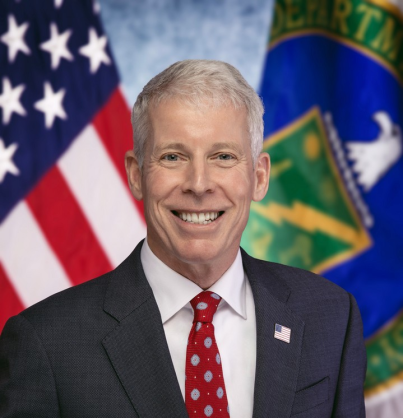
u.s. Secretary of Energy Chris Wright to Deliver Keynote Address at 10th Powering Africa Summit

Location: News
EnergyNet Ltd.

Secretary Chris Wright, U.S. Department of Energy, has been confirmed as a speaker and guest of honour at the 10th Powering Africa Summit (PAS), taking place at JW Marriott Washington, D.C. across March 6-7. This is an important step to provide an answer to the question that all of African energy is now asking: how will the new Administration approach the strategic energy relationship between the U.S. and Africa

Under the Summit theme, The Future of the US & Africa Energy Partnership, U.S. Secretary of Energy Chris Wright will deliver a keynote address at the 10th annual Powering Africa Summit. Wright will be joined by representatives from the U.S. Department of State: Ambassador Troy Fitrell, Senior Bureau Official, Bureau of African Affairs; Kimberly Harrington, Acting Principal Deputy Assistant Secretary, Bureau of Energy Resources; and Stephen Banks, Acting Deputy Assistant Secretary for Energy Diplomacy, Bureau of Energy Resources. All will share their vision for this future relationship between African countries and the US-based investors that are so vital to realizing their energy ambitions.

“As Secretary of Energy, I am committed to unleashing all forms of affordable, reliable and secure energy here at home and advancing that mission of energy security around the world – and nowhere is that more critical than the continent of Africa. I look forward to joining the Summit to reaffirm the strategic energy partnership between the U.S. and Africa and share my vision for advancing innovation and removing barriers to energy access, both at home and around the world,” Secretary Wright said.

Ministers and governments from 19 African countries will arrive in Washington D.C., where the Africa Welcome Address will be given by H.E. Honourable Adebayo Adelabu, Minister of Power, Nigeria. Together with H.E. Honourable Jeremiah Kpan Koung, Vice President, Liberia; H.E. Honourable Dr. Dele Alake, Minister for Solid Minerals Development, Nigeria; H.E. Honourable Mahmoud Mustafa Esmat, Minister of Electricity & Renewable Energy, Egypt; H.E. Honourable Karim Badawi, Minister of Petroleum & Mineral Resources, Egypt; H.E. Honourable Bogolo Joy Kenewendo, Minister of Minerals & Energy, Botswana; H.E. Honourable Alex Wachira, Principal Secretary, Ministry of Energy & Petroleum, Kenya; and Amina Benkhadra, Director General, Office National des Hydrocarbures et des Mines (ONHYM), Morocco, he will meet distinguished Ministers and leaders from South Africa, Senegal, Ethiopia, Zimbabwe, Togo, Sierra Leone and more to drive energy development across the continent.

Flagship ministerial boardrooms and regional energy cooperation sessions will discuss and debate   derisking projects, South Africa's energy future, the need for West African regulatory reforms, and the role of hydrogen in North Africa. New areas of opportunity such as bitcoin mining and data centers will be discussed through an East African lens. The Mission 300 initiative, set to provide electricity access to 300 million people in sub-Saharan Africa by 2030, is also high on the agenda.

The 10th Anniversary Gala Drinks Reception sponsored by Genesis Energy, will celebrate International Women's Day, ahead of March 8.

Critical to the week's discussions will be a host of private players including Alliant Insurance Services, GE Vernova, ARM-Harith Infrastructure Investment, Globeleq, Africa50, Nextracker, Schneider Electric, Newmarket Capital and the summit's general sponsor, Sun Africa, who are looking to a new future for the U.S.-Africa relationship.   

Sun Africa CEO, Adam Cortese said: “We are seeing a sea change in how the U.S. participates in foreign infrastructure development and our unique model of development is an excellent illustration of how U.S. energy companies can thrive in emerging markets on a strictly commercial basis. Sun Africa remains committed to harnessing Africa's immense energy resources through innovative structures, state-of-the-art technology and strong alliances while maintaining our long-standing market-based approach to development.  At Sun Africa, we believe energy development on the continent truly represents an opportunity for win-win partnerships and look forward to sharing our experience.”

Simon Gosling, MD of EnergyNet added: “This summit has always been about bringing together African countries seeking investment with U.S.-based investors who see the vast potential on the continent.  It is more important than ever to establish the crucial energy projects that Africa needs. PAS25 will put the continent center stage and make sure that both sides have a future relationship to be excited about.”

Media Credentials Requited for Powering Africa Summit

The Secretary will open the Summit on 6 March, delivering a Keynote Speech at 09:45, followed by a Fireside Chat with Mission 300 Accelerator CEO, Andrew Herscowitz.

Distributed by APO Group on behalf of EnergyNet Ltd..

For more information, please get in touch with 
Poliana@EnergyNet.co.uk
Senior Marketing Manager

Media files
EnergyNet Ltd.
Download logo
Read moreu.s. Secretary of Energy Chris Wright to Deliver Keynote Address at 10th Powering Africa Summit
24 February 2025

Call to intensify programme aimed at upgrading informal settlements

Location: News

Call to intensify programme aimed at upgrading informal settlements

Human Settlements Minister Thembi Simelane has called on the department’s entities and branches responsible for informal settlements to work together to intensify the informal settlements upgrading programme and ensure the provision of essential services and adequate shelter.

“We need to urgently develop a strategy and plan to address the proliferation of informal settlements across the country with a special focus in the big cities and metros,” Simelane said.

The Minister made the call at the inauguration of human settlements entities’ boards and councils in Kempton Park on Friday.

The session introduced and empowered newly appointed boards and council members to the human settlements value chain.

In her address, Simelane underscored the need to address the spatial legacy of colonialism and apartheid, which perpetuates inequalities in land access and homeownership, with most people living in concentrated, poverty-stricken areas with limited access to social and economic amenities without security of tenure.

The Minister noted the department’s commitment to deliver 237 000 housing units for households earning less than R3 500 per month, prioritising well located land near economic opportunities and social amenities.

She said the Breaking New Ground (BNG) houses and Catalytic Projects were being implemented to integrate housing, transport, economic activities, and social services.

Efforts would require that the department work in collaboration and ensure that the boards and councils play their crucial role of oversight and support, to ensure efficiency.

“It is our collective responsibility to ensure that there are sustainable human settlements, and we help to transform the spatial legacy of apartheid and build an inclusive society in line with the priorities of the seventh administration, as earlier articulated.

“We must use the legislation and other empowering provisions at our disposal to restore the dignity of the historically disenfranchised,” Simelane said.

The Minister acknowledged the serious problem of blocked housing projects facing the department and its entities.

The Minister called for support of the Finance Linked Individual Subsidy Programme (FLISP,) now known as the First Home Finance (FHF) Programme, and to make sure it gains the necessary traction to reach the targeted people.

“It might have not been adequately marketed, and it is the responsibility of the NHFC to make sure the programme is well communicated. Surprisingly, after I mentioned this programme during the SONA (State of the nation Address) debate, a lot of people started making enquiries about it, we will therefore have to lift our messaging in this regard. 

“This will in earnest address the issues of limited housing finance for the missing middle. It will also contribute to the noble efforts of the transformation of the property market and enhance the government’s participation in the housing finance,” the Minister said. – SAnews.gov.za

GabiK
Mon, 02/24/2025 - 10:39
170 views

Read moreCall to intensify programme aimed at upgrading informal settlements
24 February 2025

South Africa to focus on development and growth during G20 Presidency

Location: News

South Africa to focus on development and growth during G20 Presidency

South Africa will use its G20 Presidency to review the group’s processes, address financing for development, and tackle barriers to growth in developing countries, including those in Africa.

Addressing the opening of the G20 Finance Ministers' and Central Bank Governors' meeting, National Treasury Director-General, Dr Duncan Pieterse, outlined a range of issues that will be discussed at this week’s finance track meetings, taking place in Cape Town.

This as the Finance and Central Bank Deputies' meeting is taking place at the Cape Town International Convention Centre, on 24 and 25 February 2025. The meeting will be followed by the first meeting of the G20 Finance Ministers and Central Bank Governors on 26 to 27 February 2025. 

“South Africa has signalled a strong and keen intent to review the operational process of the G20. Last month, the G20 began its 26th year of operation, however the operational processes of the G20 have rarely been reviewed.

“In the coming months and following the discussions this week, the South African Presidency working with the G20 membership will for the first time conduct a review of these processes and consider how to improve and strengthen them. We will also discuss various other opportunities for G20 engagement this year,” Pieterse said on Monday.

South Africa’s G20 Presidency commenced on 1 December 2024, and all engagements are being held under the theme: “Solidarity, Equality, Sustainability.” The theme underscores the nation’s focus on inclusive global economic growth, with particular attention to the needs of the world’s most vulnerable nations.

He said one of the issues of importance to the world’s poorest and most vulnerable countries is the issue of financing for development.

“Today we will discuss the Financing for Development Conference that is happening in July this year and how the G20 Finance Track might consider engaging with this process.

“We will also hold a very important meeting on the challenges and the constraints to growth in developing countries, including African countries,” the Director-General said.

Other issues of relevance to the membership to G20 will be discussed as well. 

“We have worked on a very detailed programme and the work continues this week. Over the last few weeks and months, the G20 working groups of the Finance Track have met and have made progress in shaping our agenda for this year, which is going to be taken forward and discussed in detail this week,” he said.

This week, there will be several critical side meetings, including  the meeting of the G20 Troika members, the meeting of the G20 emerging markets and developing economies, which took place this morning, as well as several bilateral meetings with various G20 members and other international organisations.

“This morning, we had an emerging market and developing economies breakfast where we discussed a wide range of challenges affecting emerging markets and economies.

“The participants in our meeting reflected on various issues, including the current state of the global economy, issues relating to debt and how it affects Africa in particular, various perspectives on the reform of the financial architectural were shared and the challenges facing members in affording financing for development and the importance of the Financing for Development Conference that is happening later this year in Spain, which is one of the areas we will discuss,” Pieterse said. 

Some of the side events for this week include domestic resource mobilisation, bridging the tax gap, cross border payments, global financial architecture in transition and a cost of capital roundtable. 

The G20 was established to tackle pressing global economic and financial issues. Together, G20 members account for around 85% of global GDP and 75% of international trade. 

It comprises 19 countries including: Argentina, Australia, Brazil, Canada, China, France, Germany, India, Indonesia, Italy, Japan, Republic of Korea, Mexico, Russia, Saudi Arabia, South Africa, Türkiye, United Kingdom, and United States and two regional bodies, namely the European Union and the African Union.

The grouping therefore plays a critical role in influencing global policy making and fostering global economic stability. -SAnews.gov.za

nosihle
Mon, 02/24/2025 - 11:29
288 views

Read moreSouth Africa to focus on development and growth during G20 Presidency
24 February 2025

Transparent tariff determination needed to address high private healthcare costs

Location: News

Transparent tariff determination needed to address high private healthcare costs

Minister of Trade, Industry and Competition, Parks Tau, has emphasised the importance of regulating private healthcare costs to guarantee that affordable healthcare remains accessible to the majority of South Africans.

“There is a serious concern about access to private healthcare in the country, given the high levels of market concentration and high prices,” he said on Tuesday. 

The Minister was speaking at a joint media briefing with Health Minister Dr Aaron Motsoaledi to share progress on implementing the recommendations from the Health Market Inquiry (HMI) into the private healthcare sector.

The HMI, conducted five years ago by the Competition Commission and chaired by former Chief Justice of South Africa, Justice Sandile Ngcobo, identified numerous factors that impede competition within the private healthcare sector.

Key issues highlighted include an unregulated supply side in service provision, a lack of transparency in pricing, exclusive contracts, and various anticompetitive practices that create barriers for new entrants.

In addition, the HMI noted that the absence of a tariff determination framework, among other factors, contributes significantly to these inefficiencies.

“Importantly, given the lack of a structured price determination framework, the HMI found that there has been abuse in the pricing of Prescribed Minimum Benefits, as well as non-Prescribed Minimum Benefits, in the form of overutilisation of services and co-payments, thus driving up the cost of healthcare.”

On 14 February 2025, Tau published the Draft Interim Block Exemption for Tariffs Determination in the Healthcare Sector after engaging in consultations with both the Competition Commission and the National Department of Health.

This exemption is designed to fill the regulatory gap in tariff determination, aligning with the recommendations put forth in the 2019 HMI.

Its primary objectives are to establish a collaborative multi-stakeholder framework for regulating healthcare tariffs, enhance price transparency, and ultimately drive down costs for consumers.

Currently, Tau said there is no structured and transparent framework for determining tariffs for healthcare services.

“Due to the lack of a formal tariff determination framework, consumers are faced with uncertainty on prices, potential balance billing, and tariffs which are not determined through a transparent process. 

“As a result of this gap in tariff determination, patients, medical schemes, and even smaller healthcare providers are often disadvantaged.” 

The draft block exemption enables healthcare stakeholders to collaborate effectively on tariff-setting and related issues, aiming to enhance affordability and lower costs.

It encompasses agreements for the collective determination of tariffs for healthcare services, the establishment of standardised diagnosis codes, and the implementation of quality measurement criteria.

This multi-stakeholder framework introduces a transparent and structured approach to tariff determination, ensuring that the interests of all parties involved are balanced and represented.

To facilitate this process, the Tariffs Governing Body (TGB) and the Multilateral Negotiating Forum (MNF) have been established to oversee and promote collaborative tariff-setting.

He noted that the framework excludes private hospitals due to their considerable market power, promoting collective bargaining among medical schemes and healthcare providers to ensure that services remain affordable for consumers.

According to the Minister, the exclusion of private hospitals from the block exemption pertains specifically to their dominant market position, which applies only to hospital fees related to admission and does not extend to treatment fees.

“The publication of the draft interim block exemption marks a critical step towards addressing the cost of access to healthcare and promoting transparency in the healthcare market.” 

Meanwhile, Motsoaledi noted the escalating cost of private healthcare in South Africa, with medical price inflation (MPI) at 9.5% compared to a consumer price index of 4.5 to 4.6%. 

According to the Health Minister, the lack of structured tariff setting has led to varying prices and blame towards the State. 

He said the Competition Commission’s 2004 ruling prohibited collective negotiation of prices, leading to a “lacuna” in tariff-setting.

According to Motsoaledi, various attempts to regulate prices, including the National Health Reference Price List and the Health Professions Council of South Africa’s guidelines, faced opposition and legal challenges.

“In our country, it is generally agreed that the cost of private healthcare is now beyond the reach of most South Africans. 

“We would be right to assert that it has become an uncontrollable expenditure. This affects every aspect of South African life.”

The Minister noted the HMI recommended the establishment of an independent Supply-Side Regulator for Healthcare (SSRH) restructuring licensing, creating a single data repository, and negotiating private sector prices through a multilateral forum. 

The inquiry also advocated for eradicating the fee-for-service payment system and implementing a standard benefit package under National Health Insurance (NHI). 

However, Motsoaledi said he noted the National Treasury’s reluctance to form new public entities, which poses a challenge. 

“It is for these reasons that we are implementing some of the recommendations of HMI as a temporary stop-gap measure which will be progressively upgraded to the levels envisaged. 

“We are doing this because naturally the phased-in implementation of NHI is going to take longer and we need the interim to relieve the pressure which people experience when seeking healthcare services,” he added. – SAnews.gov.za


Gabisile
Mon, 02/24/2025 - 12:21
163 views

Read moreTransparent tariff determination needed to address high private healthcare costs
24 February 2025

M&As Reflect Growing Global Interest in African Mining

Location: Business
Energy Capital & Power

International mining stakeholders are increasing their access to Africa's mineral resources through joint ventures, acquisitions and stakes in local projects. Meanwhile, African countries and operators are leveraging these partnerships to enhance capital, accelerate project development and meet ambitious production targets.

The upcoming African Mining Week (AMW), taking place in Cape Town this October, will spotlight mergers and acquisitions (M&A), offering African projects a platform to showcase opportunities and providing global investors the stage to present growth strategies for Africa's expanding mining sector.

Recent research by the Economist Intelligence Unit indicates that foreign investment in Africa's mining industry is poised for significant growth in 2025, building on strong momentum established in 2024. Several key transactions highlight this trend. Earlier this month, UK-based Altona Rare Earths finalized its acquisition of an 85% stake in Botswana's Sesana Copper-Silver Project from Ignate Minerals, committing significant capital to accelerate exploration and mine development. In December 2024, Australian mining firm Patriot Lithium acquired a 90% stake in Zambia's Kitumba Copper Large Scale Exploration License from Newlight Nominees Zambia, enabling increased funding for exploration and production activities. Similarly, in October 2024, Jubilee Metals, a UK-based company, acquired Project G, its second open-pit copper asset in Zambia, as part of a strategy to boost investments and raise copper output to 25,000 tons per year.

Recent M&A activity in Africa's mining sector is reshaping the industry, improving operational efficiencies and creating new pathways for innovation and technology transfer. For African nations, these investments bring new opportunities for job creation, infrastructure development and access to global markets, fueling economic growth. Additionally, the influx of foreign capital and expertise enhances local capabilities, enabling African countries to harness their natural resources more effectively while addressing challenges like underdeveloped supply chains and limited financing for exploration.

In South Africa, M&A activity reached $10 billion between June 2023 and 2024, with 32 deals closed, compared to 24 year-on-year, according to PwC. Among the notable deals, Kenya's Marula Mining secured a 51% stake in South Africa's Mansera Kruisrivier Cobalt Holding Company in July 2024, funding feasibility and aerial studies to advance the project. Meanwhile, China's Baowu Steel Group acquired stakes in Guinea's Simandou Project, the world's largest untapped iron ore deposit, in June 2024. In Mali, Ganfeng Lithium secured an operational stake in the Goulamina Lithium Mine in a $342.7-million deal with Australia's Leo Lithium in May 2024. The UAE-based International Resource Holdings also entered the market, acquiring Zambia's Mopani Copper Mines for $1.1 billion in May 2024, enhancing exploration and production capabilities at one of the country's largest copper facilities.

As African nations focus on boosting mineral production to drive economic growth, M&A activity is expected to intensify, with global partners seeking greater stakes in the continent's abundant resources. Against this backdrop, the upcoming AMW will play a crucial role in shaping Africa's M&A landscape by facilitating project showcases, fostering partnerships and advancing deal signings that will define the future of the mining sector.

African Mining Week serves as a premier platform for exploring the full spectrum of mining opportunities across Africa. The event is held alongside the African Energy Week: Invest in African Energy 2025 conference (https://AECWeek.com/) from October 1 -3. in Cape Town. Sponsors, exhibitors and delegates can learn more by contacting sales@energycapitalpower.com

Distributed by APO Group on behalf of Energy Capital & Power.

Media files
Energy Capital & Power
Download logo
Read moreM&As Reflect Growing Global Interest in African Mining
24 February 2025

Solarafrica Secures R1.8 Billion Solar Investment, Advancing Wheeling Adoption in South Africa

Location: Business
Starsight Energy

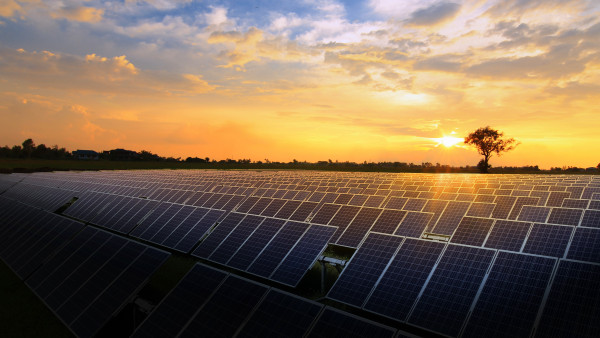
SolarAfrica (https://SolarAfrica.com/) is proud to take another major step forward in the development of its flagship utility-scale solar project, SunCentral, by successfully reaching financial close on the first 114 MW component of the project alongside funding partners Investec and RMB. The R1.8 billion investment into SunCentral marks the start of the project's rollout in South Africa.

SunCentral is a large-scale solar photovoltaic (PV) plant located between Hanover and De Aar in South Africa's Northern Cape province. The project will be developed in three phases.

Phase 1, consisting of 342 MW, will be delivered through a staged roll-out of three 114 MW facilities and will deliver renewable energy to a diverse range of off-takers by wheeling it through South Africa's power grid. Phase 2 and 3 will increase SunCentral's capacity to 1 GW.

Unlike similarly sized projects that offer wheeling on a one-to-one basis (with one generation plant supplying one off-taker), SolarAfrica's project will offer wheeling on a one-to-many basis, making it available to a wider pool of businesses in South Africa.

SolarAfrica's Chief Investment Officer Charl Alheit, who spearheaded the financial close, explains: “Reaching financial close on the first 114 MW of our utility-scale wheeling development and Main Transmission Substation (MTS) investment marks a significant milestone in our commitment to advancing sustainable energy solutions for our customers in the commercial and industrial sectors.”

He adds that the substantial size of SunCentral will unlock access to cheaper, greener power for even more businesses across the country. “We are excited to see this project move forward as we continue contributing to the energy transition while delivering long-term value to our customers."

SolarAfrica is part of the greater Starsight Energy Africa Group. The success of SunCentral will act as a blueprint for similar (and possibly smaller) off-site generation projects in other key African markets in which the Starsight Energy Africa Group companies operate.

“The construction of SolarAfrica's SunCentral is a critical step in our journey to expand clean energy adoption across Sub-Saharan Africa, says Paul van Zijl, Group CEO of Starsight Energy Africa Group. “We are excited to move this project forward and continue delivering long-term value to our customers,” he says.

SolarAfrica is backed by world-class investors African Infrastructure Investment Managers (AIIM) and Helios Investment Partners who both hold decades-long track records of bringing investment to support African innovation.

“Reaching Financial Close on the first 114 MW on SunCentral is a fantastic milestone for SolarAfrica, says Thor Corry, Investment Director at AIIM.

“The modular approach to construct the MTS and plug in subsequent 114 MW modules provides a superb platform for SolarAfrica to scale at pace to meet the needs of the C&I customers in South Africa who want to secure price certainty and cost efficiencies while furthering South Africa's Just Energy Transition. With South Africa requiring up to 30 GW of new capacity by 2030 to meet its climate commitments and energy needs, projects like this are crucial,” Corry concludes.

Distributed by APO Group on behalf of Starsight Energy.

About SolarAfrica:
Founded in 2011, SolarAfrica provides a suite of capex-free green energy solutions to the commercial and industrial sectors in Southern Africa. The holistic suite includes on-site solutions such as solar energy and battery storage together with virtual solutions like wheeling, trading and aggregation.

SolarAfrica partners with businesses in South Africa seeking an energy solution that provides power security, cost savings and carbon reduction – building towards long-term sustainability.

The company has evolved into an ambitious team who are passionate about what they do and the core values they uphold. SolarAfrica has been named the continent's leading solar energy firm twice, scooping the Africa Solar Industry Association's African Solar Company of the Year award in 2021 and 2023.

About Starsight Energy:
Across the continent, Starsight Energy is redefining what it means for businesses to be energy efficient. Starsight Energy provides premier clean on-grid and off-grid energy services to commercial and industrial clients in Africa.

Serving the commercial and industrial, financial, residential, educational and agricultural sectors, Starsight Energy delivers tailored power and cooling solutions to meet client requirements while optimising consumption through energy-efficient appliances and environmentally friendly practices and recommendations.

From load analysis and modelling to demand management and customised solution design, Starsight Energy helps clients optimize energy efficiency and cost savings across the board.

About African Infrastructure Investment Managers (“AIIM”):
AIIM, a member of Old Mutual Alternative Investments* (“OMAI”), has been investing in the African infrastructure sector since 1999 with a track record extending across seven African infrastructure funds. AIIM's team of 40+ investment professionals are based out of five locally staffed offices across the continent in Cape Town, Johannesburg, Nairobi, Lagos and Abidjan providing direct on-the-ground coverage of our key markets.

AIIM is Africa's largest dedicated infrastructure private equity manager and currently manages an aggregate AUM of USD2.9 billion in assets across the power, renewable energy, digital infrastructure, mid-stream energy and transport sectors with operations in 19 African countries.

AIIM is a licensed FSP approved by the Financial Sector Conduct Authority in South Africa.

*Old Mutual Alternative Investments (OMAI) is a private alternative investment manager in Africa, with over USD7.6 billion (ZAR139.4 billion) under management in infrastructure, private equity, hybrid equity and impact funds. It is a member of Old Mutual Investment Group, the investment management arm of Old Mutual.

About Helios Investment Partners:
Established in 2004, Helios Investment Partners is the largest Africa-focused private investment firm, with a record that spans creating start-ups to providing expanding companies with growth capital and expertise. The firm has over $3.0 billion in assets under management and is led and managed by a predominantly African team based in London, Lagos, Nairobi and Paris, with the language skills and cultural affinity to engage with local entrepreneurs, managers, and intermediaries on the continent.

Helios leverages its local and global networks to create attractive proprietary investment opportunities, with an emphasis on building market leaders in core economic sectors and driving performance through a highly engaged approach to portfolio operations. The firm's unique combination of a deep knowledge of the African operating environment, a singular commitment to the region and a proven capability to manage complexity, is reflected in its diverse portfolio of growing, market-leading businesses, and its position as a partner of choice in Africa.

Helios is the second mainstream private equity firm globally, and the largest emerging markets focused private equity firm, to achieve B Corp certification. B Corp status recognizes the firm's longstanding commitment to sustainability and responsible business practices.

Media files
Starsight Energy
Download logo
Read moreSolarafrica Secures R1.8 Billion Solar Investment, Advancing Wheeling Adoption in South Africa
23 February 2025

Afreximbank to Set up $1 Billion Oil Service Financing Facility in Guyana

Location: Business
Afreximbank

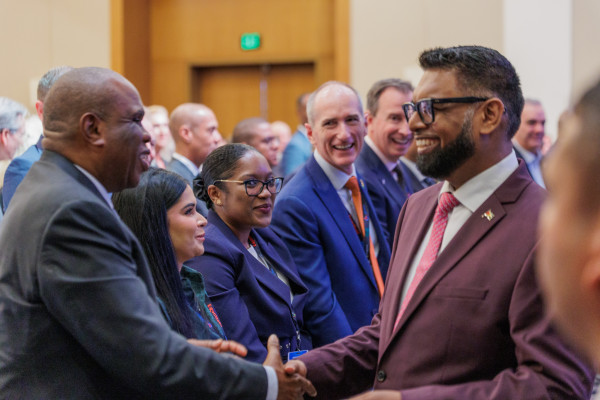
In a significant announcement at the Guyana Energy Conference and Supply Chain Expo being held from, February 18 - 21, Prof. Benedict Oramah, President and Chairman of the Board of Directors of African Export-Import Bank (Afreximbank) (www.Afreximbank.com), declared the multilateral Bank's intention to establish a $1 billion oil service financing facility in Guyana. This initiative aims to enhance local participation in the country's fast growing oil industry, in alignment with the government's local content policies. The Bank will deploy the $1 billion facility directly to qualifying corporate clients or through a factoring line via local banks, enabling them to finance invoices from local contractors.

President Oramah highlighted the transformative potential of Guyana's estimated 12 billion barrels of crude oil reserves. Emphasising the transformative power in proactive resource management, he advised Guyana to aggressively harness and build capital from its oil resources.

He said, "Given the level of oil production in Guyana and its offshore location, I estimate that the oil service sector would amount to 5 to 8 billion US dollars annually. But where will it go? Most of it would be paid to oil service companies abroad, if Guyana does nothing to avoid that. A 50% retention in Guyana would increase Guyana's GDP by 29% to 47%.” As such, he called for robust local content policies that would enable Guyanese entrepreneurs to become significant players in the oil value chain.

Based on Afreximbank's rich history of supporting commodity-dependent economies, President Oramah shared insights to complement the ongoing efforts of the Guyanese government. He acknowledged the inherent risks associated with dependency on a single commodity and laid stress on the importance of diversification.

He cautioned, “The commodity market is prone to volatility and cyclicality; hence, the reliance on crude revenues as a primary source of government funding could expose the national economy to volatile commodity markets." As such, he advised the government to secure long-term off-take contracts with oil service companies, which will enhance market access and price stability.

In the spirit of deepening Afri-Caribbean partnership, President Oramah remarked that skilled oil service companies from Ghana, Egypt, and South Africa, are "ready and willing to support Guyanese... And of course, Afreximbank is there to underwrite the marriage.”

He added that: “These measures are necessary if Guyana and other new entrants in the Caribbean and Africa are to avoid the painful "Dutch Disease. We make these suggestions based on the three long decades of financing oil and gas activities across Africa. We have witnessed oil-dependent economies transform for better or worse through these periods. In all these, the difference reflected the policy choices the leaders made.”

Distributed by APO Group on behalf of Afreximbank.

Media Contact:
Vincent Musumba
Communications and Events Manager (Media Relations)
Email: press@afreximbank.com

Follow us on:
X: apo-opa.co/436nryI
Facebook: apo-opa.co/3ENmLEu
LinkedIn: apo-opa.co/4bcByVp
Instagram: apo-opa.co/3Xb0g2y

About Afreximbank:
African Export-Import Bank (Afreximbank) is a Pan-African multilateral financial institution mandated to finance and promote intra-and extra-African trade. For over 30 years, the Bank has been deploying innovative structures to deliver financing solutions that support the transformation of the structure of Africa's trade, accelerating industrialization and intra-regional trade, thereby boosting economic expansion in Africa. A stalwart supporter of the African Continental Free Trade Agreement (AfCFTA), Afreximbank has launched a Pan-African Payment and Settlement System (PAPSS) that was adopted by the African Union (AU) as the payment and settlement platform to underpin the implementation of the AfCFTA. Working with the AfCFTA Secretariat and the AU, the Bank is setting up a US$10 billion Adjustment Fund to support countries effectively participating in the AfCFTA. At the end of December 2023, Afreximbank's total assets and contingencies stood at over US$37.3 billion, and its shareholder funds amounted to US$6.1 billion. Afreximbank has investment grade ratings assigned by GCR (international scale) (A), Moody's (Baa1), Japan Credit Rating Agency (JCR) (A-) and Fitch (BBB). Afreximbank has evolved into a group entity comprising the Bank, its impact fund subsidiary called the Fund for Export Development Africa (FEDA), and its insurance management subsidiary, AfrexInsure (together, "the Group"). The Bank is headquartered in Cairo, Egypt.

For more information, visit: www.Afreximbank.com

Media files
Afreximbank
Download logo
Read moreAfreximbank to Set up $1 Billion Oil Service Financing Facility in Guyana
21 February 2025

AEW 2025 to Fuel Regional Investment as Southern Africa Advances (O & G) Development

Location: News
African Energy Chamber

From significant oil deposits in Namibia's Orange Basin to untapped potential in South Africa to gas frontiers onshore Zimbabwe and developments in Mozambique and Angola, Southern Africa has emerged as a highly-promising oil and gas market. However, to unlock the full potential of the industry, investors need to rally, providing the much-needed capital and technology to boost energy development across the region.

African Energy Week: Invest in African Energies – taking place September 29 to October 2, 2025 - will highlight Southern Africa's energy potential, from major projects and exploration campaigns to investment opportunities and emerging challenges. By uniting regional governments, major operators and global stakeholders, the event fosters collaboration, serving as a catalyst for South African energy development.

Angola Drives Exploration Towards Near-Term Production

Sub-Saharan Africa's second-largest oil producer, Angola continues to leverage industry reform to accelerate exploration and development. Seeking to maintain oil output above one million barrels per day while increasing natural gas production, the country is preparing to launch the final bid round of its six-year licensing strategy in Q1, 2025. Offering nine blocks for exploration in the deepwater Kwanza and Benguela basins, the round is expected to entice major deepwater players to expand their portfolios offshore Angola. To further support production growth, the country introduced five marginal fields for exploration in 2024 and continues to promote blocks available on direct negotiation. Major projects such as the Cabinda Oil Refinery (2025); the New Gas Consortium (early-2026); and the Agogo Integrated West Hub Development (mid-2026) are also set to fuel production.

Mozambique Targets LNG Advancement

With over 100 trillion cubic feet (TCF) of gas resources in the Rovuma Basin, Mozambique is pushing ahead with several large-scale LNG projects. These include the operational 3.4 million ton per annum (MTPA) Coral South FLNG project; the under-development 3.37 MTPA Coral North project; the 18 MTPA Rovuma LNG project; and the 13 MTPA Mozambique LNG project. Despite delays, operators are committed to accelerating development. While pushing the Mozambique LNG project timeline from 2027 to 2029/2030, TotalEnergies expects a U.S. loan approval to be restored under the Trump administration in the coming weeks. ExxonMobil also anticipates FID for the Rovuma project by 2026, paving the way for advanced development.

Namibia: The Next Deepwater Oil Producer

Following a string of discoveries in the offshore Orange Basin, Namibia is working towards first oil production by 2029. The Venus-1X discovery by TotalEnergies is at the forefront of this goal, with the French major seeking to finalize its phase one development plan in 2025 and make FID in 2026. However, the development of the Mopane well – situated in PEL 83 and operated by oil and gas firm Galp - could bring the timeline to first production much closer. Two discoveries were made at the Mopane 1-A well and the Mopane 2-A well, and the operator is now seeking a farm-in partner to develop the asset. Other companies such as Shell, Petrobras, Africa Oil Corp, Chevron and more are also investing offshore while independents including ReconAfrica and Sintana Energy are conducting exploration and appraisal drilling onshore.

South Africa Prioritizes Gas Exploration, Renewable Expansion

Two offshore basins have generated significant interest by foreign player in South Africa: the Southern Outeniqua Basin and the Orange Basin. Southern Outeniqua featured two major gas discoveries made by TotalEnergies (Luiperd and Brulpadda) in 2019 and 2020, representing some of Africa's biggest finds made during the period. While TotalEnergies exited the Southern Outeniqua basin in 2024, the company has turned its attention to South Africa's Orange Basin, hoping to mirror upstream success in neighboring Namibia. Other firms including Africa Oil Corp, Shell and Petrobras are investing in the Orange Basin, and all eyes are on future discoveries offshore South Africa.

Zimbabwe: An Onshore Gas Frontier

Zimbabwe made headlines in 2022 when Invictus Energy announced successful drilling activities at the Mukuyu-1 well at the onshore Cabora Bassa Project. This was followed by the discovery of gas at the Mukuyu-2 well in 2023, with the find revealing the potential for 20 TCF of gas resources. In 2025, the company completed an independence review of the Petroleum Production Sharing Agreement, which would enable the Invictus Energy to unlock value-sharing from the project. Going forward, the company is pursuing a 3D seismic survey alongside appraisal drilling and well testing to further delineate the resource potential while refining development plans and improving the operational efficiency. All eyes are on the project as Zimbabwe strives to bring its first natural gas development to fruition.

Distributed by APO Group on behalf of African Energy Chamber.

About AEW: Invest in African Energies:
AEW: Invest in African Energies is the platform of choice for project operators, financiers, technology providers and government, and has emerged as the official place to sign deals in African energy. Visit www.AECWeek.com for more information about this exciting event.

Media files
African Energy Chamber
Download logo
Read moreAEW 2025 to Fuel Regional Investment as Southern Africa Advances (O & G) Development
20 February 2025

Conference discusses strategies to achieve women’s economic inclusion

Location: News

Conference discusses strategies to achieve women’s economic inclusion

Without a dedicated plan and political will to combat patriarchal forms of exploitation, Africa’s commitment to eradicating “all forms of gender-based violence and discrimination against women and girls” by 2063, will remain hollow.

These were remarks made by the Minister in the Presidency responsible for Women, Youth and Persons with Disabilities, Sindisiwe Chikunga.

The Minister was speaking at the Southern African Regional High-Level Conference on Advancing Economies of Women in the Southern African Development Community (SADC) and Africa on Thursday.

The Ministry in the Presidency for Women, Youth and Persons with Disabilities, in collaboration with the Gates Foundation, is hosting the first Southern African Regional consultation to advance women economic empowerment in the SADC region.

The high-level two-day consultation forum, held in Sandton, Johannesburg, brings together women leaders from the SADC region, including senior government officials, policymakers, and representatives from other African Union (AU) Member States.

The forum, which will conclude on Friday, aims to discuss strategies to achieve women’s economic inclusion, financial access and Economic Justice and Rights (EJR) across the SADC region.

In her address, Chikunga acknowledged that women own fewer productive assets and that their businesses have fewer opportunities to trade. She also said that women experience financial exclusion and have limited access to markets and procurement.

She warned that without concrete measures in place, the continent’s aspiration to ensure that African women in all spheres -- granting them equal social, political, and economic rights, including the right to own and inherit property, sign contracts and manage businesses -- will remain unfulfilled.

“Similarly, rural women’s access to productive assets such as land, credit, inputs and financial services, will remain idle and futile without deliberate action. Without a deliberate skills revolution, the desire to position our youth at the forefront of knowledge and as catalysts of innovation and entrepreneurship, will fall short.

“Only when education and skills are accessible to all, will we be able to cultivate the creativity, energy and innovation of Africa’s youth into a driving force behind the continent’s political, social, cultural and economic transformation,” she explained.

Despite the continent’s noble vision, the Minister argued it will remain a distant reality “until we put in place concrete measures with firm timelines, deliverables and accountability mechanisms to ensure its realisation.”

She emphasised that the success of Agenda 2063 rests squarely on the seriousness of the leaders’ commitment to uplift women and girls, enabling them to pull the entire continent forward.

According to the AU, Agenda 2063 is Africa's development blueprint to achieve inclusive and sustainable socio-economic development over a 50-year period.

Beyond Agenda 2063, the Minister highlighted the region’s support for the consultative forum, which is also inspired by the SADC Vision 2050 and the Regional Indicative Strategic Development Plan (RISDP) 2020-2030, which both reflect the region’s developmental aspirations.

She underscored the importance of increasing women’s participation in regional development, enhancing equal access to opportunities, achieving gender parity, strengthening gender mainstreaming at both national and regional levels, and combating gender-based violence (GBV).

Economic participation 

Chikunga emphasised that the economic potential of the region cannot be fully realised when half of its population remains underrepresented in trade, financial systems, digital economies, and entrepreneurship.

She also stressed the importance of ensuring that girls and women have access to quality education, as this is essential for meaningful economic participation to help address barriers. These barriers include early marriages, teenage pregnancies, and other societal norms that hold back the girl child.

‘We must provide young women with the kind of vocational and technical training that is tailored to market demands and empowers women to participate in diverse sectors, including STEM (science, technology, engineering and mathematics), agriculture, and entrepreneurship.

“We must note that, as things stand, women make up less than a third of the workforce across STEM careers, a number that should alarm all of us.

“The historical and ongoing exclusion of women from STEM is a tragedy we must confront urgently. Tangible programmes are needed to correct societal and cultural beliefs that use gender stereotypes to perpetuate scientific inequality,” she explained.

The Minister further highlighted the need for financial inclusion and access to investment opportunities, including access to land, productive assets, and property rights.

She also called for the provision of smartphones for women in the marketplace, including access to the internet, and digital tools that can enhance their economic participation. – SAnews.gov.za

GabiK
Thu, 02/20/2025 - 17:30
59 views

Read moreConference discusses strategies to achieve women’s economic inclusion
20 February 2025

Macpherson undertakes working visit to the Middle East

Location: News

Macpherson undertakes working visit to the Middle East

Public Works and Infrastructure Minister Dean Macpherson is from today to 28 February undertaking an official working visit to the Middle East.

The visit will include Kuwait, the United Arab Emirates, the Kingdom of Saudi Arabia and Qatar. 

The Minister is joined by the MEC for Public Works and Infrastructure in Limpopo Ernest Rachoene and the Chairperson of the eThekwini Municipality Economic Development and Planning Committee Thembubuhle Ntuli.

The visit forms part of the Minister’s commitment to attracting infrastructure investment into South Africa which will help turn the country into a construction site, boosting economic growth and creating jobs. 

In each country, the Minister and his delegation will meet with his state counterpart or equivalent, sovereign wealth funds, state-owned entities and private sector businesses that can invest in South African infrastructure projects.

The Middle East represents an untapped market for South African infrastructure projects, with limited investment having taken place in the past. – SAnews.gov.za


Matona
Thu, 02/20/2025 - 16:28
76 views

Read moreMacpherson undertakes working visit to the Middle East
18 February 2025

Opportunities for Growth and Investment in Africa’s Energy Sector

Location: News
African Energy Chamber

Africa's energy sector presents significant opportunities for investment and growth through targeted infrastructure development. Despite the continent's abundant hydrocarbon resources, inadequate infrastructure has historically impeded efficient extraction, processing and distribution. Addressing these gaps can unlock substantial economic potential and meet the rising energy demands both within Africa and globally.

As Africa continues to prioritize energy infrastructure development, this year's Africa Energy Week (AEW): Invest in African Energies conference – taking place September 29 to October 3 in Cape Town - will serve as a critical platform for investors, policymakers and industry leaders to explore opportunities in oil and gas pipelines, storage facilities and gas-to-power projects. Discussions at AEW 2025 will highlight successful infrastructure projects, showcase emerging investment prospects and address challenges in financing and implementation.

Pipeline Infrastructure

One critical area for investment is the development of extensive pipeline networks. These pipelines are essential for transporting crude oil and natural gas from production sites to refineries and export terminals. The proposed Nigeria-Morocco Gas Pipeline aims to transport approximately 30 billion cubic meters of natural gas annually from Nigeria through to Morocco and onto Europe, traversing 13 African countries. The $25 billion, 5,600-km project is poised to enhance energy security and foster economic integration across the region, with the potential to create jobs, boost industrialization and provide a stable gas supply for domestic consumption and export, strengthening Africa's role in the global energy market.

Liquefied Natural Gas Facilities

Investing in Liquefied Natural Gas (LNG) facilities is another promising avenue. These facilities enable the processing and export of natural gas, catering to global markets with high energy demands. Countries like Mozambique, the Republic of Congo, Nigeria and Tanzania are advancing large-scale LNG projects to capitalize on their substantial gas reserves. For example, Tanzania's LNG Liquefaction Plant, estimated at $30 billion, is set to position the country as a key player in the global LNG market.

Refining Capacity Enhancement

Africa's limited refining capacity often necessitates the import of refined petroleum products, leading to economic inefficiencies. Investments in modernizing and expanding existing refineries, as well as constructing new ones, are crucial. Such developments would not only meet domestic demand, but also create export opportunities. Angola is in the process of developing three new oil refineries, which will collectively increase domestic refining capacity to 400,000 barrels per day and reduce dependence on imported fuels.

Storage and Distribution Networks

Robust storage facilities and distribution networks are vital for maintaining energy supply stability. Investing in these areas ensures that oil and gas products are efficiently stored and transported to end-users, minimizing losses and meeting market demands. Enhanced storage capacity also provides a buffer against market fluctuations, contributing to energy security. South Africa's Richards Bay III project – a $6 million initiative involving the construction of an oil storage facility – aims to enhance South Africa's energy storage capacity and improve supply stability. Additionally, South Africa is experiencing significant growth in its LPG industry, driven by new distribution hubs and rising electricity prices. Companies like Petredec have announced the establishment of the country's first rail-supplied LPG project, aiming to make LPG a more accessible and cost-effective energy alternative.

Power Generation and Electrification

Leveraging natural gas for power generation offers a dual benefit: monetizing gas resources and addressing electricity deficits. Investments in gas-fired power plants and associated transmission infrastructure can significantly improve electrification rates across the continent. Mozambique's Temane gas-to-power project is set to commence operations in 2025, leveraging gas from the Pande and Temane fields to produce 450 MW of affordable power for the state utility.

AEW: Invest in African Energies is the platform of choice for project operators, financiers, technology providers and government, and has emerged as the official place to sign deals in African energy. Visit www.AECWeek.com for more information about this exciting event.

Distributed by APO Group on behalf of African Energy Chamber.

Media files
African Energy Chamber
Download logo
Read moreOpportunities for Growth and Investment in Africa’s Energy Sector
18 February 2025

SA’s unemployment rate declines to 31.9%

Location: News

SA’s unemployment rate declines to 31.9%

South Africa’s official unemployment rate has dropped by 0.2 percentage points to 31.9% in the fourth quarter of 2024, down from 32.1% in the previous quarter. 

This is according to the latest Quarterly Labour Force Survey (QLFS) released by Statistics South Africa on Tuesday. 

The survey results indicate an increase of 132 000 in the number of employed persons, bringing the total to 17.1 million in the fourth quarter. At the same time, the number of unemployed persons decreased by 20 000 to 8.0 million. This contributed to an overall increase of 112 000 (0.4%) in the labour force during the same period.

Despite these gains, the number of discouraged work-seekers increased by 111 000 (3.3%), while those who were not economically active for reasons other than discouragement decreased by 93 000 (0.7%). This led to an increase of 18 000 in the number of the not economically active population to 16.5 million. 

“The above changes in employment and unemployment resulted in the official unemployment rate decreasing by 0.2 of a percentage point from 32.1% in the third quarter of 2024 to 31.9% in the fourth quarter of 2024. 

“The expanded unemployment rate in the fourth quarter of 2024 remained unchanged at 41.9% when compared with the third quarter of 2024,” Statistics South Africa said. 

The number of persons employed in the formal sector increased by 90 000 in quarter four of 2024, and the informal sector employment increased by 34 000 over the same period. 

The largest increases in employment were recorded in finance with 232 000 and manufacturing with 41 000. Decreases in employment were recorded in community and social services at 63 000, trade at 48 000, construction at 22 000, mining at 18 000, utilities at 17 000 and agriculture at 11 000.

The results also indicate that the largest increases in employment were observed in Western Cape at 62 000, KwaZulu-Natal at 52 000 and Gauteng at 45 000, while decreases were only observed in Free State at 25 000, North West at 20 000 and Limpopo at 16 000. 

Stats SA added that the youth aged between 15 – 34 years continue to face challenges in the labour market. The results for the fourth quarter of 2024 show that the total number of unemployed youth decreased by 133 000 to 4.7 million, while employed youth recorded an increase of 37 000 to 5.8 million. 

As a result, the youth unemployment rate decreased from 45.5% in the third quarter of 2024 to 44.6% in the fourth quarter of 2024. – SAnews.gov.za


DikelediM
Tue, 02/18/2025 - 14:05
49 views

Read moreSA’s unemployment rate declines to 31.9%
17 February 2025

AfCFTA offers SA businesses unlimited opportunities

Location: News

AfCFTA offers SA businesses unlimited opportunities

The implementation of the African Continental Free Trade Agreement (AfCFTA) offers businesspeople in South Africa unlimited opportunities to grow their businesses and expand their market into the rest of the continent. 

This is according to the Director of Africa Bilateral Economic Relations at the Department of Trade, Industry and Competition (the dtic), Calvin Phume.

Phume was speaking at a workshop that was hosted by the dtic in partnership with the Mpumalanga Department of Economic Development and Tourism and Gert Sibande District Municipality in Ermelo, Mpumalanga, recently.

The purpose of the workshop was to equip the Mpumalanga businesspeople with information that will enable them to take advantage of opportunities presented by the AfCFTA in order to enter the African export market and expand their businesses into the continent.

“The African Continental Free Trade Agreement has created a single market comprising more than 1.3 billion people that businesspeople across the continent can take advantage of.

“This will provide South African companies with new market access opportunities to key markets in the African continent beyond the Southern Africa Development Community,” he said.

Phume said the main objective of the agreement was to eliminate all barriers to trade in Africa to enable the free flow of goods and services across the continent.

“This is meant to allow businesspeople like yourselves to contribute in increasing intra-African trade and investment. Through the Agenda 2063: The Africa We Want, African leaders have set themselves an ambition of increasing intra-Africa trade from the current 17% to 81% by 2035,” Phume said.

He stressed that the agreement emphasises harmonisation of trade regulation in the continent, value-addition, economic inclusion, industrialisation and beneficiation.

“These open up a myriad of opportunities for your companies to increase production and create jobs for women, youth and people with disabilities in order to service the huge market that has been created by the AfCFTA. 

“This is your chance to grow your businesses by tapping into the expansive African market, increase your exports, increase your revenue, and contribute positively in growing the intra-African trade and investment,” he said.

Phume advised businesspeople to set themselves realistic ambitions when they venture into the rest of Africa, as the imposing size of the market created by  the free trade agreement offers huge benefits and rewards, but could also be challenging and daunting for their small businesses.

“It is important that you conduct a thorough research and study of the market you intend entering because the fact that there are 55 countries means that each market has its own dynamics related to business environment and culture, infrastructure, logistical requirements, as well as norms and standards. 

“It is always advisable to partner with a local company that can assist you to navigate the regulatory challenges and other hurdles. This will enable you to transform obstacles into opportunities that will be profitable and rewarding to your business,” advised Phume. – SAnews.gov.za


Edwin
Mon, 02/17/2025 - 08:42
579 views

Read moreAfCFTA offers SA businesses unlimited opportunities
  • Previous
  • Page 1
  • Interim pages omitted …
  • Page 14
  • Page 15
  • Page 16
  • Page 17
  • Page 18
  • Interim pages omitted …
  • Page 31
  • Next

Copyright © 2026 · MyZA · All Rights Reserved · Powered by Stratlec Online