• Skip to main content
  • Skip to header right navigation
  • Skip to after header navigation
  • Skip to site footer
MyZA

MyZA

News, Directory, Events and Other Stuff

  • Social Media
  • Sport
  • World News
  • Home
  • Submit News
  • Directory
  • Events
  • Stratlec
  • TFSA
  • News
    • APO
    • Today’s Sport News
    • Todays Social Media and Tech Headlines
    • Today’s World News
    • Today’s SA Financial News
  • Contact
You are here: Home / Archives for Market

Market

16 January 2025

RMB, TDB and AFC to Spotlight Innovative Energy Financing Solutions at IAE 2025
Location: Business
Energy Capital & Power

Top financial leaders in Africa's oil, gas and energy sectors will take center stage at the Invest in African Energy (IAE) 2025 Forum (www.Invest-Africa-Energy.com/) in Paris, offering strategic insights on funding opportunities and the pivotal role of finance in advancing the continent's energy transition. Scheduled for May 13-14, 2025, the event will explore investment strategies, emerging market dynamics and financing solutions needed to unlock Africa's vast energy potential. Featured speakers include:

  • Liz Williamson, Head of Energy Corporate Finance, Rand Merchant Bank
  • Admassu Tadesse, Group President & Managing Director, Trade Development Bank
  • Taiwo Okwor, Vice President, Investment, Africa Finance Corporation 

Rand Merchant Bank (RMB) continues to play a key role in financing energy and infrastructure projects across Africa, supporting the continent's energy transition. In partnership with the European Investment Bank, RMB's holding company, FirstRand Bank, recently launched a €400 million initiative to expand renewable energy projects in South Africa, enhancing clean energy supply, reducing carbon emissions and creating jobs.

IAE 2025 (https://apo-opa.co/3C1xE4G) is an exclusive forum designed to facilitate investment between African energy markets and global investors. Taking place May 13-14, 2025 in Paris, the event offers delegates two days of intensive engagement with industry experts, project developers, investors and policymakers. For more information, please visit www.Invest-Africa-Energy.com. To sponsor or participate as a delegate, please contact sales@energycapitalpower.com.

 The Trade and Development Bank (TDB) has spearheaded numerous high-impact financing projects that strengthen energy infrastructure and promote sustainability across Africa. Notable initiatives include a $150 million Trade Finance Risk Participation Agreement with the African Development Bank to boost intra-African trade and regional integration, expected to support $1.8 billion in trade over three years. Additionally, TDB secured a $100 million facility from British International Investment to finance essential imports and exports for African markets.

Africa Finance Corporation (AFC) remains at the forefront of large-scale infrastructure financing, focusing on critical energy projects that support the transition to cleaner energy sources. Earlier this month, the AFC announced plans to invest over $3 billion in 2025, with priority initiatives including a transnational railway connecting Zambia's mines to Angola's Port of Lobito, as well as investments in renewable energy, electrification, agriculture and eco-tourism to boost regional development. The upcoming forum is set to explore how Africa's energy market is evolving and the innovative financing solutions required to support large-scale energy projects, especially in the oil and gas sector.

Distributed by APO Group on behalf of Energy Capital & Power.
Media files
Energy Capital & Power
Download logo
Read moreRMB, TDB and AFC to Spotlight Innovative Energy Financing Solutions at IAE 2025
14 January 2025

KZN on track towards its 90% target, Premier

Location: News

KZN on track towards its 90% target, Premier

KwaZulu-Natal Premier, Thamsanqa Ntuli, has joined in the jubilation as the province proudly secured second position in the 2024 National Senior Certificate (NSC) results.

KwaZulu-Natal achieved an impressive 89.5% pass rate, representing a 3.1% improvement from the previous year, and positions the province as the second-best performing in South Africa, following the Free State.

Ntuli officially announced the 2024 matric results during a prestigious ceremony at Inkosi Albert Luthuli International Convention Centre (ICC) in Durban on Tuesday.

“This is proof that the essential foundation of basic education in KwaZulu-Natal is being laid brick by brick, district by district, school by school, and learner by learner,” Ntuli said.

Ntuli said the provincial government was firmly on track towards its 90% target, and he had “no doubt this performance will be surpassed in 2025”.

Of 161 962 learners who sat for the National Senior Certificate exams in the province, 144 990 learners passed, with 84 000 Bachelor passes, which is the highest in the country, marking a significant improvement from 45.7% in 2023 to 52.2% in 2024.

The province also saw an increase in schools achieving a 100% pass rate, from 246 in 2023 to 321 in 2024.

The district performances also showed an impressive growth, with Umkhanyakude leading nationally at 92.8%, followed by Ugu (91.7%) and Umlazi (89.8%).

Ntuli commended the provincial Education Department and MEC Sipho Hlomuka for their unwavering commitment to academic excellence.

The Premier acknowledged the invaluable contributions of educators, including school governing bodies and organised labour.

Special recognition was given to top achievers and schools, including special and correctional services centres, which achieved a 100% pass rate.

He encouraged the learners who did not pass to enrol for the Second Chance Matric Programme, to improve their results.

“Success is not measured by how many times you fall, but by how many times you rise. Never give up,” the Premier said.

Ntuli further encouraged learners to embrace the evolving job market and equip themselves with skills in science, technology, engineering, and mathematics, to remain competitive in the Fourth Industrial Revolution (4IR).

“You are our future in the making. Grab every opportunity with both hands. KwaZulu-Natal is counting on you to make our province a better place for all.”

Hlomuka commended the matriculants’ perseverance, determination, and commitment.

“The matric class of 2024 commenced their high school journey during the peak of COVID-19 and faced unprecedented challenges, including climate impacts. but they triumphed,” Hlomuka said.

Hlomuka commended uMkhanyakude District for leading with an outstanding 92.8%, as well as teachers in the province for their dedication.

"A heartfelt thank you to our dedicated educators, parents, and stakeholders for their unwavering support. The journey towards educational excellence continues, as we empower future leaders for a brighter tomorrow," Hlomuka said. - SAnews.gov.za

GabiK
Tue, 01/14/2025 - 15:23

138 views
Read moreKZN on track towards its 90% target, Premier
13 January 2025

Government makes quality of education a priority

Location: News

Government makes quality of education a priority

While South Africa has made good progress in expanding education access, Basic Education Minister Siviwe Gwarube says government must now focus on improving the quality of the education that learners receive.

“Learners must leave our schools with an education and a qualification that allows them to pursue higher education opportunities or enter the job market in order to live lives of dignity,” Gwarube said on Monday.

Addressing the announcement of the 2024 National Senior Certificate (NSC) results in Johannesburg, the Minister said too many learners progress through the basic education system without mastering foundational skills, particularly in literacy and numeracy, which are critical for performing well in gateway subjects like Mathematics and Physical Sciences.

“These deficits accumulate over time, limiting learners' abilities to succeed in higher grades and in these gateway subjects and diminishing their prospects of accessing further education and employment opportunities.

“This trend manifests itself in the decrease in enrolments in subjects such as Physical Sciences, Mathematics, Accounting and Economics, which are all subjects that are critical for a nation’s ability to advance in science, innovation and economic development,” the Minister said.

In response to these trends, the Department of Basic Education will embark on an urgent strategic reorientation of the system towards strengthening foundational learning.

“Furthermore, provinces, districts and schools must put together plans to arrest the decline of enrolments in critical subjects. The systemic interventions that we will undertake in this regard include expanding access to quality Early Childhood Development (ECD) for learners before they enter the basic education system and improving the quality of teaching and learning in the Foundation Phase.

“I believe that this strategic reorientation towards ECD and the Foundation Phase will improve the quality of the learning outcomes we are able to achieve throughout the system – from Grades R to 3 in the Foundation Phase, Grades 4 to 6 in the Intermediate Phase, Grades 7 to 9 in the Senior Phase and ultimately Grades 10 to 12 in the Further Education and Training Phase,” the Minister said.

In doing so, more learners are expected to move through schooling with greater confidence to take on and succeed in subjects that set them on a path for personal and professional success.

“Universal access to quality ECD programmes by 2030 remains a central goal. We will continue our mass registration drive to formalise ECD programmes, aligned with the National Curriculum Framework for ECD and supported by newly developed learning and teaching support materials.

“We will also prioritise the professional development of ECD practitioners and their integration into the basic education system, as well as prioritise the resourcing of ECD centres, particularly in rural and underserved communities,” the Minister said.

She said the department would intensify support for teacher training with a strategic focus on improving literacy and numeracy in the Foundation Phase.

“We will also ensure that the Funza Lushaka Bursary Scheme prioritises students who want to pursue a teaching career in the Foundation Phase. 

“During 2025, we will be reviewing the Post Provisioning Norms as a matter of urgency to ensure that they account for our drive to achieve universal access to quality Grade R and our strategic focus on improving reading and calculating in the Foundation Phase,” the Minister said.

These norms have not been updated in over 20 years and determine how educator posts are distributed to public schools.

“By prioritising updates to the National Catalogue of Learning and Teaching Support Materials for the Foundation Phase in 2025, Provincial Education Departments and public schools will be able to purchase textbooks, learning materials and equipment from a comprehensive, educationally sound and linguistically inclusive list that has been specifically approved by experts to achieve national curriculum standards in the Foundation Phase.

“If we are to improve the quality of education outcomes, we need to protect teaching and learning time, ensuring that our teachers are at school and teaching for the entire day, for 230 days per year, to ensure adequate coverage of the curriculum,” said the Minister. 

Gwarube announced that 615 429 learners passed the NSC – more than any other time in the country’s history. 

South Africa’s national pass rate for the 2024 National Senior Certificate increased from 82.9% in 2023 to 87.3%. - SAnews.gov.za


nosihle
Mon, 01/13/2025 - 20:50

41 views
Read moreGovernment makes quality of education a priority
13 January 2025

Mukuru Launches Mobile Wallet in Zimbabwe to Bolster Financial Inclusion

Location: News
MukuruNext-generation financial services platform Mukuru (www.Mukuru.com) has launched a mobile wallet in Zimbabwe called Mukuru Wallet. The secure digital store of value follows Mukuru's award of a Deposit-Taking Microfinance Institution (DTMFI) licence in Zimbabwe by the Reserve Bank of Zimbabwe.

Building on Mukuru's trusted capabilities, which support more than three-million Zimbabwean customers, the wallet has several benefits, including its standout features: two pockets that allow users to send and receive money locally and internationally from mobile phones, safe storage of funds as well as a free cashout on international transfers.

Marc Carrie-Wilson, Send Money Home Zimbabwe CEO says: “The Mukuru Wallet is a significant development in the country because we have built a reputable brand by consistently ensuring cash availability when needed. To avoid disappointing people who travel long distances to receive their remittances which they use for food, school fees and other essential services, we now have 250 of our own service points. With a network stretching across urban and rural areas, we can reach more people than ever, providing constant cash availability and valuable digital solutions, such as the Mukuru Wallet, to the underserved communities.”

Mukuru Zimbabwe Financial Services CEO, Doug Tait-Knight, says: “Mukuru takes its role as a fintech driving financial inclusion seriously. With this wallet, we tap into our strength which lies in our robust network and technology, as well as our crispy notes that are always available, making this an exciting moment in our evolution in Zimbabwe.

“The wallet environment enables us to start providing additional value such as allowing more affordable domestic money transfers, supporting safety by eliminating the need for customers to walk around with large sums of money, and providing convenience and cost savings, such as paying for electricity, buying airtime, settling DSTV bills and paying for insurance from their couch. Our use of multiple channels also ensures accessibility for our customers,” explains Tait-Knight.

While currently focusing on private end users, soon organisations will be able to partner with Mukuru to make use of its local capabilities and global footprint to facilitate payments, such as distributing money to farmers, supporting payroll for small businesses and securing traceable aid distributions. Various organisations such as Cottco and the United Nations, through the World Food Programme, and the United Nations Children's Fund (UNICEF) already partner with Mukuru.

Kevin Nyakotyo, Mukuru's Enterprise Sales Manager for Zimbabwe and Zambia, added, “Our success in the end-user sector has enabled us to set in motion plans to enter the business sector. Whether it is for tobacco or cotton, payments made to farmers are often large sums of money. The Mukuru Wallet will make receiving these large sums of money far safer because beneficiaries won't need to draw all their cash at the same time.

“We have a mandate to educate the market based on trends we see, and with this wallet, we are reaching out to both organisations and individuals and giving them peace of mind to know their funds will be safe and can be collected at any time. They can draw an amount that suits them with full confidence the cash will be available wherever they are, whenever they need it,” says Nyakotyo.

Distributed by APO Group on behalf of Mukuru.

Notes to Editor: 
Mukuru is a leading next generation financial services platform in Southern Africa that offers affordable and reliable financial services to a customer base of over 17 million+  across Africa, Asia and Europe.

With over 100 million transactions to date, our core was built providing international money transfers and from this base, we've developed a set of services to address the broader financial needs of our customers. We now operate in over 60 countries and across over 500 remittance corridors.

We are a business that puts the customer at the centre of everything we do, and for that reason, we serve clients across physical and digital channels, by various payment methods (cash, card, wallet) as well as a range of engagement platforms including WhatsApp, USSD, contact centre, App, website, agents and a branch and booth network.

Mukuru has, for the fifth consecutive year, been listed as one of the top 100 Cross Border Payments businesses in the world in the 2024 FXC Intelligence Top 100 Cross-Border Payment Companies (https://apo-opa.co/3PCjAkY), one of only six African companies to receive this accolade.

In 2023, Mukuru officially ranked sixth on the LinkedIn Top Companies List in South Africa.

Mukuru was celebrated for innovation and excellence at the 2023 Africa Tech Festival Awards, receiving the Fintech Innovation of the Year Award - an acknowledgment of the transformative power of financial technology in driving economic growth, financial inclusion, and digital transformation. Visit www.Mukuru.com to learn more.

Media Enquiries:
Ammaarah Kootbodien
ammaarah@duomarketing.co.za
(+27) 071 529 6449

Kgomotso Hlakudi 
kgomotso.hlakudi@mukuru.com
(+27) 073 333 1672

Mthokozisi Dube
mtho.dube@lalataucomms.co.za
(+27) 81 790 2070

Media files
Mukuru
Download logo
Read moreMukuru Launches Mobile Wallet in Zimbabwe to Bolster Financial Inclusion
13 January 2025

Inquiry makes recommendations to improve competition in fresh produce market

Location: News

Inquiry makes recommendations to improve competition in fresh produce market

The Fresh Produce Market Inquiry has released its final report, which identifies features within the fresh produce value chain that impede, restrict and distort competition.

The inquiry, initiated by the Competition Commission, follows rigorous analysis and extensive stakeholder engagement aimed at assessing competition within South Africa's fresh produce market.

The inquiry began on 31 March 2023 and assessed the fresh produce value chain across three main themes, including the efficiency of the value chain, concentrating on fresh produce market facilities; market dynamics of key inputs and their impact on producers, and barriers to entry, expansion and participation.

At a media briefing on Monday where the report was launched, Deputy Commissioner and chair of the inquiry, Hardin Ratshisusu, noted that the fresh produce market – valued at some R53 billion annually (excluding informal sales channels and exports) – presents “significant opportunity for growth and inclusion”. 

“However, the share of participation by historically disadvantaged farmers and market agents remains low. 

“This underrepresentation is a stark reminder of the sector’s historical inequities and the urgent need for meaningful participation in the economy and transformation in South Africa,” he said.

The inquiry, on the main, focused on five fruits, namely, apples, citrus (notably oranges and soft citrus), bananas, pears and table grapes, along with six vegetables, including potatoes, onions, carrots, cabbage, tomatoes and spinach. These products are staples in South African households.

Ratshisusu outlined the following six concerns related to competition in the fresh produce sector:

  • Inefficient municipal fresh produce markets;
  • Inefficiencies in the value chain;
  • The conduct of fresh produce market agents;
  • High input costs (particularly for certain fertilisers and seeds);
  • Regulatory obstacles, and 
  • Systemic barriers to entry for small-scale, emerging and historically disadvantaged farmers.

Ratshisusu said in order to disrupt the status quo, dynamism is required in the form of new and diverse lower cost models of retailing, which will allow greater pass through of farmgate and supplier prices.

“Localised competition, particularly from SMMEs and HDP [historically disadvantaged persons] independent retailers with diverse models, including through greater procurement from National Fresh Produce Markets (NFPM), is required for more dynamic competition in fresh produce retail. 

“This, in turn, requires efficiently functioning NFPMs and effective policies to support alternative retail models,” Ratshisusu said.

Honing in on historically disadvantaged farmers, Ratshisusu said the inquiry found that these farmers are hitting hard ground when it comes to accessing formal retail channels and national fresh produce markets.

“[To] enhance the participation of SMMEs and HDPs and to improve their ability to innovate and upgrade in grocery retail value chains in South Africa, and to create a fairer and more level playing field, the inquiry is of the view that the feasibility of a mandatory code of conduct be investigated further. 

“There are valuable lessons to be learnt and applied to the South African context based on the experience of international best practice,” he said.

Consumer bite

Troublingly for the consumer, the inquiry found that with regard to retailer pricing of certain fresh produce, “supermarket sales and pricing revealed instances of high mark-ups of total revenue over what suppliers are paid for some of the selected products in the periods analysed”.

“However, net margins - after the high costs of supermarket chain operations are accounted for - are slim. This indicates concerns in the value chain, where high rents may be extracted at the supermarket level of the value chain. 

“The implication is that under the current models of modern food retailing, supermarket chains are not efficiently transmitting prices obtained from farmers to consumers for these produce categories. This suggests that competition in the formal retailing of fresh produce is not as healthy as it could be,” Ratshisusu said.

Moving forward

Ratshisusu explained that to resolve the challenges in the fresh produce market and related distortions to competition in the sector, the inquiry has identified a set of 31 “practical and reasonable remedies”.

“These measures, which include recommendations for policy reform, market restructuring, and targeted support for small-scale, emerging and historically disadvantaged farmers, are intended to promote competition, lower barriers to entry, and create a more inclusive and competitive fresh produce value chain,” he said.

The full report, including recommendations and remedies, is available on the commission’s website at https://www.compcom.co.za/fresh-produce-market-inquiry-final-report-launch.

On the importance of the inquiry, Ratshisusu told the media that the report is “more than a document, as it provides rich insights into the domestic fresh produce market and, more importantly, a path towards economic inclusion”. 

“It reflects the need to address entrenched challenges and create a market that works for all, from the smallest farmer to the largest retailer, and ultimately for the consumer.

“Market inquiries are an important strategic focus area of the Competition Commission to tackle high market concentration and barriers to entry in markets to achieve economic inclusion and transformation. 

“This report therefore signifies the Commission’s resolve, in a transparent, objective and evidence-based manner, to fostering competitive markets that promote economic growth, economic transformation and contribute to the broader socio-economic objectives of the country,” Ratshisusu said. – SAnews.gov.za

NeoB
Mon, 01/13/2025 - 12:28

40 views
Read moreInquiry makes recommendations to improve competition in fresh produce market
9 January 2025

A Booming Continent Needs a New Payment Infrastructure

Location: Business
MultiChoice Group

Africa is an exciting, vibrant and creative place to do business. But make no mistake, it has its challenges. Currency devaluation, political instability, and service disruptions are endemic. Africa is not for sissies, as the saying goes.

In navigating those challenges, relationships matter. It's not so much about throwing money at a problem, it's about investing time, building trust, meeting with partners and regulators, and understanding each other's needs.

Africa offers an enormous upside for those prepared to make this time investment. The continent's population is set to reach 2.5 billion (http://apo-opa.co/3W7Kp4w) by 2050, and Africa's people are embracing digital technology, as the World Bank (http://apo-opa.co/3Waln4F) confirms. They are leveraging digital connectivity to improve their lives, educate themselves, send remittances, and start small enterprises. There is value in investing in that level of human development.

The payments opportunity

Running through this African growth trajectory is a particular business thread: payments (http://apo-opa.co/3WawLxk). There are opportunities for anyone who can simplify, rationalise and standardise payments for the continent's dynamic financial economy.

An organisation in just such a position is MultiChoice (www.Multichoice.com/), the leading pan-African video entertainment provider for almost 40 years. In building a pay-TV network across the continent, with up to 23.5 million (http://apo-opa.co/3WawOJw) customers across 50+ markets, and 100 million+ monthly viewers, MultiChoice also built relationships across the continent to collect payments, for DStv, GOtv, and Showmax – potentially the only large enterprise to need such enormous breadth.

The Group has converted the opportunity that this represents, partnering with global venture-capital firm General Catalyst and payments company Rapyd to launch Moment (http://apo-opa.co/4ad1H5N), which aims to be the broadest, deepest payment network across Africa.

Launching with Showmax and DStv as initial clients, Moment started processing payments for parts of the group in January 2024. By November 2024 MultiChoice was already collecting around 35% of its revenue through Moment rails, and those numbers are rising quickly. Services to other enterprises were rolled out in August.

Moment already collects and disburses across 44 African countries, accepting 200+ local payment methods – spanning in-person payments at over 1 million store and agent locations, mobile money, credit and debit cards, bank transfers, and digital wallets.

Enabling consumers and businesses to move from cash to digital, Moment and its network offers users access to better financial opportunities, lower prices, higher quality goods and services, and full access to the digitally enabled economy.

Expanding the ecosystem

To access the initial target market of large enterprises that will benefit from the reach, breadth, and high performance needed by MultiChoice, Moment has built out a fully cloud-native infrastructure. The platform can deliver on the high daily and weekly loads needed for one of the largest billing bases on the continent, and also smoothly deal with the potential for network outages, power cuts, and other disruptions.

In order to ensure businesses have access to the daily cash flow they need, Moment has built a robust financial reconciliation and settlement system capable of automating and simplifying the daily reconciliation process for enterprises and enabling them to spend tight staffing budgets efficiently, while getting fast, accurate financial reporting and access to their receivables.

To help these enterprise customers expand their customer bases, Moment opens up the largest mass-market suite of payment channels through its network, enabling businesses to fully tap into the mass market's buying power for the first time with a single API connection – providing access to more than a million in-person payment locations across spaza shops, modern retail locations, and a host of online payment options tuned to the needs of each local market.

To ensure that Moment's clients and the market are ready for the future, Moment is building a “coalition” around real-time payments, to educate consumers on the benefits of PayShap and other real-time payment methods that can significantly reduce cost and increase payment speed. DStv and Moment launched PayShap payments in South Africa as the first “consumer to business” real-time payment option built on South Africa's RPP payments system. Moment has developed partnerships with similar systems in the SADC countries and Nigeria to expand real-time payments as the market evolves.

Simplifying the process

One of the reasons MultiChoice first looked at the payments space was precisely because it is a complex environment, characterised by multiple service agreements, commission rates and exchange rates. It made sense to try to simplify the payments landscape, for everyone's benefit.

Africa is a challenging territory, but Africans are agile and innovative. Trends and new solutions emerge constantly. Any platform entering this space must recognise that there isn't one answer; there are many. By partnering with MultiChoice, Moment has built out technology with the flexibility to configure the right solution for each market.

The upsides of building for the challenging scale of MultiChoice as a launch client are significant – other enterprises Moment is working with have built unwieldy daily financial operations to manage their own complexity. Anecdotally, one merchant maintains a staff of 75 people doing reconciliations for their business – operations that can be automated and streamlined leveraging the Moment platform. Moment presents a vast opportunity in simplifying that process, automating it, while enabling customers to focus on their core business and customer relationships.

Africa is the largest single opportunity in the world. As our population booms over the next 20 years, many new business foundations will need to be laid across the continent – especially in the area of payments.

Payments are the lifeblood of Africa's economy. Enabling them efficiently and cost-effectively, across the continent, ensures Africa performs to its full potential. Through the partnership with MultiChoice, Moment is well positioned to be at the core of this transformation for decades to come.

Distributed by APO Group on behalf of MultiChoice Group.

Media files
MultiChoice Group
Download logo
Read moreA Booming Continent Needs a New Payment Infrastructure
9 January 2025

DTIC notes ArcelorMittal South Africa’s decision

Location: News

DTIC notes ArcelorMittal South Africa’s decision

The steel industry is critical in the reconstruction and recovery plan for the South African economy, particularly the manufacturing, mining, construction, engineering, and transportation sectors, said the Department of Trade, Industry and Competition (dtic).

In a statement responding to ArcelorMittal South Africa’s (AMSA) announcement to wind down its longs steel business at its Newcastle plant, the department said the steel industry is important to the sectors that are at the centre of the industrialisation, localisation and beneficiation programmes of government.

“The department notes with serious concern the announcement by ArcelorMittal South Africa to wind down its longs steel business at its Newcastle plant. In fulfilment of its mandate to work with the private sector in growing the local economy the dtic remains committed to working with AMSA to find a workable and lasting situation,” it said in a statement on Wednesday.

During the course of 2024, AMSA had reached out to various government departments and state-owned entities with requests for different concessions for their business. Having taken heed of these requests, the Minister of the dtic took the decision to form a comprehensive and coordinated approach to resolving the issues raised by AMSA.

“In doing so, the Minister set up a technical working group made up of the relevant stakeholders including the dtic and AMSA, the departments of Electricity and Energy, Transport, as well as Eskom, Transnet and private sector stakeholders.”

The department said the working group held regular engagements up until and well into December 2024.

“This work has been noted in the statement released by AMSA. It has always been, and continues to be the intention of government to continue these engagements until a workable resolution to the problems faced by AMSA and the steel industry is reached,” said the department.

In a press statement on Monday, AMSA said it had taken the decision to wind down the longs business.

“This comes after sustained challenges, including weak economic growth, high logistics and energy costs, and an influx of low-cost steel imports, particularly from China. Persistent high logistics and energy costs, combined with insufficient policy interventions (especially those policy decisions made some time ago (namely, the Price Preference System [PPS] and export scrap tax) relating to the substantial subsidisation of scrap-based steelmaking operations to the detriment of the Newcastle Works - which beneficiates South African-sourced raw materials), have left the longs business unsustainable. Despite extensive consultations with government and stakeholders to find viable solutions to sustain the longs business, progress was insufficient to avert the wind down,” said AMSA.

In its statement on Wednesday, the dtic said that while the immediate task will be on addressing structural issues affecting AMSA’s longs steel business, the broader focus should also be on addressing productivity improvements and supply chain efficiencies, investments in low-carbon technologies, competitiveness and regaining the market share.

“It is also important that public and private sector’ entities and companies commit themselves to procure locally manufactured steel products in their projects. Undoubtedly, such a commitment will contribute positively to aggregate demand, job creation and economic growth in South Africa,” it said.

“AMSA will now transition the longs business into care and maintenance. Steel production is anticipated to cease by late January 2025, with the wind-down of the remaining production processes completed in Q1 2025,” said AMSA.

This wind down decision will directly affect operations constituting Newcastle (in KwaZulu-Natal) and Vereeniging Works (in Gauteng) and AMRAS (the rail and structural subsidiary). 

Newcastle’s coke-making operations will continue, though scaled back to reflect reduced demand. - SAnews.gov.za

Neo
Thu, 01/09/2025 - 09:46

66 views
Read moreDTIC notes ArcelorMittal South Africa’s decision
7 January 2025

Western Cape invites youth to apply for YearBeyond Programme

Location: News

Western Cape invites youth to apply for YearBeyond Programme

The Western Cape Cultural Affairs and Sport Department has invited unemployed youth to apply for the YearBeyond Programme to gain valuable working experience while also giving back to their communities.

YearBeyond is a youth in service partnership between government, the National Youth Development Agency (NYDA), donors and non-governmental organisations. 

Initiated in the Western Cape, the national programme provides unemployed youth, aged 18 to 25, with meaningful work experience and a pathway to further studies or work, while at the same time encouraging a culture of community service.

Western Cape Cultural Affairs and Sport MEC, Ricardo Mackenzie, said in order to qualify the applicants must be between the ages of 18 and 25, live within a 5 kilometre radius of a YearBeyond site, and must be registered on the SAYouth.Mobi platform.

Mackenzie said there were various streams within the YearBeyond programme where the youth can be placed, and some of the streams have additional qualification criteria including minimum matric marks in languages or maths.

“Through the YearBeyond programme, young people who are unsure as to what their next steps are can take up an opportunity to gain a year’s practical experience, improve their CV (curriculum vitae) and gain important skills which will help them to access future employment opportunities as employees or employers.” 

The MEC added that the department wanted to offer the youth this hand up to help them take the next steps towards becoming successful adults.

Western Cape Premier, Alan Winde, said the programme was critical in preparing young people for the job market and in helping to guide them to their future careers.

“I am very proud of YearBeyond [and] when I meet them, I am always astounded by the enthusiasm and dedication of these young people. This gives me hope. 

“While the Western Cape’s youth unemployment is more than 10% lower than other provinces, we must keep working as hard as we can to enable young people to find jobs. I urge all qualifying youths to take advantage of this fantastic initiative,” Winde said.

For more information and to apply, applicants can go to www.yearbeyond.org. 

The closing dates for the different streams vary and all information is available online. – SAnews.gov.za

GabiK
Tue, 01/07/2025 - 10:23

18 views
Read moreWestern Cape invites youth to apply for YearBeyond Programme
27 December 2024

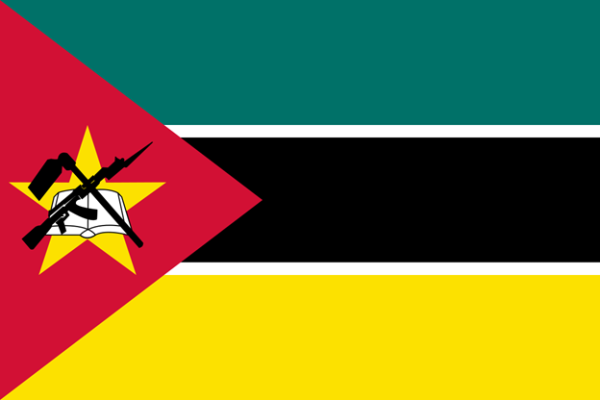
Mozambique Prepares to Tap into Liquefied Natural Gas (LNG) Potential

Location: Business
African Energy Chamber

With plans underway to restart construction of the delayed $20 billion Mozambique LNG project, which promises to produce 13.1 million tonnes of LNG per year for domestic use, it has never been more important to prioritise peace and stability in Mozambique. Following the 2024 general elections, violence during protests has rocked the country, leading to unrest and instability. As the voice of Africa's energy sector and an advocate for Mozambican prosperity, the African Energy Chamber (AEC) (www.EnergyChamber.org) fully supports the country's government and calls for peace, stability and sustainable development as Mozambique enters a new era of energy growth.

Since the discovery of significant natural gas deposits off Mozambique's northern coast in 2010, expectations for the country's economic prosperity have soared. An IMF report predicted $500 billion in total revenues by 2045 and average annual real GDP growth of 24% from LNG exports between 2021 and next year. Energy majors TotalEnergies, ExxonMobil and Eni are developing integrated LNG projects, while new upstream companies are entering the market and gas-to-power projects are nearing completion.

Projects such as Coral Sul LNG, the Rovuma LNG facility and the Temane gas-to-power plant have the potential to attract billions of dollars in investment and revenues while providing stable energy to over 2 million homes by 2030. These developments represent not only a success story for international investors, but also a success story for Mozambique. The country is positioned as one of the most dynamic gas markets on the African continent, with offshore reserves that could push it into the world's top ten producers, accounting for up to 20% of African production by 2040.

Geopolitically, these industrialization efforts could benefit the Southern African region as a whole and transform the country into an energy hub for neighboring countries such as Zimbabwe, Tanzania, Zambia, Malawi, Swaziland, and South Africa. In addition, a 2,700 km coastline along the Indian Ocean makes Mozambique a gateway for ships crossing the hemisphere, allowing it to specialize in efficient and global energy production while diversifying access to quality goods at low prices from markets in Asia, India, Europe, and America.

For Mozambique to realise its immense potential, however, it is essential that the country remains firmly committed to political stability and sustainable development. A peaceful and stable environment is the foundation on which the international community can confidently build long-term partnerships, ensuring that the immense opportunities presented by the development of its natural resources translate into tangible benefits for all. Mozambique's journey to becoming a leading energy producer is intimately linked to its ability to promote unity, security and democratic principles. A sustained commitment to peace will not only reassure international investors, but will also strengthen the country in a way that drives broad-based prosperity for its people and solidifies its role as a key player in Africa's energy future.

“Peace and stability are essential for Mozambique to unlock its immense economic potential. As the country emerges as a global energy hub, the confidence of the international community rests on a unified and secure nation. A commitment to peace will not only ensure the success of the multi-billion dollar energy projects, but will also ensure long-term prosperity, driving sustainable growth for Mozambique and the entire Southern African region. To achieve this, the government must find common ground and reach agreements that translate into long-term benefits for all the people of the country,” said NJ Ayuk, Executive Chairman of the AEC.

In the interest of Mozambique's prosperity, social well-being and economic development, the AEC calls on the government and opposition to strike a balance and commit to post-colonial and post-conflict stability. Mozambique is at a crossroads: one path leads to increased instability, while the other has the potential to transform the country into a trusted partner in the global energy community.

Distributed by APO Group on behalf of African Energy Chamber.

Media files
African Energy Chamber
Download logo
Read moreMozambique Prepares to Tap into Liquefied Natural Gas (LNG) Potential
27 December 2024

How the SRD Grant System Has Been Defrauded

Location: News

Poor systems enabled it

Read moreHow the SRD Grant System Has Been Defrauded
26 December 2024

No. 1 Hair is number one in haircare

Location: News

No. 1 Hair is number one in haircare

By: Bongani Lukhele 

In 1993 Andrew Lebitsa, a Free State Black Industrialist, participated in an empowerment and capacity building project that he said was initiated by South Africa’s first Black President, Nelson Mandela, and New York’s first Black Mayor, David Dinkins.

The objective of the programme was to develop a pool of black corporate bank managers to equip them with skills, knowledge and information that would empower them to play a critical role in the transformation of the banking industry after the country had transitioned to democracy.

Lebitsa spent six months at the Chase Merchant Bank and Baruch College in New York honing his corporate management skills in the bank and acquiring knowledge through the college’s Executive Management Development Programme. 

At the time, little did Lebitsa know that he was bound to follow in the footsteps of the two visionary leaders and blaze his own trail, as he attests that his No.1 Hair company is the only black-owned hair braids manufacturing company in the country. 

This was made possible by the support he received from the Black Industrialists Programme of the Department of Trade, Industry and Competition (the dtic).

In line with the vision of Mandela and Dinkins, the objective of the scheme is to produce a pool of capable and successful Black Industrialists who will actively and meaningfully participate in the manufacturing industry and contribute to growing the economy, creating jobs and transform the sector in particular, and the country’s economy in general.

Today, No.1 Hair, which operates from the Maluti-a-Phofung Special Economic Zone (SEZ) in Harrismith, is providing employment to 60 people who are producing the synthetic hair braids, or hair extensions as they are commonly known, for both domestic and Southern African markets.

“After a long spell in the petroleum franchise and retail industries, I got into a hardware products import and distribution industry. Many of my retail clients requested me to import hair as well.  This was initially never in my mind. But after conducting a research I realised that it was a R9-billion industry in South Africa that these people were indirectly encouraging me to participate it. I decided to get into it,” recalls Lebitsa.

After bouncing off the idea with the late prominent businessperson, Don Mkhwanazi, he advised Lebitsa to consider setting up a plant and manufacture hair in South Africa, instead of importing it. 

He connected him with two South Korean businessmen who assisted him to set up the factory in the Maluti-a-Phofung SEZ. The location was an obvious choice for Lebitsa as he once worked in the zone while he was employed by the Free State Development Corporation as a property manager.

“That is how No.1 Hair was born,"he said.

R60 million state-of-the-art plant

The R60 million state-of-the-art plant was set up with assistance from the dtic and Industrial Development Corporation (IDC). 

“After a delay caused by the COVID-19 [pandemic], we eventually started the production of our brand of hair braids in January 2021. We started with black hair braids and extended our range to numerous other colours over a period of time,” said Lebitsa.

He concedes that penetrating the hair market as a black manufacturer has been and remains a steep challenge.

“Firstly, consumers of this product are used to particular famous brands that are all imported. It is not easy for them to warm up to and embrace a new, unknown product. Secondly, but more importantly; it is the problem of perception and stereotypes that one has to deal with in the industry.

“As a black manufacturer, you are already disadvantaged when approaching buyers who source products for big companies and retail stores. 

Summer season

“From not even giving you a chance to present your products to them, to doubting both your capability as a businessperson to deliver on orders, and the quality of your products. It is a big challenge. However, one order at a time we have managed to build quite [a] sizeable number of clients,” he adds.

Lebitsa’s spirit lifts when he starts speaking about the summer season that he says sparks a high demand in hair braids. To this end, he has received huge amounts of orders that will soon see all of his production lines running at full capacity.

“Despite all these market penetration challenges, we are making steady progress and continue to grow the company.  Slowly but surely, we are increasing our own market share.

“We pride ourselves in being a proudly South African company whose products and raw material are produced in the country. 

“We are hopeful that the Buy Local Campaign will instil patriotism in consumers of our products and enable them to choose locally-produced quality products instead of poor quality imports.”

He revealed that his plan is to expand his business by diversifying his product range and venturing into the manufacturing of hair care products. - SAnews.gov.za

*Bongani Lukhele is the Director: Media Relations for the dtic


DikelediM
Thu, 12/26/2024 - 07:00

76 views
Read moreNo. 1 Hair is number one in haircare
24 December 2024

Angola Cables Executive Rui Faria to Also Represent West Africa on the International Advisory Body for Submarine Cable Resilience

Location: Business
Angola Cables

Angola Cables (www.AngolaCables.co.ao), an internationally established ICT and digital solutions and network services provider, is proud to announce the appointment of its Executive Board Member and Chief Commercial Officer, Rui Faria, to the newly established International Advisory Body for Submarine Cable Resilience.

This representation on the 42-member advisory body comes at an opportune time, following widespread internet outages, across several African countries, earlier this year caused by damage to international undersea cables running along the West African coastline.

These disruptions have underscored the region's urgent need for greater infrastructure resilience. With growing reliance on digital networks for economic growth, trade, and innovation, safeguarding these undersea data corridors is vital for West Africa's development.

The International Advisory Body for Submarine Cable Resilience was established by the International Telecommunication Union (ITU), the United Nations Agency for Digital Technologies, and the International Cable Protection Committee (ICPC). Its goal is to enhance the reliability and safety of submarine cables, which are the backbone of global and regional connectivity.

Subsea cables facilitate over 99% of international data exchange, supporting communication, financial systems, cloud services, and digital economies worldwide. The multi-stakeholder advisory body includes government ministers, regulatory authorities, industry executives, and senior telecommunication cables experts.

With more than 30 years of experience in Africa's subsea cable sector, Faria was invited by the Angolan Ministry of Telecommunications, Information Technologies, and Social Communication (MINTTICS) to take up this advisory role as the government looks to diversify its economy and improve telecoms infrastructure within the country. 

“West Africa's recent experience with submarine cable failures has highlighted the fragility of our connectivity networks and the critical need for proactive solutions. As part of the International Advisory Body, we will work towards identifying vulnerabilities and implementing measures to ensure these vital cables remain operational and resilient. Strengthened collaboration and innovation will help mitigate disruptions and secure West Africa's digital future,” said Faria.

Fernando Fernandes, CEO of TelCables Nigeria, Angola Cables subsidiary, emphasised the importance of this appointment for the region, saying, “We are honoured that Rui has been selected to represent West Africa on the Advisory Body for Submarine Cable Resilience. Submarine cables are the foundation of modern economies, and their stability is paramount for enabling global and regional growth. We believe this initiative will go a long way towards building resilience, ensuring uninterrupted worldwide connectivity, and unlocking new economic opportunities for West Africa.”

Angola Cables' participation in the Advisory Body underscores its commitment to initiatives that safeguard critical telecom infrastructure and support national and regional development. In this regard, the company also supports scientific research into naturally occurring cable failures, including the groundbreaking work conducted by the Department of Geography and Earth Science at Durham University in the Congo River Canyon Crossing in West Africa.

“Consultation, cooperation, and collaboration between countries and all technical and scientific stakeholders will ensure that we can implement better measures to safeguard submarine cable infrastructure and the integrity of the undersea data corridors, the lifeblood of our global, digital-enabled economy. On a regional front, they will enable West Africa to remain connected, competitive, and positioned for sustained digital and economic growth,” concluded Faria. 

Distributed by APO Group on behalf of Angola Cables.

NOTE TO EDITORS:  
About Angola Cables:
Angola Cables is an internationally established ICT and digital solutions and network services provider.  The company specialises in connectivity solutions for the wholesale market and offers tailored digital services and solutions across multiple industries, including Cloud resources for the corporate enterprise sector.

Known for its innovation, Angola Cables operates a robust global backbone network, providing access to major IXPs, Tier I operators, and global content providers. With more than 30 PoPs and connections to 66 interconnected Data Centres and 6000 peering agreements, traffic over its international network is in excess of 18 500 Tbps.

The company has its own submarine cable network spanning over 33,000 kilometres (WACS, SACS, and MONET) and extends its services to over 50,000 kilometres through partner cables, connecting the Americas, Africa, Europe, and Asia.

Additionally, the company operates two world-class Data Centres, AngoNAP Fortaleza in Brazil and AngoNAP Luanda in Angola. Angola Cables also manages PIX in Brazil and Angonix in Angola - one of the leading internet traffic exchange points in Africa that directly connects to over 21 IXPs worldwide.

With a significant international presence, Angola Cables is expanding its operations into strategic markets such as Brazil, South Africa, the United States, and Nigeria. The company promotes intercontinental interconnection, driving digital and economic development, and ranks among the top 25 internet service providers in the world today.

*The Center for Applied Internet Data Analysis (CAIDA) 2023

For more information, visit the website: www.AngolaCables.co.ao

Media files
Angola Cables
Download logo
Read moreAngola Cables Executive Rui Faria to Also Represent West Africa on the International Advisory Body for Submarine Cable Resilience
19 December 2024

Have your say on anti-money laundering draft bill

Location: News

Have your say on anti-money laundering draft bill

The National Treasury has published two key Acts aimed to strengthen South Africa’s system of Anti-Money Laundering and Combating the Financing of Terrorism (AML/CFT) system.

The draft General Laws (Anti-Money Laundering and Combating Terrorism Financing) Amendment Bill, 2024, was published in the Government Gazette No. 51772 Notice 5683, on 13 December 2024, for public comment.

“The draft Amendment Bill aims to demonstrate South Africa’s commitment to strengthening its Anti-Money Laundering and Combating the Financing of Terrorism (AML/CFT) system, by addressing the remaining deficiencies identified by the Financial Action Task Force (FATF) mutual evaluation in 2021 and during the remedial process to exit the FATF greylist, and to better prepare South Africa for the next mutual evaluation to be conducted in 2026/27,” National Treasury said on Tuesday.

The draft Amendment Bill was developed together with the Department of Trade, Industry and Competition, Department of Social Development, and Financial Intelligence Centre. 

It proposes amendments to four pieces of legislation that fall under the administrative responsibilities of different Ministers, including:

  • The Financial Intelligence Centre Act, 2001: Minister of Finance;
  • The Financial Sector Regulation Act, 2017: Minister of Finance;
  • The Companies Act, 2008: Minister of Trade, Industry and Competition; and
  • The Nonprofit Organisations Act, 1997: Minister of Social Development.

The sections of the above laws that would be amended in the draft Amendment Bill, if enacted, include the following:

  • Financial Intelligence Centre (FIC) Act to deal with minor deficiencies relating to targeted financial sanctions in sections 26A, 26B, 28A and 51A;
  • Section 42 of the FIC Act to address minor deficiencies identified with respect to new technologies;
  • Section 46 of the FIC Act to address a deficiency relating to customer due diligence measures for anonymous clients;
  • Section 30 of the Nonprofit Organisations Act to specify the maximum amount of the fine and years of imprisonment in respect of an offence in terms of the Act;
  • Sections 82 and 175 of the Companies Act, 2008 to address deficiencies related to the application of remedial actions and/or dissuasive and proportionate sanctions for non-compliance with beneficial ownership obligations;
  • Sections 2, 3, 58, 106, 108, 111, 131 and 135 of the Financial Sector Regulation Act to close gaps in the protection of financial sector customers, and licensing and regulations for market conduct and anti-money laundering, and to strengthen licensing and enforcement powers; and
  • Other technical amendments related to strengthening the country's anti-money laundering and anti-corruption laws.

“Upon the receipt of written comments, the National Treasury, in collaboration with the Department of Social Development and the Department of Trade, Industry and Competition will engage with stakeholders on selected issues. 

“This engagement will occur through public workshops designed to facilitate discussions regarding the written comments on the draft Amendment Bill, prior to its submission to Cabinet. Subsequently, the updated draft Amendment Bill will be presented to Cabinet for consideration and eventually, for tabling in Parliament,” National Treasury explained.

Interested parties are invited to submit their written comments to the National Treasury at Commentdraftlegislation@treasury.gov.za by close of business on 6 February 2025.

The General Laws (Anti-Money Laundering and Combating Terrorism Financing) Amendment Bill, 2024 is accessible on the National Treasury website www.treasury.gov.za - SAnews.gov.za

nosihle
Thu, 12/19/2024 - 11:48

242 views
Read moreHave your say on anti-money laundering draft bill
14 December 2024

African Youth Tech Venture Entrepreneurs Embark on Groundbreaking Korean Innovation Tour

Location: News
African Development Bank Group (AfDB)

Twenty promising youth entrepreneurs from African technology ventures and enterprise support organizations have embarked on a two-week study tour of the Republic of Korea, seeking investment and insights from the country's innovative tech ecosystem. The African Development Bank Group's (www.AfDB.org) Innovation and Entrepreneurship Lab selected these young entrepreneurs from 133 ventures that participated in last month's Africa Tech Startup Forum.  

Held under the auspices of the Lab's Leveraging the Entrepreneurial and Innovation Success of Korea to Strengthen African Enterprise Support project, the Forum selected entrepreneurs who pitched the best business models during the weeklong virtual market access and acceleration program preparing, training, and connecting technology ventures with opportunities. 

Representing eight African nations -- Egypt, Ghana, Kenya, Morocco, Nigeria, Rwanda, South Africa, and Uganda – the delegates span diverse technological sectors, including agritech and health. Their ambitious itinerary includes visits to prestigious institutions such as Global Startup Centre, LG Science Park, the Korea Software Technology Association, unicorn companies with valuations exceeding $1 billion and the Global Digital Innovation Network, a foundation supporting the expansion of South Korea's tech startups. 

Uche Ezadinachi, the founder of Kenya-based health technology venture Zuri Health, expressed enthusiasm about the opportunity. “I am excited to go to Korea because the country has made serious technological developments. The [country] is a technology-driven society, and this tour is an opportunity for me to see how we can bring such technology to Africa,” she said.  

“We will share experiences with our Korean counterparts; they will learn from us as much as we learn from them,” she added. 

The delegation, which is more than one-third women and entirely composed of entrepreneurs aged 18 to 35, will participate in several high-profile events, including, K Startup Grand Challenge, an accelerator program supported by the South Korean government, Africa Innovation Networking Gala, and COMEUP Korea, an event connecting Korean startups with global investors, corporations, and media. 

David Chen, co-founder of Rwandan health data venture Kapsule, highlighted the tour's potential for relationship-building. “This is an opportunity for us to have face-to-face interactions and build relationships. This trip will help us link with other health technology companies operating in Asia,” he said. 

Financially supported by the Korea-Africa Economic Cooperation Trust Fund, the Africa Tech Startup Forum is part of the African Development Bank's broader Jobs for Youth in Africa Strategy.  

Martha Phiri, the Bank's Director of Human Capital, Youth and Skills Development, underscored the program's significance. 

“This is a pivotal initiative that plays a crucial role in enhancing the skills of young entrepreneurs. These skills will empower young entrepreneurs to expand their ventures, which leads to significant employment creation,” she stated. 

Ndeye Absa Gningue, Innovation Platform Officer, managing the Bank's Innovation and Entrepreneurship Lab, said: “Platforms like the Africa Tech Startup Forum provide young people with the opportunity to nurture their potential. We will continue to work with them so they can blossom.” 

Distributed by APO Group on behalf of African Development Bank Group (AfDB).

Media contact:  
Leonard Makombe
Communication Specialist
Communication and External Relations Department
email: media@afdb.org 

About the African Development Bank Group: 
The African Development Bank Group is Africa's premier development finance institution. It comprises three distinct entities: the African Development Bank (AfDB), the African Development Fund (ADF) and the Nigeria Trust Fund (NTF). On the ground in 41 African countries with an external office in Japan, the Bank contributes to the economic development and the social progress of its 54 regional member states. For more information: www.AfDB.org

Media files
African Development Bank Group (AfDB)
Download logo
Read moreAfrican Youth Tech Venture Entrepreneurs Embark on Groundbreaking Korean Innovation Tour
13 December 2024

Call to expand SA-Angola trade and investment 

Location: News

Call to expand SA-Angola trade and investment 

President Cyril Ramaphosa has called for the expansion of bilateral trade and investment between South Africa and Angola.

“During our official engagement, we reached a shared understanding that significant opportunities exist to further strengthen and expand our bilateral trade and investment relations,” President Ramaphosa said on Thursday.

The President made the remark during the South Africa-Angola Business Forum held at the CSIR International Conventional Centre in Pretoria. This as he hosted his Angolan counterpart, President João Manuel Gonçalves Lourenço, who was in South Africa for a State Visit at the Union Buildings earlier in the day.

READ | SA, Angola deepen ties

Speaking at the inaugural South Africa-Angola Business Forum, President Ramaphosa said it was heartening and encouraging to see a broad representation of business from the two countries. 

“This is in itself a solid demonstration of confidence; confidence in the strength of the region’s two largest economies; confidence in the potential that exists for deepening trade and investment ties; confidence that the governments of both countries are taking the necessary steps to ensure that the business operating environment is improved so investments can be safe and secured,” the President explained.

The first citizen said in his engagements with President Lourenço and the respective delegations, a wide array of critical political, economic and social issues of mutual concern were discussed.

More than 20 South African entities are already investing in Angola in a range of sectors including rail, agriculture, industrial parks, oil refineries, manufacturing, IT, financial services and logistics.

“By way of example, the Development Bank of Southern Africa is financing port development, railway rehabilitation, oil and gas infrastructure and renewable energy development in Angola. 

“The Export Credit Insurance Corporation of South Africa has also maintained a healthy pipeline in Angola in infrastructure development, and the Industrial Development Corporation is involved in financing the Cabinda Oil Refinery and the Cabinda phosphate project. We would like to see substantially more Angolan FDI [foreign direct investment] inflows into the South African economy,” said President Ramaphosa.

In addition, between 2003 and 2024, “only a handful” of Angolan companies were investing in South Africa in communications, financial services and the metal sector.

With respect to trade, though South Africa’s exports to Angola have grown by approximately 11% since 2019, they account for just 3% of Angola’s total imports. 

South Africa’s imports from Angola have declined by some 19% since 2019.

“Casting the net wider presents immense possibilities for improving both trade and investment flows. South Africa is pursuing an ambitious economic development agenda based on export-led industrialisation.

“We seek to revitalise our industrial base, modernise our infrastructure network, and strengthen logistics and supply chain connectivity with the rest of the continent,” President Ramaphosa said, noting that this presents opportunities for cooperation in various sectors such as agriculture and agro-processing, energy and rail rolling stock.

Energy and infrastructure development

On energy matters, the President said the rapid growth of key clean energy manufacturing industries, as part of the global transition to a low-carbon economy, is an area that must be explored urgently. 

“The global energy transition offers new opportunities to upgrade and diversify into technology-intensive global value chains. The transition to a low-carbon economy therefore presents scope for collaboration around critical minerals, specifically with regards to value addition and beneficiation.”

The President said infrastructure development that unlocks intra-Africa trade is a priority.

“We must build on the work already underway on the Lobito Corridor to create sustainable industries in the region. South Africa is ready to partner with Angola in the development of strategic corridors, including the Central, North and South Corridors, with the aim of transforming them into dynamic economic infrastructure projects that can promote growth.”

Cutting red tape

President Ramaphosa called on business and government to use the forum proactively.

“As government and business, we must use this forum to engage proactively around not just the possibilities that exist, but also how to resolve the challenges in the business operating environment. Companies in both Angola and South Africa have challenges that make it difficult to do business.

“Stringent business visa requirements, high export costs, onerous import processes, taxation issues and bureaucratic red tape are just some of these. 

“We must be able to emerge from this forum with a clear understanding of what the main challenges are and what steps will be taken to facilitate greater market access on both sides.

“Promoting greater economic growth for the benefit of Angola and South Africa necessitates that we are agile, adaptable and responsive as both the public and private sectors,” he said. - SAnews.gov.za

Edwin
Fri, 12/13/2024 - 09:42

297 views
Read moreCall to expand SA-Angola trade and investment 
13 December 2024

SA, Angola well positioned to capitalise on trade and investment opportunities

Location: News

SA, Angola well positioned to capitalise on trade and investment opportunities

The Deputy Director General: Trade Branch at the Department of Trade, Industry and Competition (the dtic), Ambassador Xolelwa Mlumbi-Peter, says South Africa and Angola are well positioned to capitalise on trade and investment opportunities that exist in both countries.

Mlumbi-Peter was speaking at a Business Forum hosted by South Africa and Angola in Pretoria on Thursday.

“Boosting intra-Africa trade has to be a core objective for both our countries. We need to identify what is produced in our countries, but also what we are importing from elsewhere, so that we can identify obvious products that can be traded among ourselves.

“Many economies globally are adopting strategic autonomy policies and are reconfiguring supply chains to bring them closer to home to promote economic resilience and address strategic vulnerabilities. Promoting intra-Africa trade has to be a strategic objective,” said Mlumbi-Peter.

She encouraged the private sector to identify opportunities for sourcing key inputs and products from each other to boost bilateral trade.

Speaking at the Forum, Chief Executive Officer of Business Unity South Africa, Khulekani Mathe, said as the South African business community, they recognised Angola as a vital market for their products. 

He said the African Continental Free Trade Agreement (AfCFTA), provides significant potential for expansion of trade between the two markets.

“The presence of South African companies in sectors such as mining, banking, retail, logistics, and food services underscores Angola's importance as an investment destination for South Africa to facilitate trade, we need to develop appropriate infrastructure.

“In addition to physical infrastructure, establishing and strengthening business organisations, such as chambers of commerce, is critical,” he said.

He added that the South Africa-Angola Chamber of Commerce was an important building block of trade infrastructure. He encouraged businesses from both countries to join and strengthen this organisation.

“Currently, both economies face challenges with weak growth, registering less than one percent of the Gross Domestic Product (GDP) growth in 2023. 

“Another shared characteristic is our dependence on raw natural resources in our exports, which means that while we export our commodities, we are also exporting jobs to countries that transform these resources into finished products."

The President of the Angola-South Africa Chamber of Commerce, Paula Xavier, said as a chamber they once again called upon businesses from South Africa and Angola to create, strengthen and deepen businesses, partnerships and investments in favour of the multi-sectoral sustainability.

She said for this to be possible, a few essential elements were needed, namely; the alignment of the heads of state, the involvement of entrepreneurs in business partnerships and the cultural dream of people from both countries.

The Chief Executive Officer of Black Business Council, Kganki Matabane said the role of the two economies in the Southern African Development Community (SADC) region were critical as the two countries have a strong partnership that includes trade and investment.

“Our role as partners is crucial in the implementation of the AfCFTA as we are poised to exploit the opportunities as key players within the region. 

“At the crux of our respective economies is the need to improve livelihoods. Our bilateral interaction provides an opportunity to contribute not only to regional growth but growth of the global economy,” said Matabane.

He added that the most important opportunities that can be explored by businesspeople from both countries were the beneficiation of mineral resources and localisation, as they are important for job creation, and to promote sustainable development. – SAnews.gov.za


Edwin
Fri, 12/13/2024 - 10:25

75 views
Read moreSA, Angola well positioned to capitalise on trade and investment opportunities
13 December 2024

German President Frank-Walter Steinmeier pays working visit to SA

Location: News

German President Frank-Walter Steinmeier pays working visit to SA

President Cyril Ramaphosa will today host President Frank-Walter Steinmeier of the Federal Republic of Germany for a working visit at Mahlamba Ndlopfu, the President’s official residence in Pretoria.

According to the Presidency, the visit will highlight the “30th anniversary of democracy in South Africa and the 35th anniversary of the fall of the Berlin Wall”.

“The leaders will have an opportunity to engage on a variety of issues of mutual interest, thereby enhancing the strategic relationship and fostering closer cooperation between the two countries.

“South Africa has a very substantial and diverse relationship with Germany. Germany is one of South Africa’s most important strategic partners and is the third largest market for South African exports, the third largest source of overseas tourists, as well as a major investor and development partner,” the Presidency said ahead of Friday’s visit.

The German leader visits South Africa after attending a three-day State Visit to the Federal Republic of Nigeria.

“During his visit [to South Africa], President Steinmeier will be accompanied by a business delegation of 10 German CEOs and will participate in a business roundtable during the afternoon of 13 December 2024. 

“He will also lay a wreath at Freedom Park.  He will also visit Lesotho on 14 December 2024 before returning to South Africa for an onward flight to Germany,” the Presidency said. – SAnews.gov.za

NeoB
Fri, 12/13/2024 - 09:05

108 views
Read moreGerman President Frank-Walter Steinmeier pays working visit to SA
12 December 2024

BRICS Antitrust Authorities Turned against Covantis

Location: News
BRICS Competition Law and Policy Centre

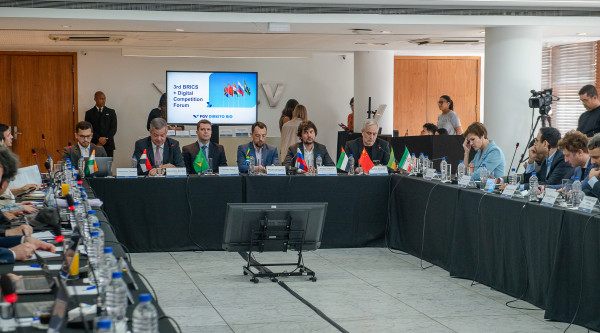
At the 3rd BRICS + (Brazil, Russia, India, China, South Africa, Egypt, Iran, Arab Emirates, Ethiopia + partners) Digital Competition Forum, the BRICS Competition Law and Policy Centre (www.BRICSCompetition.org) presented a new methodological approach to analyzing and regulating food markets that takes into account their accelerating digitalization. Specific tools that are being developed within the BRICS framework were also announced. One of the targeted tools will be the food market and restrictions on the activities of monopolists like Covantis.

Alexey Ivanov, Director of the BRICS Competition Law and Policy Centre, highlighted that digitalization strengthens the global power of large corporations, which, as a result, poses a threat of market monopolization. He urged BRICS antitrust regulators to pay close attention to a similar example of increasing market power through digitalization — the blockchain platform Covantis. The platform aims to digitize the entire agribusiness trade process, from contract management to final shipping. Founded by the largest agro-traders of the ABCCD group (ADM, Bunge, Cargill and Louis Dreyfus and COFCO) and Viterra, Covantis avoids antitrust scrutiny due to its structure. At the same time, the platform collects valuable commercial information about production from farmers and agricultural traders. The platform has already become a dominant player in grain trade. For example, in Brazil, 76% of grain exports go through the platform. In 2023, 53% of grain exports from the US, 34% from Canada and 51% from Argentina went through the Covantis platform. At the same time, the owners of the platform do not allow most of the local big players to enter. In essence, it is an exclusive platform, a quasi-cartel.

“Global food prices have reached the highest level in the last year and a half. Virtually all BRICS countries are currently undergoing antitrust investigations into the egg and chicken meat markets. Competitive agencies must take a new approach to regulating the food industry, not just by jointly analysing global food chains, but by analysing them taking into account all the implications of digitalization. This is the only way we will be able to tackle food security, which is particularly acute for the BRICS and partner countries. For example, the Covantis platform can be used by traders to share confidential information and vertical pressure on farmers. And of course the exclusionary behaviour of Covantis towards local players is of utmost importance. This should be the focus of attention of our countries' competition authorities” – Ivanov explained.

Based on the developed fair organized (exchange) trade in commodities and commodity derivatives within the BRICS framework, it is proposed to solve the problems related to market concentration and, as a consequence, insufficient consideration of the interests of small, medium and large enterprises, which will help to resolve issues related to the violation of the balance of interests of financial market players and producers and consumers of the real sector.

It is proposed to create within the BRICS framework representative indicators of exchange quotations and price indices for OTC transactions based on representative samples of actual transactions, reflecting the competitive composition of sellers and buyers and ensuring the use of universal means of delivery of traded goods. New approaches will contribute to the elimination of unproductive intermediation and increase stability in global commodity markets.

The development of a derivatives market based on reliable exchange and OTC cash commodity prices will create opportunities for BRICS economies to manage risks and pool resources, lead to positive consequences for business and society, strengthen cooperation and stimulate economic growth. Targeted subsidies and exchange mechanism will improve fiscal policy and infrastructure development.

Earlier this year, BRICS Competition Law and Policy Centre (BRICS Center) with the leadership of the Competition Policy and Assessment Center of the State Administration of Market signed a memorandum on long-term cooperation announced the launch and development of the Russian-Chinese exchange and trade platform in consumer goods and commodities which will become a basis for the further development of the universal exchange platform for all BRICS member-countries.

“If entrepreneurs of Russia and China work directly, through modern exchange mechanisms, which will not only allow to establish direct long-term ties, but also reduce prices for goods for end consumers, as it will eliminate the use of intermediary schemes. The task of experts and researchers in this regard is to develop a system of organizational, legal and economic measures and analyze the necessary conditions for the creation of exchange platforms and the development of exchange trade, including in the BRICS format” – Fu Hongwei, Director, Competition Policy and Assessment Center, SAMR; explained.

Distributed by APO Group on behalf of BRICS Competition Law and Policy Centre.

About the 3rd BRICS + Digital Competition Forum:
The BRICS + (Brazil, Russia, India, China, South Africa, Egypt, Iran, Arab Emirates, Ethiopia + partners) Digital Competition Forum, which is being held this year on the margins of the G20 Summit, brings together heads and representatives of competition authorities from all BRICS countries and partners, as well as researchers and visionaries in the field of digital regulation from around the world. The Forum includes the BRICS Working Group on the Study of Competition Issues in Digital Markets. This year's main topics include regulation of digital ecosystems, the challenges and opportunities that artificial intelligence brings to antitrust law, and the digitalization of global food chains.

The Forum is organized by the HSE University BRICS Competition Law and Policy Centre together with the FGV University School of Law (Getulio Vargas Foundation) with the support of the Brazilian Competition Authority (CADE).

Media files
BRICS Competition Law and Policy Centre
Download logo
Read moreBRICS Antitrust Authorities Turned against Covantis
12 December 2024

Financial injustice a hindrance to Africa’s development

Location: News

Financial injustice a hindrance to Africa’s development

The transformation of global financial institutions remains critical in addressing Africa’s mounting debt challenges, as they perpetuate financial injustice, says United Nations (UN) Secretary-General António Guterres.

“The G20 must lead in delivering financial justice. Financing is fundamental -- from inclusive economic growth, to supporting industrialisation and food security or addressing inequalities,” Guterres said during the closing session for the Joint Sherpa-Finance and Central Banks Deputies' Meeting, held in Johannesburg, on Wednesday.

Guterres explained that global financial systems "load" countries with debt service costs, while denying them access to sufficient low-cost financing to fight poverty, inequality and hunger and advance the Sustainable Development Goals (SDGs).

According to the UN, in 2022, public debt in Africa reached USD 1.8 trillion.

“Developing countries must be represented fairly in their governance. These institutions must also protect economies, particularly from global shocks. It is time to mend the global safety nets that were discovered during the COVID-19 pandemic that they were no longer fit for purpose.

“This continent’s potential is without question. Africa is home to a young and growing population, rich cultural and natural diversity, and a tremendous entrepreneurial spirit. But this enormous potential continues to be held back by injustices that are deeply rooted in the history of colonialism.

“Injustice in worsening climate chaos - which Africans did virtually nothing to cause - that fuels floods, storms, hunger and deadly droughts. I stand side-by-side with President Ramaphosa and the people of Africa in this fight for justice on all fronts. Africa needs financial justice,” Guterres said.

In September, world leaders adopted the Pact for the Future, which includes commitments for ambitious reforms to make the international financial architecture representative of today’s global economy and put the needs of developing countries front and centre.  

The pact covers a broad range of issues including peace and security, sustainable development, climate change, digital cooperation, human rights, gender, youth and future generations, and the transformation of global governance.

“It calls for action to move forward with an SDG Stimulus… to substantially increase the lending capacity of Multilateral Development Banks to make them bigger, bolder and better to support developing countries.

“... And to mobilise more international and domestic resources, public and private, for vital investments. Last week I appointed a group of leading experts to galvanize international support for action on debt, and I’m delighted that Trevor Manuel will be part of this important work,” he said.

As part of the work for South Africa’s G20 Presidency, Guterres participated in the first series of the more than 130 meetings that will precede the G20 Summit in 2025.

On 1 December 2024, South Africa assumed the Presidency of the G20, which comprises many of the world's largest developing and developed economies.

The G20 was established to tackle pressing global economic and financial issues. Together, G20 members account for around 85% of global gross domestic product (GDP) and 75% of international trade. 

The G20 comprises 19 countries including Argentina, Australia, Brazil, Canada, China, France, Germany, India, Indonesia, Italy, Japan, Republic of Korea, Mexico, Russia, Saudi Arabia, South Africa, Türkiye, United Kingdom, and United States and two regional bodies, namely the European Union and the African Union.

The grouping therefore plays a critical role in influencing global policy making and fostering global economic stability.

South Africa's G20 Presidency is the fourth consecutive emerging market Presidency, and it is also the first African Presidency, followed by the admission of the African Union (AU) as the second permanent African member. - SAnews.gov.za

nosihle
Thu, 12/12/2024 - 08:51

211 views
Read moreFinancial injustice a hindrance to Africa’s development
12 December 2024

G20 urged to deliver on climate justice

Location: News

G20 urged to deliver on climate justice

With developing nations being considered the most vulnerable to climate change, United Nations Secretary-General António Guterres says the Group of Twenty (G20) countries must lead in delivering climate justice.

Addressing the closing session for the Joint Sherpa-Finance and Central Banks Deputies' Meeting, Guterres stressed that many vulnerable countries are being forced to respond to a crisis they did not create.

“Meanwhile, they lack the necessary support to seize the benefits of clean energy to spur prosperity and eliminate poverty. We need developed countries supporting developing countries with adequate, affordable and accessible finance and technology, and through meaningful contribution to the loss and damage fund by doubling adaptation finance next year as promised.

“[Climate justice can be delivered] by forging new partnerships like the Just Energy Transition Partnership that South Africa has pioneered to pave the way to a renewable future,” the Secretary-General said on Wednesday in Johannesburg.

On 1 December 2024, South Africa assumed the Presidency of the G20, which comprises many of the world's largest developing and developed economies.

As part of the work for the G20 Presidency, South Africa has commenced with the first series of the more than 130 meetings that will precede the G20 Summit in 2025.

“G20 countries must lead the way in line with the principles of common but differentiated responsibilities but recognise that every G20 country has to do more in the reduction of emissions. Next year, every government must deliver new economic plans in line with limiting the global temperature rise to 1.5 degrees.

“These new plans must cover all emissions in the whole economy, accelerate a just fossil fuel phase out and contribute to the energy transition goals agreed to at COP28. We must also ensure that Africa’s critical minerals that can power the renewable future worldwide benefit Africans first and most. We cannot repeat the mistakes of the past,” he said.

Guterres further called on the G20 to lead on technological justice.

“From digital technology to artificial intelligence, the developing world must access and benefit from the technological revolution.

“We need the G20 to support developing countries as they invest in the digital driven systems and solutions that their people need to boost prosperity to create jobs and drive sustainable development,” he said.

South Africa's G20 Presidency is the fourth consecutive emerging market Presidency, and it is also the first African Presidency, followed by the admission of the African Union (AU) as the second permanent African member. 

The G20 was established to tackle pressing global economic and financial issues. Together, G20 members account for around 85% of global GDP and 75% of international trade. 

The G20 comprises 19 countries including Argentina, Australia, Brazil, Canada, China, France, Germany, India, Indonesia, Italy, Japan, Republic of Korea, Mexico, Russia, Saudi Arabia, South Africa, Türkiye, United Kingdom, and United States and two regional bodies, namely the European Union and the African Union.

The grouping therefore plays a critical role in influencing global policy making and fostering global economic stability. - SAnews.gov.za

nosihle
Wed, 12/11/2024 - 15:14

90 views
Read moreG20 urged to deliver on climate justice
12 December 2024

Mashatile calls on Chinese-funded businesses to increase investments to create jobs in SA

Location: News

Mashatile calls on Chinese-funded businesses to increase investments to create jobs in SA

Deputy President Paul Mashatile has encouraged Chinese-funded enterprises in South Africa to increase their investments in crucial sectors of the economy, particularly the automotive industry and infrastructure development.

“Your participation and investment in our country is critical for creating jobs and promoting economic growth and development,” the Deputy President said on Wednesday. 

The country’s second-in-command was speaking at the launch of the corporate social responsibility report of Chinese-funded enterprises in South Africa. 

At the South Africa-China Economic Trade and Association (SACETA) event, Mashatile cknowledged the organisation’s substantial contributions to the country’s economic and social development. 

SACETA was established in April 2011 and serves as a vital platform for fostering economic and trade collaboration between China and South Africa.

Mashatile told attendees that the 200 Chinese-funded enterprises locally serve as role models for businesses, demonstrating that profitability should be balanced with social good. 

As the global landscape continues to evolve rapidly, he believes it is essential for nations to cultivate strong partnerships to thrive and navigate the challenges of the modern world.

“We should leverage our expertise to navigate towards a more sustainable path, guided by the principles of joint pursuit and a shared future. Our countries have complementary strengths and resources, making us ideal economic partners.”

The Deputy President described China as one of the world’s greatest economies, providing a massive market for South African goods and services.

“In return, South Africa provides rich resources, such as minerals, agricultural products, and skilled labour, to support China’s rising economy.” 

Mashatile is of the view that improving trade connections between South Africa and China benefits both countries directly and has a positive ripple effect throughout the region. 

“Increased trade creates jobs, stimulates economic growth, and improves living standards for the people of both countries.”

However, the Deputy President acknowledged that the trade structure has been imbalanced, noting that last year’s value of China’s imports far exceeded its exports. 

According to Mashatile, total bilateral trade increased from R614 billion in 2022 to R692 billion in 2023, while China’s R146 billion deficits remained the highest among any of the country’s trading partners.

He announced that government intends to work with China in addressing the trade deficit and structure of bilateral trade by broadening its export basket, especially to export more value-added products.

“South Africa mostly exports minerals and agricultural products to China while importing mostly manufactured goods from China. At a time when African economies are becoming more integrated, China’s technological prowess may help Africa industrialise and export more than just raw materials.

“Instead of exporting raw agricultural items, South Africa may export processed foods that are more valuable.”

Mashatile stressed that China could lend a helping hand by streamlining import procedures and lowering regulatory hurdles, which could make China a larger market for local products, benefiting both South African producers and Chinese customers.

He said Chinese-funded enterprises must seize opportunities in emerging fields such as artificial intelligence, the digital economy and green energy.

Last year, Chinese businesses pledged to invest up to R15 billion at South Africa’s fifth Investment Conference. 

“In that same year, we witnessed the signing of significant purchase agreements totalling US$2.2 billion with companies in both nations. Therefore, our positive trade relations continue to be crucial in combating unemployment, inequality, and poverty,” Mashatile said.

He said South Africa and China share a strong and longstanding relationship, and that the bond between the nations has deepened, revealing the potential for collaboration to promote inclusive and equitable growth.

The Deputy President also touched on President Cyril Ramaphosa’s recent State Visit to China and told attendees that both Heads of State committed to providing a stable, fair, and enabling business environment for companies.

He welcomed the report that highlights the contributions of Chinese-funded enterprises to environmental conservation, community development, education, and healthcare. 

“As we move forward, let us reaffirm our commitment to expanding South African-Chinese trade and investment cooperation. Together, we can build a more successful and sustainable future for our countries.” – SAnews.gov.za

Gabisile
Wed, 12/11/2024 - 13:54

22 views
Read moreMashatile calls on Chinese-funded businesses to increase investments to create jobs in SA
11 December 2024

Spotlight on interventions for economic empowerment of women

Location: News

Spotlight on interventions for economic empowerment of women

With South Africa officially assuming the G20 Presidency, government is looking forward to rallying the world against all forms of gender-based violence and exploitation of women, through the Working Group on Women Empowerment.

Addressing the closing event for the 16 Days of Activism for No Violence gainst Women and Children campaign at Ntsimbini Sports Ground in Port St John’s in the Eastern Cape on Tuesday, Minister in the Presidency for Women, Children and Persons with Disabilities, Sindisiwe Chikunga, announced a range of socio-economic interventions to transition vulnerable women to income-generating activities.

Chikunga said economic empowerment was incomplete without women’s meaningful access to land, which was the basis of all economic activity and a source of dignity.

The catalytic interventions for the economic empowerment of women include prioritising transferring productive land and productive assets to women for commercial purposes. 

Working with Transnet Properties, Chikunga said over 20 sites have been identified in Limpopo, KwaZulu-Natal and the Eastern Cape, spanning over six district municipalities.

The sites will be leased to women at highly-subsidised rates, enabling them to develop sustainable enterprises.

“We are actively identifying more sites across all nine provinces, [and] we have also partnered with the Council for Scientific and Industrial Research (CSIR) to create a value-chain-driven Agricultural Cooperatives Model. 

“By leveraging the CSIR’s intellectual property and advanced technologies, including precision agriculture, this model will equip and prepare women farmers for market success.

“The Minister of Finance recently announced that public procurement makes up around 19% of government spending, totalling R1.5 trillion over the next three years. I have tasked the Women’s Economic Assembly to assemble a team of experts that will dissect Public Procurement and Gender-Responsive Supply Chains to ensure that a minimum of 40% of that R1.5 trillion goes to women-owned businesses,” Chikunga said.

The department was also rethinking financial support structures and incentives.

Chikunga said women-owned businesses do not just need contracts, but the resources to deliver on their contracts and build sustainable enterprises.

While South Africa recognised the important symbiotic relationship between promoting women in science, building equitable societies, and the advancement of humanity, Chikunga noted that currently, women make up less than a third of the workforce across science, technology, engineering, and mathematics (STEM) careers.

She said confronting the historical and ongoing exclusion of women from STEM would be a priority for the department.

“We will be developing tangible programmes and campaigns that are needed to correct societal and cultural beliefs that use gender stereotypes to perpetuate scientific inequality. Science and humanity suffer when women are excluded from STEM.

“We also intend to leverage the potential of Artificial Intelligence (AI) and Emerging Digital Technologies to improve the wellbeing and prospects of persons living with disabilities,” Chikunga said.

The Minister added that the South African government was looking forward to planning and executing catalytic legacy projects and interventions in collaboration with the G20 family and partners in areas including women in high-tech industries, women in the agricultural value chains, women in the oceans economy, logistics, pharmaceutical industries, and the creative industries. – SAnews.gov.za

GabiK
Wed, 12/11/2024 - 12:52

128 views
Read moreSpotlight on interventions for economic empowerment of women
11 December 2024

Big investment needed to drive sustainable development

Location: News

Big investment needed to drive sustainable development

National Treasury Director-General (DG), Dr Duncan Pieterse, has called for large scale and sustainable investments to ensure the global community meets its commitments to end poverty, protect the planet and build prosperous societies.

“Financing gaps for sustainable development are large and growing. The estimates by our international organisations indicate that around $4 trillion in additional investments is needed annually for developing countries,” Pieterse said on Wednesday in Johannesburg.

He was speaking during the two-day Group of Twenty (G20) Joint Sherpa and Finance Track meeting.

According to the United Nations (UN), the world may miss many of the Sustainable Development Goals (SDGs) targets by 2030 due to the delay in development progress, which may even be reversed under the combined weight of climate disasters, conflict, economic downturn and the lingering aftermath of the COVID-19 pandemic.

The Sustainable Development Goals are a universal call to action to end poverty, protect the planet and improve the lives and prospects of everyone, everywhere. 

“To achieve the SDGs by the 2030 deadline, an urgent large scale and sustainable investments push is needed,” Pieterse said.

The DG said South Africa’s G20 Presidency will strongly focus on the challenges facing emerging markets and developing countries, especially those on the African continent.

“We will also focus our attention on policies and mechanisms that support sustainable development. Many developing countries, including those in Africa experience growth that is insufficient to reduce poverty, as well as tough financing conditions and high levels of public debt that crowd out resources or development spending

“During our Presidency, there will be a very strong focus on enhancing debt sustainability through a comprehensive approach, which will include... finding ways to improve debt structuring, supporting countries with liquidity challenges and encouraging the development of local currency markets to attract domestic savings and improve debt transparency,” Pieterse said.

South Africa will also continue to obtain borrower country perspectives on debt, including through an African outreach event, with broad participation of the borrower countries.

On 1 December 2024, South Africa assumed the Presidency of the G20 group of countries, which comprises many of the world's largest developing and developed economies.

“The global economy has been put to the test over the last four years, marked by an unprecedented pandemic, escalation in geopolitical conflict and extreme weather events that have disrupted supply chains. 

“The latest assessment by the International Monetary Fund that global growth is expected to remain stable, yet underwhelming, remains a concern. Higher growth is essential to improve prosperity and living standards to reduce debt, and create policy space to tackle our spending pressures,” Pieterse said.

In 2025, South Africa’s G20 Presidency will focus on strengthening macroeconomic fundamentals, accelerating climate transition and boosting productivity growth.

This week's discussion under the South Africa G20 Presidency takes place ahead of two very important events -- the 5th Finance in Common Summit (FiCS), taking place in Cape Town in February 2025, and the Fourth International Conference on Financing for Development (FfD), which will take place in Spain in June 2025.

“We see these events as very important opportunities to strengthen the development finance ecosystem, scale up and redirect financing to meet our global sustainable challenges, and bring impactful changes in relation to climate and biodiversity needs.

“As we prepare to submit our Nationally Determined Contribution (NDC) in 2025, it is clear that our very ambitious climate action goals cannot be achieved without unlocking a similarly ambitious set of climate instruments.

“The G20 must continue to play a leading role to address the critical issues of our age, so that we can achieve both global sustainable development and development that is inclusive, equitable and leaves no one behind,” Pieterse said.

South Africa's G20 Presidency is the fourth consecutive emerging market Presidency, and it is also the first African Presidency, followed by the admission of the African Union (AU) as the second permanent African member. 

The G20 was established to tackle pressing global economic and financial issues. Together, G20 members account for around 85% of global GDP and 75% of international trade. 

The G20 comprises 19 countries including Argentina, Australia, Brazil, Canada, China, France, Germany, India, Indonesia, Italy, Japan, Republic of Korea, Mexico, Russia, Saudi Arabia, South Africa, Türkiye, United Kingdom, and United States and two regional bodies, namely the European Union and the African Union.

The grouping therefore plays a critical role in influencing global policy making and fostering global economic stability. - SAnews.gov.za

nosihle
Wed, 12/11/2024 - 11:19

231 views
Read moreBig investment needed to drive sustainable development
10 December 2024

VC4A Connects Funders of Africa’s Startup Success at Africa Early Stage Investor Summit (AESIS2024)

Location: News
VC4A

Over 300 Africa-focused delegates converged at the 11th edition of the Africa Early Stage Investor Summit, and filled up the room for the AESIS Deal Morning ready to engage with Africa's most promising founders. Next to another 15 highly promising startups, VC4A (www.VC4A.com) hosted eight female entrepreneurs from IFC's She Wins Africa program, who took the AESIS2024 stage to pitch their solutions after completing an intensive technical residency in Cape Town. The energy was palpable, reflecting the increasing investor appetite for ventures that not only deliver commercial success but also drive meaningful impact across the continent.

In the opening remarks of AESIS - which took place from the 28th to the 29th of November with the theme “Pioneering Pathways: Innovating Investment Mobilization in Africa” - VC4A CEO Vincent Hoogduijn set the tone for the two-day event. “Why does VC4A organize AESIS every year? The answer is simple - we are here to unite the African early stage investment ecosystem".

The conversations, panels, pitches and ‘investor experiences' resonated deeply with the theme, as a strong call for collaboration not only within the investor community but also from hubs and accelerators, angel groups and venture studios as well as entrepreneurs themselves.

Summing up what was a momentous event, here are the key highlights:

Day 1:

  1. Deep Dive Sessions: The discussions focused on the shifting dynamics of the African ecosystem, particularly around capital market policies, collaborations, and pipeline building. A key takeaway was the need for cross-border collaborations and the role of tech-driven platforms in streamlining the investment process. As Fridah Ntarangwi of Zidi Circle highlighted in the Collaborations and Partnerships panel, "Having functional tech-driven platforms to simplify the investment process, powered by AI and blockchain technology, is key for the ecosystem."
  2. Investor Experiences: An exclusive series of partner-hosted events to close Day 1 of AESIS2024, provided unique and casual style networking opportunities, to promote connections between investors, entrepreneurs, and leaders of industry. Partners include IFC, GIZ-SAIS, FMO Ventures, Lofty Inc Capital, TLCom Capital, Crypto Asset Investment Fund (CAIF), Digital Africa, ENZA Capital, Disraptors and Breega. The relaxed atmosphere facilitated meaningful conversations, affording the opportunity for long-term partnerships and friendships to be built.

Day 2:

  1. Deal Morning: 23 promising portfolio companies (https://apo-opa.co/3ZLzcIY) from 6 organizations - DEG Impulse: develoPPP Ventures, Digital Africa: Fuzé, Ennovate Ventures: TheNextFund, IFC: She Wins Africa, Open Startup and GIZ: SAIS program, pitched their innovative solutions to an audience of investors. The high caliber of startups and the strategic insights shared by the judges created a launchpad moment for the future of the African startup ecosystem, showcasing innovative and impactful solutions to real problems
  2. The Partner Series: Keeping momentum of the power-packed first day, the partner series held segments on Capital Mobilization, Gender Lens and Impact. Taking an apt quote from closing remarks by Thomas van Halen, Director of Investor Services at VC4A “The evolution of the African startup ecosystem reflects the growing maturity of the market, but also highlights the need for innovative and flexible exit mechanisms to meet the diverse needs of founders, investors, and funds.”

Inspiring quotes from AESIS2024

“Entrepreneurs are the architects of Africa's success” said Phuti Mahanyele-Dabengwa, the South Africa CEO, Naspers, and the AESIS2024 Guest of Honour who delivered the moving keynote on Day 1.

Anne Kabugi, Regional Gender Lead at IFC, opening the Venture Showcase - She Wins Africa pitches, tasked the delegates with a question, a food for thought: "What if I told you that Africa's food crisis is going to be solved by women?”

Nicola Tyler of The Thinking Company delivered a welcome on Day 2's Deal Morning, charging the audience with a stand out statement: “Africa is not the biggest problem in the world, it is the biggest opportunity”.

Kenza Lahlou of Outlierz Ventures shared on the Global Development Funding Panel “The role of DFIs is not to be there forever but to provide the investments that work and exit.”

Closing out at the inaugural Awards Ceremony of the Africa Early Stage Investor Summit, Tomi Davies received a ‘Lifetime Achievement Award' for his decades of commitment to promote angel investing in Africa. He delivered a moving speech with all ears listening raptly as he concluded ”Africa's youth population is the best source to build Africa's infrastructure.”

In a statement that perfectly sums up the experience of co-hosting this edition: “AESIS2024 once again pointed out that collaboration is a must,” said Vincent Hoogduijn. “It's been a tough year and we all need to work together to overcome the challenges ahead. Persistence, resilience and adaptability will be key ingredients to see the ecosystem thrive - go fast alone, go far together”

VC4A is grateful for the opportunity to serve the ecosystem as a platform to connect, inspire, and empower. Looking ahead, the collective efforts of investors, entrepreneurs, and policymakers will be essential to unlocking Africa's full potential and driving its economic growth. VC4A's commitment is to continue to unite Africa's startup ecosystems. Together with co-hosts ABAN, VC4A looks forward to reconnecting with old and new friends at AESIS2025 next year.

Distributed by APO Group on behalf of VC4A.

Media enquiries:
Boye Abiodun-Adepoju,
boyewa@vc4a.com 

About AESIS:
The Africa Early Stage Investor Summit (AESIS) is a collaborative venture between VC4A and ABAN, dedicated to advancing innovation and growth in Africa's investment ecosystem. Celebrating its 11th anniversary, AESIS2024 brought together investors, industry leaders, and influencers with the aim of accelerating early-stage investing across Africa. Visit https://AfricaInvestorSummit.com for more information.

About ABAN:
ABAN is the largest pan-African organization of Angel investors in Africa. Established in 2015, ABAN represents the growing number of business angel groups in the African early-stage ecosystems' future, providing vital human and financial capital to African startup companies creating jobs across the continent. Today, ABAN is a 75-member network in 37 African countries and the Diaspora representing over 5,000 angel investors. Visit the ABAN website (http://apo-opa.co/4gtDRVk) for more information.

About VC4A:
VC4A is an ecosystem builder that leverages its infrastructure, network, and expertise for the programs that contribute to the startup movement in emerging markets. Since 2007, the organization has designed, structured, and implemented successful entrepreneurship programs in exciting regions. VC4A runs an online platform featuring a database of startups in Africa and Latin America, connecting entrepreneurs to resources, networks, and funding. Visit the global website at https://VC4A.com/ for more information.

Media files
VC4A
Download logo
Read moreVC4A Connects Funders of Africa’s Startup Success at Africa Early Stage Investor Summit (AESIS2024)
  • Previous
  • Page 1
  • Interim pages omitted …
  • Page 17
  • Page 18
  • Page 19
  • Page 20
  • Page 21
  • Interim pages omitted …
  • Page 31
  • Next

Copyright © 2026 · MyZA · All Rights Reserved · Powered by Stratlec Online