• Skip to main content
  • Skip to header right navigation
  • Skip to after header navigation
  • Skip to site footer
MyZA

MyZA

News, Directory, Events and Other Stuff

  • Social Media
  • Sport
  • World News
  • Home
  • Submit News
  • Directory
  • Events
  • Stratlec
  • TFSA
  • News
    • APO
    • Today’s Sport News
    • Todays Social Media and Tech Headlines
    • Today’s World News
    • Today’s SA Financial News
  • Contact
You are here: Home / Archives for solutions

solutions

30 March 2025

G20 nations must place inequality at the heart of economic policymaking: Deputy Minister Mohai

Location: News

G20 nations must place inequality at the heart of economic policymaking: Deputy Minister Mohai

Department of Planning, Monitoring, and Evaluation (DPME) Deputy Minister Seiso Mohai has stressed the urgency of addressing persistent global inequalities.

“G20 nations must place inequality at the heart of economic policymaking, as disparities in wealth and development are neither just nor sustainable. The consequences of these inequalities are most pronounced in the Global South, where poverty, unemployment, and a lack of access to essential services continued to hinder progress,” Mohai said.

The Deputy Minister was delivering a keynote address during a two-day G20 Seminar focused on the theme: “Public Good, Development Finance, and Social Protection”. 

The seminar was hosted by the DPME in collaboration with the South African Association for Public Administration and Management (SAAPAM) and Tshwane University of Technology (TUT). 

The seminar was a key part of South Africa’s strategic G20 priorities - to explore innovative solutions for addressing economic disparities, advancing sustainable development, and ensuring social protection for vulnerable communities.

It provided a platform for fostering dialogue among government officials, academia, civil society, and the private sector, with a focus on tackling challenges such as economic disparities, mobilising development finance, and advancing inclusive social protection policies. 

Deputy Minister Mohai emphasised the importance of constructive dialogue throughout the seminar. 

“This gathering provided a unique platform for engagement among key stakeholders. We looked forward to brutally frank debates aimed at addressing the challenges of inequality, unemployment, and poverty.

“We were encouraged by this partnership between DPME, SAAPAM, TUT, and other academic institutions, civil society, and non-government organizations, and we looked forward to successfully hosting this prestigious G20 seminar,” he said.

Discussions at the seminar also explored ways to overcome structural barriers to sustainable development, including the mobilisation of innovative financing solutions for climate action and other pressing global issues.

The seminar focused on the following key areas:

  • Public Good: Ensuring equitable access to essential services and resources for all citizens.
  • Development Finance: Mobilising sustainable funding mechanisms to stimulate economic growth.
  • Social Protection: Strengthening policies aimed at reducing inequality and providing support for the most vulnerable.

Mohai also highlighted the pivotal role of academia and professional bodies in developing innovative solutions to global development challenges. 

“South Africa’s engagement with the G20 has been guided by strategic foreign policy pillars, including national interests, the African agenda, South-South cooperation, and multilateralism. Our presidency came at a time when the world faced overlapping global crises such as climate change, inequality, and geopolitical instability, which disproportionately affected developing nations,” he noted.

The Deputy Minister also reaffirmed South Africa's commitment to addressing the structural causes of economic disparities. 

"Through collaboration, innovation, and shared commitment, we can create a future that is inclusive, resilient, and sustainable," he stated.

The two-day seminar featured several distinguished academic dignitaries, including UNISA Vice Chancellor Puleng Lenkabula and Tshwane University Dean, Professor Mashupye Maserumule, among others.

Professor Maserumule shared valuable insights on the crucial role of an ethical, capable, and professional public service in driving innovation in planning and development. He emphasised the importance of a well-equipped public sector in fostering sustainable growth and effective governance.

In her address, UNISA Vice Chancellor Lenkabula highlighted the vital role of academia in South Africa’s leadership during the DPME G20 Seminar. She focused on the contribution of academic institutions, research, and higher education can make toward both national and international G20 objectives.

“Academia plays a pivotal role by conducting research that addresses global challenges on the G20 agenda, such as climate change, global health, economic recovery post-pandemic, and sustainable development,” she said.  

“South African universities and research institutions have the opportunity to collaborate with their international counterparts to generate data and policy recommendations that support both South Africa's national interests and the broader goals of the G20,” Prof Lenkabula added. 

The department said that the outcomes of the seminar will contribute to South Africa’s G20 agenda, focusing on building a future that is inclusive, resilient, and sustainable for all. 

The event aimed to generate actionable recommendations and innovative policy solutions to guide the global community in confronting critical issues such as inequality, unemployment, and poverty.

“This seminar marked a critical milestone in South Africa’s leadership of the G20, with a continued focus on fostering solidarity, equality, and sustainability in global development,” the department said. – SAnews.gov.za


DikelediM
Sun, 03/30/2025 - 12:18
479 views
Read moreG20 nations must place inequality at the heart of economic policymaking: Deputy Minister Mohai
30 March 2025

SIU to probe National Skills Fund, DPWI, among others

Location: News

SIU to probe National Skills Fund, DPWI, among others

President Cyril Ramaphosa has signed five proclamations - two new and three amendments - authorising the Special Investigating Unit (SIU) to investigate allegations of corruption and maladministration in the affairs of the National Skills Fund and the National Department of Public Works and Infrastructure.  

In addition, the President has amended existing proclamations to expand the scope of investigations into the South African Broadcasting Corporation (SABC), Eskom, PetroSA, Transnet, South African Airways (SAA), the Department of Human Settlements, Alexkor, and the South African Council for Educators (SACE). 

In a statement on Friday, the SIU said these investigations aim to recover financial losses suffered by the State. 

National Skills Fund 

“Proclamation 253 of 2025 authorises the SIU to investigate allegations of serious maladministration, improper or unlawful conduct by officials or employees of the Department of Higher Education and Training, and the possible mismanagement of funds allocated to the National Skills Fund (NSF),” the SIU said. 

The investigation will focus on procurement and contracting for the implementation of skills development programmes, training projects, and the appointment of implementing agents for the following projects: 

  • Yikhonolakho Woman and Youth Primary Co-operative Limited (NSF 16/1/3/21)
  • Dithipe Development Institute (Pty) Limited
  • Dzunde Farming Co-operative Limited – Rural Development
  • Dual System Apprenticeship Pilot Project – Port Elizabeth TVET College (NSF10/3/8/2/9)
  • Rubicon Communication CC
  • Centre for Education Policy Development (Fruitless & Wasteful Expenditure) — NSF 16/2/1/2 & NSF 10/4/4/3
  • Emanzini Staffing Solutions (Pty) Limited (NSF16/1/4/55 and/or 2016-NSFWIL — 0174)
  • ADA Holdings (NSF16/1/4/5, Ingewe TVET College — NSF/16/3/2/2 & Lusikisiki/ Bizana — NSF/16/1/2/3)
  • Ekurhuleni West TVET College (NSF16/1/2/39)
  • Passionate about People (Pty) Limited (NSF/16/1/3/12&16). 

Additionally, the SIU will investigate any unauthorised, irregular, fruitless, or wasteful expenditure by the NSF or the department. 

The scope of the investigation includes any unlawful or improper conduct by suppliers, service providers, and other involved parties, occurring between 1 January 2013 and 28 March 2025, or related matters before or after this period.

National Department of Public Works and Infrastructure 

Proclamation 256 of 2025 authorises the SIU to investigate allegations of maladministration in the affairs of the National Department of Public Works and Infrastructure (DPWI) relating to the appointment of travel agents in 2017 for the rendering of travel agency services, including flights, accommodation, and vehicle hire. 

“The investigation will determine whether these appointments and related payments were conducted in a manner that was not fair, competitive, transparent, equitable, or cost-effective; contrary to applicable legislation; or inconsistent with Treasury instructions, departmental manuals, policies, procedures, or other applicable prescripts. 

“The SIU will also investigate any unauthorised, irregular, fruitless, or wasteful expenditure incurred by the Department and any unlawful or improper conduct by officials, employees, service providers, or any other parties involved in the procurement of these services,” the SIU said. 

The SIU added that the scope of the investigation includes any unlawful or improper conduct by suppliers, service providers, and other involved parties, occurring between 1 March 2017 and 28 March 2025, or related matters before or after this period. 

Amendment of Proclamation No. R.206 of 2024 

Proclamation 252 of 2025 amends Proclamation R.206 of 2024 to reflect the full scope of the SIU’s investigation into several state institutions. 

The amendment corrects and clarifies the entities under investigation, which include the South African Broadcasting Corporation SOC Limited (SABC), Eskom Holdings SOC Limited, the Petroleum Oil and Gas Corporation of South Africa SOC Limited (PetroSA), Transnet SOC Limited, South African Airways SOC Limited (SAA), and the National Department of Human Settlements (formerly known as the National Department of Human Settlements, Water and Sanitation). 

The amendment substitutes the heading and paragraph 1 of the original Proclamation to formally add South African Airways as a state institution which will be subjected to an investigation of allegations of serious maladministration, corruption, and unlawful conduct in the affairs of these state institutions. 

Amendment of Alexkor investigation to include additional institutions and broader scope 

Proclamation 254 of 2025 amends Proclamation R.45 of 2021 to broaden the scope of the Special Investigating Unit’s (SIU) investigation beyond Alexkor SOC Limited. 

The amendment now includes the Alexkor Richtersveld Mining Company Pooling and Sharing Joint Venture and the State Diamond Trader—collectively referred to as “the Institutions.” The amendment updates several references throughout the original Proclamation to reflect this expanded scope. 

“The amended Proclamation authorises the SIU to investigate the procurement of and contracting for goods or services by or on behalf of the Institutions in relation to the marketing, valuation, sale (including decisions not to buy), and beneficiation of diamonds, and any income generated or lost, or payments made in respect thereof. 

“The investigation will consider whether such conduct was contrary to applicable legislation, Treasury instructions, or the Institutions’ own policies and procedures,” the SIU said. 

The SIU will also probe serious maladministration in the affairs of Alexkor SOC Limited in respect of contracts concluded with, and fees paid to, Regiments Capital (Pty) Limited. 

The SIU will also investigate any related unauthorised, irregular, or fruitless and wasteful expenditure incurred by the Institutions, as well as fraudulent, irregular, improper, or unlawful conduct by Board members, officials, employees, agents, service providers, traders, auctioneers, bidders, or buyers—particularly where such conduct resulted in undue benefit or concealed interests. 

In addition, the Proclamation authorises the SIU to probe serious maladministration in the affairs of the institutions in respect of agreements or contracts with service providers and other diamond trade actors and specifically empowers the SIU to investigate contracts concluded with and fees paid to Regiments Capital (Pty) Limited by Alexkor SOC Limited. 

The amended scope covers conduct occurring between 1 January 2014 (previously 1 October 2016) and the date of publication of this Proclamation and includes related matters outside this period if they are relevant to the investigation. 

“Beyond investigating maladministration, corruption, and fraud, the SIU will identify systemic failures and recommend measures to prevent future losses.” 

In accordance with the Special Investigating Units and Special Tribunals Act 74 of 1996 (SIU Act), the SIU will refer any evidence of criminal conduct uncovered during these investigations to the National Prosecuting Authority (NPA) for further action. 

The SIU is also empowered to institute civil action in the High Court or a Special Tribunal to recover financial losses to the State resulting from acts of corruption, fraud or maladministration. – SAnews.gov.za


DikelediM
Sun, 03/30/2025 - 13:09
166 views

Read moreSIU to probe National Skills Fund, DPWI, among others
28 March 2025

Committee Receives Briefings on Interventions to Address the Escalating Municipal Electricity Debt

Location: News

Republic of South Africa: The Parliament
Download logo

As part of its week-long oversight to Gauteng, the Portfolio Committee on Electricity and Energy held a meeting that brought together key stakeholders which included Eskom, National Treasury, the Department of Cooperative Governance and Traditional Affairs (COGTA), and the South African Local Government Association (SALGA), on the growing municipal electricity debt crisis, which has escalated to nearly R100 billion.

The aim of the meeting was to find solutions on the pressing challenges affecting municipalities' ability to meet their financial obligations and sustain electricity. The committee emphasised the seriousness of the situation, noting that the escalating municipal debt affects not only Eskom's financial stability but also the delivery of essential services to millions of South Africans.

During the discussions over 160 municipalities were classified as financially distressed, with 98 of them operating on unfunded budgets in the 2024/2025 financial year, 7 of them participating in the Municipal Debt Relief Program, and 14 of them have successfully met the conditions required for debt relief and write-offs.

The committee stressed that the municipal electricity debt crisis requires collaboration and decisive action from all levels of government and stakeholders. The committee said the crisis poses a significant risk to service delivery and the livelihoods of millions of South Africans. Members of the committee said the time of pointing fingers is over, the time calls for collaborative solutions and long-term reforms.

Eskom highlighted that the municipal arrears increased from R74 billion in March 2024 to R98.5 billion by February 2025, with significant growth in debt attributable to provinces like Free State and Mpumalanga. Eskom expressed grave concerns about the implications of this trend on its financial sustainability, noting that the gains from the debt relief program aimed at reducing its overall debt from R400 billion to R250 billion could be neutralised within three years if the rising municipal debt trajectory is not curtailed.

Eskom emphasised that as part of solutions to address the electricity debt crisis, funds collected from customers by the municipalities are prioritised to settle bulk electricity accounts before being used for other municipal expenses.

National Treasury underscored its efforts to enforce fiscal discipline through several interventions, including withholding equitable share allocations to defaulting municipalities under Section 216(2) of the Constitution. Treasury reported that equitable share allocations for several municipalities were withheld to compel them to address their financial management failures.

Despite these measures, Treasury acknowledged that entrenched dysfunctionality in many municipalities continues to undermine progress. Treasury also highlighted that only a fraction of the 10 million indigent households identified in the census are benefitting from the Free Basic Electricity grant due to inefficiencies in municipal administration, leaving millions of impoverished South Africans without critical energy support.

COGTA and SALGA shared insights into the structural and operational inefficiencies that have crippled municipalities. These include weak governance, lack of capacity, inadequate enforcement of revenue collection measures, and outdated infrastructure. COGTA noted that the absence of energy master plans and failure to maintain accurate indigent registers have compounded the crisis.

SALGA highlighted that the overly fragmented approach to addressing municipal debt must be replaced with integrated capacity-building programs, including technical assistance for cost-reflective tariffs and improved revenue collection systems.

The committee also heard that smart metring solutions have shown promising results in improving revenue collection, with pilot projects recovering millions of rands in previously uncollected funds. National Treasury announced that an additional R650 million would be allocated in the next financial year to expand smart metering programs to targeted municipalities. These interventions aim to enhance overall efficiency and ensure timely payment of bulk electricity accounts.

The meeting further explored the critical role of legislative reform in tackling these issues. Eskom and other stakeholders called for adjustments to the Electricity Regulation Act to enable more proactive credit control measures. The committee also noted concerns about the affordability of electricity tariffs and the long-standing need to increase the FBE grant threshold to meet the growing needs of indigent households.

Members of the committee pointed out that sustainability solutions must balance immediate interventions with long-term reforms. Furthermore, the committee stressed the need for an all-of-government approach to address the systemic nature of the challenges faced. The committee recommended the establishment of a dedicated Municipal Recovery Task Team comprising Eskom, National Treasury, COGTA, SALGA, and other relevant stakeholders. This task team will focus on implementing and monitoring solutions, including measures to improve governance, enhance collections, introduce prepaid systems for bulk electricity, and address legislative barriers.

The committee commended Eskom, National Treasury, COGTA, and SALGA for their continued commitment to resolving this crisis. However, the committee emphasised that municipalities must take greater responsibility for reversing the current trajectory.

Distributed by APO Group on behalf of Republic of South Africa: The Parliament.

Read moreCommittee Receives Briefings on Interventions to Address the Escalating Municipal Electricity Debt
28 March 2025

Two-thirds of South Africans express strong interest in science and technology

Location: News

Two-thirds of South Africans express strong interest in science and technology

The 2022 South African Public Relationship with Science (SAPRS) survey, a first of its kind for the country, has found that two-thirds (66%) of the public were “very” or “quite” interested in South African science and technology (S&T). 

This was among the highlights of the SAPRS, which is the focus of a conference underway at the Birchwood Hotel in Boksburg, Gauteng. 

The Minister of Science, Technology and Innovation, Professor Blade Nzimande, released the report in December 2024 at the annual Science Forum South Africa. 

This week various stakeholders have convened to discuss the survey and its implications for science engagement programmes, among others. 

The Principal Investigator of the SAPRS Survey and a Distinguished Research Specialist at the Human Sciences Research Council (HSRC), Dr Vijay Reddy, stated that the survey’s purpose is to monitor the public’s relationship with science, focusing on knowledge, attitudes, and engagement.

The Department of Science, Technology and Innovation (DSTI) collaborated with the Equitable Education and Economies Research Programme of the HSRC on the survey.

The survey was conducted among adults aged 16 and older, selected from 500 areas across all nine provinces. 

The survey showed that 71% of the public has confidence in universities and research organisations that produce S&T information. 

According to SAPRS, 51% of those surveyed believed that scientists were honest about their work, which highlighted the need for greater transparency and public engagement. 

The majority (76%), however, agreed that scientists make life better for people and provide answers that explain the world we live in (75%). 

“The survey also showed that South African adults have a notable understanding of science knowledge,” the statement read. 

Meanwhile, six in 10 adults reported they were aware of S&T and had some formal S&T knowledge, while three-quarters (75%) of the public had been exposed to at least one post-grade 9 science or mathematics subject in school. 

The two-thirds of South African adults (66%) reported they were interested in S&T or wanted to know or learn more. 

When it came to the country’s research priorities, those polled had the highest knowledge (79%) about the quality of education in South Africa. 

Meanwhile, clean and efficient water supply ranked second (77%), energy supply third (76%), and access to good-quality food came in fourth (75%). 

The lowest-ranked priorities were advanced technologies such as robotics (57%) and space science and astronomy (44%). 

Acting Director-General of the DSTI, Gugulethu Zwane, said that the SAPRS survey results reflect that more needs to be done to provide equitable resources to all communities. 

She said there was a need to move from temporary improvements to permanent solutions that ensure inclusive science engagement and science literacy. 

“As we have said many times before, science affects everyone, and so – according to the ’nothing about us without us’ principle – all communities need to have at least some exposure to science. We need to rethink our approaches and ramp up our science outreach,” said Zwane.

In its 2019 White Paper on Science, Technology and Innovation, the DSTI has committed to carrying out this survey every five years. 

Preparations for the next survey will begin in the 2025/26 financial year. 

“The report on the second survey should be completed and released by the end of the current administration’s term. The first survey has shown us where we stand as a nation and given us data that will serve as the foundation for future efforts. The work to improve the situation starts here, in this conference, today,” she added. – SAnews.gov.za

Gabisile
Fri, 03/28/2025 - 12:41
44 views

Read moreTwo-thirds of South Africans express strong interest in science and technology
28 March 2025

Call to scale up cervical cancer interventions 

Location: News

Call to scale up cervical cancer interventions 

The international community has been called upon to scale up cervical cancer interventions and progress against the only noncommunicable disease that can be eliminated. 

This call was made by the Government of South Africa, Unitaid and the World Health Organization (WHO) at the Group of Twenty (G20) Health Working Group meeting, which took place on Thursday in Zimbali, outside Durban.  

According to the Department of Health, cervical cancer is preventable and potentially curable, as long as it is detected early and managed effectively. It is the second most common form of cancer among women in South Africa. 

Statistics by the WHO show that the disease claimed the lives of almost 350 000 women globally in 2022.

“New vaccines, tests, and treatment technologies have transformed cervical cancer prevention in recent years, yet the disease continues to disproportionately impact women mostly in low- and middle-income countries where access to primary health care and preventive services are limited. Cervical cancer elimination would address a major gap in Women’s health,” the department said.

Speaking on the sidelines of the G20 health meeting, Unitaid’s Deputy Executive Director Tenu Avafia said Unitaid has invested US $81 million or R1.4 billion to bring down prices, increase volumes and address operational questions involved in cervical cancer screening and treatment to enable countries to scale up proven interventions with minimal risk.

“However, funding shortfalls still pose enormous challenges to building national cervical cancer elimination programs in low- and middle-income countries,” Avafia said.

Unitaid makes health products accessible, available and affordable for people who need them most.

Department of Health’s Director-General Dr Sandile Buthelezi said improving women’s health was not just a health issue but “an economic imperative”.

“It drives social stability, boosts productivity, and breaks the cycle of poverty. Global efforts to combat cervical cancer serve as a concrete illustration of how cooperation can advance women’s health and realize a shared goal to bring about the first-ever elimination of a cancer,” he said.

In 2020, the WHO launched the global strategy for cervical cancer elimination, the first-ever roadmap for the elimination of a cancer. Since then, countries have made enormous strides in rolling out new tools and services. 

Vaccination against Human Papillomavirus (HPV) provides protection against infection that causes nearly all cases of cervical cancer. 

And a package of screening and treatment tools – including HPV tests with the option for self-sampling and devices for quickly and easily removing pre-cancerous cells – make it possible to make lifesaving services available to women at lower levels of the health care system.

The health working group session called for a coordinated approach drawing on domestic resource mobilization, blended financing, and partnerships with multilateral development banks to scale these solutions, ensure long-term sustainability and reduce dependency on external aid.

Government asserted South Africa’s commitment to scaling up cervical cancer prevention programs nationwide with support from Unitaid, the WHO and other partners.

“The South African G20 health agenda promotes solidarity, equality and sustainability. It complements the African Union’s Agenda 2063, the development agenda of Africa as the world’s fastest-growing continent, and the Lusaka Agenda. It also focuses on rebuilding momentum to reach the 2030 Sustainable Development Goals (SDGs),” the department said.

On Wednesday, Health Minister Dr Aaron Motsoaledi reiterated the importance of nations reallocating resources towards health, strengthening global health partnerships, and exploring innovative financing mechanisms to address funding gaps.

READ | Motsoaledi urges global action to address health funding gaps

The Minister used the platform to highlight South Africa’s commitment to universal health coverage (UHC) through the National Health Insurance (NHI) system, which aims to provide financial protection and efficient resource utilisation.

The three-day meeting which began on Wednesday, will conclude on Friday, 28 March 2025. - SAnews.gov.za

nosihle
Fri, 03/28/2025 - 10:13
28 views

Read moreCall to scale up cervical cancer interventions 
28 March 2025

SAPS Responds to Groundup’s Articles on Extortion in Cape Town

Location: News

GroundUp recently reported that extortionists are targeting schools and informal businesses in Phillipi, Nyanga and Khayelitsha. SAPS Western Cape spokesperson Colonel Andre Traut responds. Extortion is a serious crime that threatens businesses, schools, and individuals, often instilling fear and disrupting livelihoods. In response, the Western Cape police, in partnership with other law enforcement agencies, government …

Read moreSAPS Responds to Groundup’s Articles on Extortion in Cape Town
26 March 2025

Water and Sanitation Indaba to tackle SA’s water security challenges

Location: News

Water and Sanitation Indaba to tackle SA’s water security challenges

The development of a high-level national turnaround plan for water security will take centre stage at the National Water and Sanitation Indaba. 

The South African government will convene the indaba at Gallagher Convention Centre in Midrand, Gauteng, to address the provision of water security in the country.

Set for Thursday and Friday, the indaba underscores government’s ongoing commitment to tackling South Africa’s water security challenges, and ensuring reliable and sustainable water and sanitation services for all citizens.

With its focus on water security and provision, the two-day gathering takes place during National Water Month and Human Rights Month, a significant period that underpins the importance of water as a fundamental human right and a critical resource for socio-economic development.

The timing of the gathering also underscores the urgency of addressing water and sanitation challenges so as to uphold the dignity and well-being of all South Africans.

The two-day event will build on the outcomes of the Water Summit that was held in January 2024, which engaged all Water Services Authorities (WSAs), following the release of the Blue, No Drop Reports, as well as the Green Drop Progress Report in December 2023.

The summit identified critical challenges facing the sector, including aging, poor operation and maintenance infrastructure, organised criminality, water tankering and extortion mafia, vandalism of essential public infrastructure and corruption.

The summit also identified challenges including the growth of informal settlements, financial mismanagement, revenue shortfalls, mounting sector debt, illegal water connections, overconsumption and high levels of physical water losses as among the root causes of water supply challenges in most communities across the country.

The high-level event will bring together key stakeholders, including the Presidential Water Task Team that was set up by President Cyril Ramaphosa, the water boards, WSAs, the business sector, as well as thought leaders in the water sector.

Given South Africa’s classification as a water-scarce country, with rainfall levels significantly below the global average and further exacerbated by climate change, the Department of Water and Sanitation said the indaba will prioritise the development of a high-level national turnaround plan on water security.

“This strategy will align with the objectives of the 7th administration’s Medium-Term Development Plan (2025-2029) and Operation Vulindlela 2.0 (second round of economic reforms under Operation Vulindlela) to ensure a water-secure and resilient future. The Water and Sanitation Indaba seeks to devise immediate solutions that will ensure reliable and sustainable water supply to communities,” the department said in a statement.

The event will also assess progress made on implementing the 2024 Water Summit’s resolutions and mobilise various sectors and expertise to agree on a comprehensive national water and sanitation plan.

The department said this plan will focus on expanding access to water and sanitation services, enhancing water infrastructure, and implementing effective measures to improve water security and service reliability.

According to the department, the indaba represents a pivotal moment in government’s efforts to secure South Africa’s long-term water future.

“Following President Cyril Ramaphosa’s announcement during his State of the Nation Address that water has been elevated as a top priority of government, the outcomes of the indaba will reaffirm government’s unwavering commitment to overcoming sectoral challenges and fostering collaboration across all levels of society. 

“[This is] to build a sustainable water and sanitation sector, and further reinforce government’s dedication to ensuring that every South Africa has access to safe and reliable water and sanitation services,” it said.  – SAnews.gov.za

GabiK
Tue, 03/25/2025 - 15:42

559 views

Read moreWater and Sanitation Indaba to tackle SA’s water security challenges
26 March 2025

Refugees Evicted From UNHCR in 2023 Reduced to Eating Frogs

Location: News

The families have been living in an old school building in Bronkhorstspruit for two years

Read moreRefugees Evicted From UNHCR in 2023 Reduced to Eating Frogs
25 March 2025

Senator Dr. Rasha Kelej Congratulates the Winners of Their SONG Awards 2023

Location: News
Merck Foundation

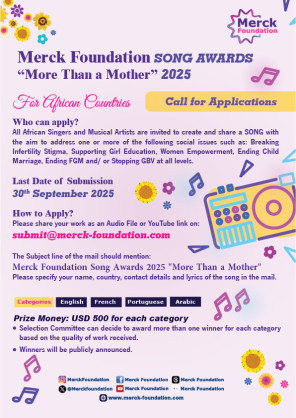
  • Senator Dr. Rasha Kelej, CEO of Merck Foundation, in partnership with the First Ladies of African and Asian Countries, announces the 2025 Call for Applications for two Merck Foundation SONG Awards - apply now at submit@merck-foundation.com

  • Merck Foundation Song Awards “More Than a Mother” to address one or more of the following social issues such as: Breaking Infertility Stigma, Supporting Girl Education, Ending Child Marriage, Ending FGM, Stopping GBV and/ or Women Empowerment,​
  • Merck Foundation Song Awards “Diabetes and Hypertension” to promote healthy lifestyle and raise awareness about prevention of Diabetes and Hypertension and healthy lifestyle promotion in Africa.

Merck Foundation (www.Merck-Foundation.com), the philanthropic arm of Merck KGaA Germany, in partnership with the African First Ladies, announced the winners of Merck Foundation's Song Awards 2023 under two themes - “More Than a Mother” and “Diabetes and Hypertension.”

The awards were announced by Senator Dr. Rasha Kelej, CEO of Merck Foundation and President of Merck Foundation ‘More Than a Mother' campaign, together with African First Ladies, who are also the Ambassadors of Merck Foundation ‘More Than a Mother' campaign.

Senator Dr. Kelej said, “I feel so elated to announce the winners of Merck Foundation's “More Than a Mother” and “Diabetes and Hypertension” Song Awards in partnership with my dear sisters, African First Ladies, who are also the Ambassadors of “Merck Foundation More Than a Mother”. I congratulate and applaud our 13 talented winners.

Songs are a powerful medium for addressing and influencing social and health issues across Africa. This year's entries were exceptional, with lyrics that effectively conveyed impactful messages, sparking meaningful thought and dialogue within communities.”

The theme of “More Than a Mother” Song Awards was to raise awareness on any of the following social issues such as: Breaking Infertility Stigma, Supporting Girl Education, Ending Child Marriage, Ending FGM, Stopping GBV and/or Women Empowerment at all levels and the theme of “Diabetes and Hypertension” Song Awards was to promote a healthy lifestyle and raise awareness about prevention and early detection of Diabetes and Hypertension in the African countries.

Senator Rasha added, “I have always believed that music and art have the power to evoke emotions, which in turn inspire engagement and action. This belief led us to introduce our Song Awards in 2019. To date, we have celebrated close to 50 winners.

Moreover, we have produced over 30 songs and music videos to address many critical and sensitive issues across Africa.”

Click here to listen to Merck Foundation Songs:

https://apo-opa.co/4iErAPC

Here is the list of Merck Foundation ‘More Than a Mother' Song Awards 2023 winners:

English Language

  • Kobusinge Jackline, UGANDA- FIRST POSITION

Theme: Women Empowerment

  • Mark Mulwanyi, UGANDA- SECOND POSITION

Theme: Women Empowerment and GBV

  • Aobakwe Senokwanyana, SOUTH AFRICA- THIRD POSITION

Theme: GBV

French Language

  • VITA NKANZA Dep, DRC- FIRST POSITION

Theme: Child Marriage

  • Alain Oyono, SENEGAL- SECOND POSITION

Theme: FGM

  • MASSANGA MARCELIN JOWANE, CENTRAL AFRICAN REPUBLIC- THIRD POSITION

Theme: FGM

  • Wax Dey ft Abz, CAMEROON- THIRD POSITION

Theme: FGM

  • Bouanga Kaba Paterne Lyonel Black Panther Slam, CONGO BR- THIRD POSITION

Theme: GBV and FGM

  • WANA-BONAH Romuald Euvral Evlin, CENTRAL AFRICAN REPUBLIC- THIRD POSITION

Theme: Women Empowerment

  • Dangawana samuel, CENTRAL AFRICAN REPUBLIC- THIRD POSITION

Theme: GBV and FGM

Here is the list of winners of Merck Foundation ‘Diabetes & Hypertension' Song Awards 2023:

FIRST POSITION:

  • Johannes Medard Tairo, TANZANIA- FIRST POSITION

Theme: Diabetes & Hypertension (English)

  • Schela MUTAKA, DEMOCRATIC REPUBLIC OF THE CONGO- SECOND POSITION

Theme: Diabetes & Hypertension (French)

  • Dennis Kimani, KENYA- THIRD POSITION

Theme: Diabetes & Hypertension (English)

Senator, Dr. Rasha Kelej further added, “I would also like to announce the Call for Applications for the 2025 Edition of the two Merck Foundation Song Awards ‘More Than a Mother' and ‘Diabetes & Hypertension', in partnership with First Ladies of Africa and Asia.

“I invite entries from all Singers, Musicians and young talents, to contribute towards making a difference in society with their inspiring songs with strong and relevant messages about critical and sensitive issues we face in our continent. Be the voice of the voiceless, break the silence and let's all join hands to create a cultural shift”, Senator Kelej added.

Details of Merck Foundation SONG Awards 2025:

1. Merck Foundation Song Awards 2025 “More Than a Mother”

Theme for the awards: Address one or more of the following social issues: Breaking Infertility Stigma, Supporting Girl Education, Ending Child Marriage, Ending FGM, Stopping GBV and /or Women Empowerment.

Who can apply: All Singers and Musical Artists are invited to create and share a song with the aim to address one or more of the above-mentioned social issues.

Categories: ENGLISH, FRENCH, PORTUGUESE, AND LOCAL LANGUAGE

Submission deadline: 30th September 2025.

2. Merck Foundation SONG Awards 2025 “Diabetes & Hypertension”

Theme for the awards: Promote healthy lifestyle and raise awareness about prevention and early detection of Diabetes and Hypertension.

Who can apply: All Singers and Musical Artists are invited to create and share a song with the aim to promote a healthy lifestyle and raise awareness about prevention and early detection of Diabetes and Hypertension.

Categories: ENGLISH, FRENCH, PORTUGUESE, AND LOCAL LANGUAGE

Submission deadline: 30th October 2025.

Distributed by APO Group on behalf of Merck Foundation.

Contact details:

Mehak Handa

Community Awareness Program Manager

+91 9310087613 / +91 9319606669
mehak.handa@external.merckgroup.com

Join the conversation on our social media platforms below and let your voice be heard!
Facebook: https://apo-opa.co/4ckPNYZ
X: https://apo-opa.co/4l4jFwE
Youtube: https://apo-opa.co/4j36IRW
Instagram: https://apo-opa.co/4iGvG9Q
Threads: https://apo-opa.co/4iDYPm3
Flickr: https://apo-opa.co/4l4eKM8
Website: www.Merck-Foundation.com

About Merck Foundation:
The Merck Foundation, established in 2017, is the philanthropic arm of Merck KGaA Germany, aims to improve the health and wellbeing of people and advance their lives through science and technology. Our efforts are primarily focused on improving access to quality & equitable healthcare solutions in underserved communities, building healthcare & scientific research capacity, empowering girls in education and empowering people in STEM (Science, Technology, Engineering, and Mathematics) with a special focus on women and youth. All Merck Foundation press releases are distributed by e-mail at the same time they become available on the Merck Foundation Website.  Please visit www.Merck-Foundation.com to read more. Follow the social media of Merck Foundation: Facebook (https://apo-opa.co/4ckPNYZ), X (https://apo-opa.co/4l4jFwE), Instagram (https://apo-opa.co/4iGvG9Q), YouTube (https://apo-opa.co/4j36IRW), Threads ( https://apo-opa.co/4iDYPm3) and Flickr (https://apo-opa.co/4l4eKM8).

The Merck Foundation is dedicated to improving social and health outcomes for communities in need. While it collaborates with various partners, including governments to achieve its humanitarian goals, the foundation remains strictly neutral in political matters. It does not engage in or support any political activities, elections, or regimes, focusing solely on its mission to elevate humanity and enhance well-being while maintaining a strict non-political stance in all of its endeavors.

Media files
Merck Foundation
Download logo
Read moreSenator Dr. Rasha Kelej Congratulates the Winners of Their SONG Awards 2023
25 March 2025

Hydroponic farming system overall winner of Global Cleantech Innovation Programme Awards

Location: News

Hydroponic farming system overall winner of Global Cleantech Innovation Programme Awards

A groundbreaking hydroponic farming system has won first prize at the Global Cleantech Innovation Programme – South Africa (GCIP-SA) Awards. 

This innovative system allows farmers to grow crops using up to 90% less water and requires only 10% of the land compared to traditional farming methods.

AB Farms, founded by Mogale Maleka, beat seven other competitors for the coveted sustainable development prize.  

Hosted by the Department of Science, Technology and Innovation (DSTI) entity, the Technology Agency (TIA), the United Nations Industrial Development Organisation (UNIDO) and the Global Environment Facility, the recently held awards acknowledged the outstanding achievements of entrepreneurs and innovators, who are driving sustainable solutions for a greener future.

According to the department, the GCIP is instrumental in South Africa’s response to the challenge of climate change by nurturing and accelerating cleantech startups and small, medium, and micro enterprises (SMMEs). 

The programme aligns with the Paris Agreement objectives and also supports South Africa in achieving its Nationally Determined Contribution targets to reduce carbon emissions from 350 to 420 megatonnes of carbon dioxide equivalent by 2030.

Maleka’s farm was recognised for its commitment to clean energy solutions.  

“His innovation also reduces electricity consumption by 50% and fertiliser use by 40%, making it a game-changer for resource-scarce regions. Designed for resilience, the system ensures consistent irrigation, even during power or water disruptions,” the statement read. 

Congratulating the finalists and winners, DSTI Minister Professor Blade Nzimande stressed the urgent need for sustainable solutions in South Africa, where environmental challenges such as water scarcity, air and water pollution, biodiversity loss, and extreme weather events are deepening socio-economic disparities.

“Unsustainable patterns of consumption and production have led to the triple planetary crisis of climate change, nature and biodiversity loss, and pollution and waste,” Nzimande said. 

According to the Minister, this crisis has resulted in severe environmental problems, including extreme weather events like droughts, floods, heatwaves and storms, which cause widespread damage to infrastructure, agriculture, and human lives.  

“South Africa, like many other parts of the world, is grappling with these challenges, making the need for climate-resilient infrastructure even more urgent,” Nzimande said. 

The 2025 GCIP-SA Awards also recognised other outstanding innovators in sustainable solutions.
Runner-up, Econova Solutions, led by Sanele Mabizela, was honoured for its impactful work in clean energy and environmental sustainability.  

Econova converts organic waste into biogas and organic fertilisers.  

Meanwhile, the second runner-up spot went to the Graduated Man of Steel, represented by Lunga Calvin Mahlangu, for an innovation that produces affordable electric micro-mobility solutions for urban and industrial transport.

Acting Chief Executive Officer of the TIA, Ismail Abdoola, commended the entrepreneurs for driving clean technology innovations and reaffirmed the TIA’s commitment to strengthening the programme’s impact.

“We recognise the remarkable achievements of the GCIP-SA and the entrepreneurs shaping the future of our country’s cleantech ecosystem.  This... is not just about celebrating accomplishments but about reaffirming our shared vision for innovation, sustainability and progress,” said Abdoola at the awards ceremony.

He also acknowledged the long-standing partnership between TIA and UNIDO, which has been instrumental in driving the success of GCIP-SA, and supporting local entrepreneurs in refining their solutions and positioning them for market success.

“The GCIP is more than a programme, it is a movement, a movement that brings together innovation, collaboration, and purpose-driven action in support of a sustainable future. As we look ahead, let us be inspired by the work done so far and remain committed to building a greener and more resilient South Africa,” Abdoola added. 

The winner and runners-up will represent South Africa, in the global installment of the Cleantech Awards in Turkey in September 2025. – SAnews.gov.za
 

Gabisile
Tue, 03/25/2025 - 10:13
408 views

Read moreHydroponic farming system overall winner of Global Cleantech Innovation Programme Awards
25 March 2025

CEIF: CLG Workshop Offers Insight into Congo’s Legal Framework

Location: Business
Energy Capital & Power

Pan-African legal firm CLG – formerly Centurion Law Group – led a workshop during the inaugural Congo Energy & Investment Forum (CEIF) on the country's legal and fiscal frameworks. The workshop – Mastering Business in Congo: Challenges and Strategic Solutions for Success –  delved into strategies investors can deploy to navigate the Republic of Congo's business environment as the country prepares to launch an international licensing round.

As a leading provider of specialized legal and tax advisory services, CLG – a Legal Partner of CEIF 2025 - caters to a diverse portfolio of multinational energy companies. With offices in the Republic of Congo, Germany, South Africa, Nigeria, Mauritius, Ghana, Cameroon, Equatorial Guinea, Namibia and South Sudan, the firm delivers bespoke solutions for a variety of challenges faced by oil and gas companies. The CLG workshop underscored how the firm's expertise can support oil and gas projects in the Republic of Congo as the country targets 500,000 barrels per day of oil.  

“Our goal is to provide solutions by interpreting regulations, ensuring companies can operate freely. We have advisors across several African countries,” stated Zion Adeoye, CEO and Group Managing Partner, CLG.

The country's strong Central African presence and deep knowledge of the associated legal frameworks gives it an edge in the region's energy landscape. According to Yves Ollivier, Managing Director, CLG Congo, the firm's services in the region include M&A transactions, due diligence, legal secretariat services for oil and gas companies and expertise in intellectual property and immigration laws.

“We provide legal opinions in various fields, including employment law, corporate structuring and contract negotiations,” he explained.

In addition to these services, CLG has strong expertise in taxation. Daoudou Mohammad, Director: Tax and Legal, CLG Congo, explained that the firm assists companies with tax compliance, fiscal advisory services and global tax audits. “We conduct comprehensive tax reviews and offer targeted training upon request,” he said.

For the Republic of Congo, these services will play a key role in facilitating investment, advancing projects and realizing the country's energy production goals. Given the complexity of the oil and gas sector, understanding the potential challenges associated with the industry is vital.  

Oneyka Cindy Ojogbo, Deputy Managing Director & Partner, CLG, explained that, “Understanding all contractual details is crucial, especially in the gas sector. We have encountered cases where disputes arose due to poorly negotiated agreements. Anticipating potential legal issues is key to mitigating risks.”

Additional challenges include misunderstanding of the requisite taxation laws. Mohammad pointed out that many companies fail to consider available tax exemptions, leading to missed opportunities for fiscal optimization. “A thorough assessment of tax incentives can significantly reduce financial burdens. Companies should proactively evaluate their eligibility for exemptions,” he advised.

Distributed by APO Group on behalf of Energy Capital & Power.

The inaugural Congo Energy & Investment Forum, set for March 24-26, 2025, in Brazzaville, under the highest patronage of President Denis Sassou Nguesso and supported by the Ministry of Hydrocarbons and Société Nationale des Pétroles du Congo, brings together international investors and local stakeholders to explore national and regional energy and infrastructure opportunities.

Media files
Energy Capital & Power
Download logo
Read moreCEIF: CLG Workshop Offers Insight into Congo’s Legal Framework
24 March 2025

Johannesburg Shows How People and Planet Gain From Greener Cities

Location: News

United Nations Environment Programme (UNEP)
Download logo

The sun has set in Johannesburg, South Africa and Nntuthuzelo Ndwandwa, 39, is returning home from her job as a customer care consultant. When once she would have glanced nervously into the shadows, now she walks through a complex illuminated by solar-powered lights and enters her home, where a solar-powered heater doles out warm water for washing up. 

“We are safe during load shedding because the external lights are on solar,” says Ndwandwa. “I'm also guaranteed hot water in the morning. It has made my life so much easier.” 

This may sound like a humdrum, everyday moment, but for Ndwandwa and the other hundreds of residents of the Tshedzani Phase 3 social housing project, these basics are a revelation. They were provided through a project funded by the Global Environment Facility (GEF) that installed solar-powered equipment in public housing units across South Africa's biggest city. The effort, implemented by the City of Johannesburg, was designed to improve the quality of life of urban dwellers and fight climate change.  

Residents of the social housing project say they now feel more secure, are saving money and have more job opportunities.  

“Before the project, we had load shedding, and outside, it was dark […] we would not go outside as we were scared,” says resident Catherine Gugulethe Mbuyisa, 55. “Cars would be hijacked, washing would be stolen. But since the installation of solar power, we haven't experienced any of those problems and I've saved a lot in terms of electricity.” 

Cities at the centre of climate action  

Johannesburg is one of a growing number of global cities racing to lower their greenhouse gas emissions through better urban planning, which experts say can be a quick and easy way to reach climate targets. But such work also has a host of other benefits – from providing access to energy to protecting residents from the health hazards of open dumping. 

“Action to reduce greenhouse gas emissions doesn't just make a difference at a global level – it invariably makes a positive difference to people's lives,” says Martin Krause, Director of the UN Environment Programme's Climate Change Division. “This is particularly obvious in cities, where the concentration of people means rapid gains for people and planet are possible.” 

Today, some 56 per cent per cent of the world's population live in cities. Almost 1.2 billion of these people already face a bevy of climate-related risks, including rising seas and heatwaves. At the same time, urban areas consume around 75 per cent of the world's energy and produce around 70 per cent of global greenhouse gas emissions, reports the International Energy Agency. Urbanization is occurring rapidly, increasing the impact of cities on the environment and economy.  

But cities are also hotbeds of climate solutions. And experts say how they are designed, built and managed will significantly impact global emissions, resource consumption and resilience to climate change. That is why successful projects, such as the one in Johannesburg, are considered so important. 

“By adopting integrated approaches to support green, affordable housing, waste management and clean energy access for communities thriving amidst verdant natural spaces, cities like Johannesburg are leading the way to a sustainable urban future that benefits people, natural ecosystems and the global environment,” says Fred Boltz, Manager of GEF's Programming Division. 

Multiple benefits 

Kicked off in 2020, the GEF project focused on five key areas, including retrofitting social housing, increasing food resilience through sustainable urban farming, boosting biodegradable waste management and increasing evidence-based planning. 

As part of this work, 172 units in Roodepoort Tshedzani 3 social housing have been fitted with solar water heaters, solar panels and lithium-ion batteries, energy-saving lighting and water-saving components.  

To boost organic peri-urban farming in other areas, seeds, fertilizer and tools have been provided to farmers, alongside boreholes at four sites. Some 8,000 square metres of land is now under organic production and waiting for certification. Residents were also trained in many aspects of sustainability, including recycling, and a biodigester plant is under construction to turn waste into energy.  

These additional benefits have brought opportunities to many residents, such as Voneen Trompeter, an unemployed single mother looking for ways to support her two children. 

“This project has made me feel more worthy of being in a community, and I have learned a lot about business and recycling,” she says. “My hope for the future is to get a permanent position within the recycling programme, as it will be beneficial to me and my family.” 

While the project is set to end later in 2025, its legacy will continue—not just in the infrastructure set up for residents. Standards and guidelines are being prepared to make it easier for such initiatives to take root in other parts of Johannesburg. 

“We are excited to see the results of the GEF project coming together,” says Liana Strydom, Assistant Director, Regional Planning, City Transformation and Spatial Planning Directorate in the City of Johannesburg. “It creates momentum to mainstream our initiatives and creates hope for broader impact across many different aspects of the city's resilience and our citizens' ability to navigate climate shifts.”  

Distributed by APO Group on behalf of United Nations Environment Programme (UNEP).

Read moreJohannesburg Shows How People and Planet Gain From Greener Cities
24 March 2025

Minister reflects on department’s achievements, challenges in first three months

Location: News

Minister reflects on department’s achievements, challenges in first three months

Human Settlements Minister Thembi Simelane has commended the department’s team for the work done to realise one of the principles of the Freedom Charter of providing houses, security and comfort.

This comes as the Minister reflects on the progress made in the three months since her appointment, acknowledging both the achievements and the challenges that lie ahead.

Progress and achievements

In a statement on Monday, Simelane said several key strides hace been made by the department, including responding to emergencies such as floods and fires in the Western Cape and KwaZulu-Natal.

She highlighted visits to various human settlements projects and a significant meeting held with provincial Members of the Executive Council (MECs) to discuss the five-year Medium-Term Development Plan (MTDP), and review progress on the implementation of the 2024/2025 priorities and proposed policy changes, among others.

In collaboration with the Department of Social Development, the Ministry has developed the Special Housing Needs Programme Grant designed to support the implementation of the Special Housing Needs Programme (SHNP).

“This programme seeks to provide amenities required in human settlements to help those who cannot independently live by themselves. This includes persons with disabilities, victims of domestic violence and the elderly,” the Minister explained.

Additionally, the department has worked to ensure stability within its entities by appointing and inducting new board members to serve in five of the six department’s entities.

A White Paper on Human Settlements was also approved in December 2024, focusing on developing a policy and legislative framework for Integrated and Sustainable Human Settlements.

The framework aims to provide housing, safety, and comfort for all, with a particular emphasis on vulnerable groups, the poor, and the “missing middle” of society.

Addressing challenges

Simelane said the period has enabled her to fully understand the challenges faced by the sector. These include budget cuts, poor contract management leading to project abandonment, allegations of fraud and corruption, a trust deficit between the department and its stakeholders, distressed social housing projects, and finding permanent solutions to the country’s informal settlements.

“These challenges inform us that there is no silver bullet to resolve our challenges. Government alone cannot provide solutions. Partnership with the private sector, the public, and NGOs [non-governmental organisations] will bring us closer to a permanent solution to our country’s housing challenges,” Simelane said.

The Minister addressed the issue of tenants deliberately boycotting rental agreements in social housing projects. She stressed that social housing is rental accommodation, and that tenants are legally obliged to pay rent.

“Failure to do so will lead to eviction. Do not blame government. Do the honourable thing, pay rent, and enjoy decent and affordable accommodation closer to economic activities and social amenities,” the Minister said.

Post Investment Support Programme

To foster mutually beneficial partnerships with the private sector, contractors and developers, and address issues that have cost the government millions of rands, the Minister announced that the department will launch the Emerging Developer Incubator and Post Investment Support Programme.

The programme, through the National Housing Finance Corporation (NHFC), will be launched on 28 March 2025.

This initiative aims to provide non-financial support to emerging developers, particularly those who have been historically disadvantaged. The programme will assist them in packaging funding proposals, managing construction phases and post-investments, and marketing completed units after construction.

“Empowered contractors are a vehicle to our success. If contractors and developers were to deliver quality human settlement projects on time and within budget, nothing would stand in our way of achieving our goals,” Simelane said.

She further outlined some of the department’s immediate priorities, including completing stalled or blocked projects, addressing the backlog of military veterans' housing, and prioritising housing for vulnerable groups and the destitute.

Investigation into George building collapse

Meanwhile, the Minister said she has received the preliminary report of the National Home Builders Regulatory Council (NHBRC) has into the building that collapsed in George, Western Cape, in 2024.

The final report is expected to be completed shortly.

Simelane will in the coming months unpack departmental priorities, in line with the 2024-2025 MTDP, and explain how the priorities will contribute to government’s three key goals: driving inclusive growth and job creation, reducing poverty and tackling the high cost of living, and building a capable, ethical, and developmental State. – SAnews.gov.za

GabiK
Mon, 03/24/2025 - 12:59
109 views

Read moreMinister reflects on department’s achievements, challenges in first three months
24 March 2025

Trinasolar Tackles South Africa’s Power Crisis

Location: Business
Trinasolar

Trinasolar (www.Trinasolar.com), a global leader in smart PV and energy storage solutions, is proud to announce its participation in the Solar & Storage Live Africa exhibition, taking place at Nasrec, Johannesburg, from 25-27 March 2025. As South Africa grapples with an ongoing energy crisis, Trinasolar is positioning itself as a strategic solution provider, offering cutting-edge technology that supports the transition to a decentralised, resilient energy system.

South Africa's recent return to Stage 3 load shedding highlights the ongoing need for reliable and sustainable energy solutions. Trinasolar's advanced portfolio of high-quality photovoltaic modules and energy storage systems are designed to innovatively address the country's energy challenges effectively.

Vincent Wu, Global Sales Vice President and MEA MU Head at Trinasolar, commented on this role, saying: “As the energy crisis continues to challenge South Africa and the broader African region, Trinasolar is committed to delivering solutions that address these challenges. Our advanced PV modules and energy storage systems are designed to enable the region's shift to more resilient and decentralised energy infrastructure. At Solar & Storage Live Africa, we're excited to showcase our leading-edge technology that not only meets the immediate energy needs but also positions South Africa on a path toward a greener, more sustainable future.”

Trinasolar's long-standing presence in South Africa reflects its dedication to providing high-quality and cost-effective solar solutions that support the country's renewable energy ambitions. Trinasolar's Vertex modules are deployed in major utility-scale projects such as the 135MW Merak 1 Project, the 283MWdc Mooi Plaats Photovoltaic Power Plant, and the 195MW Springbok Utility Project, showcasing the company's ability to deliver large-scale, high-impact renewable energy solutions that drive the transition to a more sustainable energy landscape.

“Trinasolar has been part of the South African energy landscape for over a decade, and our local investments are paying off,” says Zaheer Khan, Regional Director for South Africa. “We have emerged as the largest solar equipment supplier in the country, with nearly a gigawatt of solar modules and 250MW of solar trackers delivered to local markets over the past year. Our focus remains on offering high-quality, cost-effective solutions to help South Africa address its energy crisis and move towards a more sustainable future.”

Key highlights:

Trinasolar's portfolio includes a range of high-performance products designed to meet the diverse energy needs of the South African and broader African markets. At Solar & Storage Live Africa, Trinasolar will spotlight two new product launches in South Africa:

  • Bifacial Vertex N 630W (NED19RC.20): Featuring advanced N-type i-TOPCon technology with 23.3% module efficiency, this module certified with Fire Rating Class A+A and 55mm hail resistance. Besides, it has high resistance against salt, ammonia, sand, PID, LID, LeTID, which means high sustainability in harsh environments and extreme weather conditions.
  • Anti-Dust Mono Facial Golden Size Module - 630W (NE19R.70): with impressive 23.3% efficiency, the module is optimized for installation with low angle and features a patented frame designed to minimize dust accumulation, ensuring consistent high performance even in the harshest environments.

These will be shown along with its flagship modules, including

  • Vertex N 720W (NEG21C.20): with 23.2% efficiency, the module reduces BOS and LCOE costs by 2-6%. Built on the 210mm i-TOPCon platform, it ensures high reliability with a 30-year power guarantee. Its dual-glass design and advanced technology maximize energy yield while withstanding harsh conditions.
  • Vertex S+ 460W (NEG9R.28): Designed for residential and C&I rooftops, it features a perfect size with low weight, and up to 23.0% efficiency on the 210mm i-TOPCon platform. Its dual-glass structure ensures durability with up to 25 years product and 30 years power warranty, offering superior resistance to harsh conditions.

In addition to its PV modules, Trinasolar will showcase the TrinaStorage Elementa 2 Pro – 5MWh Energy Storage System (ESS), a next-generation solution engineered for South Africa's high temperatures, high humidity, and grid instability. Designed for long-term reliability, Elementa 2 Pro features intelligent hybrid cooling, C5 anti-corrosion certification, and advanced fire suppression technology. Powered by Trinasolar's self-developed 314Ah high-performance battery cells, the system delivers a 15,000-cycle lifespan, reducing lifecycle costs and maximizing efficiency. With low-noise operation suited for suburban projects and compliance with environmentally friendly design standards, Elementa 2 Pro reinforces TrinaStorage's leadership in resilient, high-performance energy storage solutions tailored to regional needs.

Trinasolar's continued expansion and innovation in South Africa underline its commitment to supporting the country's renewable energy transition. By offering state-of-the-art solar and storage solutions, the company is not only helping to alleviate the power crisis but also paving the way for a cleaner and more energy-secure future.

Distributed by APO Group on behalf of Trinasolar.

About Trinasolar (688599. SH):
Founded in 1997, Trinasolar Co Ltd (stock symbol: Trinasolar; stock code: 688599) is engaged mainly in PV products, PV systems and smart energy. PV products include R&D, production and sales of PV modules. PV systems consist of power stations and system products. Smart energy comprises mainly PV power generation and operations and maintenance, smart solutions for energy storage, smart microgrid, and development and sales of multi-energy systems. We are committed to leading the way in smart PV and energy storage solutions and facilitating the transformation of new power systems for a net-zero future.

On June 10, 2020, Trinasolar was listed on the Science and Technology Innovation Board (STAR Market) of the Shanghai Stock Exchange (SSE). It was the first PV and energy storage company to go public on the STAR Market providing PV products and systems, as well as smart energy. For more information, please visit www.Trinasolar.com.

Media files
Trinasolar
Download logo
Read moreTrinasolar Tackles South Africa’s Power Crisis
24 March 2025

Cassava to Upgrade Its Data Centres

Location: Business
Cassava Technologies

Cassava Technologies (www.CassavaTechnologies.com) announced today that it plans to build Africa's first AI factory — a powerful and super-secure data centre facility powered with NVIDIA AI computing technology. This will give African businesses, governments and researchers access to cutting-edge AI computing capacity — helping them develop smarter AI products, streamline operations and stay competitive in a fast-changing world. It provides the supercomputers and software needed to train AI while keeping data within Africa's borders. 

Cassava plans to deploy NVIDIA accelerated computing and AI software using NVIDIA Cloud Partner (NCP) reference architectures, at its data centres in South Africa by June 2025, with expansion planned at its other data centre facilities in Egypt, Kenya, Morocco and Nigeria. Cassava's AI Factory will leverage the company's pan-African high-speed, ultra-low-latency, fibre-optic network with sustainable data centres to deliver AI as a Service (AIaaS). Cassava's world-class data centres are designed to be energy efficient, using less electricity to power AI computing workloads. 

NVIDIA GPU-based supercomputers will power the AI factory, enabling faster AI model training, fine-tuning and advanced inference capabilities. Cassava aims to be the first to introduce these accelerated computing platforms to Africa as an NCP, playing a crucial role in the continent's AI ecosystem. 

The Cassava AI Factory will ensure businesses and researchers have access to the AI computing power required to scale, boost productivity and power innovation. By using this secure, high-performance AI Factory, African businesses and governments can develop local solutions to local challenges, enabling Africans to build, train, scale and deploy AI in a secure environment compliant with global and local regulations. 

“Building digital infrastructure for the AI economy is a priority if Africa is to take full advantage of the fourth industrial revolution. Our AI Factory provides the infrastructure for this innovation to scale, empowering African businesses, startups and researchers with access to cutting-edge AI infrastructure to turn their bold ideas into real-world breakthroughs — and now, they don't have to look beyond Africa to get it,” said Strive Masiyiwa, Founder & Chairman of Cassava. “Collaborating with NVIDIA gives us the advanced computing capabilities needed to drive Africa's AI innovation while strengthening the continent's digital independence.” 

“AI is helping innovators solve our greatest challenges in agriculture, healthcare, energy, financial services and many other industries creating opportunity in Africa,” said Jaap Zuiderveld, VP EMEA at NVIDIA. “As an NVIDIA Cloud Partner, Cassava is providing essential infrastructure and software to help pioneering companies and organizations accelerate AI development to foster innovation across the continent.” 

Cassava's AI Factory marks the next step in the group's long-standing leadership in providing world class digital solutions, reinforcing its broader commitment to responsible AI adoption, innovation and productivity growth in Africa. 

Distributed by APO Group on behalf of Cassava Technologies.

About Cassava Technologies:
Cassava Technologies is a global technology leader of African heritage providing a vertically integrated ecosystem of digital services and infrastructure enabling digital transformation. Headquartered in the UK, Cassava has a presence across Africa, the Middle East, Latin America and the United States of America. Through its business units, namely, Cassava AI, Liquid Intelligent Technologies, Liquid C2, Africa Data Centres, and Sasai Fintech, the company provides its customers' products and services in 94 countries. These solutions drive the company's ambition of establishing itself as a leading global technology company of African heritage. https://www.CassavaTechnologies.com/  

Media files
Cassava Technologies
Download logo
Read moreCassava to Upgrade Its Data Centres
24 March 2025

SA to partake in Petersberg Climate Dialogue 

Location: News

SA to partake in Petersberg Climate Dialogue 

The Minister of Forestry, Fisheries, and the Environment, Dr Dion George, will this week represent South Africa at the 15th Petersberg Climate Dialogue (PCD), where the country will reinforce its commitment to climate action.

“The dialogue will provide a strategic opportunity for South Africa to reinforce its commitment to climate action, advocate for equitable solutions that address the unique challenges faced by developing nations, and foster stronger international cooperation,” the Department of Forestry, Fisheries, and the Environment said on Monday.

Taking place on Tuesday and Wednesday, the annual high-level conference, co-hosted by Germany and Brazil in Berlin, Germany, serves as a crucial bridge between successive United Nations Climate Change Conferences (COPs), providing a platform for international dialogue on climate action and cooperation.

“Established in 2010 by former German Chancellor Dr Angela Merkel, the dialogue convenes selected nations to pave the way for successful negotiations under the United Nations Framework Convention on Climate Change (UNFCCC). 

“The ministerial meeting provides an informal yet strategic space for countries to deliberate on key issues under the UNFCCC and the Paris Agreement, including the Global Goal on Adaptation, mitigation ambition, loss and damage from climate impacts, and the provision of international climate finance,” the department said.

The Minister will use this platform as an opportunity to provide an overview of South Africa’s Presidency of the G20 Environment and Climate Sustainability Working Group. 

“I look forward to sharing highlights about our five interrelated key priorities, including climate change and air quality, biodiversity and conservation, and land degradation, desertification and drought,” said George. - SAnews.gov.za

nosihle
Mon, 03/24/2025 - 09:24
5 views

Read moreSA to partake in Petersberg Climate Dialogue 
23 March 2025

Creecy unveils private sector role in revitalising rail and port infrastructure

Location: News

Creecy unveils private sector role in revitalising rail and port infrastructure

Transport Minister Barbara Creecy has officially unveiled a groundbreaking Request for Information (RFI), aimed at transforming the country’s struggling rail and port infrastructure through strategic partnerships with the private sector.

“Today, I am launching an online request for information to develop an enabling environment for Private Sector Participation (PSP) and enhance investment in rail and port infrastructure and operations,” Creecy said during a media briefing on Sunday. 

The Minister described this decision as a significant step in government’s efforts to partner with the private sector, ensuring that the country’s rail network and ports reclaim their crucial role in enhancing trade and driving economic growth.

Creecy highlighted the urgent need for intervention, citing significant challenges, including infrastructure deterioration, vandalism, theft, underinvestment, and operational inefficiencies that have hindered economic growth. 

“The limited availability of State resources to fund infrastructure development and address backlogs has intensified these challenges, severely restricting the ability of State-Owned Entities (SOEs) to fulfill their critical mandates.,” she explained. 

The Minister told journalists that Transnet and government have received many “unsolicited“ proposals from the private sector offering investment skills and expertise to support the rehabilitation and reform of our struggling rail and port systems.

“This overwhelming interest has made it clear to the department and Transnet that we must engage in broad and inclusive market research before issuing requests for proposals in August this year.” 

However, according to the Minister, these processes are not formal procurement methods, but rather a mechanism to gather and analyse information from the market.

She stated that the government recognises the importance of understanding the freight logistics landscape from the perspective of interested and affected parties. 

The Minister believes that this will ensure that solutions are both effective and sustainable during this initial phase of PSP.

The RFI targets key mineral export routes, include the corridor from Northern Cape to Saldanha for iron ore and manganese exports, as well as the routes from Limpopo and Mpumalanga to Richards Bay for coal and chrome exports. 

In addition, there is an intermodal supply chain project that focuses on the container and automotive sectors.

This project encompasses the port, container, and automotive port terminals, as well as back-of-port arrangements and railway and inland terminals. 

It will also address the corridors connecting Gauteng and KwaZulu-Natal (Durban), Gauteng and Eastern Cape (East London, Port Elizabeth and Ngqura), and Gauteng and Western Cape (Cape Town). 

“The RFI represents a pivotal step forward in our shared commitment to building a 21st-century transport system that goes beyond mobility to strengthen industrial competitiveness, deepen regional integration, and drive inclusive economic growth.” 

Creecy believes this move will help the department express challenges in a structured and coherent manner, clearly defining their scope, context, and impact to guide the development of focused, strategic, and sustainable solutions.

Support for new and emerging players

Meanwhile, Creecy said the State has committed to principles of job retention, State asset ownership, localisation, and Broad-Based Black Economic Empowerment (BBBEE) and gender equality, by providing strong support to new and emerging players in the rail and port sectors. 

A dedicated PSP unit, to be hosted by the Development Bank of South Africa, will oversee the initiative.

The eight-week online consultation process, running from 24 March to 9 May 2025, aims to gather comprehensive market insights before issuing formal proposals in August. 

Stakeholders are encouraged to participate through the department’s website or dedicated online portal at www.psp-rfi.co.za, with all submitted information to be treated confidentially. 

“I encourage all Interested and affected parties to actively engage in this RFI process, contributing to the PSP unit’s efforts in shaping the potential PSP programme of projects and designing future bid packages for procurement,” she added. 

Government plans to release a second RFI focusing on passenger rail initiatives in May this year. – SAnews.gov.za

Gabisile
Sun, 03/23/2025 - 13:28
57 views

Read moreCreecy unveils private sector role in revitalising rail and port infrastructure
22 March 2025

World Cancer Day 2025: 194 Scholarships in Oncology

Location: Business
Merck Foundation

  • Merck Foundation marks World Cancer Day with African First Ladies by providing 194 scholarships of Oncology Training to African doctors from 32 countries.
  • Merck Foundation together with Africa First Ladies and Ministries of Health has been building cancer care capacity and increasing the limited number of Oncologists in their countries by providing close to 200 Scholarships of One-, two- and three-years fellowship, diploma and Master Degree of oncology to African doctors from 32 Countries.
  • Merck Foundation is making history in Africa by training the First African Oncologists and First Cancer Care Teams in Countries such as The Gambia, Sierra Leone, Burundi, Liberia, Guinea Conakry, Central African Republic, Chad, Burundi, Malawi, Niger, Namibia, Zambia, Zimbabwe and more.

Merck Foundation (www.Merck-Foundation.com), the philanthropic arm of Merck KGaA Germany, marks ‘World Cancer Day 2025' together with Africa's First Ladies and Ministries of Health. Through their Cancer Access Program, Merck Foundation is is building quality and equitable cancer care capacity in Africa.

Senator Dr. Rasha Kelej, the CEO of Merck Foundation, highlighted, “At Merck Foundation, we mark World Cancer Day not just as a single day, but as a our continued commitment to transform and advance cancer care in Africa.

Together with my dear sisters, the Africa's First Ladies, we are have enhanced the cancer care capacity in the continent by providing 194 scholarships to young African doctors from 32 countries, significantly increasing the number of oncologists in Africa. We are making history together by providing these important scholarships for the first oncologists and /or the first cancer care teams in many countries across Africa.”  

Merck Foundation in total provided more than 2100 scholarships to doctors from over 52 countries in 44 critical and underserved medical specialties.

The Merck Foundation Cancer Access Program provides One, two- and three-years fellowship, Post Graduate Diploma and Master Degree of oncology for doctors from Africa. The clinical training has been conducted in India, Egypt and Kenya. Additionaly, Merck Foundation also provides scholarships for 2 years online PG Diploma in Cancer and Clinical Oncology, 01 year online PG Diploma in Medical Oncology and 1 year online PG Diploma in Pain Management from reputed Universities in UK like University of South Wales, University of Buckingham, Queen Mary University of London, and Cardiff University.

Merck Foundation is establishing Multidisciplinary Oncology Care teams in many African countries by providing scholarships of clinical training in Medical Oncology, Surgical Oncology, Pediatrics Oncology, Gynecology Oncology, Breast Oncology, Haemato-Oncology, Orthopaedic Oncology, Palliative Care, Pathology Oncology, Radiation Oncology, Research in Oncology, Surgical Oncology - Genital Urinary System, Advanced Cytopathology Training, Interventional Radiology, Radiation Technician, Laboratory Technician, Oncology Nursing.

Merck Foundation through its Merck Foundation Cancer Access Program has provided 194 scholarships of Oncology to doctors from 32 countries including Botswana, Burkina Faso, Burundi, Cameroon, Central African Republic, Chad, Congo Brazzaville, Democratic Republic of the Congo, Ethiopia, Gabon, Gambia, Ghana, Guinea, Kenya, Liberia, Malawi, Mauritius, Mozambique, Namibia, Nepal, Niger, Nigeria, Rwanda, Sao Tome & Principe, Senegal, Sierra Leone, South Africa, Sri Lanka, Tanzania, Uganda, Zambia and Zimbabwe.

“In several of these countries, there wasn't even a single oncologist. We are proud to be making history in Africa by training the first oncologists and establishing the first cancer care teams in nations such as The Gambia, Sierra Leone, Burundi, Liberia, Guinea Conakry, Central African Republic, Chad, and Niger. Merck Foundation remains committed to transforming the landscape of cancer care across the continent and leading Africa toward a healthier future,” explained Senator Dr. Rasha Kelej.

Africa records around 1.1 million new cases of cancer, resulting in up to 700,000 deaths, every year, as per WHO data. The mortality rate of cancer patients is very high in Africa, as compared to the rest of the world.

“One of the key reasons is also the late diagnosis of the disease. Therefore, these scholarships are very important” added Senator Kelej.

Merck Foundation has also created awareness materials including awareness leaflets and videos on Cancer Prevention and Early Detection.

Dr. Chifundo Kajombo, Merck Foundation Alumni from Malawi shares, “I am privileged to be awarded a scholarship by Merck Foundation to pursue the Surgical Oncology fellowship training program at Tata Memorial Hospital, India. I managed to advance from basic surgical oncology principles to the advanced level. This has helped me improve my understanding of cancer and operative principles. Since returning back home, I have managed to change the structure of how our breast clinic runs and modified it to incorporate a number of new things that we probably could not have possibly included. I am so proud to share that I have just been awarded the Best Surgeon for 2023 in Malawi. I would not have achieved this feat without Merck Foundation's scholarship. I am very thankful.”

Watch testimonials videos of Merck Foundation Oncology Fellowship Alumni: https://apo-opa.co/41OIaF9

Distributed by APO Group on behalf of Merck Foundation.

More images: https://apo-opa.co/4iRW3JJ

Contact details:
Mehak Handa
Community Awareness Program Manager
+91 9310087613 / +91 9319606669
mehak.handa@external.merckgroup.com

Join the conversation on our social media platforms below and let your voice be heard!
Facebook: https://apo-opa.co/41N19zX
X: https://apo-opa.co/4iMYFZc
YouTube: https://apo-opa.co/4iRZtfA
Instagram: https://apo-opa.co/41PwZfx
Threads: https://apo-opa.co/4l4QxW7
Flickr: https://apo-opa.co/4iQjTp3
Website: www.Merck-Foundation.com
Download Merck Foundation App: https://apo-opa.co/4bOL5SX

About Merck Foundation:
The Merck Foundation, established in 2017, is the philanthropic arm of Merck KGaA Germany, aims to improve the health and wellbeing of people and advance their lives through science and technology. Our efforts are primarily focused on improving access to quality & equitable healthcare solutions in underserved communities, building healthcare & scientific research capacity, empowering girls in education and empowering people in STEM (Science, Technology, Engineering, and Mathematics) with a special focus on women and youth. All Merck Foundation press releases are distributed by e-mail at the same time they become available on the Merck Foundation Website.  Please visit www.Merck-Foundation.com to read more. Follow the social media of Merck Foundation: Facebook (https://apo-opa.co/41N19zX), X (https://apo-opa.co/4iMYFZc), Instagram (https://apo-opa.co/41PwZfx), YouTube (https://apo-opa.co/4iRZtfA), Threads (https://apo-opa.co/4l4QxW7) and Flickr (https://apo-opa.co/4iQjTp3).

The Merck Foundation is dedicated to improving social and health outcomes for communities in need. While it collaborates with various partners, including governments to achieve its humanitarian goals, the foundation remains strictly neutral in political matters. It does not engage in or support any political activities, elections, or regimes, focusing solely on its mission to elevate humanity and enhance well-being while maintaining a strict non-political stance in all of its endeavors.

Media files
Merck Foundation
Download logo
Read moreWorld Cancer Day 2025: 194 Scholarships in Oncology
21 March 2025

UNIDO and Japan Highlight Longstanding Partnership for and With Africa at Special Event

Location: News

United Nations Industrial Development Organization (UNIDO)
Download logo

The Permanent Mission of Japan to the International Organizations in Vienna and the United Nations Industrial Development Organization (UNIDO) jointly hosted the “UNIDO-Japan partnership for Africa” event at the Vienna International Centre this week. Held in the framework of the Ninth Tokyo International Conference on African Development (TICAD 9), it showcased achievements through a week-long panel exhibition and a series of thematic discussions. 

An opening ceremony on 17 March 2025 in the Rotunda featured remarks by UNIDO Director General Gerd Müller (via video message) and the co-host, Ambassador Atsushi Kaifu of Japan. Ambassador Maimounata Ouattara of Burkina Faso, Chairperson of the African Group in Vienna and UNIDO Deputy to the Director General and Managing Director Yuko Yasunaga also provided opening remarks. A musical performance by the My Heart String Quartet Hiroshima accompanied the ceremony. 

In his video statement, Director General Müller underscored the strength of the partnership between UNIDO and Japan, noting, “UNIDO and Japan together address poverty and hunger, advance climate action and foster a circular economy. We create jobs and livelihoods around the world, offering perspectives for the future”. Ambassador Kaifu of Japan underscored the significance of the year 2025, as the TICAD 9 Summit will be held this August in Yokohama, Japan. He expressed the hope that “this week's event provides an opportunity to explore innovative solutions for Africa and serves as a significant milestone in advancing the TICAD process”.

Ambassador Kaifu of Japan underscored the significance of the year 2025, as the TICAD 9 Summit will be held this August in Yokohama, Japan. He expressed the hope that “this week's event provides an opportunity to explore innovative solutions for Africa and serves as a significant milestone in advancing the TICAD process”.

Ambassador Ouattara reaffirmed the importance of the UNIDO-Japan partnership with Africa stating that it “played a transformative role in promoting inclusive and sustainable industrialization across our continent”. She further highlighted that “this partnership has contributed to economic growth, job creation and the adoption of sustainable practices that empower Africa industries and communities”. Deputy to the Director General Yuko Yasunaga highlighted UNIDO's ongoing commitment to supporting Africa's industrial development and acknowledged Japan's significant financial contributions. 

The opening ceremony included the presentation of newly funded projects in Ethiopia, Nigeria, Sudan, the United Republic of Tanzania, and a regional project (Egypt, Kenya, Morocco, Nigeria, Senegal, South Africa, United Republic of Tanzania, Zambia). Following the opening ceremony, a reception provided attendees with networking opportunities, while discussions continued in informative sessions.  

The first session was a presentation on the activities of the UNIDO Investment and Technology Promotion Office (ITPO) Tokyo in Africa, by Fumio Adachi, Head of ITPO Tokyo. The session informed about seminars and events, the delegate programme and African business advisors programme of the ITPO in Tokyo, as well as its Sustainable Technology Promotion Platform (STePP) and Global South programme. 

Another session focused on plastic circular economy initiatives and challenges in Japan and Africa. Government representatives from seven African countries —Egypt, Kenya, Morocco, Nigeria, Senegal, South Africa and the United Republic of Tanzania— discussed efforts to address plastic pollution through circular economy approaches. The discussion underscored how Africa's increasing plastic consumption, driven by population growth and urbanization, can benefit from sustainable waste management solutions. 

A seminar on UNIDO's data-based lean manufacturing showcased the success story of the digital tool “U-SPARK” (UNIDO smart performance analytics for real-time Kaizen) which helps enhance enterprise performance management in Ghana's food processing sector. UNIDO is now working with the African Union Development Agency (AUDA-NEPAD) to expand the initiative across the continent. 

Throughout the week, the results of the UNIDO-Japan cooperation in Africa were on display in a panel exhibition, showcasing our work in Egypt, Ethiopia, Ghana, Kenya, Madagascar, Morocco, Nigeria, Sierra Leone, Somalia, South Sudan, South Africa, Uganda, the United Republic of Tanzania, and Zambia, as well as the activities of ITPO Tokyo. 

Through the week-long event, UNIDO and Japan reaffirmed their shared commitment to advancing industrial development in Africa. 

Distributed by APO Group on behalf of United Nations Industrial Development Organization (UNIDO).

Read moreUNIDO and Japan Highlight Longstanding Partnership for and With Africa at Special Event
21 March 2025

Deputy President calls for action to tackle unemployment, inequality

Location: News

Deputy President calls for action to tackle unemployment, inequality

Deputy President Paul Mashatile has called for urgent and sustained efforts to address unemployment and inequality, describing them as fundamental human rights issues.

Speaking at the national Human Rights Day commemoration in Kariega, the Deputy President acknowledged South Africa’s economic progress but said the country’s 31.9% unemployment rate remained an indicator of persistent socio-economic challenges.

“The pursuit of a just and equitable society is a complex endeavour. While South Africa has experienced notable economic growth through expanding economic participation, the harsh reality of a 31.9% unemployment rate starkly reveals our ongoing struggle against poverty and inequality,” he said. 

The Deputy President stressed this was not just an economic issue but a matter of fairness and human rights, requiring collective action from all sectors of society. 

“This is not merely an economic issue, it represents a fundamental matter of human rights and fairness, demanding concerted and sustained effort from all of us. The lack of economic and employment opportunities has a direct correlation to poverty, and it exacerbates inequality,” the Deputy President said.

He highlighted the government’s efforts to create economic opportunities through policy and legislative measures, citing key employment programmes that have benefitted millions of young people.

“Government is working to create more opportunities for all citizens through various policy and legislative frameworks. Programmes such as the Presidential Youth Employment Initiative (PYEI) are providing work experience to over 1.5 million young people, 70% of whom are women,” he said. 

Other initiatives like the National Skills Fund Disabilities Programme and the Social Employment Fund also address youth unemployment. 

The Deputy President emphasised that government remains committed to strengthening the safety net for the most vulnerable in society and will leave no one behind. 

Against the backdrop of Human Rights Day, he underscored the significance of youth engagement in shaping South Africa’s democracy. 

Across the country, he said, young people continue to step forward to shape the future of the nation’s democracy, ensuring that the rights enshrined in the Constitution are not just theoretical but truly lived.

He lauded young leaders participating in the Mandela-Sobukwe Leadership Camp at Nelson Mandela University, an initiative supported by the Departments of Higher Education and Training and Health.

“This leadership programme is about more than just discussions it is about preparing young leaders to champion civic engagement, ethical leadership, and economic justice in their institutions and communities,” he said.

Reflecting on the theme “Deepening a Culture of Social Justice and Human Rights,” the Deputy President emphasised the need to equip young people with the necessary tools and platforms to effect meaningful change. 

“We must ensure that we continue to empower young people with the correct tools, platforms, and opportunities to become the leaders of tomorrow – leaders who, like Nelson Mandela and Robert Sobukwe, do not just accept the status quo but actively work to transform it for the better,” he said. 

Deputy President Mashatile commended young people nationwide for their efforts in advocating for justice and progress. 

“I commend the young people in this programme, whom I am told are here in the stadium and all those across the country who continue to fight for dignity, justice, and progress. South Africa’s future is in your hands, and today, we celebrate your voices, your leadership, and your unwavering commitment to human rights,” he said. 

Building a just society

The Deputy President said building a just society involves ensuring continued access to critical services such as electricity, water, housing and sanitation to improve the quality of life for citizens.

He noted that government has made substantial progress towards achieving these rights. Between 2011 and 2022, access to water rose to 88.5%, while access to improved sanitation reached 80.7%.

“We are also working to increase access to affordable housing through initiatives such as First Home Finance, which is about the provision of serviced sites for qualifying beneficiaries, small-scale affordable rentals, and other strategic interventions that go beyond legislative measures to address the 2.4 million housing backlog,” he said. 

Land expropriation

The Deputy President underscored the nation’s land reform agenda as a crucial step in addressing historical injustices, as it acknowledged that land dispossession remains one of the most lasting and difficult legacy of the apartheid era.

He said the Expropriation Act, signed into law by President Cyril Ramaphosa in January this year, signifies a shift towards a more inclusive approach to land ownership, incorporating the principle of 'public interest' in land acquisition, and demonstrating a commitment to social justice and redress.

“We would like to reiterate that South Africa, as a sovereign state, would not disregard its policies and activities aimed at rectifying historical injustices due to external pressure. We are confident that we have chosen the correct path to establishing an equitable society, and we will not deviate from it,” the Deputy President said. 

This year’s Human Rights Day commemorative events were held at the Derrick Ferreira Stadium, in Kariega under the theme “Deepening a Culture of Social Justice and Human Rights”.

The theme calls for renewed commitment from all levels of society to accelerate practical solutions for inclusive growth, job creation, poverty reduction, and addressing the high cost of living while building a capable, ethical, and developmental state.

South Africa commemorates Human Rights Day annually on 21 March in remembrance of the Sharpeville Massacre of 1960, where 69 anti-apartheid protesters were killed by apartheid police. The day also honours the 35 people killed on 21 March 1985 in Uitenhage and KwaLanga when apartheid police targeted community members after a funeral. – SAnews.gov.za


DikelediM
Fri, 03/21/2025 - 15:34
150 views

Read moreDeputy President calls for action to tackle unemployment, inequality
21 March 2025

Kariega residents share their reflections on Human Rights Day

Location: News

Kariega residents share their reflections on Human Rights Day

The residents of Kariega in the Nelson Mandela Bay Municipality have shared their thoughts on the significance of Human Rights Day, emphasising the importance of freedom, self-expression, and government accountability. 

Speaking to SAnews, 17-year-old Luphumelo Hini from KwaNobuhle said Human Rights Day represented her ability to express herself freely and pursue her dreams without restrictions.

“Human Rights to me means that we are able to express ourselves in different ways, we are able to live our lives freely, we are able to follow and fulfil our dreams and do a whole lot of things that many people who do not have human rights and are not given freedom are not able to do,” Hini said. 

She added that the presence of Deputy President Paul Mashatile at the event made her feel recognised. 

“It means a lot for me for the Deputy President to come and address us because it means he acknowledges us, and he realises the importance of Human Rights Day. It just shows that he has the spirit of Ubuntu,” she said.

Similarly, 29-year-old Sinethemba Krweda expressed his appreciation for the Deputy President’s attendance, noting that young people are eager to learn about the government’s role in protecting their rights.

“We do have rights as people. The first right is that we are free and can move freely, unlike during the apartheid era. We are also able to study and further our education. We appreciate that the Deputy President is here so he can hear our concerns, particularly regarding the high unemployment rate among the youth,” Krweda said.

Speaking ahead of the main event, Eastern Cape Premier Oscar Mabuyane reiterated the provincial government’s commitment to improving the living conditions of communities as South Africa marks Human Rights Day.

Mabuyane emphasised that the day is not just about remembrance but also the tangible efforts made to transform people’s lives.

“To us, this is not just about celebrating or commemorating Human Rights Day - it’s about what we are doing to change people’s lives here. If you look around, you can see the … challenges that our people still facing. But we are doing our level best to turn the tide,” Mabuyane said.

The area has been among the hardest hit by natural disasters, further exacerbating socio-economic struggles. However, the Premier assured residents that government has a concrete plan to support affected communities. 

“We have a plan to ensure that we rescue our people out of these kinds of challenges,” he said.

Mabuyane welcomed the visit by the Deputy President to the province, saying his presence reinforces government’s commitment to ensuring that historically marginalised communities are not left behind.

“The people of this area must know that they are part of the history of our country, and they must feel the presence of the government,” he said.

Deputy President Mashatile is set to deliver the keynote address at the 2025 Human Rights Day commemoration event. 

The programme began with a visit to James Ndulula Primary School, followed by a wreath laying ceremony at Langa Memorial in Kariega. 

Meanwhile at the main event the festivities began with lively performances that had the crowd dancing and cheering in anticipation of the Deputy President’s speech.

This year’s Human Rights Day commemorative events are being held under the theme, “Deepening a Culture of Social Justice and Human Rights”.

The theme calls for renewed commitment from all levels of society to accelerate practical solutions for inclusive growth, job creation, poverty reduction, and addressing the high cost of living while building a capable, ethical, and developmental state.

South Africa commemorates Human Rights Day annually on 21 March in remembrance of the Sharpeville Massacre of 1960, where 69 anti-apartheid protesters were killed by apartheid police. 

The day also honours the 35 people killed on 21 March 1985 in Uitenhage and KwaLanga when apartheid police targeted community members after a funeral. – SAnews.gov.za 


DikelediM
Fri, 03/21/2025 - 13:05
104 views

Read moreKariega residents share their reflections on Human Rights Day
21 March 2025

Human Rights Day should be a time for reflection

Location: News

Human Rights Day should be a time for reflection

While many have been looking forward to the long weekend provided by Human Rights Day, its commemoration should not only provide an opportunity to connect with loved ones but should also inspire the nation to reflect on the gains the country has made.

“What is important as we’re about to celebrate Human Rights Day is that we should be a proud nation and country given where we come from,” Deputy Director-General for Court Administration at the Department of Justice and Constitutional Development (DOJ&CD), Lucky Mohalaba told SAnews, in a recent interview with the South African Government news agency. 

March 2025 marks over six decades since the painful events of 21 March 1960 where 69 lives were lost in the Sharpeville Massacre. The massacre came to be as a result of citizens choosing to protest against the then pass laws of the apartheid government.

Lives were lost and many were injured not only in that massacre in Gauteng, but across the country as a whole.

When the country attained democracy in 1994, government declared 21 March as a national day to commemorate Human Rights Day. The month of March was also declared as Human Rights Month.

“[We ought to remember] the atrocities that were committed against the people of this country who were fighting for their rights. Given the forcefulness of the then regime to deny the people of this country their rights, whether it be in [the] health sector, education and so on, we should be very proud about where we come from, and the victories that we scored in 1994.

“At the present moment we should take leave in terms of our constitutional dispensation as South Africans and be proud of the Constitution which offers every one of us our rights as enshrined in the Bill of Rights. I think that should be celebrated given the dark history of this country,” Mohalaba told SAnews.

Contained in South Africa’s Constitution, the Bill of Rights is a cornerstone of democracy and “enshrines the rights of all people in our country and affirms the democratic values of human dignity, equality and freedom.”

Among its tenets is that everyone is equal before the law and that the state may not unfairly discriminate directly or indirectly against anyone on one or more grounds, including race, gender, sex, ethnic or social origin, amongst others.

The Bill of Rights also states that everyone has inherent dignity and the right to have their dignity respected and protected.
The DDG’s comments come as Deputy President Paul Mashatile is set to deliver the Human Rights Day keynote address in the Eastern Cape today.

The Deputy President will deliver the address on behalf of President Cyril Ramaphosa at the Derrick Ferreira Stadium in Kariega which is located within the Nelson Mandela Bay Municipality.

Human Rights commemorative events this year are being held under the theme, “Deepening a Culture of Social Justice and Human Rights”.

“This is a call for a renewed and strengthened commitment from all levels of society, to accelerate practical solutions in driving inclusive growth and job creation, to reduce poverty and tackle the high cost of living, and to build a capable, ethical and developmental State,” the Presidency said in a statement on Wednesday.

In its statement, it stated that this is an important day, which also honours 35 people who were killed on 21 March 1985, when apartheid police targeted community members after a funeral in Uitenhage and KwaLanga.

This year, government chose Kariega to host the national commemoration as the State’s initiative to rotate national days, allowing communities across all provinces to pay tribute to those who lost their lives during the liberation struggle.

According to the Presidency, it also provides an opportunity to reflect on and evaluate the progress made towards building a non-racial, non-sexist, democratic, and united nation.

Constitutionalism 

Mohalaba added that government is committed to promoting constitutionalism.

“What we can say to South Africans as the Department of Justice and Constitutional Development is that the department is still committed, led by the Minister [Mamoloko Kubayi], to ensure that we promote constitutionalism across the country.

“We are still committed to ensuring that people have access to justice using the facilities we have such as the courts and also reviewing apartheid legislation,” he said. 

Mohalaba’s comments come as discussion documents into the Criminal Procedure Act of 1977 that were released for comment in February with the closing date for public input set for 31 March 2025.

The act makes provision for procedures and related matters in criminal proceedings.

The documents were released by the South African Law Reform Commission (SALRC). The review seeks to address systemic challenges in the Act, particularly in relation to provisions that deal with arrest, bail, alternative dispute resolution, and victim participation in the criminal justice process.

READ | Deadline for comments into CPA discussion papers looms 

The review seeks to address systemic challenges in the Act, particularly in relation to provisions that deal with arrest, bail, alternative dispute resolution, and victim participation in the criminal justice process.

“Those are matters that the department is really looking into, and I think [that for us] is to celebrate but at the same time, the laws that we have as a nation, we urge the nation to ensure that we protect these victories. [What we are saying] to the citizens of this country is that this department being at the centre of constitutionalism, is still committed to ensuring that the laws that have been passed by Parliament and signed off by the State President are applied to the fullest,” he explained.

The DDG said that government is committed to building a better South Africa.

“We are committed to work with the public at large to say that as we celebrate Human Rights Day. This department and government in particular, is committed to building a strong, united nation going forward for generations to come,” he said. - SAnews.gov.za


Neo
Thu, 03/20/2025 - 13:47
23 views

Read moreHuman Rights Day should be a time for reflection
20 March 2025

The Africa Debate Returns to London

Location: News
Invest Africa

Now in its 11th year, The Africa Debate 2025 returns as London's leading Africa-focused investment forum, bringing together global policymakers, industry leaders, and investors at the prestigious Guildhall on 2 July 2025. 

At a time when Africa's economic transformation is at a critical inflection point, this year's debate will focus on “Harnessing Natural Capital for Growth.” With 60% of the world's richest solar resources and a wealth of critical minerals crucial to next-generation industries, Africa is positioned at the centre of the global energy transition. However, realising this opportunity requires more than just resource extraction. The focus must shift towards bold policy reforms, investment in value chains, and partnerships that promote industrial growth, ensuring Africa is not just a supplier of raw materials but a leader in global markets. 

“Africa is no longer defined by its raw materials - it is emerging as a global force in advanced industries, sustainable energy, and digital innovation,” said Chantelé Carrington, CEO at Invest Africa. “The challenge now is not just unlocking potential, but turning ambition into action. This year's debate will bring together visionary leaders and investors to shape the strategies that will drive Africa's next phase of economic transformation.”  

Key Themes Driving The Africa Debate  

This year's discussions will focus on four central themes shaping Africa's investment landscape:  

  • Africa's Role in Global Supply Chains: With demand for green energy and digital infrastructure surging, Africa has a unique opportunity to move up the value chain and position itself as a leader in advanced manufacturing and sustainable industrialisation. At The Africa Debate, we will explore the policies, investments, and trade agreements needed to ensure that Africa captures greater economic value from its natural capital rather than exporting it in its raw form. 
  • Mobilising Capital for Natural Resources: Unlocking Africa's vast resources requires smart, structured finance. Traditional funding models have fallen short in mobilising the capital needed for infrastructure, energy, and industrialisation. At The Africa Debate, we will examine how blended finance, innovative investment vehicles, and risk-mitigation tools can de-risk projects and bridge Africa's financing gap. 
  • Digitalising Natural Capital: Africa loses an estimated $88.6 billion annually to illicit financial flows, opaque commodity trading and resource mispricing. Could blockchain technology provide the transparency and security needed to capture fair value from resources? At The Africa Debate, we will explore whether blockchain and digital solutions can revolutionise governance in extractives, sustainable agriculture, and carbon markets. 
  • Industrialisation and Energy: Africa must triple its energy generation capacity by 2040 to meet growing industrial and consumer demand, yet investment in the energy sector remains fragmented and inconsistent. At The Africa Debate, we will explore bankable energy solutions—from renewables and gas to nuclear—and discuss the financing models needed to ensure Africa secures reliable, sustainable, and scalable energy for industrial growth. 

The Africa Debate 2025 offers a unique platform for deal-making, strategic discussions and networking that will shape the future of trade and investment across the continent. Attendees will gain exclusive insights from high-level industry leaders, investors, and policymakers driving Africa's economic transformation. Join us on 2 July 2025 at London's Guildhall for a day of unparalleled thought leadership and opportunity. Register now at The Africa Debate 2025 (https://apo-opa.co/4hj6zsc). 

Distributed by APO Group on behalf of Invest Africa.

Media Contact: 
Invest Africa 
Email: pippa.vanbreda@investafrica.com

Websites: 
Invest Africa: www.InvestAfrica.com
The Africa Debate: https://TheAfricaDebate.com

About The Africa Debate: 
The Africa Debate is London's premier investment forum dedicated to shaping the future of African trade, investment, and economic transformation. Now in its 11th year, the event serves as a critical platform for global businesses, investors, policymakers, and thought leaders to engage in high-level discussions on Africa's evolving role in the global economy. 

About Invest Africa: 
Invest Africa is a leading business and investment platform with over sixty years of expertise in Africa, dedicated to connecting businesses with unique opportunities across the continent. Their global network comprises more than 400 member companies, including multinationals, private equity firms, institutional investors, development finance institutions, professional service providers, government bodies, and entrepreneurs. With chapters in Kenya, South Africa, the UAE, the UK, and the US, Invest Africa leverages their global reach, market intelligence, and extensive network to support and connect businesses. As a trusted gateway into Africa, they drive socio-economic growth by facilitating sustainable capital flows and providing strategic insights through our membership, consultancy services, and dynamic events programme. 

Media files
Invest Africa
Download logo
Read moreThe Africa Debate Returns to London
19 March 2025

Deputy President Mashatile to lead Human Rights Day commemoration

Location: News

Deputy President Mashatile to lead Human Rights Day commemoration

Deputy President Paul Mashatile will deliver the keynote address at Friday’s 2025 Human Rights Day commemoration event. 

The Deputy President will deliver the address on behalf of President Cyril Ramaphosa at the Derrick Ferreira Stadium in Kariega, located within the Nelson Mandela Bay Municipality in the Eastern Cape.

This as Human Rights commemorative events this year are held under the theme, “Deepening a Culture of Social Justice and Human Rights” .

“This is a call for a renewed and strengthened commitment from all levels of society, to accelerate practical solutions in driving inclusive growth and job creation, to reduce poverty and tackle the high cost of living, and to build a capable, ethical and developmental State,” the Presidency said in a statement on Wednesday. 

South Africa commemorates National Human Rights Day on 21 March to remember the Sharpeville massacre, where apartheid police killed 69 peaceful protesters against the regime in 1960.

The Presidency stated that this is an important day, which also honours 35 people who were killed on 21 March 1985, when apartheid police targeted community members after a funeral in Uitenhage and KwaLanga.

The government has chosen Kariega to host the national Human Rights Day commemoration as the State’s initiative to rotate national days, allowing communities across all provinces to pay tribute to those who lost their lives during the liberation struggle. 

According to the Presidency, it also provides an opportunity to reflect on and evaluate the progress made towards building a non-racial, non-sexist, democratic, and united nation.

Deputy President Mashatile will be accompanied by the Minister of Sport, Arts and Culture Gayton McKenzie, Minister of Justice and Constitutional Development Mmamoloko Kubayi, Premier of the Eastern Cape Province Oscar Mabuyane, Members of the Eastern Cape Provincial Executive Council, Mayors, and senior government officials. – SAnews.gov.za


Gabisile
Wed, 03/19/2025 - 13:27
147 views

Read moreDeputy President Mashatile to lead Human Rights Day commemoration
  • Previous
  • Page 1
  • Interim pages omitted …
  • Page 12
  • Page 13
  • Page 14
  • Page 15
  • Page 16
  • Interim pages omitted …
  • Page 75
  • Next

Copyright © 2026 · MyZA · All Rights Reserved · Powered by Stratlec Online