• Skip to main content
  • Skip to header right navigation
  • Skip to after header navigation
  • Skip to site footer
MyZA

MyZA

News, Directory, Events and Other Stuff

  • Social Media
  • Sport
  • World News
  • Home
  • Submit News
  • Directory
  • Events
  • Stratlec
  • TFSA
  • News
    • APO
    • Today’s Sport News
    • Todays Social Media and Tech Headlines
    • Today’s World News
    • Today’s SA Financial News
  • Contact
You are here: Home / Archives for growth

growth

4 December 2024

SA, Nigeria talk trade

Location: News

SA, Nigeria talk trade

President Cyril Ramaphosa says South Africa and Nigeria enjoy strong diplomatic ties and expanding trade and investment flows.

“The strategic positioning of both countries in their respective regions presents enormous opportunities for collaboration,” President Ramaphosa said.

South Africa and Nigeria are this year marking 30 years of diplomatic relations, established in February 1994. 

Speaking during a roundtable discussion between South Africa and Nigeria held in Cape Town on Tuesday, President Ramaphosa said in West Africa, Nigeria is the main destination for South African exports and investments.

“But more needs to be done to improve trade and commercial relations between the two countries,” he said.

President Ramaphosa said South Africa runs a large trade deficit with Nigeria, mainly due to its import of Nigerian oil and gas.

“There is a need to diversify our trade to ensure a mutually-beneficial partnership. We are greatly encouraged by the presence of South African companies in Nigeria, just as we welcome Nigerian companies in South Africa. 

“We do recognise that challenges still exist within our respective operating environments that limit the expansion of investment and sometimes impact on the operations of companies,” he said.

The President visited Nigeria during a State Visit in 2021 and the Ministers of Trade launched the Joint Ministerial Advisory Council on Industry, Trade and Investment.

He added that South Africa and Nigeria have agreed on the full operationalisation of the Council.

“This will support a conducive environment for improved trade and investment. Through the Council, we hope to ensure the efficient resolution of trade- and investment-related challenges.

“As governments, we have committed in our Bi-National Commission to create an enabling environment for doing business in our respective countries. We have an opportunity to drive industrialization.”

READ | SA-Nigeria conclude successful Bi-National Commission

The first citizen said in the automotive sector for example, the two countries can create value chains in the manufacture of components and electric motorcycles.

“In critical minerals, we can use lithium to manufacture electric batteries. There is also much opportunity for cooperation on pharmaceuticals. Our two countries are in a strategic position to benefit from the rapid growth of clean energy manufacturing industries.

“South Africa has developed a Just Transition Framework and an Investment Plan that anticipates massive investments in renewable energy and the green economy over the next few years,” he said.

In addition, as part of the broader global transition to a low-carbon economy,  the two countries must leverage the abundant natural resources that exist to promote green industrialisation. 

“We should leverage each other’s capabilities in minerals processing. We must work together to ensure critical minerals are beneficiated at source. We call on business to support and involve themselves in these initiatives. 

“Our development finance institutions can work together to support infrastructure development.”

The President said South Africa has embarked on a massive infrastructure investment drive that encompasses projects in electricity generation and transmission, bulk water supply, roads, railways, bridges and ports.

“We need to explore how we can mobilise our respective capabilities and resources to develop social and economic infrastructure in our countries.

“The African Continental Free Trade Area, once fully implemented, will enable a massive growth in intra-African trade and investment. We must identify what products can be traded among ourselves that we are now importing from elsewhere,” he said. -SAnews.gov.za 


Edwin
Wed, 12/04/2024 - 11:16

108 views
Read moreSA, Nigeria talk trade
4 December 2024

Petrol prices increase in December 

Location: News

Petrol prices increase in December 

With the public gearing up for the festive season, consumers will have to dig deeper into their pockets as the price of all grades of petrol has increased by 17 cents a litre.

The Department of Mineral and Petroleum Resources (DMPR) announced the price increase of 93 (ULP & LRP) and 95 (ULP & LRP) by 17 cents on Tuesday.

As of Wednesday, a litre of 95 petrol now costs R21.47 in Gauteng from the R21.30 seen in November. 

In the coast, a litre of 95 petrol now cots R20.68 from R20.51 seen in November.

Diesel (0.05% sulphur) has increased by 54.88 cents per litre while the price of Diesel (0.005% sulphur) has increased by 55.88 cents per litre.

The price of Illuminating Paraffin (wholesale) has risen by 48.88 cents per litre and the Single Maximum National Retail Price for illuminating paraffin (SMNRP) has increased by 66 cents per litre. Meanwhile, the maximum LPGas retail price has increased by R1.72.

The department said the average Brent Crude oil price decreased from 73.28 US Dollars (USD) to 72.70 USD during the period under review. 

“The main contributing factors are the OPEC+ decision not to increase production in December and increased production from non-OPEC countries amid stagnant economic growth globally,” said the department.

In a statement, the department added that the average international product prices of petrol were affected by lower demand, a switch to cheaper winter gasoline as well as higher inventories. 

“On the other hand, diesel and illuminating paraffin increased because of higher seasonal demand given the upcoming winter season in the Northern Hemisphere. LPG prices increased due to the increase in the prices of propane and butane. These factors led to higher contributions to the Basic Fuel Prices of petrol, diesel and illuminating paraffin by 19.69 c/l, 23.83 c/l and 16.86 c/l, respectively.”

“The Rand depreciated on average, against the US Dollar (from 17.53 to 17.93 Rand per USD) during the period under review when compared to the previous one. This led to higher contributions to the Basic Fuel Prices of petrol, diesel and illuminating paraffin by 22.35 cents a litre, 23.74 cents a litre and 23.62 cents a litre, respectively.” -SAnews.gov.za


Neo
Wed, 12/04/2024 - 10:12

11 views
Read morePetrol prices increase in December 
3 December 2024

G20 Presidency to establish three dedicated task forces

Location: News

G20 Presidency to establish three dedicated task forces

President Cyril Ramaphosa has announced that South Africa’s G20 Presidency will pursue progress on cross-cutting issues through the establishment of three dedicated task forces.

Speaking during the launch of the G20 Presidency on Tuesday, President Ramaphosa said the first task force is on Inclusive Economic Growth, Industrialisation, Employment and Reduced Inequality. 

The second task force is on Food Security, while the third task force is on Artificial Intelligence, Data Governance and Innovation for Sustainable Development.

WATCH | 


“It is critical for South Africa that the G20 remains focused on its core responsibilities to address global economic and financial challenges. It should not replace existing international institutions and platforms, such as the United Nations and associated bodies.

“At the same time, G20 initiatives should support, not diminish, the responsibilities that countries have to deliver on the Sustainable Development Goals, climate action and other commitments,” the President said. 

To ensure that the G20 remains focused, the President said that South Africa will not create any new working groups or permanent structures.

“We will build on previous presidencies and provide momentum to existing structures and processes. We will reflect on the impact of the G20 over the last 20 years and positioning it to enhance its impact over the next 20-year cycle,” he said. 

The President emphasised that it is important for South Africa that its G20 Presidency is inclusive.

“Dialogue with civil society and other non-government institutions will be conducted through various engagement groups. These engagement groups are organised according to sectors, such as business, labour, civil society, parliamentary bodies and the judiciary. 
 
“These engagement groups also include science bodies, think tanks, and audit institutions, as well as institutions of higher learning, specific groups for women and youth including vulnerable groups,” he said. 

President Ramaphosa said the nation also intends to support the creation of a new engagement group, Township20 (TS20), to spotlight the potential of South Africa’s township economies.

“This will highlight the creative, cultural, financial and innovative capacities that our own country has to give when it comes to small and medium enterprises as well as cooperatives and how these operate in rural areas as well as townships where our people live,” he said. 

Following Brazil’s example, South Africa will host a G20 Social Forum, amplifying the voices of civil society, women, youth and vulnerable groups. 

“South Africa firmly believes that civil society serves as a bridge between the G20 leaders and the people who have the greatest interest in their deliberations,” the President affirmed.

Looking ahead to the Leaders’ Summit

The G20 Presidency will culminate in the Leaders’ Summit in Johannesburg in November 2025, where world leaders will adopt a declaration outlining collective actions to address critical global challenges.

With over 130 meetings planned across all provinces, and thousands of delegates expected, the G20 Presidency presents an opportunity to showcase South Africa’s potential and hospitality.

“The G20 Presidency is an opportunity to present to the world the great opportunities and experiences that South Africa has to offer. We look forward to welcoming our friends and partners to our beautiful country,” the President said.

South Africa assumed the Presidency of the G20 on 1 December 2024, marking a historic milestone as the first African country to lead this influential group of the world’s largest economies.

This Presidency is not only a significant moment for South Africa but also for the African continent and the Global South, amplifying their voices on the global stage, while advancing shared goals of economic growth, sustainability and equality. – SAnews.gov.za

DikelediM
Tue, 12/03/2024 - 13:02

399 views
Read moreG20 Presidency to establish three dedicated task forces
3 December 2024

GDP decreases by 0.3% in the third quarter of 2024

Location: News

GDP decreases by 0.3% in the third quarter of 2024

South Africa’s Gross Domestic Product (GDP) decreased by 0.3% in the third quarter of 2024, following an increase of 0.3% in the second quarter of 2024.

“The agriculture industry was the main drag on growth on the production (supply) side of the economy, with transport, trade and government services also contributing to the slowdown. On the expenditure (demand) side, there was a decline in imports, exports and government consumption,” Statistics South Africa (Stats SA) said on Tuesday.

The agriculture, forestry and fishing industry decreased by 28,8%, contributing -0,7 of a percentage point to the negative GDP growth. This was primarily due to decreased economic activities reported for field crops. 

The transport, storage and communication industry decreased by 1,6%, contributing -0,1 of a percentage point. 
Decreased economic activities were reported for land transport and transport support services. 

“The trade, catering and accommodation industry decreased by 0.4%. Decreased economic activities were reported for wholesale trade, motor trade and food and beverages. General government services decreased by 0.1%, mainly due to decreased employment in national and provincial government and extra-budgetary institutions. 

“The finance, real estate and business services industry increased by 1.3%, contributing 0.3 of a percentage point. Increased economic activities were reported for financial intermediation, insurance and pension funding, auxiliary activities, real estate activities and other business services,” Stats SA said.

The personal services industry increased by 0.5%, contributing 0.1 of a percentage point. 

Increased economic activities were reported for health and education. 

“The manufacturing industry increased by 0.5%, contributing 0.1 of a percentage point. Three of the ten manufacturing divisions reported positive growth rates. 

“The largest positive contribution was reported for the basic iron and steel, non-ferrous metal products, metal products and machinery division. The mining and quarrying industry increased by 1,2%, contributing 0,1 of a percentage point. Increased economic activities were reported for manganese and chromium ore.”

Expenditure on GDP 

Expenditure on real GDP decreased by 0.2% in the third quarter of 2024, following an increase of 0.4% in the second quarter of 2024. 

“Household final consumption expenditure (HFCE) increased by 0.5%, contributing 0.3 of a percentage point to the total negative growth. The highest growth rates were reported for non-durable and semidurable goods,” Stats SA said.    

  
The main positive contributors to the increase in HFCE were expenditures on food and non-alcoholic beverages (0.9% and contributing 0.1 of a percentage point), housing, water, electricity, gas and other fuels (0.6% and contributing 0.1 of a percentage point), recreation and culture (1.2% and contributing 0.1 of a percentage point) and restaurants and hotels (1.1% and contributing 0.1 of a percentage point). 

“Final consumption expenditure by general government decreased by 0.5%, contributing -0.1 of a percentage point. This was mainly driven by decreases in purchases of goods and services and compensation of employees. 

“Gross fixed capital formation increased by 0.3%. The main positive contributors to the increase were other assets (4.4% and contributing 0.5 of a percentage point), construction works (1.4% and contributing 0.2 of a percentage point) and machinery and other equipment (0.5% and contributing 0.2 of a percentage point),” Stats SA said.   

There was a R6,6 billion drawdown of inventories (seasonally adjusted and annualised value).

Large decreases in three industries, namely manufacturing; electricity, gas and water; and mining and quarrying, contributed to the inventory drawdown. 

“Net exports contributed positively to expenditure on GDP. Exports of goods and services decreased by 3.7%, largely influenced by decreased trade in pearls, precious and semi-precious stones and precious metals; vehicles and transport equipment excluding large aircraft; chemical products; base metals and articles of base metals; and machinery and electrical equipment. 

“Imports of goods and services decreased by 3.9%, largely influenced by decreased trade in vehicles and transport equipment excluding large aircraft; mineral products; vegetable products; and base metals and articles of base metals,” Stats SA said. -SAnews.gov.za


nosihle
Tue, 12/03/2024 - 13:09

292 views
Read moreGDP decreases by 0.3% in the third quarter of 2024
3 December 2024

Singapore Invited as Guest Country by the 2025 South African G20 Presidency

Location: News

Ministry of Foreign Affairs - Singapore
Download logo

Singapore has been invited by the Republic of South Africa as a guest country to participate in G20 meetings under its 2025 G20 Presidency. 

Singapore would like to express its appreciation to South Africa for the invitation. Singapore and South Africa enjoy a longstanding and broad-based partnership, underpinned by strong people-to-people ties. Our two countries cooperate well in various areas, including trade and investment, air connectivity, information and communications technology and skills development. Singapore will continue to actively contribute to the G20 process both in our national capacity and as the Convenor of the Global Governance Group (3G).

Singapore looks forward to working constructively with the South African G20 Presidency and other G20 members and guests on South Africa's theme of “Solidarity, Equality, Sustainability”, with a view to, inter alia, strengthen and advance our common efforts to realise the Sustainable Development Goals and the Pact of the Future, promote inclusive economic growth, food security and Artificial Intelligence and Innovation for Sustainable Development.

Distributed by APO Group on behalf of Ministry of Foreign Affairs - Singapore.

Read moreSingapore Invited as Guest Country by the 2025 South African G20 Presidency
3 December 2024

G20 South Africa website goes live

Location: News

G20 South Africa website goes live

South Africa’s Group of Twenty (G20) Presidency website is officially live with the national flower- the King Protea – as the logo which reflects the country's identity, landscape, and cultural significance. 

This as South Africans are invited to visit www.G20.org for everything they need to know about the country’s G20 Presidency, media events and calendar meetings.

The G20 Presidency website, fully responsive and linking to social media, showcases South Africa's provinces and serves as a resource for G20 information. The website is legally protected under international agreements.

Speaking at the G20 Presidency launch and the chosen logo, the President shared his delight at the fact that the country gets to showcase not only the nation but also one of its most cherished symbols, the Protea cynaroides.

“It is a real joy and pleasure for us as South Africa to launch the work we will undertake as the President of the G20, particularly as we will be showcasing not only our country but also one of the key symbols of our country the Protea cynaroides, which is a scientific name of the Protea which is also called the King Protea. 

“It’s a distinctive member of the protea and it is the largest, as it is also known as the giant protea, the honey pot the part I like most and also the King sugar bush and it is widely distributed in our country generally,” the President said on Tuesday.

The President launched South Africa’s G20 Presidency two days after the country assumed the Presidency, marking a historic milestone as the first African country to lead this influential group of the world’s largest economies.

Acting Chief of State Protocol at the Department of International Relations and Cooperation (DIRCO), Clayson Monyela, detailed the development of the South African G20 logo with the King Protea, symbolising resilience and hope, as a central element.
The logo incorporates the South African flag's colours and a semi-circular design to represent unity and global collaboration.
Monyela explained that they went through a process to look at what would inform the logo. 

He stated that the requirements for developing the logo included ensuring it reflected the country's identity. Additionally, the logo needed to highlight the nation's scenic beauty and its potential as a preferred destination for tourism and investment. 
He further emphasised that the logo should represent the country as a thriving democracy and a multicultural, diverse nation. 

Pride and identity 

It was also essential for the logo to align with the G20 South Africa Presidency theme of “solidarity, equality, and sustainability.” 
“Some of the key elements of the South Africa G20 logo include the national flower, the King Protea. The cultural significance of the King Protea, which is the national flower, is that one, it is intertwined with South African culture. Secondly, it's crown like petals evoke pride and identity. It also represents hope and regeneration. 

“You would know this that it regenerates after fires, symbolising renewing and hope. It also reflects our country's resilience in overcoming hardships. It is a reminder of growth and new beginnings, even during adversity. Of course, it's a flower, so it's naturally beautiful. It is striking and captures attention and represents the breathtaking South African landscape,” Monyela said. 

He added that the logo symbolises South Africa's intention to deliver a positive and solution driven G20 Presidency. 

“The other thing you'll notice is that it's semi-circular; the same secular design of our logo symbolises unity, inclusion and global collaboration,” he said. 

The G20 Presidency will culminate in the Leaders’ Summit in Johannesburg in November 2025, where world leaders will adopt a declaration outlining collective actions to address critical global challenges.

READ | SA’s G20 Presidency to focus on inclusivity 

With over 130 meetings planned across all provinces and tens of thousands of delegates expected, the Presidency presents an opportunity to showcase South Africa’s potential and hospitality. – SAnews.gov.za


DikelediM
Tue, 12/03/2024 - 14:08

19 views
Read moreG20 South Africa website goes live
3 December 2024

Tshwane signs payment agreement with Eskom to settle R6.6bn debt

Location: News

Tshwane signs payment agreement with Eskom to settle R6.6bn debt

The City of Tshwane has signed a payment arrangement plan to settle its R6.6 billion debt owed to the power utility.

This comes after the utility took the City to court for bulk electricity supply arrear debt and the matter was set down for hearing on 26 and 27 November 2024. 

However, Eskom said the parties have since met and agreed on a five-year payment arrangement plan, which was formalised as a court order on 26 November 2024. 

“In terms of the payment arrangement plan, the City of Tshwane has committed to make the initial payment of R400 million in December 2024, with the last payment scheduled for March 2029,” Eskom explained in a statement on Monday. 

The payment arrangement plan is subject to two conditions: 

  • All current accounts must be paid in full on or before their due dates. 
  • If the City defaults on the payment arrangement and the current accounts, the payment arrangement shall be terminated, and the full amount owing will become due and payable to Eskom immediately.

“We are pleased to have worked collaboratively with the City of Tshwane to reach this outcome.

“This agreement plays a part in maintaining the sustainability of Eskom to drive the economic growth of South Africa and reduce our burden on the taxpayer,” Eskom Distribution Group Executive, Monde Bala, said. 

Tshwane Mayor, Dr Nasiphi Moya, has described this arrangement as a “landmark agreement”. 

“This agreement is a significant milestone in our journey to financial recovery and stability,” Moya said.

According to the Mayor, the City has already paid R425 million in arrears for October 2024. 

“A critical condition of this agreement is the timely payment of current accounts within 30 days of billing.” 

Moya believes that this settlement signals a turning point, ending years of costly litigation and redirecting focus toward improving service delivery and enhancing revenue collection systems. 

“My administration is fully committed to honouring this arrangement in full. We will adopt stronger financial governance practices to ensure this never happens again, safeguarding the City’s resources and financial health,” the Mayor said. – SAnews.gov.za

Gabisile
Tue, 12/03/2024 - 10:20

164 views
Read moreTshwane signs payment agreement with Eskom to settle R6.6bn debt
3 December 2024

Is Decarbonisation Possible for Africa?

Location: News

Starsight Energy
Download logo

Paul van Zijl, Group CEO at Starsight Energy (www.StarsightEnergy.com), believes it is. He maintains that we must apply a contextual lens and move away from all-or-nothing thinking, employing a holistic, phased and sustainable approach to the continent's energy mix.

It's fair to say that the global imperative to ‘decarbonise' – the shift from fossil fuels such as coal, natural gas or oil to carbon-free and renewable energy sources – has been more of a stumble than a sprint in Africa.

But as always, context is important. In Africa, other pressing socio-economic often – understandably – take priority, which then limits available funding; a lack of infrastructure hampers development; and, of course, vested interests slow progress. All of these factors have contributed to Africa's sluggish transition, for which it has been (often unfairly) criticised.

The cruel irony is that – even though Africa is far from the leading perpetrator behind the world's current carbon status (the continent is estimated to contribute less than 4% to global greenhouse gas emissions, making it one of the lowest emitters in the world) – it is one of the regions most vulnerable to the effects of climate change.

Africa's temperature increases surpass the global average, while multi-year droughts in some regions juxtaposed by extreme flooding in others have become the norm. Without targeted intervention, an estimated 118 million Africans living in extreme poverty will face increased exposure to droughts, floods, and extreme heat in the coming years, further straining poverty alleviation efforts and economic growth.

African countries are estimated to lose 2–5% of their gross domestic product (GDP) annually and allocate up to 9% of their budgets to respond to climate extremes, according to the World Meteorological Organization's (WMO) State of the Climate in Africa 2023 report. In Sub-Sahara Africa, adaptation costs are projected to reach USD 30–50 billion by 2030, or 2–3% of the region's GDP. Yet, Africa is estimated to only receive around 3% of global climate finance.

Africa is not the biggest culprit of carbonisation – but it is one of its biggest victims.

African countries, in general, do not have the same funding capabilities as the developed world, and priorities also differ. Poverty alleviation and economic participation/upliftment are understandably at the top of the list for most African governments and this means that limited funding needs to be allocated accordingly. In addition, recent conversations have highlighted the higher cost of debt for African nations, when compared to other sovereign issuances in emerging markets.

Despite these significant challenges, Africa has a lot going for it: we're unburdened by the need to decarbonise an “old economy”, as is the case with our Western counterparts, and the continent is blessed with immense renewable energy potential. Strategically harnessing these assets could not only fast-track climate action but also unlock significant economic opportunities for the continent.

To get there, however, we need to change our perspective from believing that fossil fuels are the only road to job creation, political power and economic growth. It shouldn't be “either/or” but rather, “and”. We must aim for more choice, less reliance on one energy type, and greater sustainability.

Eradicating fossil fuels will not happen overnight; the losses from flipping the switch prematurely would be too great.

Rather, our focus should be on what can be added to the energy mix, and the steps we can take to reduce our carbon footprint. Take natural gas, for example, generally viewed as the “lesser” of the fossil fuel evils. Natural gas and renewable energy can be quite complementary as part of a balanced energy strategy, especially during the transition to a low-carbon future.

We've seen, in real-time, major oil and gas companies drilling more and backtracking on their renewable energy targets and efforts. Yet, when natural gas, a by-product of oil drilling, is captured and used as fuel it is combusted more efficiently, producing lower carbon dioxide (CO₂) emissions compared to coal or oil. However, must ensure it is properly handled, as gas flaring or venting has a massive negative environmental impact.

What has changed, however, is that the typical excuse that renewable energy is “too expensive” has lost all weight. The build cost of renewable energy has reduced substantially over recent years while the trend for electricity grid prices in most countries has done the opposite. Globally, fuel prices have been highly volatile, with prices escalating in most countries on the back of political upheaval in the Middle East and Ukraine / Russia. And when compared to traditional power tariffs in countries like South Africa, annual renewable energy escalations are negligible.

The battle is no longer between clean energy and cheap energy; it is now significantly more affordable to go the renewable route.

Renewable energy is the continent's real sunrise sector.

The South African renewables industry has proven a case study for the rest of the continent. It has seen substantial involvement from the private sector, which has led to significant capital investment to maintain and improve infrastructure. It's creating jobs in both metros and rural areas, with a prime example being our SunCentral solar farm development in De Aar, Northern Cape where our operations will create more than 460 permanent and contract jobs. And innovations in renewable energy are saving SA businesses vast amounts of money, with solutions such as on-site solar, electricity wheeling, energy trading and aggregation helping make the switch to green energy not only possible but also profitable in the commercial and industrial sectors.

With the rise of the Independent Power Producer (IPP), African governments don't have to drive this transition on their own anymore. Each sector has a critical role to play, with success breeding more success.

Africa stands at a critical juncture, where the challenges of climate change intersect with the opportunity to redefine its energy future. The path to decarbonisation should neither be a sprint nor a stumble – it must be a deliberate, phased journey involving the collective effort of all stakeholders.

By embracing a balanced energy mix, encouraging innovation, and leveraging deregulation, Africa can transition to a low-carbon future without compromising its socio-economic priorities. Renewable energy isn't just an environmental imperative – it's an economic opportunity, a job creator, and a cornerstone for sustainable development.

It's time to flip the switch.

Distributed by APO Group on behalf of Starsight Energy.

Read moreIs Decarbonisation Possible for Africa?
3 December 2024

A New Agenda for African Philanthropy

Location: News
African Philanthropy Forum

By Gbenga Oyebode, Board Chair of the African Philanthropy Forum (www.AfricanPF.org)

For decades, Africa has grappled with a legacy of colonialism, political instability, and uneven economic development, leading to perceptions of the continent as one in need of external assistance and causing the label ‘the Dark Continent' to take on a new connotation. 

As the Dark Continent, Africa became an attractive destination for charitable interests, with a significant number of the philanthropic initiatives driven by external voices. These interventions though well-intentioned often failed to pay attention to local priorities and listen to the voices of proximate organization – those who precede and outlive the issues that philanthropic entities seek to address. As a result, many foreign-led philanthropic efforts have been unable to create the lasting, sustainable impact they hoped for.  

Framing Africa's Philanthropy Agenda 

The 2024 APF Conference was a time for reflection and agenda-setting for many prominent philanthropists, heads of foundations and leading change makers invested in Africa. From the conference and the changing landscape of things, it is clear that the time has come for philanthropic organizations, both local and international, to prioritize Africa's transformation.  

A transformed Africa is characterised by inclusive socio-economic development, democratic governance, education for all, gender justice and a commitment to addressing the climate emergency and harnessing Africa's unique demography. These will not only position Africa as a dominant player on the global stage but correct the flawed narrative of Africa as a continent in perpetual need.  

We should embrace Dr. Nkosazana Dlamini Zuma's vision, as outlined in the African Union's Agenda 2063, of an empowered Africa defined by self-sufficiency, innovation, and equitable growth. By fostering African-led initiatives and promoting resilience, we can help shape a future where Africa is both a global powerhouse and a beacon of opportunity for its citizens.  

True Change Starts from Within 

As the saying goes, charity begins at home. In the homes of oligarchs, the middle class and the lowly, the practice of giving time, solidarity and resources is commonplace because generosity is second nature to us Africans; however, our expressions of this generosity through coordinated, strategic philanthropy needs to grow. If change starts from within, then the level of philanthropic support from within our borders must rise to match the urgency of our needs.  

First, we must redefine and restructure our philanthropy by adopting innovative philanthropic models, and evidence-based methods to identify needs, deploy resources, measure the impact of our philanthropy and create a giving ecosystem that is responsive to our priorities as a continent.  

What it Takes to Achieve Transformation  

Much of giving in Africa is unreported and even those that are reported tend to happen in silos with several instances of duplication of efforts, especially in areas such as education and health which tend to receive a lot of attention from philanthropists. For those seeking to swim against this tide, there is often a lack of clear guidance on effective giving tailored to the African context seeing as strategic philanthropy is still growing phenomenon in Africa. Catalyzing transformative funding requires robust evidence. In this regard, APF collaborates with renowned institutions to conduct research and generate knowledge that enhances decision-making and promotes the adoption of practices in philanthropy. Its African Philanthropists' Toolkits also equips philanthropists with the knowledge to maximize the impact and scale of their giving.  

The work that APF does in convening philanthropists and facilitating collaboration in order to catalyse development in Africa is a beacon of hope and an opportunity which more players in the ecosystem need to tap into. In less than a decade, APF has reached over 3,500 philanthropists, social investors, across Africa and beyond by leveraging the power of community to provide avenues for peer-peer interaction and engagement at regional meetings and conferences. This growing community of partners committed to Africa's transformation will doubtless accomplish great feats in the coming years.  

A popular African proverb goes "If you want to go fast, go alone. If you want to go far, go together." To achieve lasting, sustainable impact, partnerships based on a clear understanding of the New Agenda for African Philanthropy are a good starting point for the reimagination and actualization of Africa as a thriving, self-sufficient continent on the global stage. 

The writer is the Board Chair of the African Philanthropy Forum  

Distributed by APO Group on behalf of African Philanthropy Forum.

About African Philanthropy Forum:  
African Philanthropy Forum (APF) is a strong and vibrant community of partners who through their strategic giving, investments, and influence, foster shared prosperity on the African Continent. It was incubated by the Global Philanthropy Forum (GPF), a global network of strategic philanthropists and social investors committed to international causes from 2014 to 2016. In 2017, APF became an independent entity and continues to be an affiliate of the GPF. 

Over the years, APF has established a strong presence on the Continent, with footprints in Cameroon, Côte d'Ivoire, Egypt, Ethiopia, Ghana, Kenya, Malawi, Morocco, Nigeria, Rwanda, South Africa, Tanzania, Uganda, and Zimbabwe through convenings and activities.  APF has also invested in the development of two Toolkits for African Philanthropists and the “Why Give” Series, which consists of interviews with Africa's strategic philanthropic leaders to showcase their motivations for giving. 

Since its inception, APF has reached over 3,500 philanthropists, social investors, and key stakeholders in the philanthropic space across Africa and the world. Through APF's high-impact convening and initiatives, the organization has facilitated collaborations, amplified the work of change-makers, and shared best philanthropic practices and strategies for promoting homegrown development.  

Media files
African Philanthropy Forum
Download logo
Read moreA New Agenda for African Philanthropy
3 December 2024

Government resolute to protect the economy amid tax pressures

Location: News

Government resolute to protect the economy amid tax pressures

As South Africa faces rising tax pressures and energy costs, Deputy Minister of Electricity and Energy, Samantha Graham-Maré has reassured businesses and citizens that the government is working hard to protect jobs and drive economic growth in the face of these new challenges.

“With coal still powering nearly 80% of our electricity, the upcoming Scope 2 tax on indirect emissions and the European Union’s Carbon Border Adjustment Mechanism (CBAM) threaten to raise costs for businesses and put R52.4 billion in exports at risk,” the Ministry of Electricity and Energy said on Monday.

By 2034, South African companies could face up to a 60% increase in electricity costs due to these new carbon taxes, with rates expected to jump from R190 to R462 per tonne by 2030. 

As current tax allowances are gradually phased out, some industries may see an overwhelming 340% increase in carbon tax payments. However, there is a path forward to secure jobs and promote growth.

The Deputy Minister emphasised that now is the time to invest in cleaner, cost-effective energy sources to build a more resilient, sustainable economy for all South Africans.

“Our priority is protecting jobs and strengthening our economy. By embracing renewable energy, we’re not only reducing emissions but creating new opportunities for growth, securing our industries’ future, and keeping South African businesses competitive in a global market that values sustainability. Transitioning to cleaner energy is essential for maintaining profitability and creating a brighter future,” Graham- Maré said.

The Ministry has assured business that government stands ready to work with it to unlock the potential of renewables, helping reduce dependence on coal, stabilise energy prices, and secure a prosperous future for South African workers and families.

“Together, we can protect jobs, build resilience, and pave the way for sustainable economic growth. Energy efficiency means job creation,” the Ministry said. -SAnews.gov.za

nosihle
Tue, 12/03/2024 - 09:28

15 views
Read moreGovernment resolute to protect the economy amid tax pressures
2 December 2024

Dr. Naledi Pandor Receives Inaugural Lifetime Leadership Award

Location: News
Africa Women Innovation and Entrepreneurship Forum (AWIEF)

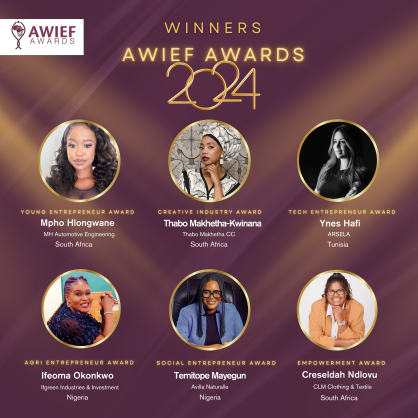
The 2024 AWIEF (www.AWIEForum.org) Awards celebrated the exceptional achievements of African women entrepreneurs on Friday night at the Cape Town International Convention Centre (CTICC). The glamorous awards ceremony honored six outstanding winners, selected from a distinguished group of 18 finalists, while also honouring Dr. Naledi Pandor, Former Minister of International Relations and Cooperation of South Africa, with the Lifetime Leadership Award.

Celebrating Excellence in African Entrepreneurship

This year's finalists and winners showcased the remarkable talent and ingenuity of African women entrepreneurs who are creating opportunities, driving economic growth, and transforming communities across the continent. Representing South Africa, Tunisia, and Nigeria, the finalists span diverse industries, highlighting the breadth of innovation and leadership among women across Africa.

The AWIEF Awards 2024 ceremony was the culmination of the AWIEF2024 Conference, a two-day event that brought together over 500 delegates from more than 50 countries. This dynamic conference served as a powerful platform for collaboration, knowledge-sharing, and celebrating the transformative achievements of women entrepreneurs shaping Africa's future.

Honoring a Legacy of Leadership

The evening's highlight was the presentation of the Lifetime Leadership Award to Dr. Naledi Pandor for her Legacy of Leadership and Impact. Dr. Pandor's illustrious career spans decades, during which she played a pivotal role in shaping South Africa's domestic and international policies. As Minister of International Relations and Cooperation (2019–2024), she championed South Africa's global influence, advancing diplomacy, peace-building, and international cooperation. Her visionary leadership continues to inspire generations across Africa and beyond.

The Winners of AWIEF Awards 2024

The following women were celebrated for their outstanding contributions and achievements in their respective categories:

YOUNG ENTREPRENEUR AWARD
Mpho Hlongwane – MH Automotive Engineering (South Africa)

AGRI ENTREPRENEUR AWARD
Ifeoma Okonkwo – Ifgreen Industries & Investment (Nigeria)

CREATIVE INDUSTRY AWARD
Thabo Makhetha-Kwinana – Thabo Makhetha CC (South Africa)

EMPOWERMENT AWARD
Creseldah Cassandra Ndlovu – CLM Clothing & Textile (South Africa)

TECH ENTREPRENEUR AWARD
Ynes Hafi – ARSELA (Tunisia)

SOCIAL ENTREPRENEUR AWARD
Temitope Mayegun – Avilla Naturelle (Nigeria)

A Platform for Women's Empowerment

The AWIEF Awards continue to shine a spotlight on the achievements of African women entrepreneurs, celebrating their innovative spirit and their significant contributions to sustainable development and economic growth across the continent.

For more information on the AWIEF Awards and Conference, as well as details about the finalists and winners, visit www.AWIEForum.org.

Distributed by APO Group on behalf of Africa Women Innovation and Entrepreneurship Forum (AWIEF).

Media files
Africa Women Innovation and Entrepreneurship Forum (AWIEF)
Download logo
Read moreDr. Naledi Pandor Receives Inaugural Lifetime Leadership Award
2 December 2024

BMA outlines plans to secure SA’s ports of entry this festive season

Location: News

BMA outlines plans to secure SA’s ports of entry this festive season

The Border Management Authority (BMA) unveiled its festive season plan, spanning from December 2024 to January 2025, aimed at managing increased border activities. 

South Africa faces complex border-related challenges, including illegal immigration, cross-border crimes, and smuggling of illicit goods.

Key interventions by the BMA this festive season include extending operating hours at major ports of entry over the festive season, deploying 69 additional personnel, and collaborating with Interpol and local law enforcement authorities. 

BMA Commissioner, Dr Michael Masiapato, said the agency anticipates facilitating over six million people, a recovery to pre-COVID-19 pandemic levels.

“Our focus will be the delivery of integrated, effective and efficient processes at the ports of entry, where only legitimate people and goods will be allowed to enter and exit South Africa,” he told the media on Monday. 

To achieve this, Masiapato announced that ports of entry and the vulnerable segments of the borderline will be adequately guarded to intercept any transgressor. 

In addition, he stated that the agency has intensified measures to detect and seize illicit goods, such as narcotics and stolen vehicles. 

As Operation Vala Umgodi proceeds to combat illegal mining activities, Masiapato stated that border guards remain vigilant and prepared to intercept illegal miners who have been deported and prevent them from attempting to illegally re-enter South Africa.

“We, therefore, want to warn all travellers to desist from committing any act of criminality around the ports of entry and at the border law enforcement areas, as they will be detected, arrested, and then deported.” 

In response to the persistent issues of food contamination and following President Cyril Ramaphosa’s directives to combat the problem, the BMA has issued operational instructions to all ports of entry.

This directive aims to intensify efforts to detect and intercept any illegal attempts to import organophosphate pesticides, specifically aldicarb, which is banned in South Africa, and terbufos, which has been linked to the deaths of six children in Naledi, Soweto.

“As such, the handling protocols have been given to our biosecurity experts for implementation across all ports of entry,” Masiapato said.

The BMA facilitates the legitimate movement of people and goods through 71 ports of entry, including 52 land ports, 10 international airports, and nine seaports.

The top 10 ports of entry facilitating the most people include key international airports and land ports to neighbouring countries.

These include the OR Tambo International Airport in Gauteng, Beitbridge land port to Zimbabwe, Lebombo land port to Mozambique, Caledonspoort, Ficksburg and Maseru Bridge land ports to Lesotho, Cape Town International Airport in the Western Cape, Oshoek land port to Eswatini, as well as Kopfontein, and Groblers’ Bridge land port to Botswana. 

The Commissioner emphasised the need for a robust and integrated border management platform to protect national security, economic growth, and regional economic integration. 

“During the return leg in January 2025, we would like to send a stern warning to all individuals who might be planning to try to enter South Africa illegally: border guards, working together with members of the SANDF [South African National Defence Force], will be waiting for them.” 

While waiting for the arrival of drones, the Commissioner announced a partnership with the Department of Agriculture, Land Reform and Rural Development. 

This collaboration will involve the deployment of drones to improve border security and enhance situational awareness, particularly in vulnerable areas such as ports and corridors.

Masiapato said the drone operations will be supported by mobile reaction units to allow for quick reaction and apprehension of illegal immigrants and other cross-border criminals. 

Shifting his focus to Mpox, he noted that South Africa’s risk classification is currently moderate. 

However, Masiapato warned travellers to avoid close contact with individuals showing symptoms, such as skin lesions or muscle aches.

“Currently, there is no Mpox vaccine in South Africa, therefore, travellers are encouraged to remain vigilant against Mpox disease.” – SAnews.gov.za

Gabisile
Mon, 12/02/2024 - 13:34

41 views
Read moreBMA outlines plans to secure SA’s ports of entry this festive season
2 December 2024

Government pledges to complete Vredefort Dome Visitor Interpretation Centre project

Location: News

Government pledges to complete Vredefort Dome Visitor Interpretation Centre project

The Department of Tourism will endeavour to facilitate an amicable resolution that will lead to the completion of the Vredefort Dome Visitor Interpretation Centre.

The Vredefort Dome Visitor Interpretation Centre in the Free State is an initiative of the department under its Working for Tourism programme that supports greater destination competitiveness, transformation, and accelerated tourism and enterprise growth. 

Over the years, the construction of the Vredefort Dome Visitor Interpretation Centre has encountered a myriad of challenges that have impacted on the completion of the facility.

“The Vredefort Dome Visitor Interpretation Centre is a critical educational and geological facility that will bring socio-economic benefits for the country and more importantly, to the community members of the Nqwathe Local Municipality and the Fezile Dabi District Municipality,” Deputy Minister of Tourism Maggie Sotyu said on Friday.

Sotyu conducted an oversight visit at the Vredefort Dome UNESCO World Heritage Site in the Free State to assess the progress of the infrastructure developments at the Vredefort Dome Visitor Interpretation Centre.

In January 2024, the department, through the Development Bank of Southern Africa (DBSA), appointed a contractor to refurbish and complete the exhibition centre; kiosk and ablutions facilities; the craft market; amphitheater; guard house; parking area; perimeter fence; ramps and walkways; landscaping, and the installation of signage. The refurbishments are 55% complete. 

“I have listened to the concerns raised by the community that relate to the construction of the Visitor Interpretation Centre. The challenges surrounding this facility have, over the years, robbed the sector and the community of an opportunity to boost the tourism and revive the local economy.

“As a department, we will endeavour to facilitate an amicable resolution that will lead to the completion of the Vredefort Dome Visitor Interpretation Centre. However, this resolution can be made possible if we all work together, realising the long-term future benefits of the successful completion of the Visitor Interpretation Centre,” Sotyu said.

The tourism community engagement was supported by the executives of the Free State Department of Economic Small Business Development, Tourism and Environmental Affairs.

The event included discussions with the local community, information sharing on various programmes of the department, and exhibitions by the various spheres of government and sector stakeholders. -SAnews.gov.za

nosihle
Mon, 12/02/2024 - 09:42

135 views
Read moreGovernment pledges to complete Vredefort Dome Visitor Interpretation Centre project
2 December 2024

Afrobarometer Connects Early-Career Researchers With Established Scholars to Build Analytical Capacity in Africa

Location: News
Afrobarometer

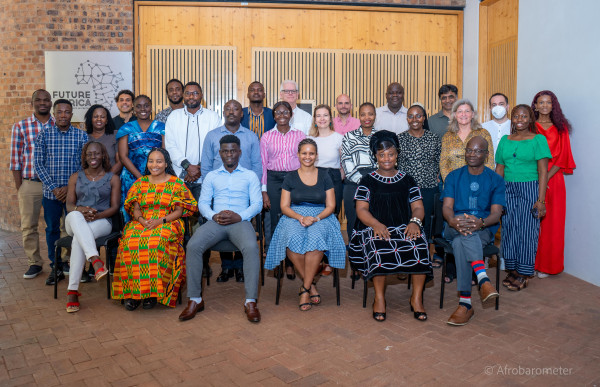
Afrobarometer (www.Afrobarometer.org) held its inaugural Emerging Scholars Workshop in November, bringing together early-career researchers and established scholars to enhance analytical skills and support the next generation of African researchers. This initiative aligns with Afrobarometer's objective of strengthening the continent's research ecosystem.

The workshop, held at the University of Pretoria's Future Africa campus, brought together 12 emerging scholars – half of them women – representing nine countries: Botswana, Benin, Cameroon, Ghana, Kenya, Malawi, Nigeria, South Africa, and Uganda.

Participants presented research papers covering diverse topics, received feedback from their mentors and peers, and engaged in professional development sessions designed to propel their academic and professional growth.

According to Jason Owen, Afrobarometer capacity building manager (advanced track), the workshop is in line with Afrobarometer's commitment to providing professional development opportunities for young African researchers.

“The emerging scholars that attended the workshop received detailed comments on their research from a panel of experienced academic mentors and peers,” he said. “The aim was to sharpen their analytical skills and to enable them to publish high-quality research using Afrobarometer data. We hope this type of workshop will foster a growing research and mentoring network that helps to build analytical capacity across Africa.”

The workshop also facilitated networking and collaboration. Nicole Beardsworth, a lecturer at the University of the Witwatersrand, highlighted the value of such gatherings. “PhD journeys can be isolating and lonely, but opportunities like the Afrobarometer Emerging Scholars Workshop provide a window for young scholars from around the continent to meet each other, find commonalities, forge collaborations, and create community,” she said.

A section of participants also noted that the workshop provided them with a transformative platform to engage with established academics, gain constructive feedback, enhance research skills, and build professional networks critical for advancing their academic and career aspirations.

“I was attracted to this workshop because it provides a unique opportunity to engage with seasoned scholars, participate in sophisticated research discussions, and develop essential skills for my professional growth,” said Mbiydzenyuy Courage Sevidzem from the University of Bamenda in Cameroon.

Over the past two and half decades, Afrobarometer has trained hundreds of young researchers, civil society activists, journalists, and parliamentarians through several capacity- building initiatives, including French- and English-language summer schools, thematic workshops, mentorships, university outreach initiatives, and staff development fellowships.

Distributed by APO Group on behalf of Afrobarometer.

For more information, please contact:
Daniel Iberi
Communications coordinator for East Africa
Email: diberi@afrobarometer.org
Telephone: +254 725 6744 57
Visit us online at www.Afrobarometer.org.

Follow us:
Facebook: Afrobarometer
Twitter: @ Afrobarometer
YouTube: @ Afrobarometer
Follow our releases on #VoicesAfrica. 

About Afrobarometer:
Afrobarometer (AB) is a trusted source of high-quality data and analysis on what Africans are thinking. With an unmatched track record of 388,000+ interviews in 42 countries, representing the views of 80% of the African population, AB is leading the charge to bridge the continent's data gap. AB data inform many global indices, such as the Ibrahim Index of African Governance, Transparency International's Global Corruption Barometer, and the World Bank's Worldwide Governance Indicators. The data are also used for country risk analyses and by credit rating and forecasting agencies such as the Economist Intelligence Unit. All AB data sets are publicly available on the website (www.Afrobarometer.org) and may be analysed free of charge using AB's online data analysis tool (https://apo-opa.co/3Vf0pB6).

Media files
Afrobarometer
Download logo
Read moreAfrobarometer Connects Early-Career Researchers With Established Scholars to Build Analytical Capacity in Africa
2 December 2024

CSA Appoints Proteas Women’s Team Head Coach

Location: Sport

JOHANNESBURG: Cricket South Africa (CSA) has appointed Mandla Mashimbyi as the new Head Coach of the Proteas Women’s Team. With...

Read moreCSA Appoints Proteas Women’s Team Head Coach
1 December 2024

President pays tribute to MTN

Location: News

President pays tribute to MTN

President Cyril Ramaphosa has paid tribute to telecommunications provider MTN for transforming the lives of millions of people in the country and across the continent of Africa.

“In countries like South Africa, MTN has sought to ensure that no one is left behind. Its network reaches some 97% of the population, providing a foundation for digital inclusion and economic empowerment,” the President said on Friday in Johannesburg.

Addressing MTN’s 30 years celebration gala dinner, President Ramaphosa said over the past three decades, MTN has evolved from a small South African start-up of 20 employees into a global telecommunications leader which now employs over 17 500 individuals representing more than 70 nationalities across 18 diverse markets.

“The mobile sector in Sub-Saharan Africa generated more than US$140 billion of economic value last year. MTN is a big part of this growth story.

“The group provides voice, data, fintech, digital, enterprise, wholesale and API services to 288 million customers in 18 markets. MTN Mobile Money provides over 65 million individuals with access to financial services, driving financial inclusion and economic empowerment in underserved communities,” the President said.

He acknowledged the telecommunications industry for helped to democratise public goods and services. 

“It has enabled the provision of financial, health, education, social welfare and other service to the most far-flung areas. At the time of the transition towards democracy in the early 1990s, South Africa was among the most connected nations on the continent with over 3 million landlines.

“Yet, as in almost every other area of life, access to telephony was severely unequal. At the time, there were 60 telephone lines for every 100 white people. There was only one line for every 100 black people. 

“In these circumstances, it took visionaries like the late Dr Nthato Motlana and Zwelakhe Sisulu to see the potential of mobile technology to close this gap,” the President said.

South Africa cellphone companies reached a million subscribers within two years.

“This spectacular growth was spurred by innovations such as prepaid, which South Africa was to introduce to the global community. It was in this early period that the foundation for MTN’s unique culture was laid. 

“It is a culture that is characterised by resilience, adaptability and a relentless drive to succeed. MTN’s many employees are united by a shared belief in the transformative power of technology. 

“Distance is no longer the impediment it had once been. Services can be delivered more cheaply and more reliably. Very soon after its introduction, the cellphone became an important tool for social cohesion,” the President said.

He said the cellphone helped to strengthen bonds between communities, family members and friends.

“This new frontier of economic and social transformation has, in the main, been driven by the youth of our continent. The industry is a case study of how young Africans can drive innovation and growth. On this anniversary, we salute the early pioneers and all those who have since been at the forefront of leading Africa’s digital progress,” the President said.

He said MTN has consistently encouraged and supported government’s efforts to strengthen trade and investment ties with other countries.

“It has been generous in sharing its experiences and insights of different markets. As MTN looks to its future, we are certain that it will make use of the great opportunities presented by the African Continental Free Trade Area.

“There are few companies in South Africa that know the African continent better than MTN. We trust that it will forge a path that many others can follow.

“As we work to improve the lives of the people of South Africa, we know that we can rely on the ingenuity, the industry and the commitment of the MTN team to support these efforts. As we look to a future of peace, prosperity and hope, we should embrace the MTN clarion call of ‘doing for tomorrow, today,” the President said. - SAnews.gov.za

nosihle
Sun, 12/01/2024 - 15:02

27 views
Read morePresident pays tribute to MTN
29 November 2024

How Mukuru Is Reshaping Aid Disbursements, Payroll and Bulk Commercial Payments in Malawi and Zimbabwe

Location: News
Mukuru

Mukuru (www.Mukuru.com) is a leading next-generation financial services platform that offers affordable and reliable financial services to a customer base of over 16-million people across Africa, Asia and Europe. The company, dedicated to continuously building a strong, reliable and resilient financial payments infrastructure to allow its customers to access new physical and digital services that add value, is also transforming the landscape of commercial and aid payments through its Enterprise Payments Platform (EPP). 

EPP is a secure, efficient, safe and cost-effective solution for collections and bulk payments and is built off the successful use case of Mukuru's widely known remittance services. 

This case study explores how Mukuru's EPP is addressing the challenges associated with aid disbursements, payroll, and commercial transactions in underserved communities, including limited financial infrastructure, high transaction costs and issues regarding security, speed and regulations. 

It examines how EPP is revolutionising bulk payments in these critical sectors, with a focus on Malawi and Zimbabwe, by tackling the difficulties businesses and aid organisations encounter when serving remote areas. 

The challenge 

Tererai Mare, Enterprise Market Development Manager at Mukuru, explains that before EPP, businesses and nonprofits had to rely on traditional methods such as mobile money and banks to facilitate bulk payments. “These methods presented limitations — high transaction and encashment fees, delays, and limited reach in rural areas,” Mare says. “These issues hindered the efficient distribution of aid and management of payroll, especially in vulnerable communities.” 

Aid organisations faced significant hurdles in making bulk payments, while remote communities had limited access to affordable and convenient financial services. This created delays in aid reaching those in need and added financial pressure on businesses. 

The solution 

EPP was built on Mukuru's extensive person-to-person physical and digital payment infrastructure across Africa. The platform, known for its reach and liquidity, has many benefits, explains Mare. 

These include: 

  • Instant payouts: Funds reach beneficiaries instantly through cash collection points or digital wallets. 
  • Traceability: The platform offers full transaction tracking, which enhances transparency. This is vital for aid agencies for financial reporting to secure ongoing funding. 
  • Competitive fees: Lower costs benefit both businesses and nonprofits. 
  • Extensive network: Mukuru's branches, booths and mobile disbursement teams, alongside a rich network of partner locations, provide exceptional reach across southern and eastern Africa. 
  • Security: The best technology and processes ensure secure transactions. 
  • Flexibility: EPP caters to aid, commercial, and social grant distribution needs. 

Aid Agency Applications: 

Malawi 

Chiyembekezo Ken Ndala, Enterprise Sales Manager for Malawi at Mukuru, shares that the company partnered with CADECOM National Office for emergency flood relief in the aftermath of a recent cyclone. “CADECOM used the Mukuru platform to reach 4,520 households across several underserved areas.,” Ndala says. The timely distribution of funds allowed families to recover quickly and have their basic needs met. 

Mukuru also partners with Yamba Malawi, which provides monthly stipends to teenage mothers. “Yamba Malawi supports teen mothers, each receiving $20 per month for 12 months, with an additional $100 as seed capital after six months. This funding helps them care for their children and start small businesses to break the cycle of poverty,” Ndala explains. As an ongoing project, Mukuru has disbursed over $100,000 (MK183,600,000) to these beneficiaries. 

Zimbabwe 

Michael Scott, Group Head of Commercial at Mukuru, says that Mukuru has built extensive partnerships with United Nations agencies, including UNICEF, the International Organisation for Migration (IOM), and the World Food Programme (WFP). 

“Mukuru was awarded a contract by WFP to distribute monthly cash grants to refugees at the Tongogara Refugee Camp. The EPP platform enables efficient delivery and end-to-end traceability of essential emergency funds to this vulnerable community” Scott explains. 

Scott explains that Mukuru has been awarded prestigious Long-Term Agreements by both UNICEF and the International Organisation for Migration (IOM), underscoring its capability and reliability in delivering essential financial services across Africa. Under these agreements, Mukuru has facilitated payments to beneficiaries under emergency social cash transfer programming in Zimbabwe, alongside the provision of payroll services and payments to vendors and workshop participants. 

International NGOs, like Action Contre la Faim, have partnered with Mukuru to deliver cash transfers to remote households via Mukuru's mobile disbursement service. Mukuru's mobile teams schedule trips to these hard-to-reach areas and provide regular access to financial services, supporting a base level of financial inclusion and social upliftment otherwise not possible. 

Payroll and Commercial Applications: 

Mare explains that Mukuru also serves the varying needs of businesses needing to make payments to their employees, customers or smaller suppliers, who may not have bank accounts. “Many workers earn low salaries, making bank accounts unaffordable due to high transaction and maintenance fees. The EPP platform helps these workers receive payments efficiently, without encashment or ongoing account fee, addressing a major financial inclusion gap.” 

On the commercial side, Mukuru partners with the likes of Cottco and Premier Tobacco Auction Floors, heavyweights in Zimbabwe's cotton and tobacco industries, to facilitate payments to small-scale farmers. “These farmers often don't have bank accounts and come from far and wide to sell or auction their goods. Mukuru's EPP ensures they receive payments securely and swiftly. A Mukuru cash voucher is as trusted as the USD cash for which it can be exchanged, but safer to travel with on long journeys to and from the auction floors,” Mare adds. 

Conclusion 

Mukuru's EPP platform has redefined bulk payments and aid distribution for organisations struggling with traditional methods. Whether payroll or commercial settlement for businesses, or emergency aid for vulnerable communities, Mukuru offers efficiency, transparency, and security. 

With its vast network and proven ability to reach even the most remote areas, Mukuru continues to drive financial inclusion while streamlining bulk payments, reducing transaction costs, improving traceability and accountability, and minimising delays — critical when delivering aid. 

Distributed by APO Group on behalf of Mukuru.

Notes to Editor: 
Mukuru is a leading next generation financial services platform in Southern Africa that offers affordable and reliable financial services to a customer base of over 16 million across Africa, Asia and Europe. 

With over 100 million transactions to date, our core was built providing international money transfers and from this base, we've developed a set of services to address the broader financial needs of our customers. We now operate in over 60 countries and across over 500 remittance corridors. 

We are a business that puts the customer at the centre of everything we do, and for that reason, we serve clients across physical and digital channels, by various payment methods (cash, card, wallet) as well as a range of engagement platforms including WhatsApp, USSD, contact centre, App, website, agents and a branch and booth network. 

Mukuru has, for the fifth consecutive year, been listed as one of the top 100 Cross Border Payments businesses in the world in the 2024 FXC Intelligence Top 100 Cross-Border Payment Companies (https://apo-opa.co/41825jC), one of only six African companies to receive this accolade. 

In 2023, Mukuru officially ranked sixth on the LinkedIn Top Companies List in South Africa. 

Mukuru was celebrated for innovation and excellence at the 2023 Africa Tech Festival Awards, receiving the Fintech Innovation of the Year Award - an acknowledgment of the transformative power of financial technology in driving economic growth, financial inclusion, and digital transformation. 

In 2024, Mukuru won the IAMTN Payments Network Customers Experience Excellence Award for setting a high bar in exceptional customer satisfaction in cross-border payment services. Additionally, Mukuru was officially accredited as a 2024 Top Employer in South Africa by the Top Employers Institute. 

Further information can be found at https://www.Mukuru.com. 

Media Enquiries: 
Ammaarah Kootbodien: 
ammaarah@duomarketing.co.za 
(+27) 71 529 6449 

Kgomotso Hlakudi: 
kgomotso.hlakudi@mukuru.com 
(+27) 73 333 1672 

Mthokozisi Dube: 
mthokodube09@gmail.com 

Media files
Mukuru
Download logo
Read moreHow Mukuru Is Reshaping Aid Disbursements, Payroll and Bulk Commercial Payments in Malawi and Zimbabwe
28 November 2024

Collective effort to alleviate poverty, reduce inequality

Location: News

Collective effort to alleviate poverty, reduce inequality

As South Africa marks 30 years of democracy, President Cyril Ramaphosa has acknowledged the great progress government has made in lifting millions of South Africans out of absolute poverty.

The President was delivering his annual address to the National Council of Provinces (NCOP) in Parliament, Cape Town on Thursday. 

The address and debate was held under the theme: “Dedicating our Efforts Towards Reducing Poverty and Tacking the High Cost of Living”.

The President highlighted that in 1993, 71% of South Africans lived in poverty, by 2010 the poverty rate had dropped to 61% and in 2020, it was at 56%.   

He further acknowledged that people’s lived experiences confirm the persistence of poverty and inequality.

“As we work to rebuild the economy, to create more employment and open opportunities for emerging businesses, we continue to assist the poorest and most vulnerable in our society.

“We provide various forms of support and protection through the ‘social wage’.  This includes the provision of social grants, free basic services, health care, basic education, higher education, social housing and transport. When debt servicing costs are excluded, around 60% of government’s budget is spent on the social wage,” the President said. 

President Ramaphosa said that while parties in the Government of National Unity differ on certain issues, they have committed themselves to inclusive economic growth and accelerated job creation.

“They have committed themselves to reduce poverty and tackle the high cost of living.  And, to advance these priorities, the parties to the Government of National Unity have committed themselves to build a capable, ethical and developmental state.

“The decision by the NCOP to dedicate this debate to focus on our collective efforts to reduce poverty and tackle the high cost of living is a worthy and timely response to the mandate of the people,” the President said.

President Ramaphosa emphasised that a vital part of the effort to reduce the cost of living is the provision of a free basic minimum of services to indigent households.

Through this programme, millions of people have been able to access basic needs like electricity and water.

He highlighted that social grants remain a lifeline for millions of people, particularly children, the elderly and persons with disabilities.

“The introduction of the Social Relief of Distress Grant during the COVID-19 pandemic has provided much-needed relief to as many as 11 million unemployed people at its peak. Today, around a half of all households in South Africa benefit from social grants.

“Among the measures to ensure that all South Africans have affordable access to sufficient food, government is looking at whether the basket of food items that is exempted from VAT could be expanded to include more basic products,” he said. – SAnews.gov.za

DikelediM
Thu, 11/28/2024 - 15:00

195 views
Read moreCollective effort to alleviate poverty, reduce inequality
28 November 2024

SA U19 Women To Tour India For Youth T20I Tri-Series Ahead Of Next Year’s T20 World Cup

Location: Sport

JOHANNESBURG: Cricket South Africa (CSA) and the Board of Control for Cricket in India (BCCI) have confirmed the Youth T20...

Read moreSA U19 Women To Tour India For Youth T20I Tri-Series Ahead Of Next Year’s T20 World Cup
28 November 2024

Eskom issues disconnection notice for services to Free State municipality

Location: News

Eskom issues disconnection notice for services to Free State municipality

Eskom has announced the publication of a disconnection notice for bulk electricity supply to Tokologo Local Municipality in the Free State due to an unpaid debt of R300 million.

The state-owned power utility said the action is per the provisions of the Promotion of Administrative Justice Act (PAJA).

“Should Eskom proceed with the disconnection, bulk electricity supply to Boshof, Seretse, Dealesville, and Hertzogville will be interrupted daily from 31 January 2025 for a set number of hours per day,” the Eskom statement read. 

Eskom said the municipality currently owes them R328 711 887 for the bulk supply of electricity, excluding the current account of a further R3 682 099, which became due and payable on 20 November 2024.

According to the utility, the last payment Eskom received from the municipality was R150 000 on 5 October 2021.

“The municipality charges, collects, and receives money from its customers for the supply of electricity but fails to hand over the portion due to Eskom. 

“This is at Eskom’s detriment and it is not sustainable. The municipality is responsible for discharging a constitutional obligation but decides to withhold payments to Eskom. The decision by Eskom to proceed with the process to disconnect electricity supply is a measure of last resort to prevent the debt from spiralling out of control.”

Eskom said the municipality’s breach of its payment obligation to Eskom undermines and places in jeopardy Eskom’s ability to continue the national supply of electricity on a financially sustainable basis. 

“Eskom must exercise its right to disconnect the supply of electricity to the municipality to protect the national interest in the sustainable supply of electricity to support economic growth.” 

The entity has since invited all affected parties to submit written representations, comments, or submissions indicating why Eskom should or should not proceed to reduce, disconnect, or terminate the bulk electricity supply points. 

The closing date for submissions will be close of business on 6 January 2025 and Eskom will communicate the final decision on or before 16 January 2025. 

“Eskom appreciates the hardships the community and the economy will suffer should it exercise its statutory powers to disconnect the municipality. There are no other meaningful options available for Eskom to stop the debt from growing and to collect for current consumption on bulk supply.” 

Eskom outlined interventions by stakeholders to empower the municipality to pay its Eskom debt since 2021. 

“Despite all the avenues that Eskom explored and efforts to accommodate the municipality, the matter has reached a point where Eskom can simply no longer afford to accommodate the municipality without further financial strain and harming its own business. 

“In terms of the Constitution and the Intergovernmental Relations Framework, the municipality is supposed to cooperate and assist Eskom with fulfilling its mandate of ensuring that citizens have access to affordable electricity. 

“The municipality has breached these obligations by not paying Eskom for the bulk electricity it supplies, making it impossible for Eskom to fulfill its mandate.” – SAnews.gov.za

Gabisile
Thu, 11/28/2024 - 12:55

28 views
Read moreEskom issues disconnection notice for services to Free State municipality
28 November 2024

AHIF Heads to Cape Town for the First Time for its 13th Edition

Location: News
The Bench

The Africa Hospitality Investment Forum (AHIF), Africa's premier conference for tourism and hospitality investment, is gearing up for its 2025 edition in Cape Town. Taking place from 17 to 19 June at The Westin Cape Town, AHIF 2025 will introduce an innovative, dynamic format aimed at fostering new partnerships and facilitating deals within Africa's rapidly expanding hospitality sector - one of the world's fastest-growing markets.

Cape Town, known for its stunning landscapes and vibrant visitor economy, provides the perfect backdrop for AHIF's annual gathering. Moreover, the South African hospitality industry is projected to grow from USD 1.36 billion in 2024 to USD 1.68 billion by 2029, driven by increasing traveller numbers and a resurgence post-COVID-19. 

Matthew Weihs, Managing Director of The Bench, the organiser of AHIF, commented: “We are excited to bring AHIF to Cape Town, a city that embodies the energy and potential of African hospitality. This year's event will offer invaluable opportunities for delegates to connect with top decision-makers, explore new partnerships, and gain insights from industry leaders. AHIF is where the future of African hospitality is shaped. By offering delegates the chance to explore Cape Town, we are adding a unique layer of value to their participation. The connections made and the insights gained from these hands-on experiences will be invaluable as we work together to drive investment and development across Africa.”

The new format, which is focused on networking and tailored insights, has been carefully designed to go beyond the conference rooms, introducing country pavilions from across Africa to showcase the latest opportunities in the region to investors. The advantages of the new format include personalised itineraries, hands-on workshops, roundtables, enhanced networking, and insights on economic trends. Focused on C-level hospitality and tourism investment decision-makers, AHIF continues to be exclusively focused on those who are shaping the future of hospitality in Africa.

Daniel Silke, political economist, emphasised the potential impact of AHIF: “The Africa Hospitality Investment Forum is taken seriously as an industry-leading event globally. It addresses one of the most intriguing and exciting markets, Africa, where growth rates remain high, and demographic shifts, urbanisation, and an increase in air connectivity are driving substantial interest from hotel groups. AHIF stands out not just for the expert speakers and deep insights, but also for fostering personal connections that are invaluable in this dynamic industry.”

With opportunities growing at an unprecedented rate, AHIF is more than a meeting; it's a catalyst for action, insight, and strategic partnerships that are shaping the continent's hospitality future.

For more information, visit www.AHIF.com

Distributed by APO Group on behalf of The Bench.

Further Information:
For further information and high-resolution images, please contact:
David Tarsh
+44 (0) 20 7602 5262
+44 (0) 7770 816 070
email: David@Tarsh.com.

About The Bench:
The Bench has established a legacy for delivering world-leading investment forums and conferences in Europe, Africa, the Middle East, and Latin America. The key principle behind these platforms has remained "dealmaking'. Transforming the way businesses connect, Bench has developed a reputation for creating innovative and high-impact meeting spaces for the industry.

For over two decades - government leaders, tourism ministries, global travel & tourism associations, the world's most influential hospitality brands, hotel owners & investors, renowned restaurant groups, airlines & aviation authorities, destination developers, asset managers, financial groups and consultants – have been participating in The Bench's events for their respective objectives. These include AHIF, FHS World, FHS Saudi Arabia and AviaDev – where industry players showcase their brands, position themselves as thought leaders or innovators, and connect with the right opportunities and knowledge.

Learn more on TheBench.com

Strategic Partners:
Accor, Hilton, Radisson Hotel Group

Sponsors:
Aleph Hospitality, Knight Frank

Silver Sponsor:
Time Hotels

Supported By:
South Africa Tourism

Media files
The Bench
Download logo
Read moreAHIF Heads to Cape Town for the First Time for its 13th Edition
27 November 2024

Vistajet Commits to Powering Trade and Investments in East and South Africa

Location: Business
VistaJet

VistaJet (www.VistaJet.com/), the world's first and only global business aviation company, has reaffirmed its long-standing commitment to connecting the international investor community with markets in East and South Africa. This commitment was highlighted during its VistaJet East and South Africa Static Display Roadshow. Given their status as leading centers for economic development and innovation, Cape Town, Johannesburg, and Nairobi were selected as the host cities for the end-of-year Static Display Roadshow in the region.

After a successful inaugural roadshow in West Africa during the second quarter of 2024, VistaJet continued to expand the company's offering focused on Africa. VistaJet has significantly enhanced its offerings in Africa, achieving a remarkable 103% increase in New Program Hours Sold and a 29% rise in total hours flown across the continent in the first half of 2024.

Commenting on VistaJet's commitment to business in Africa, Phillippe Scalabrini, VistaJet's President of Europe and Africa, said: “Building on VistaJet's substantial growth in the region, the East and South Africa Roadshow is a vital part of our strategy to serve as a logistics and aviation partner that supports the success of the African Continental Free Trade Agreement. VistaJet is dedicated to playing a crucial role in connecting global funding to these regions' economic and entrepreneurial opportunities, as Africa offers significant growth potential for international ventures. We showcased our Global 7500 aircraft to link these regions with the rest of the world and facilitate unlocking this growth potential, to support the region's economic development further.”

VistaJet provided a valuable opportunity to connect with key media representatives and private stakeholders during the roadshow. The company reaffirmed its offerings during these events and showcased the Global 7500 aircraft.  This aircraft is designed to provide up to 17 hours of non-stop global connectivity, effectively linking Africa with the rest of the world. VistaJet is dedicated to meet the growing demand for reliable and efficient business aviation in Africa.

Distributed by APO Group on behalf of VistaJet.

More Images: https://apo-opa.co/498qdEI

About VistaJet: 
VistaJet (https://VistaJet.com) is part of Vista (https://Vistaglobal.com/) — the world's leading global business aviation company. Innovating the industry for over 20 years, Vista's mission is to provide the most advanced flying services at the very best value, anytime, anywhere around the world.

VistaJet has flown corporations, governments and private clients to over 200 countries and territories on the Vista Members' fleet of iconic silver and red business jets, which includes the largest fleet of Global 7500s. Offering the best aircraft in each cabin class, clients can choose the most efficient option for every trip.

With a dedicated Client Services and Cabin team available 24/7, clients enjoy a fully personalized flight with seamless continuity from the ground to the air. Every VistaJet flight has at least one Cabin Host as well as two pilots in the flight deck to provide optimal safety and comfort on board.

VistaJet Program Members have guaranteed access to the Vista Members' fleet while paying only for the hours they fly — a smart alternative to ownership and fractional flying.

More VistaJet information and news at www.VistaJet.com

VistaJet Limited is a European air carrier that operates 9H registered aircraft under its Maltese Air Operator Certificate No. MT-17. VistaJet US Inc. is an air charter broker that does not operate aircraft. VistaJet-owned and U.S.-registered aircraft are operated by properly licensed U.S. direct air carriers, including XOJET Aviation LLC (DBA Vista America), JetSelect LLC (DBA Vista America), Western Air Charter Inc (DBA Vista America), and Red Wing Aeroplane LLC (DBA Vista America).

Media files
VistaJet
Download logo
Read moreVistajet Commits to Powering Trade and Investments in East and South Africa
27 November 2024

Eskom hails meter upgrade project as a success

Location: News

Eskom hails meter upgrade project as a success

With Eskom hailing the completion of its pre-paid meter upgrade project as a success, the power utility has requested the approximately 1.7 million “zero buyers” to upgrade their meters before the deadline.

“The result of this technology changeover has brought Eskom around 400 000 previous zero buyers to become new paying customers and provided us with a wealth of data to bring further zero buyers into legitimately purchasing electricity,” Eskom Group Chief Executive Dan Marokane said on Wednesday during a media briefing in Cape Town.

All prepayment meters have to be upgraded to the Key Revision Number version 2 (KRN 2) as the STS technology for prepayment meters will stop accepting new credit tokens. This is due to the expiry of these vending codes.

This will mean they will stop dispensing electricity after the existing credit is used up, thus making the meter inactive.

“Eskom has successfully completed its pre-paid meter Key Revision Number (KRN) rollover project. Starting off with a customer base of 6.91 million prepaid customers, all customers have been converted to KRN 2. 

“A data cleaning exercise fully updated the incomplete details of 341 000 customers to bring Eskom’s base to 7.25 million. As of 24 November 2024, approximately 5.5 million customers (which includes the around 400 000 zero buyers, who have become paying customers) have successfully rolled over and are transacting on KRN 2.

“Eskom is currently observing a decrease in the zero buyer numbers to around 1.7 million from the previous 12-month rolling average of 2.1 million. We request these customers to do what is right by Friday, 13 December 2024, by visiting their nearest Eskom sites,” the power utility said.

Eskom said all paying customers who had bought electricity before the deadline and have had their meters made KRN 2 compliant and who are experiencing difficulty will be assisted to complete the process and will not be unfairly penalised. 

These customers are advised to use Alfred the chatbot, Eskom Contact Centre: Interactive Voice Response (IVR) and WhatsApp.

“For those zero buyers who bought electricity before the deadline and were unable to load their meters, they must bring their slips/tokens to the nearest Eskom Hub by Friday 13 December 2024 to be assisted. Customers are urged not to wait for the last day of the extension.

“Zero buyers who bought electricity before the deadline but have a meter-related matter such as a lost, bypassed, or tampered meter, must come forward at Eskom centres by Friday 13 December 2024. Their individual situations will be assessed, tamper fines issued if required and meter updates and replacements will then be scheduled,” Eskom said.

Those who have come forward but did not buy or attempt to buy electricity tokens by 24 November 2024 are encouraged to purchase electricity tokens before 13 December 2024.

Their meters will be audited, and tamper fines and meter replacement costs will be assessed and issued accordingly. They can come forward at any time.

“In the past 10 days, we saw zero buyers coming forward in huge numbers wanting to buy electricity and do the right thing. We will continue to treat these users with dignity and respect as we resolve these issues for all of them who did the right thing. 

“We acknowledge also that this was a complex process presenting a challenging set of issues and was at times fraught and we continue to monitor and stabilise the system to ensure a smooth customer experience,” Eskom’s Group Executive for Distribution, Monde Bala, said.

Marokane said the power utility was doing everything that is practically possible to make users of electricity pay for it in the interest of those who already pay for electricity, maintain the sustainability of Eskom to drive the economic growth of South Africa and reduce the burden on the taxpayer. - SAnews.gov.za


nosihle
Wed, 11/27/2024 - 12:29

127 views
Read moreEskom hails meter upgrade project as a success
27 November 2024

Connecting Stories With a Golden Thread at the Joburg Film Festival

Location: News
MultiChoice Group

The Joburg Film Festival (JFF) in partnership with the MultiChoice Group (www.MultiChoice.com) is proud to announce the theme for the highly anticipated seventh edition of the festival - ‘The Golden Thread – Connected Through Stories'. Set to take place from 11 – 16 March 2025, the festival will explore the profound interconnectedness of our shared human experiences and the timeless value of storytelling.

Guided by the festival's tagline, ‘Our Stories. Our Gold', JFF continues to embrace Joburg's identity as the “City of Gold”, with stories serving as the most precious treasures that illuminate our lives and reflect the collective wisdom of our diverse global communities.

Audiences are invited to explore the essence of connection as we celebrate ‘The Golden Thread'—an elegant reminder of the ties that bind us all, a recurring symbol that represents universal themes, emotions and truths found within the world's most compelling stories.

"We are pleased to present ‘The Golden Thread' as our theme for the next edition of the festival,” says JFF Founder Tim Mangwedi. “It represents the unbreakable link that storytelling forms between individuals, communities and cultures. Through our carefully curated selection of films, we aim to show how stories, much like threads, interlace to create a larger tapestry of shared human experience. This is a celebration of connectivity, of learning from one another, and of recognising the meaningful impact our stories can have on the world.”

The seventh edition will once again bring together filmmakers, industry professionals and audiences from across the globe to share their experiences and forge connections through the universal language of cinema. JFF remains committed to promoting diversity, inclusivity and the celebration of universal human stories.

The festival will feature over 60 local, African and international curated titles, including fiction and documentary feature-length films and shorts), with several notable world premieres already confirmed. A snippet of what's in store for film, art and culture lovers.

Starting here at home with Sebata, a gripping dark South African detective thriller directed by Norman Maake and Timmy the Kid, a rural-urban comedy from director Gray Hofmeyr, that boasts a star-studded local cast.

The Man Died is a powerful adaptation of Nobel Laureate Wole Soyinka's harrowing prison memoir directed by Awam Amkpa. Set against the backdrop of Nigeria's civil war, the feature narrates a tale of resistance, courage and the indomitable human spirit.

Directed by Lebanese national Mahdi Fleifel, To a Land Unknown follows two Palestinian cousin friends as they strive to escape their desolate environment before it's too late and is shot across five countries.

Under the Volcano, directed by multi award-winning author Damian Kocur, depicts the story of a Ukrainian stranded in Tenerife, Spain, after a vacation, as they learn of Russia's invasion of Ukraine.

Haitian born, Paris based director Rauol Peck, chronicles the life of Enerst Cole's journey as the first black freelance photographer in apartheid SA. 

Ernest Cole: Lost and Found illustrates Cole's career, peerless artistry, political strength and a moving end.

"The seventh edition will once again bring together filmmakers, industry professionals, and audiences from across the globe to share their experiences and forge connections through the universal language of cinema. JFF remains committed to promoting diversity, inclusivity, and the celebration of universal human stories. The Joburg Film Festival is a celebration of the stories that bring us together, reflecting our shared humanity and the unique perspectives that make us who we are. At MultiChoice, we are proud to partner with the festival to spotlight the richness of African storytelling, highlighting its power to connect, inspire, and transform. Through ‘The Golden Thread – Connected Through Stories,' we embrace the idea that stories are our greatest treasures, weaving communities and cultures together with purpose and passion" says Nomsa Philiso, CEO of General Entertainment, MultiChoice.

In addition to the film programme, the festival will feature a robust industry programme in Joburg Xchange (JBX), incorporating JBX Business (market), JBX Talks and JBX Youth.

JBX BUSINESS

The JBX Market has experienced remarkable growth since 2022, with 165 participants currently registered making it the fastest-growing pillar of the film festival. The market attracts a diverse range of attendees, including exhibitors, producers, content creators, festivals, buyers and investors.

Early registration is still open for interested participants via the JFF website.

JBX TALKS - Made in Joburg for Africa and the World

JBX Talks at JFF 2025 celebrate the unifying power of storytelling and the thriving film industry in Johannesburg, which resonates across Africa and the globe. We position Johannesburg as a vibrant nexus of African narratives that transcend borders and captivate international audiences.

The three-day industry programme offers dynamic panels, in-conversations, masterclasses, workshops and networking events. Participants may expand their reach, refine their craft, and unlock new opportunities that elevate African film and television on the world stage. 

Festival badges which provide access to JBX go on sale with an Early Bird discounted price from Tuesday, 3rd December.

JBX YOUTH

JBX Youth is a new addition to the industry programme, running parallel to JBX Talks and JBX Business. It builds on the festival's anchor pillar focussed on the youth, the Youth & Audience Development Programme that is targeted at aspiring and up and coming content creators and filmmakers.

This 3-day programme will cover a range of topics and issues with the aim of developing, skill, empowering and nurturing the next generation of filmmakers to ensure the long-term growth, sustainability and viability of the industry.

YOUTH & AUDIENCE DEVELOPMENT PROGRAMME

This initiative focuses on emerging talent and aspiring filmmakers aged 18 – 35 with the aim of equipping them with the tools they need to succeed in the film and television industry.

The Programme will launch at the Kagiso Archives Centre in February 2025, with an intense two-day workshop, offering a range of activities including film screenings, director Q&As, skills-building practicals, filmmaker forums and mentorship opportunities within the community. The programme will conclude at JFF, with the JBX Youth initiative, providing youth filmmakers with further exposure to the tools and resources they need to advance their skills and careers.

The annual Young Voices Competition which forms part of the programme which celebrates the creative talents of young filmmakers in South Africa makes its return. Under the theme ‘The Power of Sports in Film', submissions officially open on Tuesday 3rd December and entries will be accepted until mid-February 2025.

We believe that sports is a universal language, allowing everyone to participate at any level, whether competitively or just for the love of the game. The winner will be announced at the Golden Thread Gala awards ceremony in March 2025, with their film later showcased at the JFF Film Society later in the year.

Mark your calendars for 11 – 16 March 2025 and be part of the 7th edition of the Joburg Film Festival. For more information on programming, tickets and how to get involved, please visit our website at www.JoburgFilmFestival.co.za or follow us on social media for the latest updates.

Together, we create, share, and celebrate the stories that connect us all...
 

Distributed by APO Group on behalf of MultiChoice Group.

Check out Joburg Film Festival the various online platforms:
Website: www.JoburgFilmFestival.co.za
Facebook: http://apo-opa.co/3CKyrqy
Twitter: http://apo-opa.co/4eXhJSo
Instagram: http://apo-opa.co/4i9aDNd
LinkedIn: http://apo-opa.co/4i7WXBZ
TikTok: http://apo-opa.co/4fLRr6v
The hashtags for the festival are #JoburgFilmFestival #JFF2025

Media files
MultiChoice Group
Download logo
Read moreConnecting Stories With a Golden Thread at the Joburg Film Festival
  • Previous
  • Page 1
  • Interim pages omitted …
  • Page 31
  • Page 32
  • Page 33
  • Page 34
  • Page 35
  • Page 36
  • Next

Copyright © 2026 · MyZA · All Rights Reserved · Powered by Stratlec Online