• Skip to main content
  • Skip to header right navigation
  • Skip to after header navigation
  • Skip to site footer
MyZA

MyZA

News, Directory, Events and Other Stuff

  • Social Media
  • Sport
  • World News
  • Home
  • Submit News
  • Directory
  • Events
  • Stratlec
  • TFSA
  • News
    • APO
    • Today’s Sport News
    • Todays Social Media and Tech Headlines
    • Today’s World News
    • Today’s SA Financial News
  • Contact
You are here: Home / Archives for infrastructure

infrastructure

31 January 2024

Telkom’s investment to aid connectivity

Location: News

Telkom’s investment to aid connectivity

Telecommunications provider Telkom says the R5.9 billion it had pledged during the last South African Investment Conference (SAIC) will contribute towards enhancing connectivity, especially as the country prepares for the national general elections this year. 

The company is deploying 4G and 5G network infrastructure nationally.

At the fifth South Africa Investment Conference (SAIC) which was held in April 2023, Telkom announced that it would be investing R5.97 billion in Information and Communication Technologies (ICT) infrastructure development across South Africa.

In a statement on Wednesday, the company said it wants to develop and enable solutions that enrich customers’ lives and enable growth in enterprises and small businesses.

Company CEO, Serame Taukobong, believes the investment contributes to South Africa’s economic development, productivity, and job creation.

He added that Telkom, which is a leading information and communications technology services provider, saw it fit to heed the President’s call for investment into the economy.

Government directly holds a 40.5% shareholding in Telkom with a further 15.3% shareholding through the Public Investment Corporation.

He said a remarkable partnership of national importance exists between Telkom and the Electoral Commission (IEC).

“Together the two have successfully executed six national general elections and five local government and municipal elections since 1994.  Telkom is again ready to deliver national digital connectivity to support the IEC's crucial role in our democratic process.  Our country’s prospects depend on it.

He said digitalisation is a key cog in South Africa’s economic development.

“Our infrastructure forms the backbone of the South African economy, underpinning essential service providers like banks, retailers and the mobile sector. 

“Our role is to connect more businesses – big and small – as well as more schools, more homes, and more individuals. Some of our key goals include accelerating mobile growth, driving high speed broadband adoption, expansion of the network, and connecting South Africans to a better life,” he added. – SAnews.gov.za


Edwin
Wed, 01/31/2024 - 11:42
387 views
Read moreTelkom’s investment to aid connectivity
31 January 2024

Closing South Africa’s Sustainable Development Goals (SDGs) Gap Requires Improving the Quality and Management of Infrastructure and Strategic Investments

Location: News

The World Bank Group
Download logo

Closing South Africa's Sustainable Development Goals (SDGs) gap will require significant infrastructure and related spending, informed by the right objectives and relevant metrics, according to a joint study by the World Bank and the Development Bank of Southern Africa (DBSA), launched today. The report, entitled: Going Beyond the Infrastructure Funding Gap - A South African Perspective, quantifies the spending needed in education, transport, and water and sanitation to achieve the related SDGs.

The United Nations adopted the SDGs in 2015 as a universal call to action to end poverty, protect the planet, and ensure that by 2030 all people enjoy peace and prosperity. South Africa's commitment to the SDGs is embodied in the National Development Plan Vision 2030. While progress has been made, South Africa has significant work ahead to achieve the SDGs. According to the Sustainable Development Report 2022, South Africa ranks 113 out of 161 countries in terms of its performance in the 17 SDGs.

According to the study, South Africa needs to spend between R4.8 trillion and R6.2 trillion ($254 billion to $329 billion) on transport, water and sanitation, basic education, and Technical and Vocational Education and Training (TVET) between the years 2022 and 2030, to close the SDGs gap in these sectors. The figures for the infrastructure spending are equivalent to spending between 8.7% and 11.2% of Gross Domestic Product (GDP) per year on average. The study asserts that the solution is not always to spend more, but to spend better on the right objectives, with the use of relevant metrics.

The study highlights infrastructure cost drivers and the implications of different policy choices. In addition, the sectoral analyses present detailed results on the spending needs under several scenarios and recommendations to close the gap.

“Infrastructure is required to support the progress towards the 2030 SDG agenda. Education, electricity, water and sanitation, and transport infrastructure are required to improve access to basic services and support inclusive economic growth. This innovative study contributes to the evidence-based body of knowledge, towards understanding the service gap, and the ambitions of each sector, in determining where investments should be made,” says Marie Francoise Marie-Nelly, World Bank Country Director for South Africa.

“Closing the SDG gap will require significant infrastructure and related spending,” says Boitumelo Mosako, Chief Executive Officer of the DBSA. “In addition to the sectoral analyses, this study provides an assessment of the exposure of infrastructure assets to natural hazards and the investment needs to increase their resilience. Our joint study further provides a macroeconomic analysis, which examines the growth implications of the proposed spending and the projected funding gap.”

Achieving the SDGs requires adequate infrastructure in various sectors. This includes good-quality school and college facilities to support student outcomes. Reliable transportation infrastructure and affordable services are also essential for people to access basic services and job opportunities, allowing firms to stay competitive and create better jobs. Furthermore, it involves establishing high-quality water and sanitation infrastructure to provide affordable and safe services. Lastly, resilient infrastructure is essential for sustainable progress towards the SDGs, ensuring long-lasting and environmentally responsible development.

A key finding of the study is that poor quality and management of infrastructure and services undermine the achievement of SDGs. Thus, investing in infrastructure must be supported by proper management, maintenance, and good governance.

Distributed by APO Group on behalf of The World Bank Group.

Read moreClosing South Africa’s Sustainable Development Goals (SDGs) Gap Requires Improving the Quality and Management of Infrastructure and Strategic Investments
31 January 2024

SA sends first shipment under AfCFTA agreement

Location: News

SA sends first shipment under AfCFTA agreement

The implementation of the preferential trading under the African Continental Free Trade Area (AfCFTA) has become a reality with South Africa sending its first shipment of products to other countries trading under the agreement.

South Africa is the first among the Southern African Customs Union (SACU) member states, which consists of Botswana, Lesotho, Namibia, South Africa, and Swaziland, to practically realise the AfCFTA Agreement.

“For South Africa, as with many other African countries, the start of preferential trade will create great opportunities for growth and development. Not only will it benefit our country’s producers, but it will also see a huge increase in traffic through our ports, our airports and our land-based border posts.

“The products made in Gauteng, Limpopo, North West, Free State, Mpumalanga and the Northern Cape will flow through these ports to markets beyond our borders,” President Cyril Ramaphosa said on Wednesday in Durban.

Officiating the launch of South Africa's first shipment and preferential trading under the AfCFTA, the President said the levels of intra-African trade have been growing in recent years, but remain small by global standards.

Intra-Africa exports are reported to stand at around 16% of Africa’s total exports, compared to 55% in Asia, 49% in North America and 63% in the European Union.

“African countries trade with the rest of the world but we have limited trade among ourselves. The reason for this is clear: we are principally exporters of raw materials, selling rocks and black liquid to the world, instead of harnessing our oil and the minerals to industrialise our continent. We need to change this.

“We have a unique opportunity to lift millions of people out of poverty by empowering women and young people to change the continent’s business environment. That is why, as the South African government, we are focused on implementing our Freight Logistics Roadmap to improve the efficiency and competitiveness of the country’s rail lines and ports,” the President said.

He said government is working closely with industry to fix Transnet’s rail and port operations in the immediate term and to ensure greater investment in infrastructure into the future.

“Over the last few years, our trade ministers have been finalising rules of origin of what constitutes an African product. They have done well to finalise 92% of the products that nations trade with each other. We need them to be even bolder in further rules of origin. The products that we trade among ourselves must truly be ‘Made in Africa’.

"The modalities for trade in goods has moved faster than for services. We therefore need to put more effort into building African champions in finance, retail and telecommunications, and in expanding tourism between African countries. That is the only way in which our economies will grow faster and sustainably,” President Ramaphosa said.

The African Continental Free Trade Area creates the world’s largest free trade area by number of countries, and has the potential to bring transformative change and tremendous opportunities to African economies and businesses.

The President said the implementation of the agreement will accelerate the development of regional and local value chains, offering investors access to a population of 1.7 billion people with a fast-growing continental gross domestic product (GDP).

“Industrial development is core to Africa’s integration. It builds Africa’s productive capacities, adds greater value to our products and diversifies trade beyond the traditional commodities. We have already seen the potential of greater cross-border collaboration.

“South African automotive companies source leather car seats from a factory in Lesotho employing close to a thousand workers and wiring harnesses from Botswana at two plants employing several thousand workers,” Ramaphosa said.

They source copper wire from Zambia, rubber from Cote d’Ivoire, Nigeria, Malawi, Ghana and Cameroon, and steering wheel components from Tunisia.

“These are installed in cars that are then exported from South Africa to other parts of the world. These inputs alone accounted for more than $200 million worth of products traded among African countries and the scope to do more is available to us.

“But it requires bold rules of origin. For every one percent of extra African content, there is an opportunity for a factory or mine based on the continent to supply the products. And as the world moves to green industrialisation, Africa is well positioned to use our critical minerals to leverage industrialisation on the continent,” the President said.

He said the opportunities are vast, with prospects in food and beverages, in cars and trucks, in clothing and textiles.

“We have the capacity to produce more of our own pharmaceutical products and medical equipment. Investment can flow to the production of chemicals, machinery and equipment, household goods and many, many more.

“Beyond the industrialisation of which I have spoken, this continental market can help us promote agricultural development and food security. Through our work, we can ensure that young people and women-owned firms are active in export markets,” the President said.

He said the Protocol on Women and Youth in Trade will help ensure that the African Continental Free Trade Area contributes to inclusive growth and development. – SAnews.gov.za

nosihle
Wed, 01/31/2024 - 13:15

36 views
Read moreSA sends first shipment under AfCFTA agreement
31 January 2024

Here’s why contractors need to protect themselves when natural disasters strike

Location: MyPR

The recent storm and flood damage in KwaZulu-Natal is estimated to be R2.5 billion and with more heavy weather warnings on the way, Minister of Cooperative Governance and Traditional Affairs Thembi Nkadimeng is calling for a state of disaster in the province. While major infrastructure like roads, bridges, railways, and schools has sustained massive damage, …

Read moreHere’s why contractors need to protect themselves when natural disasters strike
30 January 2024

Durban families demand end to “water crisis”

Location: News

EThekwini municipality promises that water will be restored to affected communities by 15 February

Read moreDurban families demand end to “water crisis”
30 January 2024

Winde thanks roleplayers battling wildfires around the Cape Winelands

Location: News

Winde thanks roleplayers battling wildfires around the Cape Winelands

Western Cape Premier Alan Winde visited a mobile disaster management incident command centre near Wolseley on Monday after wildfires erupted in the Cape Winelands district and surrounding areas. 

The fires have been raging for over a week, with high temperatures and strong winds fuelling the flames.  

Affected areas include Hangklip, Buffeljags Bay, Karwyderskraal and Grabouw.

According to the Premier’s Office, fire teams in the Breede Valley and Witzenberg areas were given a slight reprieve on Sunday evening as temperatures dipped and winds subsided. 

“But that was unfortunately short-lived. Winds picked up again compounding the already difficult situation.”

Despite the thousands of hectares of land that have burned, the Premier said he was relieved there has been no loss of life. 

However, he said he remained very concerned about the situation generally. 

“Fires are volatile and unpredictable. Coupled with the hot, windy weather, these fires have stretched our emergency teams to their limit. But I have all the confidence in our entire disaster management network to eventually bring the blaze under control, with officials in the public and private sectors working together around the clock to protect lives and infrastructure.

“Our disaster management staff have gone from floods to fires and I know the significant toll that it takes on our dedicated staff and all the volunteers who always step up,” Winde said. 

Winde has described as "heroes" a group of firefighters who had come off the line for a break, having worked throughout Sunday evening.  

“You make us all very proud,” he told the firefighters. 

According to the Provincial Disaster Management Centre (PDMC), there have been more than 4 000 fires across the Western Cape this summer, of which the vast majority have been recorded in Cape Town. 

The Premier urged the public in fire-affected regions to heed the advice of officials and be vigilant. 

“There can be no doubt that climate change is a major factor. That is why the Western Cape government is taking this crisis extremely seriously by planning accordingly for the future and by building up the resilience of our province. We are doing all we can to enable the private sector to pivot to renewable energy to help mitigate the climate crisis,” he stressed.

City of Cape Town's Mayco Member for Safety and Security, JP Smith, announced this morning that the fire line in Hangklip was completely extinguished. 

“All our firefighters are safe and accounted for. There are no injuries and no damages to any of our vehicles or equipment,” Smith explained. – SAnews.gov.za

Gabisile
Tue, 01/30/2024 - 12:00

76 views
Read moreWinde thanks roleplayers battling wildfires around the Cape Winelands
29 January 2024

eThekwini allocates R30m to upgrade damaged water pump station

Location: News

eThekwini allocates R30m to upgrade damaged water pump station

A total of R35 million has been allocated towards the upgrading of an entire pump station, which was destroyed by a fire in Ntuzuma, north of Durban.

The Ntuzuma Reservoir 2 pump station was destroyed by a fire in April last year and resulted in additional strain on the already challenged infrastructure.

This was revealed in a joint statement issued following a multi-stakeholder technical team meeting to resolve eThekwini Metro water challenges.

The stakeholders acknowledged that the Ntuzuma water supply system has been experiencing challenges as a result of the damage to the pump station, with the station currently operating at 50% capacity.

“The project [upgrade] will commence in March this year and is planned to be completed by the 2025/26 financial year. This project will start improving water supply to Inanda, Lindelani and KwaMashu by July 2024,” the statement said.

The Department of Water and Sanitation (DWS) Director-General, Dr Sean Philips, attended a multi-stakeholder technical meeting, held between the department, eThekwini Metro and uMngeni-uThukela Water to resolve the current water challenges in eThekwini.

This follows a directive by Water and Sanitation Minister, Senzo Mchunu, that the eThekwini Metro, working with uMngeni-uThukela Water, should urgently come up with long lasting interventions in response to ongoing water and sanitation services in the municipality.

The team noted that water demand in eThekwini has grown rapidly, mostly due to population growth and partly due to increasing leaks in the municipality’s water distribution systems. 

“The planners in DWS anticipated this growth in demand and put in place plans to transfer water from the uMkhomazi River to augment uMngeni Water Supply System (uMWS), through the Umkhomazi Water Project, as well as a project to raise the wall of the Hazelmere Dam,” the statement read.

The team also noted the raising of the Hazelmere Dam wall, which was completed in 2023 and has doubled the amount of water that can be stored in the Dam at a cost of R820 million. 

To enable additional stored water to be treated, the team said, Umgeni-uThukela has completed a project to increase the capacity of the Hazelmere Water Treatment Works from 55 to 75 ML (megalitres) per day, at a cost of R135 million. 

“Umgeni-uThukela will further increase the capacity of the treatment works to 90 ML per day within the next three years, at a cost of R25 million,” the statement read.

The meeting also emphasised that eThekwini water challenges must be addressed by the municipality by decreasing non-revenue water collection in its water distribution system, and water users using water more sparingly to reduce the average consumption of water per capita per day. 

The No Drop audit report, which was released by DWS in December 2023, found that the water user in eThekwini was 298 litres per capita per day (l/c/d), compared to the international average of 173 l/c/d. Non-revenue water also increased from 37% in 2013 to 58% in 2023. 

Some of the municipality measures currently being implemented to increase the supply of water, include groundwater, water re-use and desalination, amongst others. 

The municipality is also implementing a range of interventions to drastically reduce its non-revenue water, including the implementation of a pipeline replacement programme, with a number of projects under the programme being in the final phases of procurement. 

According to the statement, the programme is scheduled to commence by the end of March 2024, and will continue for the foreseeable future. 

“The municipality is implementing projects to replace parts of its old infrastructure on which high levels of water losses are being experienced, including replacing pumping mains on major water distribution systems such as Tongaat, Waterloo, Grange and Hazelmere water distribution systems. 

“The municipality has budgeted approximately R1 billion per annum for these projects, which will continue every year for the foreseeable future. Some of these projects started in the 2022/23 municipal financial year and are being funded from the infrastructure levy which was recently introduced by the municipality,” the statement said. 

The municipality has also constructed 12 new reservoirs in the past two years to the value of R500 million to enhance water supply and implemented an active leak detection and repair programme. 

“Procurement processes for a performance-based contract to detect and repair leaks are currently being concluded and it is envisaged that the contract will commence at the beginning of April 2024. This contract will be funded from the savings resulting from reducing leaks. 

“The municipality is implementing a pressure management programme through installing 108 pressure management valves, in addition to the 3000 that already exist. The purpose of this programme is to reduce water pressures in water distribution systems which reduces the frequency of pipe bursts and extends the useful life of the infrastructure,” the statement highlighted.

In addition, the procurement process for pressure management valves has been finalised and installation of the valves is expected to commence in March 2024. – SAnews.gov.za

GabiK
Mon, 01/29/2024 - 12:17

280 views
Read moreeThekwini allocates R30m to upgrade damaged water pump station
29 January 2024

SAHRC releases July 2021 unrest report

Location: News

SAHRC releases July 2021 unrest report

The South African Human Rights Commission (SAHRC) has released its report into the July 2021 unrest that unfolded in Gauteng and KwaZulu-Natal (KZN), during which some 350 people lost their lives.

The violence and destruction also caused damage to infrastructure and businesses costing South Africa’s economy some R50 billion, with a further two million jobs being lost or affected.

Speaking at the release of the report, SAHRC Commissioner Philile Ntuli said the commission found that myriad factors contributed to the outbreak of destruction and violence during the riots.

“The violence and destruction were symptomatic of unresolved systemic conditions, including post-COVID-19 economic recovery, high unemployment, lawlessness, discrimination, socio-economic divides, and issues within the security sector.

“The Commission concluded that organised groups and individuals opportunistically exploited these conditions to attempt to usurp the rule of law,” Ntuli said.

The Commission’s work focused on four issues namely:

  • The social, economic, spatial, and political factors prevalent in the various affected areas, and the extent to which these played a role in the unrest.
  • The causes of the alleged racially motivated attacks and killings in the country.
  • The causes of the apparent lapses in law enforcement by State Security agencies, particularly in the South African Police Service, and the role of private security companies in the unrest.
  • The causes of the July unrest, with particular focus on Gauteng and KwaZulu-Natal.

The SAHRC made a series of findings on and recommendations for each issue - including on the South African Police Service and the country’s intelligence services.

The full report can be obtained at https://www.sahrc.org.za/home/21/files/JULY%20UNREST%20REPORT%20FINAL_29%20JAN%202024.pdf.

Ntuli described the unrest as a well-orchestrated and a “violent culmination of deep-rooted political and social challenges” that South Africa had been facing.

“The unrest was largely attributed to typologies of organisation and orchestration of public discord, crime and protest.

“Evidence indicated that the acts during the unrest were well-orchestrated, including the blocking of the N3, destruction of factories and warehouses, attack on government communication facilities, and bombing and theft of ATMs. These events were interconnected and required significant resources.

“Two types of actors were identified during the unrest: primary actors, who led and executed widespread destruction, and secondary actors, who participated in theft. The timing of the events coincided with the incarceration of former President Jacob Zuma, leading to a perception that the two were related,” Ntuli said.

Ntuli said while evidence suggests that the unrest was well orchestrated, the Commission “did not receive clear evidence identifying specific groups or individuals as primary actors, while… the common purpose or intention behind the unrest remained unclear”.

In her concluding remarks, Ntuli said the July 2021 unrest must be a “marker and a lesson” as South Africa continues its journey “from our colonial past”.

“Building a united, inclusive, safe and prosperous South Africa requires confronting the past, acknowledging present challenges, and working together for positive change. The unrest was a wake-up call, nudging us all to the reality of the fragility of the peace and security that some enjoy.

“It was a reminder that the process of democracy and constitutionalism has to benefit all, if it is to be sustained. It was a confrontation with the reality that the Bill of Rights must be realised for all, and particularly for those of whom the same rights were deprived by the colonial and apartheid governments,” she said. – SAnews.gov.za

NeoB
Mon, 01/29/2024 - 13:23

270 views
Read moreSAHRC releases July 2021 unrest report
29 January 2024

Back-to-School excitement at Adopt-a-School Foundation

Location: MyPR

There were no tears as confident five and six-year-olds kicked off Day One of Grade R in what will be their 12-year journey through school. There to wish them well were members of the Adopt-a-School Foundation (AAS), a partner entity of Cyril Ramaphosa Foundation. The Foundation will follow their progress and celebrate their successes while …

Read moreBack-to-School excitement at Adopt-a-School Foundation
29 January 2024

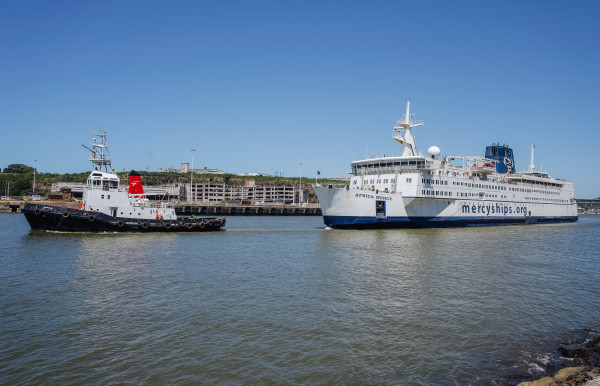
Africa Mercy® heads to Madagascar after recrewing in East London

Location: News
Mercy Ships

Following a recrewing effort, the hospital ship, Africa Mercy®, has now departed from the Port of East London for service within the nation of Madagascar for the next ten months.

During the eight-month refit in Durban's Dormac Shipyard, the ship underwent extensive repairs and maintenance to prolong and improve the vessel's service life and quality of medical services.

Highlights of the Africa Mercy's® refurbishment included an information technology (IT) upgrade enhancing the ship's operating theatre functionality and performance by enabling seamless coordination between the Africa Mercy® and Mercy Ships' latest hospital ship, the Global Mercy™, currently serving the nation of Sierra Leone in West Africa. Upgrades will support the provision of essential training for local doctors, fostering the development of in-country healthcare professionals. Additional improvements included the modernization of the galley, upgrades to the elevator system, and remodeling of several cabin spaces, enabling the ship's community to better serve those in need of surgical care.

Brenda van Straten, Director, Mercy Ships, South Africa, says: “The refit was part of a broader five-year initiative to ensure that the Africa Mercy® can continue the provision of life-changing surgeries and training over the next decade. In parallel with the Ship's refurbishment, Mercy Ships conducted eight Safer Anesthetics from Education (SAFE) courses in South Africa this past year, impacting 236 health professionals in the region.”

The courses in South Africa focused on rural and state hospitals where junior doctors were in vital need of practical approaches to managing their patients. A total of 58 South African anesthetists partnered with Mercy Ships to provide the training.

The ship's service in Madagascar is part of a five-year investment in Education, Training, and Advocacy efforts in combination with a surgical schedule, including maxillofacial and ENT, general, pediatric specialized general, pediatric orthopedic, reconstructive plastics, ophthalmic, women's health, as well as dental care.

“Madagascar faces a shortage of surgical support from both local and international partners, especially in the most vulnerable areas. We appreciate Mercy Ships' approach to reaching underserved communities. As we open 28 district hospitals, each requiring at least two surgeons, we look forward to collaborating with Mercy Ships to strengthen our surgical capacity,” shared Dr. Lethicia Lydia Yasmine, secretary general for the Ministry of Health, Madagascar.

A 2016 study found that only 20% of the population can access surgical services within two hours, and up to 95% of the population would face financial ruin if they required surgery. With approximately 20 physicians for every 100,000 people, surgical treatment feels out of reach for many.

The ten-month field service will be the fourth visit since 1996, with the most recent in 2015-2016. Over these three previous field services, Mercy Ships worked with the government and the Ministry of Health to provide 6,425 surgical procedures and over 52,000 dental procedures. In addition to providing life-changing surgical and dental care, Mercy Ships has a historic focus on education having trained a total of 2,019 healthcare professionals in Madagascar to date.

Mercy Ships still has open volunteer roles for project directors, a clinical training coordinator, informatics specialists, as well as ward nurses, IT professionals, cooks, teachers, plumbers, and electricians. For more information visit www.MercyShips.co.za

Distributed by APO Group on behalf of Mercy Ships.

Hi-res photos and general Mercy Ships B-Roll video footage are available upon request.

For more information contact:
Brenda van Straten                                                                          
Director, South Africa
Mercy Ships
Email:  info.zaf@mercyships.org
Website:  www.MercyShips.co.za

About Mercy Ships:
Mercy Ships operates hospital ships that deliver free surgeries and other healthcare services to those with little access to safe medical care. An international faith-based organization, Mercy Ships has focused entirely on partnering with African nations for the past three decades. Working with in-country partners, Mercy Ships also provides training to local healthcare professionals and supports the construction of in-country medical infrastructure to leave a lasting impact.

Each year, more than 3,000 volunteer professionals from over 60 countries serve on board the world's two largest non-governmental hospital ships, the Africa Mercy® and the Global Mercy™. Professionals such as surgeons, dentists, nurses, health trainers, cooks, and engineers dedicate their time and skills to accelerate access to safe surgical, obstetric and anesthetic care. Mercy Ships was founded in 1978 and has offices in 16 countries as well as an Africa Service Center in Dakar, Senegal. For more information, visit MercyShips.org and follow @MercyShips on social media.

Media files
Mercy Ships
Download logo
Read moreAfrica Mercy® heads to Madagascar after recrewing in East London
29 January 2024

Anger at Panyaza Lesufi for failing to fix Roodepoort school for years

Location: News

The department committed to replacing the school with a brick-and-mortar structure more than five years ago.

Read moreAnger at Panyaza Lesufi for failing to fix Roodepoort school for years
28 January 2024

Basic Education Committee Delegation Visits Kwa-Zulu Natal (KZN) Schools for Readiness Inspection

Location: News

Department of Basic Education: Republic of South Africa
Download logo

A delegation of the Portfolio Committee on Basic Education undertook a two-day oversight visit to schools in Kwa-Zulu Natal to assess their readiness for the 2024 academic year. The delegation visited five schools in the uThukela and uMzinyathi education districts over this period and engaged with several stakeholders in the education sector.

The leader of the delegation, Ms Nombuyiselo Adoons, said the delegation focused on areas that included infrastructure, ablution facilities, monitoring of Grade R/early childhood development sites as per the 2022 departmental migration shift; delivery of learner-teacher support material; nutrition, learner transport, special schools support, and meeting with stakeholders to discuss the state of schooling in 2024.

Ms Adoons said several schools that the delegation visited had been damaged by floods and strong winds and they are in need of repairs. She said the temporary measures have been put in place to alleviate the immediate challenges they are facing. “We must commend the provincial department for the speedy action in assisting the schools. However, we realised that this will now impact further on the budget – most probably that of infrastructure and repairs that were planned,” she said.

The delegation commended Muntuza Primary School for its excellent performance. It is a full service school with Grade R facilities and have been piloted for Robotics and Coding. “The school is doing well. The school is clean. It is one of the models that other schools can learn from,” said Ms Adoons.

At Njeza High School the delegation found that the roof of some buildings had been blown off by storms. “It was not in a good shape but mobile classrooms are in place to alleviate the situation. We are grateful for this as it means teaching and learning is not affected.” She said the delegation further noted some pit toilets. However, a contractor was on site and in the process of eradicating the “inappropriate ablution” facilities.

Ngibongeleni High School and Sihayo Technical Comprehensive School have challenges with fluctuating Grade 12 results. “It's like a yo-yo effect. We recommended intervention to assist the schools and it clearly has the potential to improve.”

The delegation also visited Pro Nobis Special School that cater mostly for learners on the autism spectrum. It noted that the school has adequate infrastructure even though it needs some refurbishment or upgrades. The provincial department indicated that new scholar transport will reach the school by the end of February as it is being fitted for the specifications for learners with special needs.

According to her common challenges they noted at many schools they visited were high electricity and water bills, vandalism and burglaries due to lack of security. “Firstly, we would like to appeal to the communities to assist with this. This impacts your children's education and future. Security manpower means extra expenses that could have gone towards the education of our learners. Let's stand together and stand up against criminality in our schools,” stressed Ms Adoons.

The oversight visit was concluded with a meeting with stakeholders, including the MEC for education in the province. Ms Adoons said: “All our concerns over the two days were noted and responded to. The provincial department of basic education indicated that it has been impacted by budget cuts from National Treasury.”

Distributed by APO Group on behalf of Department of Basic Education: Republic of South Africa.

Read moreBasic Education Committee Delegation Visits Kwa-Zulu Natal (KZN) Schools for Readiness Inspection
26 January 2024

Growing the Economy is the Only way to Fix South Africa

Location: MyPR

The Steel and Engineering Industries Federation of Southern Africa (SEIFSA) wishes all its member a productive and prosperous 2024, which is likely to be another busy and challenging year, with wage negotiations, general elections, load-shedding, high inflation, geo-political uncertainty and a volatile exchange rate just some of what we can expect. As the country prepares …

Read moreGrowing the Economy is the Only way to Fix South Africa
26 January 2024

Premier Bushy Maape pays courtesy visit to Ambassador Darkey Ephraim Africa in Thailand

Location: News

North West Office of the Premier, Republic of South Africa
Download logo

Yesterday, 25 January, the Premier of North West, Kaobitsa Bushy Maape paid a courtesy visit to the Ambassador Extraordinary and Plenipotentiary of the Republic of South Africa in Thailand, H.E. Mr. Darkey Ephraim Africa. Premier Maape is in Thailand for medical assessment. Despite his tight medical programme, the Premier made time to visit the South African Embassy in Bangkok, Thailand to explore opportunities for the Province.

During their meeting, both Premier Maape and Ambassador Africa discussed a wide rage of issues, more specifically the economic challenges of the North West Province and its impact on the youth. They agreed on the need to identify trade and investment opportunities in Thailand for the North West Province. They further agreed on the need to invite investors from Thailand in the areas of agriculture, infrastructure automotive, renewable energy and tourism.

On his part, Ambassador Africa acknowledged Premier Maape's desire to mobilise trade and investment for his Province. He requested the South African Embassy to invite various agencies such as North West Development Corporation, the North West Housing Corporation and other business people to Thailand to further explore opportunities in trade and investment following his engagement with Ambassador Africa. The Ambassador and the Political Counsellor, Mrs. Thobeka Dlamini assured the Premier that the Embassy will invite the Province at the appropriate time for engagement. Premier Maape accompanied by the Ambassador, also met Mr. Ravi Puri, a prominent businessman in real estate and hospitality to explore other opportunities in real estate. The Premier will depart Bangkok after completion of his medical engagement.

Distributed by APO Group on behalf of North West Office of the Premier, Republic of South Africa.

Read morePremier Bushy Maape pays courtesy visit to Ambassador Darkey Ephraim Africa in Thailand
26 January 2024

Department awards bursaries to hardworking matriculants

Location: News

Department awards bursaries to hardworking matriculants

Public Works and Infrastructure Minister Sihle Zikalala has hailed teachers and guardians as true heroes and heroines and thanked them for encouraging, motivating and guiding learners during the 2023 matric examination.

“To the bursary awardees, you are the crown in the jewel; and today we sing your praises for demonstrating that paying attention and putting in effort pays,” Zikalala said on Thursday, during a ceremony to award bursaries to 100 learners from the Class of 2023 who have enrolled to study various built environment courses at universities across the country.

Zikalala congratulated the learners for being worthy recipients of the prestigious bursaries from the Department of Public Works and Infrastructure.

He said the young people who are receiving the bursaries have honoured the sacrifices of the youth of 1976 who protested against an inferior Bantu Education that sought to turn education for the black majority into an instrument of racial subjugation and guarantor for the supply of cheap black labour.

“The Department of Public Works and Infrastructure (DPWI) plays a critical role in delivering essential services. To do so effectively, it must have a highly skilled and competent workforce.

“This year is the 10th year that the Department of Public Works and Infrastructure has been offering these bursaries to address the challenges of the skills pipeline and transformation in the Built Environment.

“Our university bursary scheme is one of the ways through which as a department, we respond to the country’s occupation skills that are in high demand as gazetted by the Department of Higher Education and Training,” the Minister said.

The Department of Public Works and Infrastructure Bursary Scheme supports undergraduate study areas like: Construction Project Management, Occupational Health and Safety, Quantity Surveying, Landscape Architecture, Architecture, Property Studies, Real Estate, Urban Design and Regional Planning, Engineering (Mechanical, Electrical, Civil, Structural, Chemical), Interior Design, Actuarial Science, Horticulture, Geographic Information Science (GISc) and Maritime Studies.

The Council for the Built Environment (CBE) has lamented the slow pace of transformation in the built environment which is compounded by the challenge of aging professionals who are leaving the sector.

“One of our programmes to address these challenges and in contributing to the skills of the future in our sector is the department’s schools programme and the university bursary scheme programme.

“We are pleased to report that our valued bursary beneficiaries are supported financially throughout their tertiary studies until graduation.

“Upon completion of studies, bursary holders join the department’s internship programme wherein they gain relevant technical experience for a duration of 24 months in line with their contractual obligation to the department and in accordance to the DPSA regulated internship period,” Zikalala said.

The estimated budget per student is R177 500. This amount varies based on the institution and study programme. The department has allocated budget of R17 800 000 for the 2024 academic year new intake.     

The bursary covers all university costs including tuition fees, accommodation, meals, textbooks, projects, excursions and a monthly allowance. – SAnews.gov.za


Edwin
Fri, 01/26/2024 - 09:43

257 views
Read moreDepartment awards bursaries to hardworking matriculants
25 January 2024

Call for balance in investments for road and rail infrastructure

Location: News

Call for balance in investments for road and rail infrastructure

With South Africa deepening its efforts towards shifting freight from road to rail, the Department of Transport (DOT) Freight Logistics Specialist, Mihlali Gqada, says there needs to be a balance in investments that are made in rail and road infrastructure.

Addressing the colloquium on the Freight Road to Rail Migration Plan (FRRMP), Gqada said the amount of rail infrastructure investment pales in comparison to road.

According to National Treasury and the Minister of Transport’s Budget Vote Speech (2023/24), the allocation for roads (transfers and subsidies) is R42.4 billion, and for 2024/25, the estimate is R42.4 billion. This figure excludes the equitable share grant that provinces and municipalities get for infrastructure development.

“Rail infrastructure investment is limited to the allocation for the Passenger Rail Agency of South Africa (PRASA) from the DOT (+/-R7 billion), whilst freight rail relies on Transnet investment and competes with Ports and Pipelines. It is therefore imperative that a balance in investment be fostered so that the shift can be realised.

“Historically, public sector investment has largely been skewed towards road infrastructure investments, and going forward, there is a need to leverage a wide range of public and private investment tools to finance the construction and operation of rail freight infrastructure.

“The national freight transportation system requires investment to maintain performance at high levels, upon which the country's economic growth depends,” Gqada said on Thursday in Pretoria.

She said private sector and private investments must find expression in the railway sector.

“These investments must be in the form of infrastructure and operations as Transnet would not be in a position to meet all the investment required to get the railways competitive and responsive to the country's growth needs and demand.

“Historically the public and private sectors have collaborated clearly, and both played divided roles in relation to freight transport whereby the public sector has built, owned, and operated transport infrastructure on behalf of government, predominantly railways and highways. Furthermore, the private sector has used that infrastructure to conduct freight operations.

“This division of roles provides opportunities for government to leverage private sector efficiencies and expertise in the construction and operation of freight infrastructure,” Gqada said.

She said South Africa holds immense potential to become the gateway to the African market, boasting a well-developed network of ports and a robust logistics infrastructure.

“The country's transportation system offers several advantages compared to other African nations. Despite its potential, South Africa's freight transport system faces significant challenges in meeting the growing demand for freight movement, especially on rail. These challenges stem from operational and infrastructure deficiencies in the road, rail and port sectors, which hinder the competitiveness of the South African economy,” Gqada said.

She said poor rail performance has rendered the country unable to fully participate in the recent commodity boom.

As the country tries to deal with the lack of investment in rail, Gqada said it must not stop investment in road infrastructure, as this is currently the backbone of South Africa's trade success.

“We, however, need to be cautious of the role that the South African National Roads Agency Limited (SANRAL) is being given by several provinces to manage their road network as this may overburden SANRAL.

“This gradual migration of provincial networks onto the portfolio of SANRAL must be managed very well and must not undermine the effectiveness of SANRAL in infrastructure development and maintenance,” she said. –SAnews.gov.za 

nosihle
Thu, 01/25/2024 - 13:30

216 views
Read moreCall for balance in investments for road and rail infrastructure
25 January 2024

Sinkholes open under Khayelitsha shacks, flooding homes with sewage

Location: News

The whole of Khayelitsha is affected by a blocked sewer line, says City of Cape Town

Read moreSinkholes open under Khayelitsha shacks, flooding homes with sewage
25 January 2024

Western Cape Local Government, Environmental Affairs and Development Planning welcomes relief funding for September floods

Location: News

Western Cape Local Government, Environmental Affairs and Development Planning, South Africa
Download logo

Western Cape welcomes R114million relief funding for September floods.

Anton Bredell, Western Cape MEC for Local Government, Environmental Affairs and Development Planning today confirmed that National Treasury has approved an amount of R114million to be released from the Municipal Disaster Response Grant to the Western Cape for damages suffered during the floods of September 2023. 

“We appreciate this allocation, and I want to thank all the role players who worked together to do damage assessments, drafted the disaster classification application, and worked together with our colleagues at the National Disaster Management Centre to satisfy all the regulatory requirements to qualify for this disaster relief. It is important and necessary funding to help us deal with the significant impact that the flood had on our province”.

MEC Bredell said that although the province applied for relief of more than R700million, we appreciate the R114million, and will now focus on spending the money wisely in the 5 municipalities identified for relief:

  • 24 projects in Theewaterskloof
  • 16 projects in Overstrand
  • 11 projects in Stellenbosch
  • 13 projects in Langeberg
  • 6 projects in the City of Cape Town.

MEC Bredell said the intense flooding of 2023, and the current wildfire season which is stretching fire services across the province to the limit, is a wakeup call for all levels of government: “A new mindset is needed for infrastructure development and how we interact with nature. “We cannot repair roads and bridges to be washed away in the next flood. We must design and construct with the future in mind where we should anticipate more extreme weather events.”

The Department of Local Government, together with these municipalities are currently working on dedicated business plans for each of the identified repair projects.

Distributed by APO Group on behalf of Western Cape Local Government, Environmental Affairs and Development Planning, South Africa.

Read moreWestern Cape Local Government, Environmental Affairs and Development Planning welcomes relief funding for September floods
24 January 2024

South Africa’s Progressive Business Forum honours Afreximbank board member Ronnie Ntuli with Lifetime Achievement Award

Location: Business

Afreximbank
Download logo

African Export-Import Bank (Afreximbank) (www.Afreximbank.com) is pleased to announce that its board member, Mr. Ronnie Ntuli has been awarded the Progressive Business Forum's (PBF) prestigious Lifetime Achievement Award and was presented with the accolade at the Presidential Gala Dinner and special celebrations that marked three decades of democracy in South Africa.

The award, which was presented at the PBF's inaugural “Show Up” awards ceremony, recognizes and celebrates individuals who have distinguished themselves in business, public service and, through their commercial, entrepreneurial and civic ventures. It also recognizes those who have acted to improve the common good and promote the wellbeing of others.

Mr Ntuli's receipt of this award constitutes a recognition of his extraordinary contribution to the expansion of Southern Africa's rail network and his application of engineering expertise to continental transport and logistics assets. Mr Ntuli founded and established the Thelo Group, as one of the continent's eminent financiers of railway infrastructure and rolling stock, and the region's most significant supporters of industrial development and high-value exports.

Further to these economic contributions, Ronnie has served his country and continent through extensive advisory work for a range of African Heads of State, where he has leveraged his unrivalled financial and engineering experience – as well as his background in Law – to help decision-makers devise policies and strategies to accelerate economic development and entrepreneurship.

Afreximbank President and Chairman of the Board of Directors, Prof. Benedict Oramah, commented:

I am delighted that my dear friend, and much-trusted advisor on Afreximbank's Board, Mr. Ronnie Ntuli, has been recognized by the Progressive Business Forum for his decades of work on this continent. As both businessman and advisor, Ronnie's contribution to our shared prosperity and development is quite simply incalculable. His counsel has been indispensable to the Bank, particularly as we navigated the challenges of implementing the African Continental Free Trade Area agreement.”

Distributed by APO Group on behalf of Afreximbank.

About Afreximbank:
African Export-Import Bank (Afreximbank) is a Pan-African multilateral financial institution mandated to finance and promote intra-and extra-African trade. For 30 years, the Bank has been deploying innovative structures to deliver financing solutions that support the transformation of the structure of Africa's trade, accelerating industrialization and intra-regional trade, thereby boosting economic expansion in Africa. A stalwart supporter of the African Continental Free Trade Agreement (AfCFTA), Afreximbank has launched a Pan-African Payment and Settlement System (PAPSS) that was adopted by the African Union (AU) as the payment and settlement platform to underpin the implementation of the AfCFTA. Working with the AfCFTA Secretariat and the AU, the Bank is setting up a US$10 billion Adjustment Fund to support countries to effectively participate in the AfCFTA. At the end of September 2023, Afreximbank's total assets and guarantees stood at over US$33.4 billion, and its shareholder funds amounted to US$5.8 billion. The Bank disbursed more than US$104 billion between 2016 and 2023. Afreximbank has investment grade ratings assigned by GCR (international scale) (A), Moody's (Baa1), Japan Credit Rating Agency (JCR) (A-) and Fitch (BBB). Afreximbank has evolved into a group entity comprising the Bank, its impact fund subsidiary called the Fund for Export Development Africa (FEDA), and its insurance management subsidiary, AfrexInsure, (together, “the Group”). The Bank is headquartered in Cairo, Egypt.

Read moreSouth Africa’s Progressive Business Forum honours Afreximbank board member Ronnie Ntuli with Lifetime Achievement Award
24 January 2024

DPWI Minister to award bursaries to deserving students

Location: News

DPWI Minister to award bursaries to deserving students

Public Works and Infrastructure Minister Sihle Zikalala will on Thursday award bursaries to 100 learners from the class of 2023 Matriculants, who have enrolled to study various built environment courses at universities across the country.

The bursaries are part of the Department of Public Works and Infrastructure’s (DPWI) Skills Pipeline Programme, which is one of government’s initiatives to bring more skilled professionals into the public sector and specifically the built environment.

As part of building a capable and ethical State, the DPWI annually awards bursaries to pupils in need of financial assistance, who display academic excellence and have been accepted for courses in the built environment for their tertiary education.

The bursary programme further aims to increase the number of built environment professionals from previously disadvantaged backgrounds and ensure transformation of the sector.

It also serves as a feeder to the department’s Internship and Young Professionals Programme and later forms a pool of qualified built environment professionals to serve the state in the delivery of infrastructure projects.

The bursary is for careers in the built industry, including Electrical Engineering, Mechanical Engineering, Civil Engineering, Marine Engineering, Property Studies/Real Estate, Actuarial Science, Quantity Surveying, Construction Project Management, Landscape Architecture, Architecture and Town and Regional Planning.

The bursary covers tuition, accommodation, meals, textbooks, project and compulsory study resources and a monthly stipend.

In its 10th year of existence since 2014, the DPWI bursary programme has so far benefited over 500 deserving students, an investment of over R160 million into the lives of the students and to bring the required skills into the public sector. – SAnews.gov.za

Edwin
Wed, 01/24/2024 - 09:25

445 views
Read moreDPWI Minister to award bursaries to deserving students
24 January 2024

Decrease in number of schools affected by burglary and vandalism

Location: News

Republic Of South Africa: Western Cape Provincial Government
Download logo

Despite our department providing holiday security to 486 schools over the December holidays, we recorded 26 incidents of burglary and vandalism at 24 schools over the holiday period.

While this is a significant decrease compared to the same holiday period last year, when 48 incidents were reported at 42 schools, we are nonetheless disappointed that once again our schools must pick up the pieces after criminal damage and theft.

Items stolen or damaged ranged from gas cylinders and food to computers and cameras. Damaged property included electrical boxes, windows, ceilings, doors and security equipment.

It is unacceptable that funding has to be diverted from educational purposes each year to replace items that have been stolen, or repair infrastructure damaged for no reason, especially in a significantly stressed financial environment.

Damaging and stealing from schools sabotages our children's futures, and we appeal to the public to come forward if they notice anyone attempting to sell goods that have been stolen from our schools. Someone, somewhere knows these perpetrators, and we appeal to them to do the right thing so that our schools cease to be a target of crime.

Reporting any suspicious activity in the vicinity of our schools to South African Police Services (SAPS) or the Safe Schools hotline (0800 45 46 47) immediately can make all the difference in apprehending the perpetrators and recovering stolen property.

Help us to protect our schools and the future of our learners in the Western Cape!

Distributed by APO Group on behalf of Republic Of South Africa: Western Cape Provincial Government.

Read moreDecrease in number of schools affected by burglary and vandalism
24 January 2024

Municipalities called to re-invest revenue collection into water services

Location: News

Municipalities called to re-invest revenue collection into water services

Water and Sanitation Deputy Ministers, Judith Tshabalala and David Mahlobo, have called for municipalities to re-invest money collected from revenue into water and sanitation services to ensure sustainability of infrastructure that will stand the test of time.

The Deputy Ministers made the call during an oversight visit to Mbombela Local Municipality in Mpumalanga to assess the state of water and sanitation services in the municipality.

Addressing a meeting held with Ehlanzeni District and Mbombela Local Municipalities officials and various stakeholders, Mahlobo decried the increasing levels of non-revenue water, which he attributed to old and dilapidated water infrastructure, as well as illegal connections.

Mahlobo underscored the need to drastically reduce water losses and the need for a concrete plan to reducelosses. This includes asset management and revenue enhancement to help stabilise the municipalities.

“Operation and maintenance, and renewal of water and sanitation infrastructure is of critical importance, and we need to invest in this consistently. Part of the money that people pay for services needs to be used for maintaining the existing infrastructure so that we don’t experience problems in the long run,” Mahlobo said.

Mahlobo urged the Mbombela Local Municipality not to rely too much on water tankering, and advised them to use it only when it is necessary on an interim basis to avoid the high cost for the service. 

If the municipality has to use water tankers, Mahlobo said, the tankers must be government owned and not privately owned because this promotes the “black market”, a phenomenon of groups of people, who allegedly damage water infrastructure deliberately in order to benefit from it.

Tshabalala said the department is committed to supporting Mbombela Local Municipality in its quest to turn things around, and ensure sustainable provision of basic services to the people.

Tshabalala reiterated that water and sanitation services are basic constitutional rights that people are entitled to, and government is duty bound to provide these services in a sustainable manner.

“It is our interest as national government to give support to municipalities as Water Services Authorities to render these services. We are here to support you, but you must give us concrete plans with clear timeframes, [and] we will dispatch our teams to give you all forms of support, including technical support,” Tshabalala said.

The meeting agreed that a steering committee will be established to deal with water issues in the province focusing on all the regions. 

The committee will include representatives from all spheres of government, as well as Inkomati-Usuthu Catchment Management Agency, an entity of the department in Mpumalanga. 

The committee is expected to meet urgently to devise plans that will restore the dignity of communities and ensure sustainable water and sanitation services in the province.

The oversight ended with a visit to Kanyamazane and Karino Water Treatment Plants for the Deputy Ministers to get first-hand experience of the challenges that hinder water provision to the communities. – SAnews.gov.za
 

GabiK
Wed, 01/24/2024 - 13:15

114 views
Read moreMunicipalities called to re-invest revenue collection into water services
24 January 2024

Correctional Services class of 2023 achieves 93.2% pass rate

Location: News

Correctional Services class of 2023 achieves 93.2% pass rate

The matric pass rate of inmates at correctional facilities has reached some 93.2%, with a total of 137 out of 147 full time candidates passing the 2023 National Senior Certificate (NSC) exams.

Part-time candidates achieved a pass rate of 84%.

In a ceremony celebrating the 2023 matriculants, Justice and Correctional Services Minister Ronald Lamola congratulated candidates who achieved no less than 100 Bachelor passes, 41 Diploma passes and some 16 Higher Certificate passes.

“To our learners, despite the tough conditions as a result of incarceration, your determination, unmatched commitment, and hard work have paid off and you triumphed where some of your peers outside failed. You have done us, your families and the entire country proud.

“We congratulate you for raising high the flag of Correctional Services, a welcome development we applaud.  When we release you, go out there and be good ambassadors of Correctional Services. Behave yourselves and do not engage in activities which will bring you into conflict with the law again,” he said.

The Correctional Services class of 2023 also achieved 129 distinctions, with nine schools obtaining a 100% pass rate.

“Those of you who will be registering for higher education, work hard in your studies so that you not only complete your degrees in record time, but also attain distinctions in your subjects. I want to remind all of you again, as we do annually, that we do not pay tuition fees of inmates at institutions of higher learning, rather their families and bursaries carry the costs,” Lamola said.

The Minister described some of the programmes set up for inmates, which he said are designed to “empower inmates to transform their lives and enable them not to return to their previous lives of crime”.

One of those programmes is the Self-Sufficiency Strategic Framework, which transfers skills to inmates where they produce “their own food, renovate public infrastructure such as schools, clinics and orphanage centres”.

“We have worked together with the provincial Departments of Education in the country to paint and renovate schools to ensure that learners attend classes in a conducive environment.

“We equally have built houses for the victims of crime who were living in dilapidated structures, and our inmates have restored the dignity of our people. Inmates have also established sustainable vegetable gardens in communities and schools to fight against hunger and poverty through the self-sufficiency and strategic framework,” he said.

According to Lamola, this programme has allowed inmates to return to communities with skills.

“Today some of our communities boasts of plumbers, brick-layers, hair stylists, beautification specialists, bakers, and farmers, to mention but a few as a result of skills that were transferred to inmates during their term of incarceration.

“We have equally offered employers resourceful, gainful and adaptable employees who are contributing towards the growth of various companies across the country. All that we are appealing for is for employers not to overlook our skilled parolees but rather give them equal opportunities and pay them fairly for their labour.

“I want to reiterate that we remain resolute in making education compulsory for all young offenders, they must leave our correctional centres with skills which will empower them to live crime free lives,” Lamola said. – SAnews.gov.za

NeoB
Wed, 01/24/2024 - 10:41

126 views
Read moreCorrectional Services class of 2023 achieves 93.2% pass rate
24 January 2024

Spike in holiday visitors boosts property interest on the KZN South Coast

Location: MyPR

The Blue Flag beaches and internationally renowned dive sites on the KZN South Coast attracted a high number of visitors over the festive season. Alongside enjoying the sites, many holidaymakers were attracted to the region’s incredible property developments, affordable yet quality investments, and infrastructure upgrades to local infrastructure. Sam Wenger, Development Director of Serenity Hills, …

Read moreSpike in holiday visitors boosts property interest on the KZN South Coast
  • Previous
  • Page 1
  • Interim pages omitted …
  • Page 89
  • Page 90
  • Page 91
  • Page 92
  • Page 93
  • Interim pages omitted …
  • Page 108
  • Next

Copyright © 2026 · MyZA · All Rights Reserved · Powered by Stratlec Online